Watering Tips For A Healthy Christmas Cactus In Minnesota
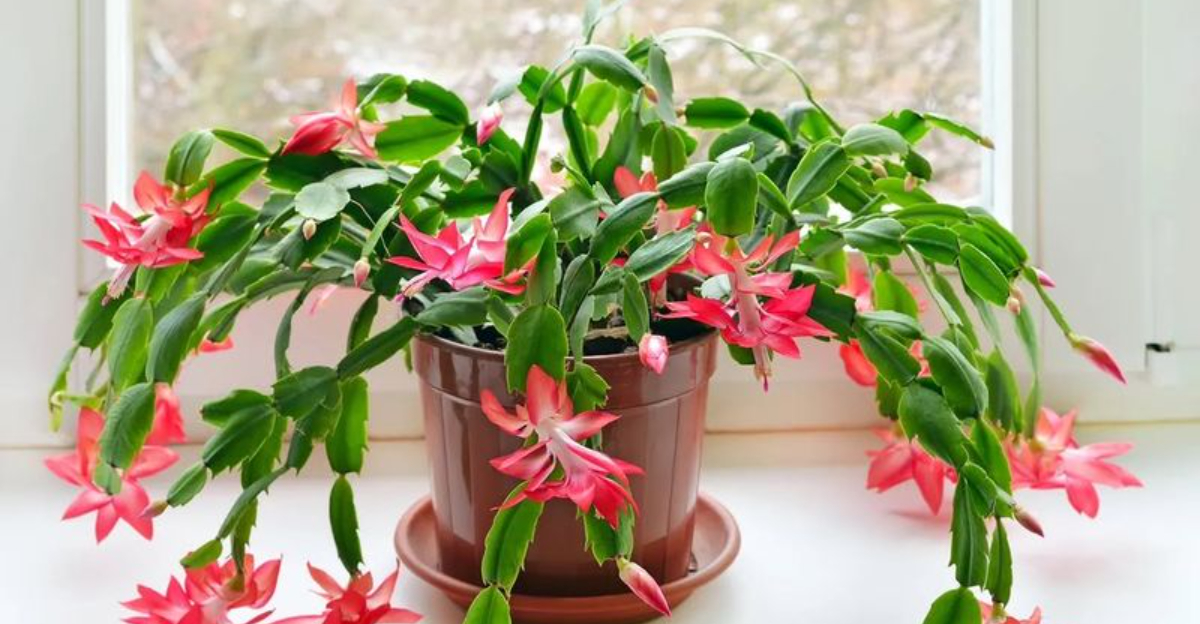
A Christmas cactus brings a splash of color into Minnesota homes just when winter feels never ending.
Its bright blooms show up during the coldest months, yet keeping it healthy indoors can feel like walking a tightrope.
Too much water leaves roots soggy, while too little dries the plant out faster than a wood stove on full blast.
Finding the right balance makes all the difference, especially when indoor air turns dry and heaters run day and night.
This plant follows its own rhythm. It prefers steady moisture, good drainage, and time to dry slightly between waterings.
When cared for properly, it rewards patience with strong growth and blooms that seem to glow against snowy windows.
A small change in routine can shift a struggling cactus into one that thrives.
Watering a Christmas cactus in Minnesota takes a light touch and a watchful eye.
Paying attention to the soil and the plant itself keeps guesswork out of the equation.
With a few smart habits, this holiday favorite stays healthy and vibrant all season long, proving that even in the depths of winter, a little care can spark something beautiful.
1. Check The Soil Moisture Before Every Watering Session
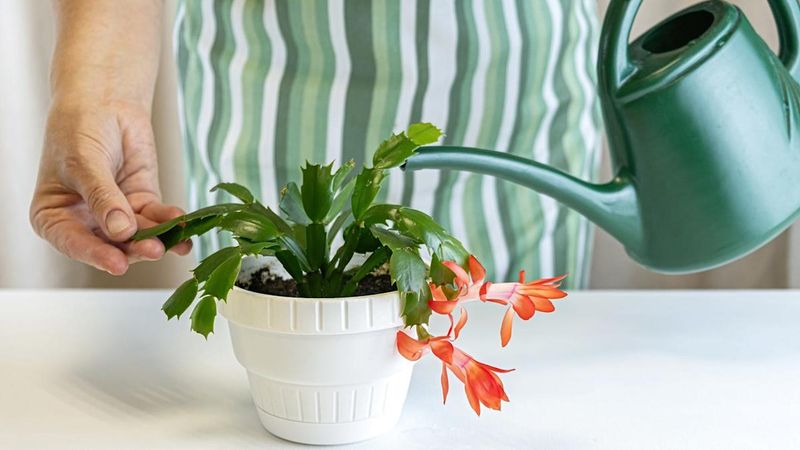
Your Christmas cactus will tell you when it needs water, but you have to know how to listen by checking the soil properly.
Many plant owners make the mistake of watering on a strict schedule without considering what the plant actually needs.
Stick your finger about one to two inches deep into the soil to feel the moisture level before reaching for your watering can.
If the soil feels completely dry at that depth, your plant is ready for a drink.
When the soil still feels slightly damp or cool to the touch, wait another day or two before checking again.
Minnesota winters can be unpredictable with fluctuating indoor temperatures and humidity levels, which affects how quickly soil dries out.
During the heating season, your home’s air becomes much drier, and your Christmas cactus might need water more frequently than during milder months.
Conversely, if you keep your home cooler or have a humidifier running, the soil will retain moisture longer.
This simple touch test takes just seconds but prevents both overwatering and underwatering problems.
Overwatering leads to root rot, which causes the segments to become mushy and discolored.
Underwatering makes the plant segments appear wrinkled, thin, and shriveled.
By developing the habit of checking soil moisture before every watering, you’ll learn your plant’s specific rhythm and keep it thriving through all seasons in Minnesota.
Remember that terracotta pots dry out faster than plastic ones, so adjust your checking schedule accordingly.
Pay attention to your plant’s location too, since cacti near heating vents or sunny windows will need more frequent watering.
This personalized approach works better than any generic watering schedule you might find online.
2. Use Room Temperature Water To Avoid Shocking The Roots
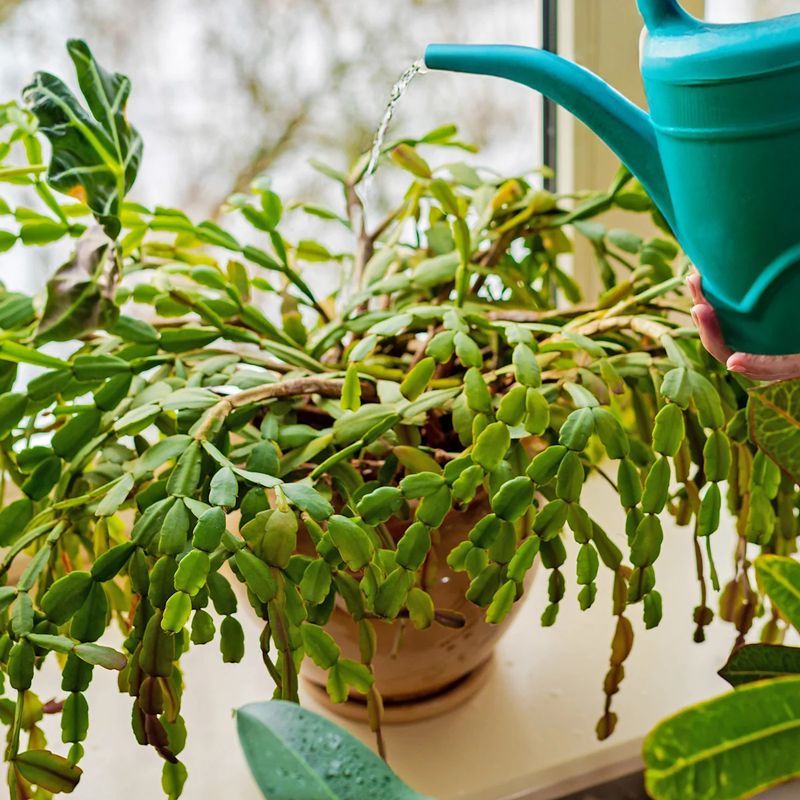
Temperature matters more than most people realize when it comes to watering houseplants.
Christmas cacti have sensitive root systems that react poorly to sudden temperature changes.
Cold water straight from the tap can shock the roots and stress the entire plant, potentially causing bud drop or slowed growth.
Fill your watering can or container and let it sit at room temperature for at least an hour before using it on your plant.
This simple step allows the water to reach the same temperature as your home environment and the soil in the pot.
In Minnesota, where tap water can be especially cold during winter months, this practice becomes even more important for plant health.
Room temperature water, typically between 65 and 75 degrees Fahrenheit, gets absorbed more easily by the roots.
The plant doesn’t have to expend extra energy adjusting to temperature differences.
This means nutrients and moisture move through the plant more efficiently, supporting healthy growth and better blooming.
Some gardeners keep a dedicated watering pitcher filled and ready at all times.
This ensures you always have room temperature water available whenever your Christmas cactus needs it.
You can place the container near your plant as a convenient reminder and ready supply.
Another benefit of letting water sit out is that chlorine and other chemicals in tap water have time to dissipate.
While Christmas cacti aren’t extremely sensitive to chlorine, reducing chemical exposure is always beneficial.
If your Minnesota municipal water is heavily treated, consider letting water sit for 24 hours or using filtered water for even better results.
3. Water Thoroughly Until It Drains From The Bottom
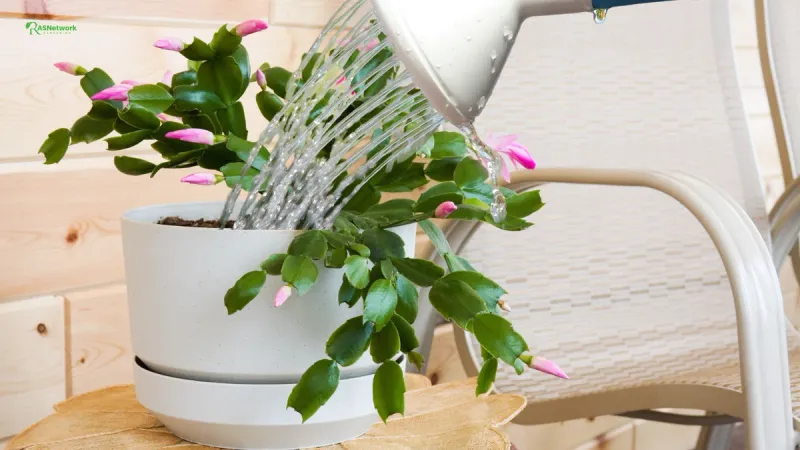
When your Christmas cactus needs water, commit to doing the job properly by watering deeply rather than giving it small sips.
Shallow watering only moistens the top layer of soil, which encourages roots to grow upward instead of developing a strong, deep root system.
Pour water slowly and evenly across the entire soil surface until you see it beginning to drain from the holes at the bottom of the pot.
This thorough watering technique ensures that moisture reaches all parts of the root system.
Roots throughout the entire pot get access to the water they need for nutrient uptake and healthy function.
In Minnesota’s dry winter conditions, this deep watering helps the plant store moisture more effectively between watering sessions.
After water begins draining into the saucer beneath your pot, stop adding more water and wait about 15 to 30 minutes.
This allows excess water to fully drain away from the soil.
Then, and this step is crucial, empty the saucer so your plant isn’t sitting in standing water.
Leaving your Christmas cactus in a water-filled saucer creates a perfect environment for root rot.
The roots need oxygen as well as water, and constantly soggy conditions prevent proper air circulation around the root zone.
This is one of the most common mistakes that leads to unhealthy plants.
If your pot doesn’t have drainage holes, you need to be extra careful about the amount of water you provide.
Consider repotting into a container with proper drainage for easier care.
For Minnesota plant owners dealing with dry indoor air, proper drainage becomes even more important since you might be tempted to overwater to compensate for low humidity.
4. Reduce Watering Frequency During The Fall Rest Period
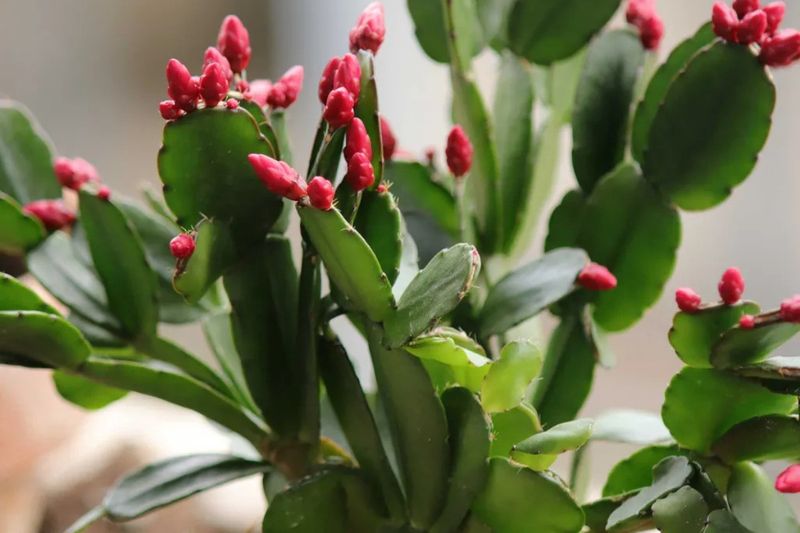
Understanding your Christmas cactus’s natural growth cycle makes a huge difference in how well it blooms.
These plants need a rest period in fall to trigger bud formation for their spectacular winter flower show.
Starting in late September or early October in Minnesota, gradually reduce how often you water your plant.
During this rest period, which typically lasts six to eight weeks, your Christmas cactus needs cooler temperatures and less water.
Allow the soil to dry out more thoroughly between waterings than you would during active growth periods.
You might water only once every two to three weeks during this time, depending on your home’s conditions.
This intentional stress period mimics the plant’s natural environment and signals that it’s time to set buds.
The combination of reduced watering, shorter daylight hours, and cooler temperatures works together to prepare the plant for blooming.
Minnesota’s naturally cooling temperatures in fall actually work in your favor for providing these ideal conditions.
Watch your plant carefully during this period to make sure you’re not reducing water too much.
The segments should remain plump and firm, not shriveled or wrinkled.
If you notice significant wrinkling, provide a small amount of water to prevent stress that’s too severe.
Some Minnesota homes maintain very warm temperatures even in fall, which can interfere with the rest period.
If possible, move your plant to a cooler room where temperatures stay between 50 and 55 degrees Fahrenheit at night.
This cooler environment, combined with reduced watering, creates perfect conditions for abundant bud formation that will reward you with gorgeous blooms during the holiday season.
5. Increase Humidity Around Your Plant During Minnesota Winters
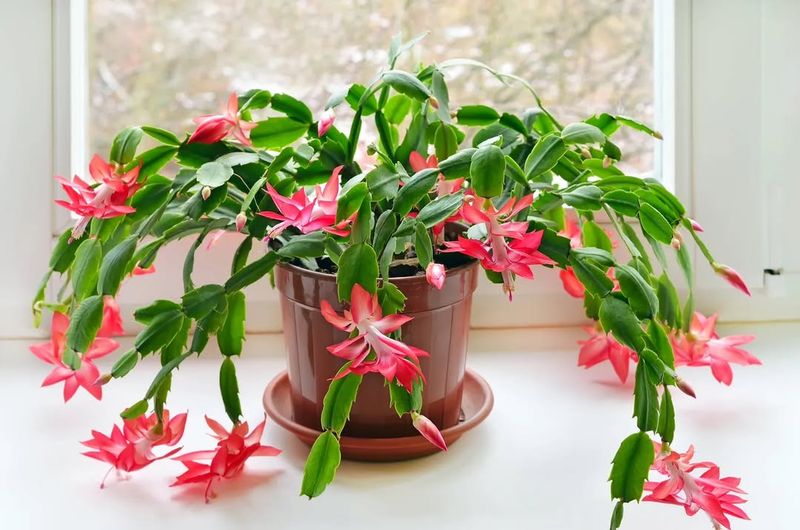
Minnesota winters bring beautiful snow but also create desert-like conditions inside our homes.
Heating systems strip moisture from the air, dropping indoor humidity levels to 10 or 20 percent when Christmas cacti prefer 50 to 60 percent humidity.
While adjusting your watering schedule helps, increasing ambient humidity provides even better support for your plant’s health.
One effective method involves creating a humidity tray by filling a shallow dish with pebbles and adding water until it reaches just below the top of the stones.
Place your potted Christmas cactus on top of the pebbles, making sure the pot bottom sits above the water level rather than in it.
As water evaporates, it creates a more humid microclimate around your plant without causing soggy soil conditions.
Grouping several houseplants together also increases humidity since plants release moisture through their leaves.
This natural process, called transpiration, benefits all the plants in the group.
Your Christmas cactus will appreciate having some green neighbors during the long Minnesota winter.
Running a humidifier in the room where you keep your plant provides the most consistent humidity control.
This investment benefits not just your plants but also your own comfort and health during dry winter months.
Many Minnesotans find that humidifiers help with dry skin, static electricity, and respiratory comfort.
Misting your Christmas cactus is often recommended but actually provides only temporary humidity that doesn’t help much.
The water evaporates too quickly to make a real difference.
Focus instead on the methods that create lasting humidity improvements in your plant’s environment for truly healthy growth throughout Minnesota’s challenging winter season.
6. Adjust Your Watering Based On Light Exposure And Location
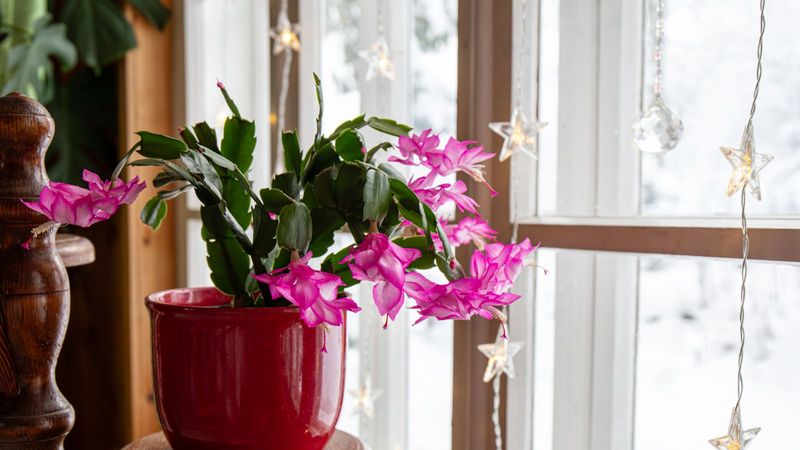
Where you place your Christmas cactus dramatically affects its watering needs.
A plant sitting in a bright east-facing window uses water much faster than one in a dimmer corner of your Minnesota home.
Light intensity directly impacts how quickly the plant photosynthesizes and how much water it pulls from the soil.
Christmas cacti prefer bright, indirect light rather than harsh direct sun.
In Minnesota, south-facing windows can be intense even in winter, especially with light reflecting off snow.
If your plant sits in such a location, expect to water more frequently and watch for signs of leaf stress like reddish tinting on the segments.
Plants in lower light conditions need less frequent watering since they’re growing more slowly.
However, don’t assume that less light means you should drastically cut back on water.
You still need to maintain proper soil moisture levels based on what the touch test tells you.
The distance from heat sources also matters significantly for watering frequency.
Christmas cacti near radiators, heating vents, or fireplaces dry out much faster than those in cooler spots.
Minnesota winters mean heating systems run constantly, so be mindful of where warm air flows in your home.
Consider rotating your plant’s position seasonally to provide optimal conditions year-round.
A spot that works perfectly in summer might be too cold and drafty near a window in January.
Pay attention to how location changes affect your plant’s water needs and adjust accordingly.
Keep notes about where your plant is located and how often it needs water in that spot.
This information helps you develop location-specific watering patterns.
Over time, you’ll become expert at reading your plant’s needs based on its environment in your particular Minnesota home.
7. Watch For Signs Of Watering Problems And Adjust Quickly
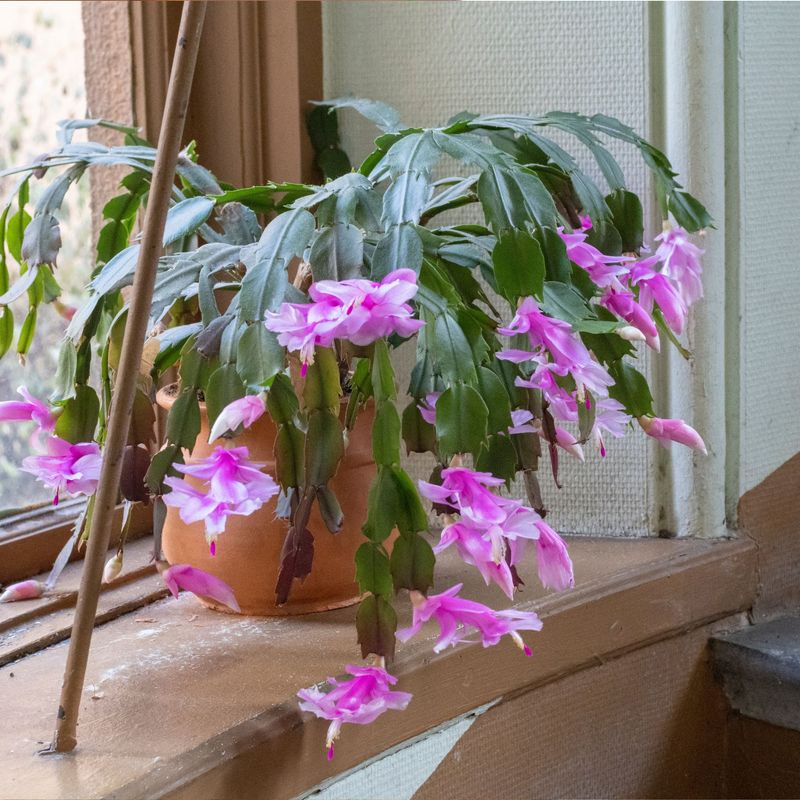
Your Christmas cactus communicates its needs through visible changes in its appearance.
Learning to read these signals helps you catch watering problems before they become serious.
Wrinkled, thin, or limp segments usually indicate that your plant isn’t getting enough water and the cells are losing their plumpness.
When you notice these underwatering signs, give your plant a thorough drink and it should plump back up within a day or two.
In Minnesota’s dry winter air, underwatering happens more commonly than in humid climates.
Don’t panic if you see slight wrinkling, just adjust your watering schedule to be slightly more frequent.
Overwatering shows different symptoms that require more urgent attention.
Segments may become soft, mushy, or translucent, and you might notice yellowing or a general droopy appearance.
The soil will feel constantly wet, and you might even detect a sour or unpleasant smell from the pot.
If you’ve overwatered, stop watering immediately and let the soil dry out significantly.
In severe cases, you may need to remove the plant from its pot, trim away any rotted roots, and repot in fresh, dry soil.
Prevention through proper watering practices is much easier than treating root rot.
Bud drop is another sign that something isn’t right with your watering routine.
If buds form but then fall off before opening, the plant may be experiencing inconsistent watering or temperature fluctuations.
Minnesota homes can have temperature swings near windows, which combined with improper watering creates stress.
Keep a simple journal noting when you water and what your plant looks like.
This record helps you identify patterns and perfect your watering approach.
Within a few months, you’ll develop an intuitive sense for exactly what your Christmas cactus needs to stay healthy and beautiful.