Wax Begonia Care Tips For Thriving Plants In Michigan
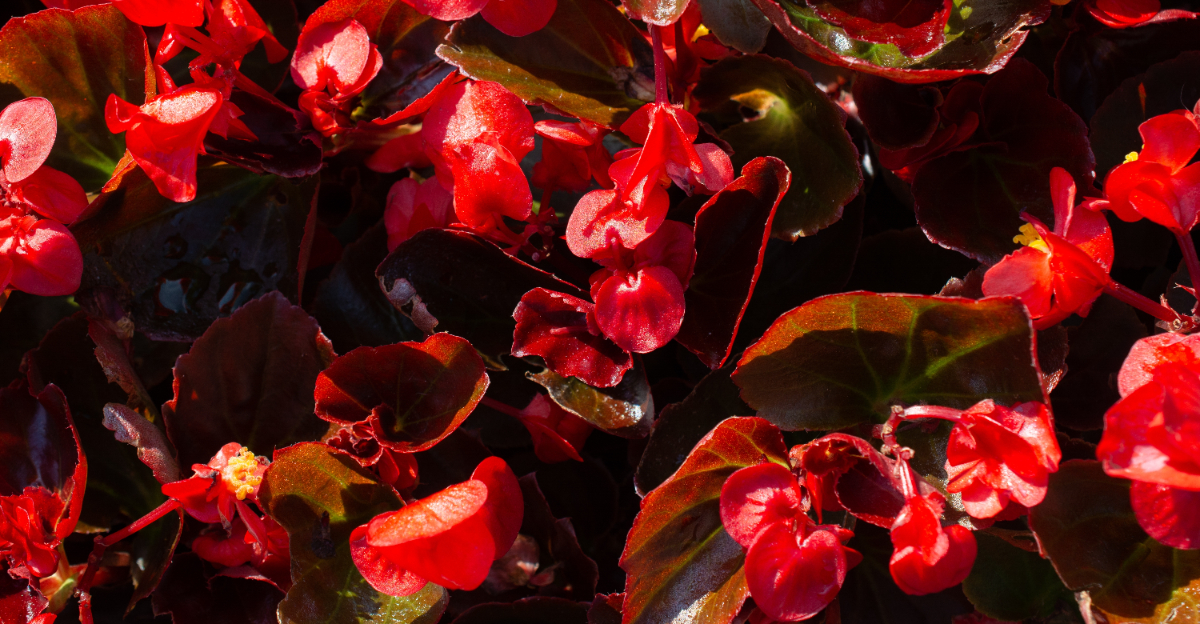
Wax begonias may look small and simple at first, but in a Michigan garden or container, they can become some of the hardest working plants you grow.
These flowers keep putting out color through summer, handle changing weather better than many people expect, and bring a clean, tidy look to beds, borders, and pots.
That is part of what makes them so popular. The catch is that they grow best when a few basic needs are met from the start.
Too much water, poor light, or crowded planting can leave them thin, weak, or slow to bloom. In a state where spring can be cool and summer can turn hot fast, knowing how to care for wax begonias really matters.
With the right approach, these plants stay fuller, healthier, and far more colorful, turning small spaces and larger garden beds into bright spots that last for months.
1. Plant Outdoors Only After Frost Risk Has Passed
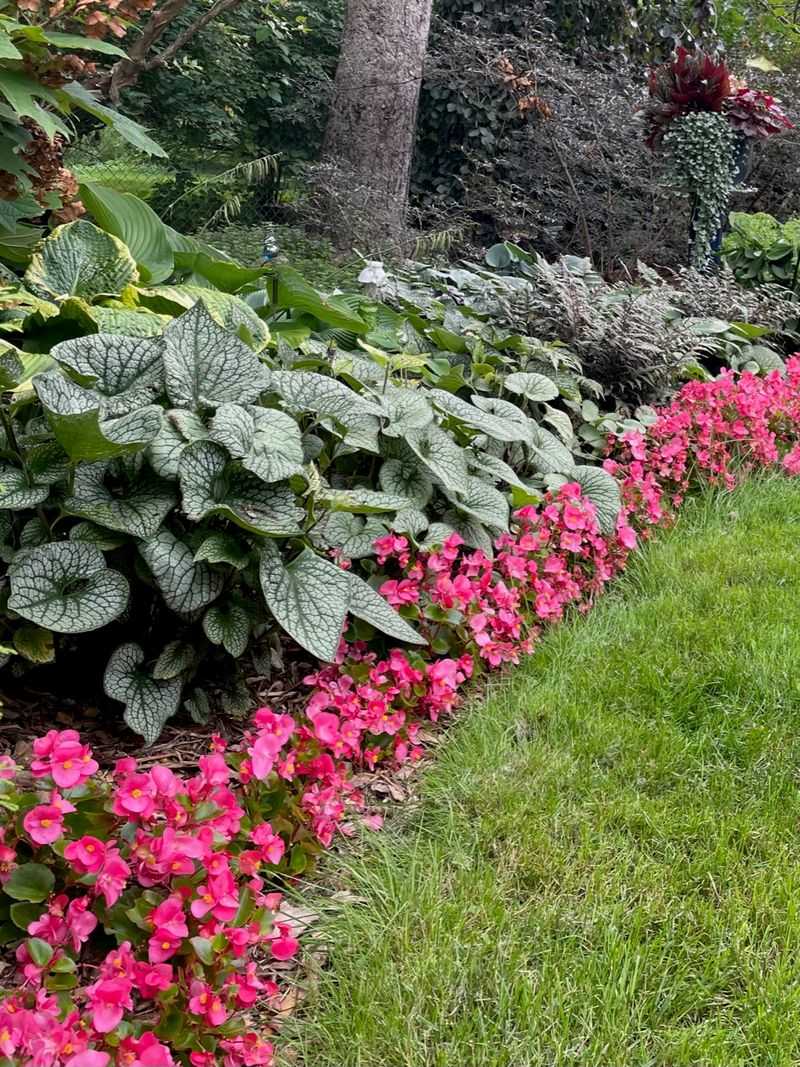
Timing is everything when it comes to wax begonias in Michigan. Begonia semperflorens is a warm-weather plant that has zero tolerance for frost, and even one chilly night can set your plants back in a big way.
Michigan gardeners in Zones 5 and 6 should wait until mid to late May before moving begonias outdoors.
The last frost date varies across the state, with northern Michigan running later than the southern regions. A good rule of thumb is to check local frost calendars and wait until nighttime temperatures stay consistently above 50 degrees Fahrenheit.
Rushing the process might seem tempting when spring sunshine arrives early, but a cold snap can damage tender stems and foliage quickly.
Starting your begonias indoors six to eight weeks before the outdoor planting date gives them a strong head start. Harden them off gradually by setting them outside for a few hours each day over one to two weeks.
This slow transition helps them adjust to outdoor conditions without stress. Once the soil has warmed and frost is off the forecast, your begonias will settle in fast and start blooming with impressive energy all through Michigan’s growing season.
2. Choose The Right Light For Strong Growth
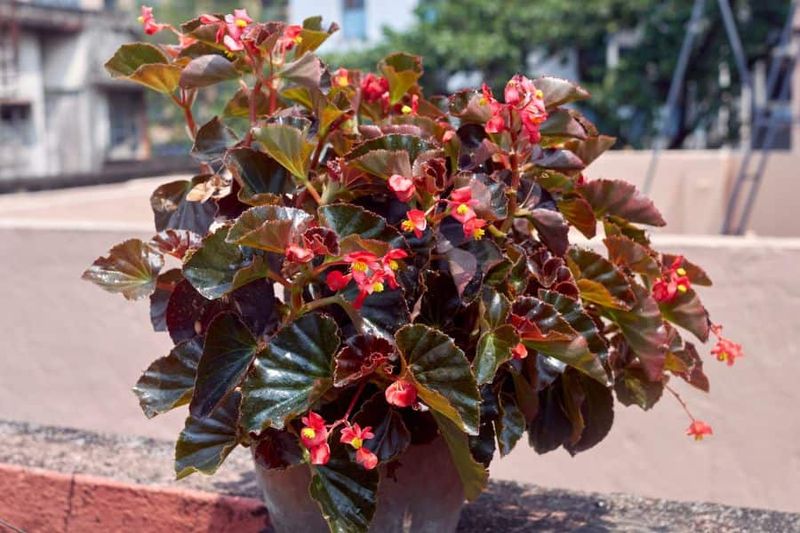
Few flowering plants handle Michigan’s variable sunlight as well as wax begonias do. They are adaptable enough to grow in full sun or partial shade, which gives gardeners a lot of flexibility when planning beds and containers.
In cooler parts of the state, full sun actually encourages more compact growth and a heavier flush of blooms.
Southern Michigan summers can get pretty intense, especially during July and August when afternoon temperatures climb. During those stretches, a bit of afternoon shade goes a long way toward keeping your plants looking fresh.
Direct midday sun on hot pavement or south-facing walls can stress the foliage and cause leaf edges to look scorched and pale.
Morning sun with filtered afternoon light is often the sweet spot for wax begonias in warmer Michigan locations. East-facing garden beds tend to work really well for this reason.
If you are growing begonias in containers on a sunny patio, you can simply move the pots to a shadier spot during the hottest weeks.
Bronze-leaved varieties tend to handle full sun a bit better than green-leaved types, so keep that in mind when choosing plants at your local Michigan nursery this spring.
3. Use Well-Drained Soil To Prevent Root Issues
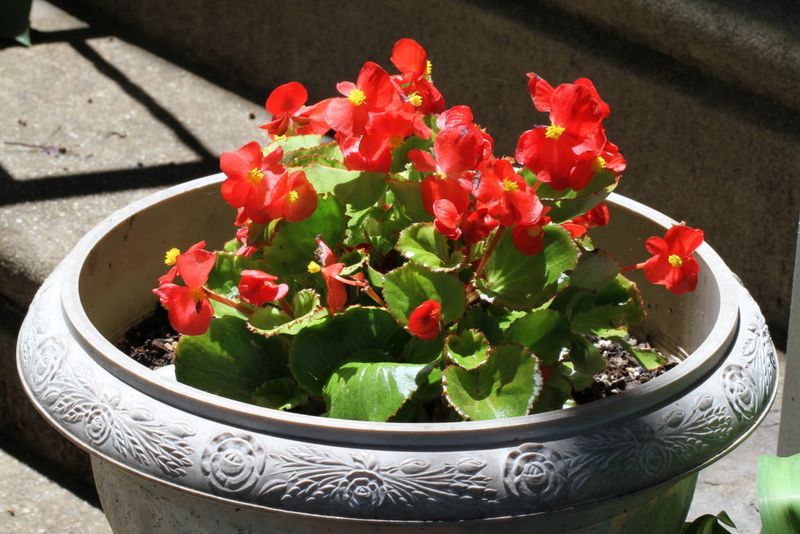
Michigan soil is not always begonia-friendly straight out of the ground. Heavy clay soils are common across much of the state, and clay holds water in a way that can suffocate begonia roots over time.
Getting the soil right before planting is one of the smartest moves you can make for long-term success.
Working compost or aged organic matter into your planting area improves both drainage and nutrient availability. A ratio of roughly one part compost to two parts native soil creates a loose, airy mix that roots love.
Raised beds are another excellent option for Michigan gardeners dealing with particularly dense or compacted ground.
Good drainage matters most during Michigan’s rainy spring weeks and after summer thunderstorms, when water can pool quickly in low spots. Begonias sitting in waterlogged soil for even a day or two can develop root problems that slow their growth significantly.
For container planting, always use a quality potting mix with perlite added for extra drainage, and make sure every pot has working drainage holes.
Healthy, well-aerated soil sets the foundation for strong roots, vibrant foliage, and nonstop blooms from late spring all the way through Michigan’s first fall cool-down.
4. Water Consistently But Avoid Soggy Soil
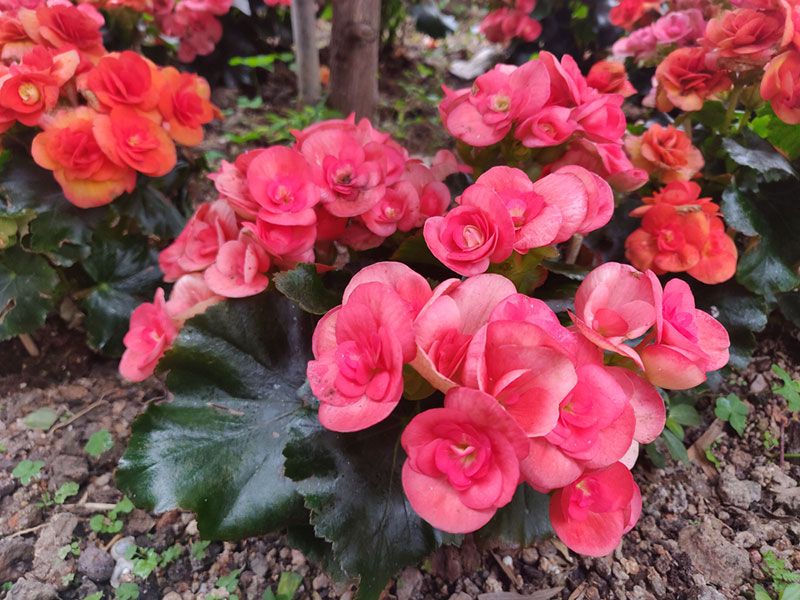
Wax begonias like moisture, but they do not like wet feet. Keeping the soil evenly moist without letting it become waterlogged is the sweet spot that keeps these plants blooming strong all summer.
Michigan’s weather can swing from dry spells to rainy stretches within the same week, so staying observant is key.
Before reaching for the watering can, press your finger about an inch into the soil. If it feels dry at that depth, it is time to water.
If it still feels damp, give it another day. This simple check takes seconds and prevents the overwatering that is one of the most common mistakes Michigan gardeners make with begonias in containers and garden beds alike.
Watering at the base of the plant rather than overhead keeps the foliage dry, which reduces the chance of fungal problems during humid Michigan summers. Early morning is the best time to water so any moisture on leaves dries quickly in the sun.
During rainy weeks, you may not need to water at all, and that is perfectly fine. Consistent attention to soil moisture, adjusted based on current weather, is what keeps wax begonias looking their absolute best from planting day through late summer.
5. Deadheading Is Optional But Helpful
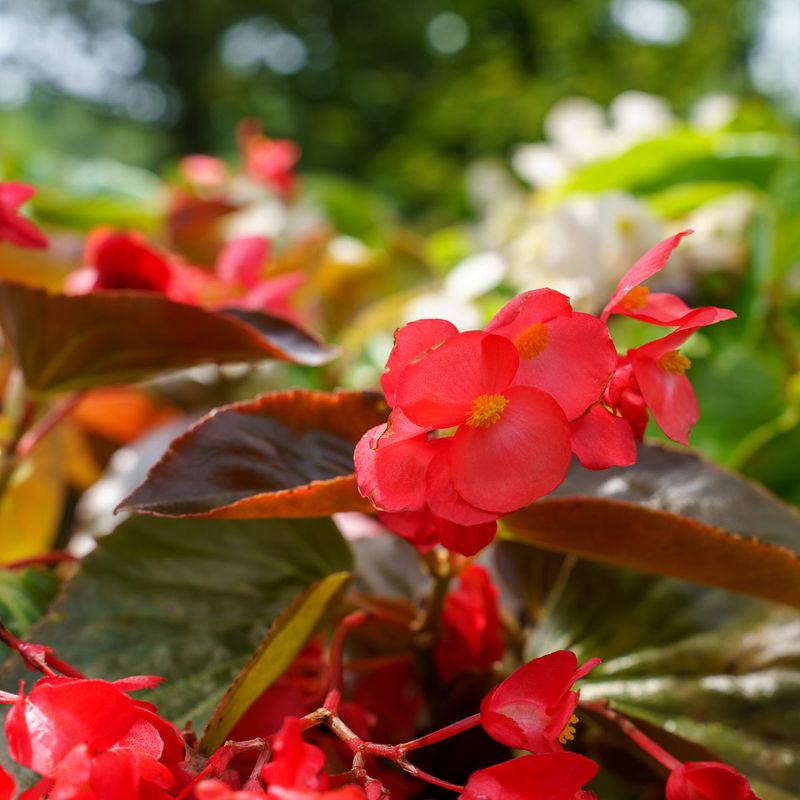
One of the most convenient things about wax begonias is that they are self-cleaning plants. Spent blooms naturally drop off on their own without any help from you, which is one reason they stay looking tidy even when you are busy with other garden chores.
This self-cleaning habit makes them a popular choice for Michigan gardeners who want color without constant maintenance.
That said, spending a few minutes doing light deadheading here and there can make a noticeable difference in how full and floriferous your plants look. Removing faded flowers before they fully drop signals the plant to redirect energy into producing new buds.
During Michigan’s long summer growing season, that small effort adds up to a more impressive display by August and September.
You do not need any special tools for deadheading wax begonias. Simply pinch off spent blooms between your fingers, or use small garden scissors if you prefer.
While you are at it, removing any yellowing or damaged leaves keeps the plant looking clean and helps with airflow around the stems.
If plants start looking a little leggy by midsummer, a light pinch of the stem tips encourages bushier, more compact growth that suits Michigan’s warm garden beds and patio containers perfectly.
6. Fertilize Lightly For Continuous Blooms
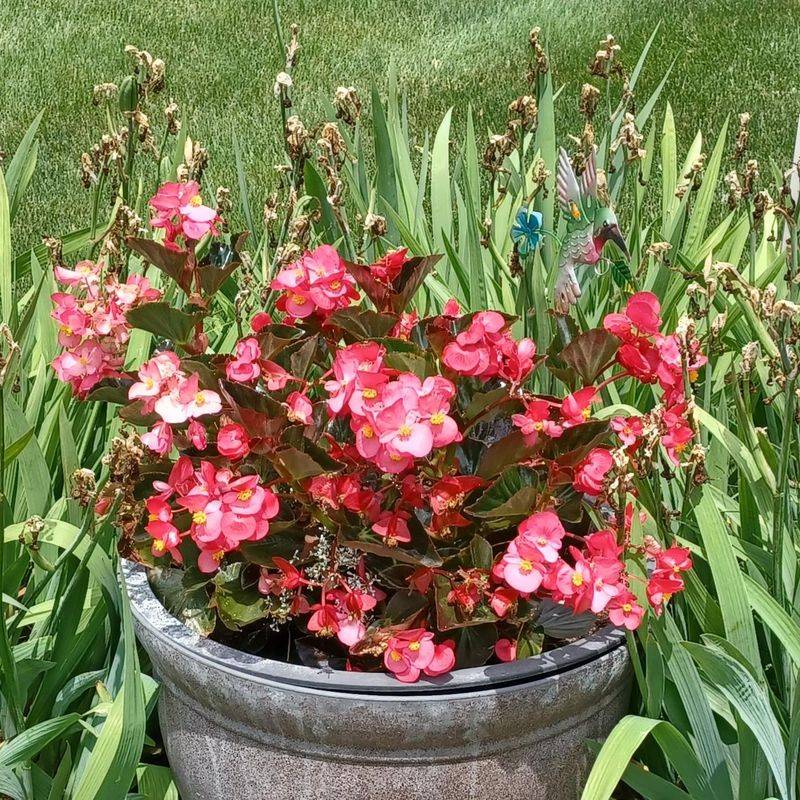
Wax begonias are not heavy feeders, but a little fertilizer goes a long way toward keeping blooms coming all season.
A balanced, water-soluble fertilizer applied every three to four weeks during the growing season gives plants the nutrients they need without pushing them too hard.
Michigan’s growing season runs roughly from late May through September, so you have several months of feeding opportunities.
Over-fertilizing is a real concern with begonias. Too much nitrogen causes the plant to pump out lush, dark green leaves at the expense of flowers.
If your begonias look leafy but are not blooming as freely as you expected, scaling back the fertilizer and switching to a formula with a higher middle number, which represents phosphorus, can help shift the plant back toward flowering mode.
Slow-release granular fertilizers mixed into the soil at planting time offer a convenient alternative to liquid feeding. They break down gradually and provide a steady, gentle nutrient supply that suits begonias well.
For container plants on Michigan patios and decks, liquid fertilizer every three to four weeks tends to work better since nutrients wash out with each watering.
Always follow the label directions and err on the side of feeding a little less rather than a little more for the best blooming results all summer long.
7. Space Plants For Airflow In Humid Conditions
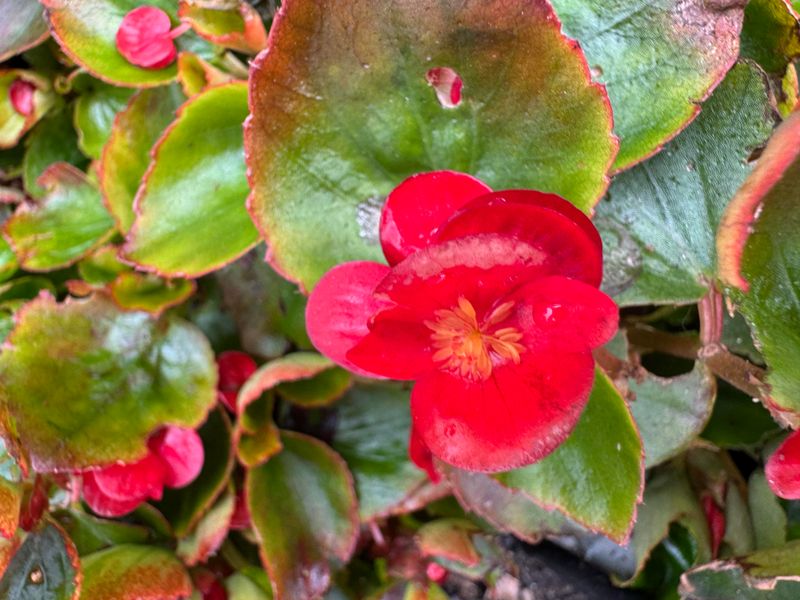
Michigan summers can get surprisingly humid, especially in areas near the Great Lakes. That warm, sticky air creates conditions where fungal problems can develop quickly if plants are crowded too close together.
Proper spacing is a simple, proactive step that protects your begonias all season long without any extra products or treatments.
Most wax begonia varieties do well when planted about eight to twelve inches apart. That gap allows air to circulate freely between stems and leaves, which helps foliage dry out faster after rain or morning dew.
Good airflow is one of the most effective natural defenses against powdery mildew and botrytis, two fungal issues that can show up during Michigan’s humid stretches.
When planting begonias in containers, resist the urge to pack too many plants into a single pot just to create a full look right away. Plants fill in quickly on their own, and starting with proper spacing pays off within just a few weeks.
Raised beds and elevated containers also benefit from better natural airflow compared to low ground-level plantings.
Pairing good spacing with base watering and avoiding overhead irrigation gives Michigan gardeners a strong, straightforward system for keeping wax begonias healthy, clean, and blooming through even the most humid weeks of summer.
8. Bring Indoors Or Treat As Annuals
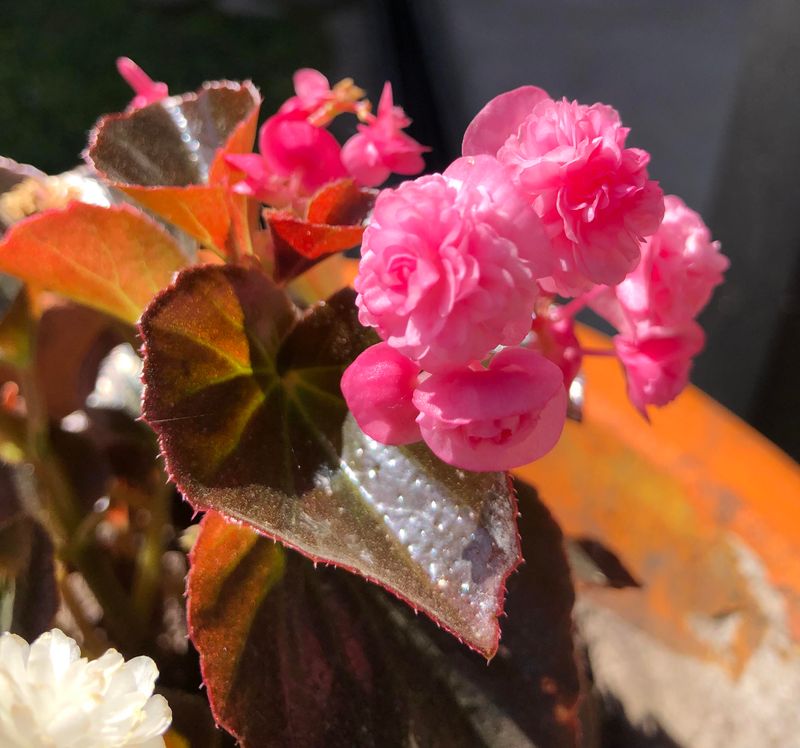
When Michigan’s fall temperatures start dropping, wax begonias face a real challenge. Since they are tropical plants at heart, they cannot survive outdoor winters in Michigan, where hard freezes arrive reliably by October or November.
Most gardeners in the state simply treat them as annuals, enjoying their season of color and replanting fresh each spring.
If you have a begonia that you are particularly fond of, bringing it indoors before the first fall frost is absolutely worth trying. Pot it up in fresh, well-draining soil and move it to a bright indoor spot where it receives at least four to six hours of light per day.
A south or west-facing window works well, and supplemental grow lights can fill in during Michigan’s short, gray winter days.
Indoors, wax begonias slow their growth considerably but can stay alive and even produce occasional blooms through the colder months. Water them less frequently than you would outdoors, allowing the top inch of soil to dry between waterings to prevent root issues.
Come spring, you can take stem cuttings from overwintered plants to multiply your stock before moving everything back outside after Michigan’s last frost. It is a rewarding way to carry your favorite plants forward into a brand-new growing season without starting completely from scratch.