10 Ways Arizona Gardeners Are Growing Award-Winning Roses This Year
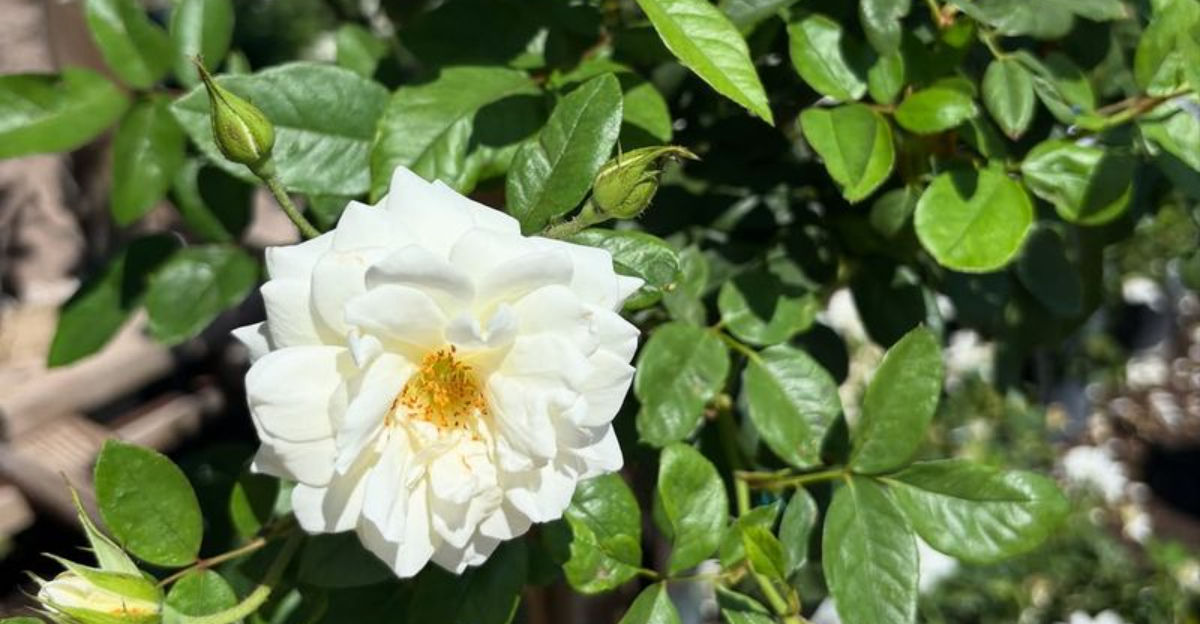
Arizona gardeners are quietly changing how roses perform in extreme heat, and the results are turning heads across neighborhoods.
Growing roses in Arizona used to feel like a constant battle against sun stress, dry air, and poor soil conditions.
This year, more gardeners are proving strong blooms are possible with smarter techniques instead of constant struggle.
The desert climate pushes roses hard, which makes every decision about soil, water, and placement matter more than ever. Small adjustments often lead to surprisingly dramatic improvements.
Many award-winning rose gardens in Arizona rely on consistency rather than intensive care routines.
Timing, protection, and choosing the right varieties have become just as important as feeding and pruning.
Gardeners are also paying closer attention to how roses respond throughout the season instead of forcing growth during peak heat.
These methods focus on helping roses thrive naturally within Arizona’s conditions rather than fighting them.
The results show up in healthier foliage, stronger stems, and longer-lasting blooms.
Arizona gardeners are discovering that standout roses come from working with the environment, not against it.
1. Choosing Heat-Tolerant Rose Varieties
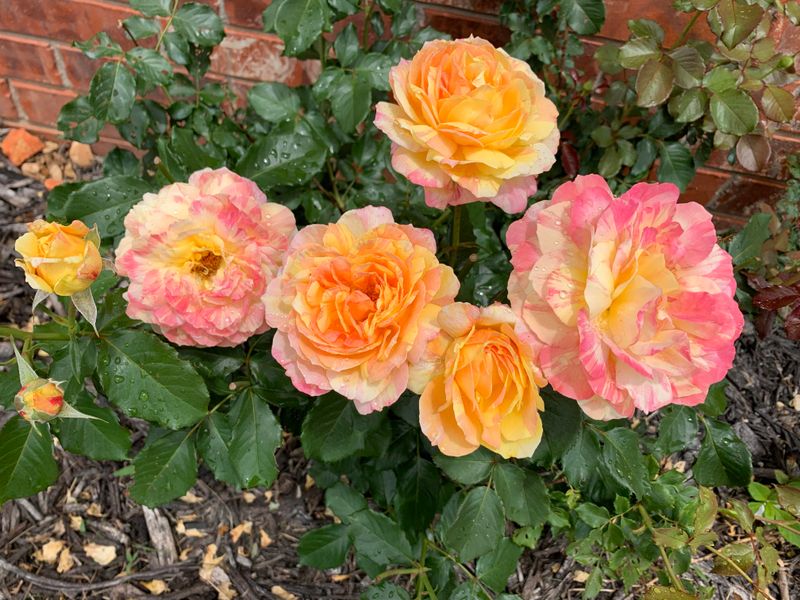
Success starts before you even plant a single stem. Many Arizona rose enthusiasts have discovered that selecting varieties bred to handle intense sun makes all the difference between struggling plants and thriving beauties.
Floribundas and grandifloras tend to perform exceptionally well in desert conditions, bouncing back from heat stress faster than more delicate types.
Local nurseries throughout Arizona now stock roses specifically tested in regional climates. Varieties like ‘Belinda’s Dream’ and ‘Knock Out’ roses have become favorites because they bloom repeatedly despite scorching summers.
Their petals hold up better when temperatures climb above 100 degrees, which happens frequently across the state.
Hybrid teas can still succeed here, but they require more attention and care. Gardeners who’ve won awards often choose grafted roses with hardy rootstock adapted to alkaline soils.
This foundation helps the plant access nutrients more efficiently in challenging desert ground.
Color matters too when selecting heat-resistant varieties. Lighter-colored blooms reflect sunlight rather than absorbing it, helping petals last longer during Arizona’s brutal afternoons.
Whites, pale pinks, and soft yellows often outperform deep reds and purples in extreme heat.
Visiting rose shows across Arizona provides inspiration and education about which varieties truly excel. Talking with fellow growers reveals which cultivars consistently produce show-quality blooms despite the challenging climate.
Their experience becomes invaluable when you’re standing in a nursery trying to decide.
2. Strategic Planting Locations for Shade Protection
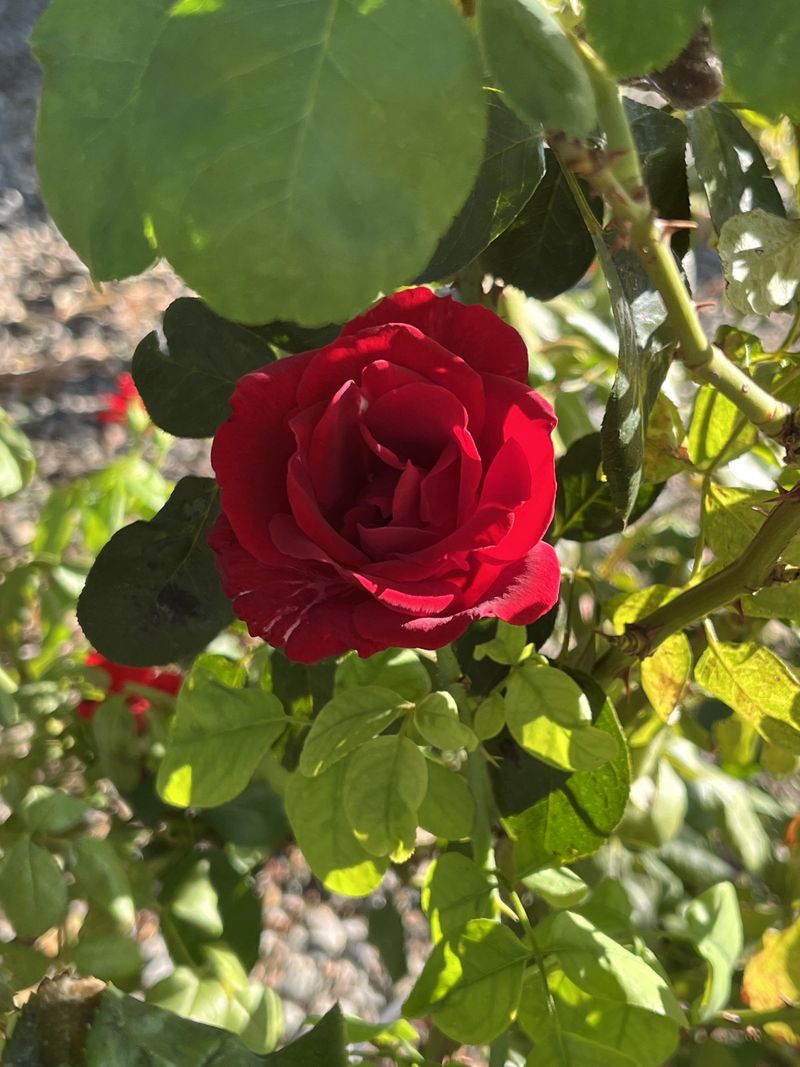
Where you place your roses matters tremendously in Arizona’s intense climate. Award-winning growers have mastered the art of positioning plants where they receive morning sun but gain afternoon shade protection.
Eastern exposures allow roses to photosynthesize during cooler hours while avoiding the most punishing rays.
Walls and fences become valuable allies in desert rose gardening. Planting on the east or north side of structures provides natural shade during the hottest part of the day.
These locations also create microclimates that stay several degrees cooler than fully exposed areas.
Many successful Arizona gardeners plant roses near larger trees or tall shrubs. The dappled shade from mesquite or palo verde trees offers protection without blocking too much light.
This arrangement mimics how roses grow in their native habitats, sheltered by taller companions.
Avoid planting too close to south or west-facing walls that radiate stored heat. These surfaces can raise temperatures around roses by 10 to 15 degrees, essentially creating an oven effect.
Even heat-tolerant varieties struggle when trapped in these hot zones.
Container roses offer flexibility for Arizona growers seeking perfect locations. Moving pots to shadier spots during peak summer months helps plants survive the worst heat.
This mobility lets you experiment until finding ideal microclimates in your yard.
Overhead shade structures have become popular additions to Arizona rose gardens. Simple lattice covers or shade cloth panels filter intense sunlight while still allowing plenty of light through.
These structures can reduce leaf temperatures significantly during summer afternoons.
3. Modified Watering Schedules for Desert Conditions
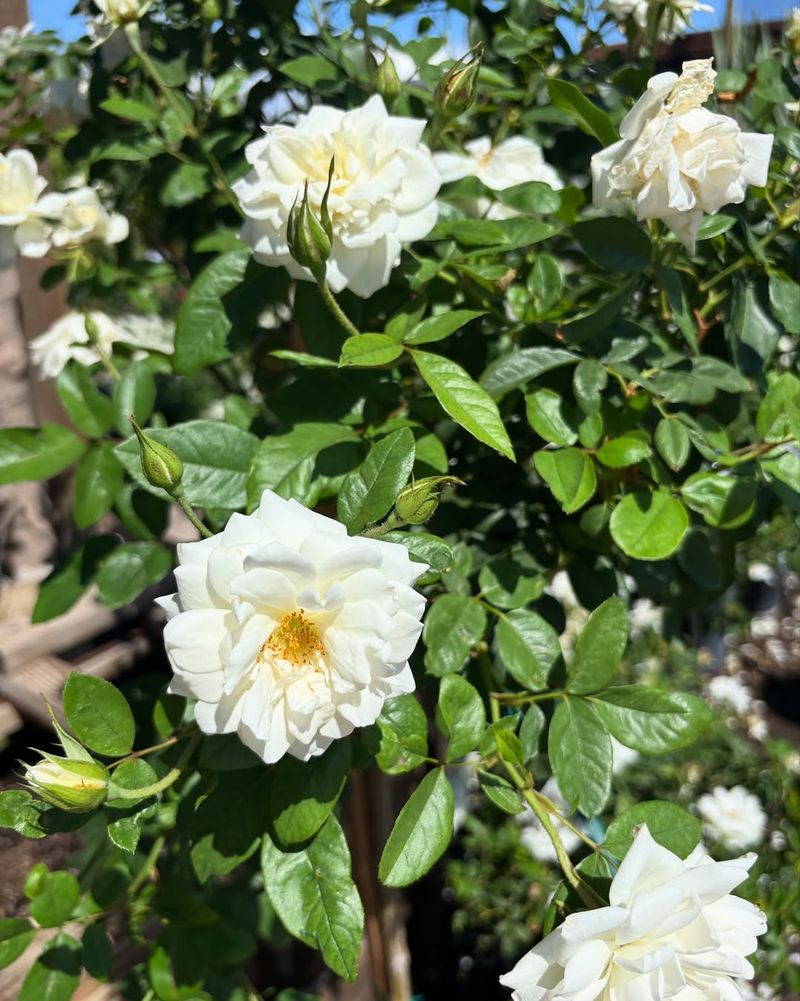
Water management separates struggling rose gardens from award-winning ones in Arizona. Rather than following standard watering advice, successful growers have adapted their schedules to match the desert’s unique demands.
Deep, infrequent watering encourages roots to grow downward, accessing cooler, moister soil layers.
Drip irrigation has become the preferred method for many Arizona rose enthusiasts. This system delivers water directly to root zones without wasting precious moisture to evaporation.
Slow, steady dripping also prevents the soil crusting that happens when water hits hot ground too quickly.
Early morning watering gives roses time to absorb moisture before heat peaks. Wet foliage dries quickly in Arizona’s low humidity, reducing disease risks.
This timing also means less water loss to evaporation compared to afternoon watering.
Soil moisture meters help Arizona gardeners avoid both underwatering and overwatering. These inexpensive tools take the guesswork out of watering schedules.
Checking moisture levels at root depth reveals when plants truly need water rather than following arbitrary schedules.
Mulch becomes absolutely essential for moisture retention in desert gardens. A thick layer of organic mulch keeps soil cooler and reduces water evaporation dramatically.
Arizona growers often apply 3 to 4 inches of mulch around roses, much more than gardeners in humid climates.
4. Soil Amendment Techniques for Alkaline Ground
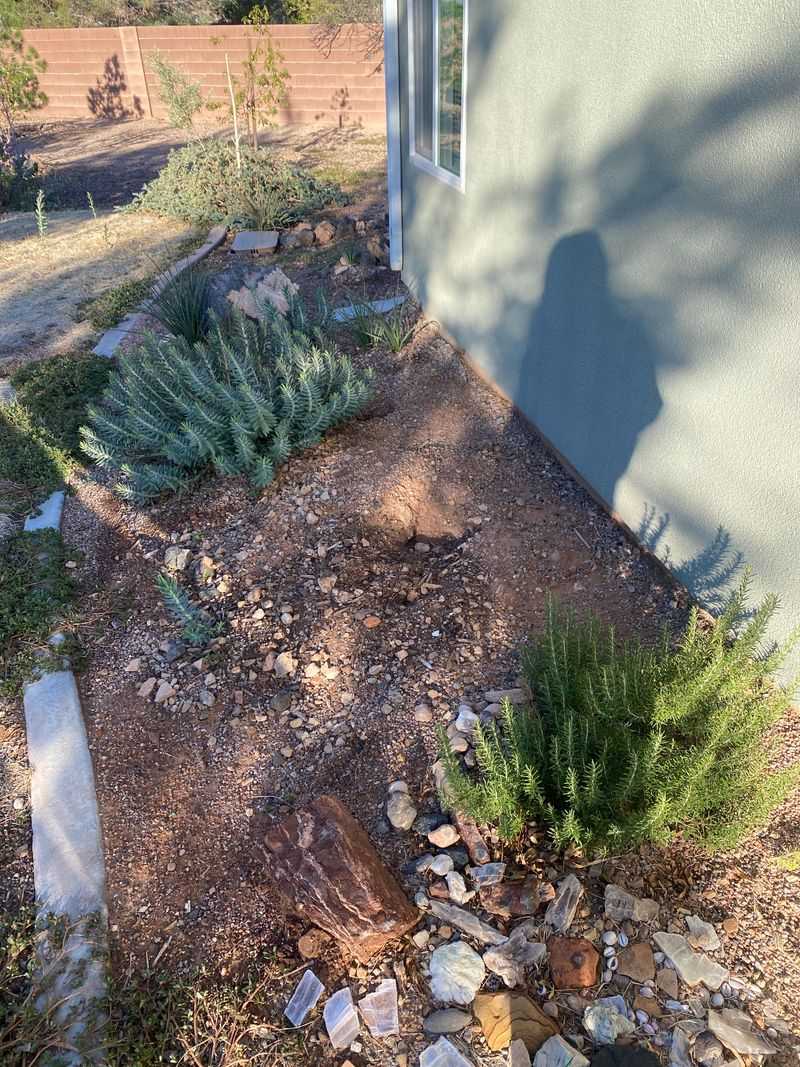
Arizona’s soil conditions often influence how roses grow, especially in regions with naturally alkaline ground.
Many gardeners notice differences in leaf color, growth speed, and bloom quality depending on where roses are planted.
Award-winning rose gardens in Arizona often focus on understanding their soil rather than trying to force rapid changes.
Observation plays a major role, as roses frequently show early signs when conditions are less than ideal.
Gardeners pay close attention to how roses respond over time, adjusting care habits gradually instead of making sudden soil changes.
This slow, measured approach helps prevent unnecessary stress on plants already coping with desert conditions.
Organic matter, planting depth, and overall soil structure all influence how roots develop and how moisture moves through the ground.
Small differences in drainage or compaction can affect rose performance more than soil chemistry alone.
Many experienced Arizona gardeners rely on patience and consistency, allowing roses to adapt naturally rather than relying on aggressive interventions. Over time, plants often adjust and stabilize when conditions remain predictable.
Raised beds, site selection, and long-term soil improvement strategies are commonly discussed among rose growers, especially in challenging landscapes.
These conversations focus more on observation and adaptation than quick fixes.
Successful rose gardens across Arizona show that understanding soil behavior matters more than altering it rapidly.
Healthy roses often come from steady conditions rather than frequent adjustments.
5. Timing Pruning Around Arizona’s Growing Seasons
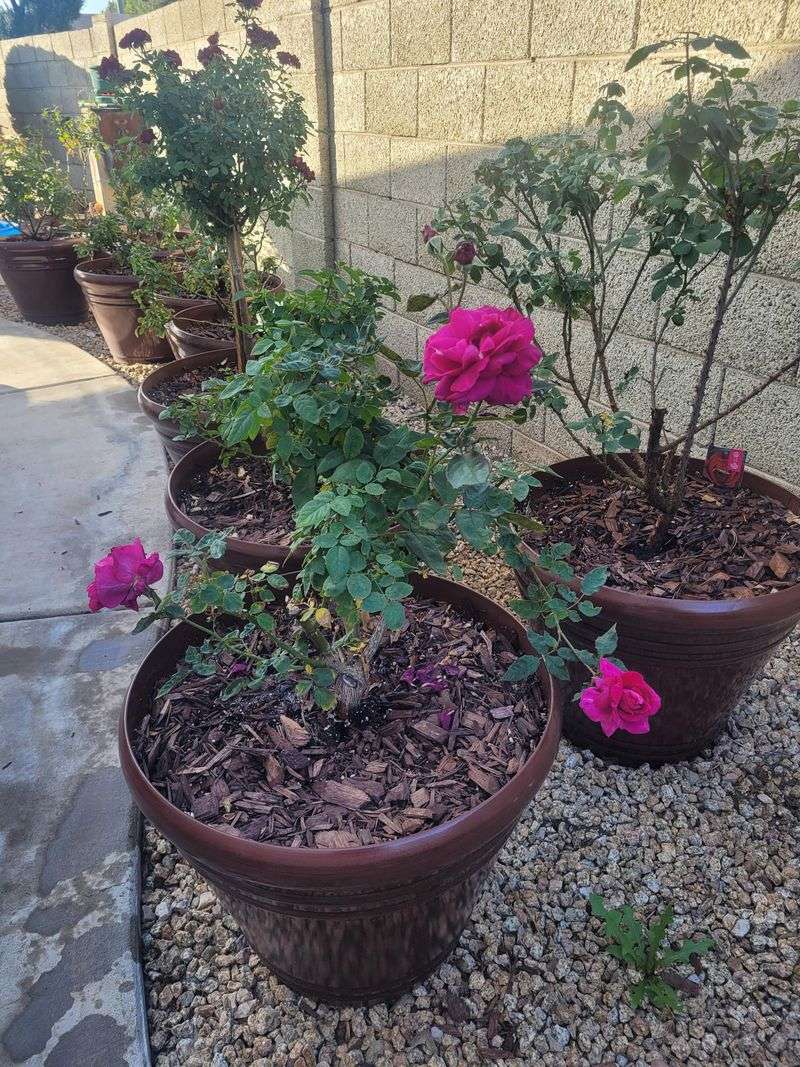
Pruning schedules in Arizona differ dramatically from traditional rose-growing advice. While gardeners in other regions prune in late winter, Arizona’s mild winters and early springs require different timing.
Many experienced Arizona gardeners adjust pruning timing earlier than colder regions
Light summer pruning helps Arizona roses maintain shape without stressing heat-stressed plants. Removing spent blooms and crossing branches keeps energy focused on healthy growth.
Heavy pruning during hot months can shock roses already struggling with temperature extremes.
Understanding Arizona’s two main bloom seasons influences pruning decisions. Roses typically peak in spring and again in fall when temperatures moderate.
Timing cuts to encourage these flush periods maximizes flower production throughout the year.
Sterilizing pruning tools between cuts prevents disease spread in rose gardens.
Clean tools help reduce the chance of spreading problems between plants, especially in warm climates where bacteria spread quickly.
This extra step takes seconds but protects valuable plants from infections that spread through contaminated tools.
Removing damaged or sunburned canes immediately improves plant health. Arizona’s intense sun can scorch exposed branches, creating entry points for pests and diseases.
Clean cuts below damaged areas allow roses to seal wounds and redirect energy to healthy growth.
Thinning the center of rose bushes improves air circulation in Arizona’s gardens. Better airflow helps plants cool themselves during hot afternoons.
This pruning technique also reduces humidity around leaves, discouraging the few fungal diseases that affect desert roses.
6. Fertilization Programs Adapted to Desert Roses
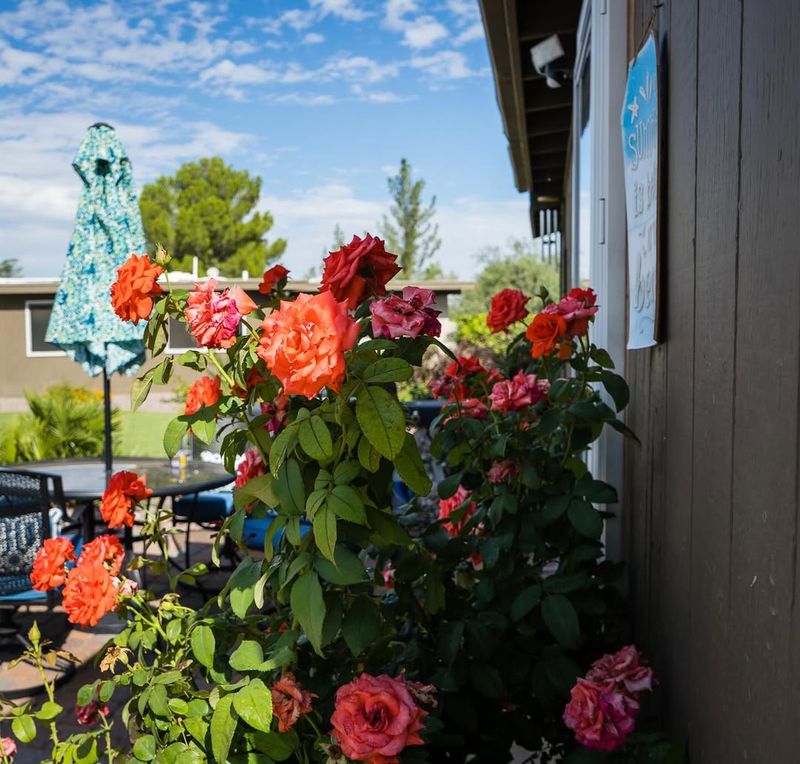
Feeding habits play a role in how roses perform in Arizona’s desert climate, especially during periods of extreme heat.
Many gardeners notice that growth patterns change depending on how consistently plants are supported.
Award-winning rose gardens across Arizona tend to focus on balance rather than aggressive feeding routines.
Too much intervention often creates stress instead of stronger blooms.
Observing foliage color, stem strength, and bloom frequency helps gardeners understand when roses are thriving and when they are struggling. Subtle changes often appear before major problems develop.
Seasonal timing also influences how roses respond to care.
Growth slows naturally during extreme heat and cold, making patience an important part of long-term success.
Many experienced growers rely on steady routines rather than frequent adjustments.
Roses often perform better when conditions remain predictable over time.
Healthier plants tend to show stronger stems, fuller foliage, and more reliable flowering without constant intervention. These signs guide gardeners more effectively than strict schedules.
Arizona rose gardens that earn attention often reflect restraint as much as effort.
Allowing plants to respond naturally helps reduce stress during challenging seasons.
7. Pest Management in Low-Humidity Environments
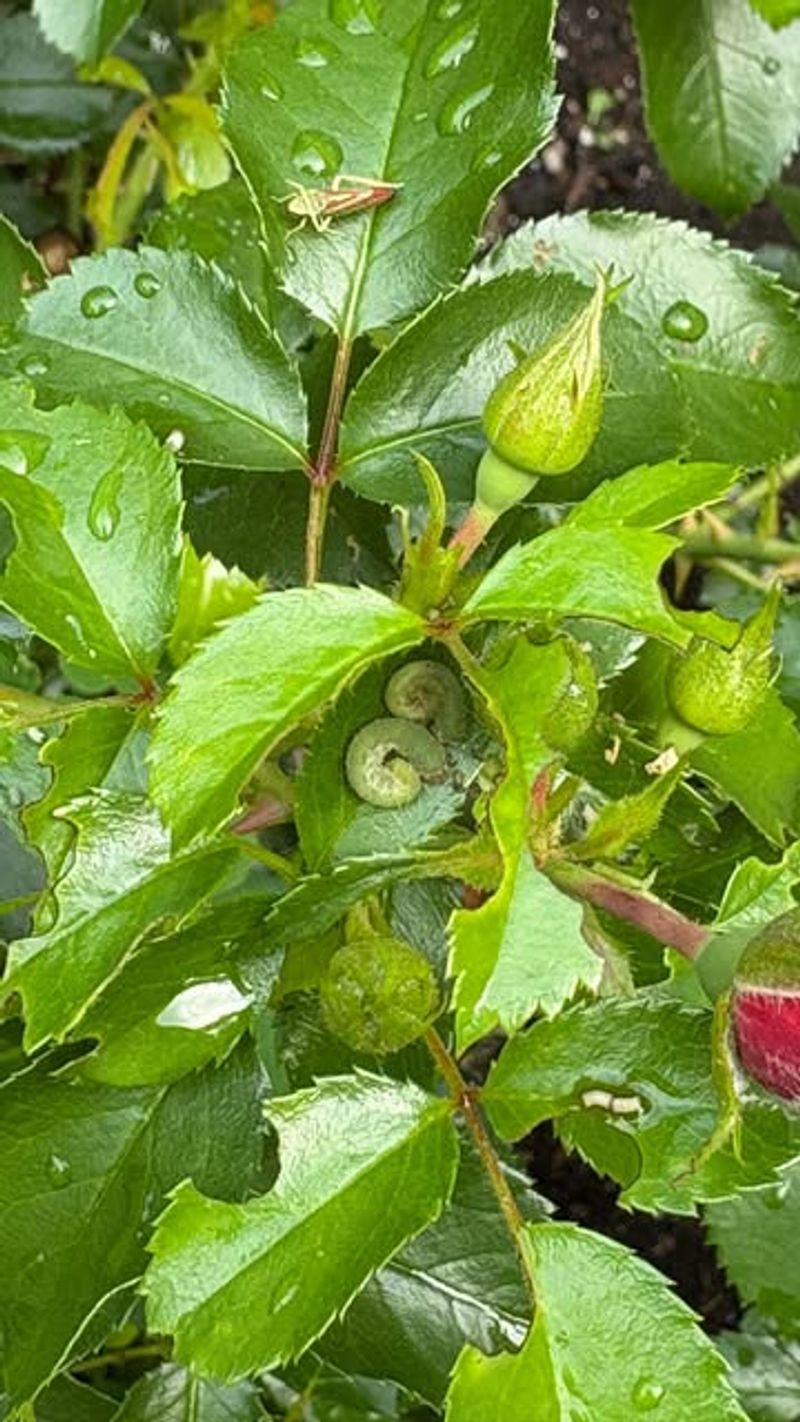
Arizona’s dry climate creates a unique pest profile for rose growers. Spider mites thrive in hot, arid conditions, becoming the primary pest concern.
These tiny arachnids multiply rapidly when humidity drops, sucking sap from leaves and weakening plants significantly.
Regular hosing of rose foliage disrupts spider mite populations naturally. Strong water sprays knock mites off leaves and raise humidity temporarily around plants.
Many Arizona gardeners perform this simple task weekly during summer, preventing mite infestations before they establish.
Beneficial insects provide natural pest control in desert rose gardens. Ladybugs, lacewings, and predatory mites consume harmful pests without chemical interventions.
Creating habitat for these helpers with diverse plantings improves biological pest control across Arizona yards.
Aphids still appear on Arizona roses, especially on tender new growth. These soft-bodied insects cluster on buds and stems, distorting growth and spreading diseases.
Gentle, non-invasive approaches are often preferred when aphids appear, especially methods that do not disrupt beneficial insects already present.
Thrips damage rose blooms by feeding on developing petals. These tiny insects cause brown streaking and distorted flowers, ruining show-quality blooms.
Award-winning Arizona growers monitor buds closely and treat infestations quickly with appropriate insecticides.
Desert roses face fewer fungal diseases than those in humid climates. Powdery mildew occasionally appears during Arizona’s brief humid periods, but proper spacing and pruning minimize problems.
Low humidity eliminates black spot and rust, diseases that plague roses elsewhere.
8. Protecting Blooms from Intense Sunlight
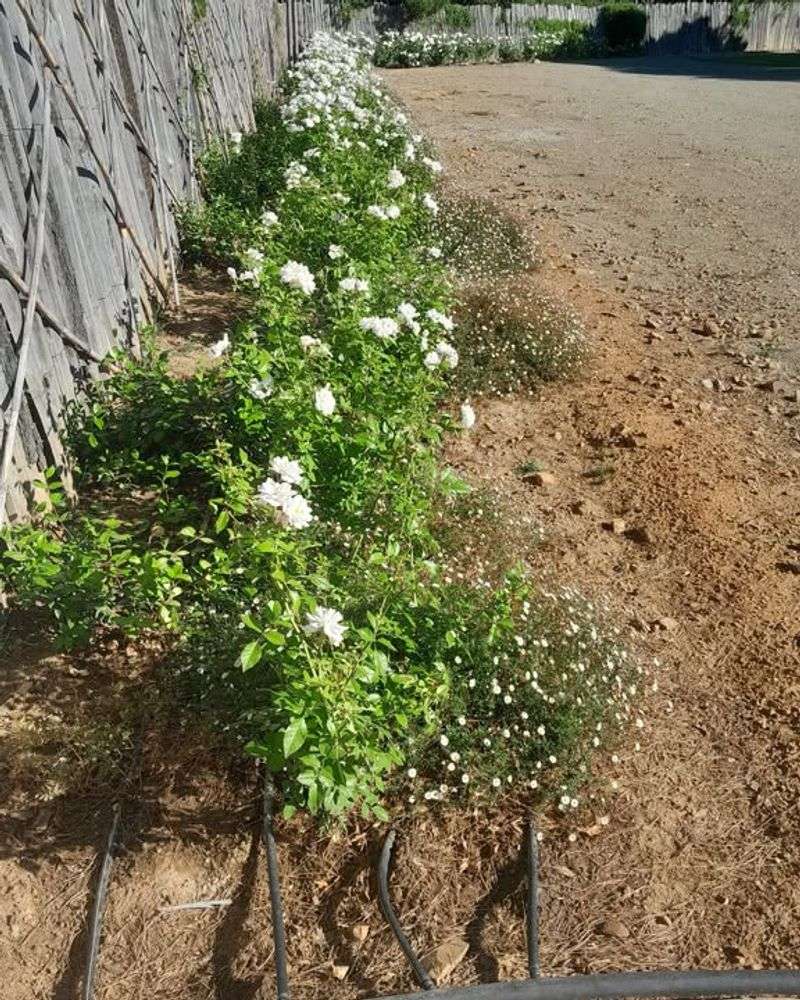
Arizona’s powerful sun can bleach rose petals within hours of opening. Award-winning growers have developed strategies to preserve bloom color and quality despite intense UV exposure.
Shade cloth panels positioned over prize roses during peak afternoon hours protect delicate petals from fading and burning.
Light-colored roses naturally resist sun damage better than dark varieties. Whites, creams, and pale pinks reflect rather than absorb intense light.
Arizona gardeners seeking show-quality blooms often focus on these lighter shades for most reliable color retention.
Timing bloom production for cooler seasons yields better-quality flowers. Many Arizona rose enthusiasts prune and fertilize strategically to encourage heavy blooming in spring and fall.
Summer blooms, while still beautiful, rarely achieve the size and color intensity of those produced in moderate temperatures.
Harvesting roses for arrangements or shows early in the morning preserves quality. Cutting stems before Arizona’s sun reaches full intensity gives flowers their best chance at longevity.
Blooms cut in afternoon heat often wilt quickly despite proper conditioning.
Some Arizona growers construct temporary shade structures during rose show preparation. Simple frames covered with shade cloth filter sunlight around plants producing exhibition blooms.
This extra effort results in flowers with richer colors and better petal substance.
Adequate water becomes crucial for protecting blooms from sun damage. Well-hydrated roses maintain turgid petals that resist heat stress better.
Consistent soil moisture helps Arizona roses produce flowers that hold up under challenging conditions.
9. Companion Planting for Healthier Rose Gardens
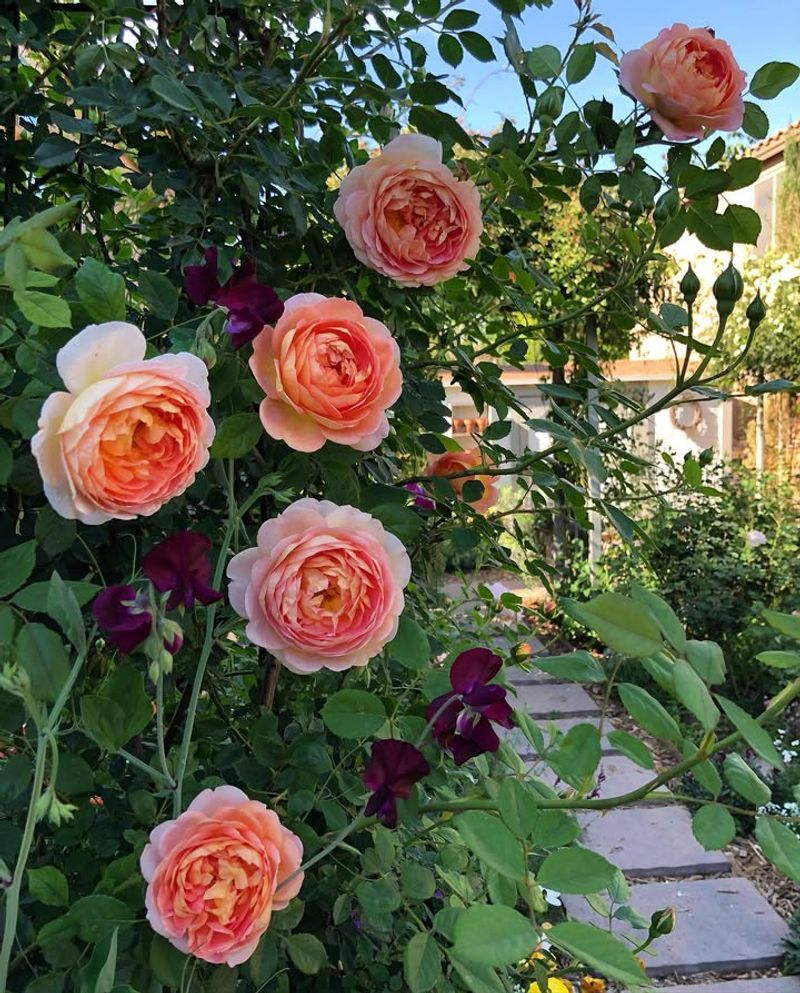
Strategic companion planting enhances rose health and beauty in Arizona gardens. Shallow-rooted annuals planted around roses provide living mulch without competing for deep water and nutrients.
Alyssum, petunias, and sweet potato vine cover bare soil while adding color to rose beds.
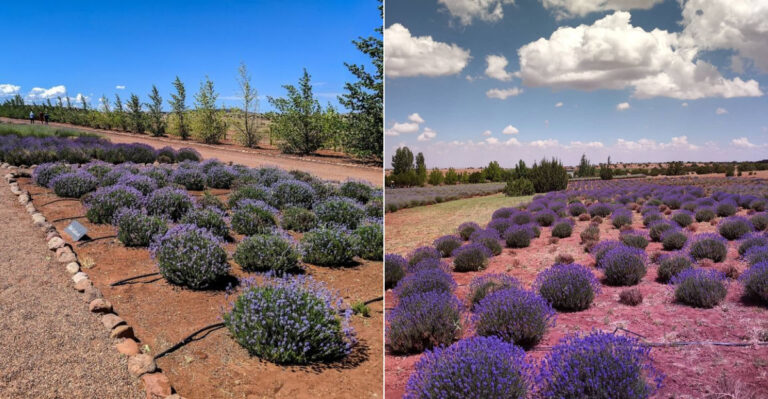
Herbs like lavender and rosemary thrive in Arizona’s climate and complement roses beautifully. These Mediterranean plants share similar water needs once established, making irrigation management easier.
Their fragrance also helps mask rose scents that might attract certain pests.
Garlic and onions planted near roses may deter some insect pests naturally. While scientific evidence varies, many Arizona gardeners swear by these traditional companion plants.
Ornamental alliums provide the same potential benefits while adding striking vertical interest to rose gardens.
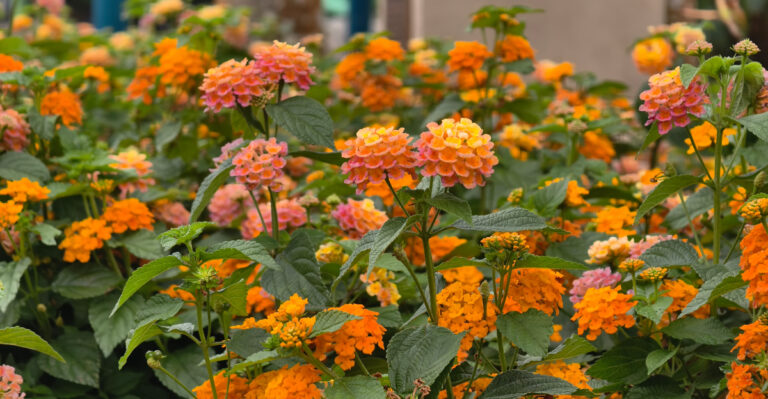
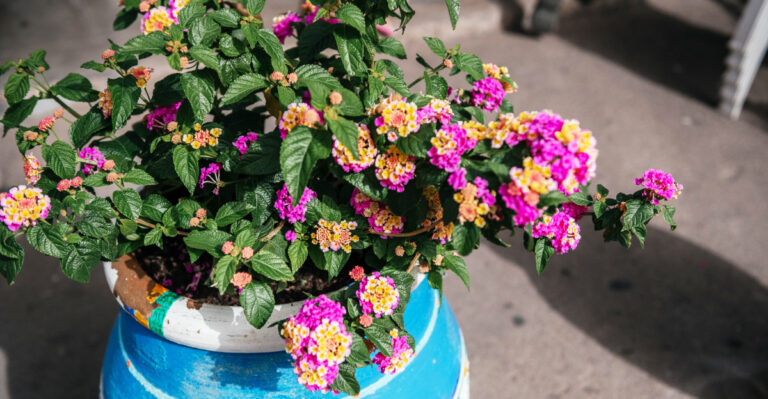
Desert-adapted perennials create attractive rose garden companions across Arizona. Salvia, penstemon, and lantana tolerate heat and drought while providing contrasting textures.
These tough plants also attract pollinators and beneficial insects that help control rose pests.
Avoiding aggressive groundcovers prevents competition with rose roots. While groundcovers seem like good mulch alternatives, many spread too vigorously and rob roses of water.
Award-winning Arizona growers choose companions carefully, ensuring they enhance rather than compete.
Nitrogen-fixing plants like sweet peas can benefit nearby roses. These legumes add nitrogen to soil as they grow, providing natural fertilization.
Planting them around rose bases in cooler months takes advantage of Arizona’s winter growing season.
10. Preparing Roses for Arizona’s Extreme Temperature Swings
Temperature fluctuations challenge Arizona roses more than steady heat. Winter nights can drop below freezing while days reach 70 degrees, stressing plants adapted to either extreme.
Award-winning growers protect tender varieties during cold snaps with frost blankets or temporary covers.
Hardening off roses gradually prepares them for seasonal temperature changes. Reducing water slightly in fall encourages dormancy before winter cold arrives.
This transition period helps roses across Arizona adjust to changing conditions without shock.
Mulch provides insulation against both heat and cold temperature extremes. A thick organic layer buffers soil temperatures, keeping roots cooler in summer and warmer in winter.
This protection becomes especially valuable in higher elevation areas of Arizona where temperature swings are most dramatic.
Avoiding late-season fertilization prevents tender new growth before winter. Soft shoots produced in fall are vulnerable to frost damage common across Arizona in winter months.
Stopping fertilization by early September allows plants to harden off naturally.
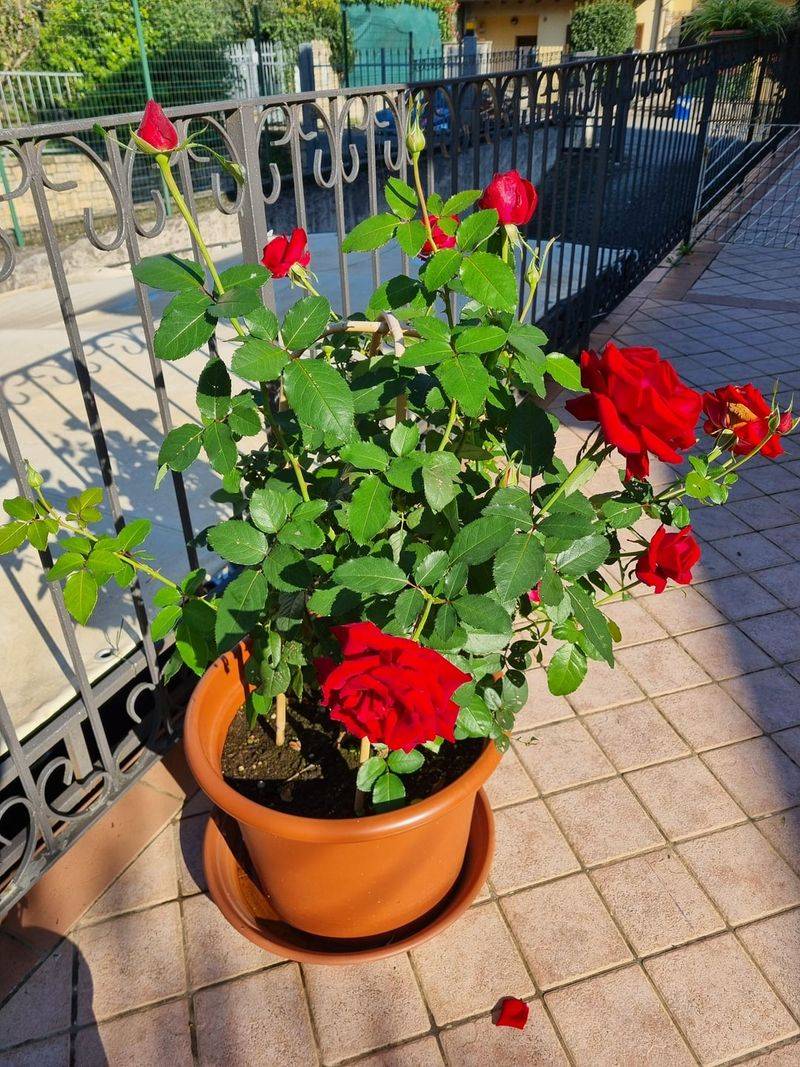
Container roses need extra protection from temperature extremes in Arizona. Pots heat up and cool down much faster than ground soil, stressing roots.
Moving containers to protected locations during extreme weather helps these roses survive temperature challenges.
Painting container exteriors light colors reflects heat in summer while providing some insulation. This simple technique reduces soil temperature fluctuations in pots.
Many Arizona gardeners also double-pot their roses, creating an insulating air space between containers.