9 Ways Baking Soda Can Help Your South Carolina Lawn This Winter
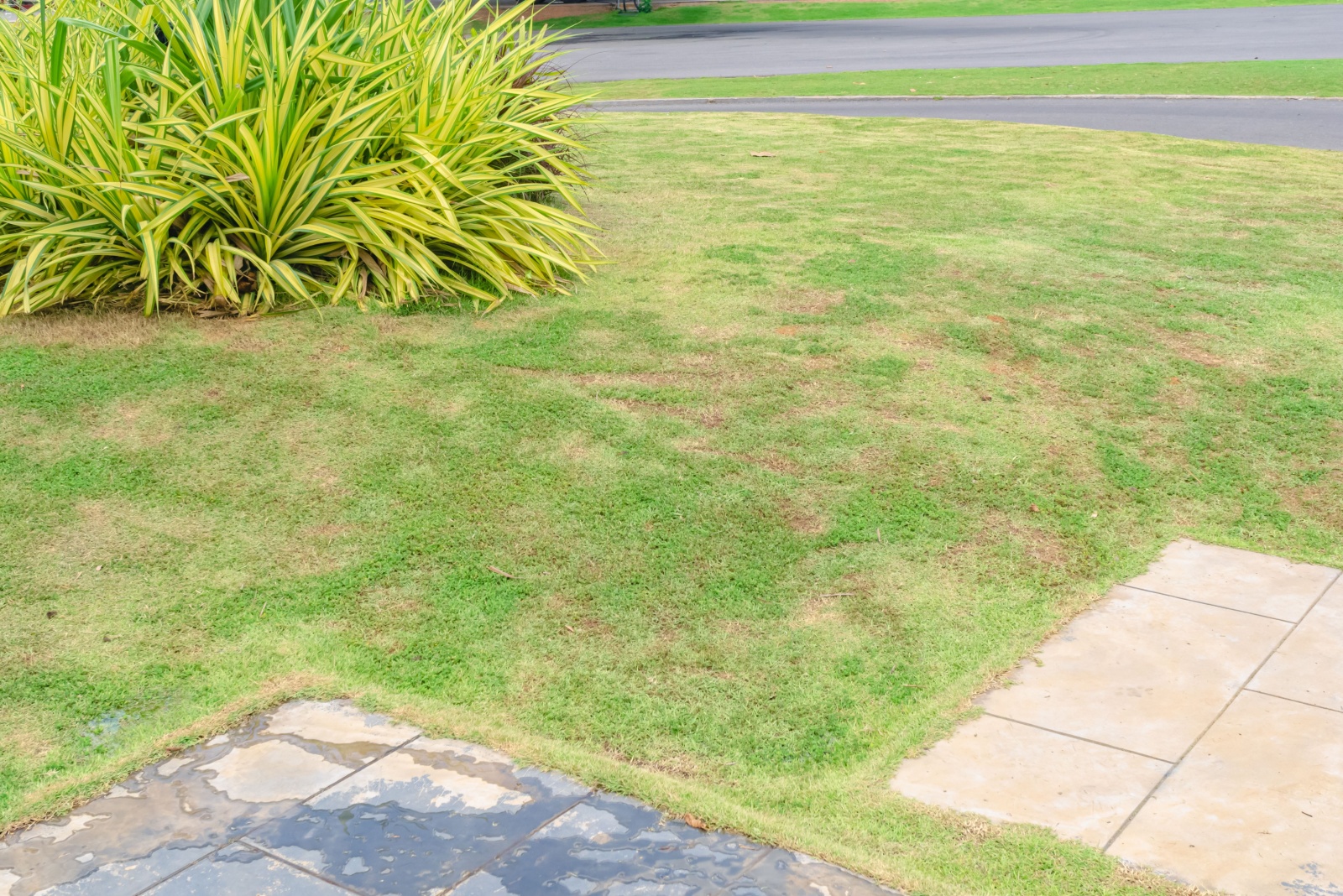
Winter lawn care in South Carolina doesn’t stop when growth slows—it simply changes strategy.
While grass rests, soil conditions, pests, and lingering moisture continue to shape how your yard will look come spring.
Surprisingly, a common pantry staple can play a powerful supporting role during the colder months.
Baking soda, often overlooked outside the kitchen, offers practical benefits for turf health, odor control, and problem spots that tend to worsen in winter.
Used wisely, it can help maintain balance beneath the surface and protect your lawn’s foundation.
Small actions now can make a noticeable difference when warmer weather returns.
1. Neutralize Acidic Soil For Healthier Grass Growth
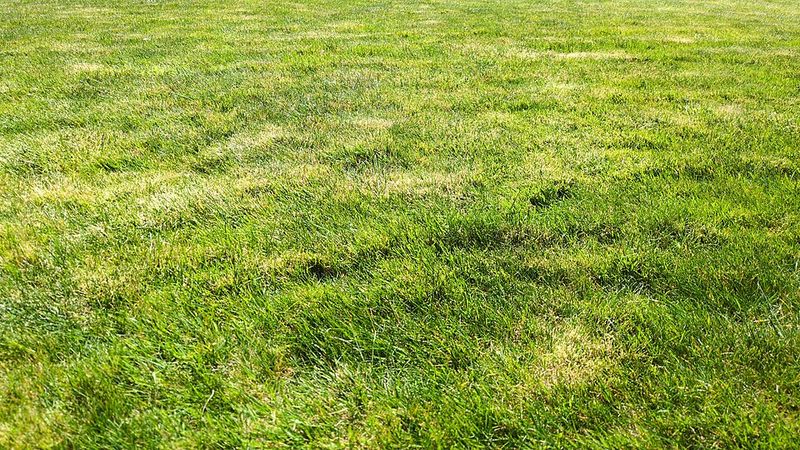
Acidic soil conditions often plague South Carolina lawns during winter months when rainfall increases and affects the pH balance significantly.
Baking soda works as a natural alkaline agent that gently raises soil pH levels without causing harsh chemical reactions or damage.
Most grass varieties thrive best in slightly acidic to neutral soil, typically ranging between 6.0 and 7.0 on the scale.
When soil becomes too acidic, grass struggles to absorb essential nutrients like nitrogen, phosphorus, and potassium from the ground below.
A simple soil test from your local extension office reveals whether your lawn needs pH adjustment before applying any treatments.
Mix one tablespoon of baking soda per gallon of water and apply evenly across problem areas showing poor growth patterns.
This gentle approach prevents the shock that stronger lime treatments might cause to dormant or semi-dormant winter grass types.
Retest soil after four weeks to monitor changes and determine if additional applications are necessary for optimal growing conditions ahead.
2. Combat Fungal Diseases Without Harsh Chemicals
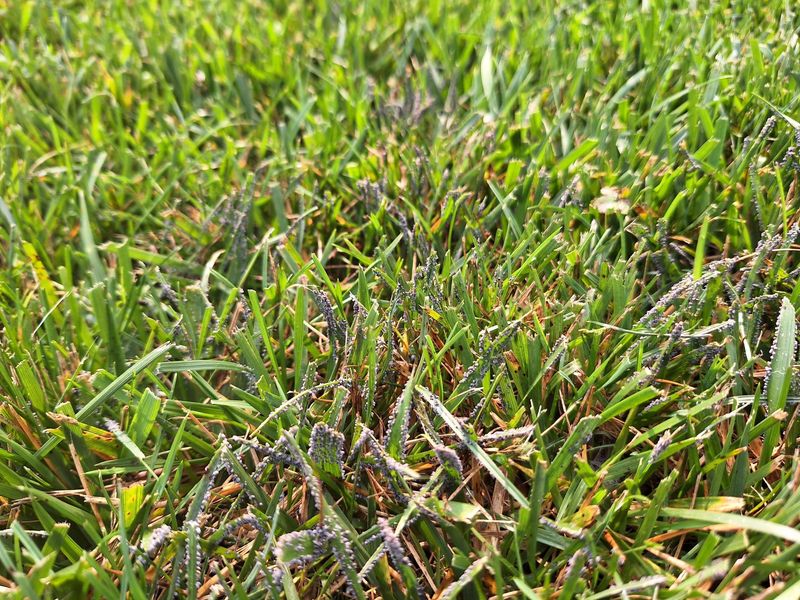
Fungal infections spread rapidly across lawns during South Carolina winters when cool temperatures combine with moisture from frequent rain and morning dew.
Dollar spot, brown patch, and snow mold frequently appear as discolored circles or irregular patterns that damage grass blades considerably.
Baking soda creates an inhospitable environment for fungal spores by altering the surface pH where these organisms typically colonize and multiply.
Commercial fungicides contain strong chemicals that may harm beneficial soil microorganisms and prove expensive for repeated applications throughout the season.
Create an effective spray by dissolving four tablespoons of baking soda in one gallon of water with a few drops of dish soap added.
The soap acts as a spreading agent that helps the solution cling to grass blades instead of simply rolling off onto the ground.
Apply this mixture every seven to ten days on affected areas, preferably during morning hours when dew is already present naturally.
Consistent treatment prevents fungal spread while allowing existing grass to recover and regrow without exposure to potentially harmful synthetic chemical compounds.
3. Reduce Moss Growth In Shaded Lawn Areas
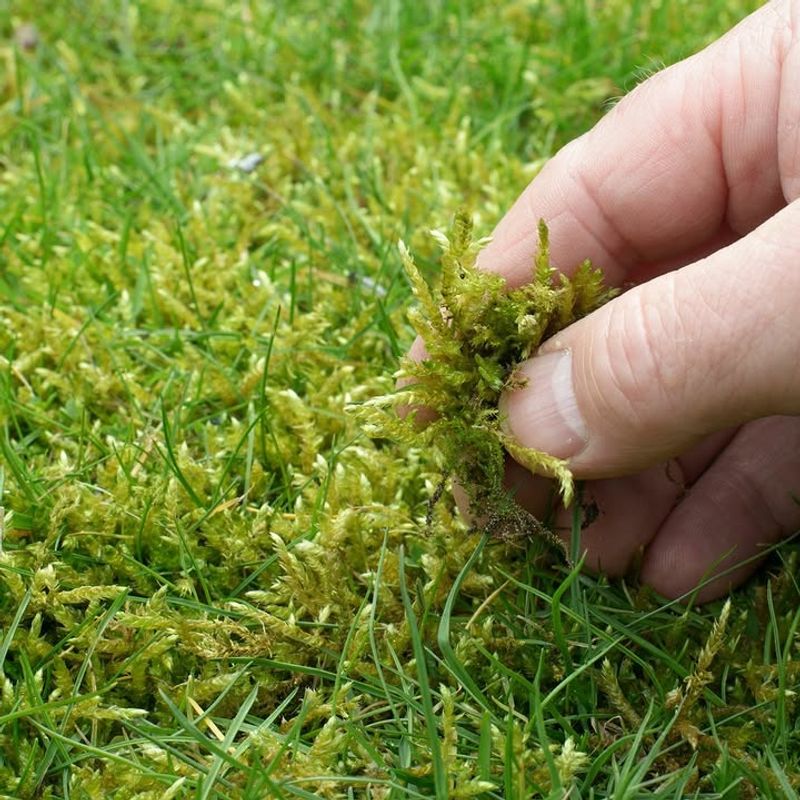
Moss thrives in shaded sections of South Carolina lawns where grass struggles to establish itself due to limited sunlight exposure daily.
Winter months exacerbate this problem as deciduous trees lose leaves and evergreens cast longer shadows across your yard throughout the day.
The alkaline nature of baking soda disrupts moss growth patterns by creating conditions that favor grass over these primitive plant organisms.
Unlike grass, moss prefers highly acidic environments and cannot tolerate pH changes that shift toward neutral or slightly alkaline ranges.
Sprinkle dry baking soda directly onto moss-covered areas at a rate of approximately two tablespoons per square foot of affected space.
Wait twenty-four hours for the moss to brown and weaken before gently raking away the dead material from the soil surface.
Follow up by overseeding bare spots with shade-tolerant grass varieties suited for South Carolina’s climate and growing conditions year-round.
Improving drainage and increasing sunlight exposure through selective tree trimming helps prevent moss from returning once you’ve successfully removed it initially.
4. Freshen Up Pet Urine Spots Naturally
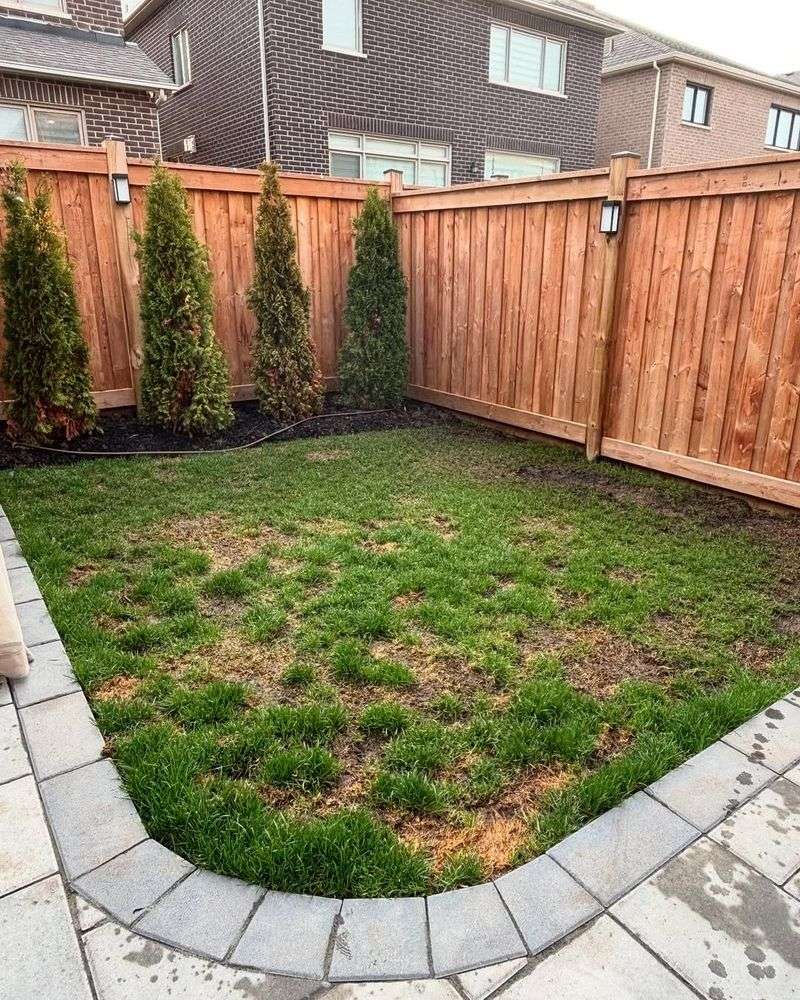
Pet urine creates unsightly yellow or brown spots on lawns because concentrated nitrogen and salts burn grass roots and surrounding tissue.
Winter amplifies this issue as grass grows more slowly and cannot recover as quickly from damage caused by your furry companions.
Baking soda neutralizes the acidic components in pet urine while helping to flush away excess salts that accumulate in the soil.
Regular treatment of these spots prevents permanent damage and helps grass recover faster once spring growth resumes in warmer weather ahead.
Mix half a cup of baking soda in two gallons of water and pour generously over affected spots immediately after noticing them.
The solution dilutes concentrated urine compounds and begins the neutralization process that allows grass roots to start healing from chemical burns.
Repeat applications every three days for two weeks, then overseed damaged areas with matching grass seed appropriate for your lawn type.
Training pets to use designated areas or rinsing spots with plain water immediately after they urinate provides additional protection for your South Carolina lawn.
5. Control Weeds Between Pavers And Lawn Edges
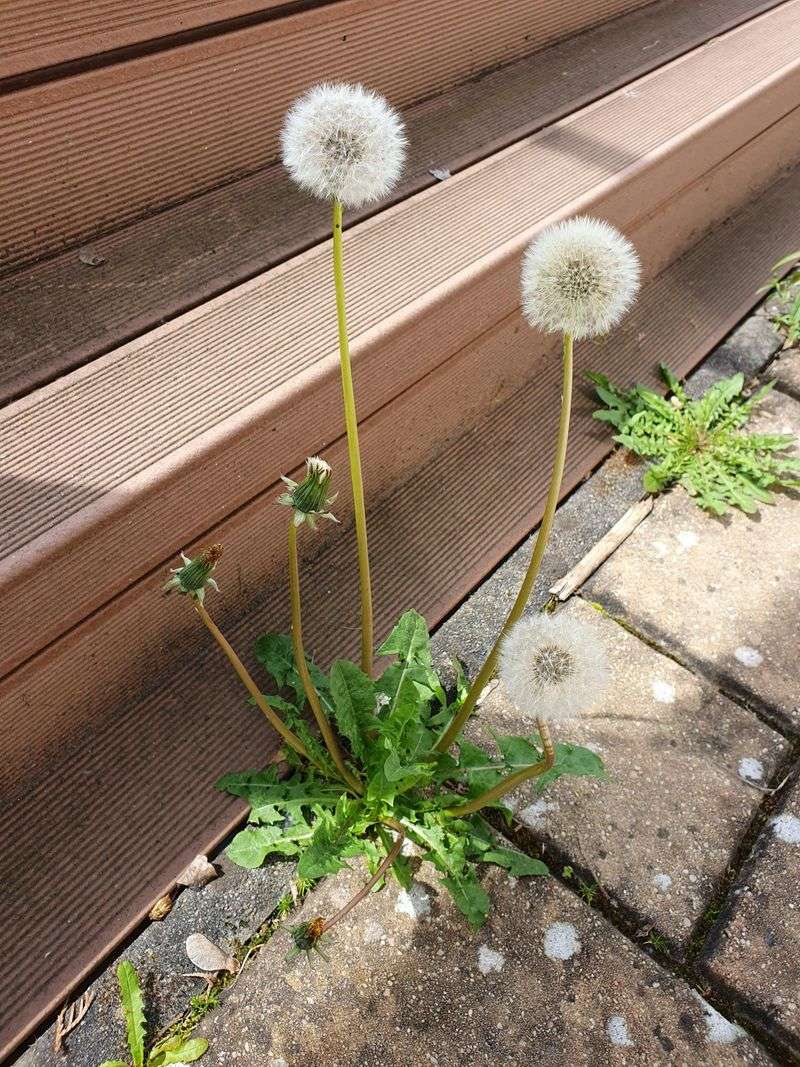
Weeds persist even during South Carolina winters, especially in cracks between pavers, along walkways, and at lawn edges where competition is minimal.
Cold-hardy weeds like chickweed, henbit, and annual bluegrass exploit these spaces and can spread into your lawn if left unmanaged properly.
Baking soda acts as a desiccant that draws moisture from weed tissues, causing them to dry out and stop growing effectively.
This method works particularly well on small weeds and prevents them from establishing deep root systems that become harder to manage later.
Sprinkle baking soda directly into cracks and crevices where weeds appear, using approximately one tablespoon per small area of growth.
Avoid applying near desirable plants or grass as baking soda doesn’t discriminate between weeds and ornamentals you want to keep healthy.
Rain or irrigation washes the baking soda into soil surrounding weed roots, where it alters pH and makes conditions unfavorable for survival.
Repeat treatments every two weeks throughout winter to maintain control and prevent new weed seedlings from germinating in treated areas successfully.
6. Deodorize Compost Piles For Lawn Amendments
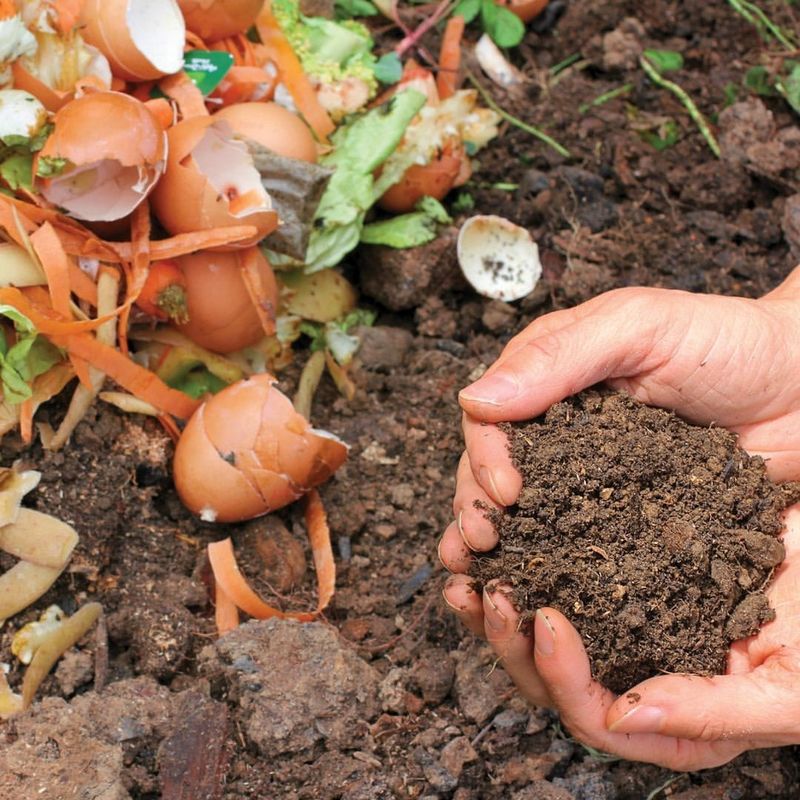
Winter compost piles often develop unpleasant odors as decomposition slows and anaerobic bacteria produce smelly compounds in cold, wet conditions outside.
These odors discourage South Carolina homeowners from maintaining compost systems that provide valuable organic amendments for spring lawn fertilization and soil improvement efforts.
Baking soda absorbs and neutralizes acidic odor-causing compounds while helping to balance the pH within your compost pile naturally and effectively.
Proper pH balance encourages beneficial aerobic bacteria that break down organic matter efficiently without creating foul smells that bother neighbors nearby.
Sprinkle one to two cups of baking soda over each new layer of kitchen scraps or yard waste added to your pile.
Turn the compost weekly if possible to incorporate the baking soda throughout and introduce oxygen that supports healthy decomposition processes year-round.
The resulting compost becomes a nutrient-rich amendment perfect for topdressing lawns in early spring when grass begins active growth again.
Using homemade compost enriched with baking soda reduces reliance on commercial fertilizers while improving soil structure and moisture retention for healthier grass.
7. Clean Lawn Equipment And Garden Tools Safely
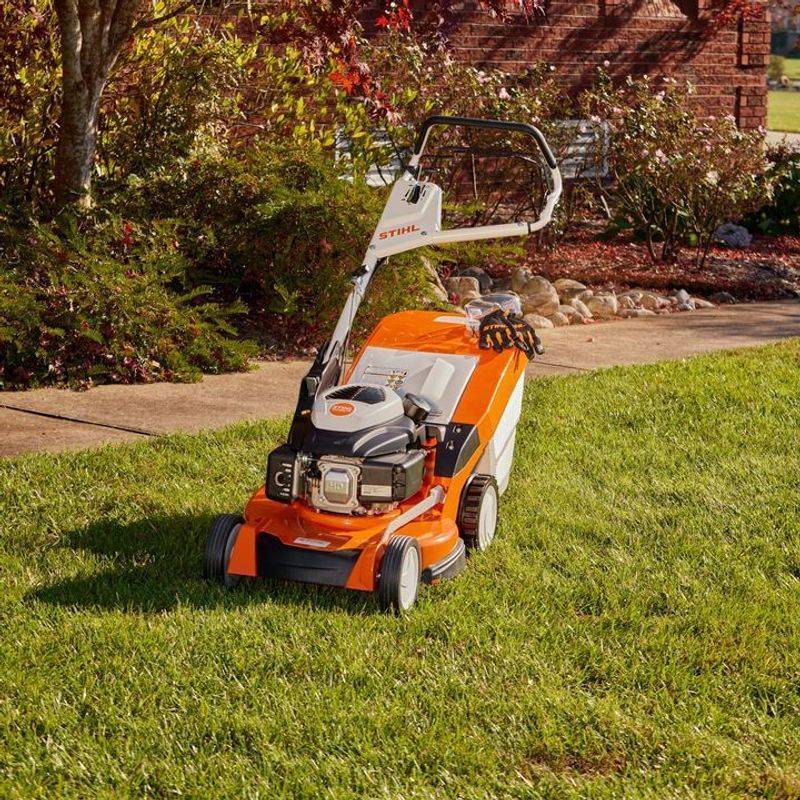
Winter provides the perfect opportunity to clean and maintain lawn equipment that will sit idle until spring arrives in South Carolina again.
Grass clippings, soil, and moisture left on mower decks and tools promote rust formation and harbor disease organisms that spread during next season.
Baking soda’s gentle abrasive quality removes stuck-on debris without scratching metal surfaces or damaging protective paint coatings on expensive equipment pieces.
Its natural deodorizing properties eliminate musty smells from stored equipment while preventing mold growth in enclosed storage spaces like sheds or garages.
Create a cleaning paste using three parts baking soda mixed with one part water until it reaches a thick, spreadable consistency.
Apply the paste to dirty surfaces using an old brush or cloth, scrubbing gently to loosen caked-on grass and mud deposits.
Rinse thoroughly with clean water and dry completely before applying a thin coat of oil to metal parts for rust prevention.
Clean equipment operates more efficiently and lasts longer, saving money on repairs and replacements while ensuring your tools perform optimally when needed.
8. Improve Water Penetration In Compacted Soil
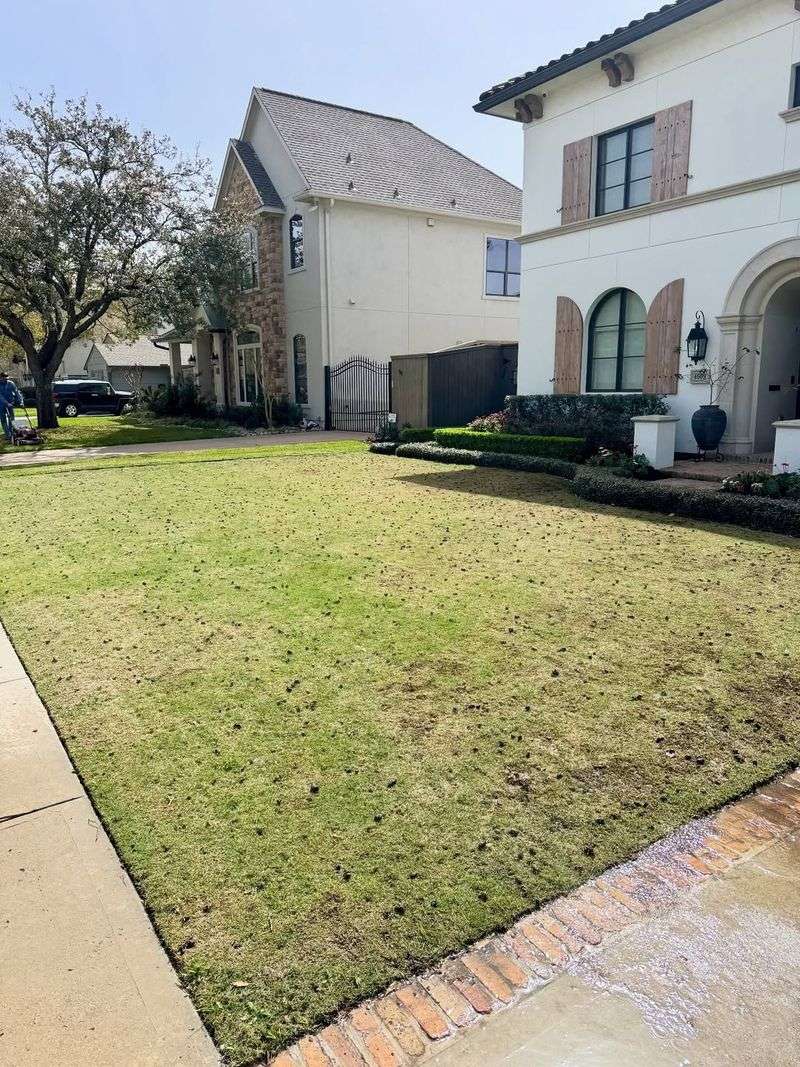
Soil compaction occurs naturally over time as foot traffic, equipment use, and settling compress soil particles together in South Carolina lawns everywhere.
Compacted soil prevents water from penetrating deeply, causing runoff, pooling, and poor root development that weakens grass over time significantly.
Winter rains worsen these drainage issues, creating muddy conditions and encouraging fungal diseases that thrive in constantly wet surface environments problematically.
Baking soda helps break down compacted clay particles by introducing sodium ions that slightly alter soil structure and improve porosity gradually.
Core aeration combined with baking soda application provides the best results for relieving compaction and enhancing water movement through soil layers.
After aerating, spread a light dusting of baking soda across the lawn at approximately one pound per thousand square feet evenly.
Water thoroughly to wash the baking soda into aeration holes where it begins working to loosen tightly bound soil particles slowly.
Improved drainage reduces standing water, promotes deeper root growth, and creates healthier turf that withstands stress better throughout all seasons annually.
9. Test Soil pH Inexpensively Before Spring Planting
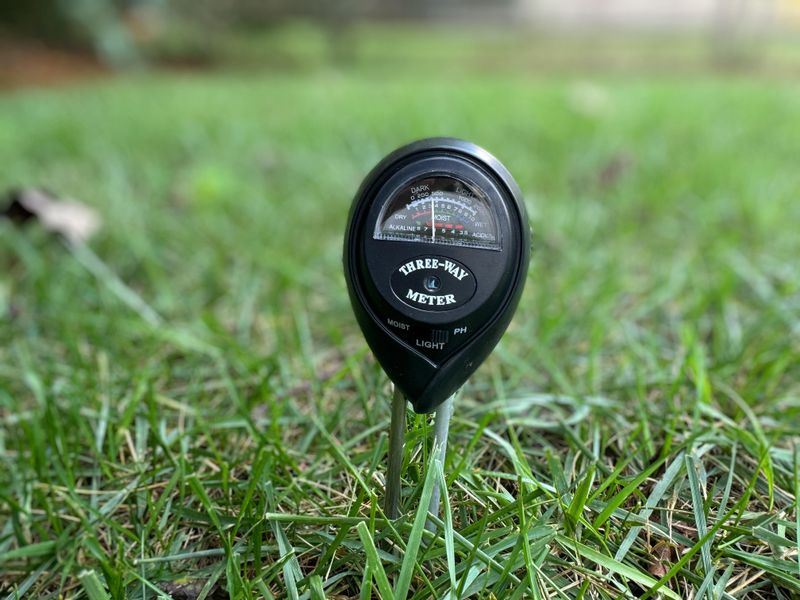
Understanding your soil’s pH level is crucial for making informed decisions about amendments and treatments needed for optimal lawn health ahead.
Professional soil tests provide detailed information but can be expensive and time-consuming, especially if you want quick results during winter planning.
Baking soda offers a simple home test method that indicates whether your soil leans acidic or alkaline without any specialized equipment required.
Collect soil samples from several spots across your lawn, mixing them together in a clean container to get a representative average reading.
Place two tablespoons of soil in a small bowl and add one-half cup of vinegar while observing the reaction that occurs.
If the mixture fizzes noticeably, your soil is alkaline and doesn’t need baking soda treatment for pH adjustment at this time.
If nothing happens, add distilled water to another soil sample until muddy, then sprinkle baking soda on top and watch carefully.
Fizzing indicates acidic soil that would benefit from baking soda applications, while no reaction suggests neutral pH that requires no immediate adjustment.