How To Prune Fig Trees Correctly For Bigger, Sweeter Harvests In Georgia
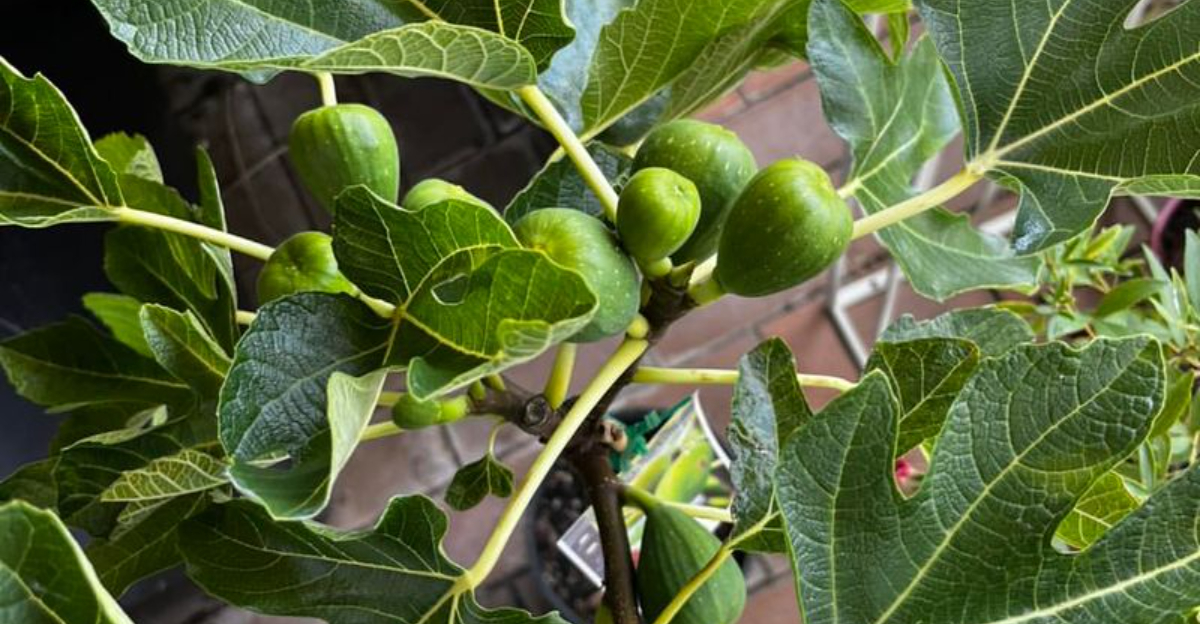
Growing fig trees in Georgia’s warm climate can be incredibly rewarding, but without the right pruning techniques, your harvest might fall short of its sweet potential.
Proper pruning helps your tree focus its energy on producing larger, more flavorful figs while keeping the plant healthy and manageable.
Whether you’re a seasoned gardener or just starting your backyard orchard, these essential pruning methods will transform your fig tree into a productive powerhouse that delivers delicious fruit year after year.
1. Prune Fig Trees At The Right Time For Georgia’s Climate
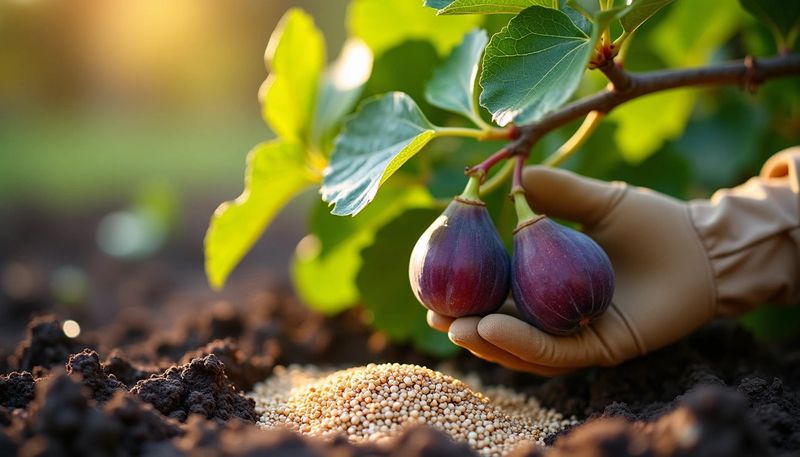
Timing your pruning sessions correctly makes all the difference between a bountiful harvest and a disappointing one in Georgia’s unique growing conditions.
Late winter, specifically February through early March, stands as the ideal window for major pruning work when your fig tree remains dormant and won’t lose precious sap.
During this period, the tree conserves its energy reserves rather than actively growing, which means pruning cuts heal faster and cause less stress to the overall plant.
Summer pruning also plays a valuable role, particularly for controlling excessive vegetative growth that might shade developing fruit.
Light trimming between June and August helps redirect the tree’s focus toward ripening figs rather than producing unnecessary leafy branches.
Georgia’s long growing season allows for this two-phase approach, giving you flexibility to shape your tree while maximizing fruit production.
Avoid pruning during active spring growth when sap flows heavily, as this weakens the tree and attracts pests.
Similarly, fall pruning should be skipped because it encourages tender new growth that won’t harden off before winter cold arrives.
Understanding these seasonal rhythms helps you work with nature’s schedule rather than against it, setting up your fig tree for success throughout the entire year.
2. Start With Damaged And Cold-Injured Wood
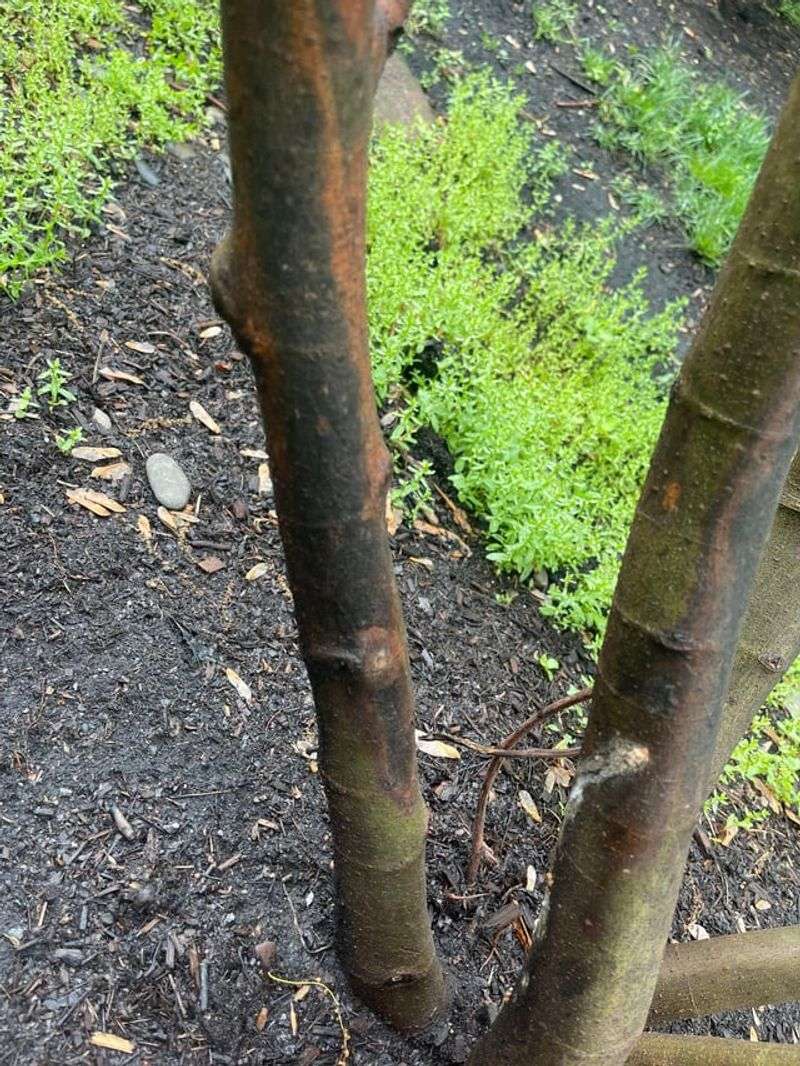
Georgia winters can surprise even established fig trees with occasional hard freezes that damage tender branches and compromise future fruit production.
Identifying compromised wood becomes your first priority each pruning season, as these sections drain resources without contributing to your harvest.
Look for branches displaying brown or gray discoloration beneath the bark, which you can check by making a small scratch with your fingernail or knife.
Healthy wood shows bright green cambium tissue underneath, while damaged sections reveal brown or tan layers that indicate the tissue won’t recover.
Brittle branches that snap easily rather than bending also signal freeze injury and should be removed back to healthy growth.
Start at the branch tips and work backward toward the trunk, cutting just above the first healthy bud you encounter.
This approach ensures you remove all compromised tissue while preserving maximum productive wood for the coming season.
Removing damaged sections early prevents disease organisms from colonizing weakened tissue and spreading throughout the tree.
Your fig tree responds to this cleanup by directing nutrients toward strong, viable branches that will produce the large, sweet fruit you’re working toward.
3. Choose An Open-Center Shape For Better Sun Exposure
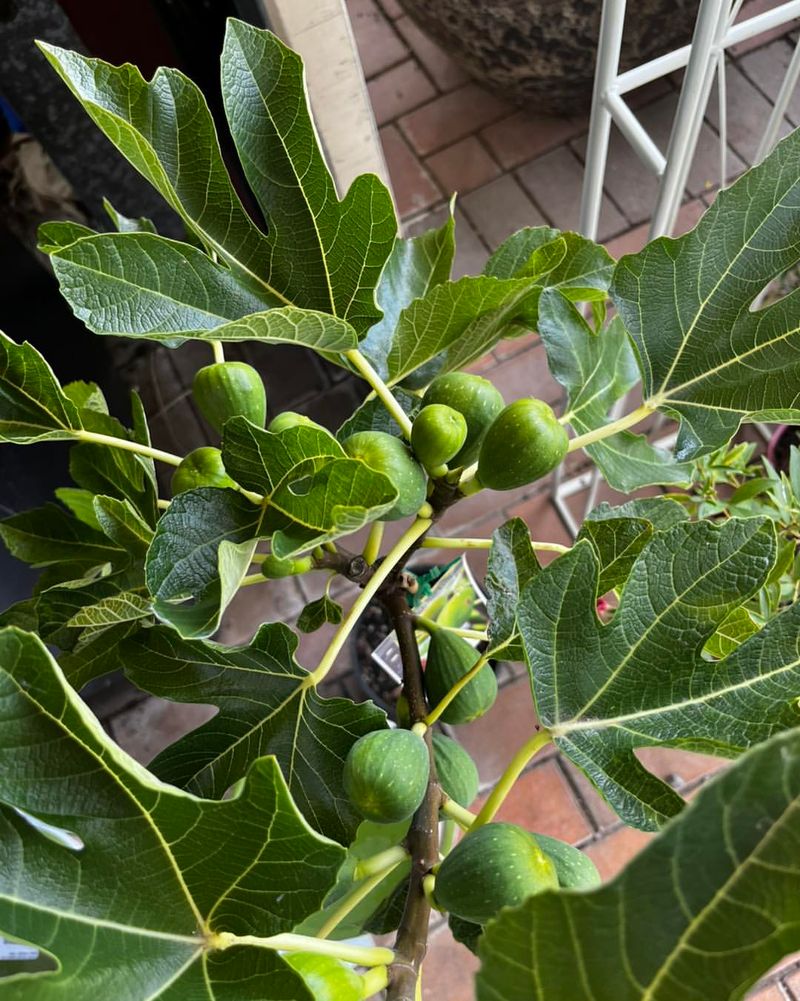
Shaping your fig tree into an open-center or vase-like structure might seem purely aesthetic, but this form dramatically improves fruit quality and quantity.
The technique involves selecting three to five main scaffold branches that angle outward from the trunk at about 45 degrees, creating a bowl shape with an open middle.
This architecture allows Georgia’s abundant sunshine to penetrate deep into the canopy, reaching interior branches that would otherwise remain shaded and unproductive.
Figs develop their signature sweetness through photosynthesis, and more sunlight exposure translates directly to higher sugar content in your harvest.
Begin establishing this shape when your tree reaches about three feet tall by selecting your scaffold branches and removing competing central leaders.
Each year, maintain the open center by removing inward-growing branches and water sprouts that try to fill the middle space.
The improved air circulation through this open structure also reduces humidity around leaves and fruit, which helps prevent fungal diseases common in Georgia’s humid summers.
Training your fig into this classic fruit tree form takes patience over several seasons, but the payoff comes in consistently larger crops of sweeter figs that ripen more evenly throughout the canopy.
4. Limit Tree Height To Keep Energy Focused On Fruit
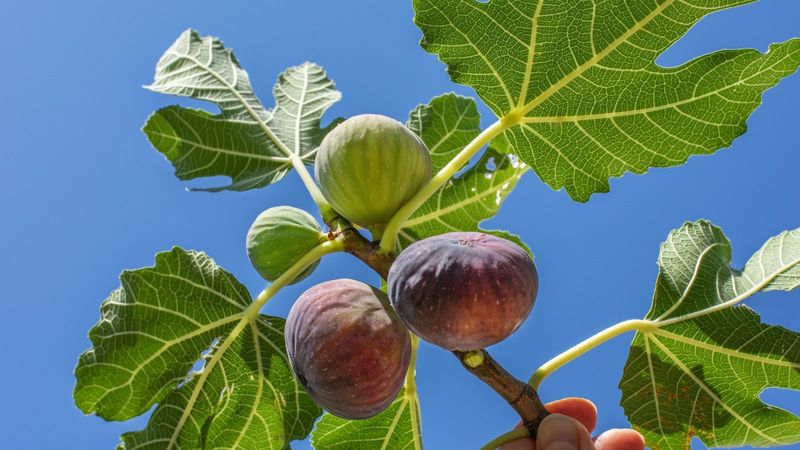
Allowing your fig tree to grow unchecked might seem natural, but excessive height actually works against your goal of producing abundant, sweet fruit.
Tall trees invest tremendous energy into structural wood and vertical growth rather than channeling resources into developing figs.
Keeping your tree between eight and ten feet tall creates the perfect balance between productivity and manageability for most Georgia home gardeners.
This height range keeps fruit within easy reach for harvesting while ensuring the tree doesn’t waste energy on excessive vegetative growth.
When branches extend beyond your target height, cut them back to an outward-facing bud or lateral branch that grows in your desired direction.
This technique, called heading back, encourages the tree to put out side branches rather than continuing upward growth.
Shorter trees also prove much easier to protect during unexpected late freezes, when you can quickly drape frost cloth over the entire canopy.
The concentrated canopy of a height-controlled tree produces more uniform fruit that ripens consistently, rather than having some figs mature while others remain small and hard.
Regular height management becomes especially important for vigorous varieties that naturally want to reach fifteen feet or more in Georgia’s favorable growing conditions.
5. Thin Out Crowded Branches To Improve Airflow
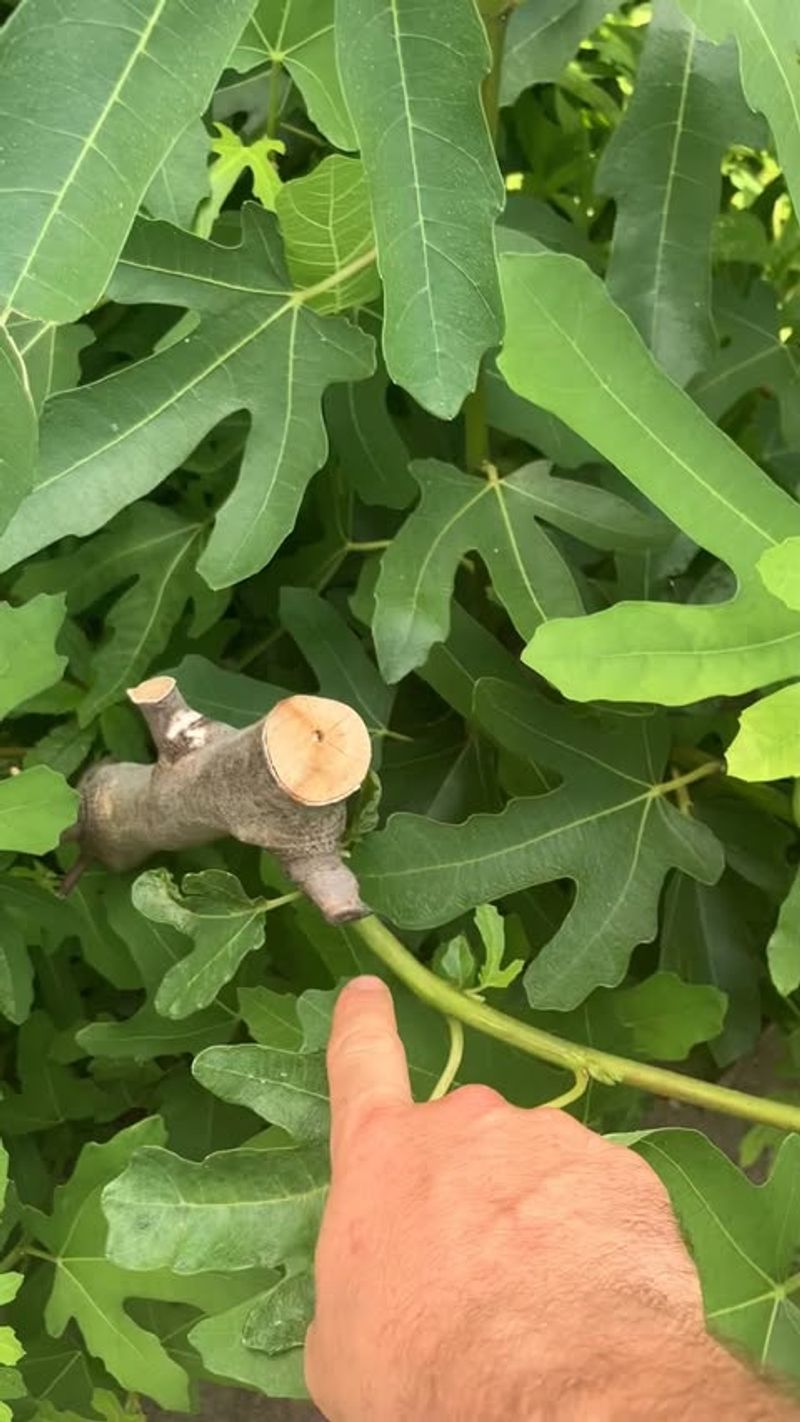
Georgia’s humid summers create perfect conditions for fungal diseases that thrive in crowded, poorly ventilated tree canopies.
Thinning overcrowded branches allows air to circulate freely through your fig tree, keeping foliage dry and reducing disease pressure significantly.
Focus on removing entire branches back to their point of origin rather than just shortening them, which maintains the tree’s natural form while opening up space.
Look for areas where multiple branches cross, rub against each other, or grow so closely that leaves overlap heavily.
Choose the strongest, best-positioned branch to keep and remove the competing ones completely at their base.
A good rule suggests you should be able to toss a softball through the canopy without it hitting more than one or two branches.
This level of openness might seem extreme initially, but your fig tree will quickly fill in the space with new growth that fruits prolifically.
Improved airflow also helps figs ripen more evenly because sunlight can reach developing fruit from multiple angles throughout the day.
Plan to remove about twenty to thirty percent of the interior branches each year, which maintains good structure without shocking the tree with excessive pruning.
6. Remove Suckers Growing From The Base
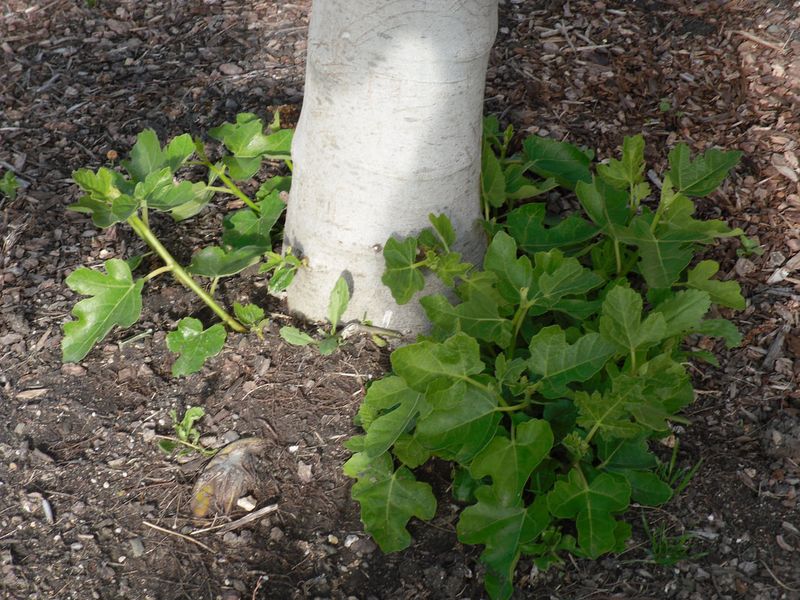
Vigorous shoots emerging from your fig tree’s base or roots might look like healthy new growth, but these suckers actually steal energy from fruit production.
These opportunistic sprouts develop from the root system or lower trunk, driven by the tree’s natural instinct to spread and colonize new territory.
While this strategy works well for fig trees in the wild, it diverts precious resources away from the branches you’ve carefully trained to produce your harvest.
Identify suckers as thin, fast-growing shoots with slightly different leaf characteristics than your main tree, often appearing more vigorous and vertical.
Remove them as soon as you notice them emerging, ideally when they’re still young and tender rather than waiting until they become woody.
Cut or pull suckers as close to their point of origin as possible, which discourages regrowth more effectively than leaving stubs.
Some gardeners find that rubbing off very young suckers with a gloved hand prevents them from establishing at all.
In Georgia’s long growing season, you might need to check for and remove suckers monthly during active growth periods from April through September.
Consistent sucker removal keeps your tree’s energy flowing upward into fruit-bearing branches where it belongs, resulting in noticeably larger and sweeter figs throughout the harvest season.
7. Cut Back Last Year’s Excess Growth Carefully
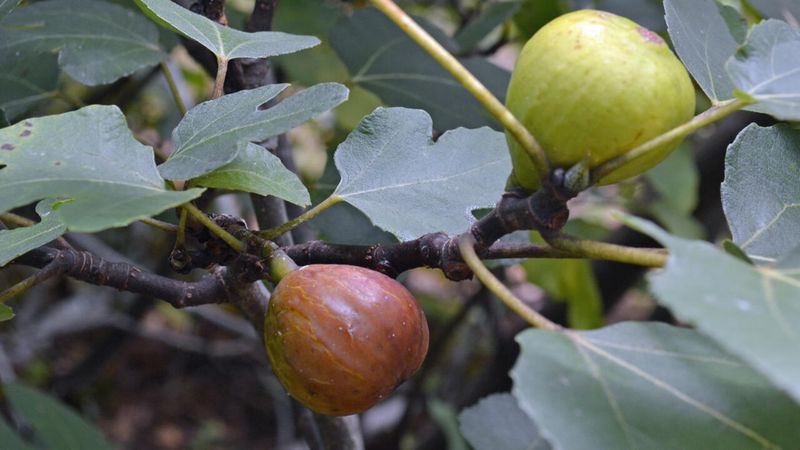
Many fig varieties produce their main crop on current-season growth, which means understanding how to manage last year’s branches becomes essential for maximizing your harvest.
Long, whippy shoots that grew vigorously during the previous season often need selective shortening to encourage the development of productive fruiting wood.
Rather than removing these branches entirely, cut them back by about one-third to one-half their length, making cuts just above outward-facing buds.
This technique stimulates the remaining portion to produce multiple side shoots that will bear figs during the current growing season.
Common fig varieties grown in Georgia, like Brown Turkey and Celeste, respond especially well to this approach because they fruit primarily on new wood.
However, avoid cutting back every single branch, as some varieties also produce an early crop on wood formed the previous year.
Leave some of last season’s growth unpruned to hedge your bets and ensure continuous fruit production throughout Georgia’s long summer.
The key lies in finding balance—enough pruning to stimulate productive new growth without sacrificing too much potential fruiting wood.
With practice, you’ll learn to recognize which branches produced well last year and deserve to remain mostly intact versus those that grew vegetatively without contributing much fruit.
8. Avoid Over-Pruning That Reduces Your Harvest
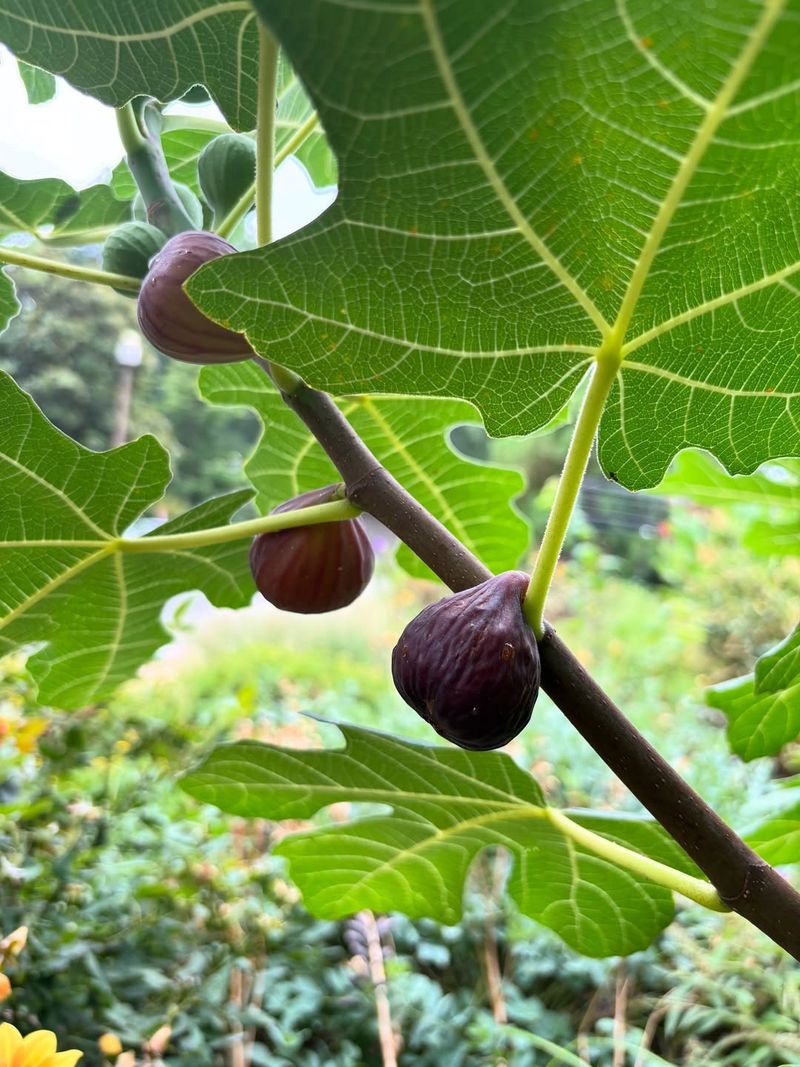
Enthusiasm for pruning sometimes leads Georgia gardeners to remove far more wood than necessary, which paradoxically reduces the harvest they’re trying to improve.
Fig trees produce fruit on their branches, so removing too many means fewer locations for figs to develop, regardless of how healthy the remaining wood might be.
A safe guideline suggests removing no more than one-quarter to one-third of the tree’s total canopy in any single pruning session.
This moderate approach maintains enough leaf surface area to support robust photosynthesis while still achieving your shaping and thinning goals.
Watch for signs that you’ve pruned too aggressively, including excessive water sprout production or delayed fruit set compared to previous years.
Over-pruned trees often respond by producing lots of vigorous vegetative growth rather than settling down to make figs.
If you’re uncertain how much to remove, err on the conservative side during your first few seasons until you understand how your specific tree responds.
Remember that pruning stimulates growth, so heavy cutting actually encourages the leafy, unproductive shoots you’re trying to minimize.
Taking a measured approach year after year produces better long-term results than dramatic pruning sessions that shock the tree and disrupt its natural fruiting cycle.
9. Use Clean, Sharp Tools To Prevent Disease
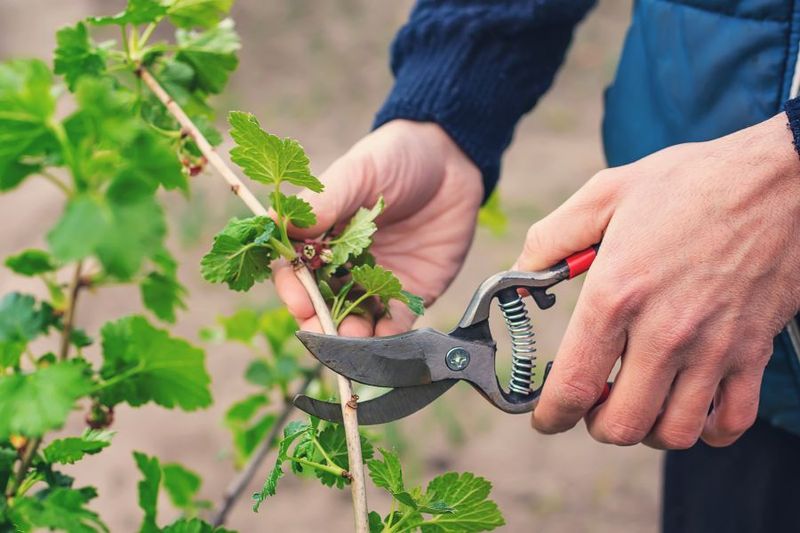
Your pruning tools serve as potential disease vectors that can spread problems from one branch to another or even between different trees in your Georgia garden.
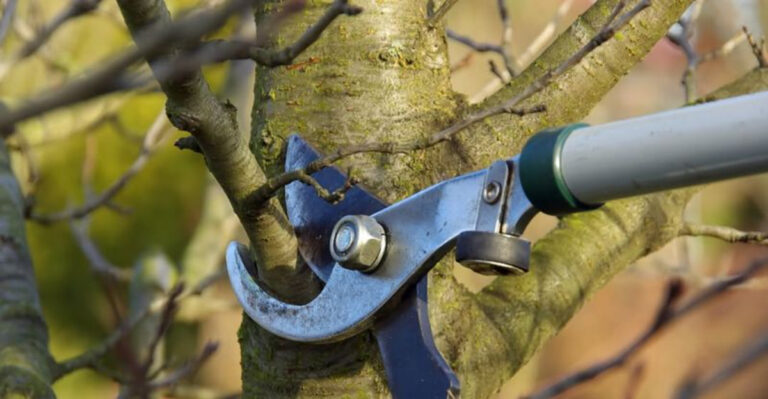
Sharp, properly maintained cutting tools make clean cuts that heal quickly, while dull blades crush tissue and create ragged wounds that invite infection.
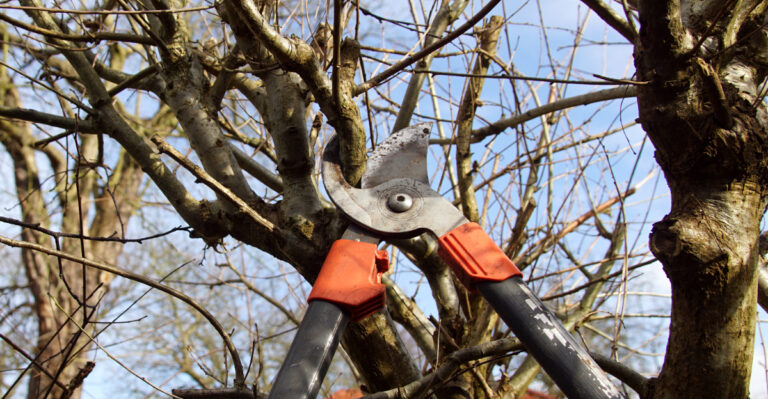
Invest in quality bypass pruners for branches up to three-quarters of an inch thick and loppers for larger wood up to two inches in diameter.
Before each pruning session, sharpen your blades with a file or sharpening stone and wipe them down with rubbing alcohol or a ten-percent bleach solution.
Between cuts on the same tree, periodically wipe your blades clean of sap buildup, which can harbor fungal spores and bacteria.
Georgia’s humid climate creates ideal conditions for pathogens to survive on tool surfaces and contaminate fresh pruning wounds.
When moving between multiple trees, always sanitize your tools thoroughly to prevent spreading diseases like fig rust or various canker infections.
Clean cuts made at proper angles heal faster and seal themselves naturally, protecting the tree from opportunistic infections that might otherwise establish.
This simple hygiene practice takes just minutes but provides enormous protection for your fig trees, ensuring they remain healthy and productive for many years of abundant harvests.
10. Support Pruning With Proper Watering And Fertilizing
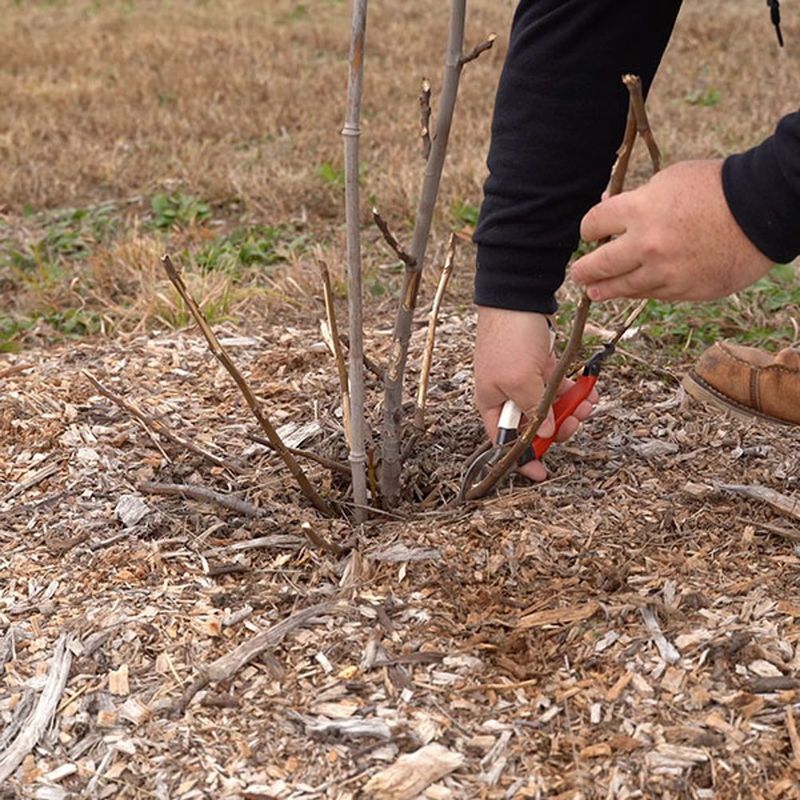
Even perfect pruning techniques won’t deliver exceptional harvests unless you support your fig tree with appropriate water and nutrition throughout Georgia’s growing season.
Newly pruned trees need consistent moisture to heal cuts quickly and push out the vigorous new growth that will carry your crop.
Provide about one to two inches of water weekly during dry periods, adjusting based on rainfall and soil type in your specific location.
Deep, infrequent watering encourages strong root development that supports healthy fruit production better than frequent shallow watering.
Apply a balanced fertilizer in early spring just as new growth begins, using a formula like 10-10-10 at the rate recommended for fruit trees.
Avoid heavy nitrogen applications after June, as this promotes leafy growth at the expense of fruit ripening and can reduce cold hardiness before winter.
A two-to-four-inch layer of organic mulch around your tree’s base conserves moisture, moderates soil temperature, and gradually adds nutrients as it decomposes.
Keep mulch pulled back several inches from the trunk itself to prevent moisture buildup that might encourage fungal problems or insect pests.
When pruning, water, and fertilizer work together as a complete care program, your Georgia fig tree responds with vigorous growth, abundant fruit set, and those incredibly sweet figs that make all your efforts worthwhile.