11 Ways Leaving Perennials Uncut Can Change Your Minnesota Garden
Perennials are the backbone of many Minnesota gardens, but skipping winter or early spring pruning can have serious consequences.
While it might seem easier to let old stems stand, leaving perennials uncut can lead to weak growth, reduced blooms, and even plant disease once spring arrives.
Neglecting your perennials now can turn your garden into a disappointment come growing season.
Untrimmed perennials trap moisture, block sunlight, and create a breeding ground for pests and fungi.
The result?
Stunted growth, messy beds, and fewer flowers than you expected.
Proper cutting removes old, dead stems, opens space for fresh growth, and ensures that plants have the energy to produce vibrant blooms.
The garden you see in spring reflects the care—or neglect—you gave in winter.
Minnesota gardeners who prune thoughtfully enjoy stronger plants, healthier roots, and fuller blooms throughout the season.
A little effort in winter pays off with a garden that thrives from the first shoots of spring until the first frost.
Winter pruning isn’t just maintenance—it’s setting your garden up for success.
1. Standing Stems Trap Snow That Insulates Roots
Minnesota winters can be absolutely brutal, with temperatures plunging far below zero for weeks at a time.
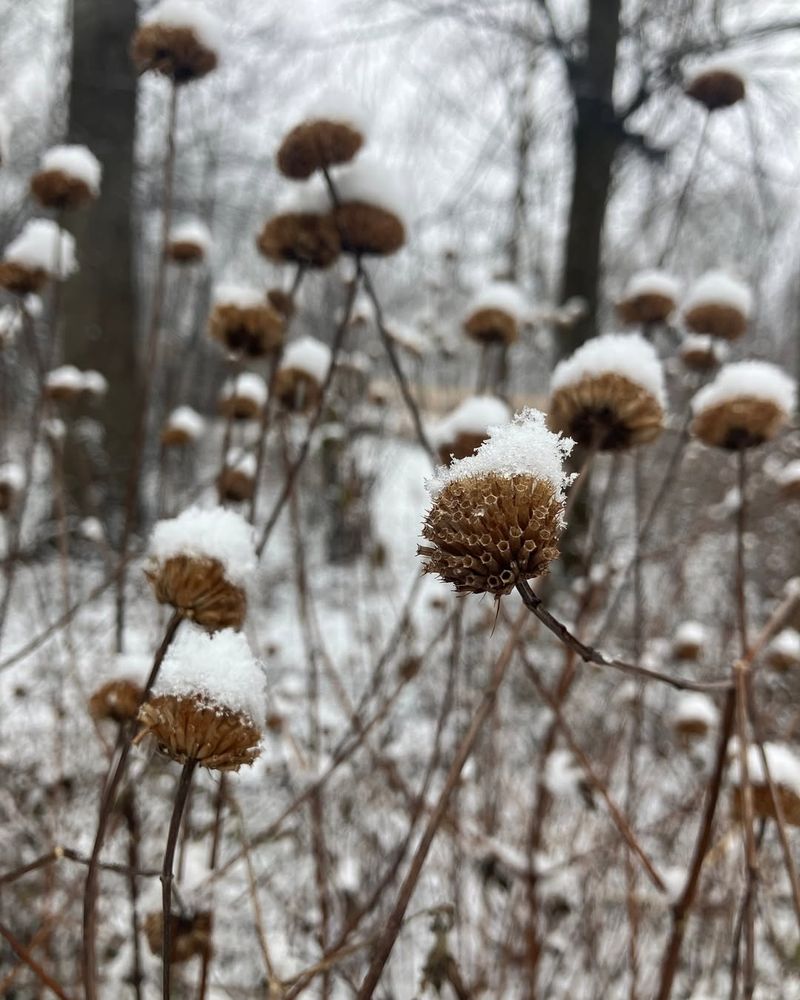
When you leave perennial stems standing instead of cutting them back in fall, you’re essentially building a natural snow fence right in your garden beds.
Those upright stalks catch and hold snowfall, creating a thick, fluffy blanket that settles around the base of your plants.
Snow acts as one of nature’s best insulators, trapping air pockets that keep the soil beneath at a more stable temperature.
While the air above might swing wildly between bitter cold and brief thaws, the ground under that snow layer stays protected.
This consistent temperature prevents root damage that can occur when soil freezes too deeply or too quickly.
Plants like echinacea, rudbeckia, and ornamental grasses are particularly good at catching snow with their sturdy stems and seed heads.
The more snow they trap, the better your roots stay cushioned against extreme cold.
This simple act of leaving plants standing can mean the difference between perennials that struggle to return in spring and those that bounce back with vigor and health.
2. Snow-Covered Plants Prevent Frost Heave

Frost heave might sound like a complicated gardening term, but it’s actually a simple problem that causes real damage in Minnesota gardens every winter.
When soil freezes and thaws repeatedly, it expands and contracts, literally pushing plants up and out of the ground.
You might find your perennials sitting on top of the soil come spring, their roots exposed and vulnerable.
Leaving your perennials uncut helps prevent this frustrating cycle.
Standing stems catch snow that insulates the soil, keeping temperatures more consistent throughout winter.
When the ground stays frozen steadily rather than cycling through freeze-thaw patterns, your plants remain anchored securely where you planted them.
This stability is especially important for shallow-rooted perennials and newly planted specimens that haven’t had time to establish deep root systems.
Plants like coral bells, creeping phlox, and young astilbe are particularly susceptible to heaving.
By keeping stems intact, you’re giving these plants the best chance to stay put all winter long.
Come spring, they’ll be right where you left them, ready to start growing without needing you to replant or repair damage from winter upheaval.
3. Uncut Perennials Protect Beneficial Insects
Your garden is home to far more than just plants, and many of the tiny creatures living there need safe places to spend Minnesota’s long, harsh winter.
Native bees, beneficial beetles, ladybugs, and even some butterfly species rely on hollow stems and dried seed heads as winter shelters.
When you cut everything back in fall, you’re essentially removing their only chance for survival until spring.
Many native bee species are solitary rather than colonial, meaning they don’t live in hives.
Instead, females lay eggs inside hollow plant stems, where larvae develop slowly through winter, emerging as adults when warm weather returns.
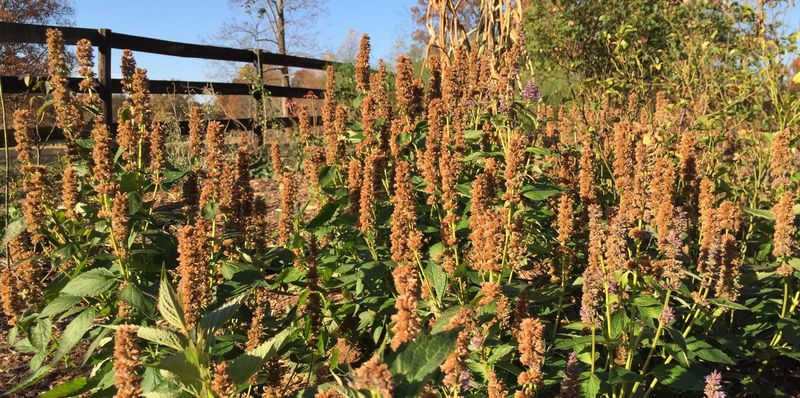
Plants with pithy or hollow stems like bee balm, Joe Pye weed, and cup plant are particularly valuable for these pollinators.
Beneficial predatory insects also overwinter in plant debris, hiding in seed heads and dried foliage.
These helpful bugs emerge hungry in spring, ready to feast on aphids, mites, and other pests before they can damage your garden.
By leaving your perennials standing, you’re not just protecting individual insects, you’re supporting entire populations that will help keep your garden healthy and balanced throughout the growing season ahead.
4. Winter Stems Shield Plants From Drying Winds
Anyone who has lived through a Minnesota winter knows that wind can be just as dangerous as cold temperatures.
Those relentless winter winds sweep across frozen landscapes, stripping moisture from anything in their path.
Even though your perennials are dormant, they can still suffer from winter desiccation, which weakens plants and reduces their ability to bounce back when spring arrives.
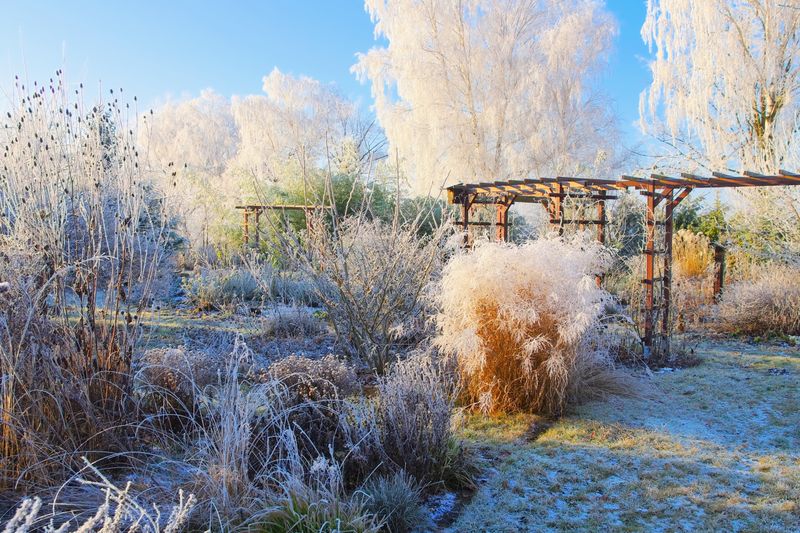
Standing perennial stems create a physical barrier that breaks up wind flow across your garden beds.
Instead of harsh gusts hitting plant crowns directly, the air moves around and through the standing vegetation, losing much of its drying power.
This wind protection is especially valuable for semi-evergreen perennials and those with visible crowns that remain partially exposed through winter.
Ornamental grasses are particularly effective windbreaks, with their dense foliage creating protective pockets throughout the garden.
Plants like switchgrass, little bluestem, and feather reed grass stand tall all winter, shielding more delicate neighbors from harsh northwestern winds.
Even shorter perennials benefit from leaving their stems intact, as every inch of height provides some protection.
This natural windbreak system costs you nothing and works all winter long without any maintenance required.
5. Birds Get Food From Seed Heads All Winter
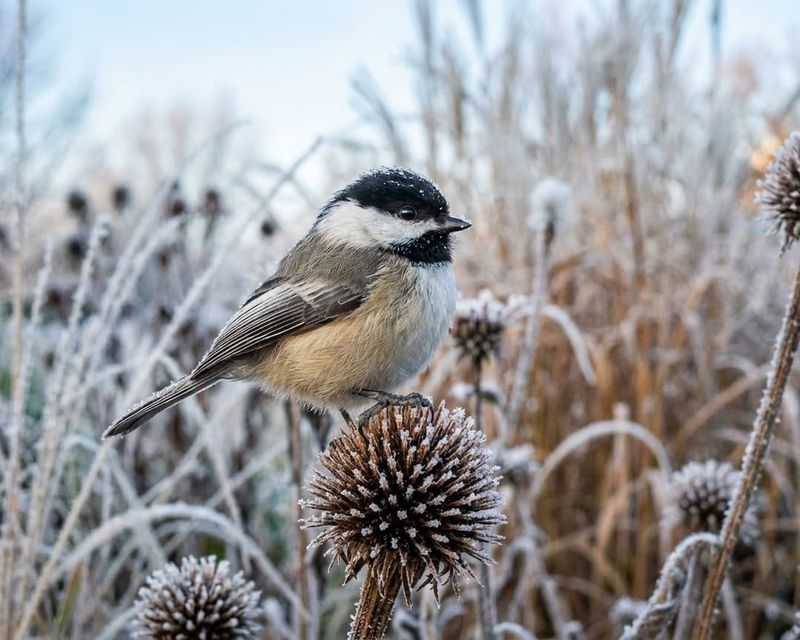
Winter can be a desperate time for Minnesota birds, with natural food sources buried under snow or simply unavailable for months.
When you leave seed heads standing on plants like coneflowers, black-eyed Susans, and sunflowers, you’re providing a reliable cafeteria that stays open all winter long.
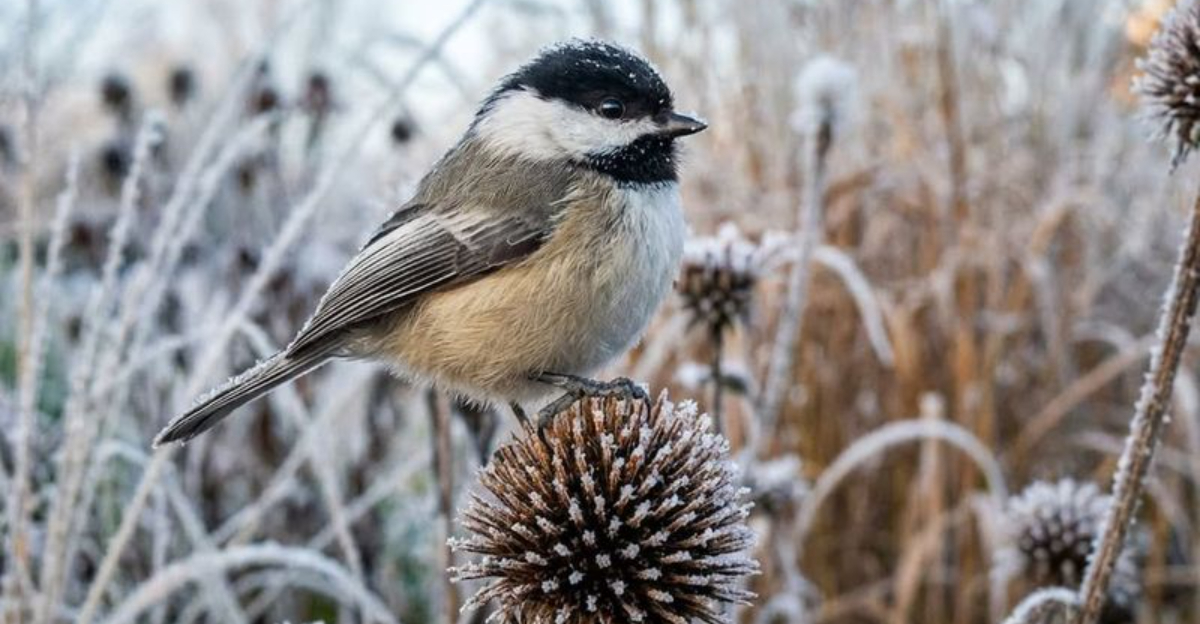
Chickadees, goldfinches, juncos, and nuthatches will visit regularly, plucking seeds from dried heads throughout the coldest months.
These seed sources become especially critical during January and February, when bird energy reserves run lowest and natural foods are hardest to find.
Birds that can find adequate nutrition through winter are more likely to survive until spring migration and breeding season begins.
Your standing perennials might literally save lives during particularly harsh cold snaps.
Watching winter birds forage in your garden also brings life and movement to an otherwise quiet landscape.
There’s something deeply satisfying about seeing a bright red cardinal perched on a frost-covered coneflower or a flock of goldfinches working through your rudbeckia seed heads.
By leaving these plants standing, you’re not just helping wildlife, you’re creating entertainment and connection to nature right outside your window during the long winter months ahead.
6. Your Garden Gains Winter Interest And Texture
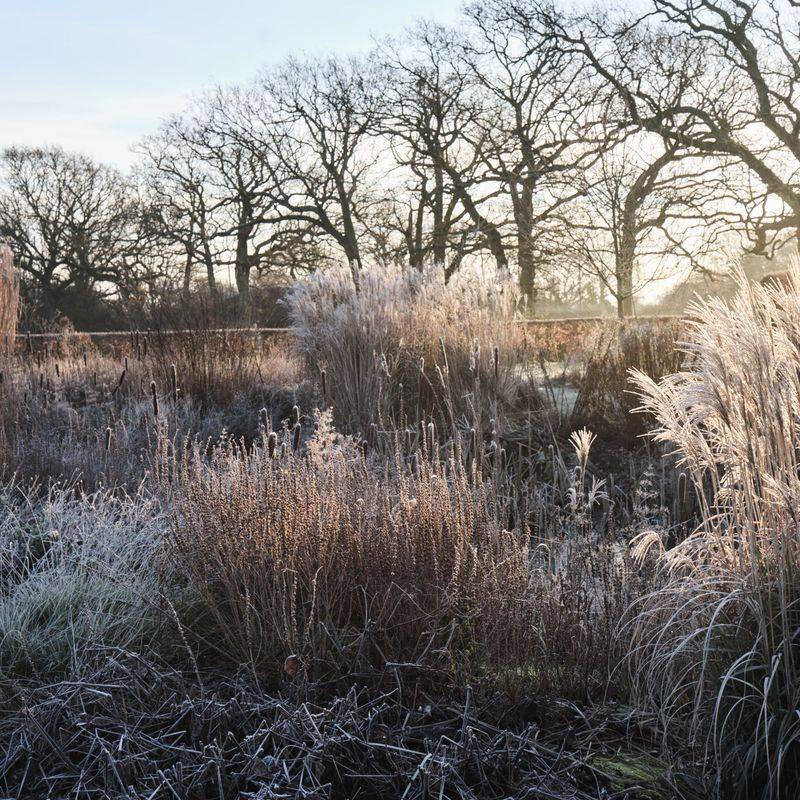
Most people think of gardens as purely summer attractions, but a well-designed Minnesota garden can be absolutely stunning in winter too.
When you leave perennials standing, you transform bare beds into sculptural landscapes full of texture, form, and subtle beauty.
Dried grasses catch light differently throughout the day, glowing golden in late afternoon sun and creating dramatic shadows across snow.
Seed heads from plants like sedum, coneflower, and allium hold snow in architectural patterns that change with every storm.
Ornamental grasses sway gracefully even under ice, adding movement to an otherwise still landscape.
These elements create visual interest that makes your garden worth looking at even when nothing is actively growing.
Winter garden structure also helps you appreciate the bones of your landscape design in ways that lush summer growth often hides.
You can see sight lines more clearly, evaluate plant placement, and plan future changes while everything is dormant.
Many gardeners find that observing their winter garden helps them become better designers, understanding how structure and form matter just as much as flowers and foliage.
Leaving perennials standing turns winter from a season to endure into one you can actually enjoy from the warmth of your home.
7. Uncut Plants Reduce Spring Mud And Erosion
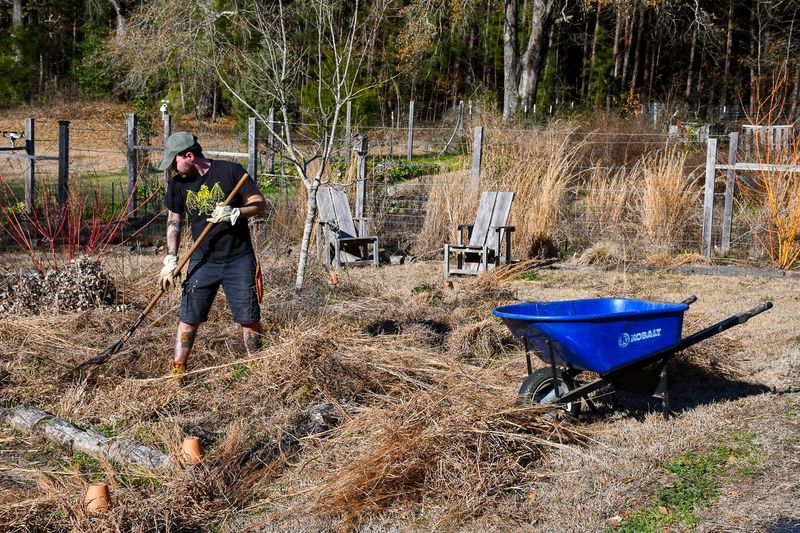
Spring thaw in Minnesota can turn gardens into muddy messes as snowmelt and early rains saturate soil that’s still partially frozen beneath the surface.
Without plant material to slow water movement, runoff can wash away topsoil, create channels through beds, and leave your garden eroded and damaged.
Standing perennial stems act like tiny dams throughout your landscape, slowing water flow and giving it time to soak in rather than run off.
Those dried stalks and leaves also create physical barriers that hold soil in place during the messiest weeks of early spring.
Water moves around and through the plant material, losing velocity and dropping any sediment it’s carrying.
This natural erosion control is especially important on slopes or in areas where water naturally collects during snowmelt.
As an added bonus, the organic matter from those standing stems begins breaking down in spring, adding nutrients back into the soil right when plants need them most.
Rather than bagging up fall clippings and buying compost in spring, you’re letting nature recycle nutrients in place.
This reduces your workload, saves money, and improves soil structure all at once, making your garden more resilient and productive with every passing year.
8. Plants Wake Up Healthier In Spring
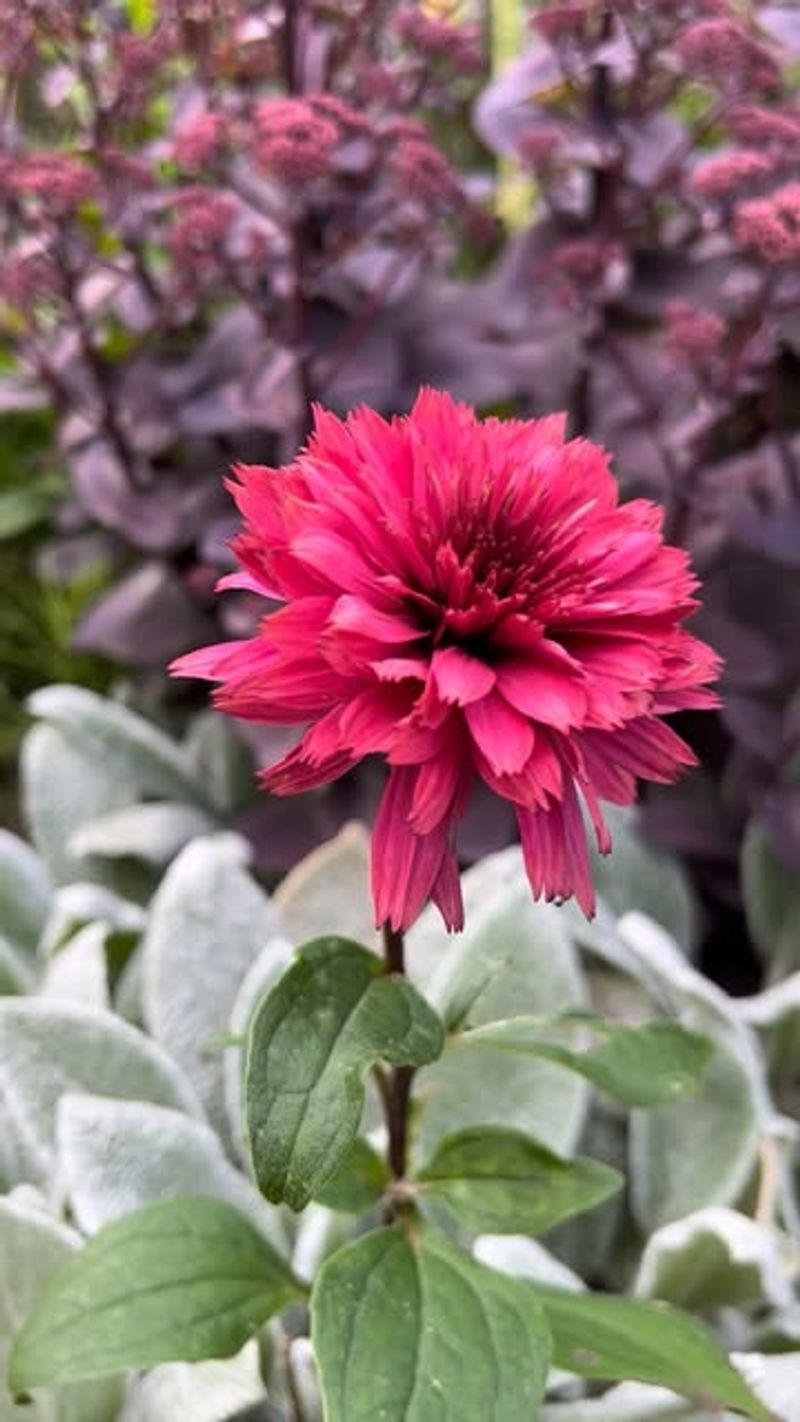
There’s real science behind leaving perennials uncut through winter, and it shows in spring growth patterns.
Plants that spent winter insulated by their own foliage and trapped snow emerge earlier and stronger than those cut back in fall.
The protection provided by standing stems keeps plant crowns at more stable temperatures, reducing stress and allowing energy reserves to remain focused on root health rather than temperature regulation.
When spring finally arrives, these well-protected plants can begin growing almost immediately as soil temperatures rise.
Their crowns haven’t been exposed to damaging freeze-thaw cycles, and their root systems have remained healthy and intact all winter.
You’ll notice fuller growth, more flower buds, and overall more vigorous plants compared to those that were cut back prematurely.
This health advantage compounds over multiple years, as plants that consistently overwinter well develop stronger root systems and greater resilience.
They’re better able to handle summer stress, drought, and pest pressure because they start each growing season from a position of strength.
By simply leaving stems standing through winter, you’re investing in long-term plant health that pays dividends for years to come with minimal effort required on your part.
9. You Avoid Accidental Damage To Dormant Plants
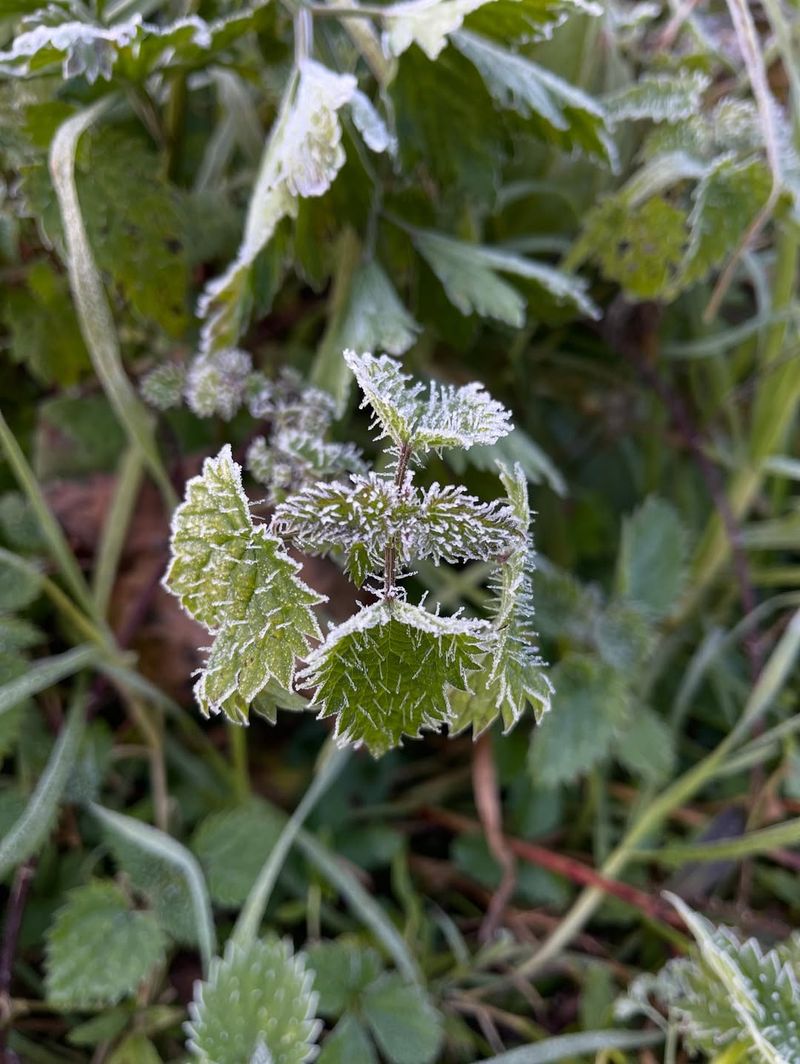
Fall garden cleanup might seem like responsible gardening, but it actually carries significant risks that many Minnesota gardeners don’t consider.
When you’re cutting back perennials in October or November, it’s difficult to see exactly where plant crowns are located, especially if early snow has already fallen.
One careless cut with pruners or a slip with hedge shears can slice right through dormant buds that would have become next spring’s growth.
Many perennials also begin forming new shoots surprisingly early, sometimes as soon as late winter while snow still covers the ground.
These tender new growths hide beneath mulch and old foliage, invisible to anyone working in the garden.
Fall cleanup means you’re working blind, potentially damaging plants you’re trying to help.
Waiting until spring to clean up your garden solves this problem completely.
By late April or early May in most of Minnesota, you can clearly see which plants are emerging and where new growth is located.
You can cut carefully around fresh shoots, removing only truly spent material while preserving everything that still has life.
This mindful approach results in healthier plants, fewer losses, and a more successful growing season overall, all because you had the patience to wait for the right time.
10. Spring Cleanup Becomes Easier And Safer
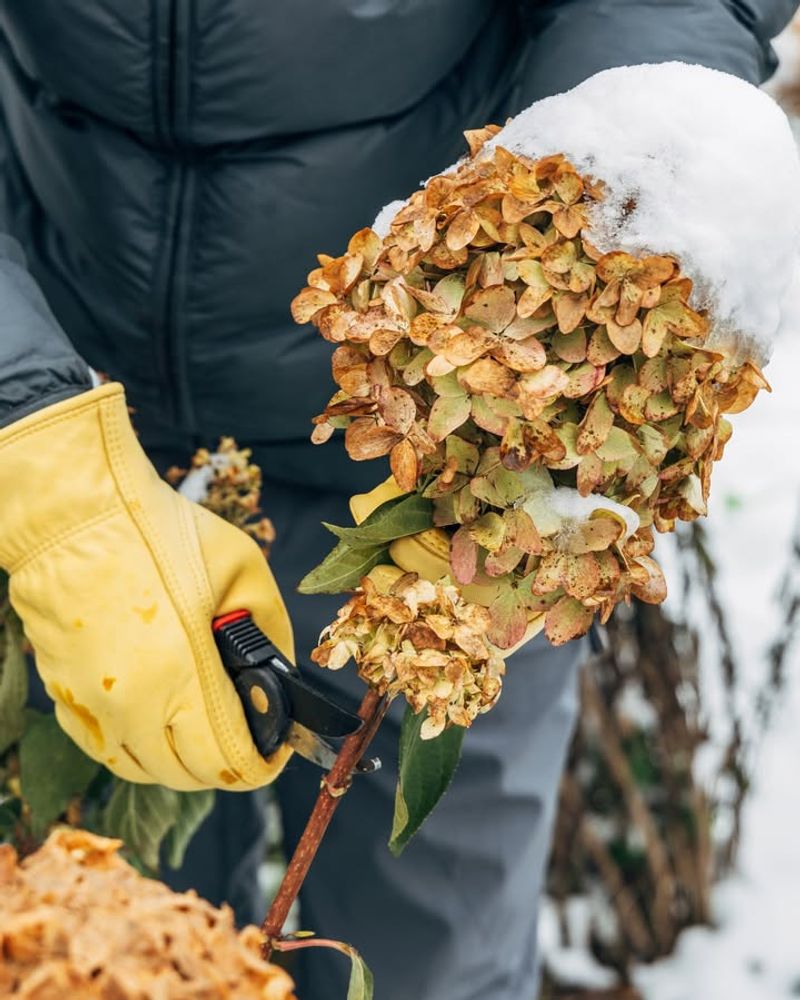
Working in the garden during Minnesota’s unpredictable fall weather means dealing with rain, early snow, frozen ground, and rapidly shortening days.
You’re often rushing to finish before conditions become truly miserable, which can lead to hasty work and increased injury risk.
Cold fingers don’t grip tools as securely, wet leaves are slippery, and you might be working in dim light that makes it hard to see what you’re doing.
Spring cleanup happens under completely different conditions that make the work genuinely pleasant.
Temperatures are warming, days are lengthening, and soil has thawed enough to work comfortably.
You can take your time, work at a relaxed pace, and actually enjoy being outside after months of indoor confinement.
There’s no pressure to finish before the next snowfall or freeze.
Perhaps most importantly, spring cleanup lets you see exactly what survived winter and what didn’t.
You’re not guessing about which plants might return or accidentally removing something that just looks rough but is actually fine.
You can make informed decisions about what to cut, what to leave, and what might need replacing.
This clarity makes the work more efficient and more effective, resulting in a better-looking garden with less wasted effort on your part.
11. Minnesota Gardens Become More Resilient Overall

When you step back and look at all these benefits together, a bigger picture emerges about what leaving perennials standing really means for your garden.
You’re not just making one small change, you’re fundamentally shifting how your garden functions as an ecosystem.
Better insulated roots, healthier soil, thriving beneficial insects, and well-fed birds all work together to create a more balanced and self-sustaining landscape.
Gardens managed this way become less dependent on human intervention and more capable of handling whatever Minnesota’s climate throws at them.
They recover faster from harsh winters, resist pest problems more effectively, and maintain beauty with less work.
You’re essentially partnering with natural processes rather than fighting against them, which always produces better long-term results.
This resilience becomes increasingly valuable as weather patterns grow more unpredictable and extreme.
Gardens that can handle temperature swings, unusual precipitation patterns, and other climate challenges will thrive while more intensively managed landscapes struggle.
By simply leaving your perennials standing through winter, you’re building that resilience one season at a time, creating a garden that will serve you, your local wildlife, and your community for many years to come with beauty, function, and minimal maintenance required.