9 Ways Mississippi Gardeners Can Prevent Root Rot In Vegetable Beds
Root rot is one of the fastest ways Mississippi vegetable beds lose momentum, often showing up just when plants should be hitting their stride.
Warm temperatures, heavy rain, and dense soils combine to create moisture levels that roots struggle to handle for long.
Many gardeners focus on feeding and watering, assuming more care leads to better growth, while the real problem is happening below the surface.
Mississippi beds can stay wet longer than they appear, especially after storms or humid stretches that slow evaporation. That lingering moisture quietly limits oxygen and stresses roots before any visible symptoms appear.
What makes root rot frustrating is how easily it hides behind healthy-looking leaves early on.
Poor drainage, compacted soil, and planting too close together all increase the risk without obvious warning signs.
Once roots are compromised, plants cannot use water or nutrients efficiently, no matter how carefully they are tended.
Preventing the issue is far easier than correcting it after damage begins.
Mississippi gardeners who adjust how their beds handle water and airflow protect crops before problems ever take hold.
1. Improve Drainage Before Planting Vegetables
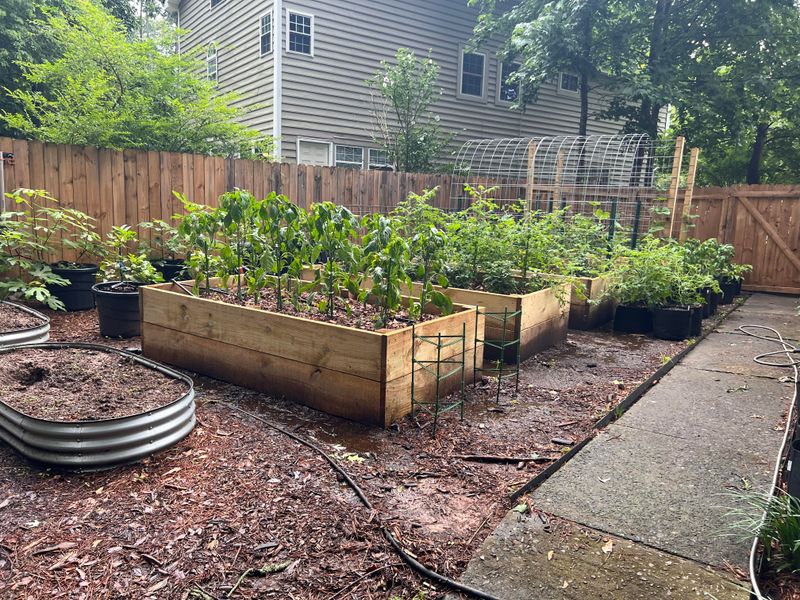
Proper water movement through soil makes all the difference between healthy roots and struggling plants. Many Mississippi gardeners discover too late that their beds hold water like a bathtub after spring thunderstorms.
Clay-heavy ground common throughout the state naturally resists drainage, creating pockets where moisture lingers for days.
Testing your site before you plant saves enormous frustration later. Simply observe how quickly water disappears after a heavy rain or watering session.
Puddles that remain more than a few hours signal a drainage issue that needs attention.
Installing drainage tiles or perforated pipes beneath beds channels excess moisture away from root zones. These systems work especially well in low-lying areas where water naturally collects.
French drains around garden perimeters also redirect runoff effectively.
Sloping beds slightly helps gravity move water downward and outward. Even a gentle grade of one or two inches across a four-foot bed makes a noticeable difference.
Avoid creating completely flat surfaces that encourage pooling.
This technique creates space for water to move rather than saturating root zones. Proper preparation at the start prevents problems throughout the growing season.
2. Avoid Overwatering In Heavy Or Clay-Based Soils
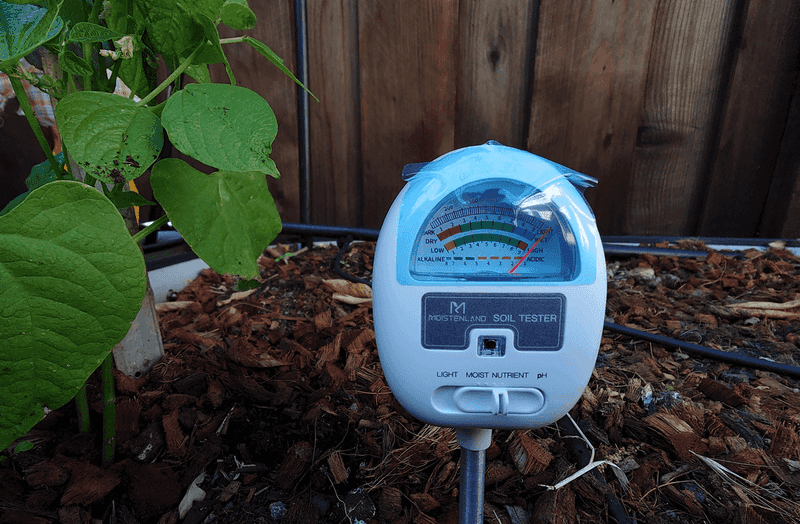
Too much moisture causes more vegetable garden failures than drought across Mississippi. Enthusiastic gardeners often water on a rigid schedule without checking whether plants actually need it.
Clay soils hold water much longer than sandy types, so what works in one garden may drown plants in another.
Sticking your finger two inches into the soil tells you more than any calendar ever could. If it feels damp at that depth, roots have plenty of moisture available.
Watering again just fills air spaces that roots need for oxygen.
Morning checks give you the most accurate reading since soil has had all night to absorb or drain previous waterings. Afternoon assessments during hot Mississippi summers can be misleading because surface soil dries quickly while deeper layers stay saturated.
Always check below the surface crust.
Mulch helps regulate moisture by slowing evaporation and moderating soil temperature swings. A two to three-inch layer keeps conditions more consistent so you water less frequently.
Avoid piling mulch against plant stems where it traps dampness.
Adjusting your watering routine based on weather patterns prevents saturation problems. Following heavy rains, skip your usual schedule for several days while soil drains naturally.
Paying attention beats following rigid routines every time.
3. Use Raised Beds To Keep Roots From Sitting In Water
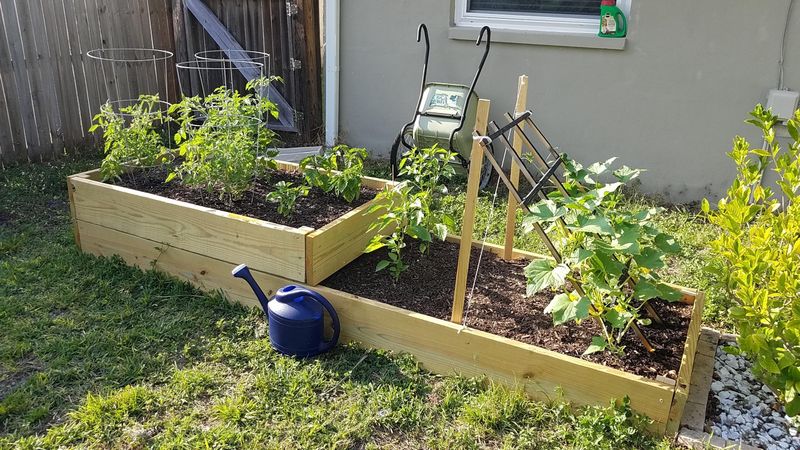
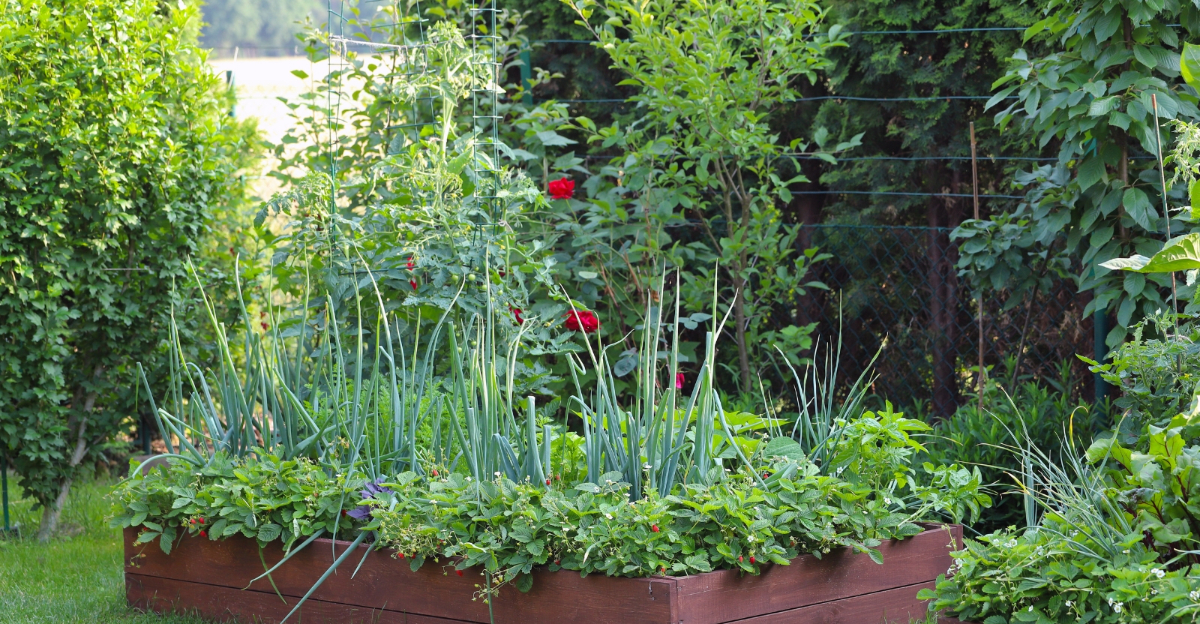
Elevating your growing area above ground level solves multiple drainage challenges at once. Raised structures allow water to flow downward and outward rather than pooling around root systems.
This simple change transforms problem areas into productive spaces across Mississippi gardens.
Building beds eight to twelve inches high provides enough depth for most vegetable root systems while ensuring excellent drainage. Deeper beds work even better for crops like carrots and potatoes that need extra room to develop.
The sides contain your improved soil mix while keeping native clay from creeping back in.
Materials like untreated lumber, stone, or composite boards create lasting frames that hold their shape through multiple seasons. Avoid treated wood near edibles since chemicals can leach into soil over time.
Cedar and cypress resist decay naturally without chemical treatment.
Filling raised beds with a custom soil blend gives you complete control over texture and drainage. Mixing compost, peat moss or coconut coir, and perlite creates an ideal growing medium.
This approach works especially well where native Mississippi soil is too heavy to amend effectively.
Positioning beds in full sun with good air circulation around all sides prevents moisture from becoming trapped. Leave walking space between structures so you can tend plants without compacting soil.
Raised beds offer better growing conditions and easier maintenance for gardeners of all ages.
4. Choose Vegetable Varieties With Better Disease Resistance
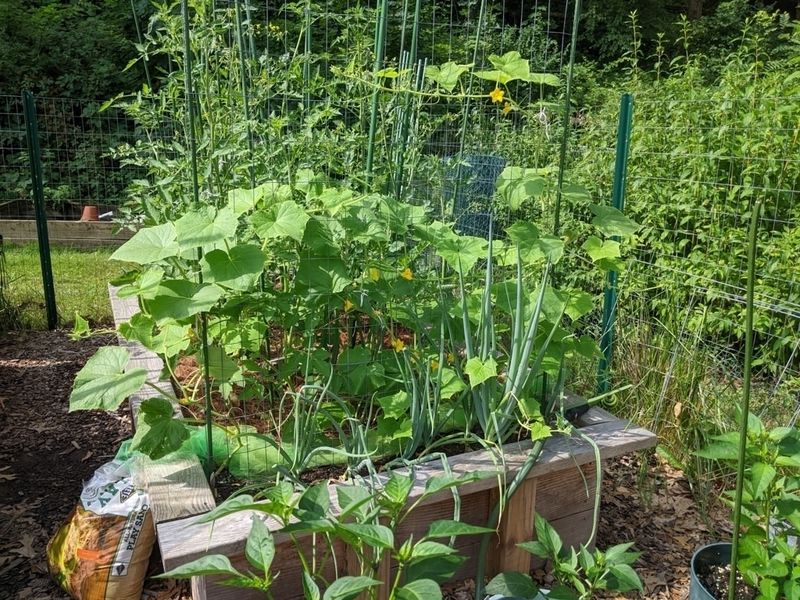
Plant breeders have developed cultivars specifically selected to withstand common problems including root diseases. Seed catalogs and plant tags often indicate resistance with codes or descriptions.
Selecting these improved varieties gives your Mississippi garden a head start against fungal issues.
Tomatoes offer numerous resistant options bred to handle various pathogens that thrive in humid Southern conditions. Look for letters like F, V, or R after variety names indicating specific resistances.
These plants continue producing even when conditions favor disease development.
Hybrid cucumbers and squash with resistance bred in perform noticeably better than older open-pollinated types in wet years. They maintain healthier root systems when soil stays damp longer than ideal.
The investment in resistant seeds pays off through the season.
Local garden centers in Mississippi often stock varieties proven to perform well in regional conditions. Staff can recommend specific cultivars that handle heat, humidity, and wet periods successfully.
Their experience saves you trial and error.
Heirloom varieties offer wonderful flavors but sometimes lack modern disease resistance. Growing these alongside resistant hybrids lets you enjoy both without risking your entire harvest.
Mixing old and new genetics creates a balanced, resilient garden that handles whatever weather brings.
5. Space Plants To Increase Airflow Around Roots
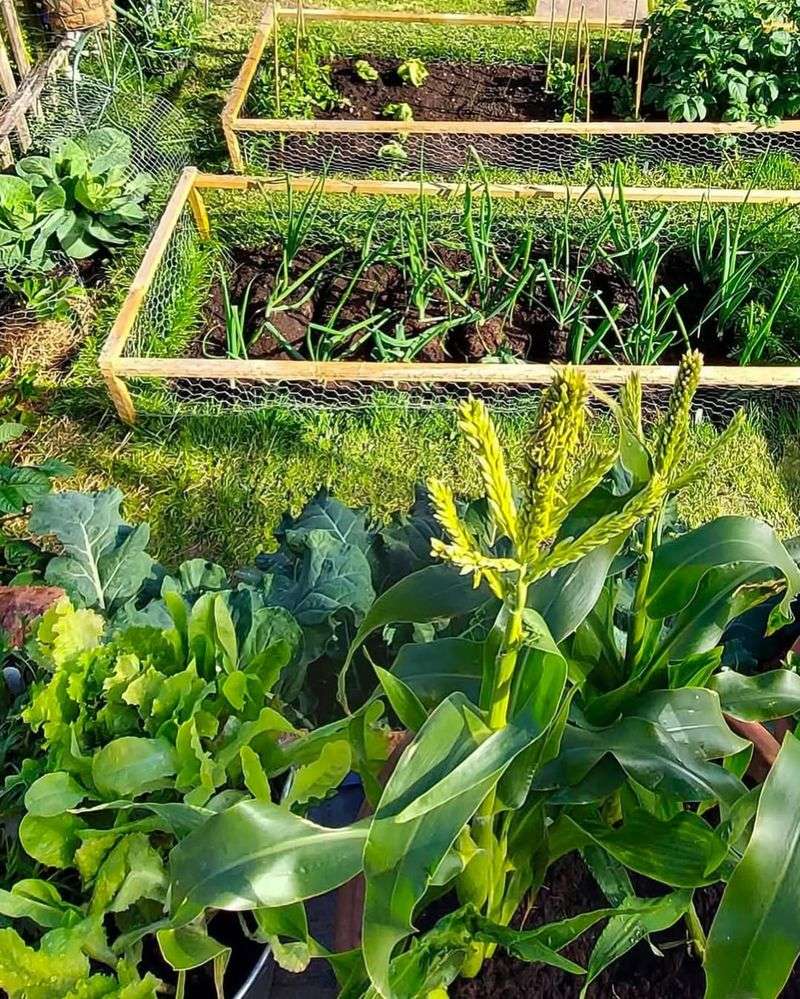
Crowding vegetables together seems efficient but creates conditions where moisture lingers and problems multiply. Air needs to circulate not just around leaves but also through the soil around root zones.
Proper spacing prevents the humid, stagnant environment where fungi thrive in Mississippi gardens.
Following spacing recommendations on seed packets or plant tags gives each vegetable room to develop properly. These guidelines account for mature plant size and air circulation needs.
Ignoring them to fit more plants usually reduces overall harvest.
Wider spacing between rows allows you to walk through without brushing wet foliage against neighboring plants. This prevents spreading moisture and potential pathogens throughout your garden.
Leave at least two feet between rows of larger plants like tomatoes.
Pruning lower leaves once plants establish improves air movement near soil level. Removing foliage that touches the ground also prevents splash-back during watering or rain.
Better circulation helps soil surfaces dry faster between waterings.
Staking or caging plants keeps them upright and opens space underneath for air flow. Sprawling plants create dense canopies that trap humidity against the soil.
Vertical growing techniques work especially well in Mississippi’s humid climate where air movement makes a significant difference in plant health.
6. Amend Soil To Reduce Compaction And Standing Moisture
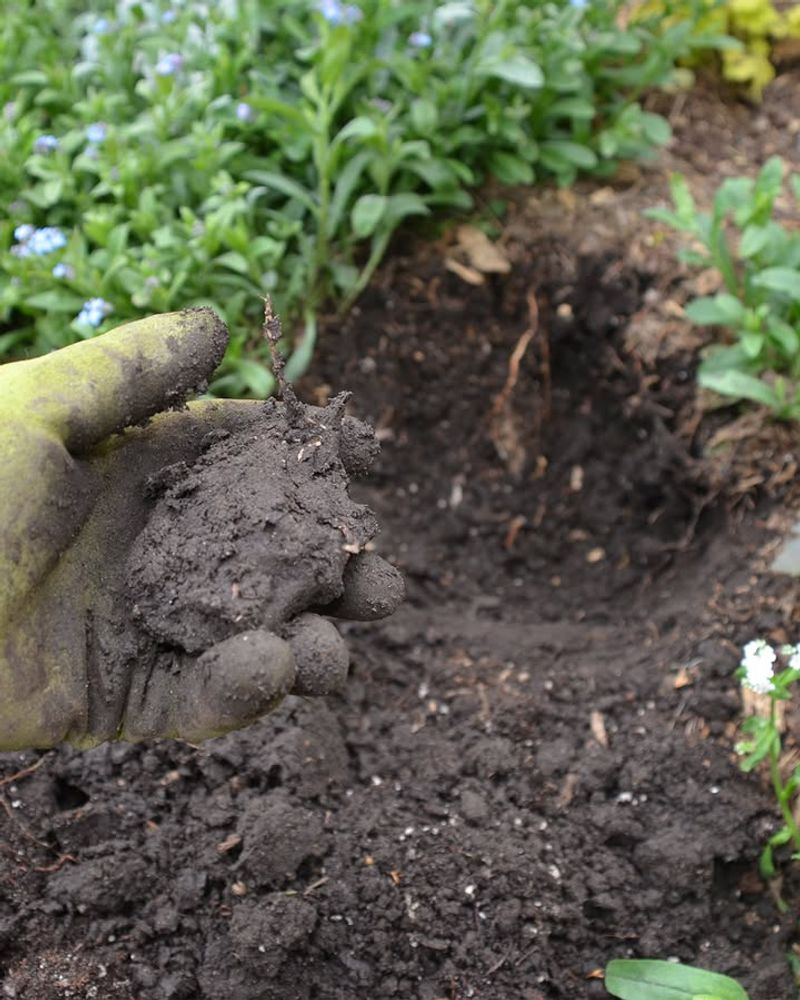
Heavy Mississippi clay compacts easily, squeezing out air spaces that roots need to breathe and water needs to drain. Working organic matter into native soil transforms its structure over time.
Compost, aged manure, and shredded leaves gradually improve texture and water-holding characteristics.
Adding materials in fall gives them months to integrate before spring planting. Spreading a three to four-inch layer across beds and working it into the top eight inches makes a noticeable difference.
Repeated applications over several seasons create lasting improvements.
Coarse sand mixed with organic matter opens up dense clay without making it too loose. Use builder’s sand rather than fine play sand which can actually worsen compaction.
Coarse sand can help only when combined with large amounts of organic matter and is best avoided unless soil texture is tested
Avoiding tilling when soil is wet prevents creating dense, brick-like clods that resist root penetration. Working damp clay smears particles together rather than separating them.
Wait until soil crumbles easily in your hand before turning it.
Cover crops planted in fall and turned under in spring add organic matter while their roots break up compaction naturally. Winter rye and crimson clover work particularly well across Mississippi.
These living soil amendments improve structure while preventing erosion during winter rains.
7. Water Early In The Day So Beds Dry Faster
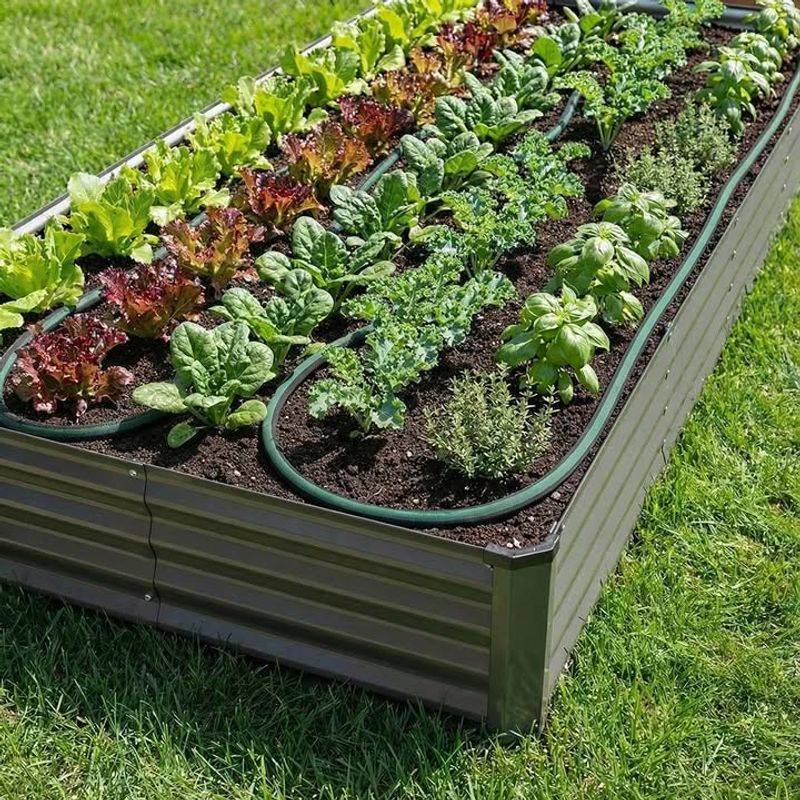
Timing your watering routine affects how long moisture lingers around roots and on foliage. Morning applications give plants all day to absorb what they need while excess evaporates in sun and warmth.
This simple scheduling change reduces disease pressure significantly in Mississippi gardens.
Early watering means roots access moisture during the hottest part of the day when they need it most. Plants face less stress and use water more efficiently.
They enter evening with satisfied roots rather than sitting in dampness overnight.
Afternoon or evening watering leaves soil saturated through cool night hours when evaporation stops. Roots sit in waterlogged conditions for twelve or more hours, creating perfect circumstances for fungal growth.
Morning watering avoids this extended exposure.
Surface soil that dries between waterings discourages many soil-borne pathogens. Complete saturation day and night gives fungi constant favorable conditions.
Allowing the top inch to dry while deeper layers stay moist strikes the right balance.
Drip irrigation or soaker hoses deliver water directly to root zones without wetting foliage. Running these systems in early morning maximizes efficiency while minimizing disease risk.
Any moisture that does reach leaves dries quickly as temperatures rise across Mississippi. Smart timing works with natural daily patterns to keep plants healthy.
8. Rotate Crops To Limit Soil-Borne Disease Buildup
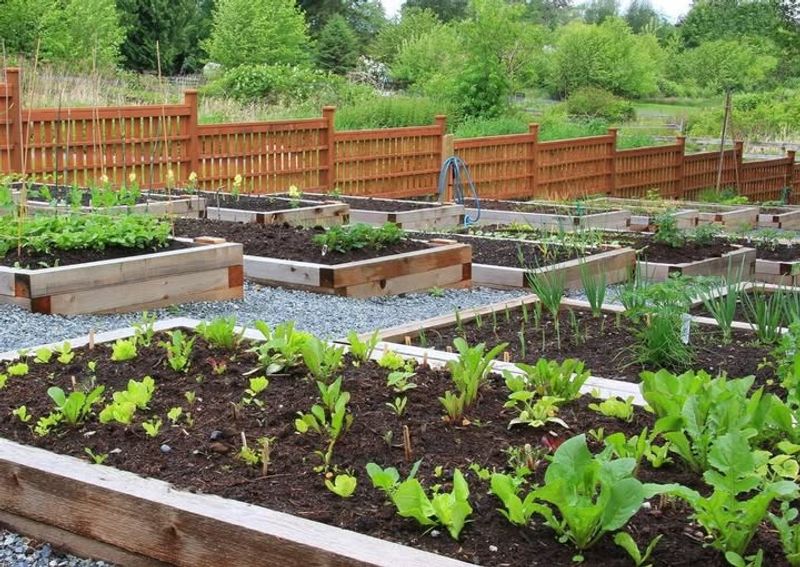
Growing the same vegetables in the same spots year after year allows pathogens to accumulate in soil. Many root rot fungi persist for multiple seasons, waiting for their preferred host plants.
Moving crops to different beds each year breaks this cycle effectively across Mississippi gardens.
Planning a three or four-year rotation prevents most vegetables from returning to the same location too soon. Group plants by family since related species share similar pests and diseases.
Tomatoes, peppers, and eggplants belong to one family and should rotate together.
Following heavy feeders like tomatoes with light feeders like beans balances nutrient demands while disrupting disease patterns. Legumes actually add nitrogen back to soil, improving it for the next crop.
This natural fertility management complements disease prevention.
Keeping records of what grew where helps you plan future rotations accurately. A simple garden map or notebook entry each season provides the information you need.
Memory alone often fails when spring planting excitement arrives.
Some crops like asparagus and perennial herbs stay in permanent locations, but annual vegetables should move regularly. Even container gardens benefit from fresh soil or different planting mixes each year.
Rotation remains one of the most effective, cost-free disease prevention strategies available to Mississippi gardeners who plan ahead.
9. Watch For Early Warning Signs Before Damage Spreads
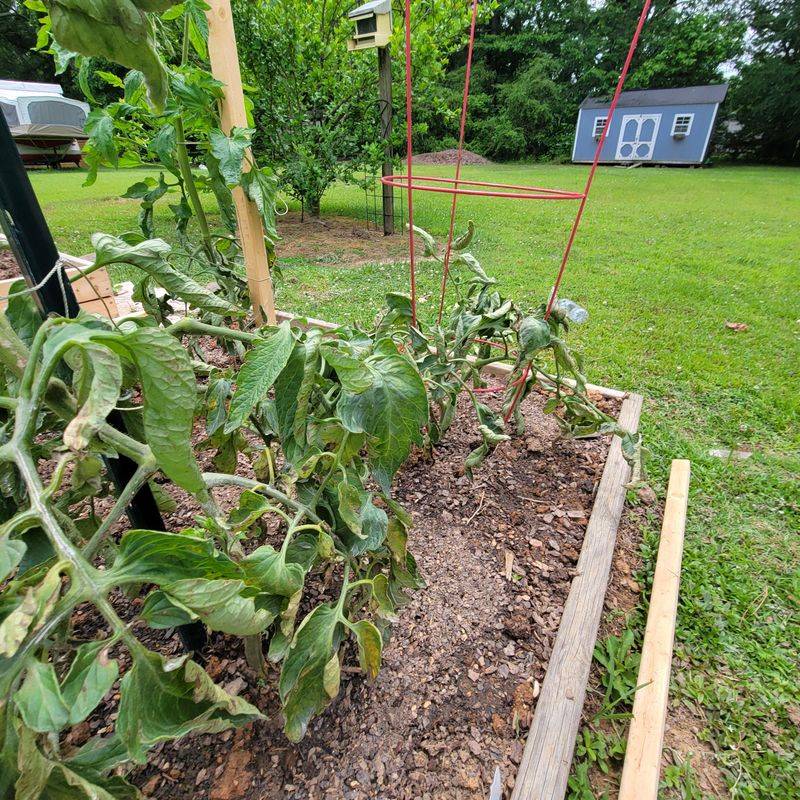
Catching root problems in their earliest stages gives you the best chance to save plants and prevent spread. Wilting during the hottest part of the day despite adequate soil moisture signals possible root damage.
Healthy roots move water efficiently even in heat, while compromised ones cannot keep up with demand.
Yellowing lower leaves that drop prematurely often indicate roots struggling to absorb nutrients. This symptom appears before visible stem damage develops.
Acting quickly when you notice these changes can make the difference between losing one plant or several.
Stunted growth compared to neighboring plants of the same variety suggests underground problems. Roots unable to function properly cannot support normal development.
Comparing plants helps you spot issues before they become obvious.
Dark, mushy stems at soil level confirm advanced root rot that has moved upward. Scraping the stem gently with your fingernail reveals brown discoloration beneath the surface.
Healthy stems show green tissue under the outer layer across Mississippi gardens.
Removing affected plants promptly prevents fungi from spreading through soil to healthy neighbors. Disposing of diseased material in trash rather than compost stops pathogens from returning.
Regular inspection walks through your garden create opportunities to catch problems early when intervention still helps.