10 Ways New York Gardeners Are Growing Award-Winning Roses This Year
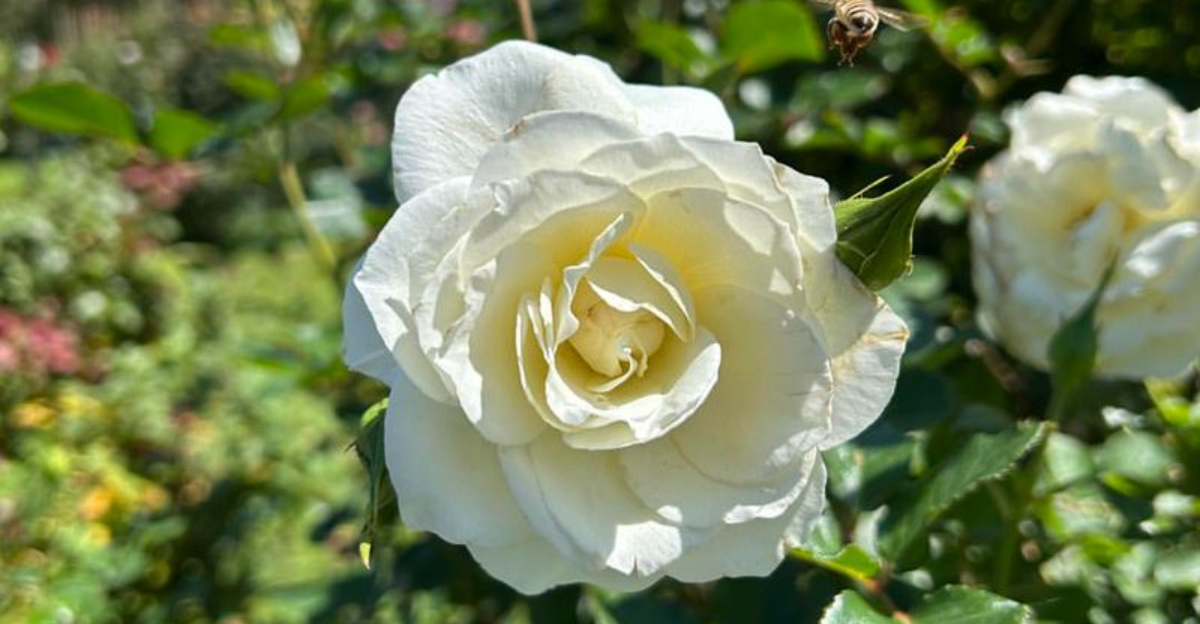
Roses are timeless, but growing award-winning varieties in New York requires more than luck—it takes strategy, care, and a little insider knowledge.
From soil preparation to pruning techniques, gardeners are discovering the secrets that make roses flourish, bloom abundantly, and stay healthy throughout the season. Your garden can grow stunning roses that turn heads and win accolades!
These ten techniques highlight what New York gardeners are doing differently this year, from selecting disease-resistant cultivars and optimizing sunlight to proper fertilization, watering routines, and pest management.
Attention to detail ensures your roses aren’t just surviving, they’re thriving, with vibrant blooms that last longer and look spectacular in beds or containers.
Small changes, big results, these tips elevate your roses from ordinary to show-stopping.
For rose lovers across New York, following these proven practices guarantees healthier plants, bigger flowers, and a garden that could rival the best. Grow award-winning roses this year, and enjoy a garden that truly impresses!
1. Choosing Disease-Resistant Rose Varieties First
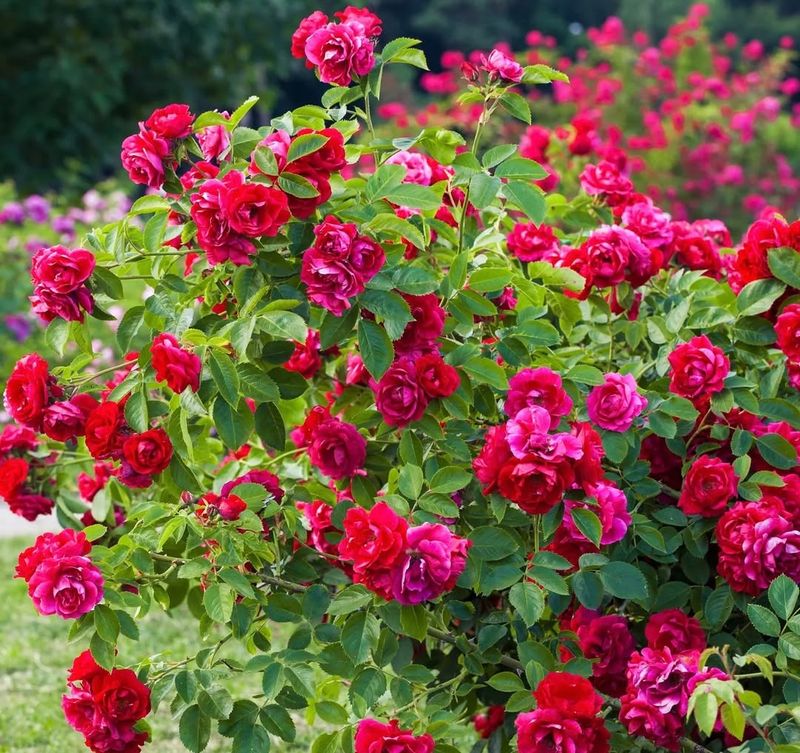
Modern rose breeders have created varieties that laugh in the face of fungal diseases, and New York gardeners are reaping the rewards. Older heirloom roses might look romantic, but they often struggle against the humid summers and sudden weather changes that define the region.
Disease-resistant varieties carry genetic traits that naturally fend off black spot, powdery mildew, and rust without constant chemical intervention.
When you select roses bred specifically for toughness, you’re setting yourself up for success from day one. Varieties like Knock Out roses, Easy Elegance series, and many David Austin English roses combine beauty with resilience.
These plants dedicate their energy to producing gorgeous blooms instead of constantly battling infections that weaken their systems. Award-winning gardeners know that prevention beats treatment every single time.
Starting with resistant varieties means fewer fungicide applications, healthier foliage throughout the growing season, and more spectacular flowers when competition time arrives.
Your roses will maintain their glossy green leaves even during the most challenging weather patterns New York throws their way.
The best part about choosing resistant varieties is that you’ll spend more time enjoying your garden and less time worrying about disease management.
Your plants will naturally look better, grow stronger, and produce the kind of show-stopping blooms that catch judges’ attention at rose competitions across the state.
2. Planting Roses Where They Get Morning Sun

Sunlight timing matters far more than most gardeners realize, especially in New York’s humidity-prone climate. Morning sun acts like nature’s towel, quickly drying the dew that settles on rose petals and leaves overnight.
This simple drying action dramatically reduces the conditions that fungal diseases need to establish themselves and spread throughout your rose beds.
Black spot and powdery mildew thrive when foliage stays damp for extended periods. By positioning your roses where the first rays of sunshine hit them, you’re giving your plants a fighting chance against these common problems.
The warmth and light evaporate moisture before pathogens can multiply and cause visible damage to your prized roses.
Eastern exposures work beautifully for roses throughout New York, providing gentle morning light that energizes photosynthesis without the harsh intensity of afternoon sun. This positioning also protects blooms from fading too quickly during hot summer days.
Your roses will open slowly and maintain their rich colors longer when they receive this ideal light pattern.
Competition-level gardeners always scout their yards for the perfect morning sun spots before planting new roses.
They understand that location determines success almost as much as variety selection does, and they’re willing to rearrange entire garden layouts to give their roses this crucial advantage for producing award-worthy blooms season after season.
3. Improving Drainage Before Planting

New York soils vary wildly from region to region, but many areas struggle with heavy clay or compacted earth that holds water like a bathtub. Roses absolutely despise having their roots sitting in soggy conditions, which leads to root rot and severely stunted growth.
Smart gardeners address drainage issues before their roses ever touch the ground, saving themselves heartache and replacing costs down the road. Amending planting beds transforms problematic soil into rose paradise.
Mixing in generous amounts of compost, aged manure, and coarse materials like perlite or small gravel creates air pockets that allow excess water to drain away while still retaining enough moisture for healthy root function.
The ideal soil drains well but doesn’t dry out completely between waterings.
Many award-winning rose growers actually build raised beds or berms specifically for their roses, elevating the root zone above areas where water naturally accumulates. This technique works exceptionally well in low-lying yards or anywhere the water table sits close to the surface.
Raising your roses even six to twelve inches can make an enormous difference in their overall health and blooming performance.
Testing your drainage is straightforward and takes just a few minutes. Simply dig a hole about twelve inches deep, fill it with water, and watch how quickly it drains.
If water remains after an hour, your soil needs serious amendment before planting roses that will compete for ribbons and trophies.
4. Watering Deeply At The Base, Not Overhead
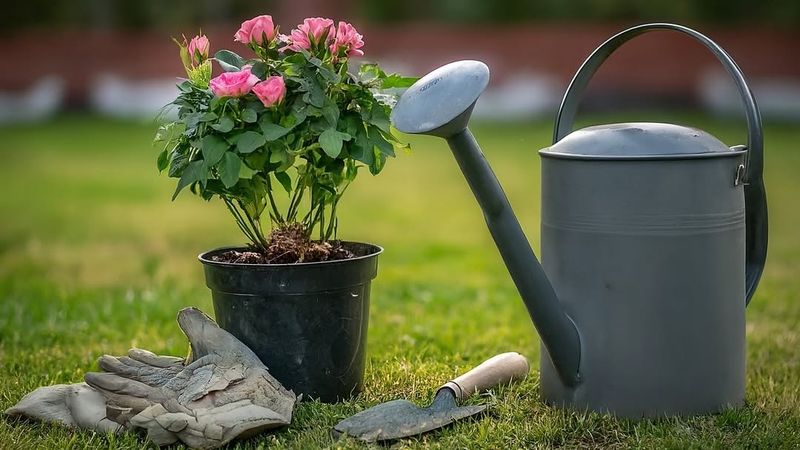
Overhead watering might seem like the easiest approach, but it’s actually inviting trouble into your rose garden. Splashing water onto leaves and flowers creates the perfect environment for fungal spores to germinate and spread throughout your plants.
Award-winning gardeners avoid this rookie mistake by directing water exactly where roses need it most—at the root zone where it can soak deep into the soil.
Drip irrigation systems have revolutionized rose care for serious growers across New York. These efficient systems deliver water slowly and steadily right to the base of each plant, encouraging roots to grow deeply instead of staying shallow near the surface.
Deep roots anchor plants better and access moisture and nutrients that superficial roots never reach, resulting in stronger, more resilient roses.
Hand watering works beautifully too, provided you take your time and aim carefully at the soil rather than the foliage. Using a watering wand with a gentle shower head or simply removing the nozzle entirely allows water to flow slowly without splashing.
This method gives you perfect control and lets you observe each plant closely for any emerging issues that need attention.
Consistent deep watering produces roses with sturdy stems and abundant blooms that hold up well during competitions.
When roots have reliable access to moisture, plants can focus their energy on flower production rather than survival, giving you those exhibition-quality blooms that judges reward with top honors year after year.
5. Feeding Roses On A Consistent, Light Schedule
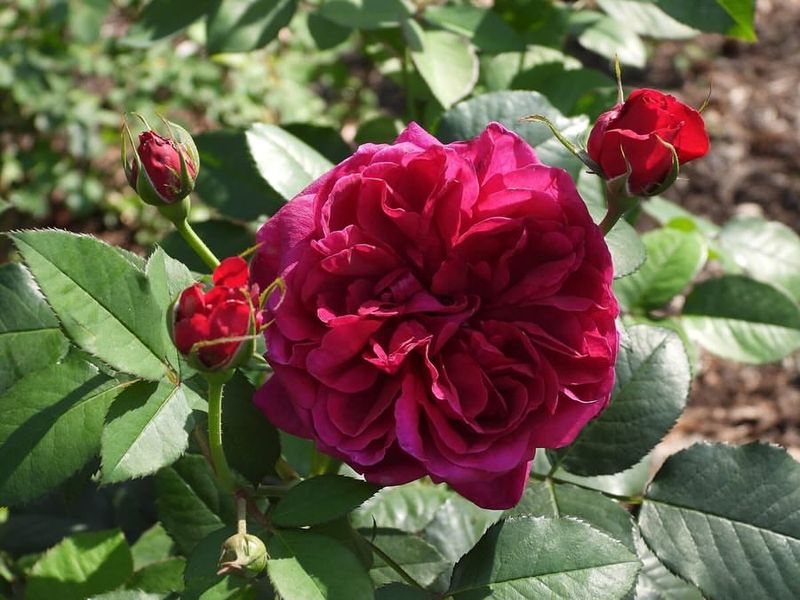
Heavy feeding once or twice a season might seem convenient, but roses actually perform better with smaller, more frequent meals throughout their growing period.
Think of it like eating several balanced meals daily versus gorging once a week—your body functions better with steady nutrition, and roses work exactly the same way.
Consistent feeding keeps nutrient levels stable in the soil, allowing plants to access what they need precisely when they need it.
Balanced fertilizers containing equal or near-equal amounts of nitrogen, phosphorus, and potassium support all aspects of rose health simultaneously.
Nitrogen promotes lush foliage growth, phosphorus encourages robust root development and abundant blooms, while potassium strengthens overall plant vigor and disease resistance.
Award-winning roses need all three elements working together harmoniously to reach their full potential.
Many top rose exhibitors feed their plants every two to three weeks during the active growing season, using either liquid fertilizers or slow-release granular products. This approach prevents the feast-or-famine cycle that stresses plants and leads to inconsistent blooming patterns.
Your roses will produce flowers more reliably and maintain better foliage when they receive steady nutritional support rather than occasional heavy doses.
Starting fertilization after spring pruning and continuing through mid-summer gives roses the fuel they need for spectacular bloom production.
Observing your plants closely helps you adjust feeding schedules based on their actual performance rather than following rigid calendar dates that might not match your garden’s unique conditions.
6. Pruning At The Right Time For New York’s Climate
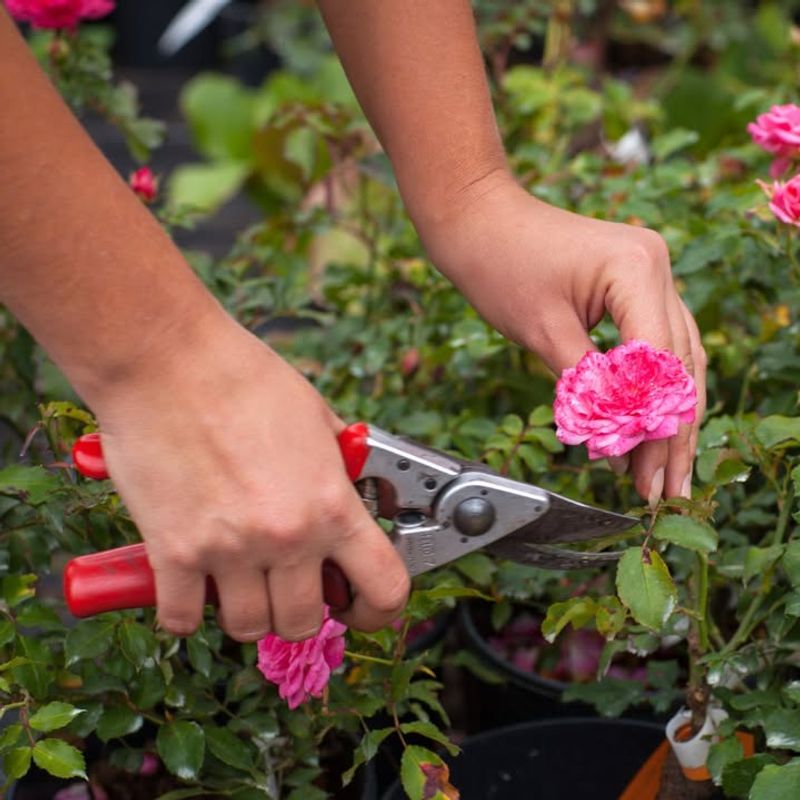
Timing your pruning correctly can mean the difference between mediocre roses and show-stopping specimens that dominate competitions.
New York’s unpredictable spring weather makes this timing tricky, but experienced growers watch for forsythia blooms as their signal that the danger of hard frosts has mostly passed.
This natural indicator works better than calendar dates because it responds to actual weather patterns rather than arbitrary schedules.
Pruning too early exposes tender new growth to damaging late frosts that can set your roses back by weeks. Waiting too long, however, delays bloom production and wastes the plant’s energy on growth that you’ll just remove anyway.
The sweet spot arrives when daytime temperatures consistently reach the fifties and nighttime lows stay above freezing most nights, signaling that winter has truly released its grip on the region.
Proper pruning technique matters as much as timing. Making clean cuts at forty-five-degree angles just above outward-facing buds encourages healthy new growth that opens up the plant’s center for better airflow.
Removing weak, crossing, or damaged canes focuses the plant’s energy on producing fewer but much higher quality stems and blooms that meet exhibition standards. Sharp, clean tools prevent ragged cuts that invite disease and slow healing.
Many award-winning gardeners disinfect their pruning shears between plants using rubbing alcohol or a bleach solution, preventing the accidental spread of pathogens throughout their rose collections during this critical maintenance period.
7. Mulching Correctly Without Smothering Stems
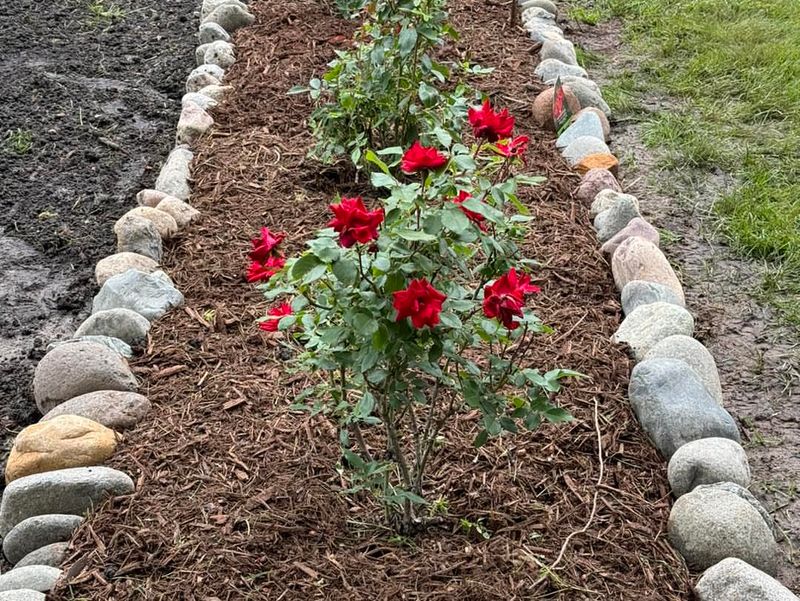
Mulch serves as your roses’ best friend when applied properly, but it becomes their worst enemy when piled incorrectly around stems and crowns.
A two-to-three-inch layer of organic mulch works wonders by moderating soil temperature, retaining moisture during dry spells, and suppressing weeds that compete for nutrients and water.
Award-winning gardeners understand that the magic happens in getting the depth and placement exactly right.
Keeping mulch pulled back several inches from the base of rose canes prevents moisture from staying trapped against the bark, which encourages fungal diseases and provides hiding spots for harmful insects.
Creating a small mulch-free zone around each plant’s crown allows air to circulate freely and lets you easily spot any problems developing at ground level before they become serious issues.
Shredded hardwood bark, aged wood chips, or compost all make excellent mulch choices for roses throughout New York. As these organic materials slowly decompose, they actually improve your soil structure and add valuable nutrients that feed your roses naturally.
Refreshing your mulch layer each spring maintains its effectiveness throughout the growing season without building up excessive depth that could smother roots.
Temperature regulation might be mulch’s most underappreciated benefit. During summer heat waves, mulched soil stays significantly cooler than bare ground, protecting delicate feeder roots from stress.
In early spring and late fall, mulch acts like a blanket, buffering temperature swings that can shock plants and reduce their blooming potential when competition season arrives.
8. Deadheading Strategically To Encourage Repeat Blooms

Removing spent flowers might seem like simple garden housekeeping, but strategic deadheading actually triggers physiological changes that push roses to produce even more blooms.
When you snip off fading flowers before they form hips, you’re essentially telling the plant that its reproductive mission hasn’t succeeded yet, prompting it to try again by producing fresh flowers.
This technique keeps repeat-blooming roses performing at peak levels throughout the entire growing season.
The key lies in making your cuts at the right location along the stem. Most experts recommend cutting just above the first set of five leaflets, removing not just the flower but also the weak stem section below it.
This encourages new growth to emerge from a strong point on the cane, resulting in sturdy stems that support large, well-formed blooms perfect for exhibition.
Timing your deadheading matters too. Removing flowers just as petals begin to fade but before they completely shatter gives your rose the maximum time to produce another flush of blooms.
During peak growing season in New York, many roses can cycle from deadheading to new blooms in just four to six weeks, giving you multiple opportunities to harvest competition-quality flowers.
Later in the season, around six weeks before your area’s first expected frost, stop deadheading and allow hips to form.
This signals roses to slow down and prepare for dormancy, which is essential for their long-term health and ensures they’ll come back even stronger next spring with award-winning potential.
9. Managing Airflow Between Plants
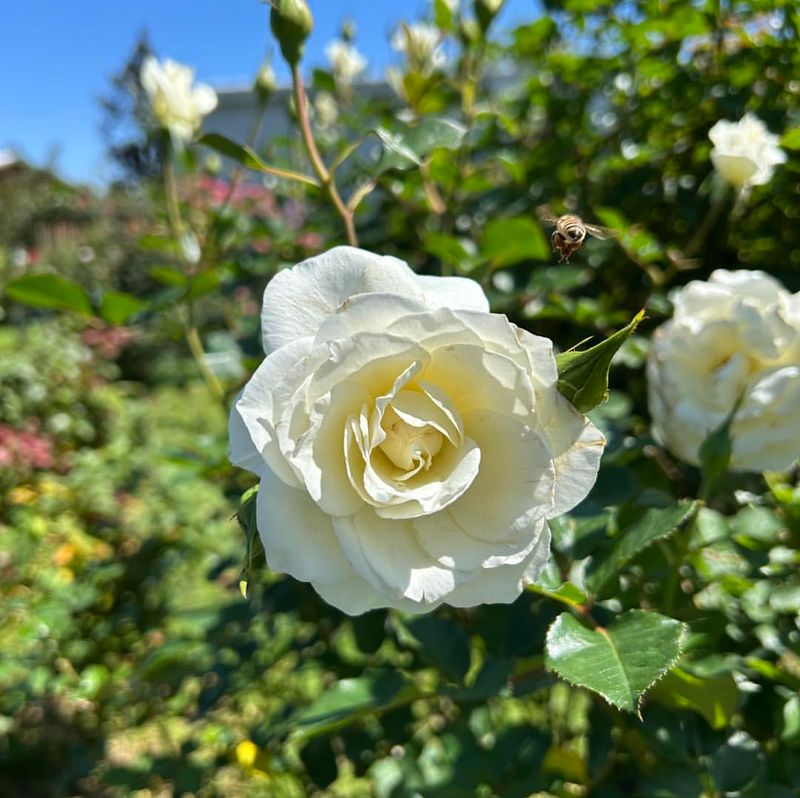
Crowded roses might look lush and full at first glance, but that density creates a humid microclimate that fungal diseases absolutely love.
New York’s naturally humid summers amplify this problem, making proper spacing and airflow management absolutely critical for growing roses that stay healthy enough to produce award-quality blooms.
Smart gardeners resist the temptation to pack plants tightly together, understanding that space equals health in the rose garden.
Adequate spacing between plants allows breezes to flow freely through your rose beds, drying foliage quickly after rain or morning dew. This constant air movement makes it much harder for black spot, powdery mildew, and rust to establish themselves and spread from plant to plant.
Most hybrid tea roses need at least two to three feet of space from their neighbors, while larger shrub roses require even more room to develop properly.
Beyond plant-to-plant spacing, pruning the interior of each rose bush opens up the center and promotes airflow through the plant itself. Removing crossing canes and thinning out excessive growth creates a vase-shaped structure that allows light and air to reach all parts of the plant.
This architecture not only prevents disease but also produces stronger, straighter stems that hold blooms perfectly for exhibition.
Pest management benefits enormously from good airflow too. Many destructive insects prefer still, humid conditions and avoid breezy locations.
By engineering your rose garden for maximum air circulation, you’re creating an environment that naturally discourages problems while encouraging the vigorous, healthy growth that wins ribbons and trophies.
10. Letting Roses Rest Properly In Fall And Winter
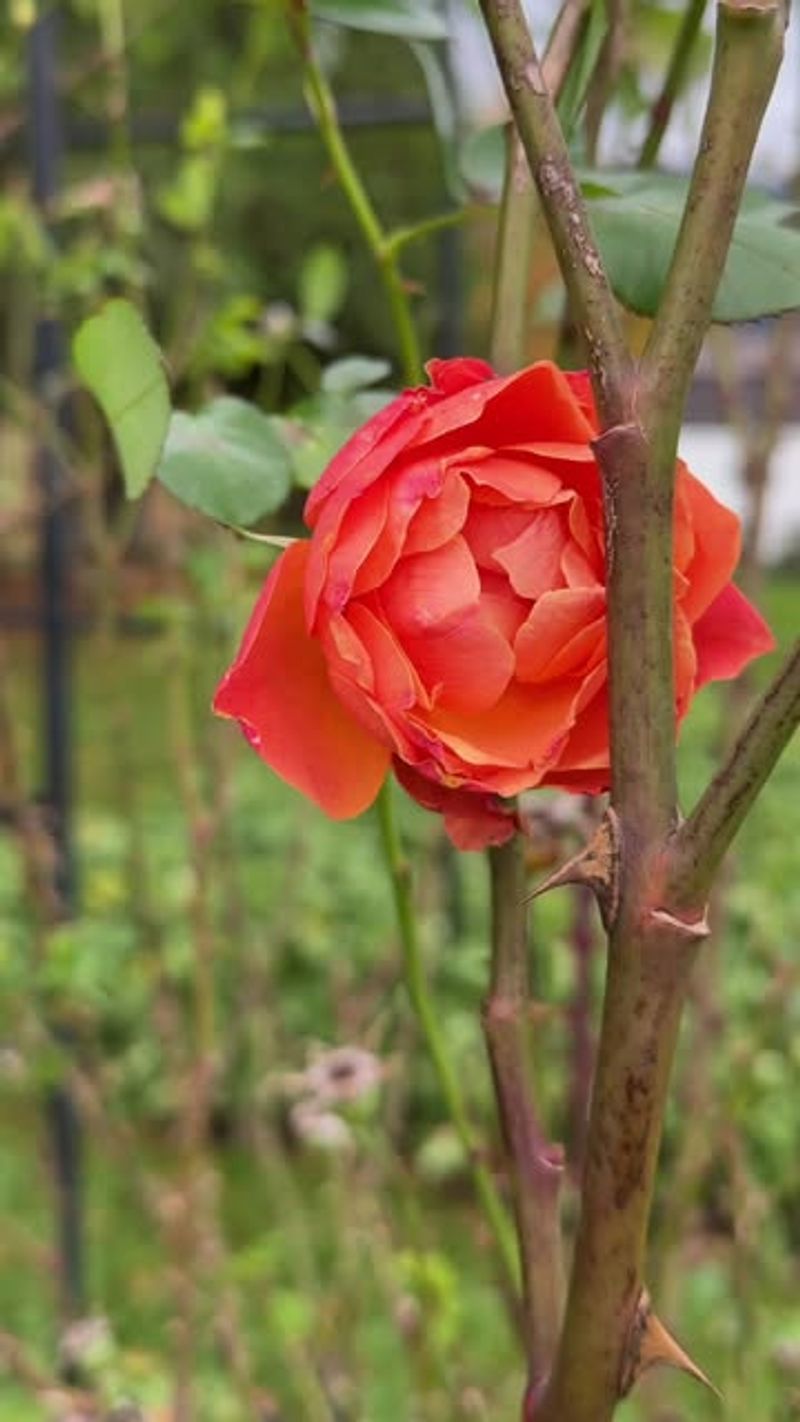
Pushing roses to keep growing and blooming right up until frost might seem like you’re getting the most from your plants, but this approach actually weakens them and compromises next year’s performance.
Award-winning gardeners know that roses need a proper dormancy period to recharge their energy reserves and prepare for another season of spectacular blooming. Respecting this natural cycle separates good rose growers from truly exceptional ones.
Stopping fertilization by mid-August gives roses time to slow their growth and begin hardening off before winter arrives.
Continuing to feed late in the season encourages tender new growth that won’t have time to mature before cold weather hits, leaving your plants vulnerable to winter damage.
This discipline feels counterintuitive when your roses still look vibrant and healthy, but it pays enormous dividends when spring arrives.
Allowing hips to form on late-season blooms sends powerful hormonal signals throughout the plant that dormancy time is approaching. This natural process triggers changes at the cellular level that increase cold hardiness and redirect energy from growth to storage.
Your roses enter winter in a protected state, conserving resources they’ll unleash next spring in an explosion of vigorous growth and abundant blooms.
Proper winter preparation, including mulching around the base after the ground freezes and providing wind protection for grafted roses, ensures your plants survive even harsh New York winters.
Roses that rest well during dormancy emerge in spring with the strength and vigor needed to produce those competition-quality blooms that earn top honors at rose shows throughout the region.