8 Ways North Carolina Homeowners Are Giving Bland Gardens New Life This Year
North Carolina homeowners are shaking things up with fresh ideas that turn tired gardens into spaces that actually feel exciting again.
I’ve noticed it’s not about starting over, but about smart updates that bring color, movement, and personality back into outdoor areas.
These changes are helping gardens feel more lived-in and enjoyable, instead of like something people just walk past every day.
1. Adding Native Wildflower Meadows
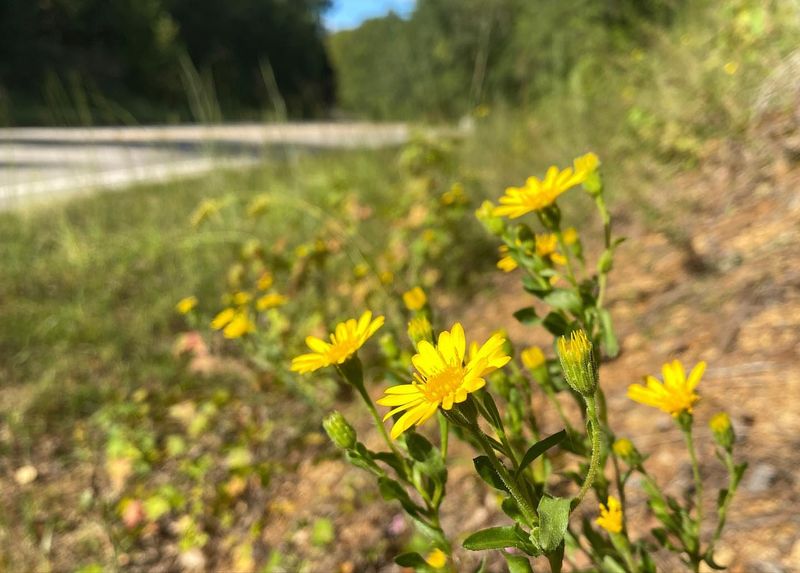
Homeowners throughout North Carolina are replacing boring grass lawns with vibrant wildflower meadows that burst with color from spring through fall every single year.
Native species like coneflowers, black-eyed Susans, and bee balm thrive naturally in the state’s climate without needing much water or constant care from busy gardeners.
These meadows create beautiful waves of color while attracting butterflies, bees, and hummingbirds that make gardens feel alive and full of natural energy all season.
Planting a wildflower meadow costs less than maintaining traditional grass and saves hours of mowing time, which families really appreciate during hot summer months here.
Many North Carolina residents love how these meadows change appearance throughout the year, offering different blooms and textures as seasons shift from warm to cool.
Local garden centers now stock pre-mixed native wildflower seed packets specifically designed for the state’s unique soil and weather conditions, making installation surprisingly simple for beginners.
Children especially enjoy watching pollinators visit the flowers daily, turning ordinary yards into outdoor classrooms where families learn about nature together in their own backyards.
This trend combines beauty with environmental benefits, helping homeowners create stunning landscapes that support local wildlife while requiring minimal maintenance or expensive chemical treatments throughout the year.
2. Installing Charming Garden Pathways
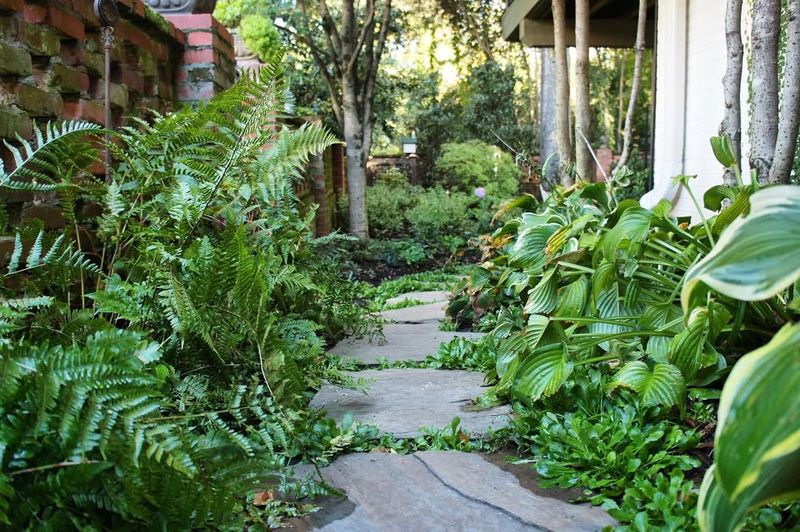
Winding pathways made from stone, gravel, or recycled materials are transforming plain North Carolina gardens into enchanting spaces that invite exploration and peaceful walks every day.
Curved paths create visual interest and make small yards appear larger by drawing eyes along gentle routes rather than straight lines that feel boring.
Homeowners choose materials like river rock, flagstone, or crushed granite that complement their home’s style while standing up to the state’s occasional heavy rainstorms beautifully.
Paths also solve practical problems by preventing muddy spots where grass struggles to grow under trees or in shady areas that stay damp year-round.
Many families in North Carolina edge their pathways with low-growing plants like creeping thyme or moss that soften hard edges and release pleasant scents when stepped on.
Installing a garden path takes just a weekend for motivated homeowners, yet the improvement dramatically changes how the entire outdoor space looks and functions daily.
Kids love following pathways on adventures through the yard, turning simple gardens into imaginative play spaces where treasure hunts and nature exploration happen spontaneously every afternoon.
These walkways connect different garden areas like vegetable patches, seating spots, and flower beds, making the whole yard feel organized and intentional rather than random.
3. Creating Cozy Outdoor Living Rooms
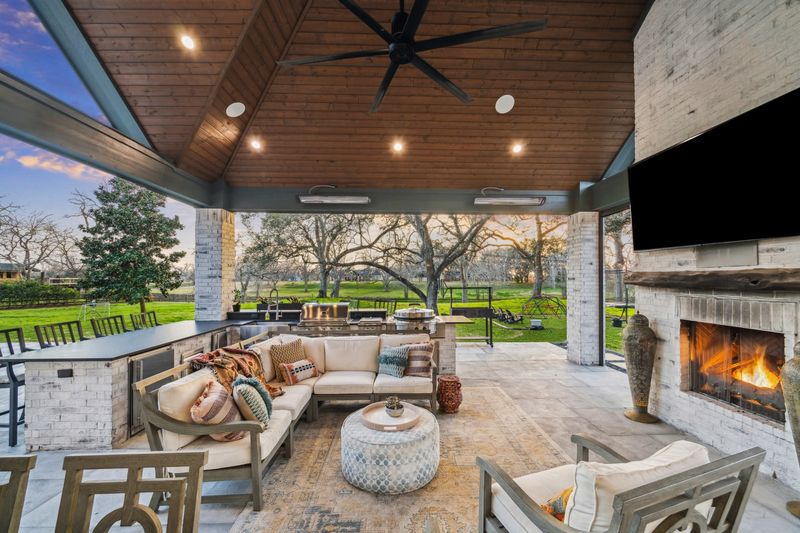
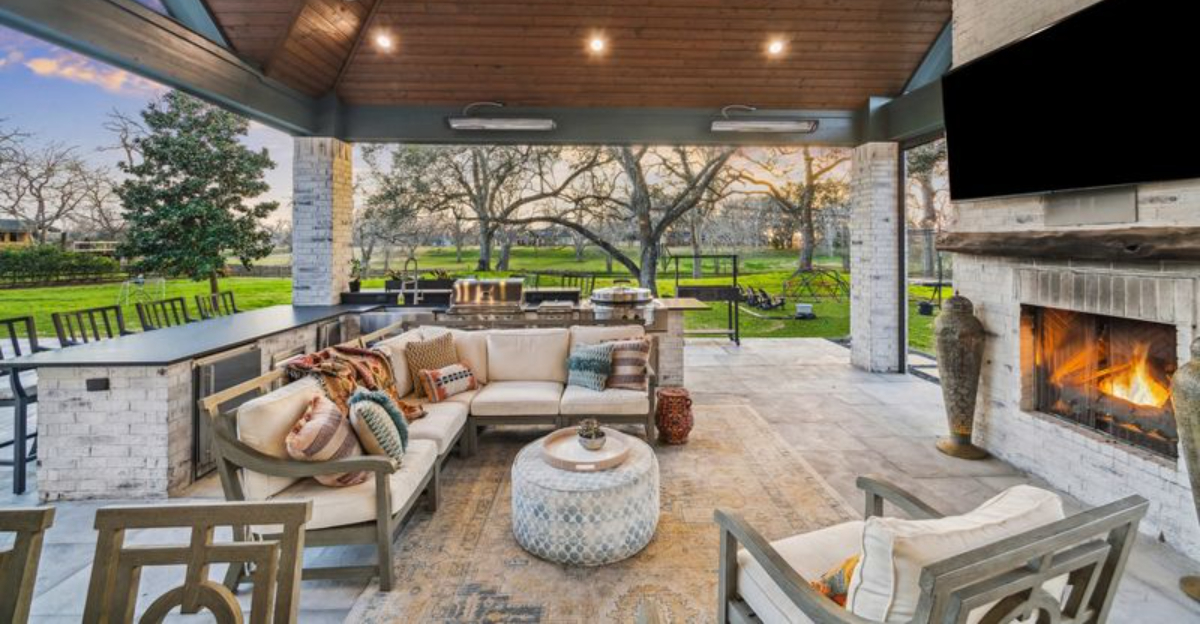
Comfortable seating areas with weather-resistant furniture are turning neglected North Carolina gardens into favorite family gathering spots where people actually want to spend their free time.
Homeowners arrange sofas, chairs, and tables under pergolas or shade trees, creating rooms without walls where conversations and meals happen surrounded by nature’s beauty daily.
String lights hung overhead add magical ambiance during evening hours, making these spaces perfect for relaxing after dinner or hosting friends on pleasant Carolina weekends.
Fire pits or chimineas extend the usable season into cooler months, allowing families to enjoy their gardens even when temperatures drop during fall and winter evenings.
Many residents in North Carolina add outdoor rugs, throw pillows, and potted plants to make these spaces feel as comfortable and welcoming as their indoor living rooms.
These outdoor rooms cost less than major home renovations but provide valuable extra square footage where families can spread out and enjoy fresh air together.
Children use these spaces for homework, art projects, or reading while parents garden nearby, keeping everyone outside and connected to nature throughout warm afternoons here.
The trend reflects how people increasingly value outdoor time and want their gardens to serve as functional extensions of their homes rather than just decorative landscapes.
4. Planting Vertical Gardens on Walls
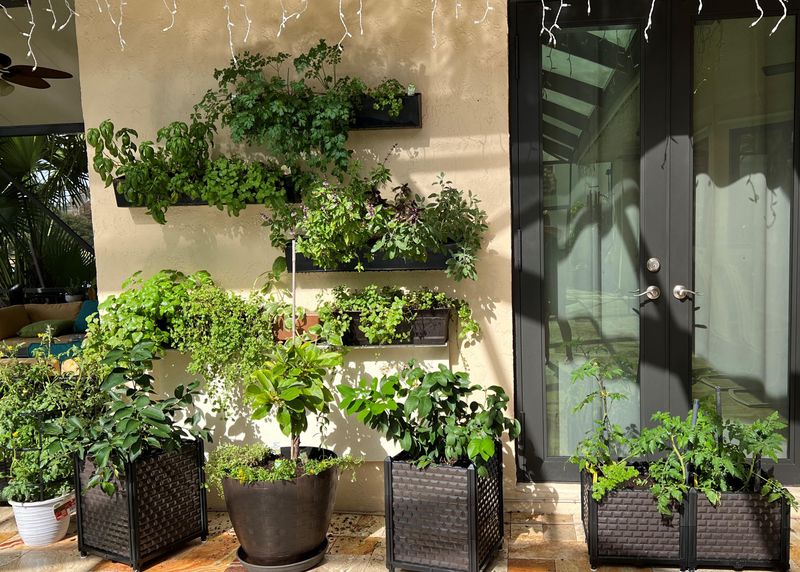
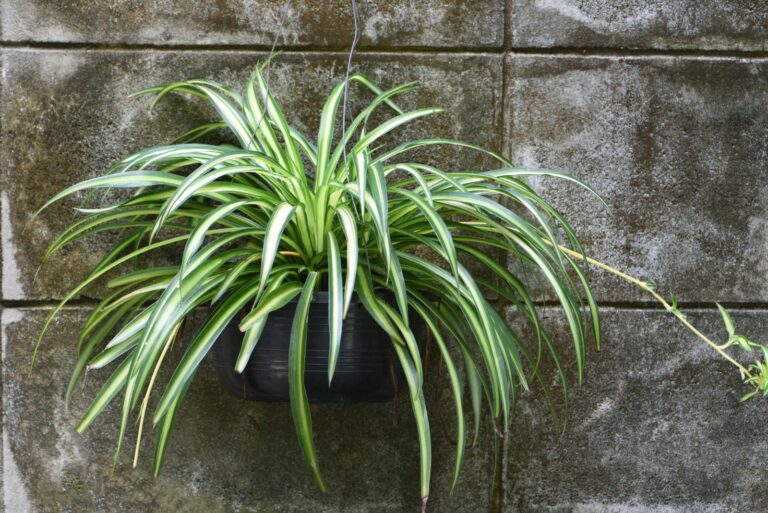
Vertical gardens mounted on fences, walls, or freestanding structures are helping North Carolina homeowners maximize limited space while adding dramatic visual impact to their properties.
These living walls feature pockets or containers holding herbs, flowers, or succulents arranged in artistic patterns that transform boring vertical surfaces into stunning focal points.
Homeowners with small yards especially appreciate how vertical gardens create lush greenery without taking up precious ground space needed for other activities and family gatherings.
Many North Carolina residents grow edible plants like lettuce, strawberries, and herbs vertically, keeping fresh ingredients conveniently close to kitchen doors for easy harvesting during meals.
Vertical gardens also hide unsightly features like utility boxes, old fences, or blank walls that make yards feel unfinished or neglected by previous property owners.
Installation systems range from simple hanging pockets to sophisticated irrigation setups, allowing gardeners to choose complexity levels matching their experience and available time for maintenance.
Plants in vertical gardens often grow healthier because improved air circulation reduces disease problems common in crowded traditional beds found throughout residential landscapes across the state.
This space-saving solution works brilliantly on apartment balconies, townhouse patios, and compact suburban yards where every square foot counts for creating beautiful, functional outdoor environments families love.
5. Incorporating Water Features for Tranquility
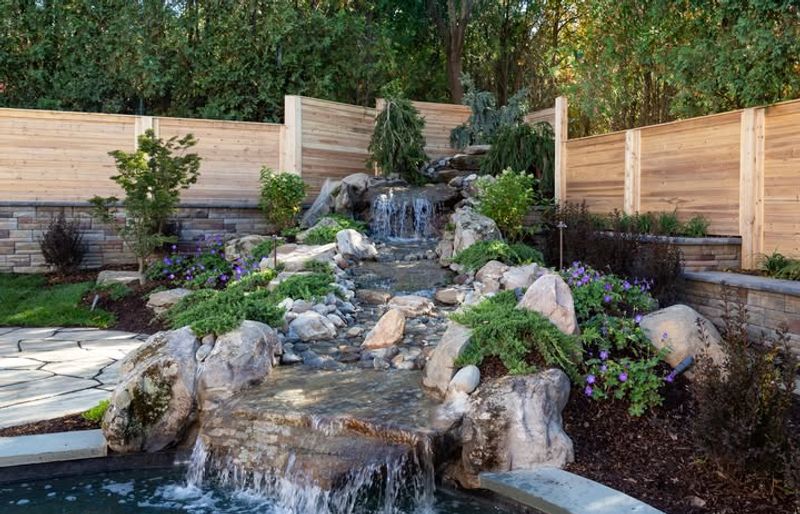
Fountains, ponds, and birdbaths are bringing soothing sounds and movement to North Carolina gardens, transforming quiet yards into peaceful retreats where stress melts away instantly.
Even small water features create calming atmospheres by masking neighborhood noise with gentle trickling sounds that help families relax after busy workdays and school schedules.
Homeowners choose from solar-powered fountains requiring no electrical work to elaborate koi ponds that become centerpiece attractions drawing admiring comments from every visitor throughout the year.
Water features attract birds, frogs, and beneficial insects that add life and interest to gardens while helping control mosquitoes and other pests naturally without harsh chemicals.
Many North Carolina residents position water features near seating areas where the sights and sounds enhance outdoor dining experiences and evening relaxation time with family members.
Modern water features use recirculating pumps that conserve water, an important consideration during occasional drought periods the state experiences during particularly hot, dry summer months.
Children find endless fascination watching water flow, observing visiting wildlife, and learning about aquatic plants that thrive in these miniature ecosystems created right in their backyards.
This trend proves that adding water elements doesn’t require huge investments or professional installation, as many affordable, easy-to-maintain options exist for every budget and skill level.
6. Growing Edible Landscapes with Style
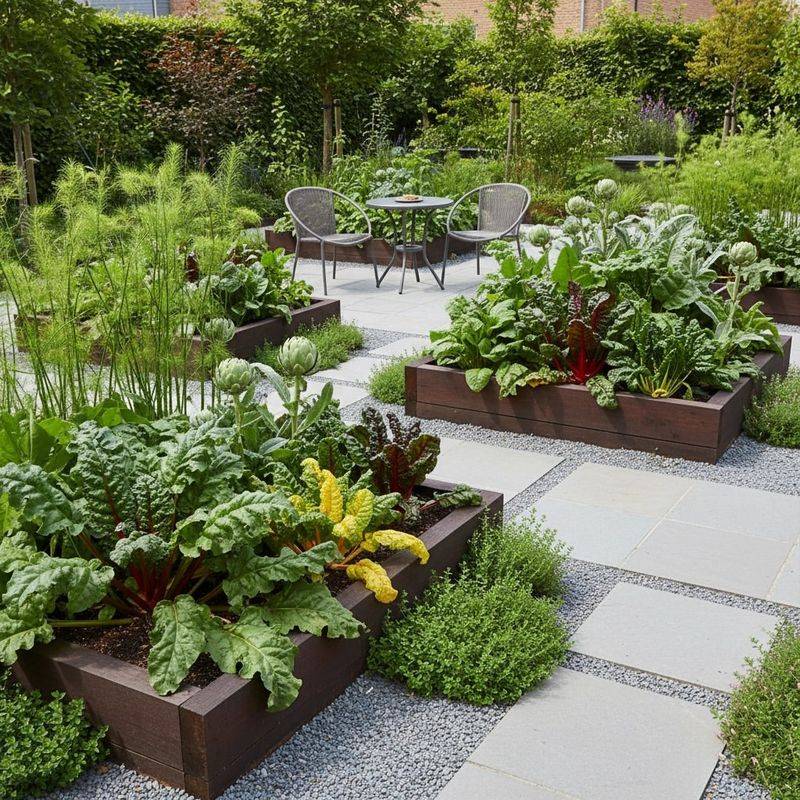
North Carolina homeowners are blending vegetables, fruits, and herbs directly into ornamental gardens, creating beautiful landscapes that produce fresh food throughout the entire growing season.
Colorful Swiss chard, purple cabbage, and frilly kale look stunning in flower beds while providing nutritious ingredients for family meals prepared in home kitchens daily.
Fruit trees and berry bushes serve as attractive focal points that offer shade, seasonal blooms, and delicious harvests without looking like traditional vegetable plots or farms.
This approach maximizes garden productivity while maintaining curb appeal, which matters to homeowners who want both beauty and function from their limited outdoor space available.
Many residents in North Carolina edge paths with strawberry plants or use tomato cages as sculptural elements, proving edible gardens can be as attractive as purely decorative designs.
Children become more interested in eating vegetables when they help grow them, making edible landscapes valuable teaching tools that encourage healthy eating habits in young family members.
Mixing edibles with flowers also confuses pests naturally, reducing damage without pesticides while attracting pollinators that improve fruit and vegetable production rates throughout the season.
This trend reflects growing interest in food security, sustainability, and knowing exactly where ingredients come from, all while creating gardens that look magazine-worthy and impress neighbors.
7. Designing Pollinator-Friendly Habitats
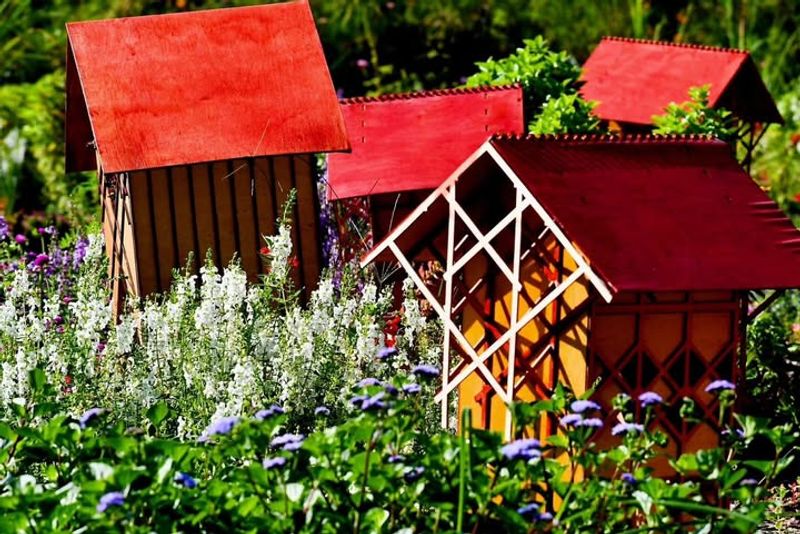
Dedicated pollinator gardens filled with nectar-rich flowers are becoming common sights across North Carolina as homeowners recognize the importance of supporting bees, butterflies, and hummingbirds.
These gardens feature layers of blooming plants that provide continuous food sources from early spring through late fall, ensuring pollinators find nourishment throughout their active seasons.
Native plants like milkweed, salvia, and lantana work especially well in the state’s climate while supporting specific pollinator species that depend on particular flowers for survival.
Homeowners leave some garden areas a bit messy with seed heads and plant stems standing through winter, providing essential shelter and food for beneficial insects.
Many North Carolina residents avoid pesticides in pollinator gardens, using organic methods instead to protect the helpful creatures they’re working hard to attract and support daily.
Children learn valuable environmental lessons watching monarch butterflies lay eggs on milkweed or hummingbirds visit bright tubular flowers throughout warm afternoons spent playing outside together.
These gardens produce more than beauty; they contribute to local ecosystems by supporting creatures essential for food production in home vegetable gardens and nearby agricultural areas.
The trend shows how individual homeowners can make meaningful environmental contributions through simple gardening choices that create ripple effects benefiting entire communities and natural habitats statewide.
8. Adding Artistic Garden Sculptures and Decor

Eye-catching sculptures, colorful pottery, and creative yard art are injecting personality into North Carolina gardens, making them feel unique and reflecting homeowners’ individual styles perfectly.
Metal sculptures, ceramic pieces, and repurposed objects like old tools or vintage finds serve as conversation starters that give gardens character beyond what plants alone provide.
Homeowners position art pieces as focal points drawing attention to specific areas or use smaller decorations throughout gardens to create delightful surprises around every corner visitors explore.
Many North Carolina residents support local artists by purchasing handmade pieces at craft fairs and galleries, adding authentic regional flavor to their outdoor spaces throughout the year.
Garden art works year-round, providing visual interest even during winter months when plants are dormant and color disappears from landscapes across the entire state.
Whimsical pieces like colorful gazing balls, metal butterflies, or stone mushrooms especially appeal to families with children who enjoy the playful touches adding fun to outdoor spaces.
Decorative elements also help define different garden zones, marking transitions between areas like vegetable patches, flower beds, and seating spots in thoughtful, attractive ways that improve functionality.
This trend proves gardens can be personal expressions of creativity and taste, not just collections of plants, transforming outdoor spaces into true extensions of homeowners’ personalities.