6 Ways Snowmelt Affects Your Garden Drainage In Illinois
When winter finally loosens its grip in Illinois, melting snow can feel like a welcome sign of spring.
But beneath the surface, that rush of water can quietly reshape your garden in ways you might not expect.
Snowmelt doesn’t just disappear, it moves through soil, beds, and low spots, often revealing drainage problems that stayed hidden all winter.
What looks like harmless runoff can lead to soggy roots, compacted soil, or even erosion if it isn’t managed well.
Illinois gardens face unique challenges as frozen ground thaws unevenly and water looks for the easiest path to travel.
Some areas may drain too slowly, while others funnel water where plants don’t want it.
These changes can affect plant health long before planting season begins.
Paying attention now helps prevent bigger issues later, when growth is already underway.
Understanding how snowmelt behaves gives gardeners a chance to work with nature instead of fighting it.
A little awareness during this transition period can make a big difference in how your garden performs all season long.
1. Soil Becomes Waterlogged And Compacted
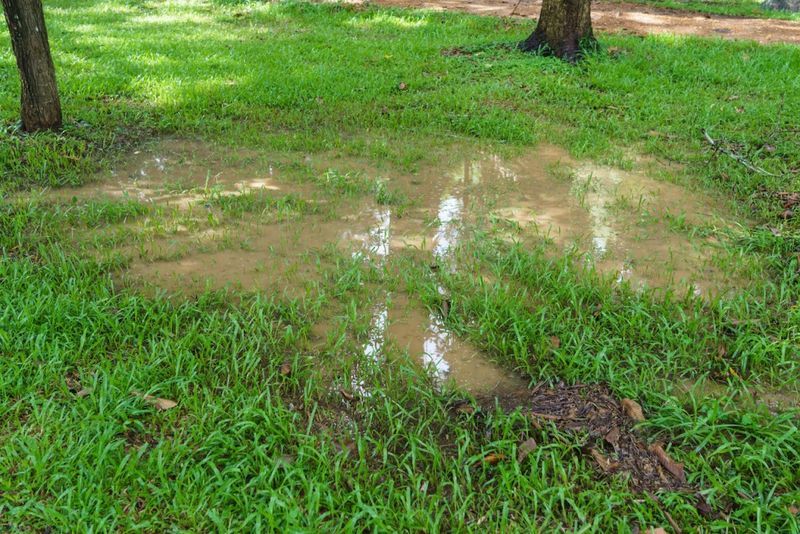
Melting snow releases water gradually over days or weeks, depending on temperatures across Illinois.
Your garden soil absorbs this moisture, but when snow melts faster than dirt can drain, problems start developing quickly.
Waterlogged conditions occur when soil pores fill completely with water instead of air.
Plant roots need oxygen to survive, and soggy soil cuts off their air supply.
Compaction happens because wet soil particles stick together more tightly than dry ones.
Walking on wet garden beds or allowing heavy equipment near them makes compaction worse.
Hard, dense soil prevents water from moving downward through natural drainage pathways.
Clay-heavy soils common in many Illinois gardens are especially prone to these issues.
Compacted earth also makes it harder for new plant roots to push through and establish themselves.
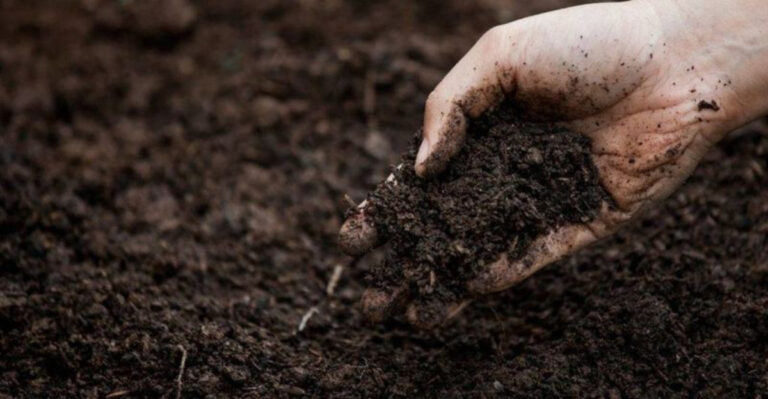
Adding organic matter like compost improves soil structure and helps prevent waterlogging.
Creating raised beds elevates plants above problem areas where water tends to collect.
Avoiding foot traffic on wet soil protects its structure during vulnerable spring months.
Testing your soil drainage before planting season helps identify potential trouble spots.
Dig a hole about 12 inches deep, fill it with water, and see how long it takes to drain.
Proper drainage should empty the hole within 24 hours at most.
If water sits longer, your Illinois garden needs drainage improvements before you plant.
Aerating compacted soil with a garden fork or mechanical aerator creates channels for water movement.
These simple steps protect your garden from snowmelt damage each spring.
2. Frozen Ground Prevents Water Absorption
Illinois winters freeze the ground solid, sometimes penetrating several feet deep depending on how cold it gets.
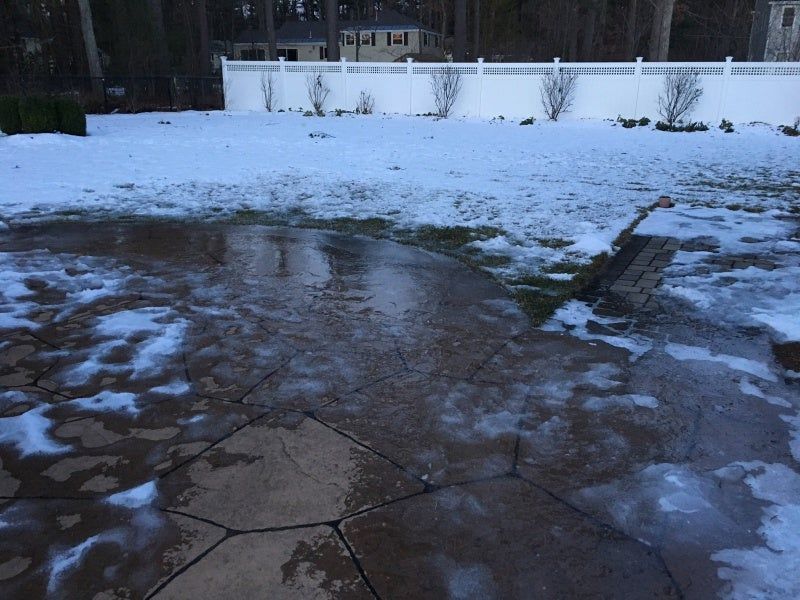
When snow starts melting in late winter or early spring, the ground underneath often remains frozen.
Water cannot soak into frozen soil no matter how porous it normally is.
Instead, meltwater runs across the surface looking for the lowest point to collect.
This creates unexpected flooding in areas that usually drain just fine during other seasons.
South-facing slopes and garden beds thaw faster because they receive more direct sunlight.
North-facing areas stay frozen longer and create barriers that redirect water flow.
Homeowners across Illinois notice water pooling in strange places during spring thaw periods.
The frost layer acts like concrete, forcing all moisture to travel horizontally instead of vertically.
This situation typically lasts several weeks as soil gradually thaws from the surface downward.
Creating temporary channels or berms helps direct surface water away from vulnerable garden areas.
Mulching garden beds before winter provides insulation that reduces how deeply frost penetrates.
Dark mulch also absorbs heat faster, helping soil thaw more quickly when spring arrives.
Strategic placement of rocks or gravel creates pathways for meltwater to follow safely.
Once the ground thaws completely, normal drainage patterns usually return without intervention.
Planning your garden layout with spring thaw in mind prevents many water problems.
Avoid planting sensitive perennials in low spots where meltwater naturally accumulates.
Understanding frost depth patterns in your specific Illinois location helps predict drainage behavior.
3. Rapid Temperature Swings Create Flooding
Illinois weather is famous for dramatic temperature changes that happen within hours or days.
One week might bring below-freezing nights, while the next brings 60-degree sunshine.
These rapid swings cause snow to melt much faster than steady, gradual warming would.
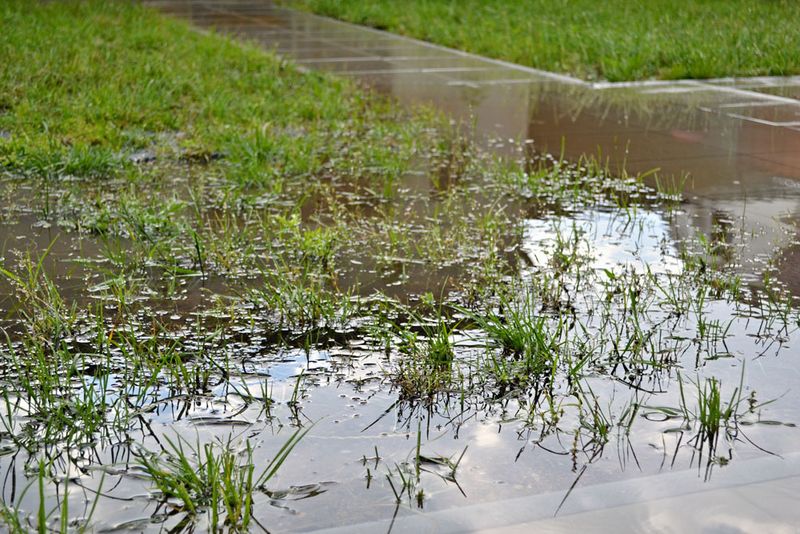
When several inches of snow disappear in just a day or two, your garden drainage system gets overwhelmed.
Sudden flooding washes away topsoil, mulch, and even small plants that are not yet established.
Erosion creates channels and gullies that permanently alter your garden landscape.
Nutrient-rich topsoil that took years to build can wash away in a single afternoon.
Water rushing through garden beds uproots seedlings and damages root systems of larger plants.
Installing rain gardens in low areas helps capture and slowly release excess meltwater.
These specially designed beds use plants that tolerate both wet and dry conditions.
Building swales or shallow ditches guides water along safe paths away from valuable plantings.
Covering snow piles with dark material makes them melt more gradually and predictably.
Monitoring weather forecasts helps you prepare before major temperature swings hit Illinois.
Clearing snow away from building foundations prevents basement flooding and foundation damage.
Strategic snow removal gives you control over where meltwater ends up in your yard.
Temporary sandbag barriers protect specific garden areas during high-risk melt periods.
After flooding events, assess erosion damage and repair channels before they worsen.
Adding terraces or retaining walls on slopes slows water movement and reduces erosion risk.
4. Drainage Systems Get Clogged With Debris
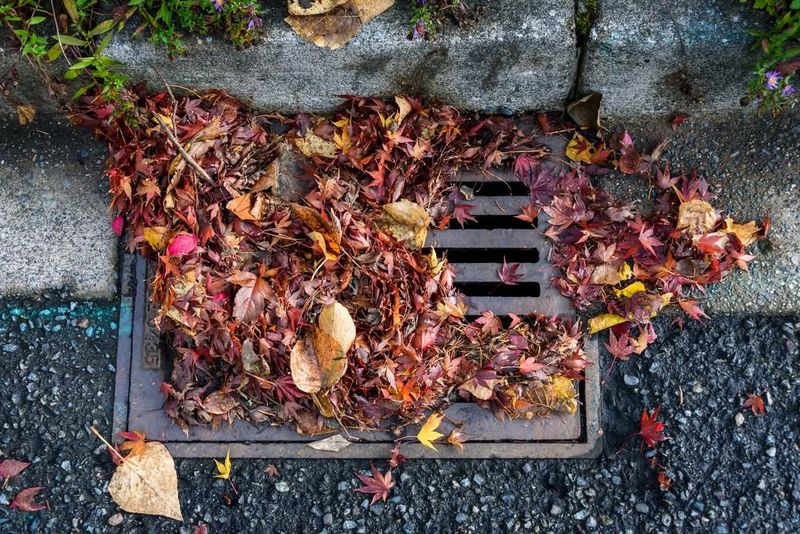
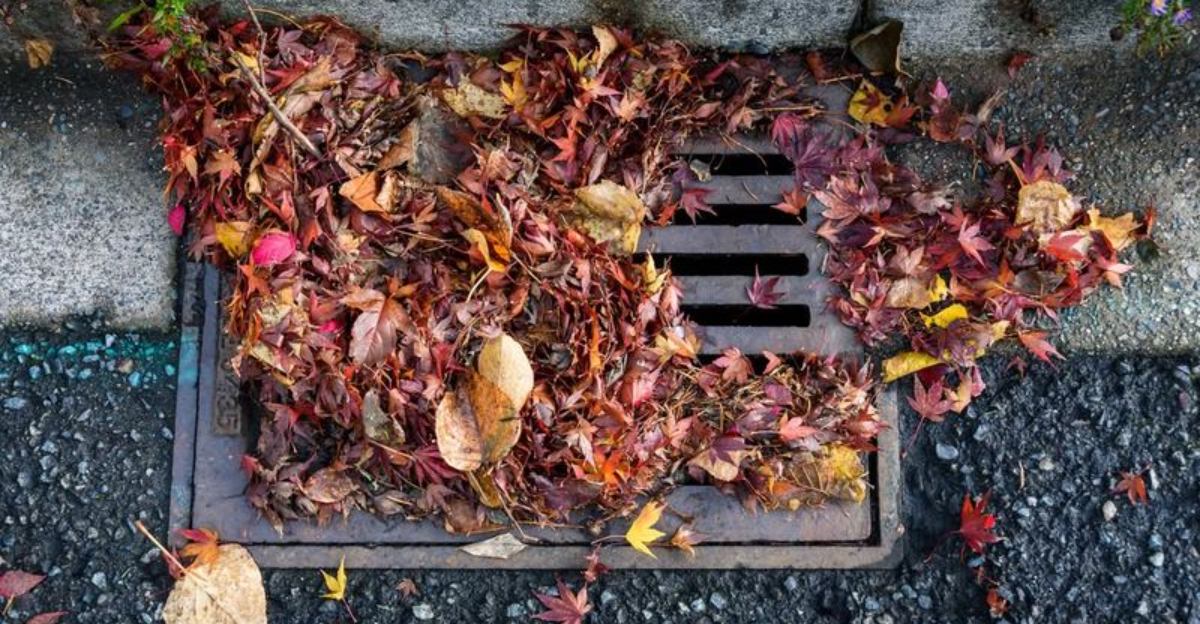
Fall leaves, twigs, and plant debris often get buried under snow throughout Illinois winters.
When snow melts, all that organic material washes into drainage systems, gutters, and downspouts.
French drains, catch basins, and drainage pipes become clogged when debris blocks water flow.
Even small obstructions can cause major backups when large volumes of meltwater need to move quickly.
Gutters overflowing with decomposing leaves dump water right next to your foundation.
This creates the exact problem your drainage system was designed to prevent.
Ice dams sometimes form in drainage pipes, completely blocking water movement until they thaw.
Regular maintenance before winter prevents many spring drainage headaches for Illinois gardeners.
Cleaning gutters and downspouts in late fall removes debris before snow covers everything.
Checking drain openings and clearing visible blockages should happen several times during winter thaws.
Installing gutter guards reduces the amount of debris that enters your drainage system.
Drain covers or grates keep large materials out while allowing water to flow freely.
Flushing drainage pipes with water before winter helps identify existing clogs you can fix early.
Marking drain locations with stakes makes them easier to find and check when snow covers your yard.
After major snowmelt events, inspect all drainage components for damage or new blockages.
Tree roots sometimes invade underground drainage pipes, creating permanent obstructions that worsen over time.
Professional drain cleaning services can clear stubborn clogs that home methods cannot handle.
Proper system maintenance extends the life of your drainage infrastructure and protects your Illinois garden investment.
5. Foundation Drainage Problems Damage Gardens
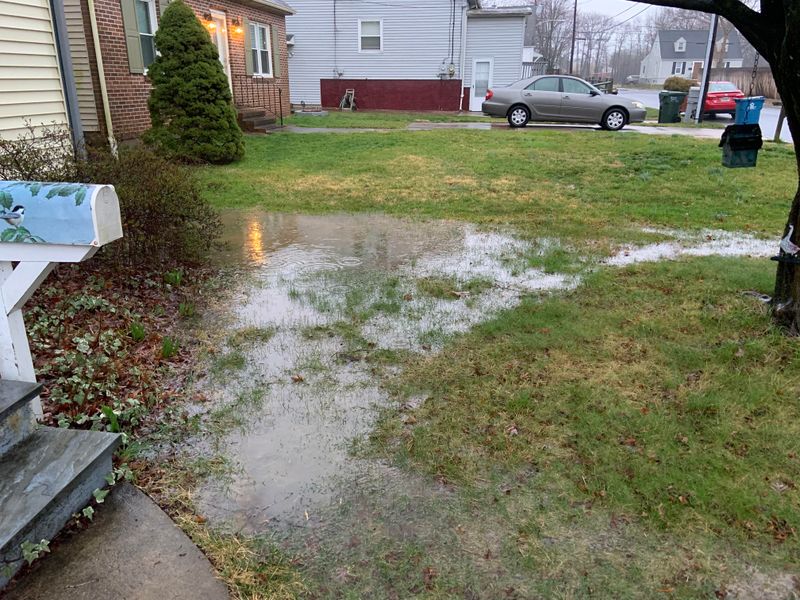
Your home foundation needs proper drainage just as much as your garden does during Illinois springs.
When snowmelt cannot drain away from your foundation, it creates problems that extend into nearby garden beds.
Water pressure against foundation walls forces moisture into basements and crawl spaces.
This same pressure saturates soil in adjacent planting areas, harming plants that prefer drier conditions.
Grading around foundations should slope away at least six inches over ten feet of distance.
Many Illinois homes have settled over time, creating low spots where water collects instead.
Correcting these grade problems protects both your foundation and your ornamental plantings.
Downspouts that dump water too close to foundations create concentrated wet zones.
Extending downspouts at least six feet away from your house distributes meltwater more safely.
Splash blocks or underground drainage pipes carry roof runoff to appropriate disposal areas.
Foundation plantings often suffer because they sit in the wettest part of your property.
Choosing moisture-tolerant species for these locations prevents plant stress and loss.
Creating a gravel border around your foundation improves drainage while providing attractive landscaping.
This barrier also keeps mulch and soil from direct contact with siding or foundation walls.
Sump pump discharge lines should empty far from garden areas to avoid creating new wet spots.
Installing a dry well or rain garden to receive this water turns a problem into an opportunity.
Regular inspection of foundation areas during snowmelt reveals drainage issues before they cause serious damage.
Addressing foundation drainage protects your entire Illinois property, not just the building itself.
6. Nutrient Leaching Weakens Plant Health
Snowmelt carries more than just water through your Illinois garden soil.
Essential plant nutrients dissolve in meltwater and wash away in a process called leaching.
Nitrogen, potassium, and other water-soluble nutrients move downward with draining water.
Heavy snowmelt periods flush these nutrients below root zones where plants cannot access them.
This leaves your garden soil depleted just when spring plants need nutrition most.
Sandy soils common in some Illinois regions are especially vulnerable to nutrient leaching.
Their large pore spaces allow water to move quickly, carrying nutrients along with it.
Clay soils resist leaching better but face different drainage challenges we discussed earlier.
Plants growing in leached soil show yellowing leaves, stunted growth, and poor flowering.
They simply cannot find the nutrients they need in depleted earth.
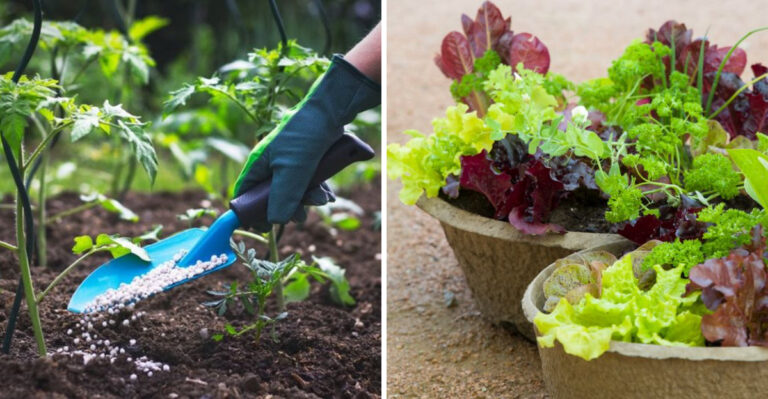
Adding slow-release fertilizers in early spring replenishes lost nutrients gradually.
Organic matter like compost holds nutrients in soil and releases them slowly over time.
This natural approach reduces leaching while improving overall soil health.
Cover crops planted in fall protect soil and hold nutrients through winter months.
When you turn them under in spring, they release stored nutrients back into garden beds.
Mulching reduces the force of meltwater hitting bare soil, which decreases nutrient loss.
Testing soil in early spring reveals which specific nutrients your Illinois garden needs.
Targeted fertilization addresses actual deficiencies rather than guessing what plants need.
Understanding leaching patterns helps you time fertilizer applications for maximum benefit and minimum waste.