7 Ways To Attract Ladybugs To Your Pennsylvania Garden
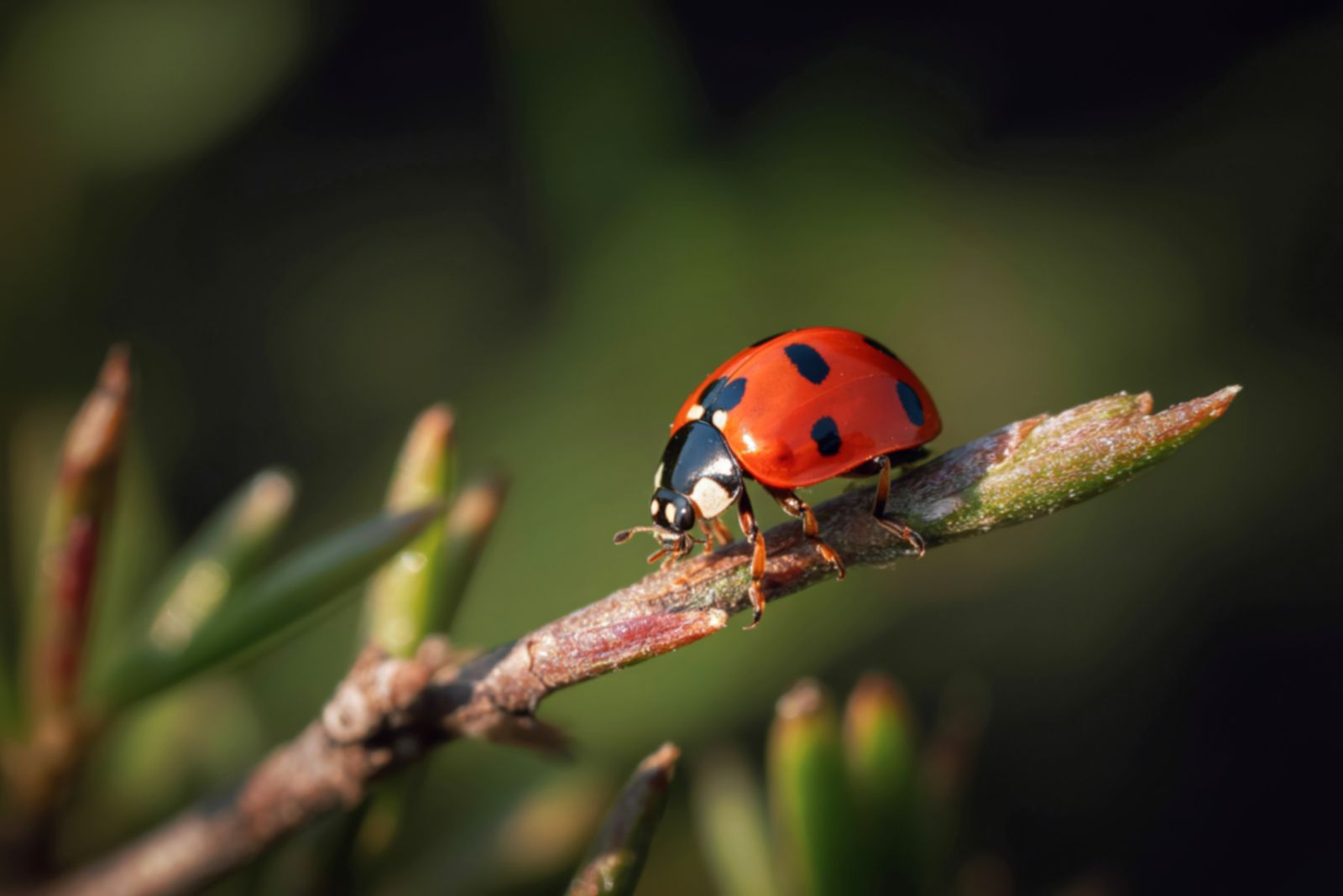
Ladybugs are not only charming, but they are also one of the most helpful guests you can invite to your Pennsylvania garden. These little beetles are natural pest controllers, feeding on aphids, mites, and other unwanted insects that can damage your plants.
Attracting them to your garden can be a game changer when it comes to keeping your plants healthy without relying on harsh chemicals. The best part? Ladybugs are easy to attract with a few simple adjustments to your gardening habits.
By providing the right environment, you can turn your garden into a ladybug haven. They love spaces with plenty of nectar-rich flowers, herbs, and plants that offer shelter and food.
Additionally, minimizing pesticide use and adding organic mulch can create the perfect habitat for them to thrive.
With these simple strategies, you’ll have natural pest control working for you, all while welcoming one of nature’s most beneficial and beautiful insects to your garden.
1. Plant Nectar-Rich Flowers
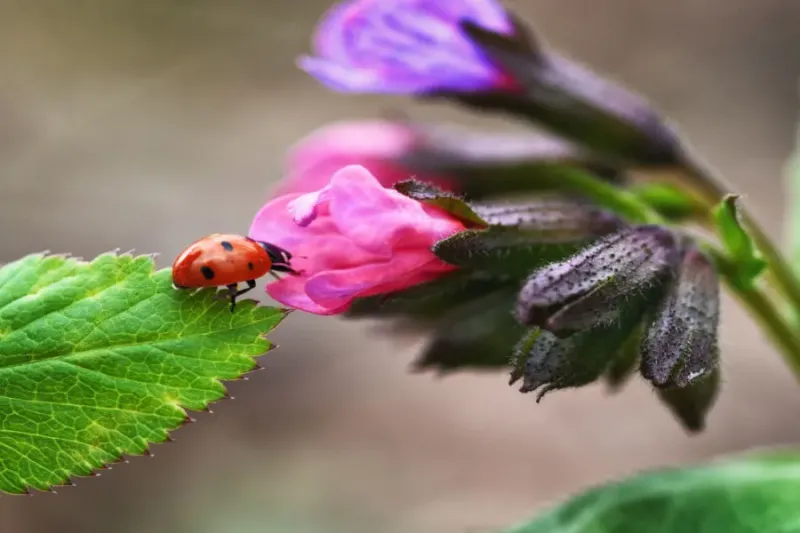
Few things pull ladybugs into a garden faster than a colorful spread of nectar-rich flowers. Ladybugs do not only feed on pests.
They also snack on nectar and pollen, especially when aphids are hard to find. Giving them a reliable food source is one of the best ways to keep them coming back.
Marigolds, sunflowers, cosmos, and dandelions are all excellent choices for Pennsylvania gardens. These flowers have open, flat blooms that make it easy for ladybugs to access the pollen.
Planting a mix of these flowers gives ladybugs options throughout the growing season, from early spring all the way through fall.
Herbs like dill, fennel, and yarrow are also fantastic additions. These plants produce clusters of tiny flowers that ladybugs absolutely love.
Sweet alyssum is another top pick because it blooms for a long time and has a light fragrance that attracts many beneficial insects, not just ladybugs.
Try planting in groups rather than scattering single plants around the yard. A dense patch of blooms is much more noticeable to passing ladybugs than one lone flower.
In Pennsylvania, timing your plantings to overlap means you will always have something in bloom for them to visit.
Calendula is another great option that thrives in Pennsylvania’s cooler spring and fall temperatures. The bright orange blooms are rich in pollen and look beautiful in any garden bed.
Mixing annuals and perennials gives your garden both immediate and long-term appeal for these helpful little beetles.
2. Provide Shelter With Ground Cover
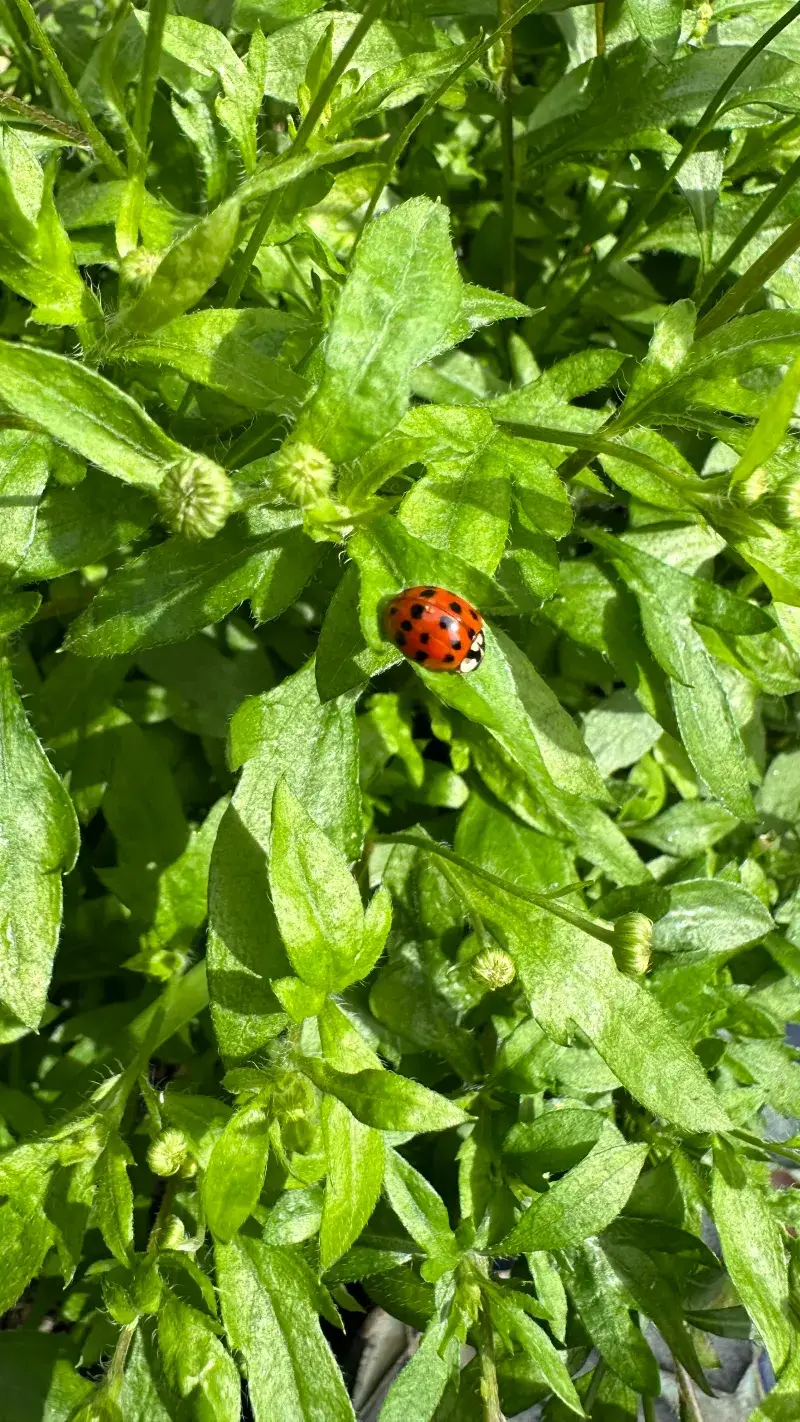
Ladybugs need more than just food. They also need safe, cozy spots to rest and hide from predators.
Ground cover plants are perfect for giving ladybugs that sense of security they crave, especially during the cooler months in Pennsylvania when temperatures start to drop.
Clover is one of the best ground covers you can grow. It stays low to the ground, spreads easily, and produces small flowers that provide extra food for ladybugs.
White clover is especially popular because it is tough, grows quickly, and handles Pennsylvania’s unpredictable spring weather well.
Creeping thyme is another excellent option. It hugs the ground tightly, forms a dense mat of leaves, and produces tiny purple flowers in summer.
Ladybugs love to tuck themselves into the thick foliage, especially on windy or rainy days when they need to stay out of the elements.
Wildflower mixes that include low-growing varieties can also do the job beautifully. Spreading a wildflower seed blend along garden borders or in open patches gives ladybugs plenty of hiding spots.
It also adds a natural, meadow-like look to your Pennsylvania yard that many homeowners find appealing.
Leaf litter and mulch piles are also surprisingly helpful. Ladybugs often shelter under fallen leaves or loose mulch during cold snaps.
Instead of cleaning up every leaf in fall, consider leaving a small pile in a corner of your garden. It costs nothing and gives ladybugs a warm place to rest until warmer days return.
3. Grow Native Plants
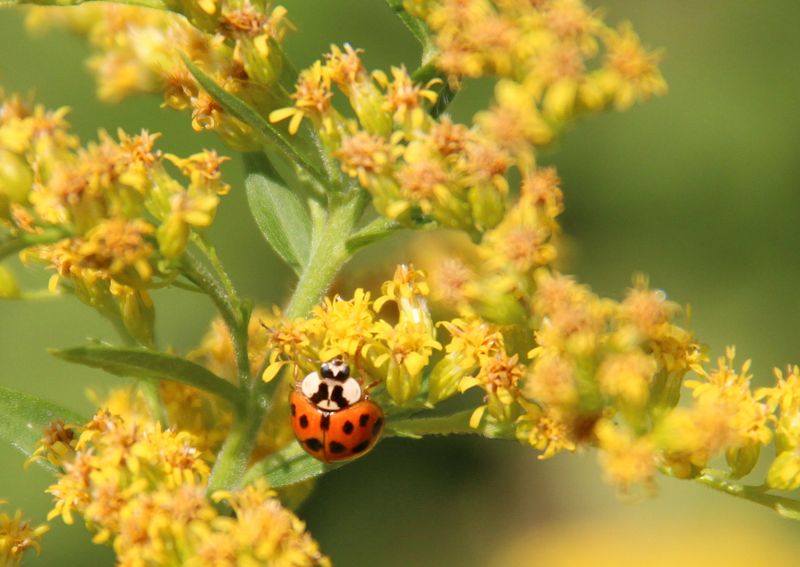
Native plants and ladybugs go together like peanut butter and jelly. Plants that are native to Pennsylvania have evolved alongside local insects for thousands of years.
That means local ladybug species are naturally drawn to them for food, shelter, and breeding. Growing native plants is one of the smartest moves a Pennsylvania gardener can make.
Goldenrod is a standout choice. It blooms in late summer and fall, right when many other flowers are fading.
The bright yellow clusters are packed with pollen and attract a huge variety of beneficial insects. Goldenrod is also tough and low-maintenance, which makes it great for beginner gardeners across the state.
Black-eyed Susans are another Pennsylvania native that ladybugs love. These cheerful yellow flowers with dark centers bloom from midsummer into early fall.
They are drought-tolerant, easy to grow, and look stunning in both formal garden beds and casual wildflower patches.
Milkweed deserves a spot in every Pennsylvania garden. While it is famous for supporting monarch butterflies, it also attracts ladybugs in large numbers.
Aphids tend to gather on milkweed stems, which means ladybugs show up to feed on them. It is a natural chain reaction that benefits your whole garden.
Wild bergamot, joe-pye weed, and ironweed are other native plants worth considering. They all thrive in Pennsylvania’s climate and attract a range of pollinators and predatory insects.
Building a garden around native species creates a balanced, self-sustaining ecosystem that practically manages itself over time.
4. Avoid Chemical Pesticides
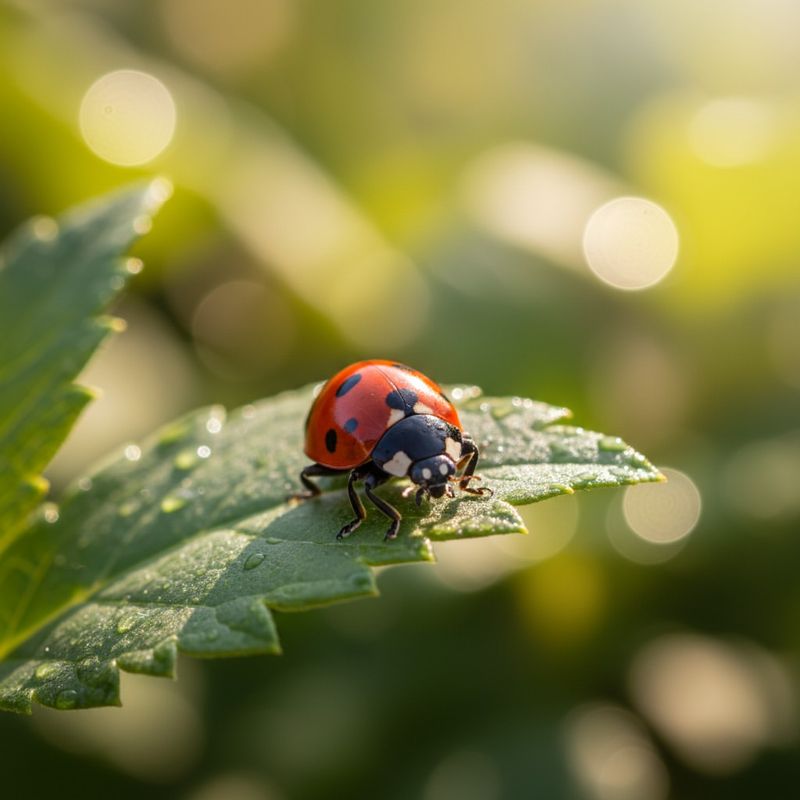
Here is something that surprises a lot of gardeners: the very products sold to protect your plants can actually push ladybugs away. Chemical pesticides do not discriminate.
They affect harmful pests and helpful insects alike. If you are spraying your Pennsylvania garden with broad-spectrum insecticides, you are likely reducing the ladybug population without even realizing it.
Switching to organic pest control methods makes a big difference. Neem oil, insecticidal soap, and diatomaceous earth are all effective options that are much gentler on beneficial insects.
These products target specific pests without leaving a toxic residue that lingers on leaves and flowers where ladybugs feed.
Companion planting is another natural strategy worth trying. Certain plants naturally repel pests when grown next to vulnerable crops.
Basil planted near tomatoes, for example, helps keep away aphids and other insects that damage fruit. Less chemical spraying means more ladybugs sticking around to help out.
If you must use a pesticide, try to apply it in the early morning or late evening when ladybugs are less active. Spot-treating only the affected areas is also smarter than spraying your whole garden.
The less chemical exposure your garden has, the more welcoming it becomes for beneficial insects like ladybugs.
Many Pennsylvania gardeners who have switched to organic methods report seeing more ladybugs, bees, and butterflies in their yards within just one season. The shift does not have to happen overnight.
Even cutting back on pesticide use by half can have a noticeable positive effect on your garden’s insect population.
5. Provide Water Sources
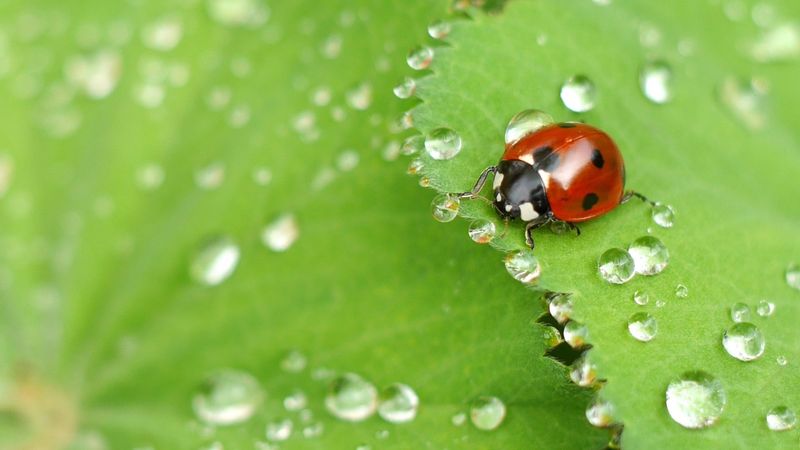
Water is something gardeners often forget when thinking about attracting insects. Just like birds and butterflies, ladybugs need a reliable water source to stay healthy and hydrated.
Setting up a simple water station in your Pennsylvania garden is quick, cheap, and surprisingly effective at keeping ladybugs around.
A shallow dish or saucer works perfectly. Fill it with clean water and place a few small stones or pebbles inside.
The stones give ladybugs a safe landing spot so they can drink without falling in. Ladybugs are tiny, and even a shallow pool of water can be tricky for them to navigate without something solid to stand on.
Position your water dish near flowering plants where ladybugs already like to hang out. Placing it in a shaded or semi-shaded spot helps slow down evaporation, so you do not have to refill it as often.
In Pennsylvania’s hot summer months, water evaporates quickly, so checking the dish every couple of days is a good habit to build.
Change the water regularly to keep it fresh. Stagnant water can attract mosquitoes, which is the last thing any Pennsylvania gardener wants.
A quick rinse and refill every two to three days keeps things clean and safe for all the beneficial insects visiting your yard.
You can also mist your plants lightly in the morning. Ladybugs will often drink tiny water droplets right off the leaves.
This is especially helpful during dry spells when natural moisture is low. A little extra water goes a long way toward making your garden a comfortable home for these helpful beetles.
6. Introduce Ladybug Larvae Or Adults
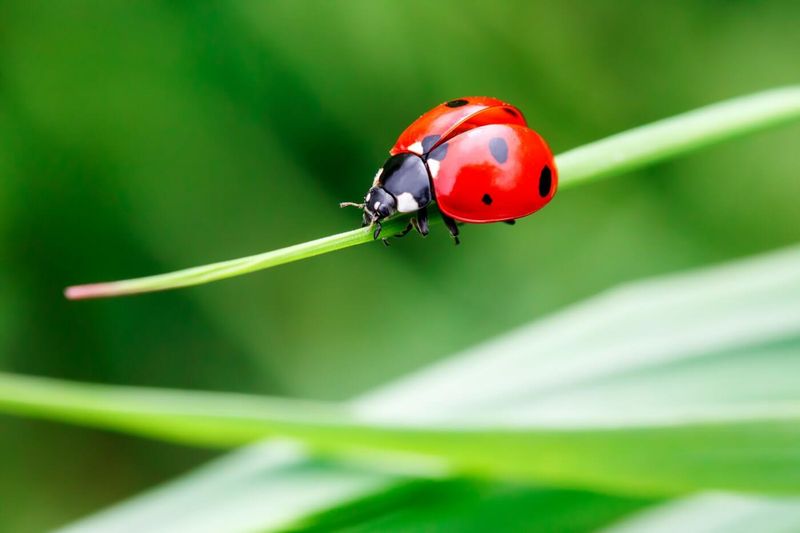
Sometimes nature needs a little nudge. If ladybugs are slow to show up in your Pennsylvania garden on their own, you can speed things up by introducing them yourself.
Purchasing live ladybugs from a garden center or online supplier is a straightforward and satisfying way to boost your garden’s pest control team right away.
Adult ladybugs are the most common option available for purchase. They come in small mesh bags or containers and are ready to release as soon as they arrive.
For the best results, release them in the evening after giving your plants a light misting of water. The moisture encourages them to stay rather than fly off immediately in search of a better spot.
Release the ladybugs near areas where aphids or other soft-bodied pests are present. Giving them an immediate food source increases the chances they will settle in and stick around.
Spreading them out across multiple spots in your garden is smarter than releasing the whole batch in one place.
Ladybug larvae are another option worth considering. Larvae are the immature form of ladybugs and are actually even more voracious eaters than adults.
They look quite different from the familiar spotted beetles, resembling tiny alligators with orange and black markings. Do not be alarmed if you spot them in your garden after a release.
Pennsylvania gardeners have found success by releasing ladybugs in spring when aphid populations are just beginning to grow.
Timing the release early in the season gives the ladybugs a chance to establish themselves before pest numbers get out of hand. It is a proactive step that pays off quickly.
7. Plant Aphid-Attracting Plants
Ladybugs are hardwired to follow their food. Aphids are their absolute favorite meal, and if your Pennsylvania garden has a steady supply of these tiny pests, ladybugs will find their way there sooner or later.
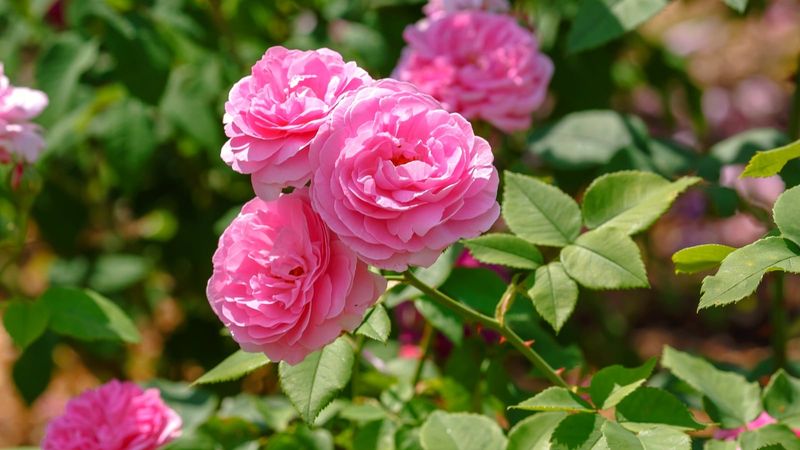
Strategically planting aphid-attracting plants is a clever way to create a natural buffet that keeps ladybugs coming back. Roses are a classic example. Aphids love roses, and ladybugs love aphids.
Planting a few rose bushes near your vegetable garden or flower beds creates a hotspot that draws ladybugs in naturally. Once they arrive, they will often spread out and patrol the surrounding plants as well, giving you broader pest control coverage.
Beans and peas are also popular with aphids. Growing a row of green beans or snap peas along the edge of your garden acts like a magnet for aphids and, in turn, for ladybugs. The bonus is that you also get a tasty vegetable harvest at the end of the season.
Peonies, nasturtiums, and kale are other plants that commonly attract aphids. Nasturtiums in particular are often used as trap crops, meaning gardeners plant them specifically to pull aphids away from more valuable plants.
Once the aphids gather on the nasturtiums, ladybugs arrive to clean them up. The key is balance. You want just enough aphids to attract ladybugs without letting the pest population spiral out of control.
In most Pennsylvania gardens, a healthy ladybug population will naturally keep aphid numbers in check, creating a self-regulating cycle that benefits the entire garden ecosystem throughout the growing season.