9 Ways To Handle A Bobcat In Your Arizona Yard (And 3 Things You Should Avoid)
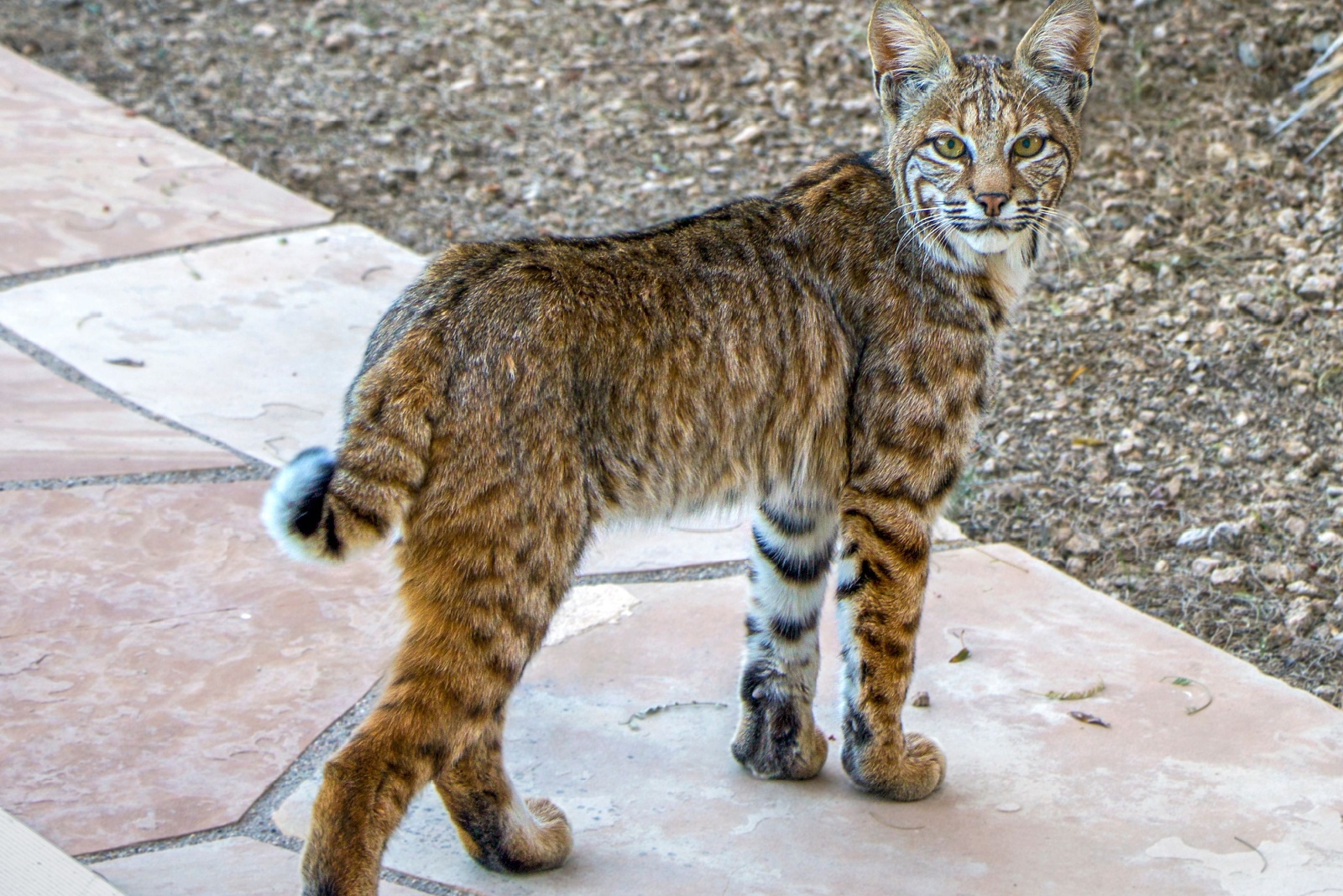
A quiet Arizona evening flips on its head once a bobcat steps into the yard like it owns the zip code.
One moment the desert breeze drifts through the saguaros, and the next a pair of golden eyes locks onto the scene with the calm of a seasoned scout.
A sight like that rattles nerves, yet a bobcat seldom opens with trouble; it simply follows instinct across familiar ground.
Still, a visitor with sharp claws and sharper instincts calls for a cool mind and smart choices.
With the right approach, a homeowner keeps the peace, protects the space, and avoids the missteps that turn a routine wildlife encounter into a full-blown desert drama.
1. Stay Calm And Keep Your Distance
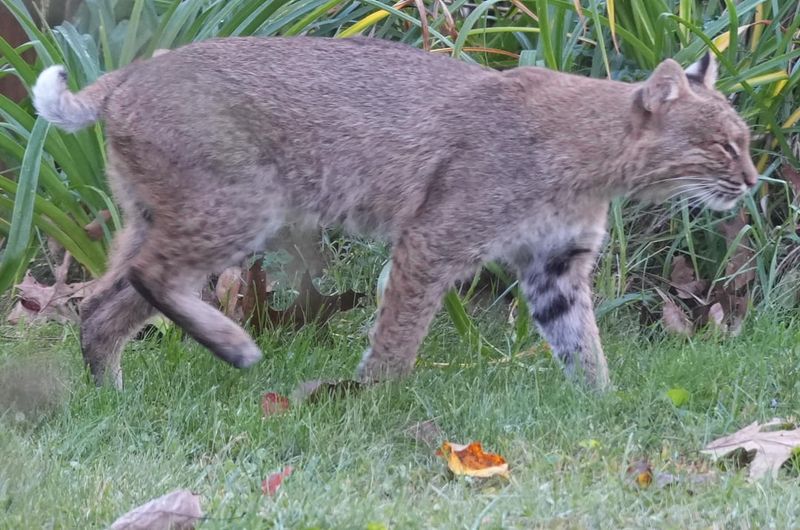
Seeing a bobcat for the first time can trigger an adrenaline rush that makes you want to run or scream.
However, panicking is the last thing you should do when you spot one of these wild cats near your home.
Bobcats are naturally cautious animals that typically avoid humans whenever possible.
Your best move is to remain still and give the animal plenty of space to retreat on its own terms.
Backing away slowly without turning your back shows the bobcat you are not a threat while also not appearing as prey.
Most encounters last only a few seconds before the bobcat moves along.
If you have children or pets with you, calmly call them to your side without sudden movements.
Speaking in a firm, steady voice can help keep everyone focused and prevent the situation from escalating.
Remember that bobcats are more scared of you than you are of them.
They generally only become aggressive if cornered, injured, or protecting their young.
Keeping a respectful distance of at least 50 feet allows the animal to feel safe enough to leave the area without conflict.
2. Make Yourself Appear Larger
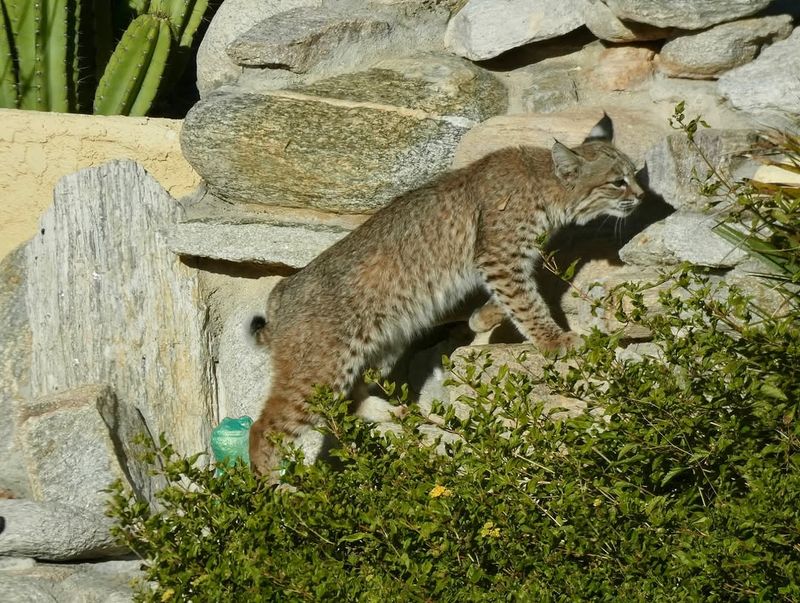
When a bobcat does not immediately leave your Arizona yard, you may need to encourage it along by changing how you appear.
Raising your arms above your head or holding a jacket open wide makes you look much bigger and more intimidating.
This technique works because predators instinctively avoid confrontations with animals that seem larger or stronger.
You can also stand on a rock or step to add extra height to your silhouette.
Avoid crouching down or making yourself smaller, as this can trigger predatory instincts in the bobcat.
If you are with others, stand close together to create the appearance of one large creature.
Children should be picked up or positioned behind adults to keep them safe and make the group look more formidable.
Wave your arms slowly rather than making sudden jerky motions that might startle the animal into an unpredictable reaction.
This strategy works best when combined with loud noises and steady movement toward the bobcat to guide it away from your property.
The goal is not to chase or corner the animal but to convince it that staying in your yard is uncomfortable.
Once the bobcat starts moving away, stop advancing and let it go.
3. Use Loud Noises To Discourage Approach
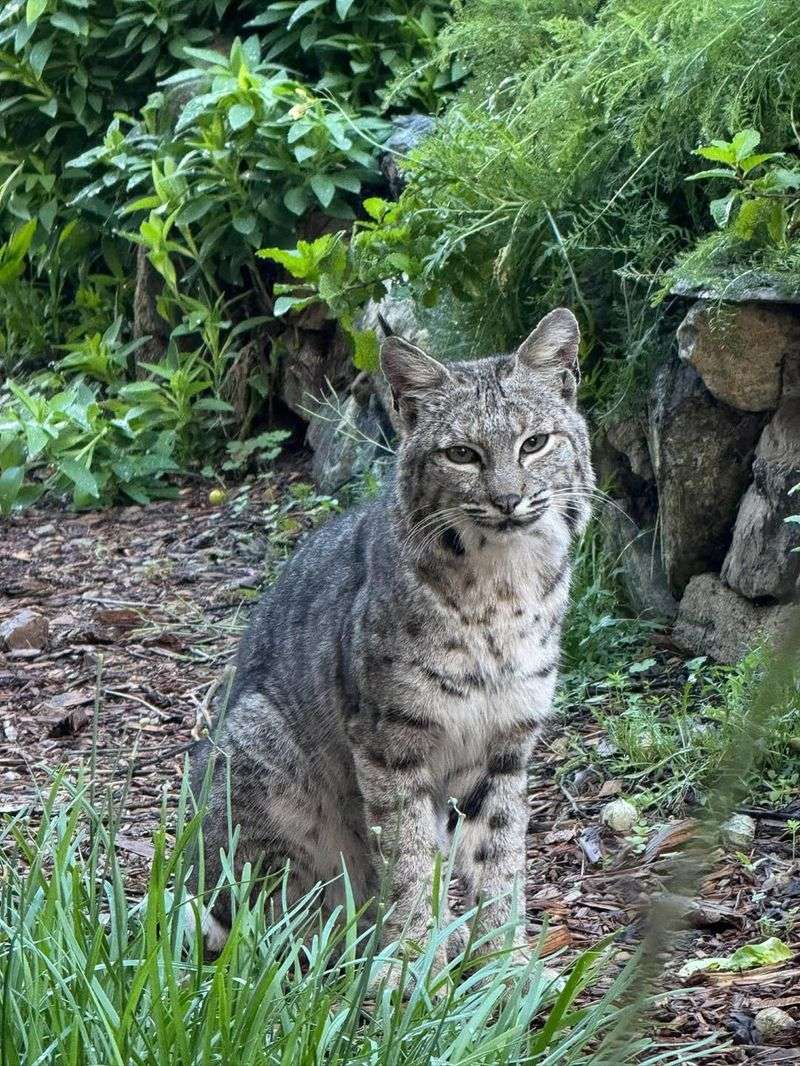
Sound can be one of your most effective tools when dealing with a bobcat that lingers too long in your space.
Clapping your hands sharply, shouting in a deep voice, or banging pots and pans together creates an uncomfortable environment for the animal.
Bobcats prefer quiet surroundings where they can hunt and move undetected, so loud disruptions usually send them running.
You can also use air horns, whistles, or even car alarms if the bobcat seems particularly stubborn about leaving.
Avoid high-pitched screaming, as this can sometimes sound like prey in distress and have the opposite effect.
Instead, use low, assertive tones that communicate dominance and confidence.
If you have a dog that barks, letting it make noise from a safe distance indoors can also help convince the bobcat to move along.
Never allow your dog to chase or confront the bobcat directly, as this can lead to serious injuries.
Consistent noise over several seconds usually does the trick, but be patient and give the animal time to respond.
Once the bobcat starts retreating from your Arizona property, continue making noise until it is completely out of sight to reinforce the message that your yard is not a safe place to hang around.
4. Secure Your Pets Indoors Immediately

Bobcats view small pets like cats and dogs as potential prey, especially if they are outdoors unsupervised.
The moment you notice a bobcat in your yard, bring all pets inside without hesitation.
Even medium-sized dogs can be at risk if the bobcat feels threatened or hungry enough to attack.
Cats that roam freely outdoors are particularly vulnerable and should always be kept inside in areas where bobcats are known to live.
If your pet is already outside and the bobcat is nearby, call them calmly but firmly to come inside.
Avoid running toward your pet, as this might trigger the bobcat to chase.
Instead, open the door and use treats or a favorite toy to lure your pet quickly back into the house.
Once inside, keep your pets away from windows and doors where they might bark or hiss at the bobcat, which could provoke it to stay longer.
Installing a catio or enclosed outdoor space allows your pets to enjoy fresh air without the risk of encountering wild predators.
Always supervise pets during early morning and evening hours when bobcats are most active.
Keeping pets indoors at night is another simple way to reduce dangerous encounters.
5. Remove Attractants Like Food And Water

Bobcats wander into Arizona residential areas primarily because they find something that meets their survival needs.
Leaving pet food outside, even for a few minutes, can attract not only bobcats but also smaller animals that bobcats hunt.
Bird feeders, compost piles, and unsecured trash cans also draw rodents and rabbits that serve as prey for these wild cats.
By removing these attractants, you make your yard far less appealing to bobcats looking for an easy meal.
Water sources like ponds, fountains, and pet bowls should be emptied or brought inside overnight when bobcats are most active.
If you have fruit trees, pick up fallen fruit regularly to avoid attracting animals that bobcats might follow.
Store garbage in sealed containers inside your garage or shed until collection day.
Even small changes like feeding pets indoors or cleaning up spills immediately can make a significant difference.
Bobcats have excellent memories and will return to places where they have successfully found food before.
Breaking that pattern by eliminating food sources encourages them to hunt elsewhere.
Maintaining a clean yard also reduces hiding spots where bobcats might feel comfortable settling in during the day.
6. Install Motion-Activated Lights And Sprinklers
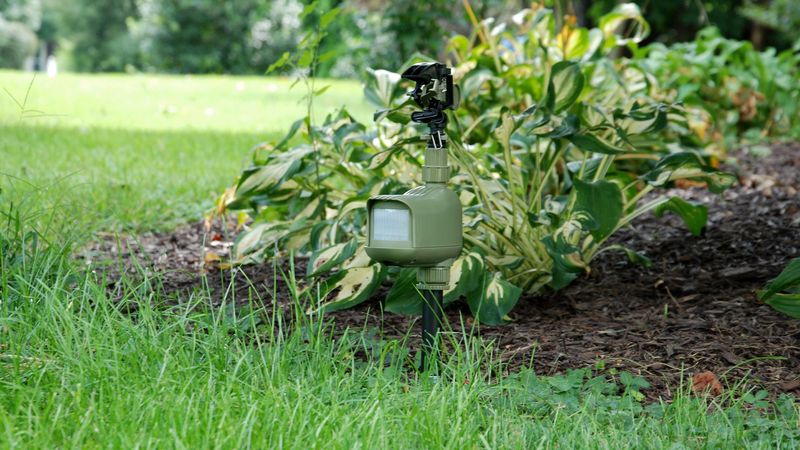
Technology offers practical solutions for deterring bobcats without direct confrontation.
Motion-activated lights startle nocturnal animals like bobcats by suddenly illuminating their surroundings when they approach.
These lights work especially well near entry points like gaps in fences or along pathways the bobcat might use regularly.
Pairing lights with motion-activated sprinklers creates an even stronger deterrent by adding an unexpected burst of water.
Bobcats dislike getting wet and will quickly learn to avoid areas where sprinklers activate frequently.
These systems are humane, effective, and require minimal maintenance once installed.
Solar-powered options are available for areas without easy access to electricity, making them versatile for any yard layout.
Place sensors at heights and angles that detect medium-sized animals while avoiding constant triggers from smaller creatures like birds or squirrels.
Test your system regularly to ensure it activates reliably and covers the areas where bobcats have been spotted.
Combining motion-activated devices with other deterrents like noise makers and removing attractants creates multiple layers of protection.
Over time, bobcats will associate your yard with unpleasant experiences and choose to hunt in more hospitable locations instead.
7. Build Secure Fencing Around Your Property
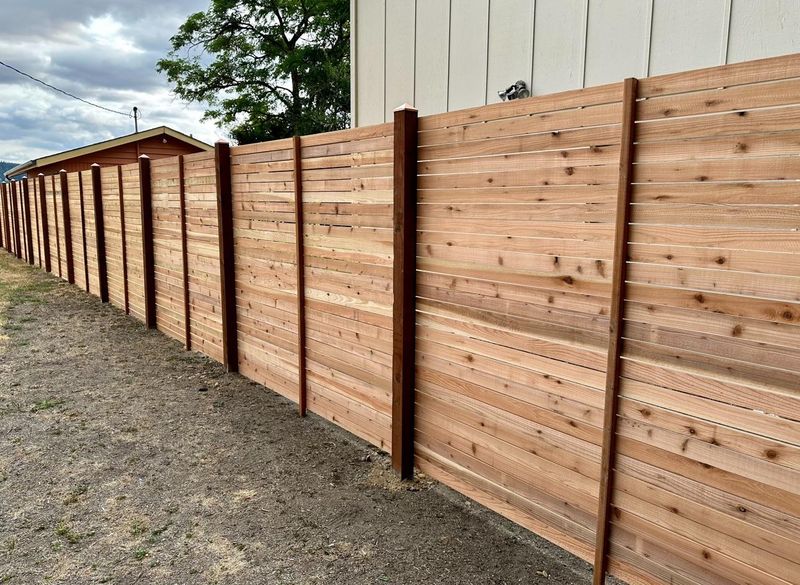
Physical barriers provide long-term protection against bobcats entering your yard in the first place.
Fencing needs to be at least six feet tall since bobcats are excellent climbers and jumpers.
Adding an outward-angled extension at the top makes it even harder for them to scale the barrier.
Burying the bottom of the fence at least 12 inches underground prevents bobcats from digging underneath to gain access.
Chain-link, wood, or vinyl fencing all work well as long as there are no gaps or weak spots the animal can exploit.
Check your fence line regularly for damage from weather or wear that might create new entry points.
Gates should close securely with latches that cannot be nudged open by curious or persistent wildlife.
If building a new fence is not feasible, consider reinforcing existing barriers with mesh or hardware cloth along the bottom sections.
Fencing also protects smaller pets and gives you peace of mind when letting them outside.
While no fence is completely bobcat-proof, a well-constructed barrier significantly reduces the likelihood of unwanted visits.
Combining fencing with other deterrents creates a comprehensive approach to keeping your Arizona property safe.
8. Educate Your Family On Bobcat Safety
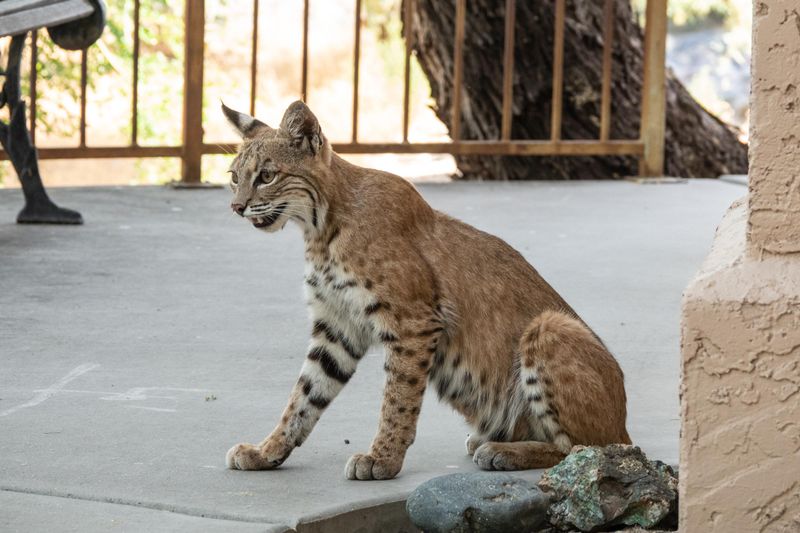
Everyone in your household should know how to respond if they encounter a bobcat unexpectedly.
Children need simple, clear instructions they can remember under stress, such as staying still and calling for an adult.
Teach them never to approach, tease, or try to touch any wild animal, no matter how cute it looks.
Role-playing different scenarios helps kids practice what to do without the fear of an actual encounter.
Adults should understand the signs that a bobcat is nearby, such as tracks, scat, or unusual pet behavior.
Sharing information about bobcat habits, like their peak activity times at dawn and dusk, helps everyone stay alert during higher-risk periods.
Post emergency numbers for wildlife control and animal services in a visible location so anyone can quickly call for help if needed.
Discussing what to do if a bobcat seems aggressive or injured ensures your family does not inadvertently make a dangerous situation worse.
Regular family meetings to review safety protocols keep the information fresh and reinforce good habits.
Education empowers everyone to react confidently and appropriately, reducing panic and potential harm.
Knowledge truly is the best defense when living in areas where wildlife encounters are possible.
9. Contact Wildlife Professionals When Necessary
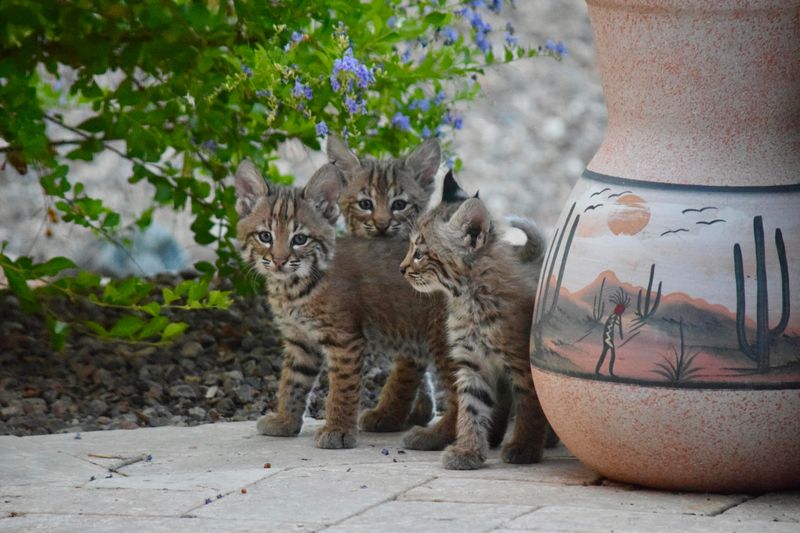
Sometimes bobcats behave in ways that require expert intervention beyond what you can safely handle alone.
If a bobcat returns repeatedly despite your best deterrent efforts, it may have become habituated to human presence.
Aggressive behavior, signs of illness like stumbling or excessive drooling, or a bobcat that appears during unusual hours all warrant professional help.
Wildlife control officers have the training and equipment to safely capture and relocate problem animals when necessary.
They can also assess your property and recommend specific improvements to prevent future visits.
Never attempt to trap or relocate a bobcat yourself, as this is both illegal in most areas and extremely dangerous.
Arizona Game and Fish Department offers resources and can dispatch officers to handle wildlife conflicts in residential areas.
Document the bobcat’s behavior with photos or videos from a safe distance to help professionals understand the situation better.
If you or someone else is injured during an encounter, seek medical attention immediately and report the incident to local authorities.
Professional intervention protects both people and animals by addressing conflicts humanely and effectively.
Knowing when to call for help is a sign of responsible wildlife management.
10. Never Feed Or Attempt To Befriend A Bobcat
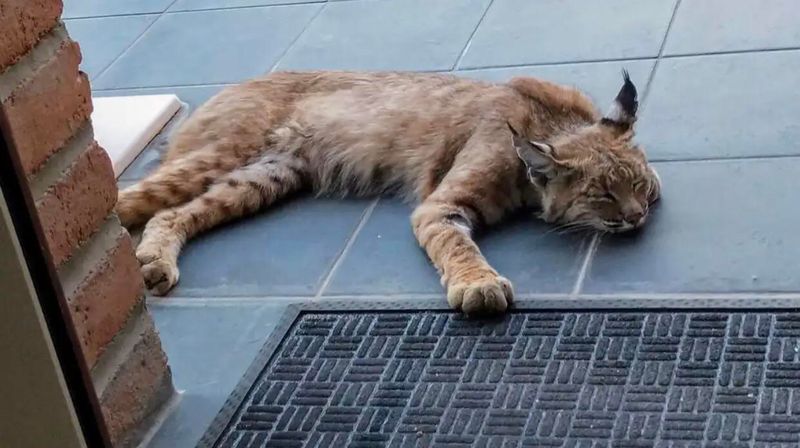
Feeding wild animals seems kind but creates serious problems that put both humans and wildlife at risk.
Bobcats that associate people with food lose their natural fear and become bolder in approaching homes and people.
This habituation often ends badly for the animal, as it may eventually behave aggressively and need to be removed or relocated.
Even indirect feeding, like leaving pet food outside or not securing trash, teaches bobcats that human areas provide easy meals.
Some people mistakenly believe they can tame or befriend a bobcat, but these are wild predators with instincts that cannot be trained away.
A bobcat that seems friendly one day might scratch or bite the next if it feels threatened or cornered.
Their claws and teeth can cause serious injuries requiring medical treatment and possible rabies shots.
Photographing bobcats from a safe distance is fine, but getting too close for a better shot puts you in danger.
Respecting wildlife means observing from afar and allowing animals to remain wild and self-sufficient.
Teaching children this principle early helps them develop healthy attitudes toward wildlife encounters.
Enjoy bobcats for the magnificent creatures they are without interfering in their natural behaviors.
11. Avoid Cornering Or Chasing The Bobcat
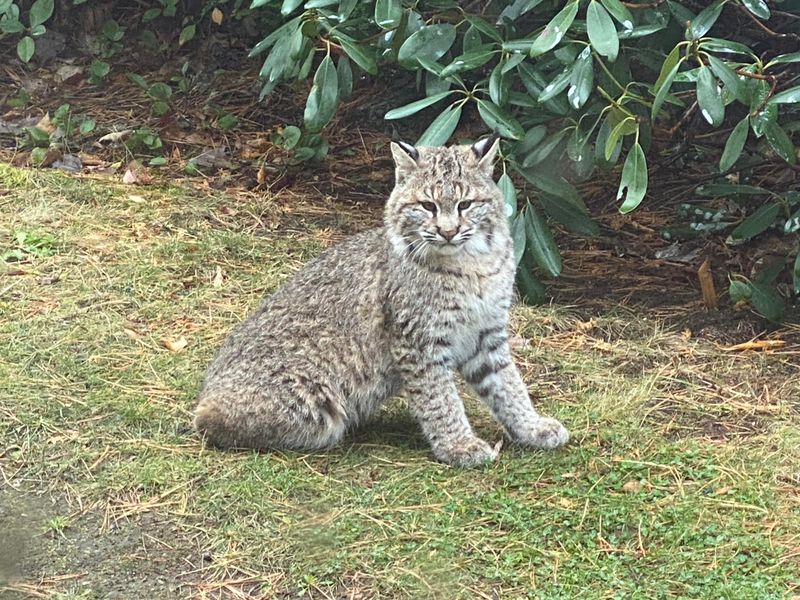
Trapping a bobcat against a fence, wall, or other barrier removes its ability to escape and triggers defensive aggression.
When animals feel they have no way out, they will fight to protect themselves, leading to dangerous confrontations.
Always give bobcats a clear path to leave your property, even if that means letting them exit through your yard rather than blocking them.
Chasing a bobcat might seem like a quick way to get it off your property, but this tactic often backfires spectacularly.
Running toward the animal increases stress for both of you and can result in unpredictable reactions.
Bobcats are incredibly fast and agile, so you will not catch one anyway, and the attempt might provoke an attack.
If a bobcat has climbed a tree or hidden under a deck, leave it alone and wait for it to leave on its own.
Most bobcats will move on once they feel safe and realize your yard offers no food or shelter.
Patience is far more effective than aggression when dealing with wildlife conflicts.
Forcing a confrontation puts you, your family, and the bobcat at unnecessary risk.
Giving the animal space and time shows respect for its wild nature while protecting everyone involved.
12. Do Not Let Children Or Pets Approach The Bobcat
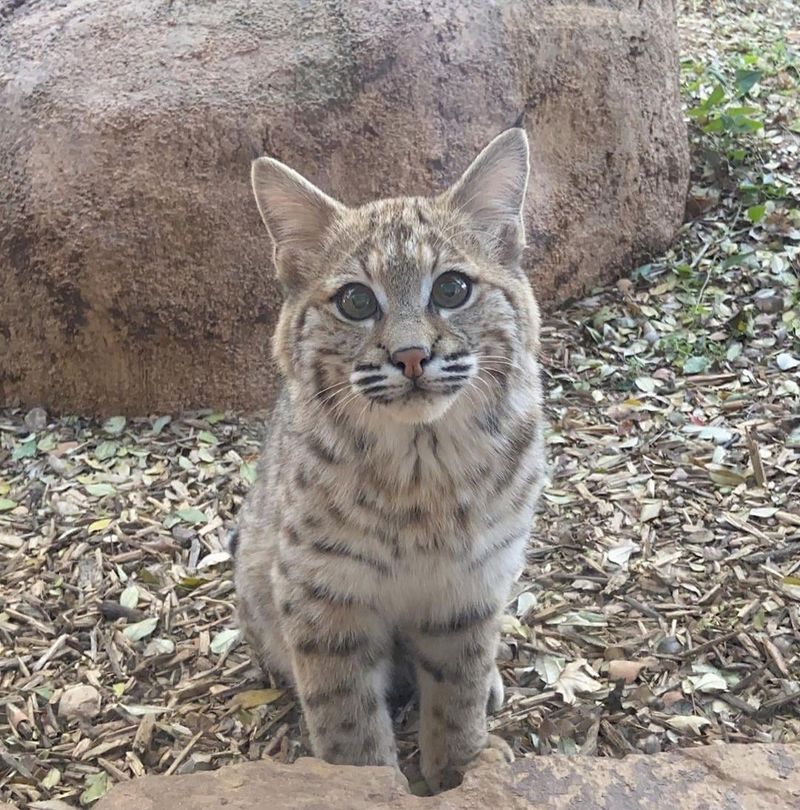
Curiosity is natural, especially for children who might see a bobcat as an exotic animal to pet or play with.
However, allowing kids or pets anywhere near a bobcat creates an extremely dangerous situation with potentially tragic consequences.
Bobcats have sharp claws and powerful jaws capable of causing severe injuries in seconds.
Even a bobcat that appears calm can react violently if approached too closely or touched.
Children should be taught from an early age that wild animals are not pets and must be observed only from a safe distance indoors.
Dogs often have strong prey drives or territorial instincts that compel them to chase or confront bobcats.
This confrontation rarely ends well for the dog, as bobcats are skilled fighters with weapons designed for hunting.
Keep dogs on leashes or indoors whenever a bobcat is spotted in your area, even if your dog is large or seems confident.
Cats are even more vulnerable due to their smaller size and should never be allowed outside unsupervised in bobcat territory.
Explain to children that watching from a window is the safest way to enjoy seeing wildlife.
Protecting curious family members from dangerous encounters is a critical responsibility for every homeowner in bobcat country.