8 Ways To Handle Seeing A Deer In Your Yard In Connecticut (And 3 Mistakes To Avoid)
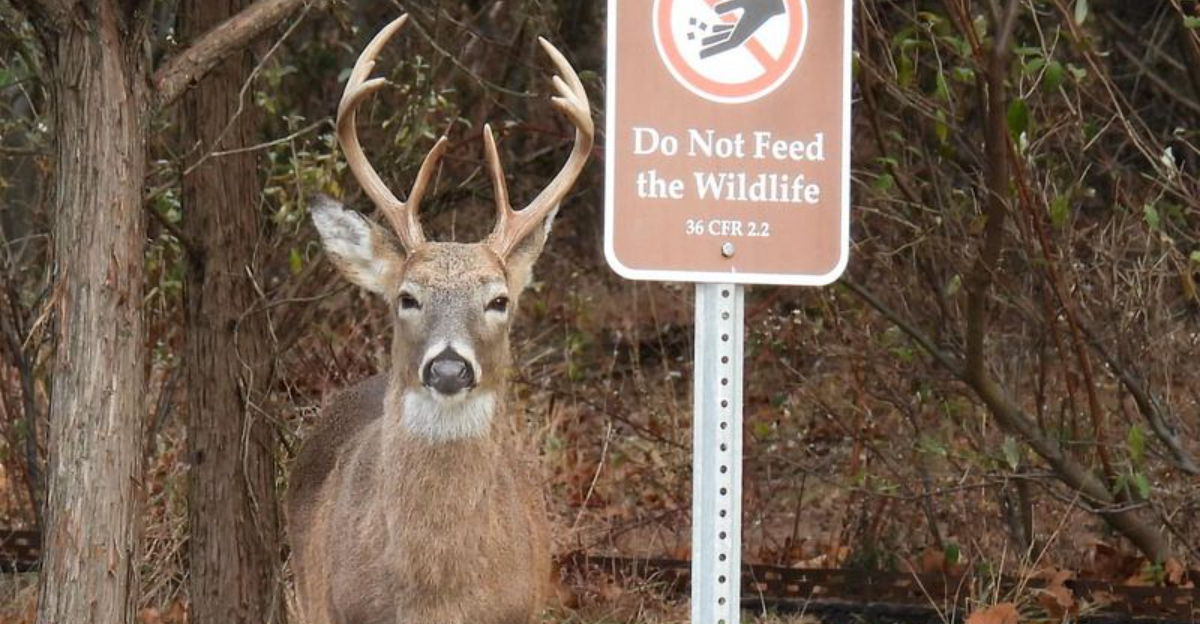
Deer sightings in Connecticut backyards are becoming increasingly common, and while they can be beautiful to watch, they often bring challenges for homeowners.
These graceful visitors may nibble on prized plants, trample flower beds, or leave behind unwelcome surprises.
Knowing how to respond keeps both yards and deer safe, and prevents frustration from turning into costly damage.
From strategic planting and fencing solutions to deterrents and mindful observation, there are practical ways to manage their presence without harming the animals.
At the same time, certain mistakes—like feeding them, leaving gates open, or using ineffective deterrents—can worsen problems or encourage repeated visits.
1. Make Noise To Encourage Them To Move Along
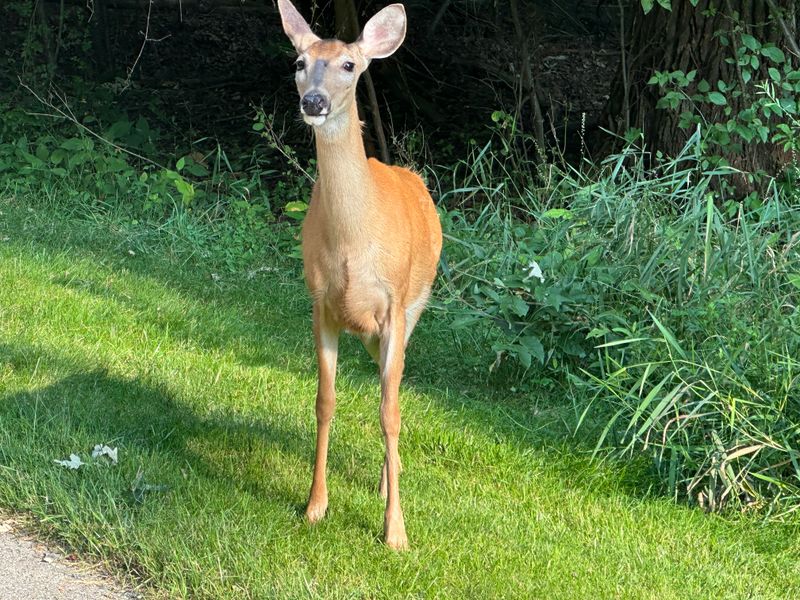
Sometimes deer need a gentle reminder that your yard is not their personal salad bar.
Creating noise from a safe distance can persuade them to relocate without causing panic or harm.
Try clapping your hands, shaking a can filled with coins, or speaking in a firm but calm voice.
Avoid screaming or making sudden aggressive movements that could frighten the animal into a dangerous situation, like running into a fence or street.
Many Connecticut residents find success with motion-activated devices that emit sounds when deer approach.
These gadgets range from simple wind chimes to sophisticated ultrasonic deterrents designed specifically for wildlife management.
The key is consistency—deer learn patterns quickly, so varying your deterrent methods prevents them from becoming comfortable with specific sounds.
If you have dogs, their barking often naturally discourages deer from lingering, though you should never allow pets to chase wildlife.
Remember that noise should serve as a polite request for the deer to leave, not a terrifying experience.
Most deer will calmly walk away when they realize humans are nearby and aware of their presence.
This method works best during daylight hours when deer are more alert and responsive to environmental cues.
2. Stay Calm And Keep Your Distance
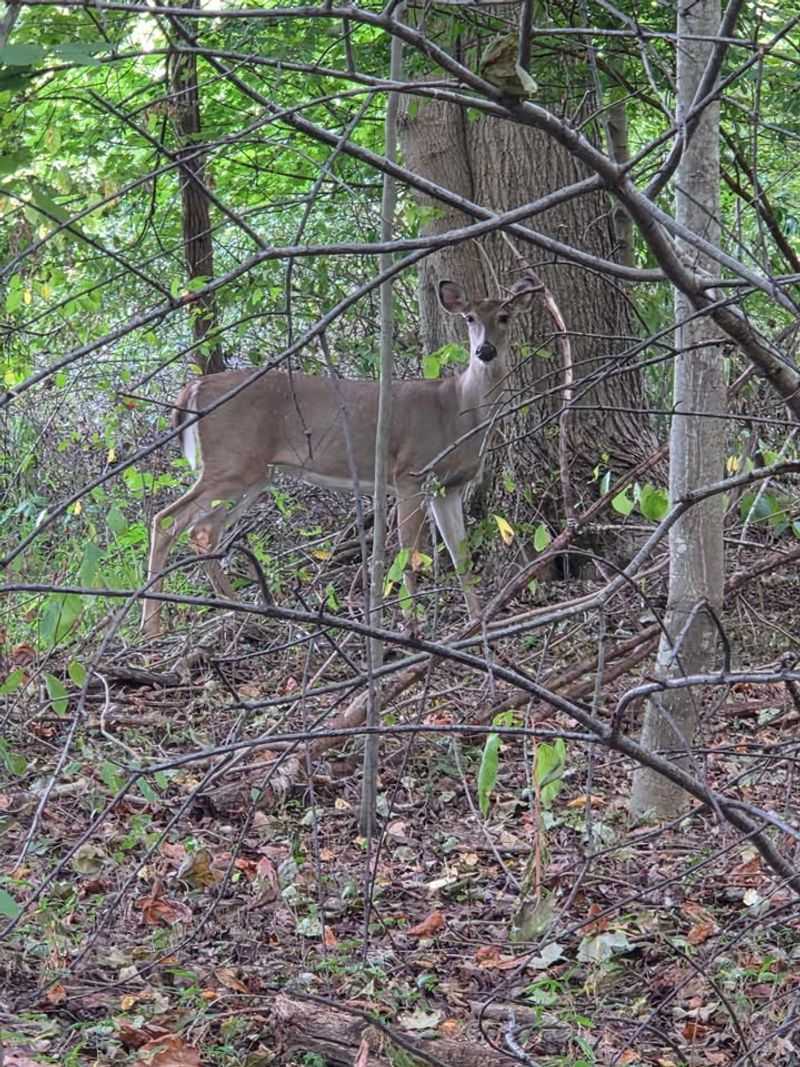
White-tailed deer may look harmless, but they are wild animals with unpredictable behavior.
When you spot one munching on your hostas or standing near your deck, resist the urge to approach it for a closer look or photo opportunity.
Most deer will move along naturally if you give them space and time.
Sudden movements or loud noises might startle them, causing them to panic and potentially hurt themselves or damage your property while trying to escape.
If the deer seems unaware of your presence, observe quietly from inside your home or at least 50 feet away.
Never try to touch or feed a deer, even if it appears friendly or curious.
Mother deer can become aggressive when protecting their fawns, and bucks during mating season carry sharp antlers that serve as dangerous weapons.
Connecticut wildlife experts recommend maintaining a respectful boundary and allowing the animal to leave on its own terms.
This approach protects both you and the deer from unnecessary stress or injury.
Patience usually solves the situation within minutes as deer naturally prefer to avoid human interaction and will wander back toward wooded areas once they feel safe.
3. Check For Fawns Before Taking Action
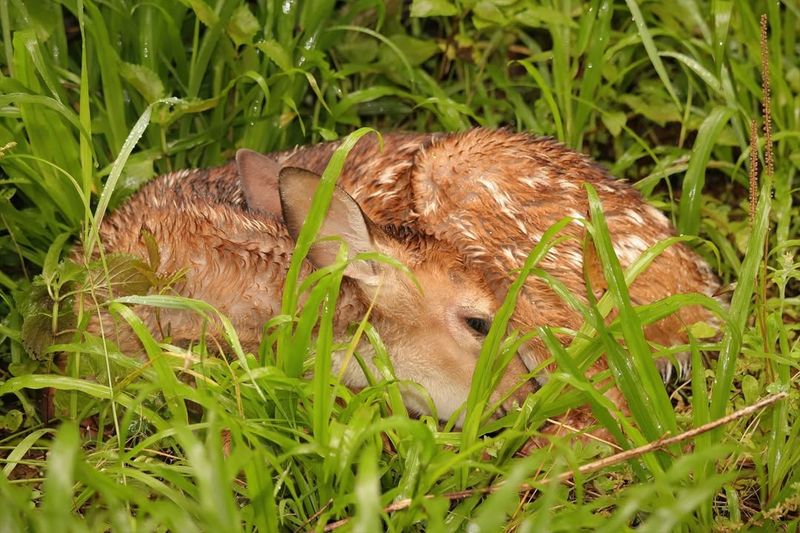
During spring and early summer, mother deer often leave their spotted fawns hidden in yards while they forage nearby.
These babies lie perfectly still in tall grass or under bushes, relying on their lack of scent and camouflage to stay safe from predators.
Before you mow your lawn, trim hedges, or let your dog outside, scan your property carefully for these well-hidden youngsters.
Many Connecticut homeowners mistakenly believe a fawn found alone has been abandoned, but this is rarely true.
Mother deer return several times daily to nurse their young, typically at dawn and dusk when human activity decreases.
If you discover a fawn in your yard, observe it from a distance without touching or moving it.
The mother will likely return within hours, and your scent on the baby could cause her distress or confusion.
Only contact Connecticut Department of Energy and Environmental Protection if the fawn appears injured, is crying continuously for more than a few hours, or if you know for certain the mother has been struck by a vehicle.
Most fawns are perfectly safe and simply waiting for mom to return with dinner.
Your best action is often no action at all, just patient observation and gentle protection of the area.
4. Install Proper Fencing Around Gardens And Landscaping
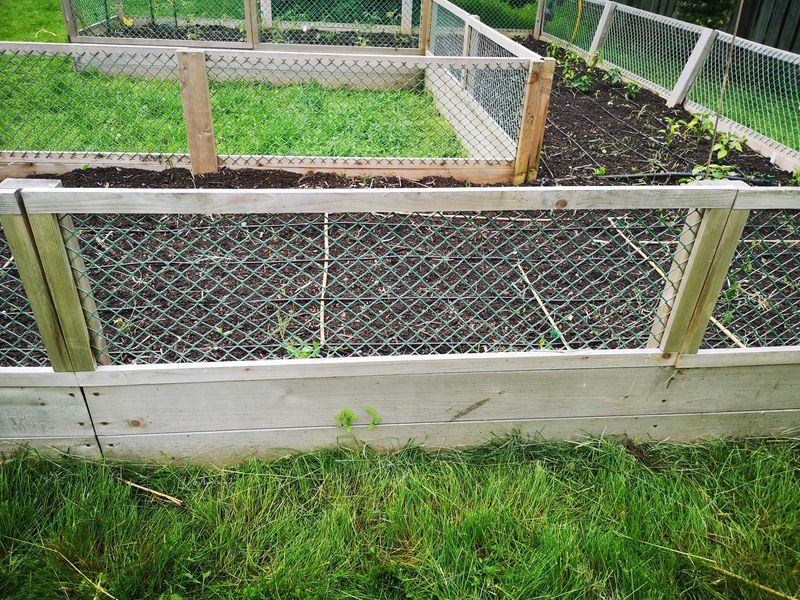
Connecticut gardeners wage an ongoing battle against hungry deer that view vegetable patches and flower beds as free buffets.
A sturdy fence remains the most reliable long-term solution for protecting your plants and landscaping investments.
Deer can jump surprisingly high—up to eight feet when motivated—so your barrier needs adequate height and solid construction.
Most wildlife experts recommend fences at least seven to eight feet tall, though some homeowners find success with shorter fences angled outward at 45 degrees, which confuses deer and discourages jumping.
Electric fencing also works well when properly installed and maintained, delivering a harmless but memorable shock that teaches deer to avoid the area.
For smaller gardens, consider sturdy netting or wire mesh secured firmly to posts and buried several inches underground to prevent animals from crawling underneath.
Connecticut regulations vary by town regarding fence height and placement, so check with your local zoning office before construction begins.
Some communities offer cost-sharing programs for wildlife fencing, recognizing that deer management benefits entire neighborhoods.
While fencing requires upfront investment, it provides years of protection and eliminates the frustration of replanting destroyed gardens.
Combining physical barriers with other deterrent methods creates the most effective defense against persistent deer populations.
5. Use Deer-Resistant Plants In Your Landscape Design
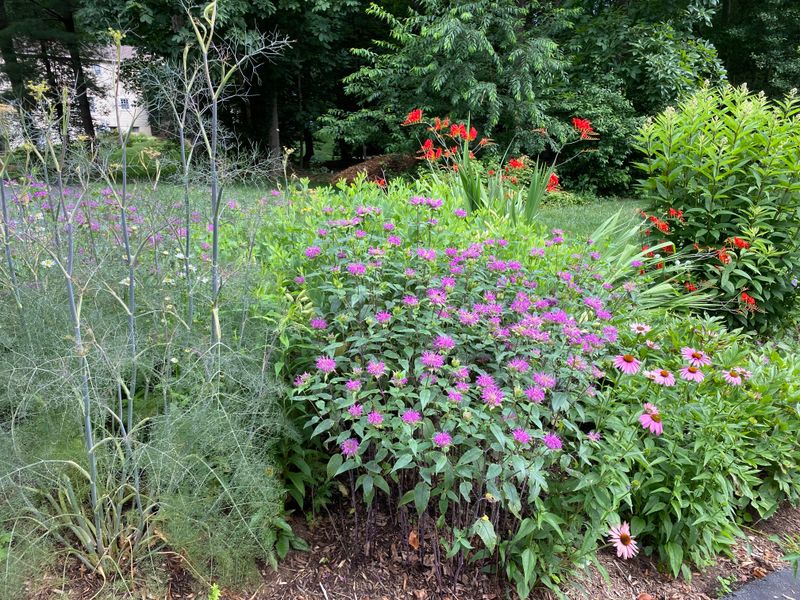
Smart plant selection can dramatically reduce deer damage without requiring fences or constant vigilance.
While no plant is completely deer-proof when food is scarce, certain species are naturally less appealing to these browsers.
Deer typically avoid plants with strong scents, fuzzy or leathery leaves, or toxic properties.
Connecticut gardeners report excellent results with lavender, rosemary, Russian sage, and ornamental grasses that deer find unpalatable.
Daffodils, alliums, and foxglove also rarely suffer deer damage thanks to their natural chemical defenses.
Shrubs like boxwood, juniper, and barberry create beautiful landscapes while resisting deer browsing better than hostas, tulips, or roses.
Native Connecticut plants often work best since local deer populations have evolved alongside them and developed preferences that exclude certain species.
Consult with local nurseries or University of Connecticut Extension offices for region-specific recommendations based on your soil type and sun exposure.
Mixing deer-resistant plants throughout your landscape rather than grouping them creates a less inviting environment overall.
Remember that hungry deer in winter will eat almost anything available, so combining resistant plantings with other deterrent methods provides the best protection.
This approach transforms your yard from a deer magnet into a beautiful space that naturally discourages wildlife browsing.
6. Apply Commercial Or Homemade Deer Repellents Regularly
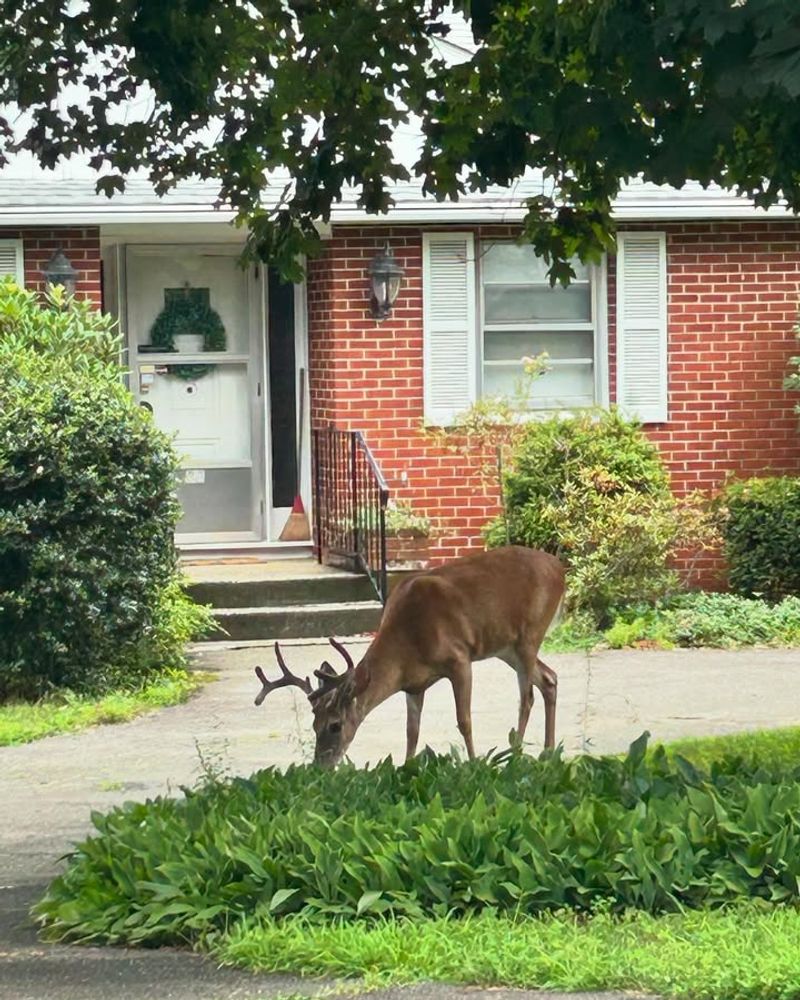
Repellents work by making plants taste or smell unpleasant to deer, though their effectiveness varies based on weather, hunger levels, and application consistency.
Commercial products containing ingredients like putrescent egg solids, garlic, or capsaicin create sensory experiences deer prefer to avoid.
Connecticut garden centers stock numerous brands formulated specifically for regional deer populations and plant types.
Many homeowners create effective homemade sprays using ingredients like raw eggs, hot pepper sauce, garlic powder, and dish soap mixed with water.
These solutions cost less than commercial products but require more frequent reapplication, especially after rain or heavy watering.
Apply repellents before deer establish feeding patterns in your yard, as prevention works better than breaking established habits.
Rotate between different repellent types every few weeks to prevent deer from becoming accustomed to specific smells or tastes.
Focus applications on plants deer find most attractive, like hostas, roses, and young tree shoots.
Reapply according to product directions—usually every two to four weeks or after significant rainfall.
Some Connecticut residents hang bars of strongly scented soap or bags of human hair near vulnerable plants with mixed results.
Repellents work best as part of a comprehensive strategy that includes fencing, resistant plants, and habitat modification rather than as a standalone solution.
7. Remove Attractants Like Fallen Fruit And Bird Feeders
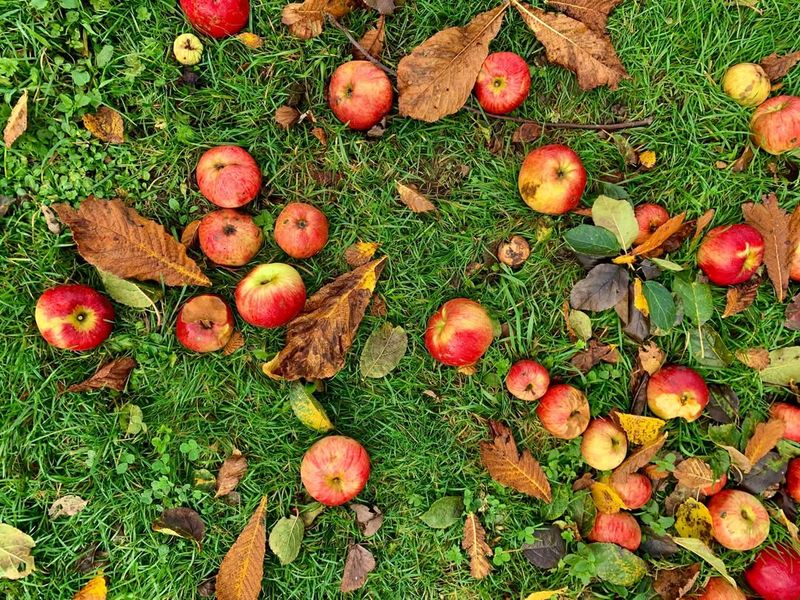
Deer visit yards that offer easy meals, so eliminating food sources makes your property less appealing.
Fallen apples, pears, and other fruit create irresistible snacks that draw deer repeatedly to the same locations.
Rake up and dispose of dropped fruit promptly, or consider fencing fruit trees individually if you want to maintain them.
Bird feeders also attract deer, who happily munch spilled seed from the ground or even knock feeders down to access the contents directly.
If you enjoy feeding birds, use feeders with catch trays to minimize spillage and bring them inside overnight when deer are most active.
Connecticut wildlife officials recommend placing feeders at least six feet high and away from areas where deer can reach them by standing on hind legs.
Vegetable gardens, compost piles, and even certain mulches can attract hungry deer, so protect these areas with fencing or move them to less accessible locations.
Pet food left outdoors provides another unexpected deer attractant that many homeowners overlook.
By removing these food sources, you encourage deer to seek meals elsewhere rather than establishing your yard as a regular feeding station.
This approach works particularly well when neighbors coordinate efforts, creating entire streets or neighborhoods that offer fewer rewards for deer visits.
8. Contact Wildlife Professionals For Persistent Problems
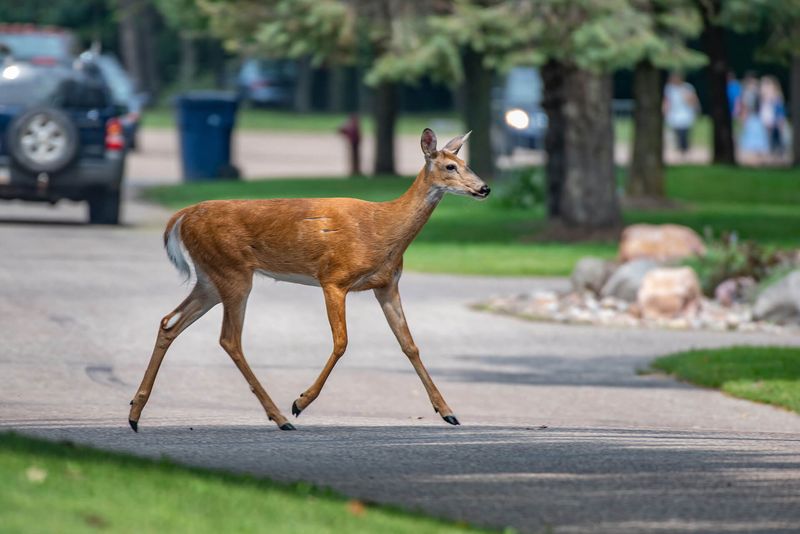
Sometimes deer situations exceed what homeowners can manage independently, especially when animals become aggressive, sick, or trapped.
Connecticut Department of Energy and Environmental Protection Wildlife Division provides guidance for residents dealing with problematic deer encounters.
Licensed wildlife control operators can assess your property and recommend solutions tailored to your specific situation and local regulations.
Never attempt to trap or relocate deer yourself, as this is both dangerous and prohibited without proper permits in Connecticut.
Professional wildlife managers understand deer behavior patterns and can identify why your property attracts unusual attention from local herds.
They might notice factors you have overlooked, like nearby browse lines indicating overpopulation or landscape features that create comfortable bedding areas.
If a deer appears injured, entangled in fencing, or behaves strangely—staggering, appearing unafraid of humans, or showing signs of illness—contact authorities immediately.
These symptoms could indicate chronic wasting disease or other health issues that require professional intervention.
Many Connecticut towns have specific ordinances regarding deer management, and professionals can navigate these regulations while helping you protect your property.
While hiring experts involves costs, their knowledge often saves money long-term by implementing effective solutions the first time rather than through expensive trial and error.
9. Mistake To Avoid: Never Feed Deer Intentionally
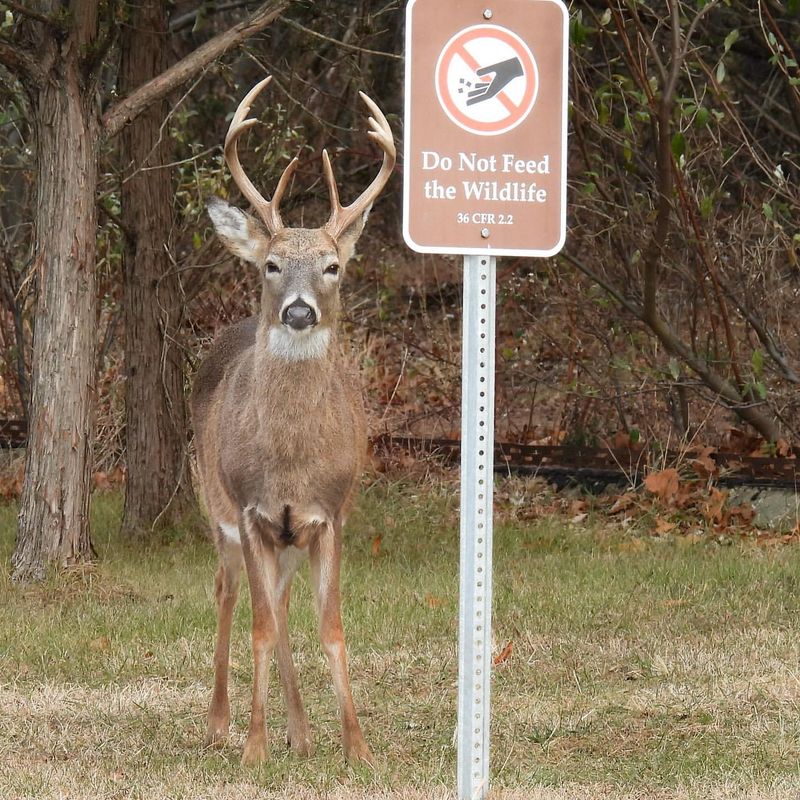
Feeding deer might seem kind, but it creates serious problems for both animals and communities.
When deer receive handouts, they lose their natural wariness of humans and begin associating people with food.
This habituation leads to aggressive behavior, especially during mating season or when mothers protect fawns.
Connecticut law actually prohibits feeding deer in many municipalities because it concentrates animals in small areas, spreading diseases like chronic wasting disease and Lyme-carrying ticks.
Artificial feeding also disrupts natural deer nutrition, as human food and even commercial deer feed lack the diverse nutrients wild browse provides.
Deer digestive systems are designed for specific plants available in different seasons, and sudden diet changes can cause serious health problems.
Concentrated deer populations damage native vegetation beyond recovery, harming entire ecosystems that other wildlife depend upon.
Your neighbors will also appreciate your restraint, as fed deer wander into adjacent yards seeking more handouts and causing landscape damage throughout the neighborhood.
Increased deer traffic around homes raises vehicle collision risks on nearby roads, creating dangerous situations for drivers and animals alike.
If you enjoy watching deer, use binoculars to observe them in natural settings rather than luring them close with food.
This respectful distance protects deer welfare while maintaining the healthy boundary between wild animals and human spaces.
10. Mistake To Avoid: Do Not Chase Or Allow Pets To Chase Deer
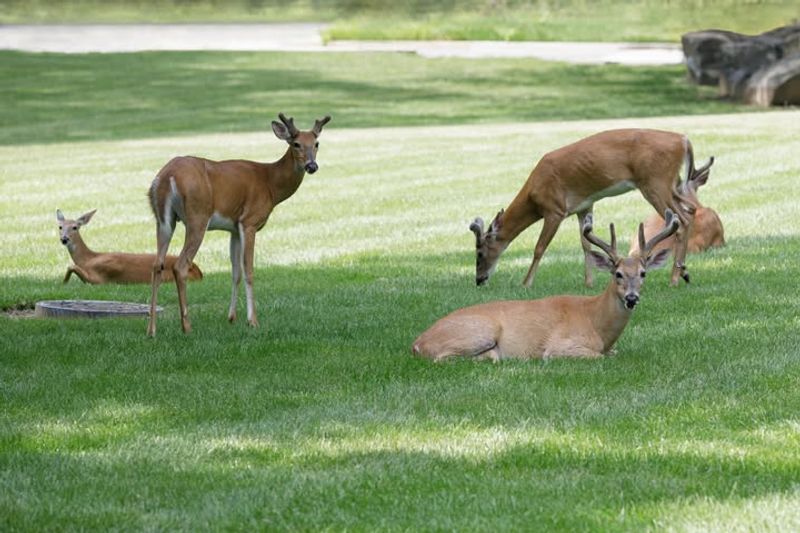
Watching your dog chase a deer might seem harmless or even entertaining, but this behavior creates multiple dangers.
Deer running in panic can injure themselves crashing through fences, into traffic, or over rough terrain they would normally navigate carefully.
Exhausted deer sometimes collapse from stress, particularly in hot weather when their bodies overheat during extended pursuits.
Your pet also faces significant risks, as cornered deer will defend themselves with sharp hooves that can cause serious injuries.
Bucks carry antlers capable of goring dogs, while does protecting fawns become surprisingly aggressive when threatened.
Connecticut leash laws exist partly to prevent these wildlife conflicts, and you could face fines if your pet harasses deer or other animals.
Training dogs to ignore deer takes effort but protects both your pet and local wildlife populations.
Use positive reinforcement to reward calm behavior when deer are visible, and keep dogs leashed or supervised in areas where deer encounters are likely.
Some communities have specific ordinances with steep penalties for pets that chase wildlife, recognizing the ecological damage and animal welfare concerns these incidents create.
Children should also understand that chasing deer is inappropriate and potentially dangerous.
Teaching respect for wildlife boundaries helps the next generation coexist peacefully with Connecticut natural inhabitants.
11. Mistake To Avoid: Do Not Assume Deer Are Tame Or Safe To Approach
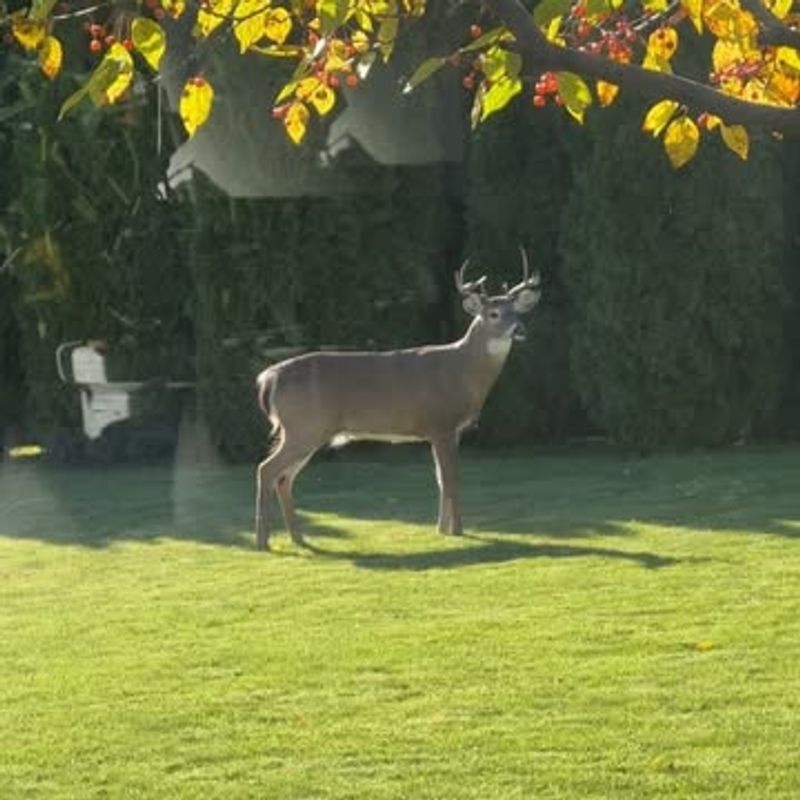
Suburban deer often appear comfortable around humans, calmly browsing gardens while people watch from nearby.
This apparent comfort tricks many into believing these animals are tame or domesticated, but deer remain wild creatures with unpredictable instincts.
A deer that tolerates your presence from 30 feet away might react aggressively if you approach within 10 feet, especially during mating season from October through December.
Bucks become territorial and aggressive during this period, viewing humans as potential threats or competitors.
Does with hidden fawns will stomp, charge, and strike with their front hooves to protect their young.
Even seemingly calm deer can startle suddenly at unexpected movements or sounds, and their powerful legs deliver dangerous kicks.
Connecticut emergency rooms treat numerous deer-related injuries annually, from kicks and trampling to antler wounds.
Children are particularly vulnerable because they might not recognize warning signs like laid-back ears, raised tail hairs, or stomping hooves.
Teach kids to admire deer from safe distances and never attempt to pet or hand-feed them.
Taking selfies with deer has become trendy but puts people at unnecessary risk while stressing the animals.
Respect their wild nature by maintaining appropriate boundaries, using zoom lenses for photographs, and appreciating these beautiful animals from afar where both species remain safe and comfortable.