13 Ways To Help Pollinators Survive Winter In Wisconsin
Wisconsin winters can be harsh for bees, butterflies, and other pollinators that work hard to keep our gardens and farms thriving beautifully year-round.
Many of these helpful creatures need our support during cold months when food and shelter become scarce across the frozen landscape.
Simple actions taken in fall and winter can make a huge difference in helping these important insects survive until spring warmth returns.
Learning how to protect pollinators during winter months ensures they will be around to pollinate plants when warmer weather arrives again.
1. Leave Plant Stems Standing Through Winter
Many native bees and beneficial insects use hollow plant stems as cozy winter homes when temperatures drop below freezing in Wisconsin.
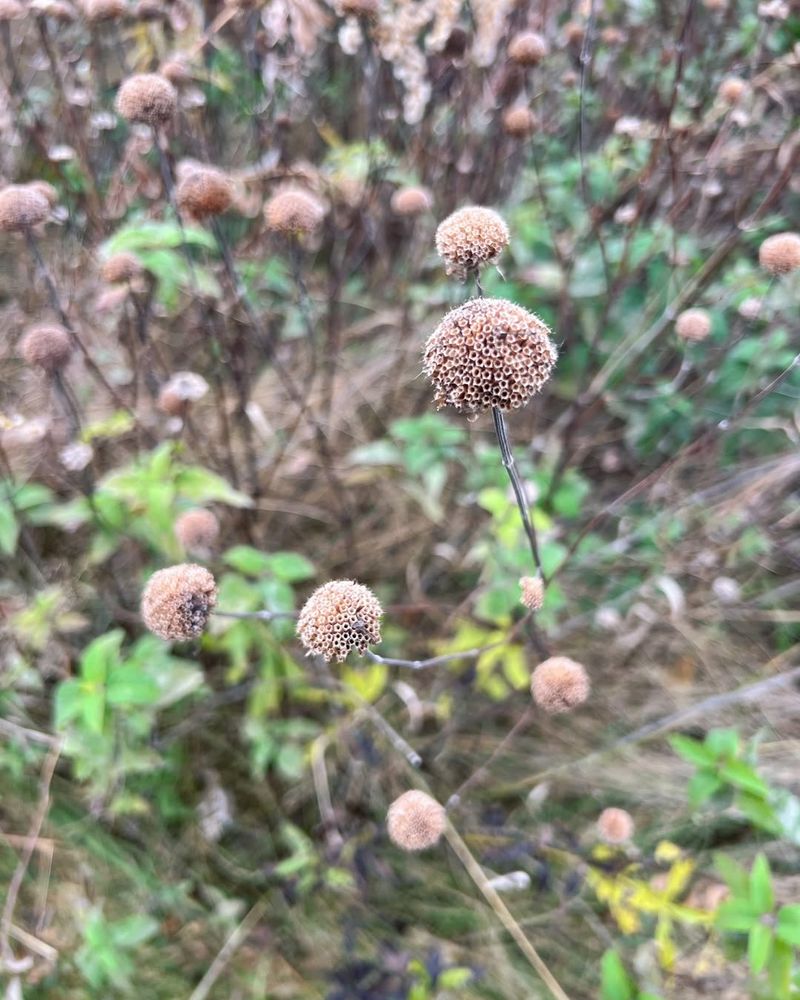
Instead of cutting everything down in fall, leave perennial flower stems standing until spring arrives with warmer weather and blooming flowers.
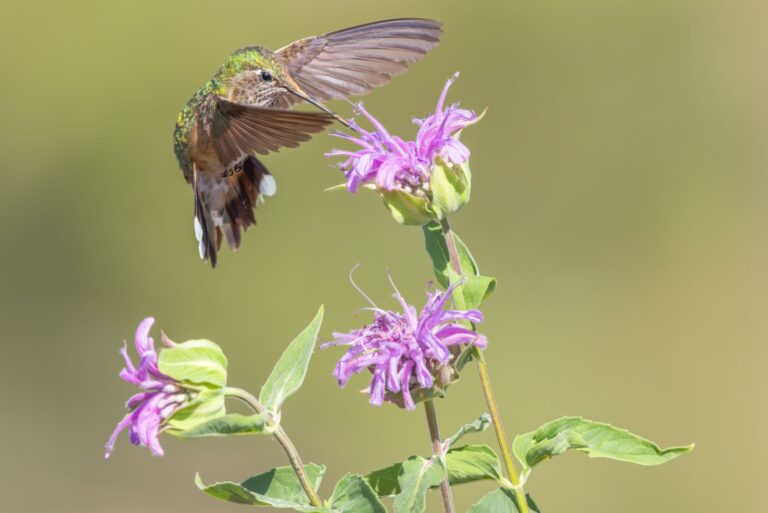
Hollow stems from plants like bee balm, coneflowers, and black-eyed Susans provide perfect shelter for solitary bees during harsh winter months.
These tiny pollinators seal themselves inside the stems and wait patiently for spring warmth to return to the frozen landscape.
Cutting stems too early removes these essential winter homes and leaves bees without protection from snow, wind, and freezing temperatures.
Wait until late spring to trim deceased stems so overwintering bees can safely emerge when conditions improve outside their shelter.
This simple practice costs nothing but provides tremendous benefits for Wisconsin’s native bee populations that need our help surviving winter.
Your garden might look a bit messier during winter months, but pollinators will thank you by visiting flowers abundantly next summer.
2. Create Brush Piles for Overwintering Insects
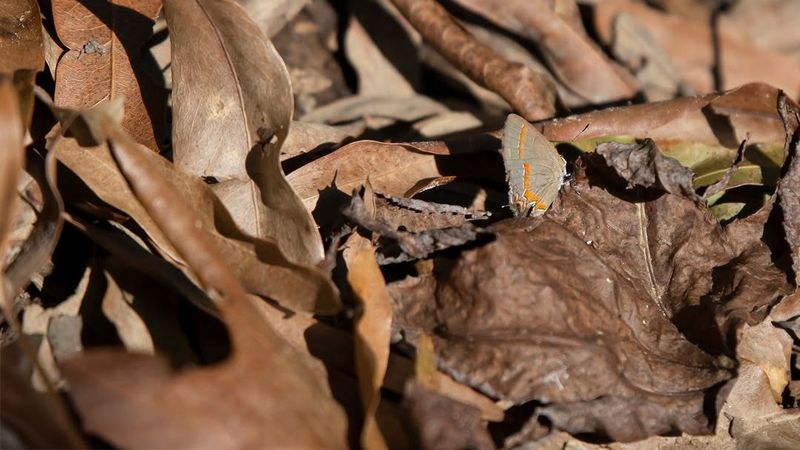
Fallen branches, twigs, and leaves can become valuable winter shelters for butterflies, beetles, and other pollinators when arranged into brush piles.
Rather than bagging up yard debris in autumn, stack it loosely in a quiet corner where it won’t be disturbed.
Queen bumblebees often burrow into leaf litter and loose soil near brush piles to hibernate safely through Wisconsin’s coldest months.
Mourning cloak butterflies and other species also seek shelter in bark crevices and protected spaces within these natural structures.
Building a brush pile takes minimal effort but creates essential habitat that supports pollinator populations struggling to survive freezing temperatures.
Choose a spot away from heavy foot traffic so overwintering insects can rest undisturbed until spring sunshine warms the air.
Add layers of different materials like thick branches on the bottom, smaller twigs in the middle, and leaves on top.
This creates various sized spaces that accommodate different types of insects seeking refuge from snow, ice, and bitter winter winds.
Your brush pile becomes a lifesaving apartment building for tiny creatures working hard to make it through until flowers bloom.
3. Plant Native Trees And Shrubs
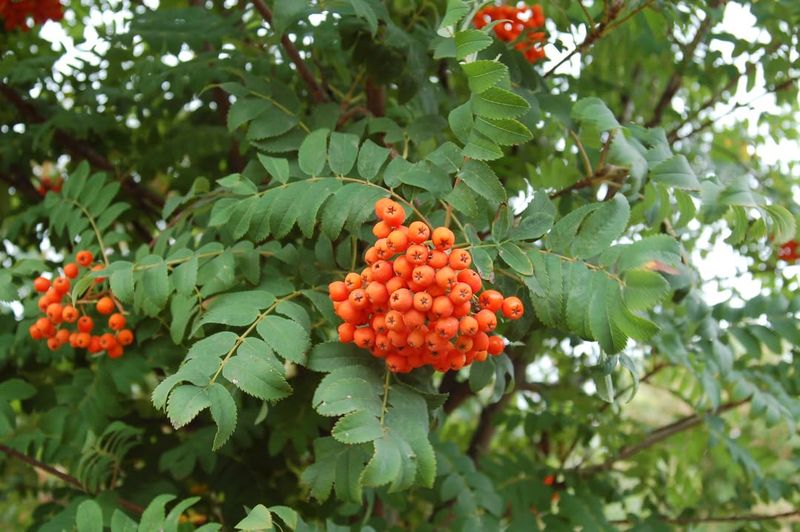
Native trees and shrubs provide critical early-season pollen and nectar when pollinators emerge hungry from winter dormancy in Wisconsin.
Willows, maples, and serviceberries bloom very early in spring, offering food before most garden flowers have even sprouted from soil.
Planting these native species in fall or early winter ensures they’ll be established and ready to support pollinators next season.
Early-blooming trees become like breakfast restaurants for bees that wake up famished after months without eating during their winter sleep.
Native plants have evolved alongside Wisconsin’s pollinators for thousands of years, making them perfectly suited to local insect needs and preferences.
These woody plants also provide nesting sites, shelter, and host plants for caterpillars that will eventually become beautiful butterflies.
Choose species adapted to your specific growing conditions and soil type for best results in supporting diverse pollinator populations year after year.
Even a single native tree can support hundreds of insect species, creating a ripple effect that benefits birds and other wildlife too.
Your investment in native plants pays dividends for decades as these long-lived species continue supporting pollinators through countless seasons.
4. Build Or Buy Bee Houses
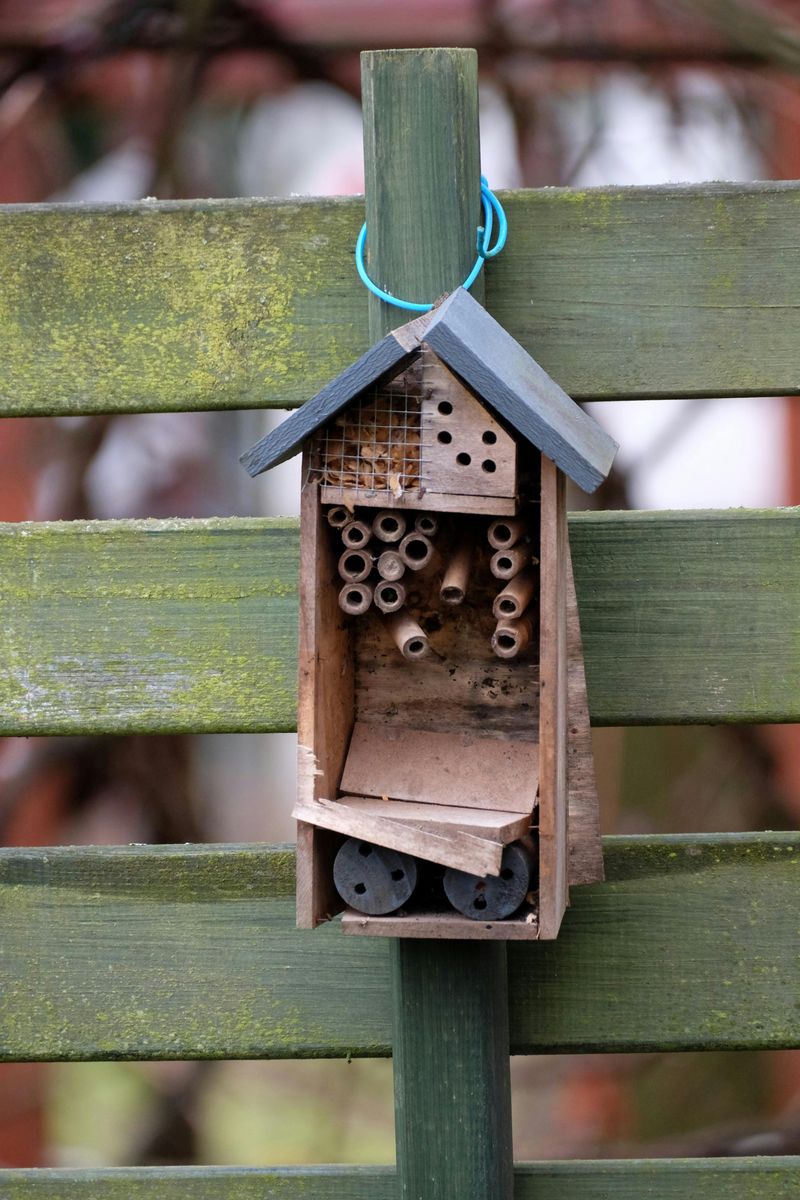
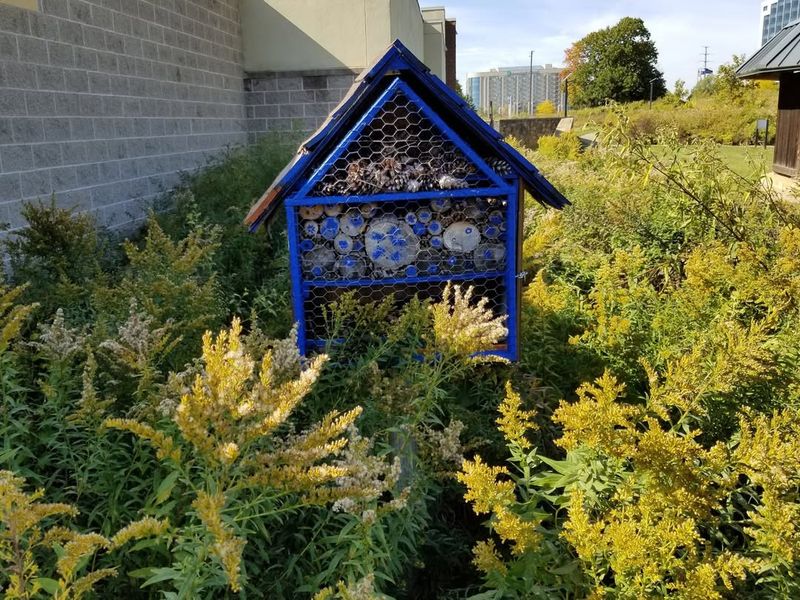
Solitary bees need safe nesting sites to lay eggs in summer and protected spaces where their offspring can develop through winter.
Bee houses with hollow tubes or drilled holes provide perfect accommodations for mason bees, leafcutter bees, and other non-aggressive native species.
These structures should face southeast to catch morning sun and be mounted four to six feet off the ground for best results.
Unlike honeybees that live in large colonies, solitary bees work alone and rarely sting, making them excellent neighbors in any backyard.
Female bees lay eggs inside the tubes along with pollen provisions, then seal each chamber so baby bees can grow safely.
Throughout winter, developing bees remain protected inside their sealed chambers, transforming slowly from eggs to larvae to pupae to adults.
Make sure your bee house has a roof to keep rain and snow out of the nesting tubes during harsh Wisconsin weather.
Clean or replace nesting materials every few years to prevent disease and parasite buildup that can harm future bee generations.
Watching these fascinating insects emerge in spring provides endless entertainment while supporting Wisconsin’s struggling native bee populations tremendously.
5. Avoid Fall Garden Cleanup
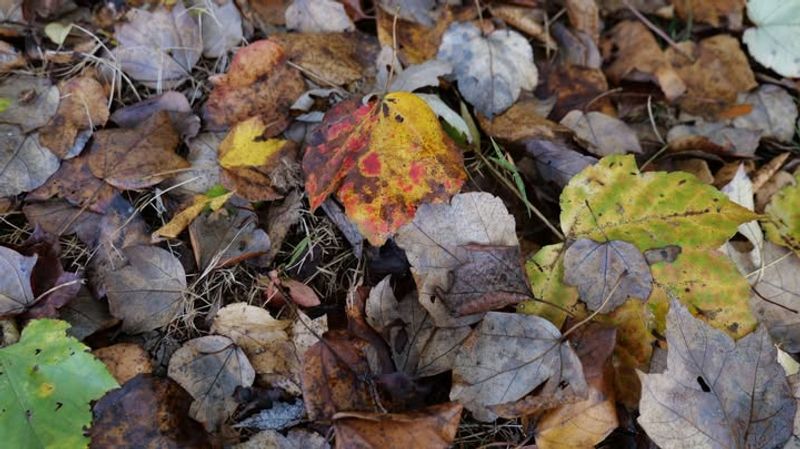
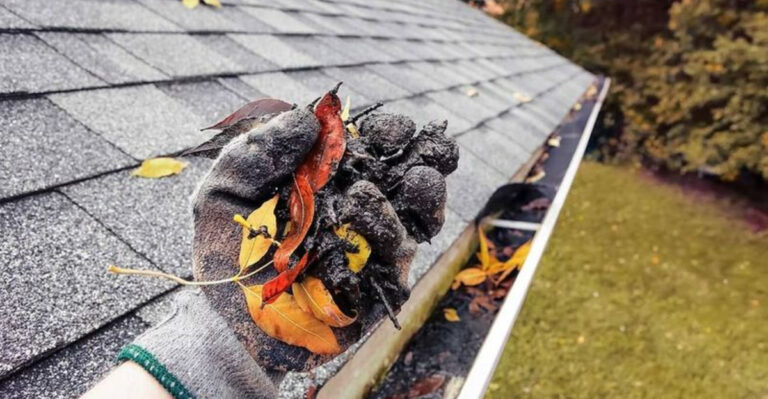
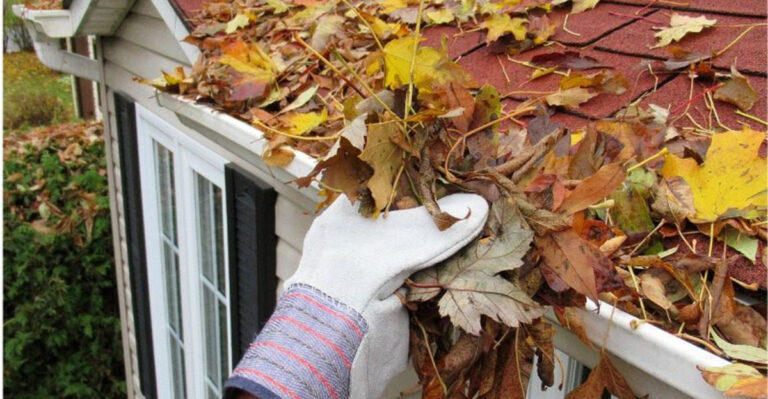
Resist the urge to tidy up your garden completely in autumn, as leaf litter and plant debris provide essential winter habitat.
Many butterfly species, including swallowtails and fritillaries, overwinter as chrysalises attached to plant stems or hidden beneath fallen leaves.
Raking away every leaf removes these vulnerable life stages and exposes them to predators, harsh weather, and freezing temperatures.
Ground-nesting bees also rely on undisturbed soil and leaf cover to protect their underground chambers where baby bees develop through winter.
A naturally messy garden might not win landscaping awards, but it creates a welcoming environment for pollinators desperately needing safe places.
Wait until late spring when temperatures consistently stay above fifty degrees before doing major garden cleanup and removing plant debris.
This timing allows overwintering insects to emerge safely before you disturb their winter homes and protective leaf layer covering them.
Focus cleanup efforts on areas near your house while leaving wilder spaces undisturbed for maximum benefit to Wisconsin’s native pollinators.
Your patience during fall and winter months directly translates to more butterflies, bees, and other beneficial insects visiting your garden next year.
6. Provide Unfrozen Water Sources
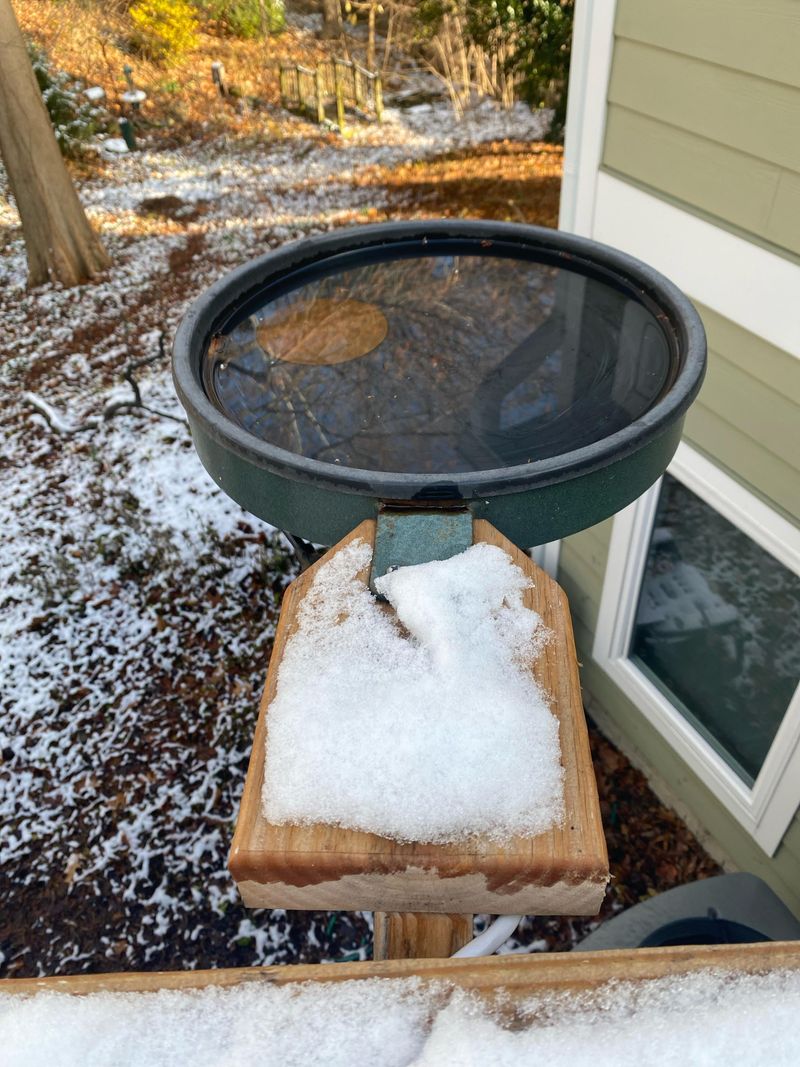
Pollinators need water even during winter, especially on mild days when some insects become active and search for moisture sources.
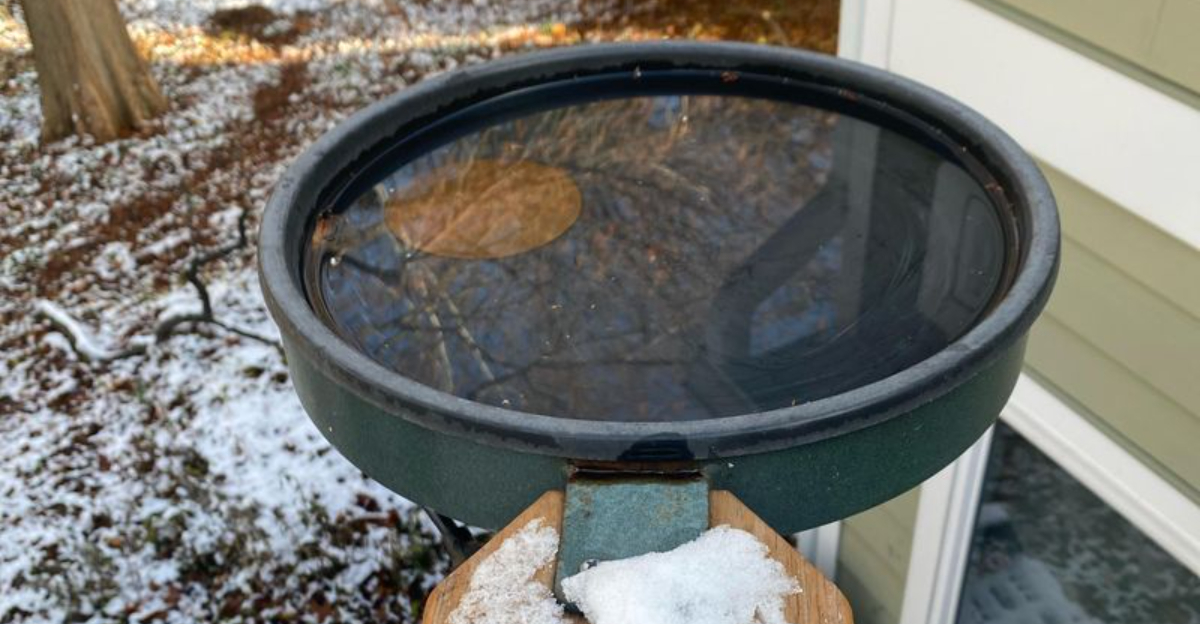
Setting up a shallow dish with rocks or marbles gives insects safe landing spots where they can drink without drowning.
Adding a small aquarium heater or birdbath heater keeps water from freezing solid during Wisconsin’s coldest stretches when temperatures plummet.
Bees and other insects can become active on sunny winter days when temperatures rise above forty-five degrees, making water access important.
Without available water sources, these insects may become dehydrated or expend dangerous amounts of energy searching for moisture in frozen landscapes.
Place your water source in a sunny, sheltered spot protected from harsh winds that can quickly freeze shallow water dishes.
Change the water regularly to keep it fresh and prevent algae buildup that can harm insects trying to hydrate themselves.
This simple provision costs little but can mean the difference between survival and struggle for pollinators active during unseasonably warm winter days.
Your thoughtfulness in providing water demonstrates care for even the smallest creatures working hard to survive challenging Wisconsin winters.
7. Grow Winter-Blooming Plants Indoors

Growing flowering herbs and plants indoors during winter provides occasional food sources for pollinators that become active on warm days.
Herbs like rosemary, thyme, and oregano can bloom indoors near sunny windows, offering nectar to any insects seeking sustenance.
While most pollinators remain dormant through Wisconsin winters, some species occasionally become active during unusual warm spells and temperature fluctuations.
Having blooming plants available indoors or in protected porches gives these early risers emergency food sources when nothing blooms outside.
Indoor gardens also prepare you for spring by providing starter plants that can move outdoors when frost danger passes.
Choose varieties that tolerate indoor conditions and bloom reliably without requiring complicated care or special equipment beyond basic watering.
Position plants in south-facing windows where they’ll receive maximum sunlight during short winter days with limited natural light available.
You’ll enjoy fresh herbs for cooking while simultaneously supporting any pollinators that might benefit from unexpected indoor blooms during cold months.
This strategy works especially well if you have a sunroom, enclosed porch, or greenhouse where temperatures stay moderate throughout winter.
8. Mulch Garden Beds Properly
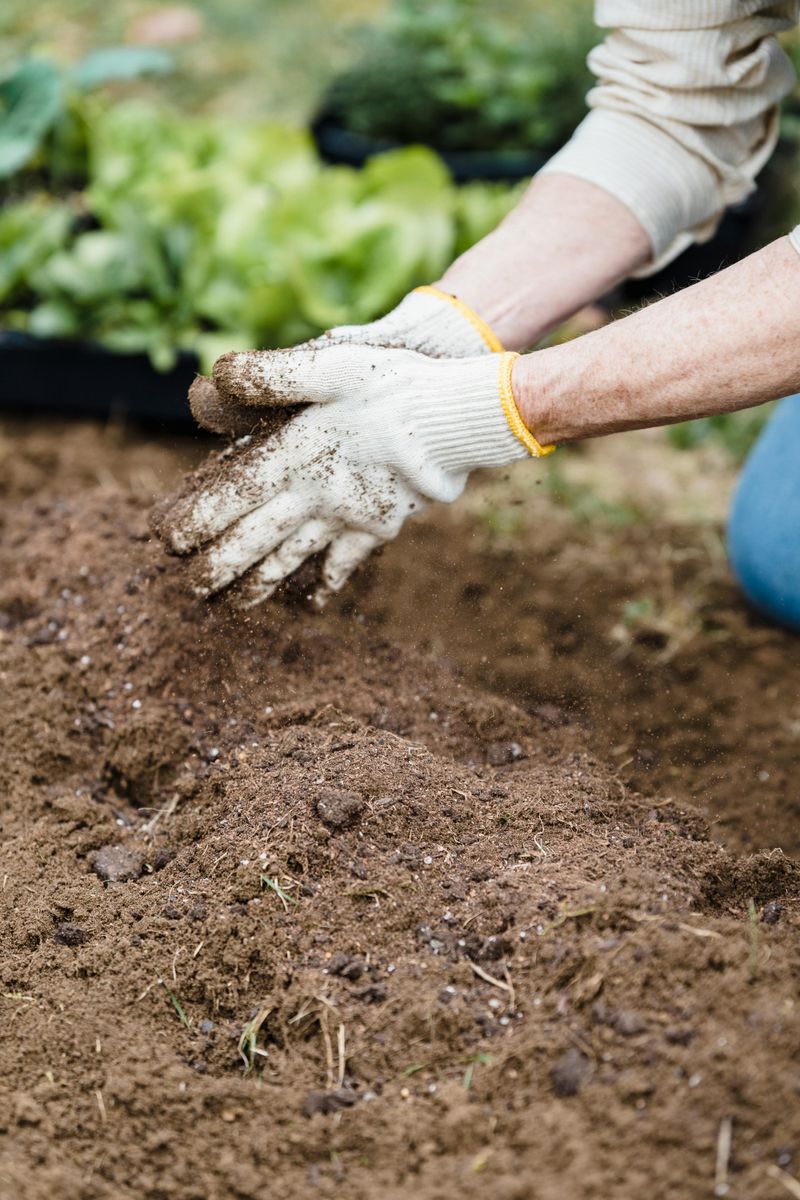
Applying mulch correctly in fall helps insulate plant roots while still providing habitat for ground-nesting bees and other pollinators.
Spread a two to three inch layer of organic mulch like shredded leaves or wood chips around perennials and shrubs.
However, leave some patches of bare ground unmulched because approximately seventy percent of native bee species nest underground in soil.
These ground-nesting bees need access to bare soil where they can dig tunnels and create chambers for their offspring.
Covering every square inch of ground with thick mulch eliminates nesting opportunities and forces bees to search elsewhere for homes.
Choose areas with good drainage and southern exposure to leave unmulched, as these spots are particularly attractive to ground-nesting species.
Proper mulching also suppresses weeds, retains soil moisture, and moderates soil temperature fluctuations that can stress both plants and overwintering insects.
Avoid piling mulch against plant stems or tree trunks, as this can cause rot and create problems for plants.
Your thoughtful mulching strategy balances plant health with pollinator needs, creating a garden that supports diverse life through Wisconsin’s challenging winters.
9. Stop Using Pesticides in Fall
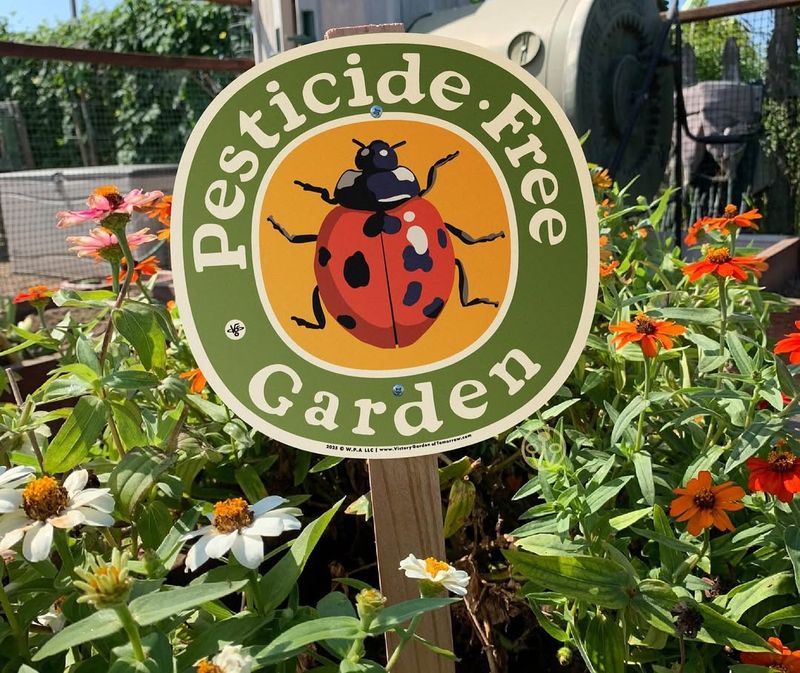
Eliminating pesticide use in fall and winter protects pollinators preparing for dormancy and those already tucked into winter shelters.
Many insecticides remain active in soil and on plant surfaces for weeks or months after application, continuing to harm beneficial insects.
Pollinators entering winter dormancy are particularly vulnerable because they’re less active and may encounter pesticide residues in their hibernation sites.
Even organic pesticides can harm non-target insects when applied incorrectly or at the wrong time of year in gardens.
Focus instead on building healthy soil and encouraging natural predators like ladybugs and lacewings that control pest populations without chemicals.
Most garden pests become inactive during winter anyway, making pesticide applications unnecessary and potentially harmful to overwintering beneficial insects.
If you must address a serious pest problem, use the least toxic option available and apply it very carefully.
Better yet, wait until spring when you can identify specific problems and target them precisely without harming sleeping pollinators.
Your commitment to pesticide-free gardening creates a safer environment for all insects, including the pollinators that Wisconsin’s ecosystems desperately need.
10. Protect Existing Pollinator Habitat
Preserving natural areas like prairie remnants, meadows, and woodland edges provides irreplaceable winter habitat for Wisconsin’s diverse pollinator populations.
These spaces contain the plant diversity and structural complexity that support hundreds of insect species throughout all life stages.
If you’re fortunate enough to have natural habitat on your property, resist the temptation to mow, develop, or tidy it up.
Natural areas function as reservoirs of pollinator biodiversity, with different species using various plants and microhabitats for overwintering and reproduction.
Even small patches of natural habitat can support surprising numbers of native bees, butterflies, moths, and other beneficial insects.
Advocate for protecting public natural areas in your community by attending local meetings and supporting conservation organizations working in Wisconsin.
Connect with neighbors about creating wildlife corridors that link habitat patches, allowing pollinators to move safely between feeding and nesting areas.
Your protection of existing habitat may be the most important action you can take for supporting pollinator populations long-term.
Natural areas that have never been plowed or heavily disturbed are especially valuable because they contain rare plants and intact soil ecosystems.
11. Learn About Wisconsin’s Native Pollinators
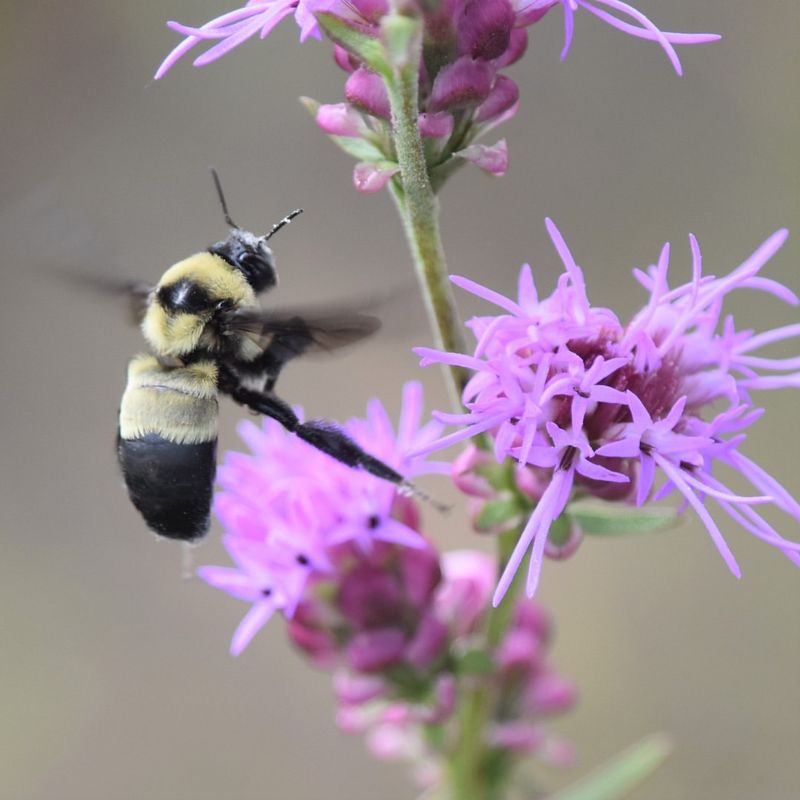
Understanding which pollinators live in Wisconsin helps you make informed decisions about supporting them through challenging winter months effectively.
Learn to identify common species like bumblebees, mason bees, swallowtail butterflies, and sphinx moths that call Wisconsin home year-round.
Each species has unique habitat requirements and life cycle patterns that determine what kind of winter support they need most.
Local nature centers, university extension offices, and conservation organizations offer resources and workshops about native pollinators and their needs.
Reading field guides and online resources helps you recognize different species and understand their fascinating behaviors and ecological relationships.
Knowledge empowers you to create habitat that supports the specific pollinators living in your region rather than following generic advice.
Join community science projects that track pollinator populations and contribute valuable data to researchers studying these important insects statewide.
Your observations can help scientists understand how pollinator populations change over time and which conservation strategies work best in Wisconsin.
The more you learn about these incredible creatures, the more motivated you’ll become to help them survive and thrive.
12. Support Local Conservation Groups
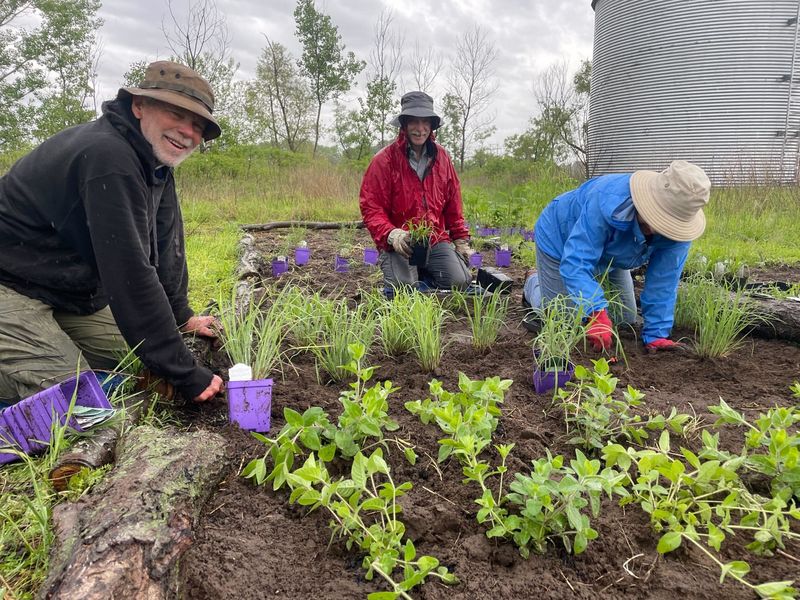
Connecting with conservation organizations working to protect pollinators amplifies your individual efforts and creates community-wide impact in Wisconsin.
Groups like the Xerces Society, local land trusts, and native plant societies organize habitat restoration projects and educational programs throughout the state.
Volunteering your time for fall planting events or winter planning meetings helps these organizations accomplish more with limited resources.
Financial donations to conservation groups support research, habitat protection, and public education programs that benefit pollinators across entire regions.
Many organizations offer memberships that include newsletters, workshops, and opportunities to connect with others passionate about protecting native insects.
Your involvement helps create a network of pollinator-friendly spaces throughout Wisconsin, making it easier for insects to find food and shelter.
Attend workshops and training sessions offered by conservation groups to deepen your knowledge and share what you learn with neighbors.
Collective action creates landscape-level changes that individual efforts alone cannot achieve, making community involvement especially powerful for pollinator conservation.
Your support helps ensure these organizations can continue their vital work protecting the insects that make Wisconsin’s ecosystems function properly.
13. Plan Next Year’s Pollinator Garden
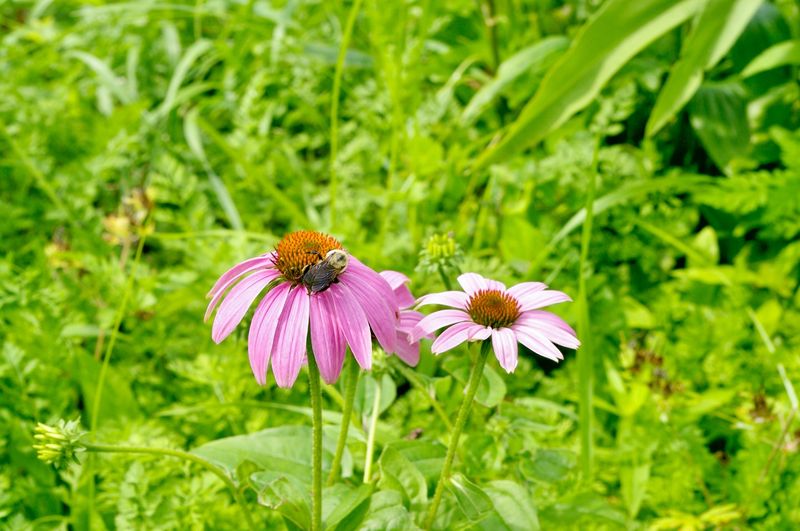
Winter provides perfect opportunities to plan and design pollinator-friendly gardens that will bloom beautifully throughout next year’s growing season.
Research native plants that thrive in your specific Wisconsin growing zone and soil conditions while providing maximum benefit to local pollinators.
Order seeds and plants early from reputable native plant nurseries to ensure you get the species you want before they sell out.
Create a bloom calendar that ensures something is flowering from early spring through late fall, providing continuous food sources for pollinators.
Include plants with different flower shapes and colors to attract diverse pollinator species with varying preferences and feeding strategies throughout seasons.
Plan for layered plantings with spring bulbs, summer perennials, and fall-blooming asters that extend the season as long as possible.
Consider adding host plants for butterfly caterpillars, like milkweed for monarchs and parsley for swallowtails, to support complete life cycles.
Your winter planning sets the foundation for a garden that will support pollinators from the moment they emerge until they prepare for next winter’s dormancy.
Thoughtful planning now means less guesswork and better results when spring planting season arrives with warmer weather.