10 Ways To Know A Raccoon Has Been On Your Property In Pennsylvania
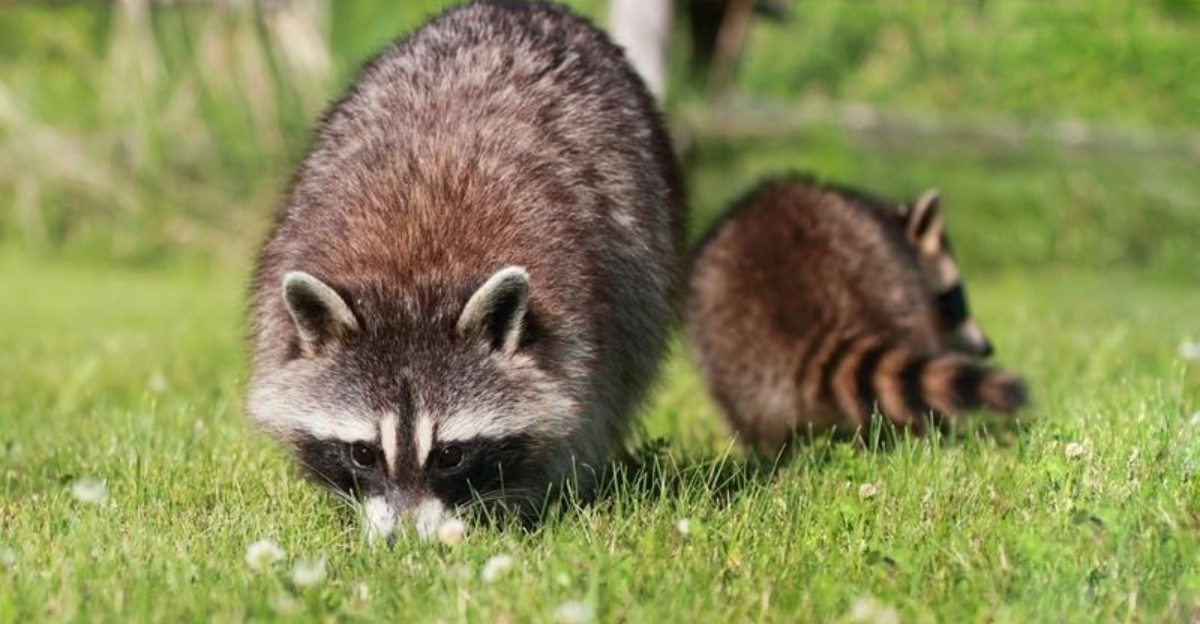
Raccoons are clever, curious, and far more common across Pennsylvania than most homeowners realize.
Even if you’ve never seen one in person, chances are a raccoon has wandered through your yard at some point — and they usually leave behind clear signs for anyone who knows what to look for.
From tipped-over feeders to muddy pawprints to mysteriously missing vegetables, these nighttime visitors are experts at slipping in unnoticed and slipping out before sunrise.
But recognizing raccoon activity early is more than just solving a backyard mystery.
It’s the key to protecting your garden, securing your trash, and preventing costly damage to siding, roofs, and outdoor structures.
1. Trash Cans Tipped Over And Scattered
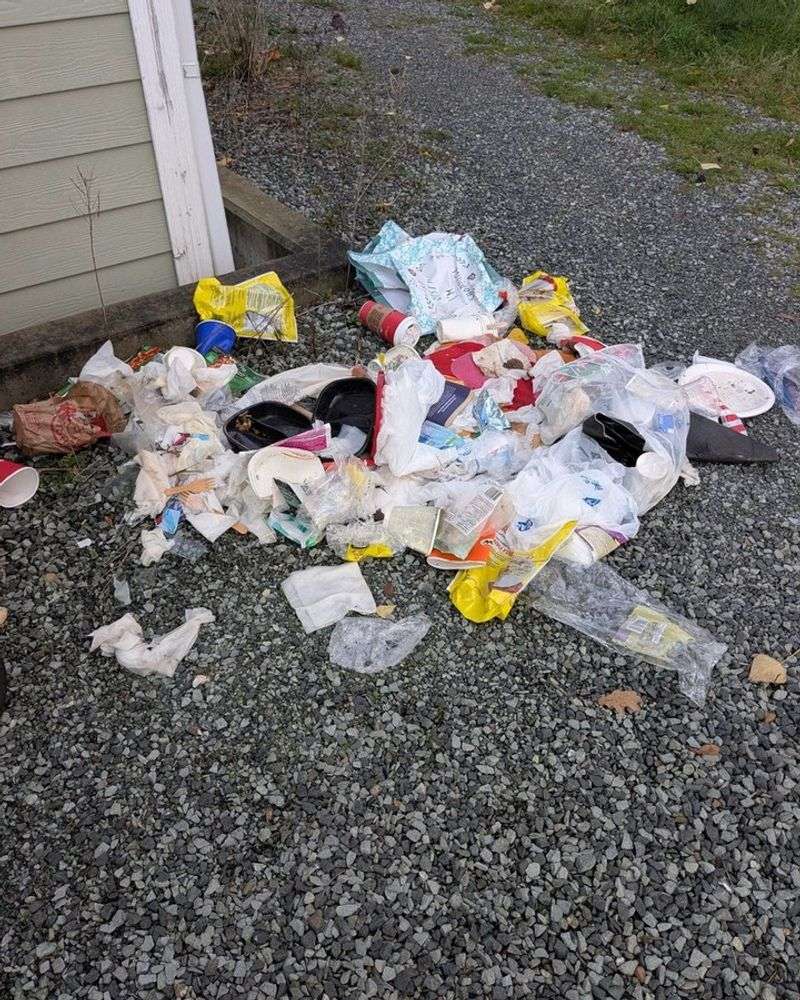
One of the most obvious signs that raccoons have visited your Pennsylvania property is finding your trash cans knocked over with garbage strewn everywhere.
Raccoons have strong, nimble paws that allow them to pry open lids and dig through bags looking for food scraps.
They are not picky eaters and will rummage through anything that smells remotely edible, leaving a huge mess behind.
If you wake up to find your garbage scattered across the driveway or lawn, chances are a raccoon paid you a visit during the night.
To prevent this, consider using heavy-duty trash cans with locking lids or storing your bins in a garage or shed until pickup day.
You can also secure lids with bungee cords or place heavy objects on top to make it harder for raccoons to access.
In Pennsylvania, where raccoons are abundant, taking these precautions can save you from cleaning up messes every morning.
Keeping your trash secure also helps discourage raccoons from returning, as they will move on to easier food sources elsewhere.
Remember, raccoons are persistent and smart, so consistent effort is key to keeping them away from your waste.
2. Paw Prints In Mud Or Snow
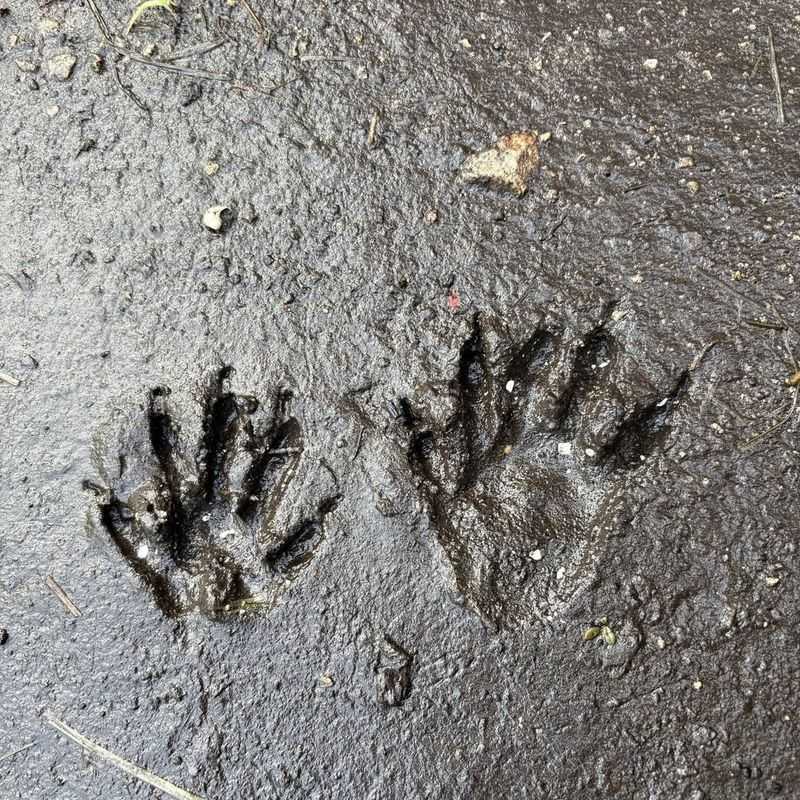
Raccoon paw prints are very distinctive and easy to identify once you know what to look for.
Their front paws resemble tiny human hands with five long fingers, while their back paws look like small footprints with elongated toes.
You might spot these tracks in soft mud around gardens, near water sources, or in fresh snow during Pennsylvania winters.
The prints are usually about two to three inches long and appear in pairs as raccoons walk on all fours.
If you see these tracks leading to your garbage area, shed, or under your deck, it confirms that raccoons are exploring your property.
Pennsylvania homeowners often notice these prints near birdbaths, ponds, or pet food dishes left outside.
Taking photos of the prints can help you compare them online or with a wildlife guide to be certain they belong to raccoons.
Once you identify the tracks, you can follow them to see where the raccoons are entering or exiting your yard.
This information is useful if you plan to set up deterrents or contact a wildlife removal service.
Checking for tracks regularly helps you stay aware of raccoon activity and take action sooner.
3. Damage To Lawns And Gardens
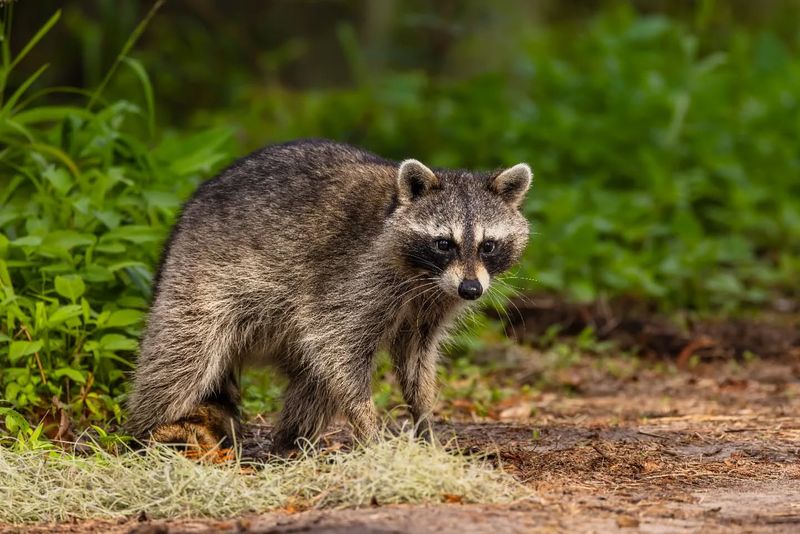
Raccoons are known for digging up lawns and gardens in search of grubs, worms, and other insects that live beneath the surface.
If you notice small holes or patches of torn-up grass in your Pennsylvania yard, raccoons could be the culprits.
They use their strong claws to flip over sod and dig into soft soil, often leaving your lawn looking messy and uneven.
Gardens are also prime targets, especially if you grow vegetables or fruits like corn, tomatoes, or berries.
Raccoons will pull up plants, knock over pots, and eat whatever they can find, sometimes causing significant damage overnight.
In Pennsylvania, where many homeowners take pride in their gardens, this can be frustrating and costly to repair.
You might also see claw marks on tree bark or fences where raccoons have climbed to access bird feeders or rooftops.
To protect your lawn and garden, consider installing motion-activated lights or sprinklers that startle raccoons when they approach.
Fencing around garden beds can also help, though raccoons are skilled climbers and may still find a way in.
Regularly inspecting your yard for damage allows you to catch raccoon activity early and take preventive measures.
4. Noises Coming From The Attic Or Walls

Hearing strange sounds at night, such as scratching, thumping, or chattering, is a strong indication that raccoons have moved into your attic or walls.
Raccoons are excellent climbers and often seek shelter in warm, dry spaces like attics, especially during colder Pennsylvania months.
They can squeeze through surprisingly small openings, including damaged vents, loose shingles, or gaps around chimneys.
Once inside, they may build nests, raise their young, and create quite a ruckus as they move around.
The noises are usually loudest at night because raccoons are nocturnal and most active after sunset.
You might also hear vocalizations like growling, hissing, or purring, especially if a mother raccoon is caring for babies.
In Pennsylvania, raccoon infestations in attics are common and can lead to serious problems like damaged insulation, chewed wires, and contaminated areas from droppings.
If you suspect raccoons are living in your home, it is important to contact a professional wildlife removal service rather than attempting to handle it yourself.
Raccoons can be aggressive when cornered and may carry diseases like rabies.
Sealing entry points after removal is essential to prevent future invasions.
5. Foul Odors Near Your Home

A strong, unpleasant smell around your property can be a telltale sign that raccoons have been visiting or living nearby.
Raccoons often leave behind droppings, urine, and food scraps that create foul odors, especially in enclosed spaces like sheds, crawl spaces, or under decks.
Their waste has a distinct, pungent smell that can become overwhelming if left unaddressed for too long.
In Pennsylvania, where humidity can intensify odors during warmer months, this problem can become particularly noticeable.
If you detect a strong musky or ammonia-like scent near your home, it is worth investigating for signs of raccoon activity.
Raccoons also establish communal bathroom areas called latrines, where they repeatedly deposit waste in the same spot.
These latrines can be found on flat surfaces like rooftops, large tree branches, or woodpiles and pose health risks due to parasites and bacteria.
Cleaning up raccoon waste should be done carefully, wearing gloves and a mask to avoid exposure to harmful pathogens.
If the odor persists or you find a latrine, consider contacting a professional to safely remove the waste and sanitize the area.
Addressing odors quickly helps protect your health and prevents raccoons from returning to the same spot.
6. Pet Food Disappearing Overnight

If you leave pet food or water bowls outside and notice they are empty or disturbed by morning, raccoons are likely helping themselves to an easy meal.
Raccoons are opportunistic feeders and will gladly eat dog or cat food left unattended on porches, patios, or near garages.
They are also clever enough to tip over bowls, open containers, and even manipulate simple latches to access stored pet food.
Many Pennsylvania homeowners report finding food bowls knocked over or completely cleaned out after leaving them outside overnight.
Raccoons have a keen sense of smell and can detect pet food from a distance, making your property a regular stop on their nightly rounds.
To avoid attracting raccoons, bring pet food and water bowls inside before dark and store dry food in secure, airtight containers.
Feeding your pets indoors or only during daylight hours can also help reduce the chances of raccoons showing up.
If raccoons have already become accustomed to finding food at your home, it may take time and consistency to break the habit.
Installing motion-activated lights or cameras near feeding areas can help you monitor raccoon activity and adjust your routines accordingly.
Keeping food inaccessible is one of the simplest and most effective ways to discourage raccoons from visiting your Pennsylvania property.
7. Holes Dug Around The Foundation
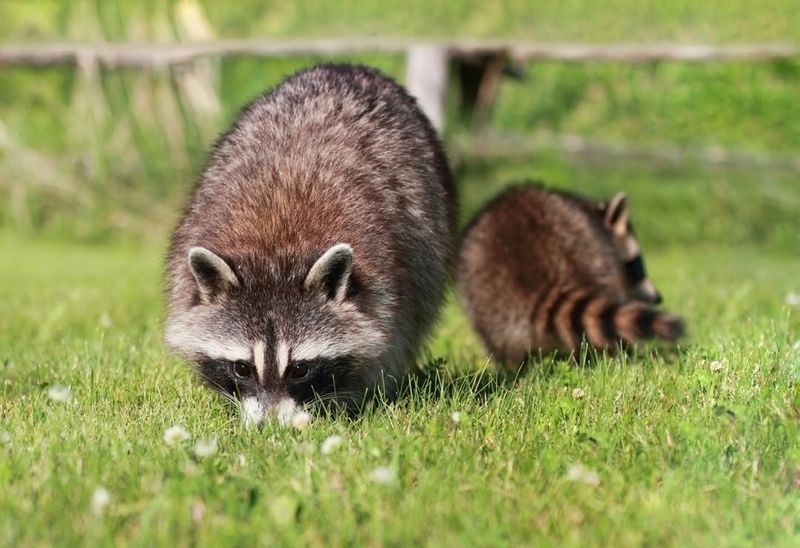
Raccoons are skilled diggers and may create holes or burrows around the foundation of your home, shed, or deck as they search for food or shelter.
These holes can range from small exploratory digs to larger openings where raccoons attempt to access crawl spaces or basements.
In Pennsylvania, where raccoons are common, homeowners often discover these holes near porches, steps, or areas with loose soil.
Raccoons dig to find insects, grubs, or other food sources, but they also seek protected spaces to nest, especially during breeding season.
If left unchecked, these holes can compromise the structural integrity of your foundation or create entry points for water and other pests.
Filling holes with dirt or gravel may provide a temporary fix, but raccoons can easily dig them out again if they are determined.
A more permanent solution involves installing hardware cloth or metal mesh around the foundation and burying it several inches deep to prevent digging.
You should also inspect the perimeter of your home regularly for new holes or signs of digging activity.
If raccoons have already established a den under your home, it is best to contact a wildlife professional to safely remove them before sealing the entry points.
Taking these steps protects your property and prevents raccoons from causing further damage.
8. Bird Feeders Knocked Down Or Emptied
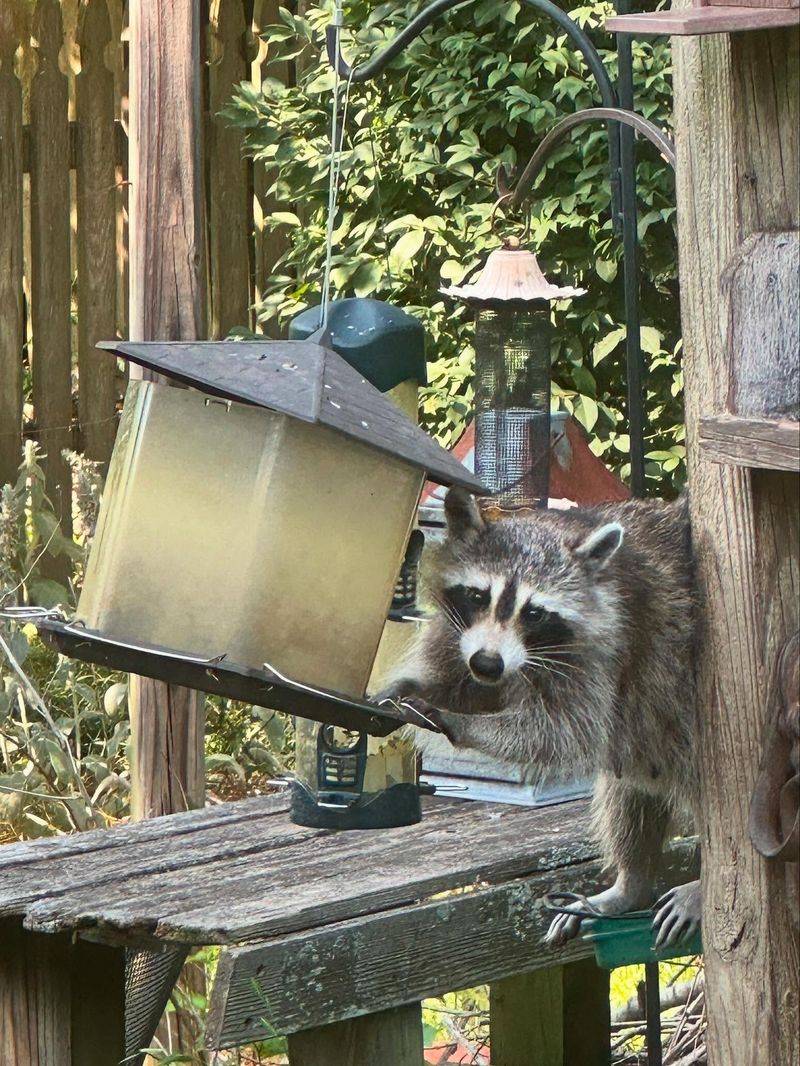
Bird feeders are a favorite target for hungry raccoons, and finding yours knocked over, damaged, or completely emptied is a clear sign they have been on your property.
Raccoons are strong and agile enough to climb poles, trees, and posts to reach hanging feeders, and they will shake or tip them to spill the seeds.
They are also capable of chewing through plastic or lightweight feeders to access the contents inside.
Many Pennsylvania homeowners wake up to find their bird feeders on the ground with seeds scattered everywhere after a raccoon visit.
If you enjoy feeding birds, consider using raccoon-proof feeders with weight-activated perches that close when a heavy animal tries to access them.
Placing feeders on tall, smooth poles with baffles can also make it harder for raccoons to climb up.
Bringing feeders inside at night is another effective strategy, as raccoons are most active after dark.
If you continue to experience problems, you may need to temporarily stop feeding birds until the raccoons lose interest and move on.
Raccoons have excellent memories and will return to reliable food sources, so consistency is important when trying to break the habit.
By making bird feeders less accessible, you can enjoy watching birds without attracting unwanted nighttime visitors.
9. Droppings Left Behind In Specific Areas
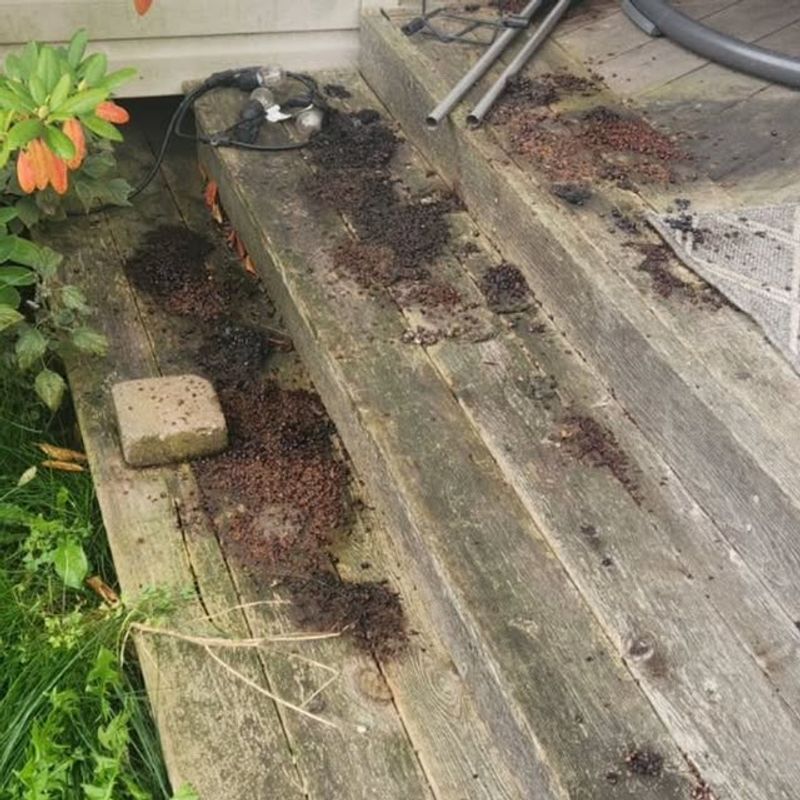
Raccoon droppings are another unmistakable sign that these animals have been frequenting your Pennsylvania property.
The droppings are typically dark, tubular, and about two to three inches long, often resembling small dog feces but with visible seeds, berries, or insect parts.
Raccoons tend to use the same spots repeatedly, creating latrines where waste piles up over time.
Common locations for these latrines include flat rooftops, decks, large tree branches, woodpiles, and areas near water sources.
Finding droppings in these areas is a strong indication that raccoons are visiting regularly and feel comfortable on your property.
Raccoon waste can carry dangerous parasites like roundworm, which can be harmful to humans and pets if inhaled or ingested.
It is important to avoid direct contact with droppings and to clean them up carefully using gloves, a mask, and disinfectant.
In Pennsylvania, where raccoons are widespread, homeowners should inspect their property regularly for signs of latrines and address them promptly.
If you discover a large accumulation of droppings, consider hiring a professional cleanup service to safely remove and sanitize the area.
Eliminating latrines and making the area less appealing can help discourage raccoons from returning to the same spot in the future.
10. Scratches Or Claw Marks On Trees And Structures
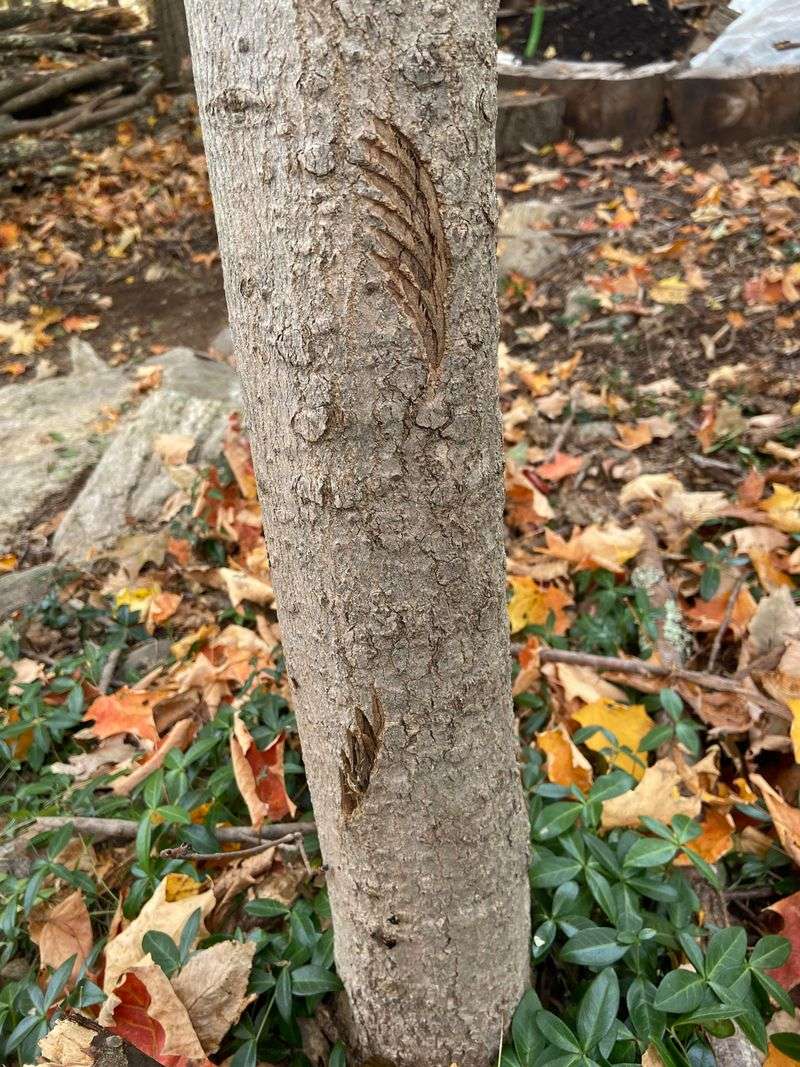
Raccoons leave behind scratches and claw marks as they climb trees, fences, downspouts, and other structures around your Pennsylvania property.
These marks are often visible as parallel grooves or scratches in wood, bark, or softer materials like vinyl siding.
Raccoons use their sharp claws to grip surfaces and pull themselves up, especially when accessing rooftops, attics, or bird feeders.
If you notice fresh claw marks on trees near your home or scratches on the corners of your house, it is a good indication that raccoons are using these routes regularly.
In Pennsylvania, where trees and wooded areas are common, raccoons often travel from tree to tree and then onto roofs or other elevated areas.
Inspecting your property for claw marks can help you identify entry points and pathways that raccoons are using.
You can trim tree branches that hang over your roof to make it harder for raccoons to jump onto your home.
Installing metal guards or smooth sheeting around tree trunks and downspouts can also prevent raccoons from climbing up.
Regularly checking for new scratches allows you to stay ahead of raccoon activity and take preventive measures before they cause more serious damage.
By understanding their climbing habits, you can better protect your property from these persistent and resourceful animals.