6 Ways To Make African Violets Change Colors Just Like Hydrangeas
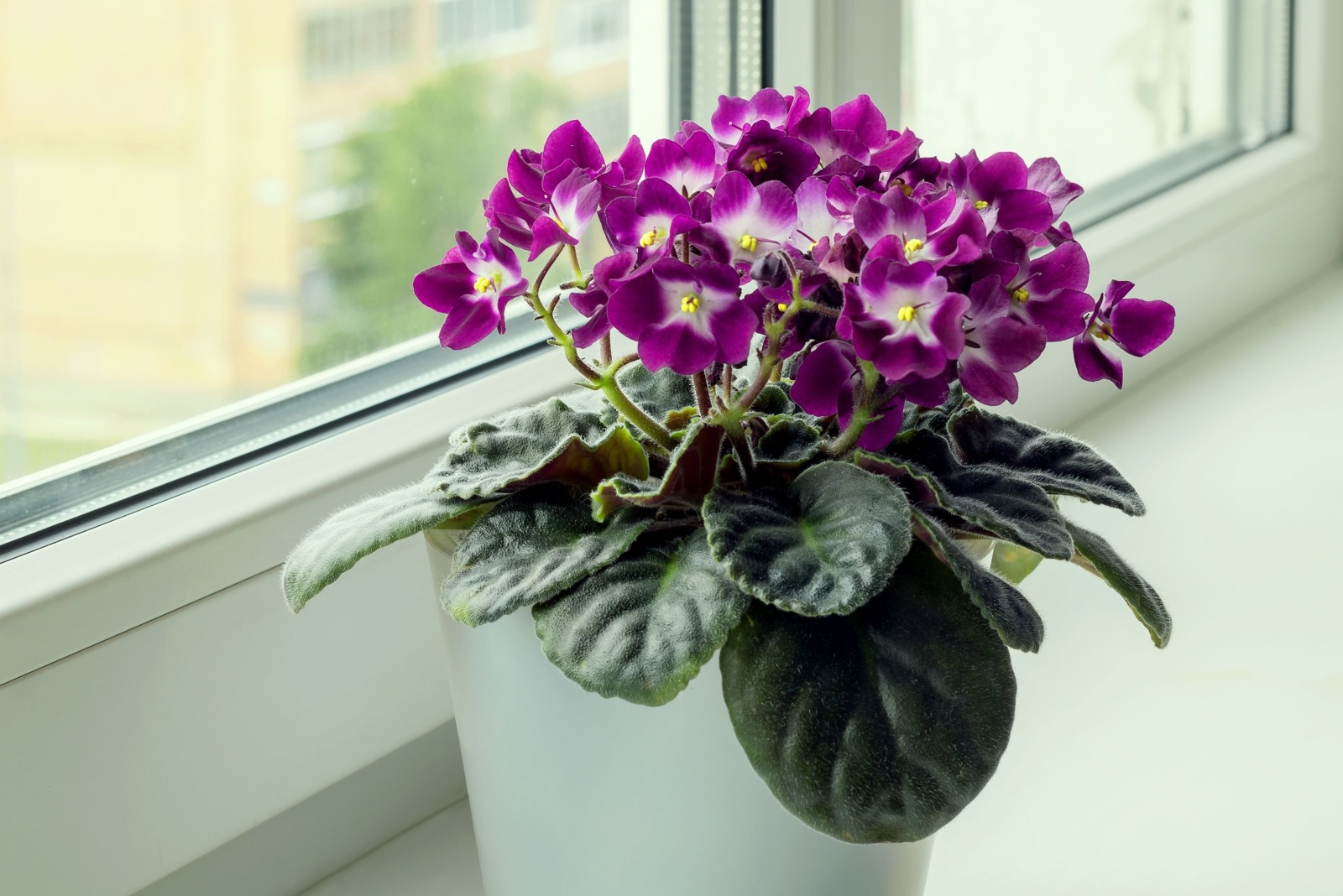
African violets already look like tiny jewels glowing on a windowsill, and it’s impossible not to fall in love with their soft leaves and delicate blooms.
Sooner or later, every violet lover wonders if these flowers can change color the same way hydrangeas famously swing from pink to blue.
The idea is enchanting, and it would be magical if a simple soil tweak could completely transform a bloom.
But African violets don’t play by hydrangea rules.
Soil pH won’t turn a pink flower blue, and aluminum levels won’t make a violet shift its entire personality.
Their core colors are rooted in genetics, and no amendment can rewrite their DNA.
Yet here’s the exciting part: although you can’t change one hue into another, you can influence how boldly, subtly, or dramatically those colors appear.
You can make purples deepen, reds intensify, whites sharpen, and fantasy speckles pop like confetti.
You can even coax patterns that never appeared before.
African violets are expressive plants, and their pigments respond beautifully to the environment you create around them.
With the right approach, your violets can bloom in shades you’ve never seen them express before — even though the underlying genetics stay the same.
What follows are six proven, fascinating, and safe ways to unlock your violets’ full color potential and enjoy a bloom show that feels brand new.
1. Soil Conditions: Supporting Color, Not Rewriting It
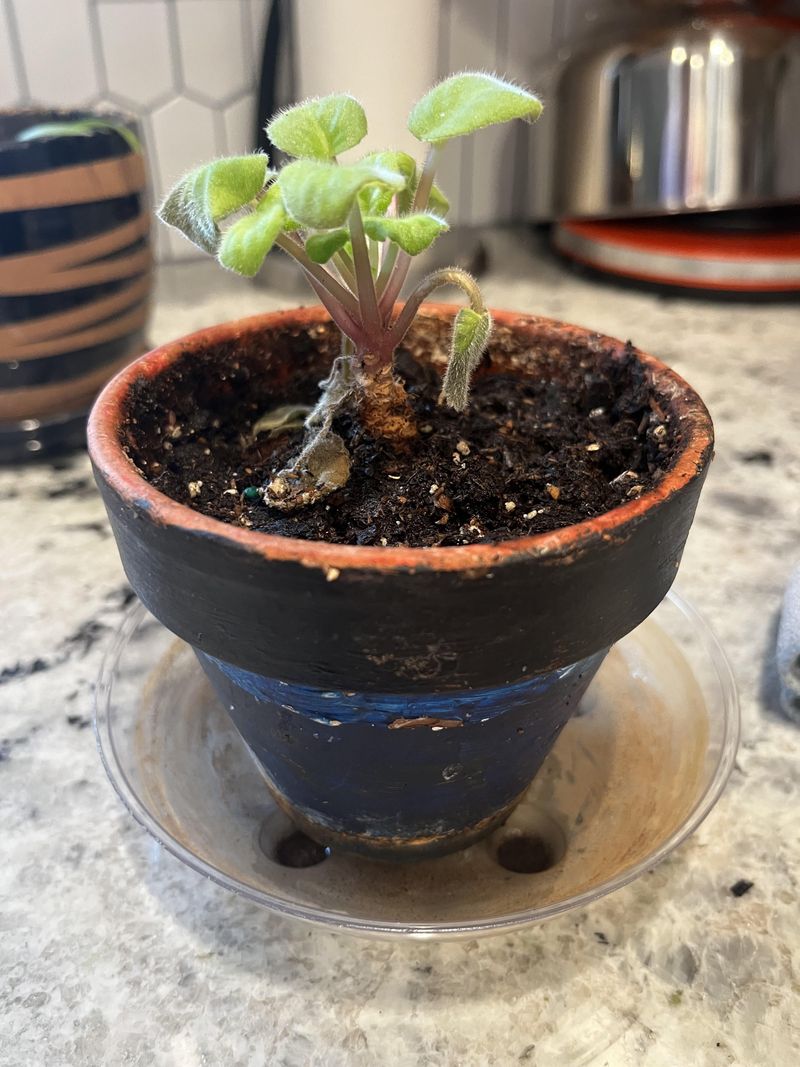
Many growers start by wondering whether soil pH can flip African violet colors the way it does in hydrangeas.
It’s a charming myth, but it’s still a myth.
African violets simply don’t react to acidity the way hydrangeas do, and shifting the pH will not produce dramatic color swings.
However, soil still plays a starring role in the way your flowers ultimately look.
Healthy soil equals healthy roots, and healthy roots create stunning blooms every time.
When violets live in the right potting mix, pigments emerge more vividly and colors appear sharper and more consistent.
African violets love a light, fluffy, slightly acidic medium with a pH around 6.0 to 6.5.
In soil that’s too alkaline or too acidic, nutrient uptake gets messy and unpredictable.
A plant struggling to absorb phosphorus, potassium, iron, or magnesium cannot express its pigments with full power.
This leads to pale, washed-out blooms that lack the richness their genetics would otherwise deliver.
A fresh, airy peat-based mix gives your violet roots the oxygen and moisture balance they crave.
Dense or soggy soil suffocates the roots and dulls the flowers long before they ever open.
Avoid adding lime, crushed eggshells, aluminum sulfate, or other pH-altering ingredients — these can damage violets more than help them.
Simply repotting once a year into clean, nutrient-rich mix can make a dramatic difference.
These improvements won’t turn lavender into red or blush into blue, but they will unlock the truest version of your plant’s natural palette.
Healthy soil is the quiet but powerful foundation for every breathtaking bloom you’ll ever see.
2. Temperature Tweaks: Turning Up (Or Down) The Drama

If soil affects health, temperature affects personality.
African violet pigments are highly sensitive to temperature, which makes heat and coolness two of your best tools for influencing bloom appearance.
Cool nights produce some of the most beautiful color enhancements you will ever see.
When temperatures drop to around 60–65°F (15–18°C), purples become deeper, blues grow richer, and reds develop an almost velvety intensity.
Pigments called anthocyanins flourish in cooler weather, acting like natural highlighters for your blooms.
Fantasy speckles, streaks, and edges often become more striking as well, giving flowers a painterly quality.
Warmer temperatures, on the other hand, soften everything.
Around 75–80°F (24–27°C), violets often bloom in gentler, lighter tones.
Reds drift toward pink, purples melt into lavender, and bicolors may blur at the edges.
If things get too warm, some blooms fade so much they look like pastel ghosts of their usual vibrant selves.
Temperature extremes or sudden swings can interrupt the plant’s entire bloom cycle, so adjustments should be gradual and gentle.
A chilly draft from a door or window can shock a violet and cause buds to drop before they even open.
But strategic temperature control — cooler for intensity, warmer for softness — can dramatically shift how your blooms express themselves.
You’ll often see the results in the next bloom cycle, so taking photos to track your experiments can be incredibly rewarding.
Over time, you’ll discover the perfect temperature sweet spot for the exact shade you love most.
3. Light Intensity: The Secret To Vibrancy, Saturation, And Show-Stopping Blooms

Light is where African violets truly come alive.
Among all the external influences, lighting often creates the most noticeable shift in bloom appearance.
Bright, indirect light can transform ordinary blooms into intensely saturated masterpieces.
Under strong illumination, colors appear clearer, deeper, and more vibrant.
Purples glow like amethyst, reds become dramatic and velvety, and whites look crisp and luminous.
Fantasy markings also tend to show up more boldly when lighting is strong and consistent.
Low light dulls everything.
In dim conditions, pigments soften and blooms take on a muted, pastel look.
Purples may wash into lavender, reds may drift toward rose tones, and white petals may appear slightly creamy or shadowed.
Too much direct sunlight, however, does not intensify color — it damages the plant.
Direct sun can bleach petals, scorch leaves, and turn deep shades into faded, tired imitations of themselves.
That’s why filtered sunlight or LED grow lighting is ideal for African violets.
Keeping lights about eight to twelve inches above the leaves usually creates prime conditions for gorgeous color expression.
Rotating the plant about once a week helps ensure even pigment development and prevents lopsided growth.
Fine-tuning your lighting setup is one of the most reliable ways to coax the exact shade intensity you want.
With careful observation, you can create a lighting environment that consistently produces breathtaking blooms.
4. Fertilizer Formulations: Feeding The Colors You Want

Nutrition directly influences how strongly African violets express their pigments.
Just as athletes perform better with the right diet, violets bloom more beautifully when they receive the correct nutrients.
Fertilizers rich in phosphorus and potassium support strong, vivid flowering.
Phosphorus helps the plant form healthy, well-defined blooms.
Potassium stabilizes pigment expression and improves overall plant vigor.
High-phosphorus fertilizers often produce richer tones, especially in varieties with deep or dark colors.
Balanced fertilizers can maintain steady color but won’t dramatically enhance or soften it.
Organic fertilizers, such as fish emulsion or compost tea, offer gentler support that slowly improves pigment clarity over time.
Over-fertilizing is one of the fastest ways to ruin bloom quality, because excess salts build up in the soil and burn the roots.
Burned or stressed roots cannot deliver the nutrients necessary for strong pigmentation.
Flushing the soil with plain water once a month helps prevent salt buildup and keeps nutrient absorption smooth.
Different African violet varieties respond uniquely to nutrient levels, so experimenting with a few formulations can reveal what your specific plants love.
When nutrition is balanced and steady, blooms emerge fuller, cleaner, and more intensely colored.
5. Selective Cross-Breeding: Creating Colors That Didn’t Exist Before

While environmental changes influence depth and vibrancy, true color transformation comes from genetics.
If you dream of entirely new hues or patterns, the path lies in cross-breeding.
Selective breeding lets you mix the genetic traits of two violets and create offspring with surprising, sometimes breathtaking color combinations.
Cross-pollination is a simple but patient process.
Using a tiny brush, you transfer pollen from one parent flower to another and wait for seed pods to develop.
Once the pods mature, you harvest the seeds and begin growing the next generation.
The real magic happens when those seedlings bloom months later.
Some may look exactly like their parents, while others burst into entirely unexpected shades.
You might see deeper tones, new patterns, unusual fantasy streaks, or color combinations you’ve never seen before.
Growing violets from seed takes time, often six to nine months, but the excitement of discovering new blooms makes the wait worthwhile.
Keeping careful notes on parent plants helps you replicate or refine successful crosses.
Sharing seeds with fellow growers expands your palette and introduces genes you may not have access to locally.
Cross-breeding doesn’t just change a bloom — it lets you become part of the plant’s creative story.
6. Controlled Stress: Unlocking Surprising Pigment Reactions
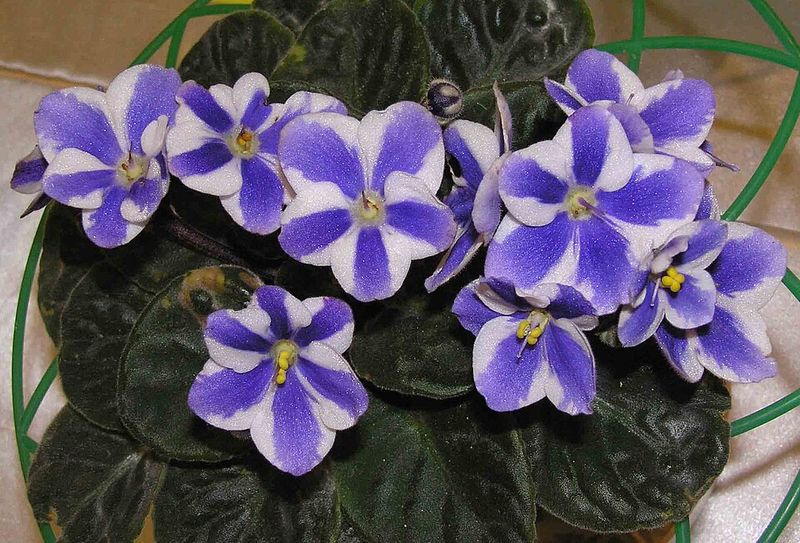
African violets, like many plants, respond to certain types of stress by increasing pigment production.
This happens because pigments such as anthocyanins help protect the plant from environmental challenges.
When applied carefully, controlled stress can deepen or intensify bloom colors in dramatic ways.
Reducing watering slightly for short periods often encourages darker, more saturated blooms.
Cooler night temperatures combined with mild water reduction can amplify the effect even further.
The key is moderation, because too much stress harms the plant rather than beautifies it.
Signs of excessive stress include wilting, leaf curling, or halted growth.
When you start to see the desired color intensity, returning to normal care allows the plant to recover without long-term damage.
Mature and healthy violets tolerate these experiments better than young or delicate ones.
Avoid combining too many stress factors at once, because overwhelming the plant leads to decline rather than gorgeous blooms.
Used wisely, this technique can reveal hidden depths and tones in your violets that you never suspected they possessed.
African violets may not behave like hydrangeas, but that doesn’t make them any less magical.
They respond to light, temperature, nutrition, genetics, and gentle stress in ways that allow growers to influence bloom appearance dramatically.
You can’t change their fundamental color family, but you can bring out entirely new dimensions of the shades they already carry within their DNA.
Experimentation is all part of the fun, and your violets will reward your curiosity with blooms that surprise and delight you again and again.
With these techniques, your indoor garden can become a living palette of shifting tones, vibrant hues, and captivating flower displays.