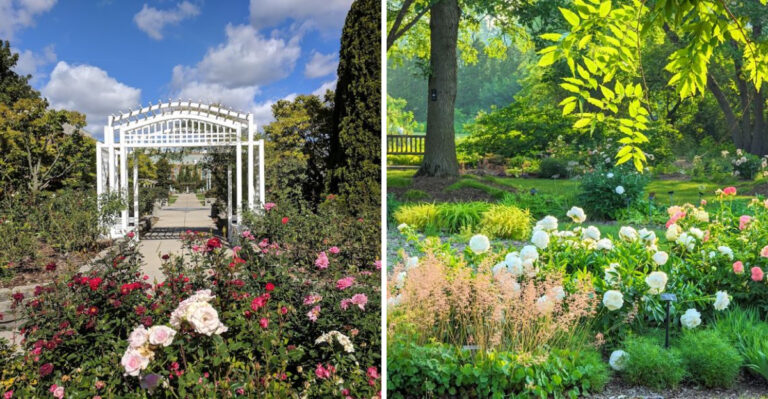
15 Ways To Make Your Michigan Yard More Welcoming To Wildlife Year Round
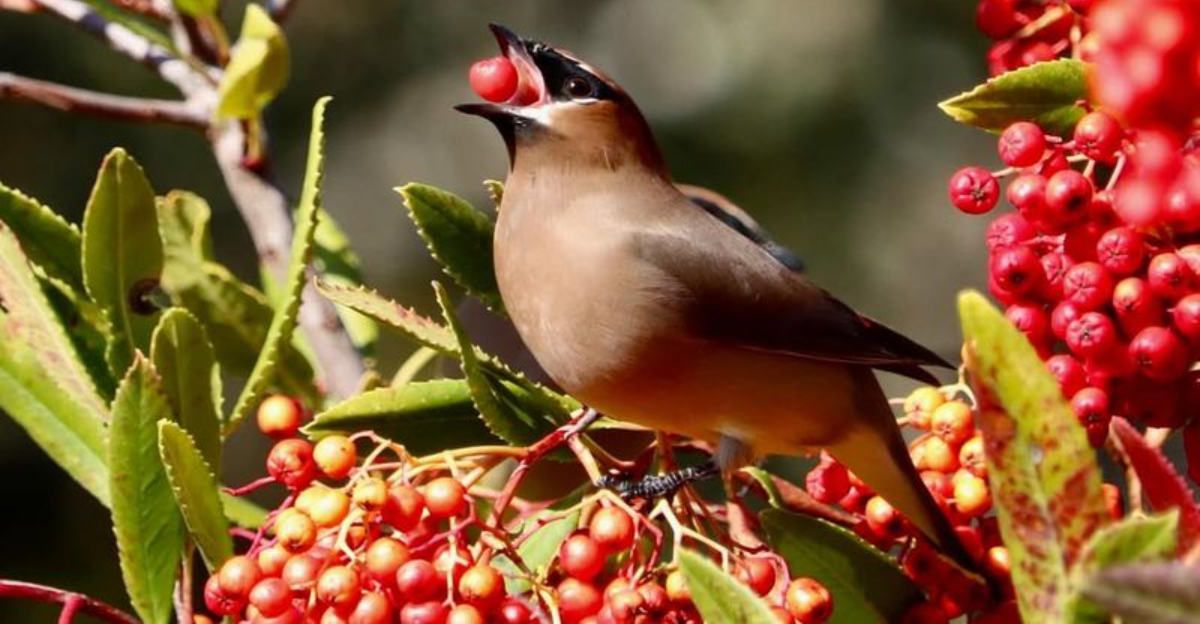
In Michigan, wildlife doesn’t disappear when summer ends—it simply looks for better places to survive.
Yards that offer food, shelter, and water year-round become vital havens for birds, pollinators, and beneficial animals, especially during long winters.
Many homeowners unknowingly make their yards less welcoming by over-cleaning, removing natural shelter, or relying too heavily on chemicals.
Simple changes—like leaving seed heads, planting natives, and providing winter water sources—can dramatically improve habitat without sacrificing curb appeal.
A wildlife-friendly yard isn’t messy; it’s intentional.
Michigan gardeners who embrace seasonal rhythms see more birds in winter, more pollinators in spring, and healthier ecosystems overall.
These changes don’t require major renovations—just a shift in how the yard is used and cared for.
When your yard supports wildlife all year, it becomes more than a landscape.
It becomes part of Michigan’s living network of survival, resilience, and renewal.
1. Plant Native Trees And Shrubs
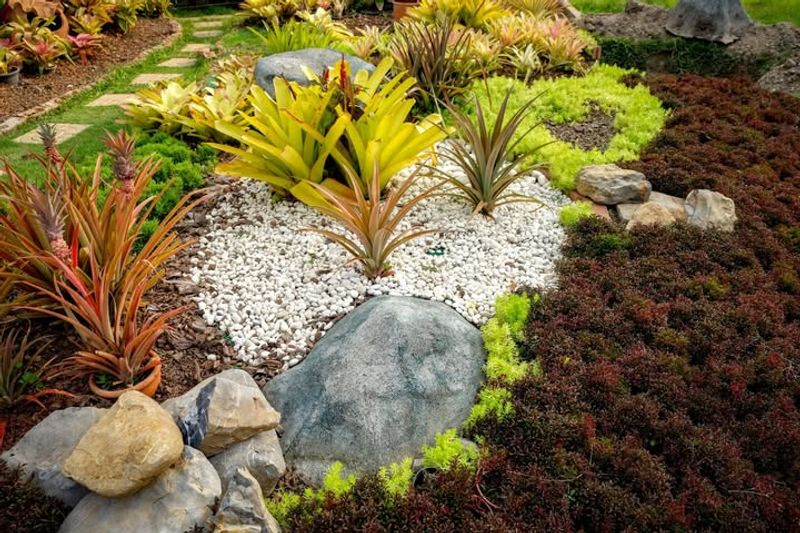
Native Michigan plants have evolved alongside local wildlife for thousands of years, creating partnerships that non-native species simply cannot replicate.
Oak trees alone support over 500 species of caterpillars, which become essential food for nesting birds raising their young.
Serviceberry, dogwood, and elderberry shrubs produce berries that fuel migrating birds in fall and sustain residents through winter.
Non-native ornamentals may look attractive, but they often provide little to no food value for insects and birds.
When you choose native trees and shrubs, you’re building a living buffet that operates year-round.
These plants require less water and maintenance once established because they’re adapted to Michigan’s climate.
Their roots, bark, flowers, seeds, and foliage all play roles in supporting wildlife.
From chickadees to chipmunks, native plantings create a foundation for a healthy, balanced ecosystem right in your backyard.
2. Leave Seed Heads Standing Through Winter
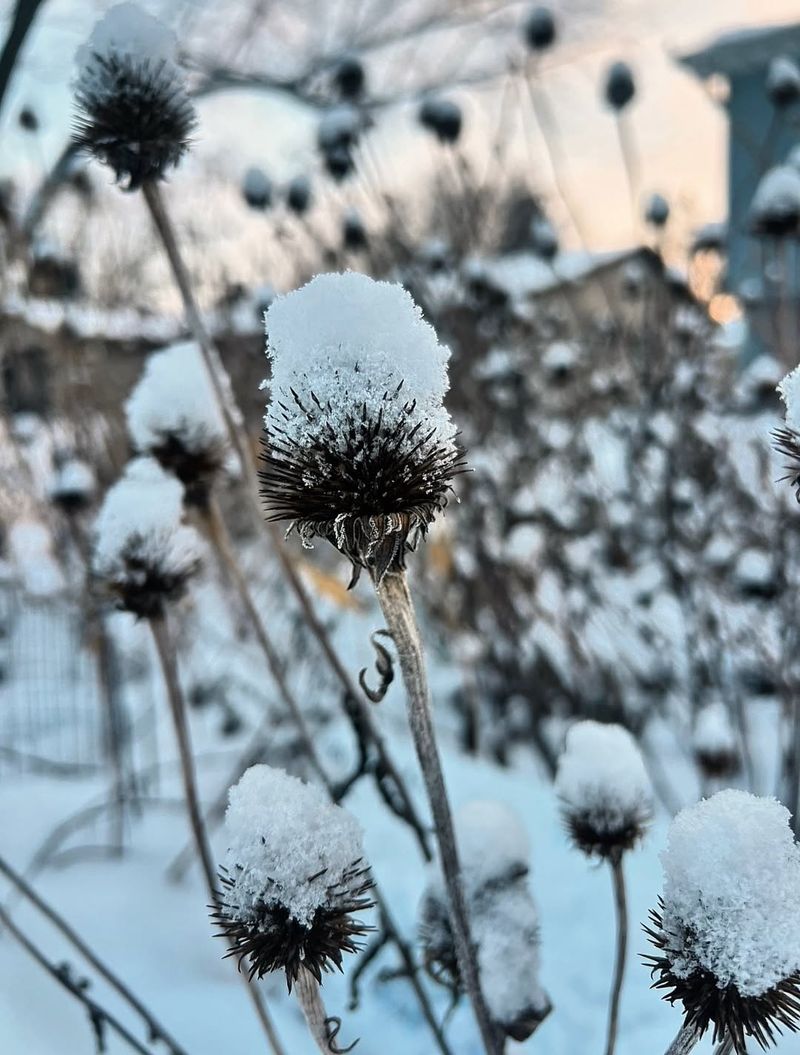
After your coneflowers, black-eyed Susans, and sunflowers finish blooming, resist the urge to cut them down.
Those dried seed heads are treasure troves of nutrition for finches, chickadees, and sparrows during Michigan’s harsh winter months.
Birds will cling to swaying stems, pecking out seeds that provide much-needed calories when other food sources are buried under snow.
Insects also use hollow stems as sheltered spots to overwinter, which in turn supports woodpeckers and other insect-eating birds.
Leaving seed heads standing adds visual interest to your winter landscape with architectural shapes and textures dusted with frost.
You’ll enjoy watching birds visit your garden even on the coldest days, bringing life and movement to an otherwise quiet season.
Come spring, any remaining plant material breaks down naturally, enriching your soil.
This simple act of not tidying up delivers huge benefits for wildlife survival.
3. Keep Leaf Litter Under Trees And Shrubs
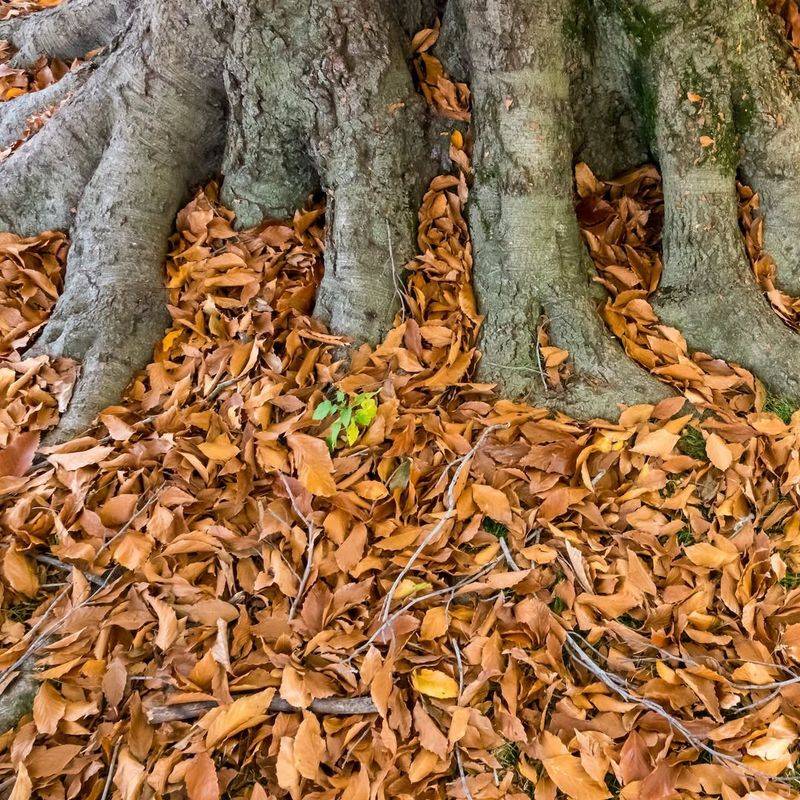
Fallen leaves aren’t messy—they’re a critical layer of protection and habitat for countless creatures.
Beneath those crinkled layers, insects like ladybugs and native bees hunker down to survive freezing temperatures.
Toads, salamanders, and small mammals burrow into leaf litter for warmth and moisture during winter.
The decomposing leaves also feed earthworms and beneficial fungi, which improve soil health and support plant growth.
When you rake away every leaf, you’re removing food, shelter, and breeding grounds that wildlife depends on.
Instead, let leaves settle naturally under shrubs, around trees, and in garden beds where they won’t smother your lawn.
This practice mimics what happens in forests, where leaf litter is essential to the ecosystem’s health.
You’ll reduce yard work while giving butterflies, moths, and fireflies a better chance of surviving to the next season.
4. Provide A Reliable Water Source
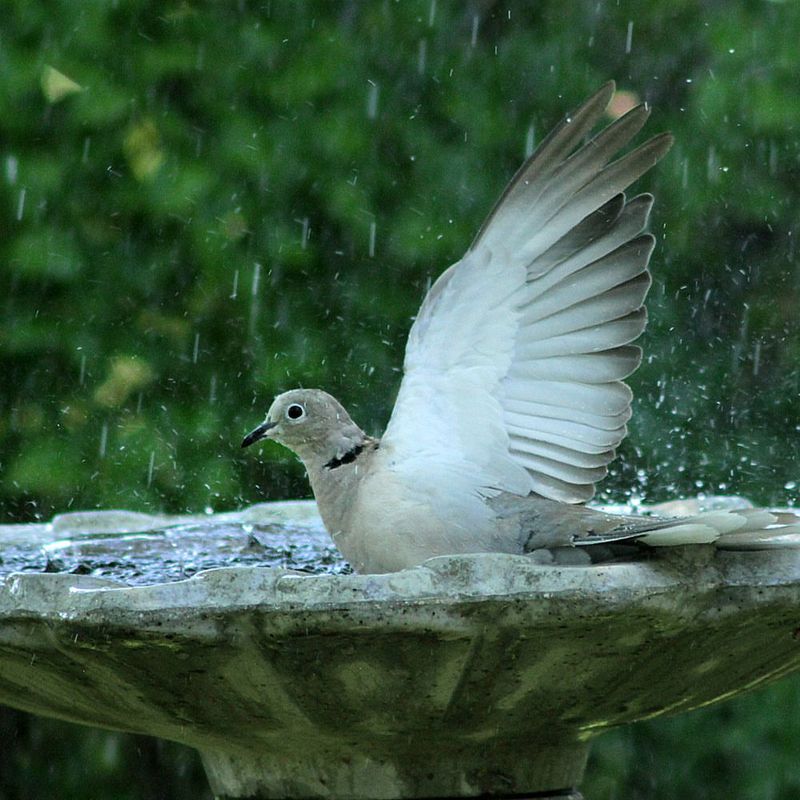
Every creature needs water, and offering a consistent source can make your yard a destination for wildlife year-round.
A shallow birdbath, small pond, or even a large dish with stones for perching will attract birds, butterflies, bees, and mammals.
During summer, water helps animals stay hydrated and cool, while in winter it becomes scarce when ponds and streams freeze.
Adding a small heater to a birdbath keeps water accessible even on frigid Michigan mornings.
Shallow edges are crucial—deep water can be dangerous for small birds and insects that need to drink safely.
Change the water regularly to prevent mosquitoes from breeding and to keep it fresh and inviting.
Position your water source near shrubs or trees so birds can quickly escape to cover if predators approach.
Watching wildlife visit your water feature adds joy and connection to the natural world right outside your window.
5. Use Evergreens For Winter Shelter
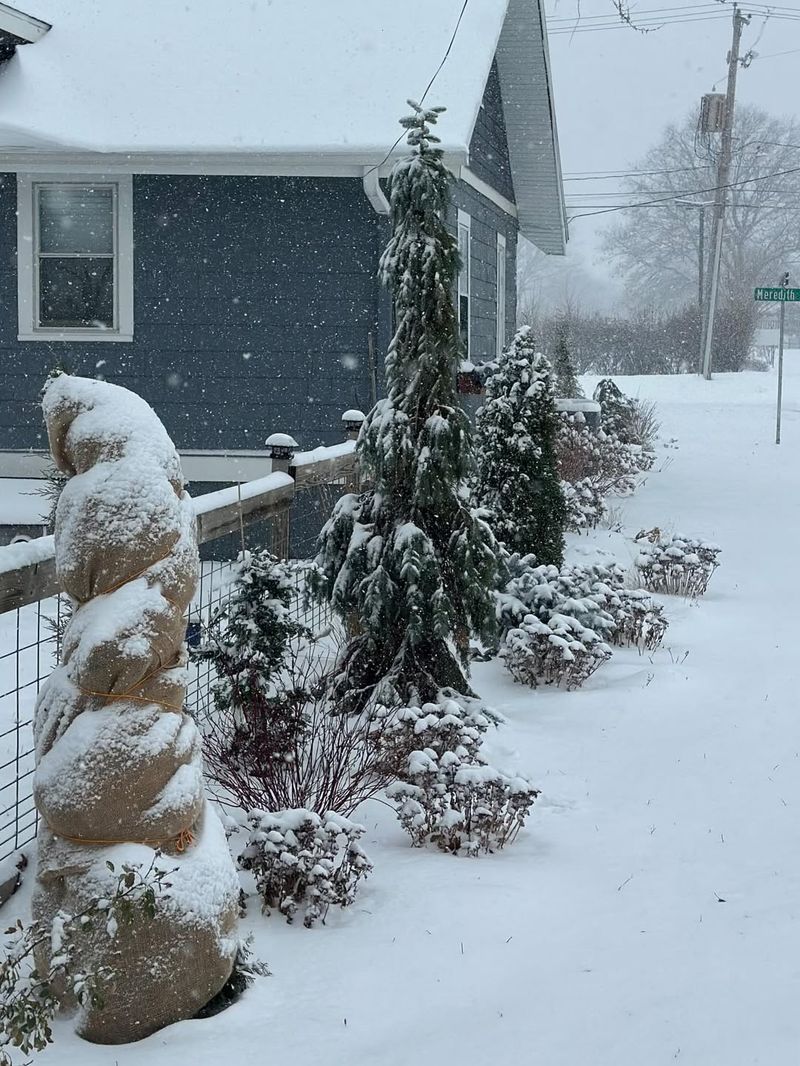
When icy winds howl across Michigan, evergreen trees and shrubs become lifesaving refuges for birds and small mammals.
Dense branches block wind, trap warmth, and provide hiding spots from predators like hawks and owls.
Species like juniper, white pine, and spruce offer year-round cover that deciduous trees cannot match once their leaves drop.
Cardinals, juncos, and chickadees roost inside evergreen foliage on cold nights, conserving precious energy.
Rabbits and squirrels also seek shelter beneath low-hanging evergreen boughs during storms.
Planting evergreens in clusters or hedgerows creates even better protection by forming windbreaks.
These plants also produce cones that feed squirrels, crossbills, and other seed-eating wildlife.
By incorporating evergreens into your landscape, you’re building a cozy, protective habitat that functions beautifully in every season, especially when wildlife needs it most.
6. Avoid Pesticides And Herbicides
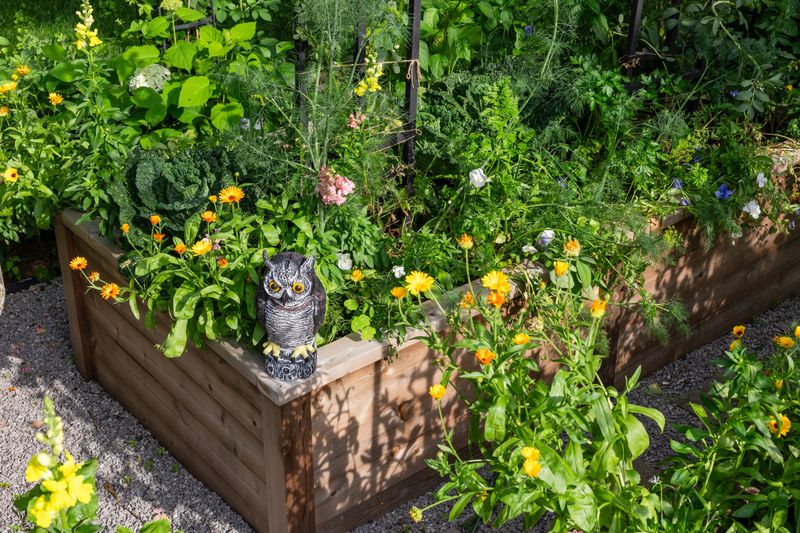
Chemical lawn treatments might promise a perfect green carpet, but they come at a steep cost to wildlife.
Pesticides eliminate insects indiscriminately, wiping out beneficial pollinators, beetles, and caterpillars that birds need to feed their young.
Herbicides reduce plant diversity, removing wildflowers and native plants that support complex food webs.
Frogs, toads, and salamanders absorb toxins through their skin, making them especially vulnerable to chemical exposure.
Even small amounts of pesticides can accumulate in the environment, harming creatures far beyond your yard’s borders.
A truly wildlife-friendly yard embraces a few weeds and imperfections as signs of a healthy, balanced ecosystem.
Natural pest control—like attracting ladybugs, birds, and spiders—works effectively without poisoning the environment.
By going chemical-free, you’re protecting the intricate web of life that makes your yard vibrant and resilient.
7. Add Native Flowers That Bloom Across Seasons
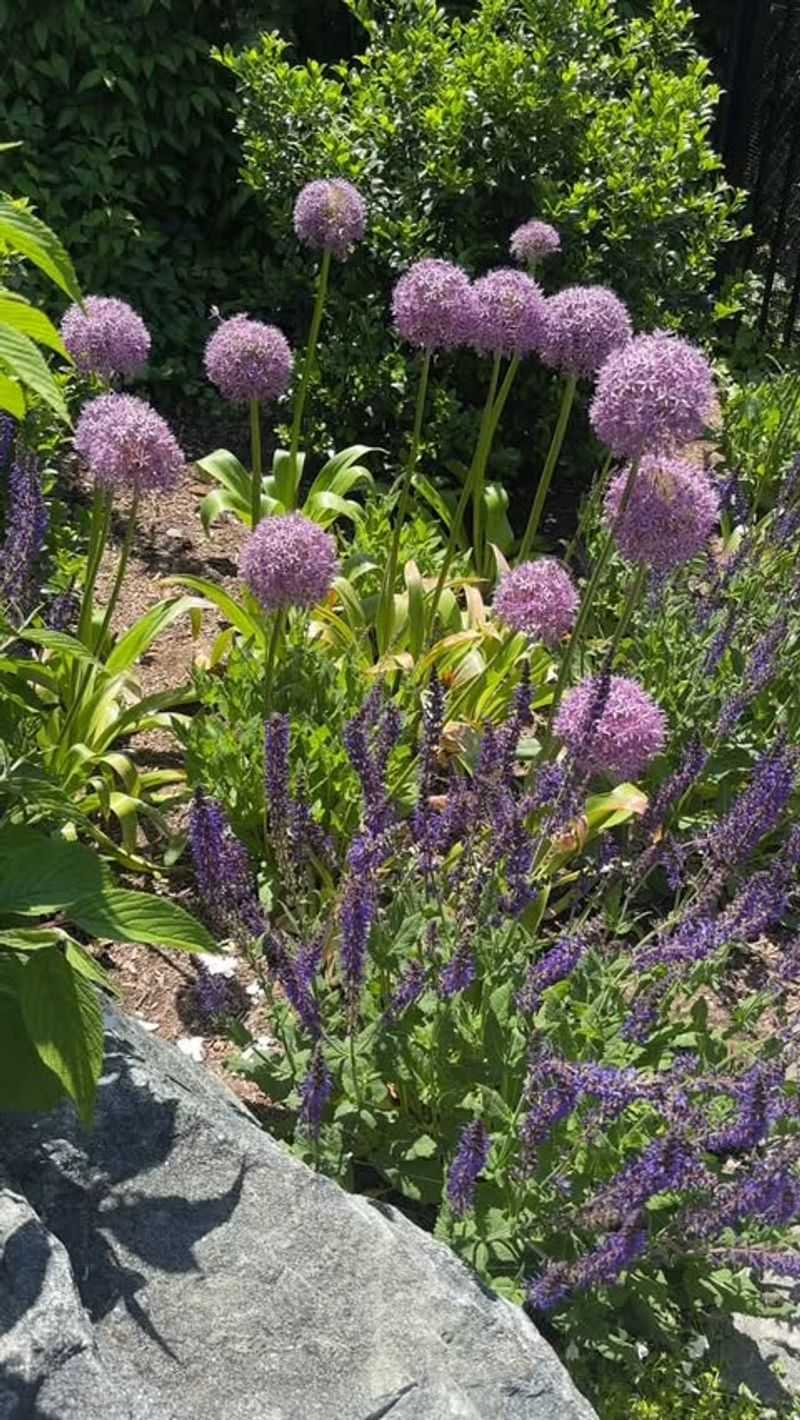
Pollinators need nectar and pollen from early spring through late fall, not just during summer’s peak.
Planting native flowers with staggered bloom times ensures that bees, butterflies, and hummingbirds always find food.
Spring ephemerals like trillium and bloodroot emerge early, feeding the first bees and flies of the season.
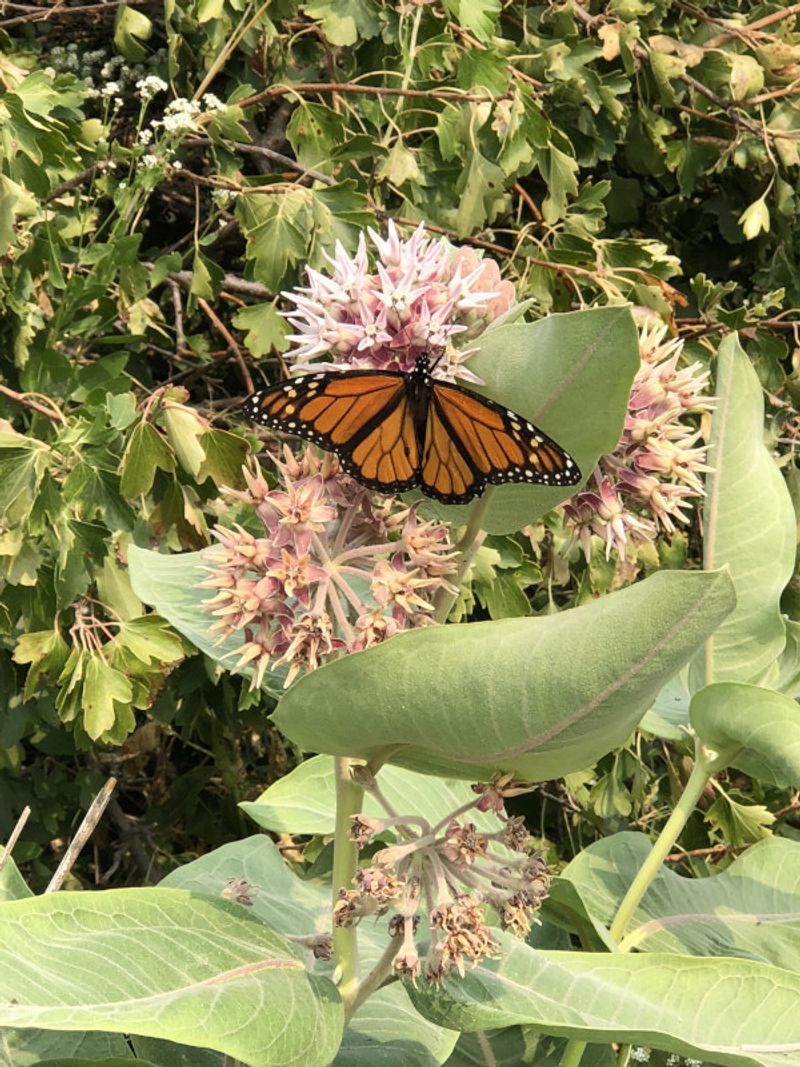
Summer bloomers like bergamot and milkweed support monarchs and swallowtails during their breeding cycles.
Late-season flowers such as asters and goldenrod provide critical fuel for migrating monarchs and other insects preparing for winter.
Native flowers are adapted to Michigan’s soil and climate, requiring less water and care than exotic garden varieties.
They also support specialist pollinators that depend on specific plants for survival.
By planning a succession of blooms, you create a vibrant, ever-changing landscape that hums with life from snowmelt to first frost.
8. Create Brush Piles Or Log Stacks
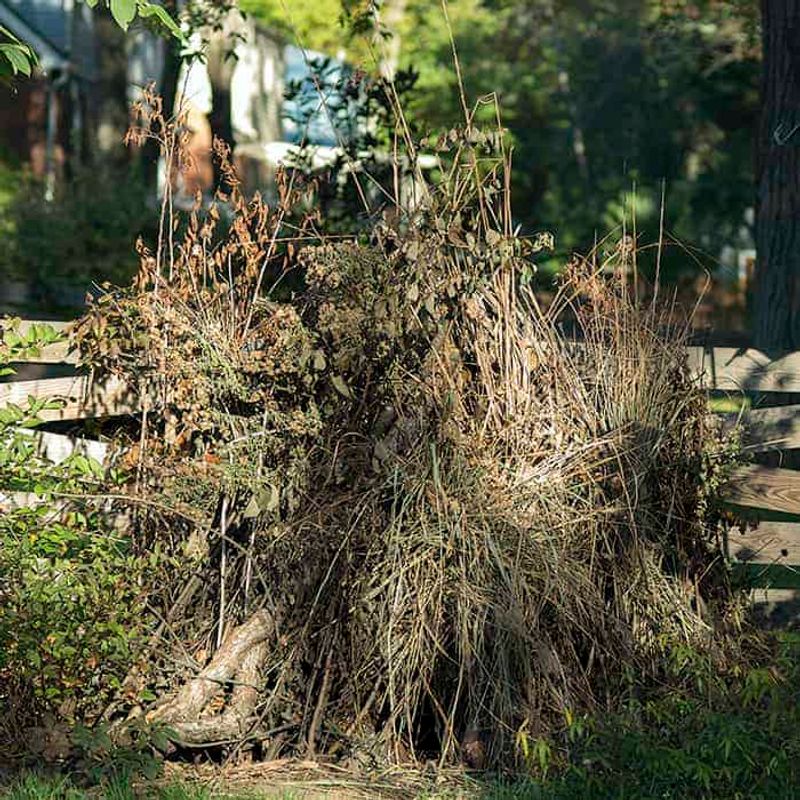
A messy pile of branches and logs might look untidy, but to wildlife it’s prime real estate.
Brush piles offer nesting spots for wrens and sparrows, hiding places for chipmunks and rabbits, and overwintering sites for insects and amphibians.
Stacking logs and branches loosely creates gaps and cavities where creatures can take shelter from weather and predators.
As the wood slowly decomposes, it feeds fungi, beetles, and other decomposers that enrich your soil.
These decomposers then become food for woodpeckers, salamanders, and small mammals, supporting the entire food chain.
You don’t need a massive pile—even a small stack tucked in a corner or along a fence line provides valuable habitat.
Position your brush pile away from your house to keep wildlife at a comfortable distance.
This low-cost, low-maintenance addition transforms yard waste into a thriving micro-habitat.
9. Leave Standing Snags When Safe
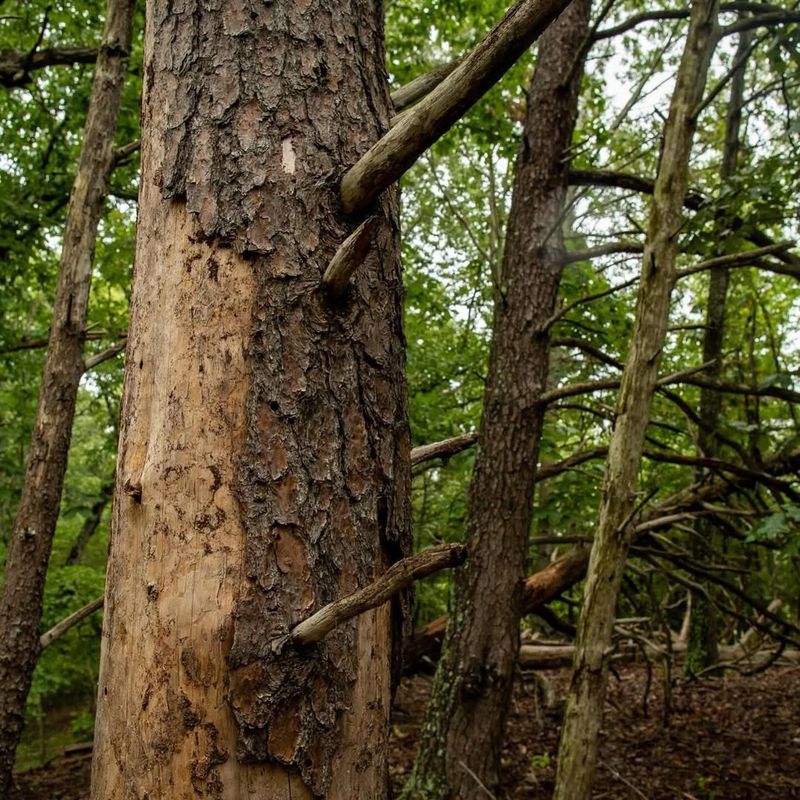
Standing trunks might seem like eyesores, but they’re among the most valuable habitat features in any yard.
Woodpeckers excavate cavities in softening wood, creating homes for themselves and future tenants like chickadees, nuthatches, and flying squirrels.
Insects colonize the bark and wood, providing abundant food for woodpeckers, warblers, and other insect-eating birds.
Owls and hawks use snags as hunting perches, scanning for mice and voles below.
If a tree poses no danger to structures or people, consider leaving at least part of the trunk standing.
Even a shortened snag offers tremendous benefits while reducing safety concerns.
Fungi, lichens, and mosses colonize the bark, adding biodiversity and visual interest.
By letting nature take its course, you’re supporting cavity-nesting species that struggle to find homes in manicured landscapes.
10. Plant Native Grasses For Cover And Nesting
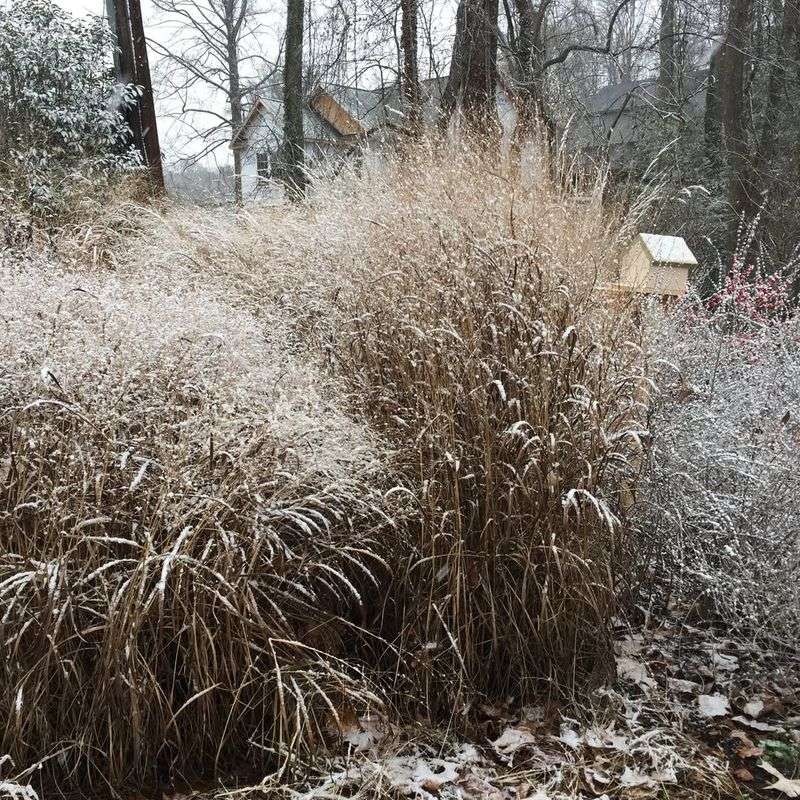
Native grasses like little bluestem, switchgrass, and Indiangrass provide structure and resources that wildlife needs throughout the year.
Their dense clumps offer safe nesting sites for ground-nesting birds like sparrows and protective cover for rabbits and voles.
Seeds from native grasses feed songbirds during fall and winter when other food sources dwindle.
The sturdy stems remain standing through snow and ice, continuing to provide shelter and food even in harsh conditions.
Native grasses also develop deep root systems that prevent erosion, filter rainwater, and improve soil health.
Unlike turf grass, they require no mowing, fertilizing, or watering once established.
Their graceful movement and seasonal color changes add beauty and texture to your landscape.
Planting native grasses transforms unused lawn areas into dynamic, low-maintenance habitats that support a wide range of wildlife.
11. Offer Natural Food Sources Instead Of Just Feeders
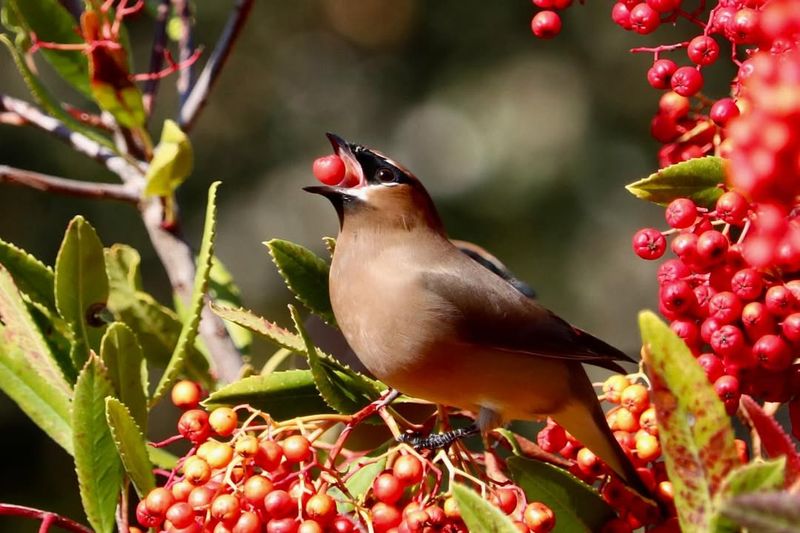
Bird feeders are helpful supplements, but they can’t replace the nutritional diversity that natural food sources provide.
Berries from shrubs like winterberry and viburnum deliver fats and sugars that fuel birds through migration and cold snaps.
Nuts from oaks and hickories sustain squirrels, jays, and woodpeckers with protein-rich calories.
Insects from native plants provide essential protein for nestlings, which cannot thrive on seeds alone.
Relying solely on feeders can create dependency and spread disease when birds crowd together.
Natural food sources are self-renewing, requiring no refilling or maintenance once plants are established.
They also support the entire ecosystem, feeding not just birds but also mammals, reptiles, and other insects.
By growing a variety of native plants, you’re offering a balanced, reliable diet that keeps wildlife healthy and resilient year-round.
12. Provide Nesting Boxes Where Appropriate
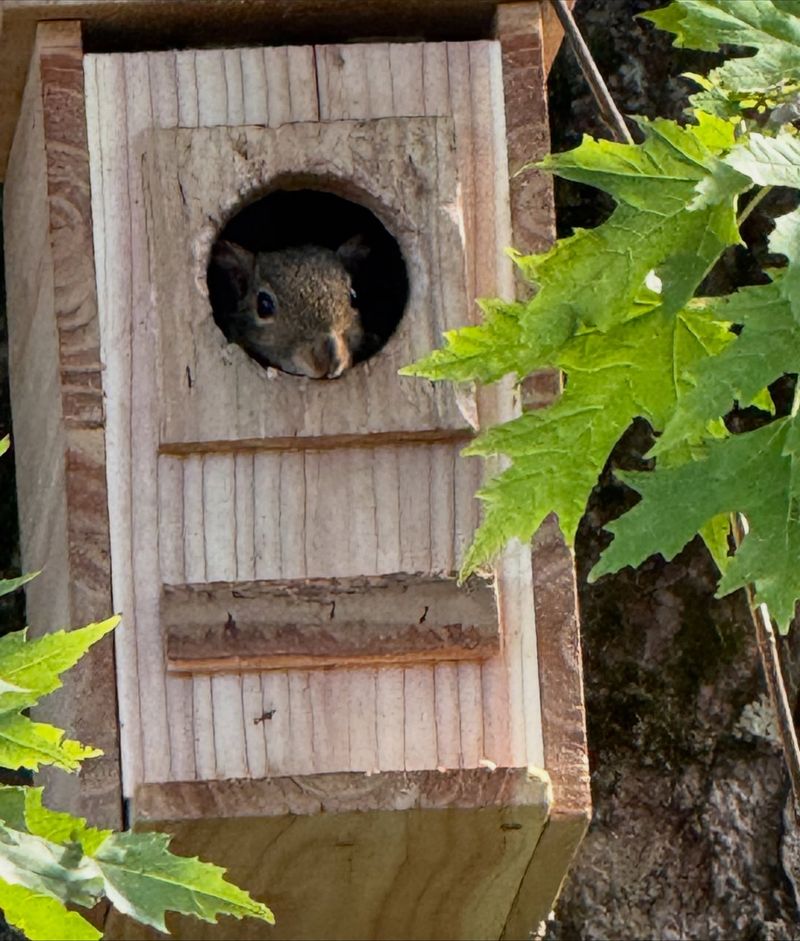
Many Michigan birds and bats struggle to find suitable nesting cavities in modern landscapes where old trees are scarce.
Properly designed and placed nesting boxes can fill this gap, supporting species like bluebirds, chickadees, wrens, and even screech owls.
Each species has specific requirements for hole size, box dimensions, and mounting height, so research before installing.
Position boxes away from feeders and in locations with some morning sun but afternoon shade to prevent overheating.
Clean out old nests after each breeding season to reduce parasites and make room for new residents.
Bat boxes provide roosting sites for these incredible insect-eaters, which can consume thousands of mosquitoes each night.
Avoid placing too many boxes too close together, as this can increase competition and stress.
When done thoughtfully, nesting boxes offer safe havens that boost local wildlife populations without disrupting natural behaviors.
13. Reduce Lawn Size Gradually
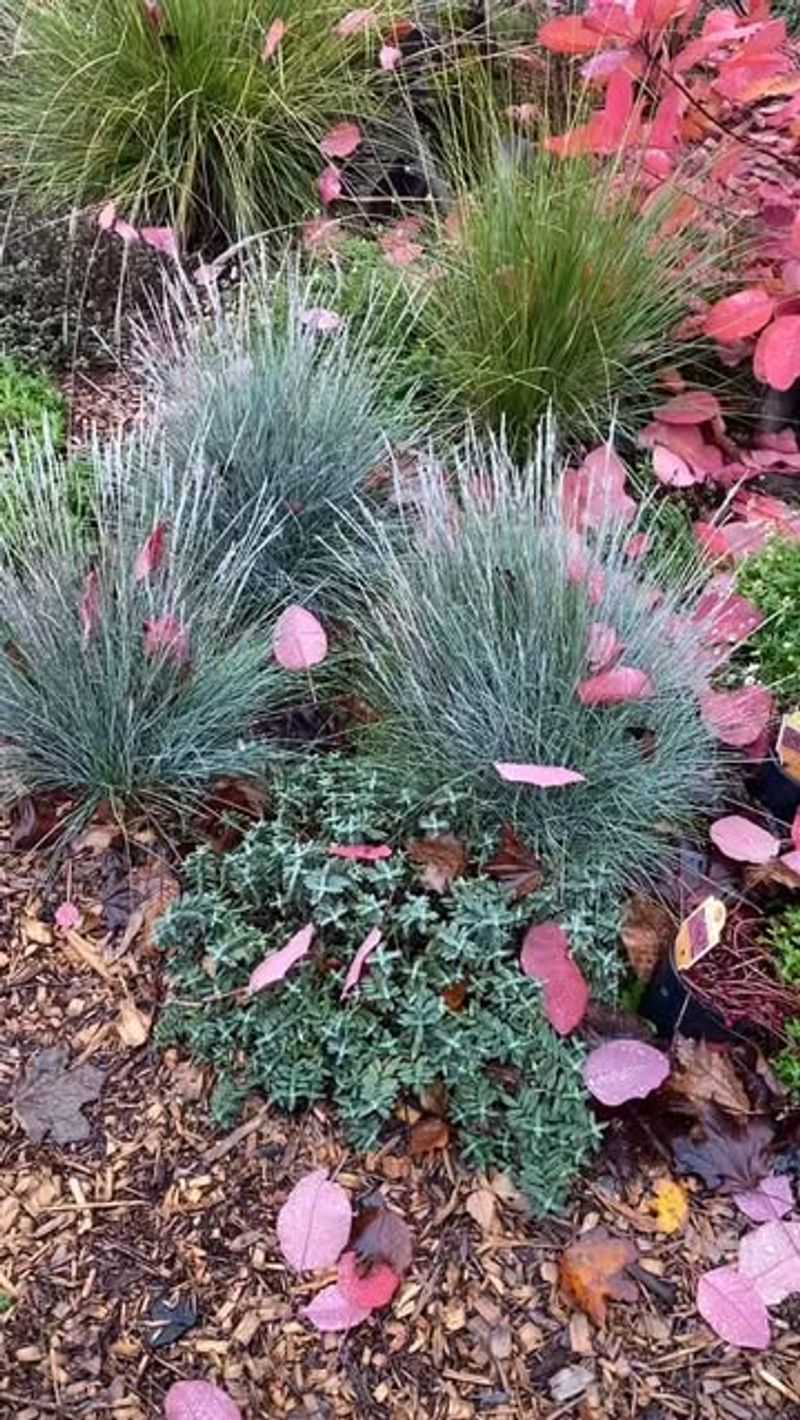
Traditional turf lawns offer almost nothing to wildlife—they’re green deserts that require constant mowing, watering, and chemical inputs.
Replacing even a portion of your lawn with native plantings creates habitat, reduces maintenance, and conserves water.
Start small by converting a corner, border, or strip along your fence into a wildflower meadow or native garden bed.
As plants establish and you see wildlife respond, you can expand further at your own pace.
Native plantings need less mowing, no fertilizer, and minimal watering once their deep roots take hold.
You’ll spend less time on yard work and more time enjoying butterflies, birds, and blooming flowers.
Reduced lawn size also means fewer emissions from mowers and less runoff carrying pollutants into local waterways.
Each square foot of lawn you convert becomes a step toward a healthier, more vibrant ecosystem.
14. Maintain Quiet, Undisturbed Areas
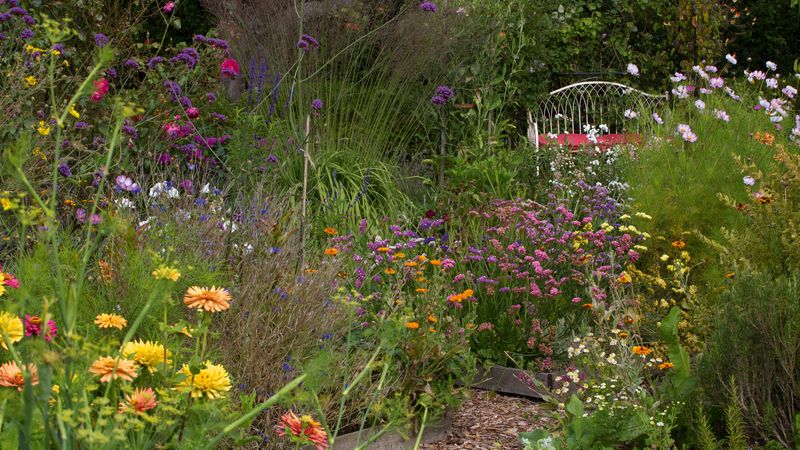
Wildlife thrives when it feels safe, and that means providing spaces where human activity is minimal.
Designating a corner of your yard as a quiet zone—free from foot traffic, loud noises, and frequent disturbances—encourages shy species to settle in.
Ground-nesting bees, nesting birds, and small mammals need peaceful areas to raise their young without constant interruptions.
Avoid excessive pruning, raking, or landscaping in these zones, letting nature take the lead.
Over time, these undisturbed areas develop into rich, layered habitats with diverse plant and animal life.
You don’t need a large space—even a small, neglected corner can become a haven for wildlife.
Resist the urge to tidy up every inch of your yard; wildness has its own beauty and value.
By stepping back and letting nature flourish, you’ll be rewarded with sightings of creatures that would otherwise never visit.
15. Keep Wildlife-Friendly Practices Year Round
Supporting wildlife isn’t a seasonal hobby—it’s a year-round commitment that pays dividends in biodiversity and beauty.
Many people focus on summer when gardens are lush, but winter and early spring are when wildlife needs help most.
Keep water sources thawed, leave seed heads and grasses standing, and resist the urge to clean up too early in spring.
Insects emerging from hibernation need early blooms, and migrating birds need shelter and food as soon as they arrive.
Consistent habitat support means wildlife can rely on your yard as a dependable refuge through every season’s challenges.
By maintaining your wildlife-friendly practices all year, you’re creating a stable ecosystem where species can complete their full life cycles.
Your yard becomes part of a larger network of habitats that support healthy, resilient wildlife populations.
The rewards—birdsong, butterflies, blooming flowers, and the hum of life—will surround you every single day.