9 Ways To Start Seeds In Toilet Paper Rolls Before Spring In New York
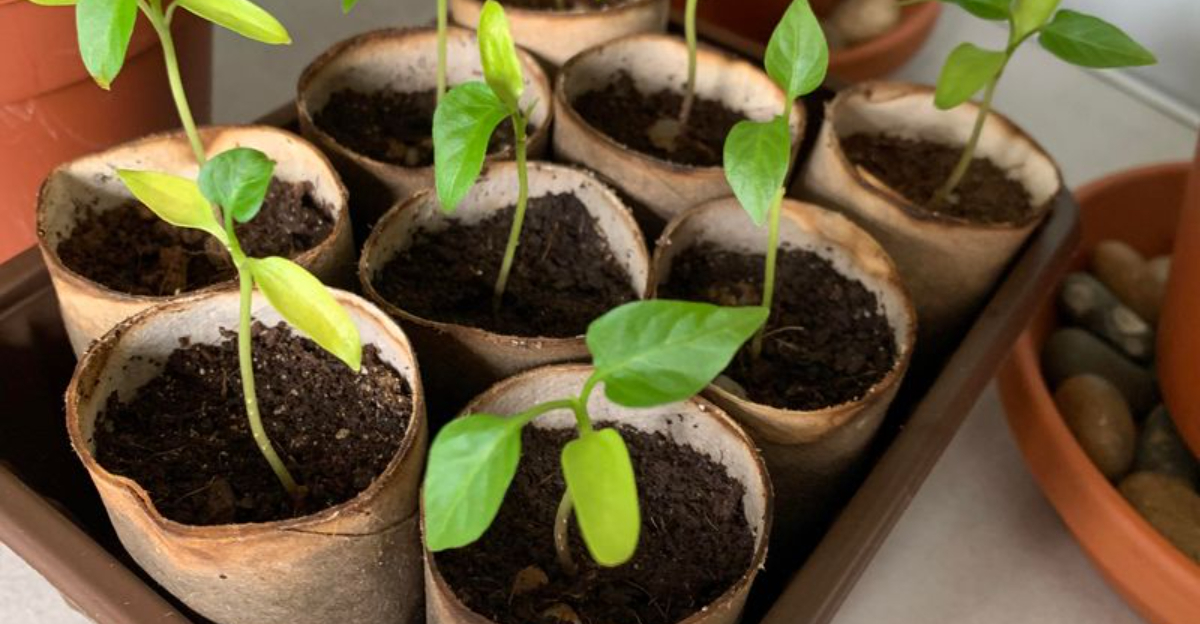
Winter in New York can feel long and frozen, but gardeners don’t have to wait until spring to get a jumpstart. Even small household items—like empty toilet paper rolls—can be transformed into biodegradable, eco-friendly seed-starting pots.
It’s an easy, inexpensive, and surprisingly effective way to nurture seedlings indoors. Who knew your bathroom supplies could jumpstart your garden?
These nine creative methods show how to turn toilet paper rolls into mini greenhouses for herbs, flowers, and vegetables.
From adding drainage holes and using soil plugs to labeling and organizing seedlings, these tips make indoor seed-starting tidy, productive, and fun; even in small apartments or homes with limited space. Recycle, repurpose, and grow, your seeds will thank you!
For New York gardeners, using toilet paper rolls is a smart way to save money, reduce waste, and prepare for a healthy spring garden. With just a little creativity, you can start seeds early, watch them flourish indoors, and be ready to transplant as soon as the weather allows.
Winter isn’t downtime, your garden can grow now!
1. Create Deep Root Starters For Early Vegetables
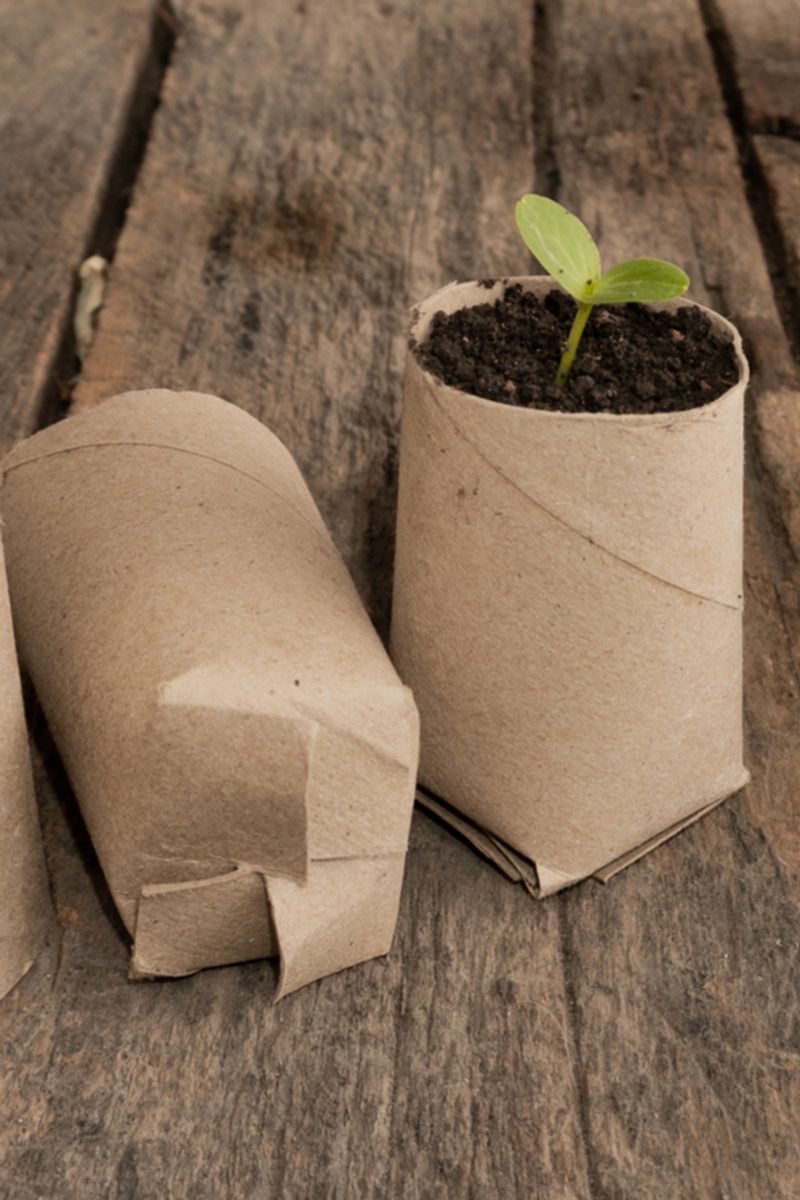
Tomatoes and peas need room to stretch their roots downward, and toilet paper rolls give them exactly that kind of space right from the start. When you plant seeds in these tall tubes, the roots naturally grow straight down instead of circling around like they might in shallow containers.
This downward growth pattern creates stronger, healthier seedlings that establish themselves faster once you move them outdoors.
New York’s unpredictable spring weather means soil often stays cold and wet well into April, making indoor seed starting essential for warm-season crops. By giving tomato and pea seedlings several weeks of growth time indoors, you help them develop robust root systems before the ground outside becomes workable.
The extra depth of toilet paper rolls encourages roots to explore and expand, building the foundation for vigorous plants.
Setting up your rolls is simple and requires minimal materials beyond the tubes themselves. Fill each roll with quality seed-starting mix, plant your seeds according to packet directions, and water gently until the soil feels evenly moist.
Place the rolls in a tray to catch drainage, and position them where they’ll receive plenty of light and warmth to encourage quick germination and steady growth throughout late winter.
2. Prevent Transplant Shock By Planting The Whole Roll
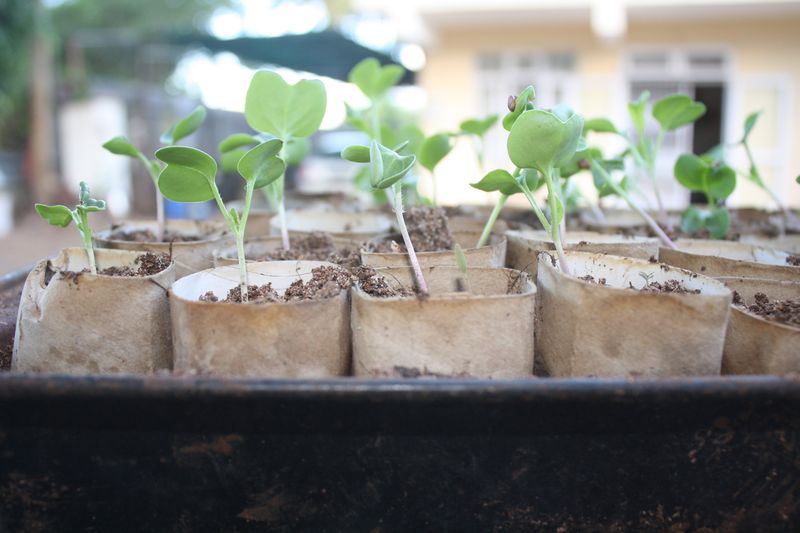
One of the biggest advantages of using toilet paper rolls for seed starting is that you never have to disturb the delicate roots when transplant time arrives. Because cardboard breaks down naturally in soil, you can plant the entire roll directly into your garden bed without removing the seedling.
This method protects fragile root hairs from damage and helps plants settle into their new home with minimal stress. Transplant shock happens when roots get torn or exposed during the moving process, causing plants to wilt, slow their growth, or even struggle to survive.
Young seedlings are especially vulnerable during this transition period, and anything you can do to minimize root disturbance makes a huge difference in their success rate.
Biodegradable containers like toilet paper rolls eliminate this risk entirely by becoming part of the soil ecosystem.
Before planting, make four small vertical cuts along the bottom of each roll to help roots break through more easily once they’re in the ground. Bury the entire roll so that the top edge sits just below the soil surface, preventing it from wicking moisture away from your plant.
Within a few weeks, the cardboard will soften and decompose, allowing roots to spread freely while enriching the surrounding soil with organic matter.
3. Use Rolls To Start Cool-Season Crops Indoors
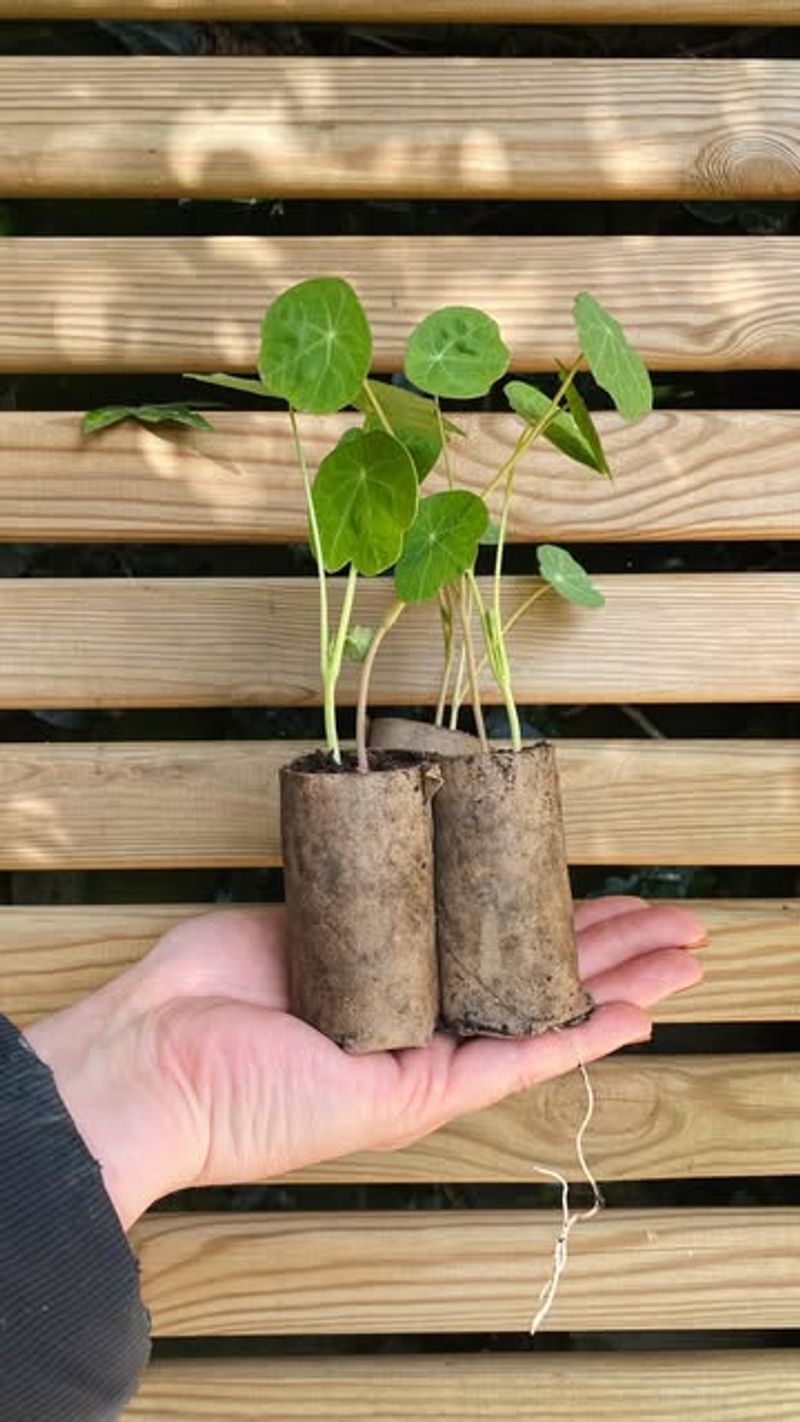
Lettuce, kale, and broccoli absolutely love cool weather, making them perfect candidates for early indoor starting in New York’s chilly late-winter months.
These hardy vegetables can handle temperatures that would make tomatoes shiver, and they actually prefer growing in the cooler conditions you’ll find near windows or in unheated sunrooms.
Toilet paper rolls provide just the right amount of space for these crops to develop strong roots before heading outdoors.
Starting cool-season vegetables indoors gives you fresh greens and nutritious brassicas weeks earlier than direct-sowing outside would allow. New York gardeners can plant seeds in toilet paper rolls as early as late February or early March, giving seedlings time to mature indoors while snow still covers the garden.
By the time the ground thaws and temperatures stabilize in April, your plants will be ready to transplant and start producing.
Cool-season crops don’t need tropical warmth to germinate, which makes them forgiving and easy to grow on windowsills without special heating mats. Fill your rolls with moistened seed-starting mix, plant seeds at the recommended depth, and keep the soil consistently damp but never soggy.
Most cool-season vegetables will sprout within a week or two, rewarding you with vibrant green growth that promises delicious harvests ahead.
4. Line Rolls In A Tray To Keep Them Upright
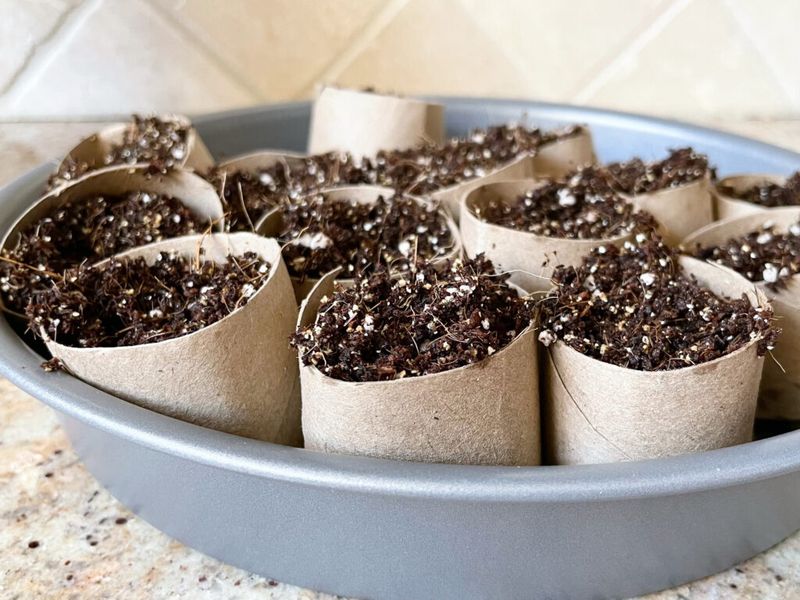
Toilet paper rolls work wonderfully as seed containers, but their lightweight construction means they can tip over easily if not properly supported. Arranging them snugly in a shallow tray or cardboard box solves this problem instantly, creating a stable grid that keeps every roll standing straight and secure.
This simple setup trick makes watering, moving, and monitoring your seedlings much more convenient throughout the growing process.
Choose a tray with low sides that won’t block light from reaching your seedlings as they grow taller and develop their first true leaves. Plastic cafeteria trays, disposable aluminum baking pans, or even sturdy cardboard boxes lined with plastic bags all work perfectly for this purpose.
Pack the rolls tightly together so they support each other, leaving no gaps where individual tubes might lean or fall over when you pick up the tray.
Having all your seedlings organized in one movable unit makes it easy to shift them around as needed for optimal light exposure or temperature control.
You can rotate the entire tray to ensure even growth, carry it outside for hardening off when spring approaches, or move it away from cold windows on particularly frigid nights.
The tray also catches any water that drains through the cardboard, protecting your windowsills and furniture from moisture damage while keeping your growing area neat and tidy.
5. Cut Rolls To Different Heights For Different Plants
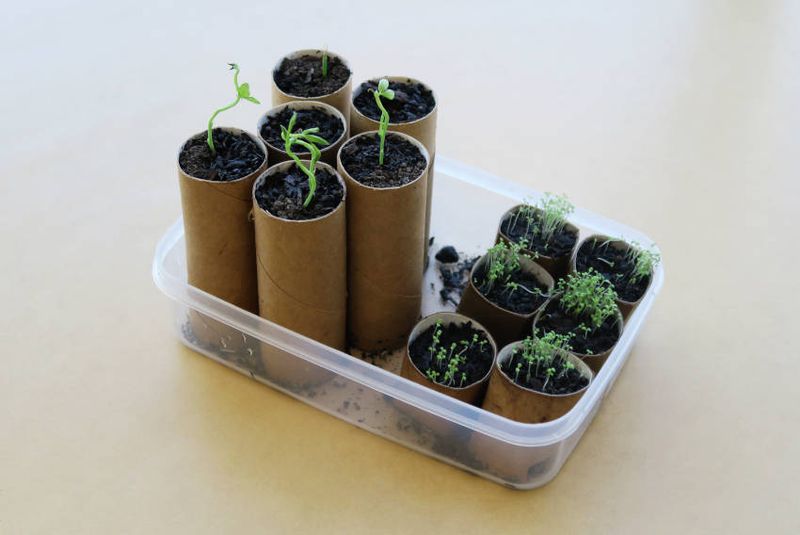
Not every plant needs the same amount of root space, and customizing your toilet paper rolls by cutting them to different heights lets you match container depth to each crop’s specific needs.
Shallow-rooted herbs like basil, cilantro, and parsley do just fine in shorter tubes, while vegetables with deeper root systems benefit from the full height of an uncut roll. This flexibility helps you make the most of your materials while giving each plant exactly what it requires.
Trimming rolls shorter also allows you to fit more containers in a limited space, which matters when you’re working with small windowsills or compact growing areas. You can cut rolls in half to create two shallow pots from one tube, doubling your capacity for herbs and flowers that don’t need much depth.
Use clean scissors or a sharp knife to make straight cuts, creating uniform containers that stack and arrange neatly in your trays.
Keep the taller, full-length rolls for tomatoes, peppers, cucumbers, and other vegetables that develop extensive root systems early in their growth. These plants appreciate the extra vertical space, which encourages downward root development and creates sturdier seedlings that transplant successfully.
By matching container depth to plant requirements, you optimize growing conditions while reducing waste and making efficient use of every cardboard tube you save from the recycling bin.
6. Label Each Roll To Stay Organized
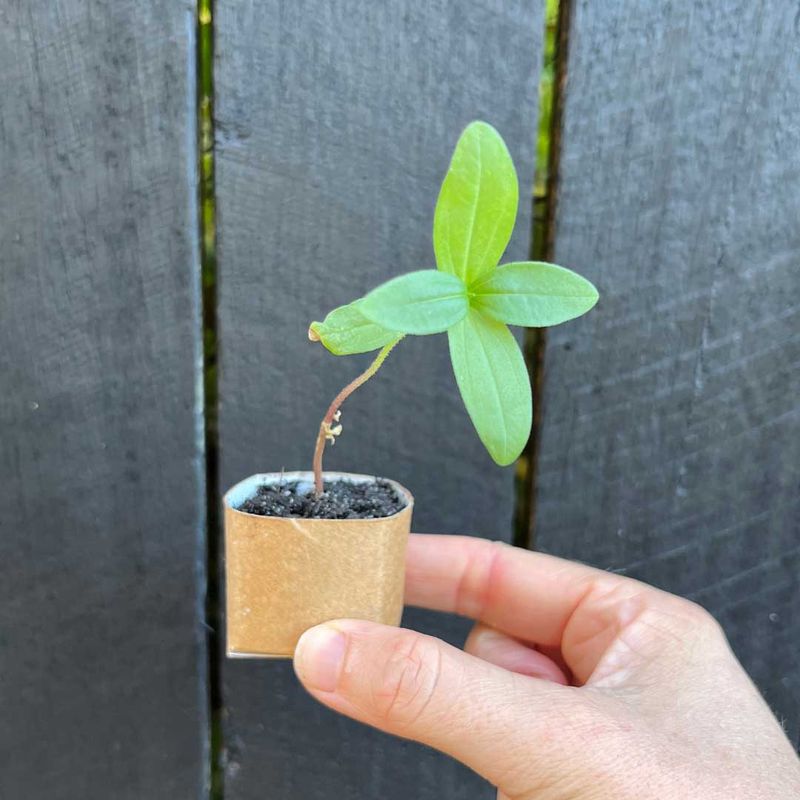
When you’re growing multiple varieties of vegetables and herbs, keeping track of what’s planted where becomes crucial for proper care and planning. Toilet paper rolls offer a built-in labeling surface since you can write directly on the cardboard with a permanent marker or pen.
This simple organizational strategy helps you remember planting dates, variety names, and any special notes about each seedling as you manage your indoor garden through late winter and early spring.
New York gardeners juggling dozens of seedlings during the busy pre-spring period will appreciate having clear labels that don’t fade or fall off like stick-on tags sometimes do.
Write the plant name on one side of the roll and the date you planted the seeds on another side, creating a complete record that stays with the seedling from germination through transplant.
You can also note the expected transplant date or any specific care requirements that particular variety might need.
Good labeling prevents mix-ups that could lead to planting sun-loving tomatoes in shady spots or putting sprawling squash where you intended compact lettuce. It also helps you track which varieties perform best in your growing conditions, building valuable knowledge for future seasons.
The cardboard surface accepts ink beautifully, and the information remains readable even after the rolls get damp from watering, making this method both practical and reliable throughout the entire seed-starting journey.
7. Control Moisture Better Than Plastic Seed Trays
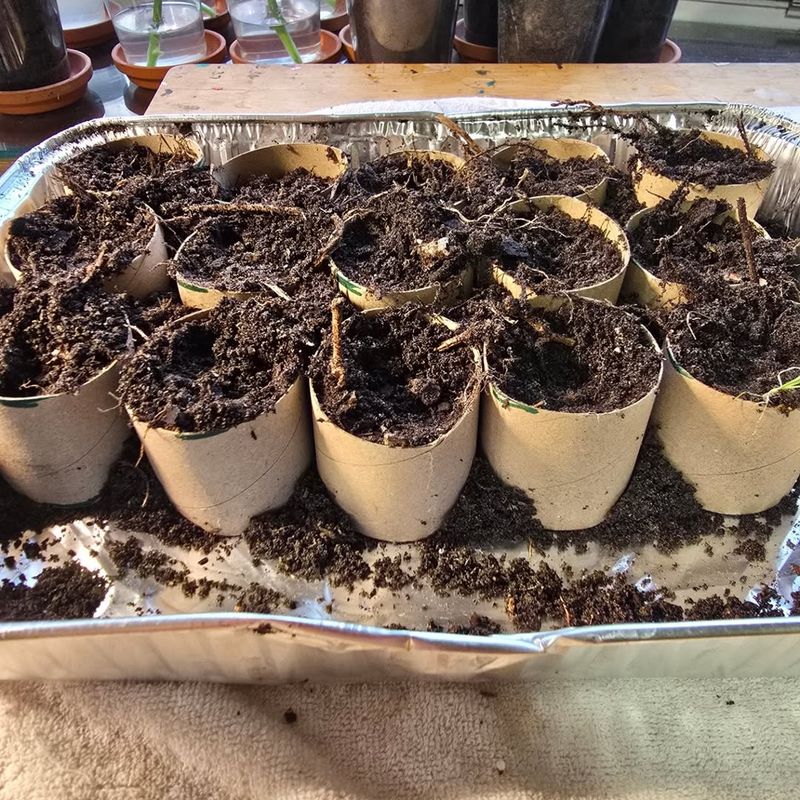
Cardboard’s natural ability to absorb and release moisture creates a healthier growing environment for seedlings compared to non-porous plastic containers. Toilet paper rolls wick away excess water from the soil, preventing the soggy conditions that lead to mold growth and damping-off disease.
This breathable quality becomes especially valuable during New York’s cool indoor conditions in late winter, when air circulation might be limited and temperatures fluctuate.
Damping-off is a frustrating fungal problem that causes seedlings to collapse and wither just as they’re getting started, often striking when soil stays too wet for too long.
The porous nature of cardboard helps regulate moisture levels automatically, drawing surplus water away from delicate roots while still maintaining the consistent dampness seedlings need.
This self-regulating feature makes toilet paper rolls more forgiving for beginning gardeners who might accidentally overwater their plants.
You’ll notice that cardboard rolls dry out slightly faster than plastic trays, which actually encourages you to check your seedlings more regularly and develop better watering habits. This increased attention helps you spot potential problems early and respond before they become serious.
The improved air circulation around roots also promotes stronger, healthier growth and reduces the musty smells that sometimes develop in enclosed plastic seed-starting systems during extended indoor growing periods.
8. Use Rolls Under Grow Lights Or Sunny Windows
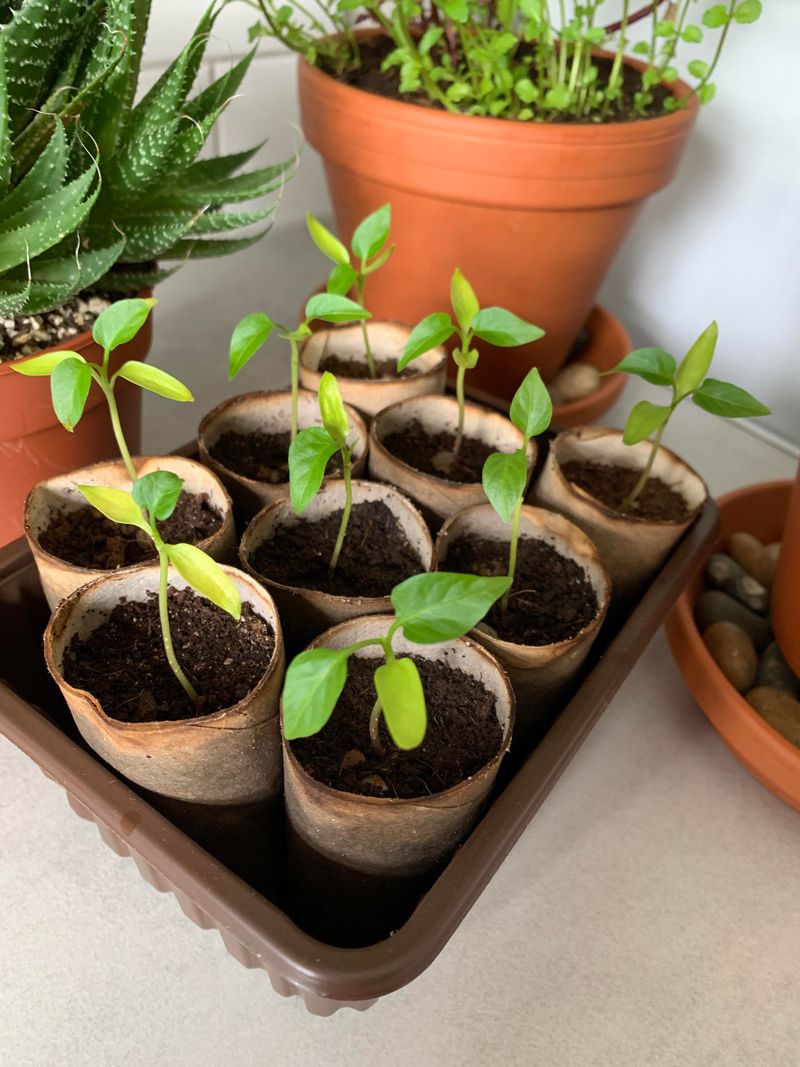
New York’s short winter days don’t provide enough natural light for robust seedling growth, making supplemental lighting or strategic window placement essential for success.
Toilet paper rolls work perfectly under grow lights or on south-facing windowsills, giving you flexibility in where you set up your seed-starting operation.
The portable nature of roll-filled trays means you can easily move your seedlings to follow the sun or position them at the ideal distance beneath artificial lights.
South-facing windows offer the brightest natural light available during late winter, though even these sunny spots might not provide the intensity seedlings need for compact, sturdy growth. If your seedlings start stretching and becoming leggy, they’re telling you they need more light.
Grow lights solve this problem by delivering consistent, full-spectrum illumination for twelve to sixteen hours daily, mimicking the long spring days plants crave.
Position your trays of toilet paper roll seedlings about three to six inches below fluorescent or LED grow lights, adjusting the height as plants grow taller.
If you’re relying on window light, rotate the trays every few days so all sides of each seedling receive equal exposure and plants grow straight rather than leaning toward the glass.
The combination of proper lighting and the excellent drainage provided by cardboard rolls creates ideal conditions for developing strong, healthy seedlings ready to thrive once you transplant them into your New York garden.
9. Compost The Rolls After Transplanting
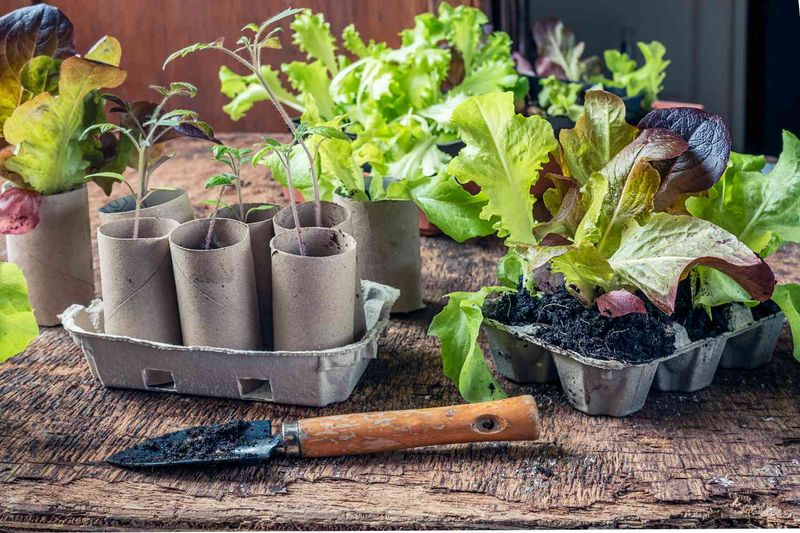
Even though toilet paper rolls break down naturally when planted directly in the garden, any extras or partially used tubes make excellent additions to your compost pile.
The cardboard provides valuable brown material that balances nitrogen-rich kitchen scraps and yard waste, helping your compost maintain the proper carbon-to-nitrogen ratio for efficient decomposition.
This sustainable approach closes the loop on your seed-starting process, turning every bit of material into something useful for future gardening projects.
Cardboard breaks down relatively quickly in active compost piles, especially when you tear or cut the rolls into smaller pieces before adding them. The increased surface area allows microorganisms to work faster, transforming the tubes into rich, crumbly compost within a few months.
This finished compost returns to your garden beds as a soil amendment, improving structure, water retention, and nutrient availability for the plants you’ll grow in coming seasons.
New York gardeners who practice composting reduce the amount of waste heading to landfills while creating a free, renewable resource that enhances garden health year after year. Toilet paper rolls represent a perfect example of circular gardening, where materials flow from household use to seed starting to soil improvement without ever becoming trash.
By incorporating these biodegradable tubes into your composting routine, you’re building better soil while embracing eco-friendly practices that benefit both your garden and the broader environment.