9 Ways To Tell Your Pothos Is Struggling In Your New York Apartment And How To Fix It
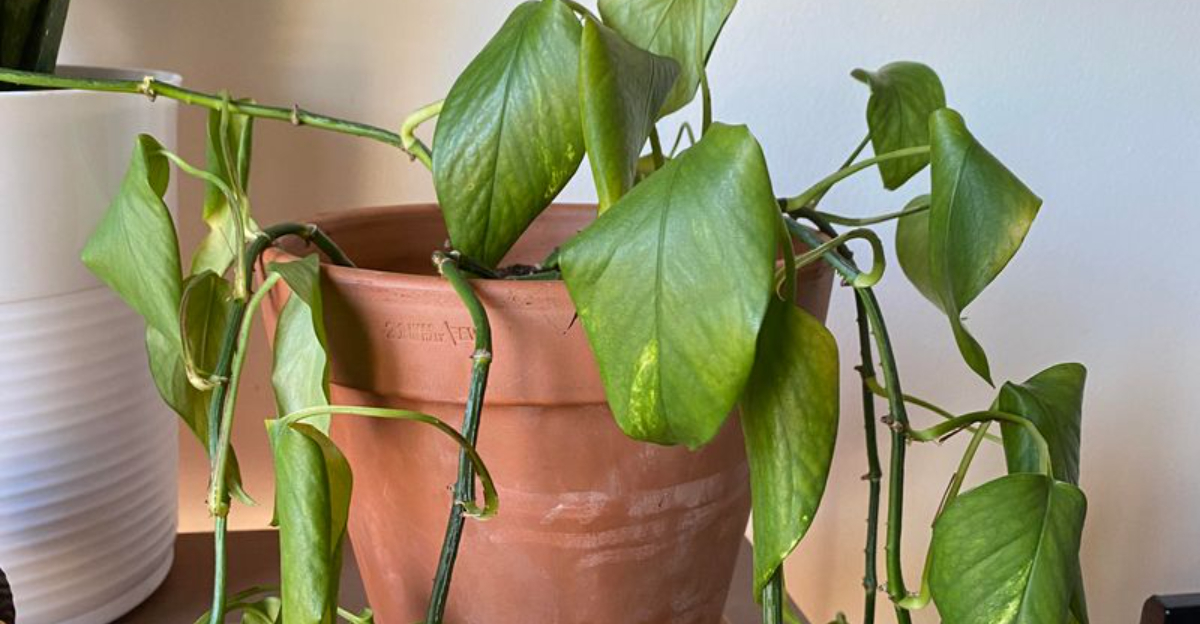
Pothos plants are popular houseplants in New York apartments because they look beautiful and seem easy to care for at first glance.
However, city living brings unique challenges like limited sunlight, dry indoor air, and fluctuating temperatures that can stress your green friend out quickly.
Recognizing the warning signs early helps you take action before your pothos suffers permanent damage or loses its lush, vibrant appearance completely.
This guide shows you exactly what to watch for and how to nurse your struggling pothos back to perfect health today.
1. Yellow Leaves Appearing On Your Pothos

Yellowing leaves often signal that something has gone wrong with your pothos, and figuring out the cause is your first step toward recovery.
Overwatering ranks as the most common culprit behind yellow pothos leaves, especially in New York apartments where drainage might be poor or inconsistent.
When roots sit in soggy soil too long, they cannot absorb oxygen properly, which causes the leaves to turn yellow gradually.
Check your soil moisture by sticking your finger two inches deep into the potting mix before you water your plant again.
Allow the top half of the soil to dry out completely between waterings to prevent root rot and yellowing from developing further.
Another reason for yellow leaves could be too much direct sunlight hitting your pothos, which burns the delicate foliage surprisingly fast.
Move your plant to a spot with bright, indirect light instead of harsh sun rays that stream through your apartment windows daily.
Nutrient deficiencies also cause yellowing, so feed your pothos with diluted liquid fertilizer every four to six weeks during growing season.
2. Brown Crispy Tips On The Leaves

Brown, crispy leaf tips make your pothos look unhealthy and sad, but this problem is actually quite common in New York apartments specifically.
Low humidity levels cause the leaf edges to dry out and turn brown because indoor heating systems remove moisture from the air constantly.
Winter months are especially tough on pothos plants since radiators and forced air heating drop humidity levels to uncomfortably low percentages.
Increase humidity around your plant by misting the leaves lightly every few days or placing a small humidifier nearby for relief.
Another effective method involves setting your pothos pot on a tray filled with pebbles and water, ensuring the pot bottom stays dry.
Tap water containing high levels of chlorine, fluoride, or salts can also cause brown tips to develop on your pothos leaves.
Switch to filtered or distilled water for watering, or let tap water sit out overnight so chemicals can evaporate before use.
Trim off the brown tips with clean scissors to improve appearance, but focus on fixing the underlying humidity or water quality issue.
3. Leggy Growth With Long Spaces Between Leaves
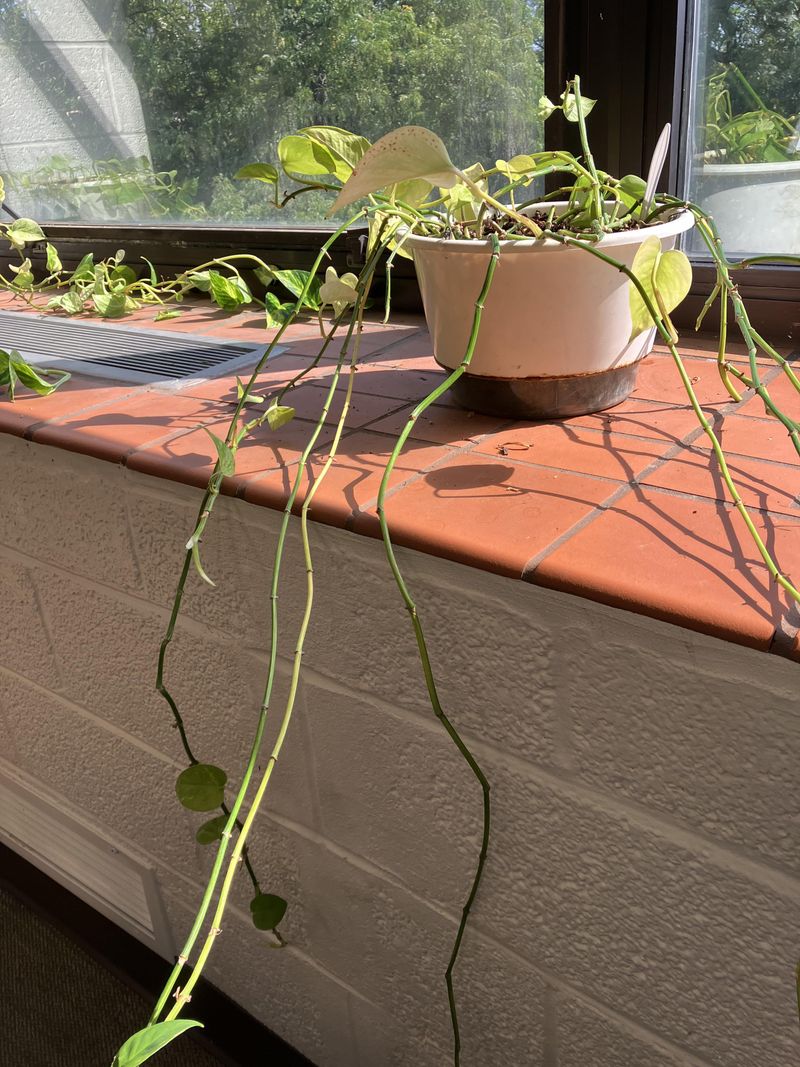
Leggy growth happens when your pothos stretches desperately toward light sources, creating long stems with leaves spaced far apart from each other.
Insufficient light is the main reason pothos plants become leggy, which is a common issue in New York apartments with limited window space available.
North-facing windows or rooms far from natural light sources force your pothos to reach and stretch toward any brightness it finds.
Move your plant closer to an east or west-facing window where it can receive several hours of gentle, indirect sunlight daily.
If natural light remains limited, consider adding a grow light above your pothos to supplement the brightness it needs for growth.
Prune back the leggy stems to encourage bushier, fuller growth and to redirect the plant’s energy toward producing new, compact foliage.
Cut just above a leaf node, and the plant will sprout new vines from that point, creating a denser appearance overall.
Rotate your pothos regularly so all sides receive equal light exposure, preventing one-sided legginess from developing over time in your space.
4. Leaves Drooping Or Wilting Noticeably

Drooping leaves make your pothos look sad and lifeless, and this symptom usually points to watering issues that need immediate attention now.
Underwatering is the most obvious cause of wilting, as the plant cannot maintain firm, upright leaves without adequate moisture in soil.
Feel the soil immediately, and if it feels bone dry throughout, give your pothos a thorough watering until water drains from the bottom.
After watering, your plant should perk up within a few hours as the roots absorb moisture and transport it to thirsty leaves.
However, overwatering can also cause drooping because waterlogged roots cannot function properly and fail to support the foliage weight above them.
If the soil feels wet and soggy, hold off on watering and allow it to dry out significantly before you add more.
Temperature stress from cold drafts near windows or hot air from radiators can also make pothos leaves droop and lose their firmness.
Keep your plant away from extreme temperature sources and maintain a consistent room temperature between sixty-five and eighty degrees Fahrenheit always.
5. Black Or Brown Spots Developing On Foliage
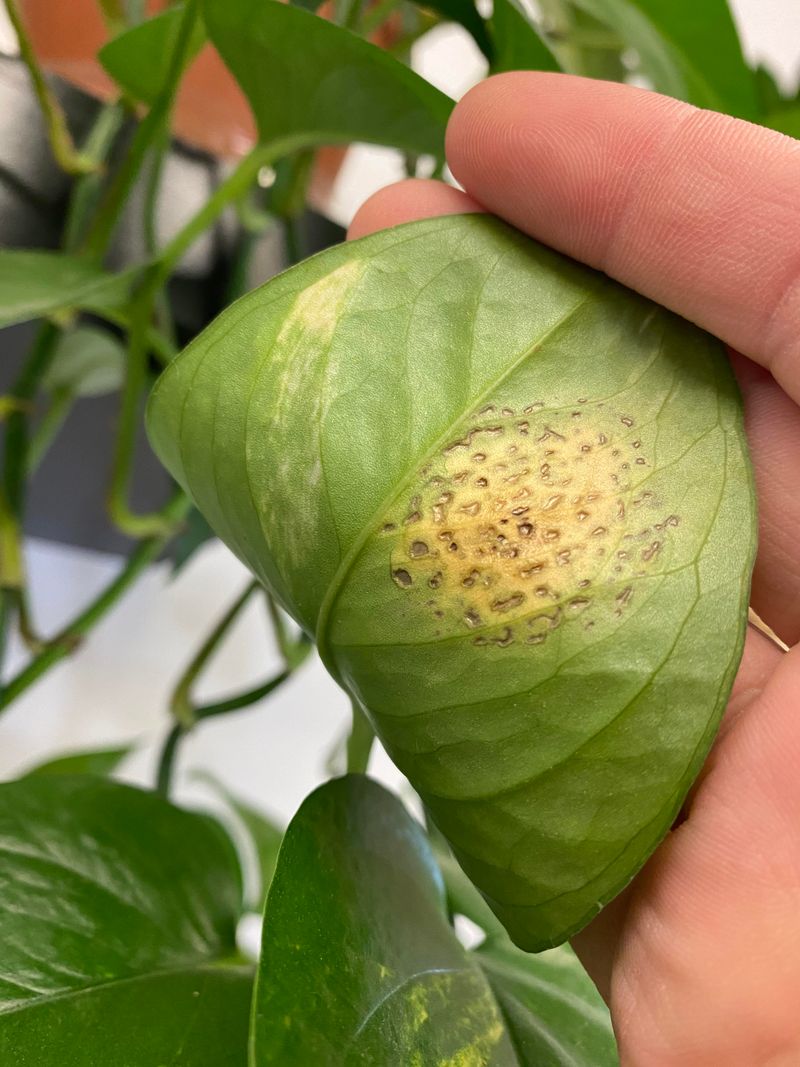
Black or brown spots appearing on your pothos leaves indicate a more serious problem that requires quick action to prevent spreading damage.
Fungal or bacterial infections often cause these spots, especially when leaves stay wet for too long or air circulation remains poor indoors.
Overwatering creates the perfect environment for pathogens to thrive, so always ensure your pothos has well-draining soil and proper drainage holes.
Remove any affected leaves immediately with sterile scissors to stop the infection from spreading to healthy parts of your beloved plant.
Improve air circulation around your pothos by spacing it away from walls and other plants, allowing fresh air to flow freely.
Avoid getting water on the leaves when you water your plant, and instead pour water directly onto the soil surface carefully.
If the spots continue to spread despite your efforts, consider treating your pothos with a fungicide designed for houseplants following label instructions.
Ensure your New York apartment has adequate ventilation, and avoid placing your pothos in overly humid or stagnant areas that encourage disease development regularly.
6. Slow Or Stunted Growth Patterns
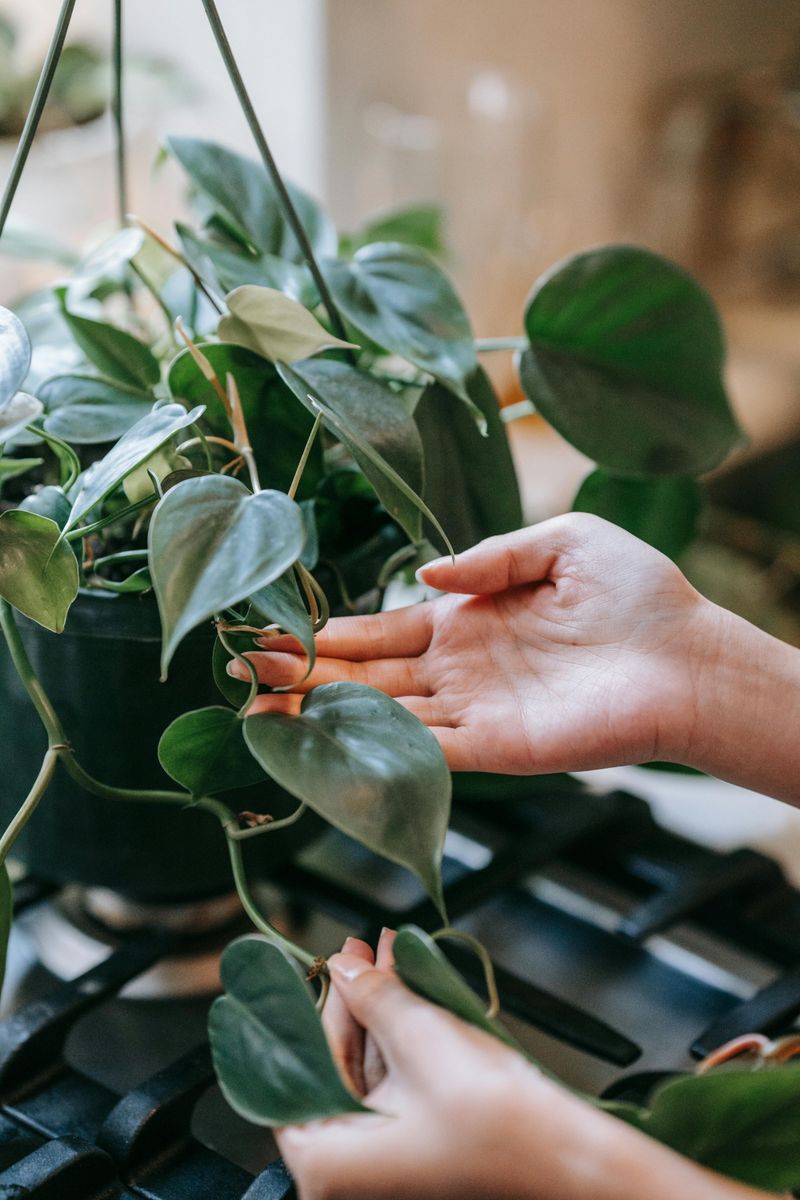
Slow or stunted growth frustrates plant owners because pothos are known for being vigorous growers that produce new leaves regularly under conditions.
Lack of nutrients in the soil is a primary reason your pothos might stop growing or produce only tiny, pale leaves sporadically.
Feed your plant with a balanced liquid fertilizer diluted to half strength every month during spring and summer growing seasons only.
Poor lighting also slows growth significantly, as pothos need adequate brightness to photosynthesize and produce energy for new leaf development consistently.
Relocate your plant to a brighter spot with indirect light, or add supplemental grow lights to boost its energy production levels.
Being root-bound can also stunt growth, as the roots run out of space and nutrients in a pot that has become too small.
Check if roots are circling the pot’s bottom or poking through drainage holes, which indicates it is time to repot immediately.
Choose a pot one to two inches larger in diameter, use fresh potting mix, and your pothos should resume healthy growth soon.
7. Leaves Losing Their Variegation Or Color
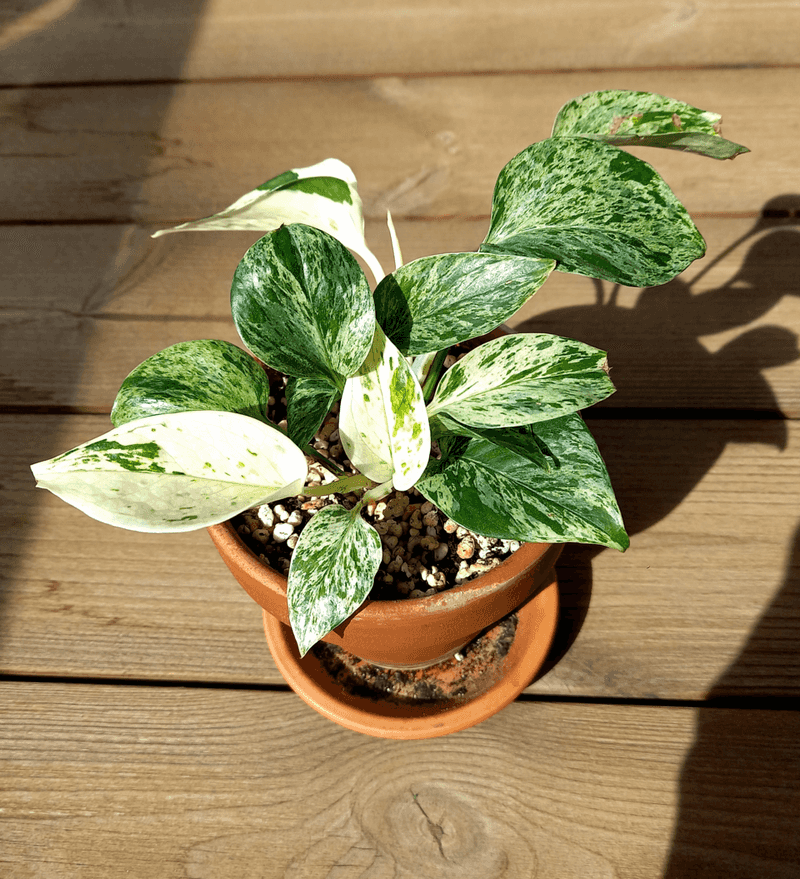
Variegated pothos varieties like Marble Queen or Golden Pothos can lose their beautiful patterns when conditions are not quite right for them.
Insufficient light is the main culprit behind fading variegation, as the plant produces more chlorophyll to compensate for low light levels.
More chlorophyll means greener leaves with less white or yellow coloring, which diminishes the striking appearance you love so much originally.
Move your variegated pothos to a brighter location where it receives plenty of indirect sunlight throughout the day for best results.
Avoid placing it in direct sun, though, as harsh rays can scorch the lighter-colored portions of the leaves quite easily.
Fertilizing too heavily can also cause variegation loss, as excess nutrients encourage the plant to produce more solid green foliage instead.
Use fertilizer sparingly, only during the growing season, and always dilute it to half the recommended strength for variegated varieties specifically.
Prune away any fully green leaves that appear, as they grow more vigorously and can eventually take over your entire plant permanently.
8. Pests Like Spider Mites Or Mealybugs Appearing
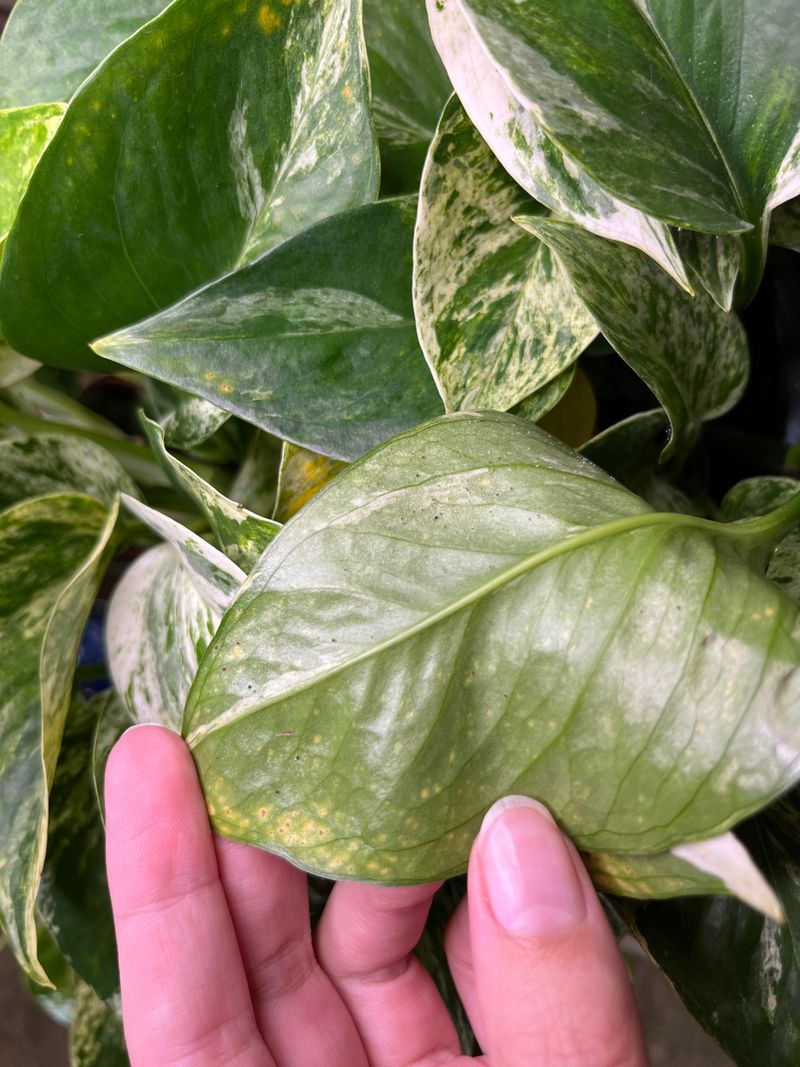
Pests can invade your pothos even in a high-rise New York apartment, causing damage that weakens the plant and ruins its appearance.
Spider mites are tiny pests that create fine webbing on leaves and suck sap, causing yellowing and speckled damage across the foliage.
Mealybugs appear as small white cottony masses on stems and leaf joints, and they also feed on plant sap, weakening your pothos.
Inspect your plant regularly, especially the undersides of leaves where pests like to hide and reproduce away from your watchful eyes.
If you spot pests, isolate your pothos immediately to prevent them from spreading to other houseplants in your apartment collection nearby.
Wipe down leaves with a damp cloth dipped in soapy water to remove pests manually, paying close attention to all leaf surfaces.
For heavier infestations, spray your pothos with neem oil or insecticidal soap, following the product instructions carefully for safe application methods.
Repeat treatments every week until all pests are gone, and maintain good plant hygiene to prevent future infestations from taking hold again.
9. Roots Growing Out Of Drainage Holes
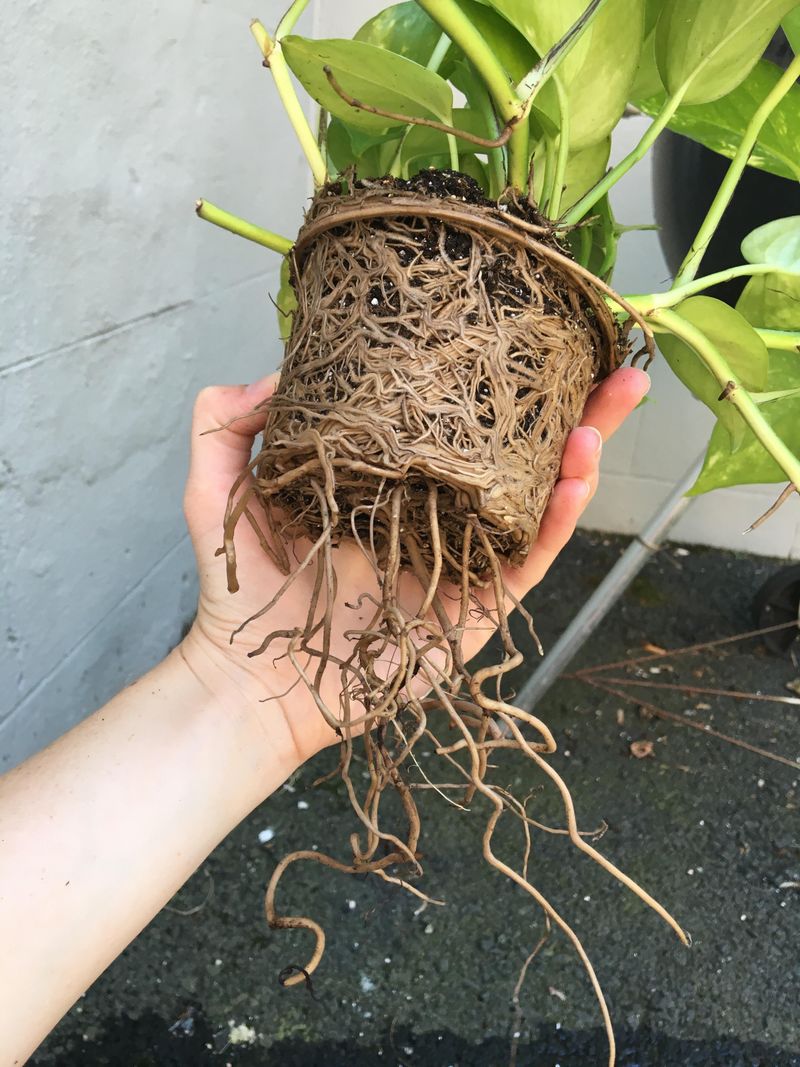
Roots poking out of drainage holes signal that your pothos has outgrown its current pot and desperately needs more space to thrive.
Being root-bound restricts growth, limits nutrient uptake, and causes water to run straight through the pot without being absorbed by soil.
Your pothos might also show signs like wilting despite regular watering, yellowing leaves, or stunted growth when it becomes severely root-bound indoors.
Gently remove your plant from its pot and examine the root ball to see if roots are tightly circling or matted together.
If so, it is definitely time to repot your pothos into a larger container with fresh, well-draining potting mix immediately.
Choose a pot that is one to two inches larger in diameter than the current one, ensuring it has drainage holes.
Loosen the roots gently with your fingers before placing the plant in the new pot, then fill with soil and water thoroughly.
Repotting gives your pothos room to grow, improves water retention, and provides fresh nutrients that will boost its health and appearance quickly.