9 Ways Washington Gardeners Prevent Root Rot In Vegetable Beds
Root rot is one of those problems Washington gardeners often don’t notice until vegetables suddenly stall, yellow, or collapse despite regular care.
Cool temperatures, frequent rain, and slow-draining soils create conditions where roots struggle long before anything looks wrong above ground.
Many gardeners assume poor growth means nutrient issues or pests, when the real trouble is happening underground.
In Washington beds, excess moisture and limited airflow around roots quietly do the most damage. Once rot sets in, plants lose the ability to take up water and nutrients even when soil looks perfectly moist.
What makes root rot frustrating is how quickly it can undo weeks of careful planting and preparation.
The good news is that most cases are preventable with the right setup and timing adjustments.
Small changes in how beds are built, watered, and managed can completely change how roots behave in wet conditions.
Washington gardeners who stay ahead of root rot focus less on reacting to damage and more on creating soil conditions where roots never struggle in the first place.
1. Improve Drainage Before Planting
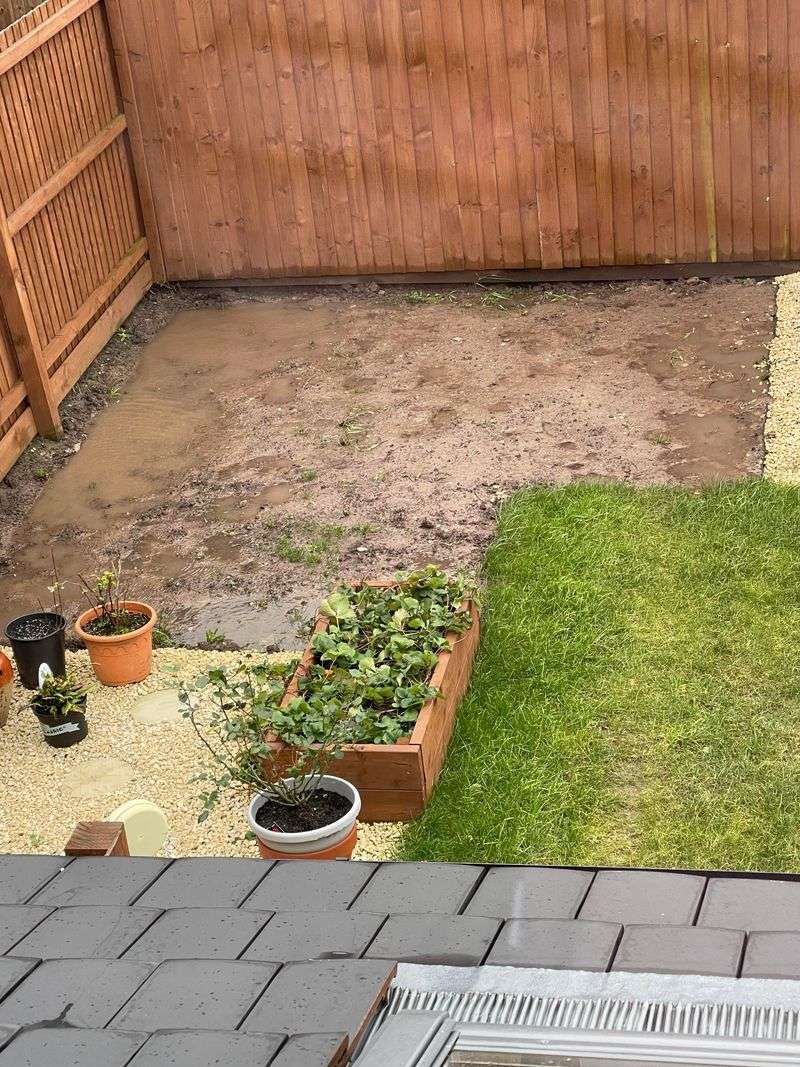
Many Washington gardeners start preparing their beds weeks before the first seeds go in the ground. Good drainage begins with understanding what your soil is made of and how water moves through it.
Clay-heavy earth holds moisture for days, which sounds helpful until roots sit in puddles and start to suffer.
Testing your soil texture is simple. Grab a handful after a light rain and squeeze it tight.
If it forms a hard ball that doesn’t crumble, you’re dealing with clay. Sandy soil falls apart immediately, while loam holds together but breaks with gentle pressure.
Adding compost is one of the easiest fixes. Organic matter opens up tight soil and helps water flow downward instead of pooling.
Spread a three-inch layer over your bed and work it in deeply.
Some folks in western Washington also mix in perlite or coarse sand. These materials create air pockets that let roots breathe.
Just avoid using fine sand, which can make clay even denser.
Checking the slope of your garden helps too. Water naturally runs downhill, so beds on a slight angle drain faster.
Even a one-inch drop over ten feet makes a difference during heavy November rains.
2. Avoid Overwatering During Cool Weather
Cool spring mornings in Washington feel refreshing, but they also mean plants use less water than during hot summer days. Roots don’t pull moisture from soil as quickly when temperatures hover in the fifties.
Gardeners who water on the same schedule year-round often create soggy conditions without realizing it.
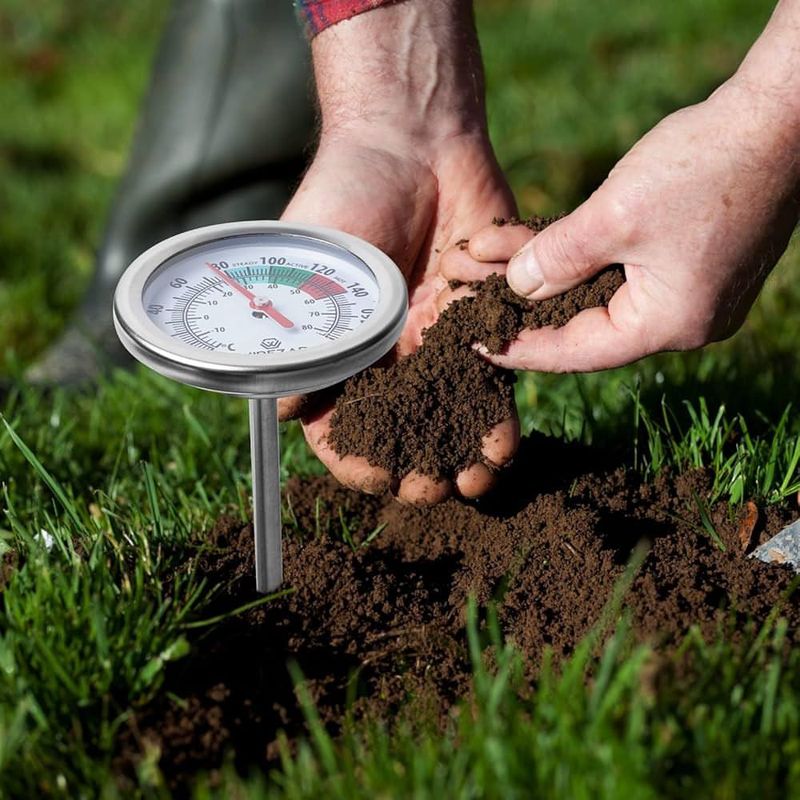
Checking soil moisture by hand is more reliable than following a fixed routine. Stick your finger two inches down near the plant base.
If it feels damp, wait another day or two before watering again.
Cloudy weather slows evaporation, so beds stay wet longer under gray skies. A garden that needs water every other day in July might only need it once a week in April.
Adjusting your habits with the seasons keeps roots healthier.
Young seedlings have shallow roots and seem fragile, which makes people want to water them constantly. But even small plants need oxygen around their roots.
Too much moisture pushes air out of the soil, leaving roots struggling.
Washington’s mild winters let some gardeners grow crops year-round. Cold-weather vegetables like kale and carrots need very little water when temperatures drop.
Overwatering during these months is one of the most common mistakes.
3. Raise Beds To Keep Roots Above Saturated Soil
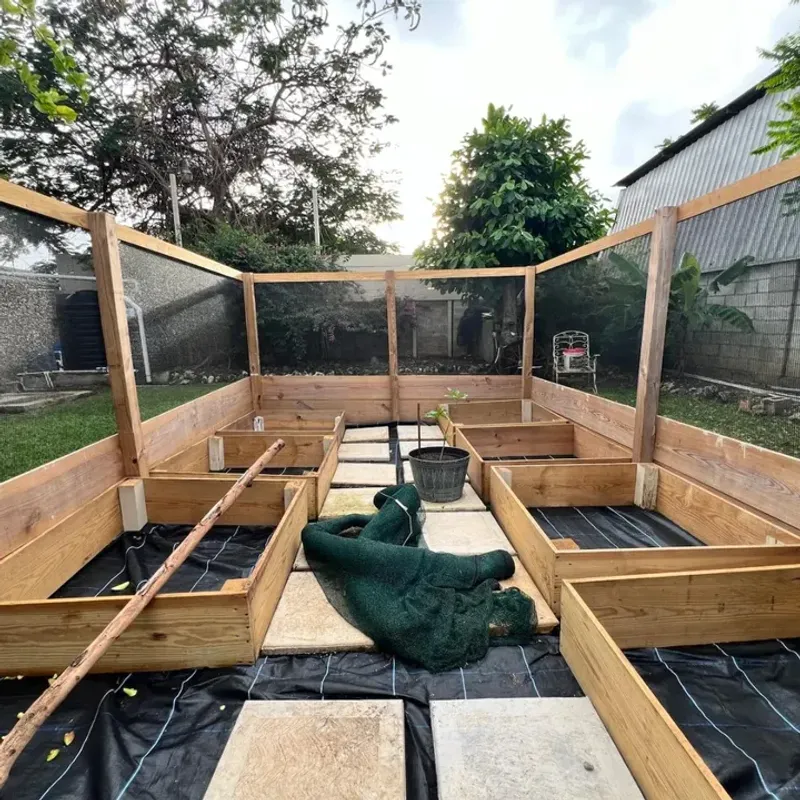
Building upward is a smart move when your yard sits in a low spot or has a high water table. Raised beds lift plant roots several inches above problem areas, giving water a place to drain away.
This simple change solves drainage issues that would take years to fix by amending soil alone.
Washington gardeners often use untreated cedar or fir lumber to build frames. These woods resist rot naturally and last for many seasons.
Frames can be as simple as four boards screwed together at the corners, sitting right on top of the ground.
Height matters more than you might think. A bed that’s only four inches tall helps a little, but eight to twelve inches makes a real difference.
Deeper beds also give root vegetables like carrots and parsnips plenty of room to grow straight down.
Filling raised beds with quality soil is an investment that pays off quickly. Mix equal parts compost, peat moss or coconut coir, and vermiculite to create a light, fluffy growing medium.
This blend drains well while still holding enough moisture for plants to thrive.
Some folks in rainy parts of Washington build beds even higher, going up to two feet. These tall structures are easier on your back and drain exceptionally well during the wettest months.
4. Space Plants To Increase Airflow
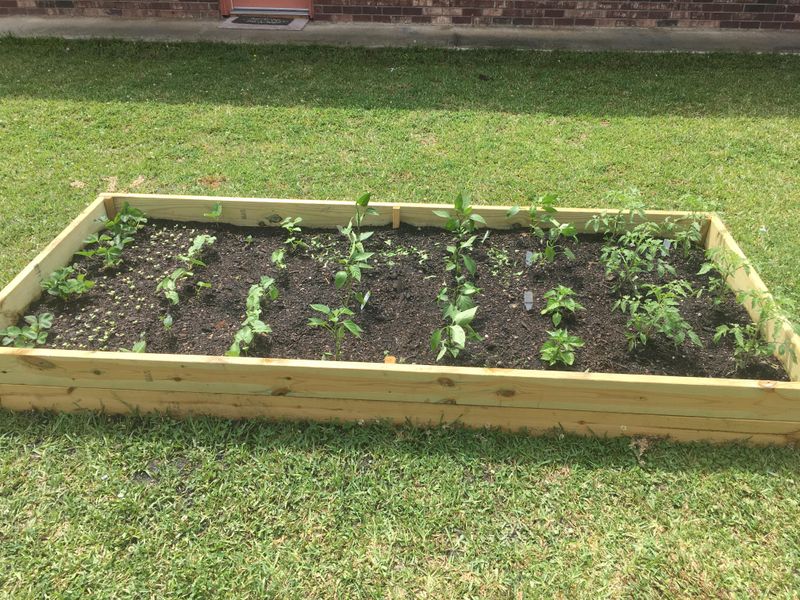
Crowding vegetables together might seem like a way to grow more food in less space, but it creates a humid microclimate that invites problems. Leaves that touch their neighbors stay damp longer after rain or morning dew.
Moisture trapped between plants keeps the soil surface wet and reduces air circulation around stems.
Seed packets and plant tags list spacing recommendations for good reason. Tomatoes need at least two feet between plants, while lettuce does fine with six to eight inches.
Following these guidelines gives each plant room to spread out and dry off quickly.
Washington’s marine air brings natural humidity, especially near Puget Sound and along the coast. Proper spacing becomes even more important in these areas.
Air needs to flow freely through the garden to carry away excess moisture.
Pruning lower leaves on tomatoes and peppers helps too. Removing foliage that touches the ground keeps soil from splashing onto leaves during rain.
It also opens up the base of the plant, letting air reach the root zone.
Some gardeners use stakes or cages to keep plants upright and separated. Vertical growth makes better use of space while maintaining the airflow that keeps roots healthy and dry throughout the growing season.
5. Use Well-Draining Soil Mixes
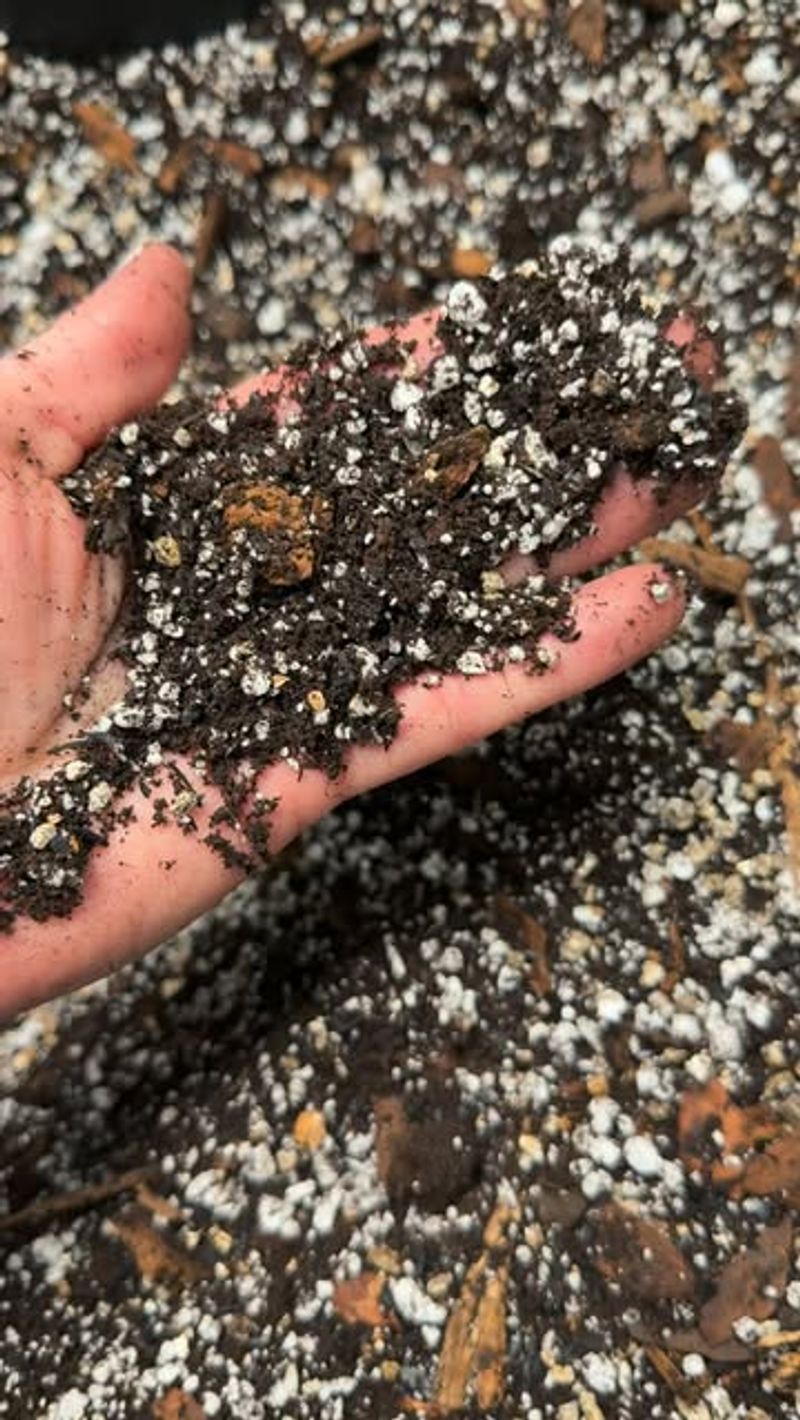
The right soil blend makes all the difference between healthy roots and waterlogged ones. Garden centers in Washington sell bagged mixes labeled for vegetables, but not all are created equal.
Reading the ingredients helps you choose one that won’t compact or hold too much water.
Look for mixes that list compost, peat moss or coconut coir, and perlite or vermiculite. These components work together to create structure.
Compost feeds plants and improves texture. Peat or coir holds moisture without getting soggy.
Perlite and vermiculite keep things light and airy.
Avoid mixes that are mostly topsoil or contain heavy clay. These materials pack down over time, squeezing out the air spaces roots need.
Inexpensive bags often use cheap fillers that cause more problems than they solve.
Making your own mix gives you complete control. Combine one part compost, one part peat or coir, and one part perlite.
This balanced recipe works for almost any vegetable and drains beautifully. You can adjust the proportions slightly based on your specific plants.
Refreshing your soil every few years keeps drainage optimal. Even good mixes break down over time as organic matter decomposes.
Adding a fresh layer of compost and perlite each spring maintains the structure that keeps Washington vegetable gardens thriving.
6. Water Early In The Day So Soil Can Dry
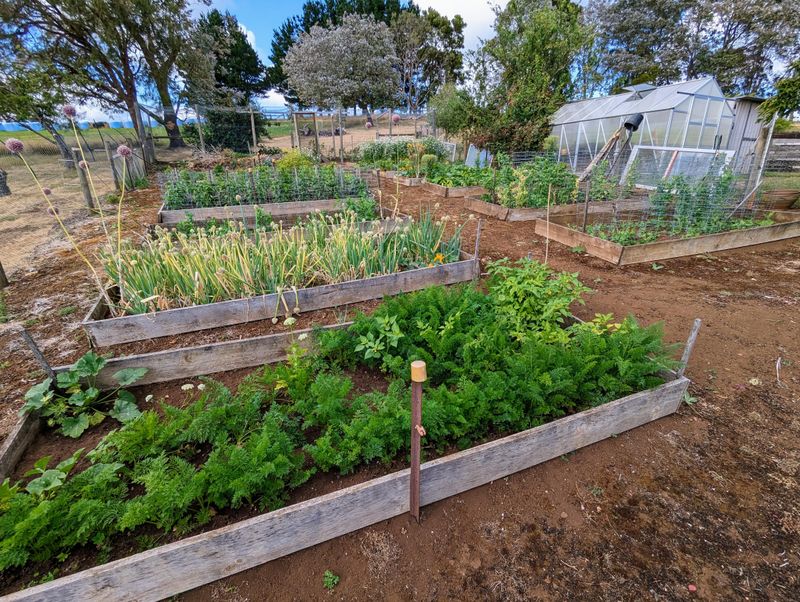
Timing your watering sessions affects how long moisture sits around plant roots. Early morning gives soil and leaves all day to dry before temperatures drop at night.
This simple habit reduces the hours that roots spend in wet conditions, which is especially valuable in Washington’s cool climate.
Watering in the evening might seem convenient after work, but it means plants stay damp through the coolest part of the day. Nighttime temperatures in the fifties or sixties slow evaporation to a crawl.
Moisture that would disappear in a few hours during the day can linger until the next afternoon.
Morning watering also lets you see exactly where the water goes. You can adjust your aim to keep leaves dry and focus on the root zone.
Wet foliage invites fungal issues, which spread quickly in humid Pacific Northwest air.
Drip irrigation and soaker hoses work particularly well when run in the morning. These systems deliver water slowly, right where plants need it.
Running them for an hour after sunrise gives roots a good drink while leaving plenty of time for excess to drain away.
Washington summers bring occasional hot spells, but even then, morning watering is best. Plants take up moisture more efficiently in the morning, and soil has the whole day to reach the right balance between moist and well-drained.
7. Rotate Crops To Reduce Soil-Borne Issues
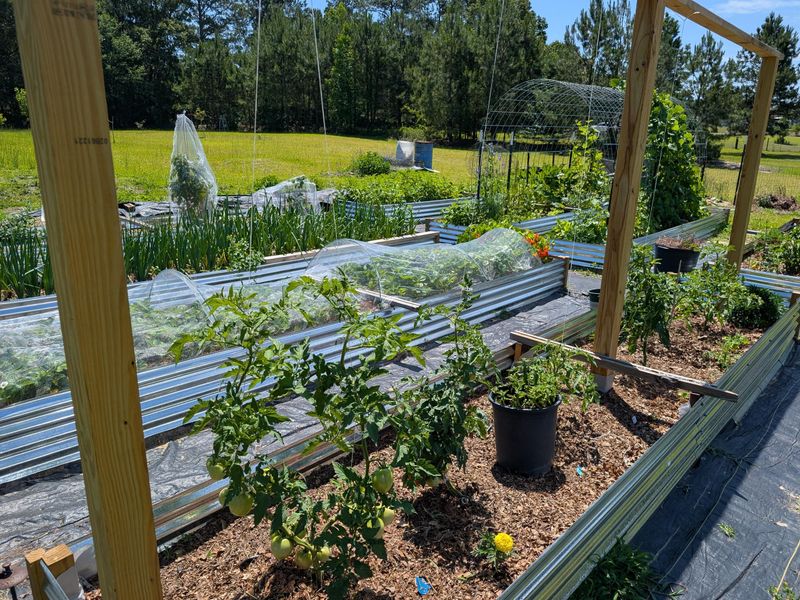
Growing the same vegetables in the same spot year after year lets problems build up in the soil. Certain fungi and bacteria that cause root issues tend to accumulate where their favorite plants grow repeatedly.
Moving crops around breaks this cycle and keeps the soil ecosystem more balanced.
Washington gardeners typically divide vegetables into families. Tomatoes, peppers, and eggplants belong to the nightshade family.
Beans and peas are legumes. Squash, cucumbers, and melons are all cucurbits.
Rotating by family means not planting any member of the same group in the same bed for at least two years.
A simple three-year rotation works well for most home gardens. Year one might have tomatoes in bed A, beans in bed B, and squash in bed C.
Year two, each family moves to the next bed. By year three, they’re in the third bed, and then the cycle repeats.
This practice does more than prevent root issues. Different crops use and contribute different nutrients.
Legumes actually add nitrogen to soil, which benefits the heavy feeders like tomatoes that follow them. The variety keeps soil healthier overall.
Keeping a simple garden journal helps you remember what grew where. A notebook or even photos on your phone work fine.
When spring arrives and you’re planning the new season, you’ll know exactly which beds should get which crops.
8. Remove Affected Plants Promptly
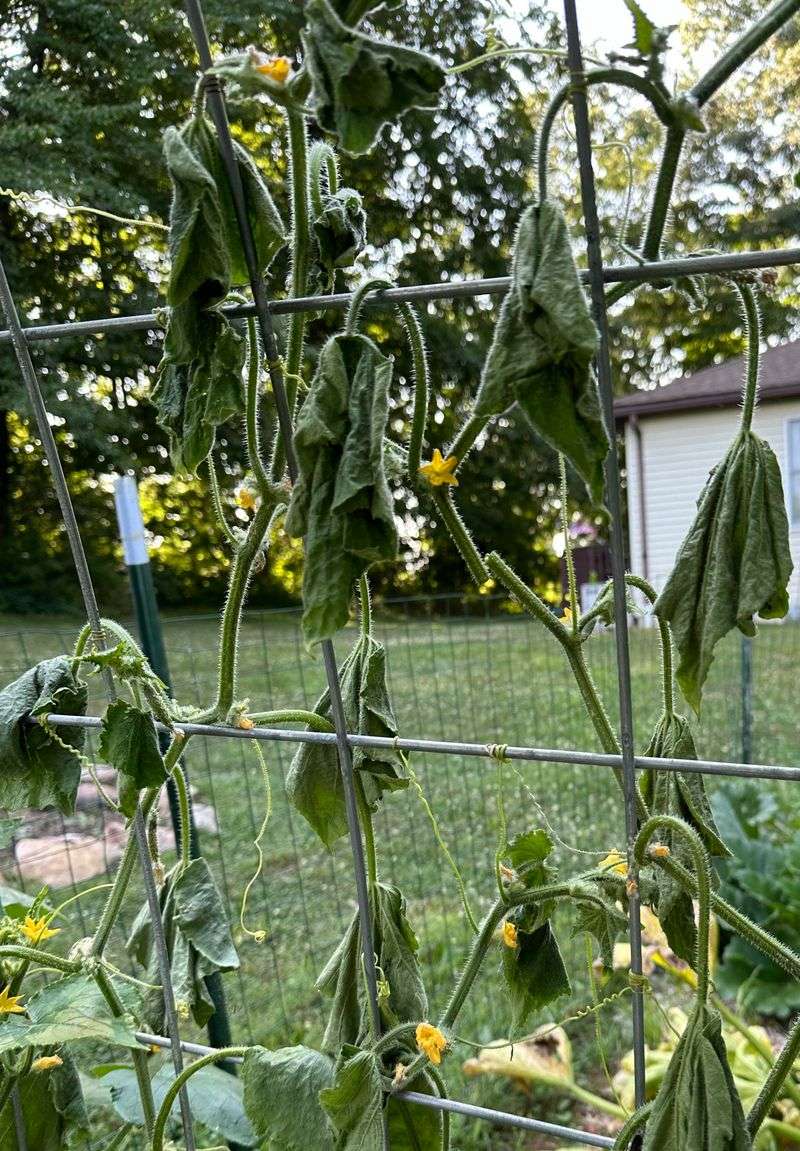
Spotting trouble early makes a huge difference in keeping problems from spreading. Plants suffering from root issues often show yellowing leaves that wilt even when soil is moist.
Stems near the soil line might look dark or feel mushy. Once you notice these signs, quick action protects the rest of your garden.
Pull the struggling plant gently, roots and all. Don’t leave any parts behind in the soil, as they can continue harboring the organisms causing the issue.
Washington’s mild, damp climate means problems can spread to neighboring plants faster than in drier regions.
Dispose of affected plants in the garbage rather than your compost pile. Home compost doesn’t always get hot enough to eliminate all the fungi and bacteria.
You don’t want to spread the problem back into your garden when you use that compost later.
After removing a plant, let that spot dry out for a week or two before replanting. This break gives the soil time to dry and disrupts the life cycle of any remaining organisms.
You might fill the gap with a different type of vegetable or wait until the next season.
Cleaning your tools between uses is another smart step. Soil clinging to a trowel or spade can carry problems from one bed to another.
A quick rinse and wipe-down takes just a minute but prevents accidental spread.
9. Adjust Watering After Heavy Rain
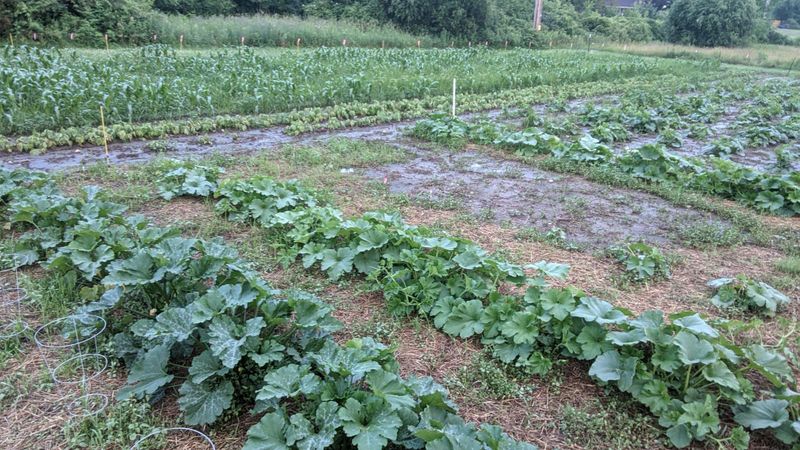
Pacific Northwest weather can dump inches of rain in a single day, leaving garden beds completely soaked. After these downpours, Washington gardeners need to hold off on watering until the soil has a chance to drain and dry out a bit.
Adding more water on top of saturated soil is one of the quickest ways to create root problems.
Checking soil moisture becomes especially important after storms. Even if your usual watering day arrives, test the soil first.
If it’s still wet two inches down, skip watering entirely. Let nature’s irrigation do the work for you.
Heavy rain can compact soil, especially if you’ve been working in the beds recently. Water runs off rather than soaking in, or it pools in low spots.
Gently loosening the top inch or two with a cultivator after the rain stops helps water penetrate and air reach the roots.
Some beds may need several days to recover from a big storm. Clay soil in particular holds water stubbornly.
Patience pays off. Waiting an extra day or two is always safer than watering too soon.
Fall brings the wettest weather to Washington, with weeks of steady rain. During these months, many gardeners stop watering entirely and rely on rainfall.
Monitoring soil conditions and adjusting your routine with the weather keeps roots healthy through every season.