7 Weeds That Trouble Pennsylvania Gardeners And How To Control Them
Every Pennsylvania gardener knows the feeling. You step outside, admire your plants, then spot unwanted green pushing through the soil.
Weeds seem to appear overnight, stealing space, water, and nutrients from flowers and vegetables you worked hard to grow. Left alone, they spread fast and turn neat garden beds into a messy struggle.
Some weeds are more stubborn than others. They dig deep roots, drop countless seeds, and bounce back even after pulling.
Pennsylvania’s changing seasons give many of them the perfect chance to grow strong. That is why simple, steady control matters more than quick fixes. Small steps taken at the right time can keep them from taking over.
Understanding how these weeds grow is the key to stopping them. With the right approach, you can protect your plants, keep your soil healthy, and enjoy a cleaner, more productive garden throughout the season without constant frustration.
1. Dandelion
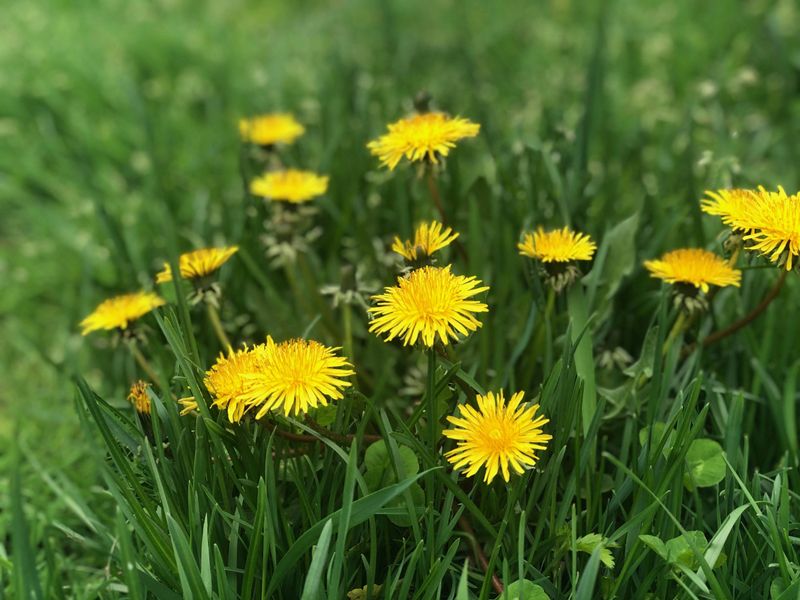
Bright yellow flowers might look cheerful in spring, but dandelions quickly become a Pennsylvania gardener’s nightmare. These persistent plants develop incredibly long taproots that can stretch down more than ten inches into the soil.
When those fluffy white seed heads form, a single gust of wind can scatter hundreds of seeds across your entire yard and into your neighbor’s property too.
The key to controlling dandelions lies in removing the entire root system before the plant has a chance to flower. A specialized weeding tool with a forked end works perfectly for this job.
Push the tool deep into the soil alongside the taproot and lever it out completely. Leaving even a small piece of root behind allows the dandelion to regenerate and start the cycle all over again.
Timing matters tremendously when battling these weeds across Pennsylvania landscapes. Pull dandelions in early spring before those sunny yellow blooms appear and transform into seed-spreading puffballs.
Young plants come out much easier than established ones with mature root systems. Prevention works better than constant removal in most Pennsylvania gardens. Maintain a thick, healthy lawn that crowds out dandelion seedlings before they establish deep roots.
Overseed thin patches each fall and keep your grass at the proper height for your specific variety. Dense turf creates natural competition that dandelions struggle to overcome.
Regular lawn care reduces the bare spots where dandelion seeds love to germinate and take hold throughout the growing season.
2. Crabgrass
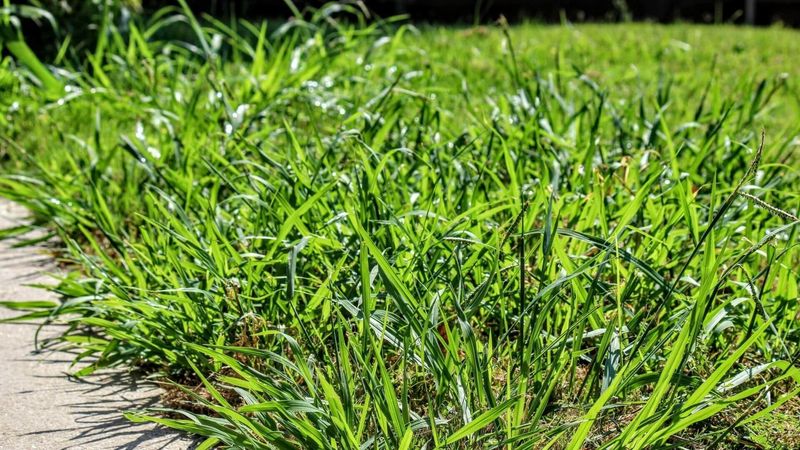
Summer heat brings out the worst in Pennsylvania lawns when crabgrass starts its aggressive invasion. This annual weed grows incredibly fast once temperatures rise, sending out stems that sprawl across bare patches and garden edges.
Each plant can produce thousands of seeds before frost arrives, guaranteeing problems for next year if you don’t act quickly.
Crabgrass thrives in the exact conditions that stress your regular lawn grass. Thin turf, compacted soil, and areas that get scalped by mowing become perfect nurseries for crabgrass seedlings.
The weed germinates when soil temperatures reach about 55 degrees Fahrenheit for several consecutive days, which typically happens in Pennsylvania between mid-April and early May.
Pre-emergent herbicides offer your best defense against crabgrass throughout Pennsylvania. Apply these products in early spring before the weed seeds germinate, creating a barrier in the top layer of soil.
Timing this application correctly makes all the difference between success and failure. Wait too long and seeds will already be sprouting.
Building a dense, healthy lawn remains the most effective long-term strategy. Overseed bare patches in fall when crabgrass dies off naturally.
Raise your mower height to at least three inches, which shades the soil and prevents crabgrass seeds from getting the sunlight they need to sprout. Water deeply but less frequently to encourage deep grass roots rather than the shallow roots crabgrass prefers.
Hand-pull any young crabgrass plants you spot before they develop seed heads and spread across your entire Pennsylvania property.
3. Chickweed
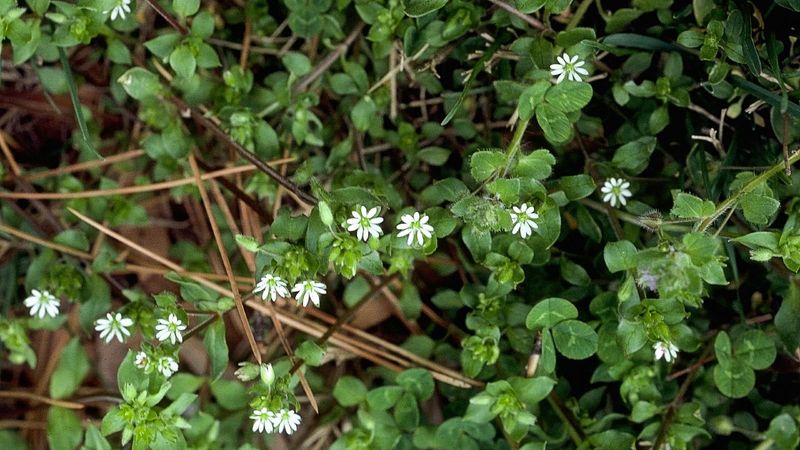
Small white flowers and bright green leaves create dense carpets across Pennsylvania gardens during cool weather. Chickweed loves the temperatures of early spring and fall, forming thick mats that smother other plants before you even notice the invasion.
This weed grows so quickly during mild weather that it can cover an entire garden bed in just a few weeks.
Gardeners appreciate one thing about chickweed compared to other Pennsylvania weeds. The shallow root system pulls out easily when soil moisture levels are right.
Wait for a good rain or water your garden thoroughly, then grab handfuls of chickweed and pull gently. The entire mat usually lifts away without much effort or broken stems left behind.
Prevention through mulching works wonderfully against chickweed in Pennsylvania flower beds and vegetable gardens. Spread two to three inches of organic mulch around your plants in early spring before chickweed starts its aggressive growth.
The mulch blocks sunlight from reaching chickweed seeds lying dormant in the soil. Refresh your mulch layer each season to maintain this protective barrier.
Never let chickweed flower and set seed in your Pennsylvania garden. Those innocent-looking white blooms produce seeds rapidly, and each plant can create thousands of offspring.
Pull or cut chickweed before flowers open to break the reproduction cycle. Check your garden weekly during spring and fall when chickweed grows most actively. Regular monitoring catches small patches before they spread across entire beds.
Healthy soil and proper plant spacing also discourage chickweed by reducing the bare ground where this opportunistic weed establishes itself most easily throughout Pennsylvania growing seasons.
4. Bindweed
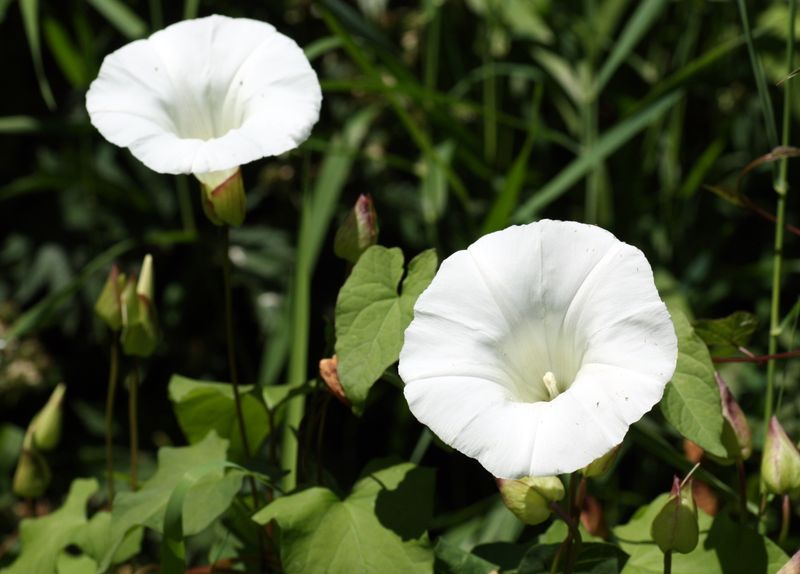
Delicate white trumpet flowers might fool you into thinking this vine looks pretty. Bindweed earns its reputation as one of the most frustrating weeds across Pennsylvania because of roots that plunge deep underground and spread horizontally for many feet.
Those innocent-looking vines wrap tightly around your vegetables, flowers, and shrubs, eventually smothering everything in their path.
Underground roots make bindweed extremely difficult to control in Pennsylvania gardens. Each piece of root left in the soil can sprout a brand new plant, turning one weed into dozens.
Digging seems to make the problem worse by chopping roots into multiple pieces that all regenerate. The root system can extend down three feet or more, putting it beyond the reach of most gardening tools.
Persistence becomes your most important weapon against this aggressive vine. Cut or pull new shoots as soon as they emerge from the soil.
Repeated removal exhausts the root system over time by preventing the plant from making food through its leaves. Check your Pennsylvania garden every few days during the growing season and remove any new bindweed growth immediately.
Heavy mulching helps suppress bindweed in garden beds throughout Pennsylvania. Apply four to six inches of organic mulch over affected areas to block light and make it harder for shoots to reach the surface.
Monitor mulched areas carefully because determined bindweed vines will eventually push through. Landscape fabric under mulch provides an extra barrier.
Expect to battle bindweed for at least two full growing seasons before seeing significant improvement, and remain vigilant even after the weed seems gone because roots can lie dormant for extended periods.
5. Nutsedge
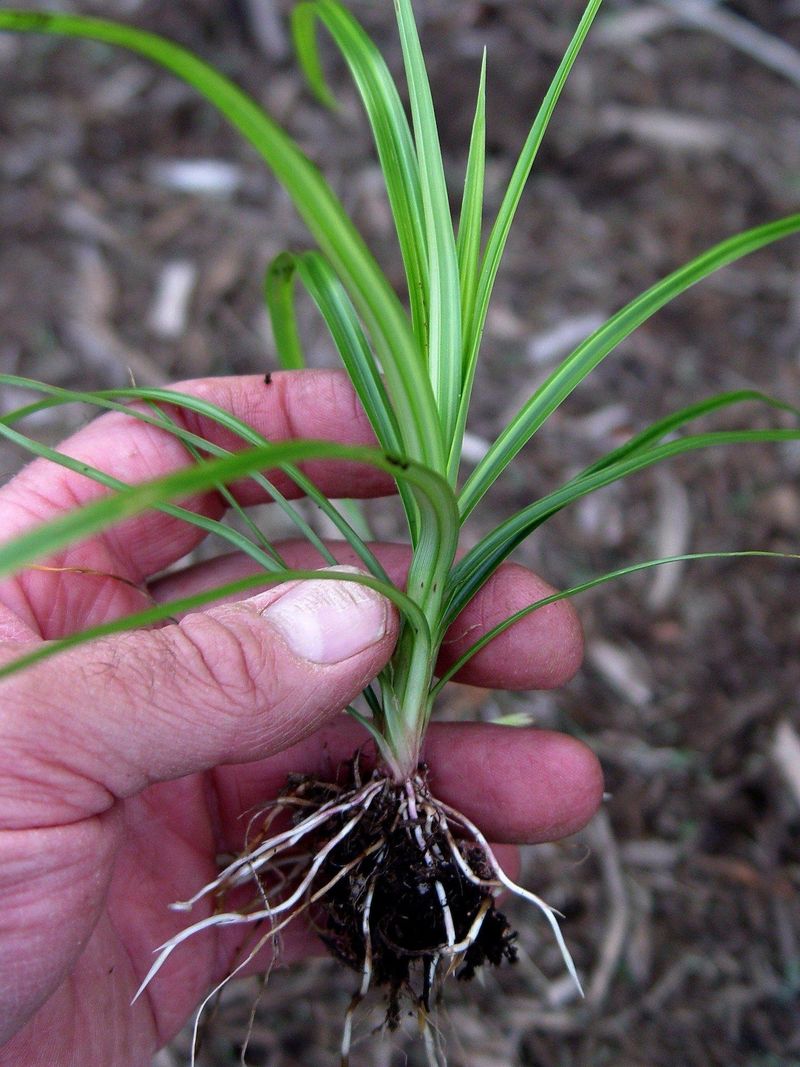
Yellow-green shoots that grow faster than your lawn grass signal a nutsedge invasion in Pennsylvania yards. Despite its common name of nutgrass, this plant is actually a sedge rather than a true grass.
The triangular stems feel different when you roll them between your fingers, and the plant’s growth habit creates unsightly clumps that stick up above freshly mowed lawns within just a day or two.
Underground tubers called nutlets make nutsedge incredibly persistent across Pennsylvania landscapes. A single nutsedge plant can produce several hundred of these small, hard structures that lie dormant in soil for years.
Each nutlet can sprout a new plant, and pulling the visible shoots does absolutely nothing to address the underground tuber network. In fact, disturbing the soil often stimulates more nutlets to germinate.
Wet conditions encourage nutsedge growth throughout Pennsylvania, so improving drainage helps reduce infestations. This weed thrives in compacted soil, low areas where water collects, and spots that get watered too frequently.
Aerate compacted areas and adjust your irrigation schedule to water deeply but less often. Let soil dry somewhat between watering sessions rather than keeping it constantly moist.
Specialized nutsedge control products work better than general weed treatments for Pennsylvania lawns. These targeted herbicides are designed specifically to move through the plant and reach the underground tubers.
Apply these products when nutsedge is actively growing during warm weather for best results. Multiple applications spread over the growing season are usually necessary.
Pulling nutsedge by hand wastes your time and energy because the tubers simply produce more shoots.
Focus instead on proper drainage, appropriate watering practices, and selective herbicides formulated specifically for nutsedge control in Pennsylvania growing conditions.
6. Canada Thistle
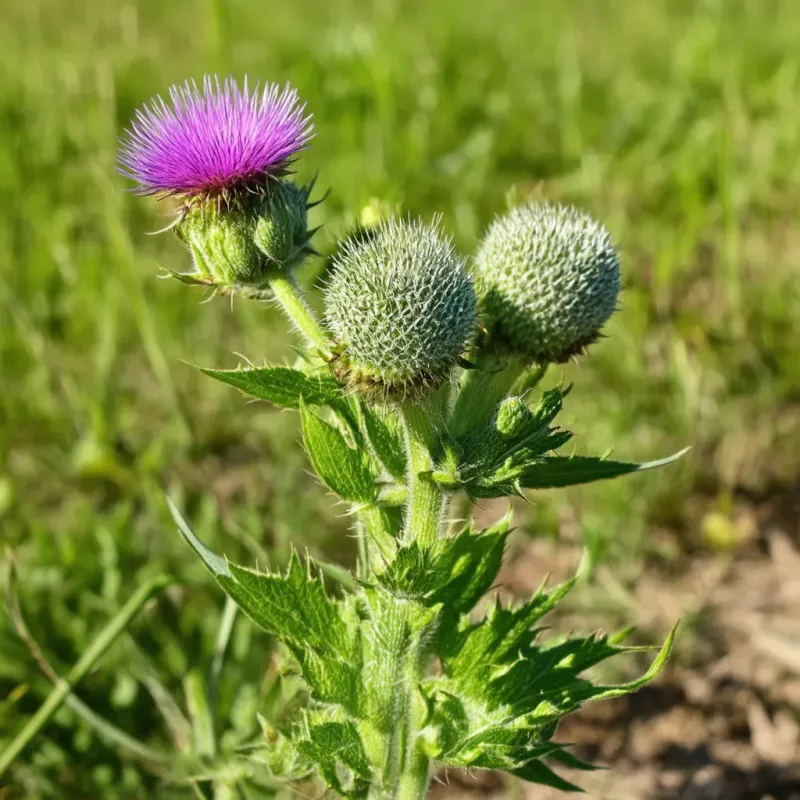
Purple flower heads and prickly leaves mark Canada thistle as a serious threat to Pennsylvania gardens and fields. This aggressive perennial spreads through an extensive root system that sends up new shoots across a wide area.
A single plant can quickly become a dense patch that chokes out vegetables, flowers, and native plants. The spiny leaves make hand-pulling an unpleasant experience even with thick gloves.
Root systems extend both deep and wide, making Canada thistle extremely difficult to eliminate from Pennsylvania properties. Horizontal roots spread several feet in all directions, sprouting new plants every few inches along their length.
Vertical roots plunge down three feet or more, storing energy reserves that fuel regrowth even after you cut down the visible plant. Breaking roots during removal efforts often makes the problem worse by creating multiple pieces that each generate new plants.
Cutting Canada thistle repeatedly before flowers form helps weaken the root system over time. Mow or cut patches every two to three weeks throughout the Pennsylvania growing season.
This constant removal prevents the plant from building up food reserves in its roots. Never let Canada thistle flower because each purple bloom produces dozens of seeds that blow across your property and beyond.
Digging out roots works for small patches if you remove every piece. Loosen soil thoroughly and trace roots in all directions, extracting the entire network.
Heavy mulching after removal helps prevent regrowth in Pennsylvania gardens. Apply six inches of mulch over former thistle patches and monitor weekly for new shoots.
Persistent control over multiple seasons is necessary because Canada thistle roots can regenerate from small fragments.
Stay committed to your control program and eventually the root system will exhaust itself and stop producing new growth across your Pennsylvania landscape.
7. Creeping Charlie
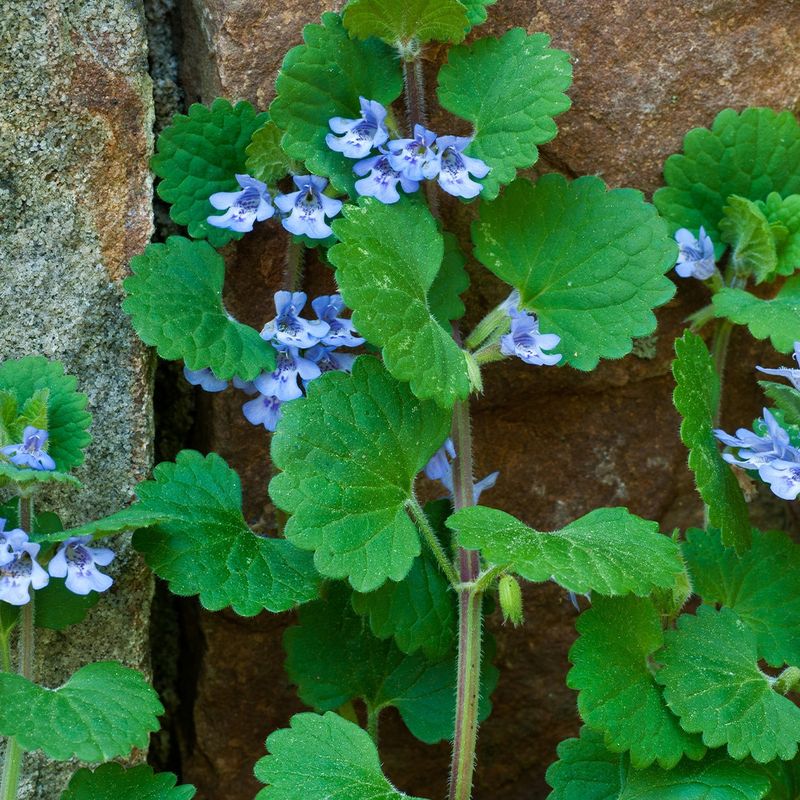
Round, scalloped leaves creep across shady Pennsylvania lawns and garden beds, forming thick mats that regular grass cannot penetrate. Creeping Charlie, also called ground ivy, spreads aggressively through stems that root at every node they touch.
The plant releases a distinctive minty smell when crushed or mowed, and small purple flowers appear in spring. What starts as a small patch can quickly take over entire sections of lawn, especially in areas with poor drainage or heavy shade.
Shade and moisture create perfect conditions for Creeping Charlie throughout Pennsylvania landscapes. This weed thrives where regular lawn grasses struggle, making it particularly troublesome under trees and along north-facing foundations.
The plant tolerates mowing and actually seems to spread faster when cut regularly. Its stems grow horizontally along the ground, easily avoiding mower blades while continuing to expand their territory.
Improving lawn density helps crowd out Creeping Charlie in Pennsylvania yards. Overseed shady areas with shade-tolerant grass varieties that compete better with this aggressive weed.
Reduce excess moisture by fixing drainage problems and watering less frequently. Allow soil to dry somewhat between watering sessions rather than maintaining constantly damp conditions that favor Creeping Charlie growth.
Hand-pulling works for small patches if you remove all the stems and their root nodes. Wait until soil is moist after rain, then carefully lift the mat of stems and trace them back to their origin points.
Remove every piece because any stem segment left behind can regenerate. Larger infestations across Pennsylvania properties may require targeted herbicides designed specifically for broadleaf weeds in lawns.
Apply treatments in fall when Creeping Charlie actively stores energy in its roots, making control products most effective at reaching and affecting the entire plant system throughout your property.