10 Weird Gardening Practices That Are Effective In California
California gardening is a whole different beast. Between the unpredictable heat waves and soil that ranges between rock-hard clay and pure sand, standard advice usually flies right out the window.
If you want a lush backyard in the Golden State, sticking to the “old ways” is a quick path to a very expensive water bill and a lot of dead succulents.
Local green thumbs have had to get creative to keep their landscapes thriving. We aren’t talking about singing to your sunflowers or burying crystals under the moon.
We are looking at smart, science-backed strategies that might look a bit bizarre to your neighbor but make perfect sense for our unique climate.
These methods prioritize rethinking how we handle pests or using kitchen scraps in ways that would make a traditionalist cringe.
Every tip focuses on working with our environment rather than fighting it. Ready to level up your outdoor space? Let’s dig in.
1. Burying Fish Heads
Burial of fish remains is a classic California secret that dates back centuries. Long before synthetic fertilizers existed, Indigenous groups across the Pacific coast recognized that the ocean provided the perfect multivitamin for the soil.
This practice works particularly well in our coastal regions where sandy soil often struggles to hold onto nutrients. As the fish head breaks down, it creates a slow-release delivery system for essential elements.
Phosphorus and nitrogen seep into the root zone at a pace that prevents the chemical burn often caused by store-bought pellets.
The benefits go beyond simple growth. Decomposing bones deposit a steady supply of calcium into the ground, which is the ultimate defense against blossom end rot in heavy feeders like tomatoes.
While the scent might seem like a drawback, it actually serves as a clever deterrent for specific underground pests. You are essentially turning kitchen waste into a high-performance engine for your vegetable garden without spending a dime at a nursery.
2. Coffee Ground Mulch
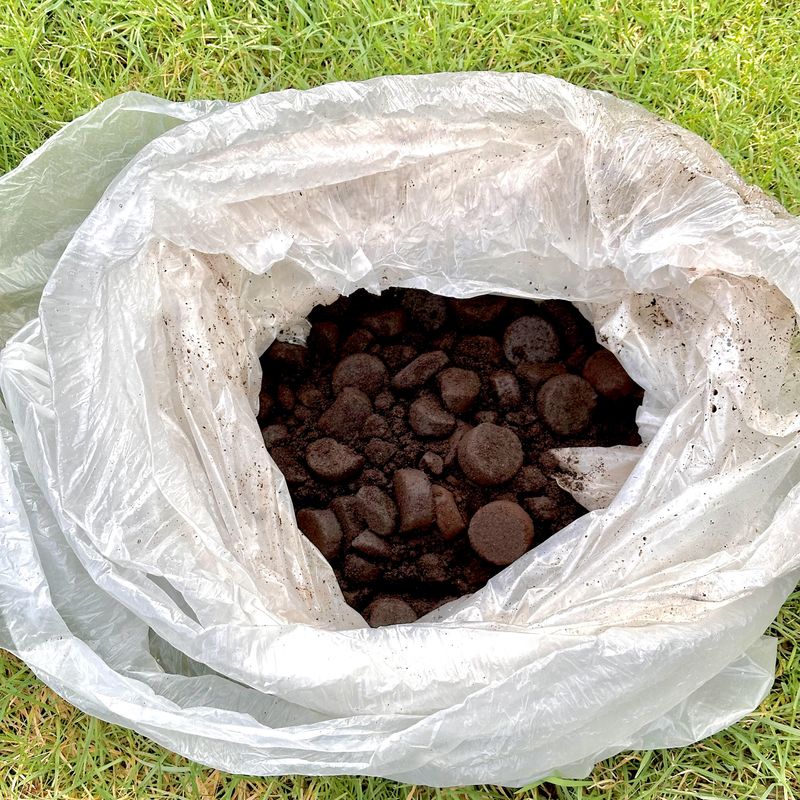
Waking up your garden with a caffeine kick is a quintessential Northern California move. While most people toss their morning grounds into the green bin, savvy locals know these dregs are liquid gold for specific crops.
Our coastal fog belts can keep the ground stubbornly chilly, but the dark, gritty texture of used coffee acts like a natural heat magnet.
By spreading a thin layer over the surface, you are essentially installing a solar heater that absorbs every bit of available sunlight to warm the root zone. This simple temperature boost can shave weeks off the wait for those first spring blooms.
The benefits are not just about warmth. Coffee introduces a mild acidity that blueberries and azaleas absolutely crave, especially in areas where the tap water is slightly alkaline.
Beyond the chemistry, the abrasive texture serves as a formidable barrier against slugs and snails. These slimy intruders hate crawling over the sharp, desiccated particles.
It is a win-win scenario that turns a waste product from your local barista into a chemical-free pest control and fertilizer combo.
3. Ollas Underground Irrigation
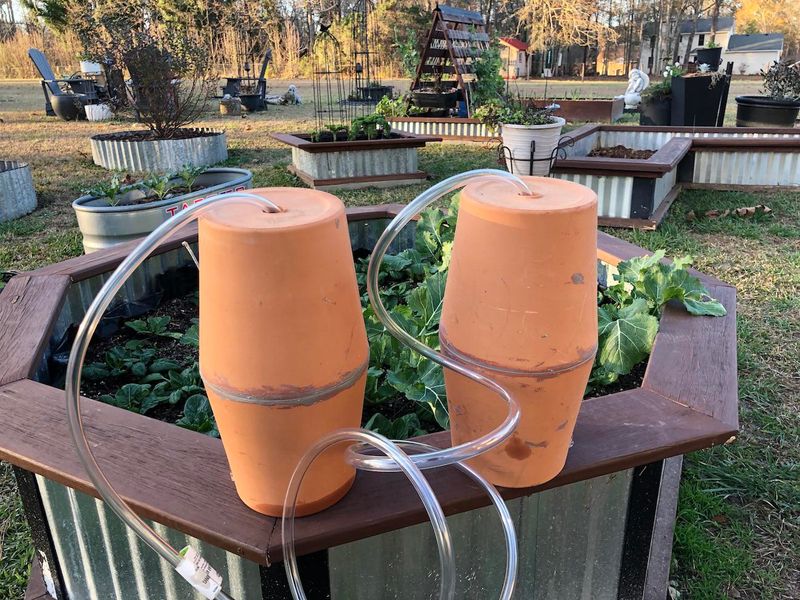
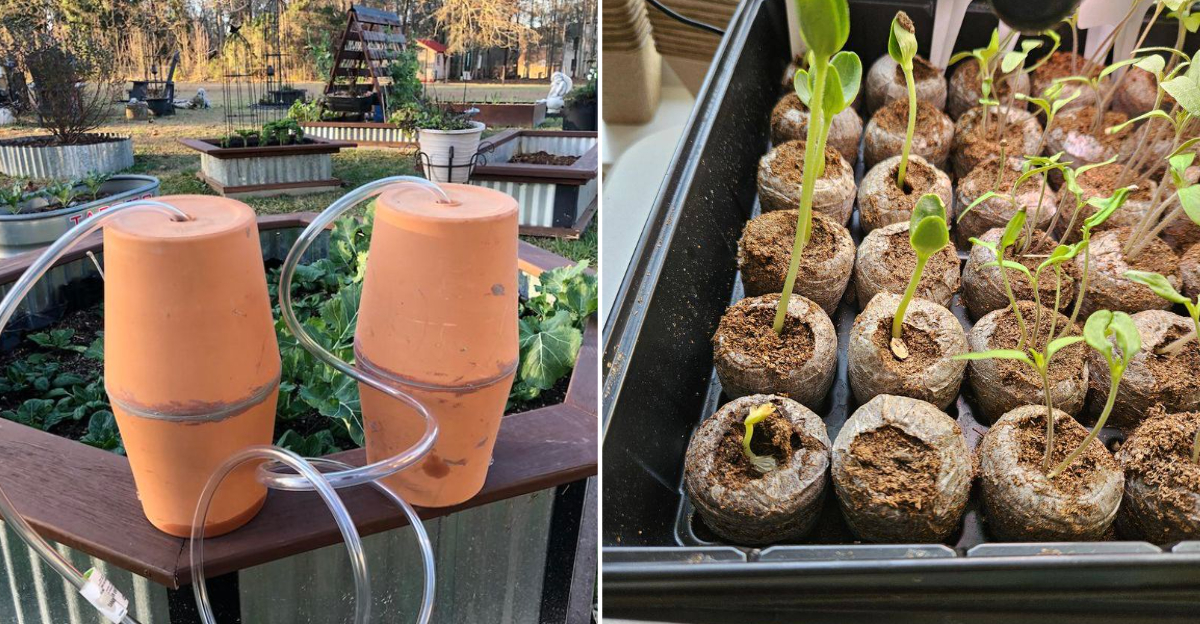
In the scorched landscapes of Southern California, traditional sprinklers are often a recipe for waste and evaporation. Enter the olla, an unglazed clay vessel that acts like a subterranean battery for your garden.
By burying these pots neck-deep and filling them with water, you are creating a localized irrigation system that ignores the surface entirely. The porous clay walls allow moisture to seep out only when the surrounding soil begins to dry.
This creates a tension-based delivery system where the plant essentially pulls exactly what it needs through the terracotta barrier.
The results are particularly impressive for those dealing with high-desert conditions or inland heat. Because the water remains underground, you eliminate the risk of leaf scorch and surface runoff.
Plants respond by sending their roots deeper into the earth to hug the cool, damp clay. This behavior builds a much sturdier root architecture than the shallow systems encouraged by frequent top-watering.
You are essentially training your garden to survive on a fraction of the usual supply, making your landscape far more resilient during those long, dry stretches between winter storms.
4. Milk Spray Fungicide
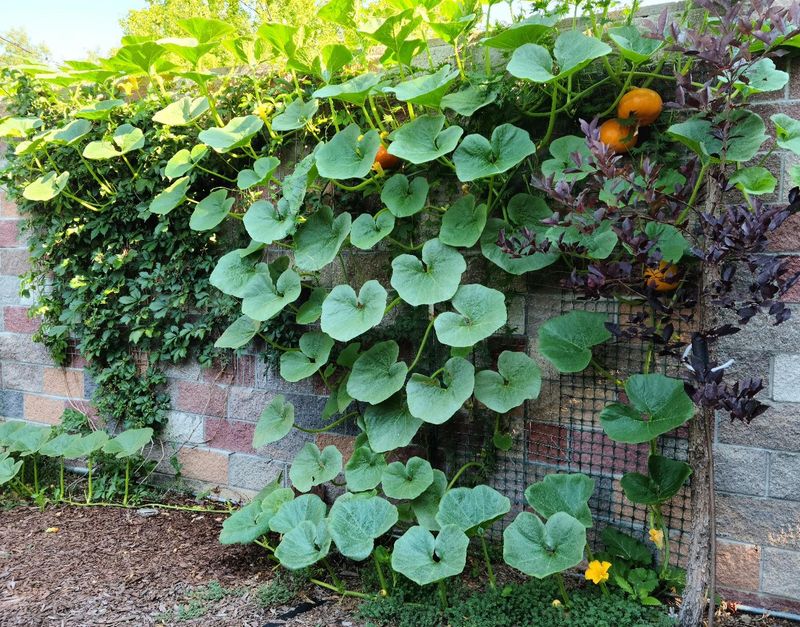
Using a dairy product in the dirt might sound like a recipe for a smelly disaster, but it is actually a scientific masterstroke for California growers.
In our foggy coastal belts and humid valley mornings, powdery mildew is a constant nemesis that can cloak a zucchini patch in white fuzz overnight.
By mixing one part raw milk with nine parts water, you are creating a biological shield that outperforms many store-bought chemicals.
The proteins in the milk react with sunlight to produce a brief antiseptic effect, while the liquid itself forms a physical barrier that prevents fungal spores from ever gaining a foothold on the leaf surface.
The benefits go far beyond just blocking out the bad stuff. This white wash introduces a population of beneficial bacteria that actually compete with harmful fungi for space on the plant.
As the leaves absorb the diluted mixture, the calcium boost helps build thicker, tougher cell walls that are much harder for pathogens to penetrate. It is a brilliant way to recycle a kitchen staple into a high-grade defense system.
You are essentially giving your garden a probiotic boost that keeps the foliage vibrant and green without a single synthetic additive.
5. Companion Planting Circles
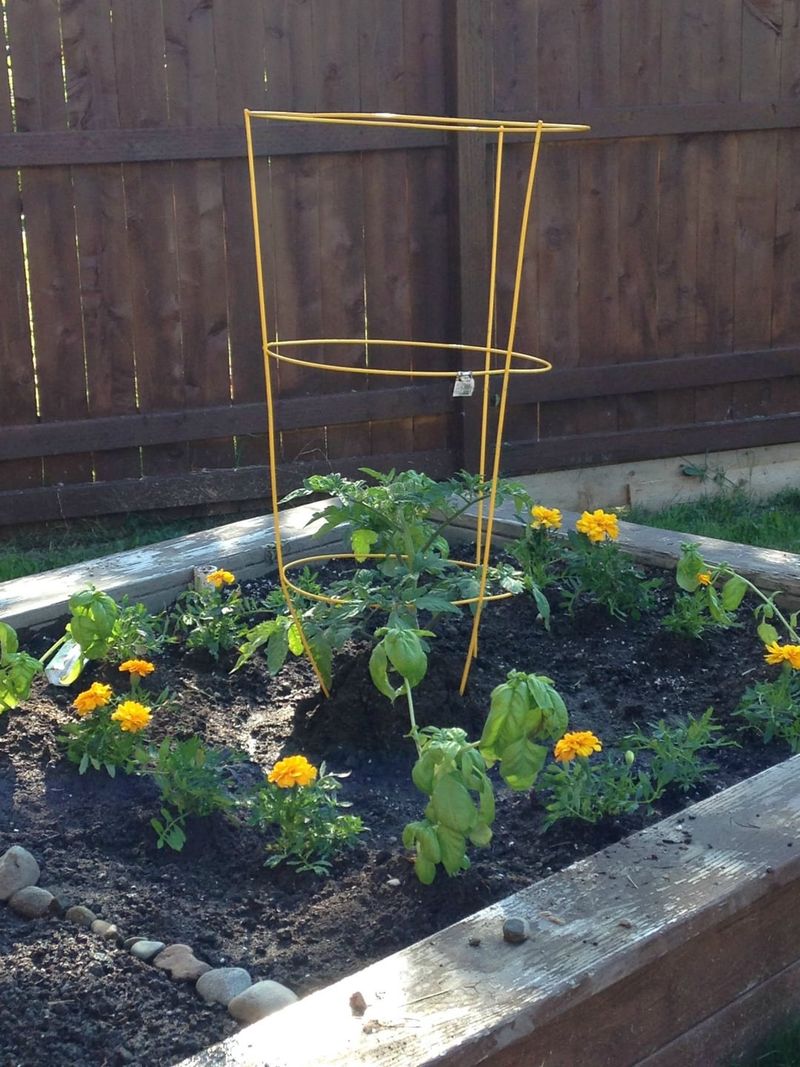
Breaking away from the rigid, military-style rows of traditional farming is a hallmark of the California permaculture movement. In our diverse climate, planting in concentric circles creates a micro-ecosystem that thrives on shared resources.
By placing the tallest, most sun-hungry species at the very center, you are essentially building a living windbreak for the more delicate residents.
This layout maximizes every square inch of space, which is a massive win for urban gardeners dealing with small backyard footprints.
The moisture remains trapped within the dense foliage of the inner rings, reducing the need for constant watering during our blistering summer afternoons.
The real genius lies in the outer perimeter. Smart growers ring their prized vegetables with a defensive layer of pungent herbs like rosemary or sage.
These aromatic plants release oils that scramble the sensory systems of common pests, making it nearly impossible for them to home in on the crops tucked safely inside.
You are not just growing food; you are designing a self-protecting community where each species plays a specific role.
This strategy turns a simple garden bed into a resilient fortress that handles the unpredictable California weather with much less human intervention.
6. Beer Slug Traps
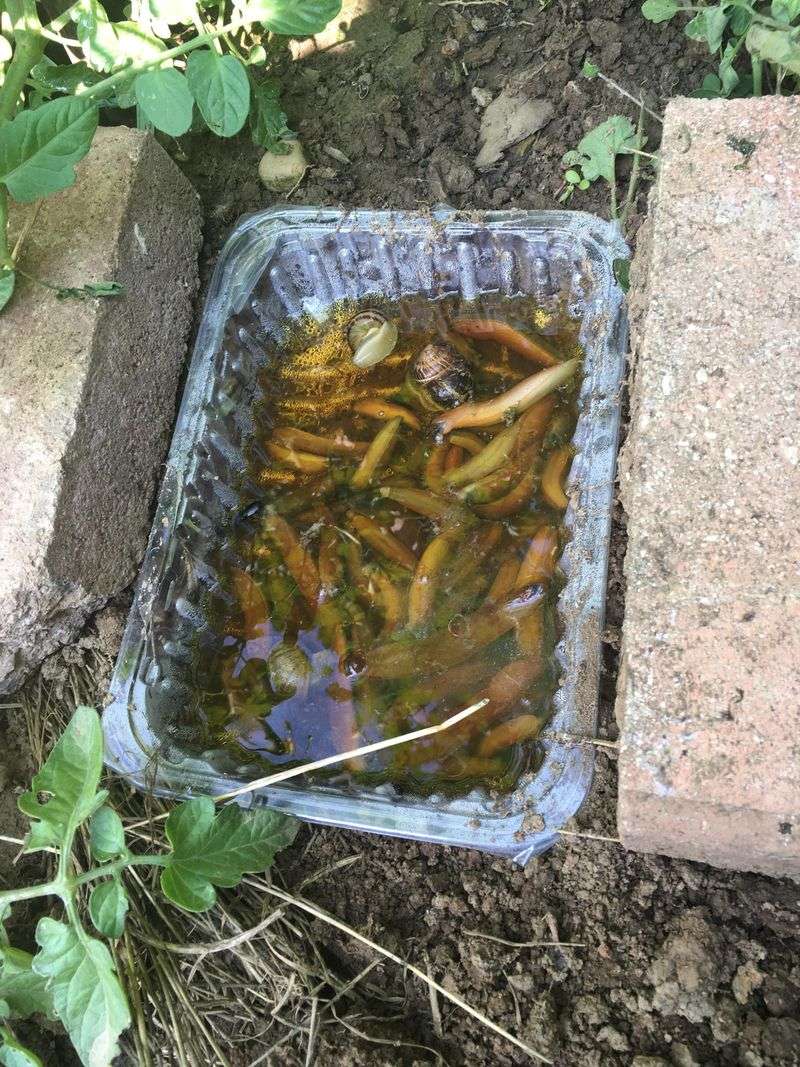
In the moisture-heavy stretches of the California coastline, slugs are the ultimate backyard villains. These slimy intruders can turn a thriving bed of seedlings into a graveyard of stems in a single night.
While many people reach for toxic blue pellets, seasoned local gardeners prefer a trip to the local craft brewery. By burying shallow dishes at soil level and filling them with a cheap lager, you are creating a high-performance trap that exploits the pest’s own biology.
The yeast and fermentation scents act like a siren song, drawing slugs away from your tender lettuce and into the liquid.
The beauty of this method is the circular nature of the waste. Once the “happy hour” is over, you aren’t just tossing the remains into the trash.
Those nutrient-dense, beer-soaked pests are perfect additions to a compost pile, where they break down and return essential nitrogen to the earth.
This strategy is a favorite for organic growers in San Francisco and Santa Cruz who want to protect their greens without introducing synthetic poisons into the local watershed.
You are essentially turning a persistent gardening headache into a free source of high-quality fertilizer for next season’s crops.
7. Hugelkultur Mounds
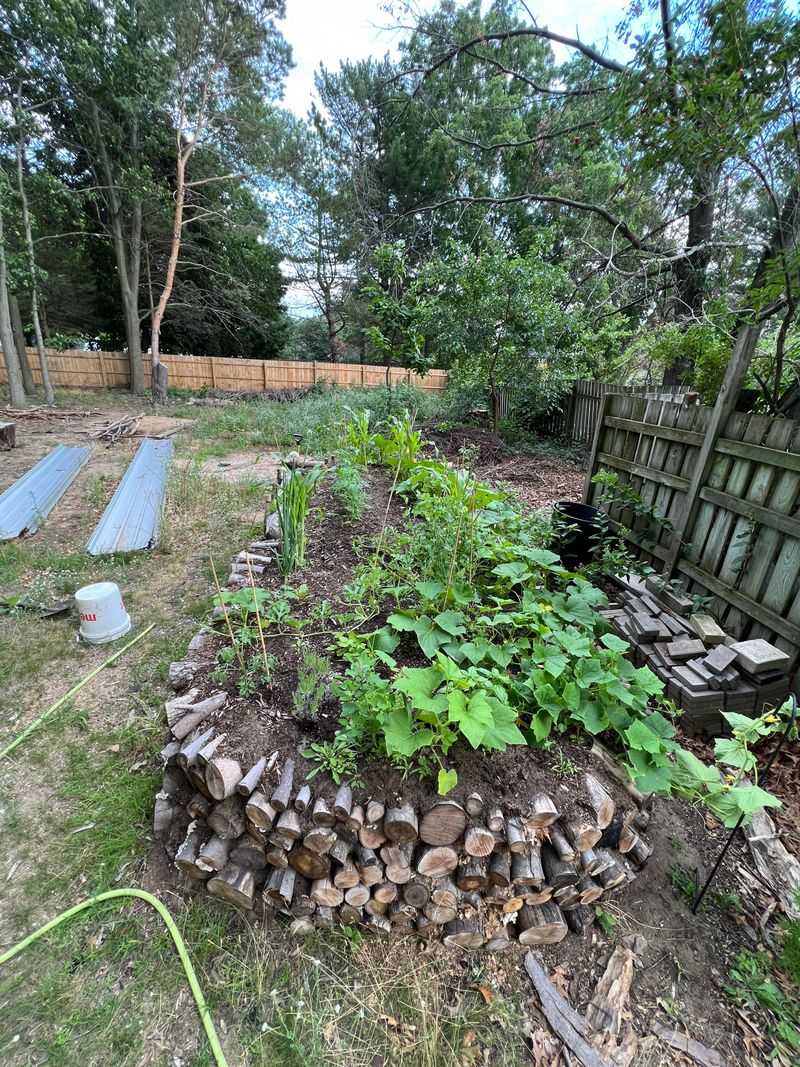
Burying a pile of logs might look like a construction mistake, but in the world of California permaculture, it is a masterclass in efficiency. This technique, often called hugelkultur, creates a subterranean sponge that thrives in our drought-heavy climate.
By stacking woody debris and capping it with thick layers of compost and soil, you are essentially building a long-term battery for your garden. As that wood begins to break down over the decades, it creates a massive reservoir that sucks up every drop of winter rain.
This stored moisture remains available to your plants long after the surface soil has turned to dust.
The thermal benefits are just as impressive for growers in the cooler, fog-drenched parts of Northern California. Decomposing timber generates a steady, low-level heat that warms the root zones from below.
This natural under-floor heating allows you to start your spring planting weeks earlier than your neighbors who are stuck waiting for the sun to do all the work. You are simultaneously building an incredibly rich, fungal-heavy soil structure that requires zero store-bought fertilizers.
It is a brilliant way to turn fallen branches into a self-sustaining, drought-proof growing machine.
8. Eggshell Seed Starters
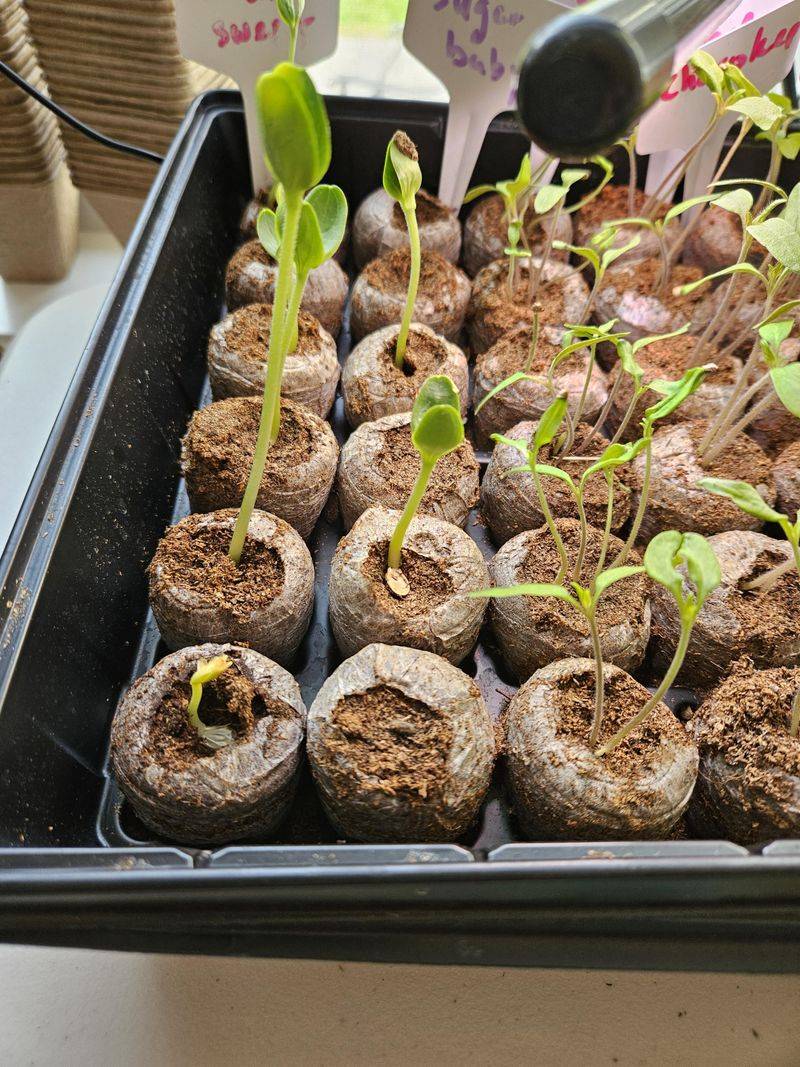
Turning your breakfast scraps into tiny, calcium-packed nursery pots is a stroke of genius for any California gardener. While most people buy plastic seed trays that eventually end up in a landfill, local growers are using emptied eggshells to give their seedlings a massive head start.
These natural containers are perfectly sized for starting peppers or tomatoes in the early spring. When the weather finally warms up and it is time to move your plants into the ground, you simply give the shell a gentle squeeze to crack it.
This allows roots to break through easily while the entire pot stays in the dirt.
The benefits for your soil are immediate and long-lasting. As those shells slowly break down, they release a steady stream of calcium right where the plant needs it most.
This is a game-changer in the Central Valley, where blossom end rot can ruin an entire tomato harvest in a matter of days. Beyond the nutritional boost, those jagged, crushed fragments act like a microscopic razor wire for soft-bodied pests.
You are essentially building a defensive moat around your most vulnerable plants while feeding them at the same time.
9. Cardboard Sheet Mulching
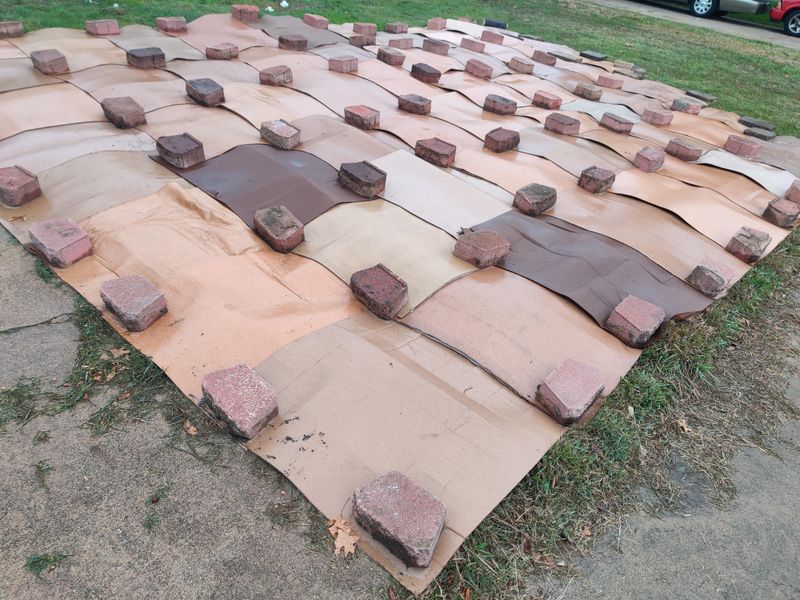
Sheet mulching is a California classic for anyone tired of fighting a losing battle against a thirsty lawn. Instead of spending a weekend behind a gas-powered sod cutter, savvy local gardeners are raiding the recycling bin for every scrap of plain brown cardboard they can find.
By layering these flattened boxes directly over your grass, you are essentially starving the weeds of light while creating a moisture-trapping blanket. This strategy became a survival tactic during our most intense drought years because it stops evaporation in its tracks.
You simply cut a small hole through the damp paper, tuck your new plant into the soil below, and let the materials do the heavy lifting.
The underground transformation is where the real magic happens. As the cardboard begins to soften and decompose, it becomes a high-energy buffet for local earthworms.
These tiny engineers flock to the area, tunneling through the compacted California clay to reach the decaying cellulose. Their movement creates a network of natural irrigation channels that allow every drop of winter rain to penetrate deep into the earth.
You are essentially building a rich, loamy garden bed from the top down while turning a waste product into a long-term soil conditioner.
10. Mycorrhizal Fungi Inoculation
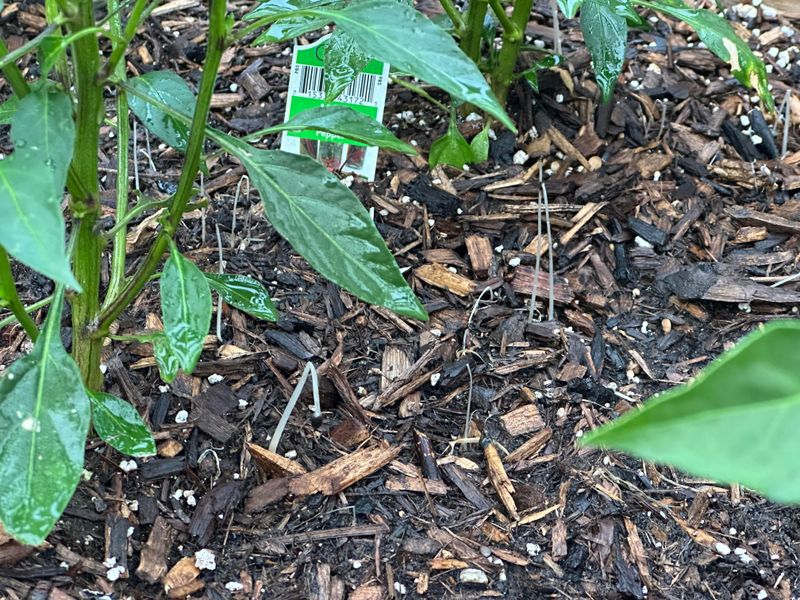
Tapping into the “woodwide web” is the ultimate insider move for California gardeners looking to build a truly self-sufficient landscape.
While most people see fungi as a problem to be sprayed away, local experts know that specific beneficial strains are the backbone of a healthy ecosystem.
By carefully collecting a small amount of soil from a thriving local woodland and mixing it into your garden beds, you are essentially installing a high-speed fiber-optic network for your plants.
These mycorrhizal fungi latch onto root systems, extending their reach far beyond what the plant could achieve on its own.
In our drought-plagued environment, this underground partnership is a literal lifesaver. The fungal filaments are much finer than plant roots, allowing them to squeeze into tiny soil pores to grab every last molecule of moisture.
Even more impressive is the way these networks allow established trees to funnel surplus nutrients to struggling saplings nearby. You are creating a communal support system that shares resources across your entire backyard.
This invisible infrastructure turns a collection of individual plants into a resilient, interconnected community that can handle a California heatwave with much less help from the garden hose.