Weird Plants That Actually Grow Well In North Carolina Yards
Walk through a North Carolina yard and you expect to see the usual flowers and shrubs. Then suddenly there it is.
A strange shaped plant, bold leaves, or something that looks more tropical than Southern. It catches your eye and makes you stop for a second. The funny part is that many of these odd looking plants are not struggling at all. They are thriving.
Warm summers, mild winters, and long growing seasons give North Carolina the perfect conditions for some truly unexpected growers. Gardeners who try them often end up with stronger plants, fewer problems, and way more personality in their landscapes.
What looks unusual at first quickly becomes a favorite conversation starter. If your garden feels predictable or boring lately, adding something unexpected might be the easiest upgrade you can make.
Get ready to meet the plants that break the rules and still grow like champions.
1. Coral Bells (Heuchera Spp.)
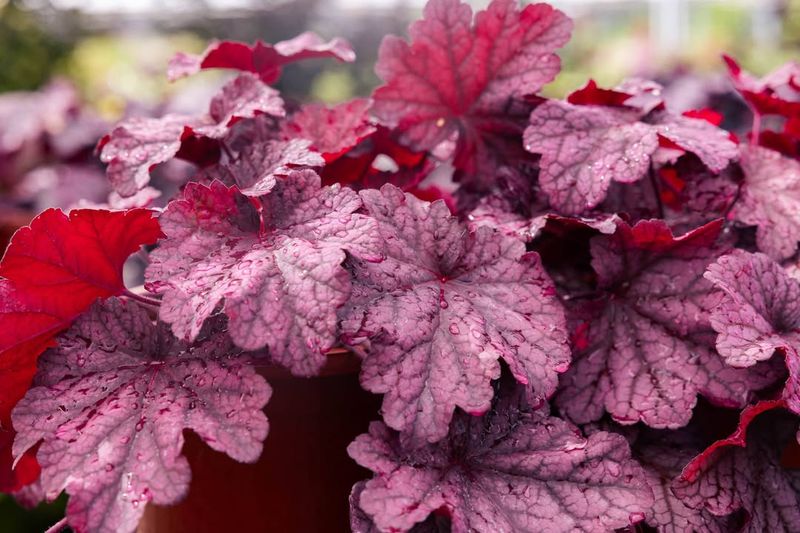
Coral bells transform shady corners into vibrant displays of color. Their leaves shimmer in shades of purple, silver, bronze, and even orange. Most gardeners focus on flowers, but these perennials steal the show with foliage alone.
North Carolina’s woodland conditions suit coral bells perfectly. They prefer partial shade and well-drained soil rich in organic matter.
Summer heat doesn’t faze them when planted under tree canopies or on north-facing slopes.
Spring brings delicate flower spikes in pink, red, or white hues. These airy blooms attract hummingbirds and add vertical interest without overwhelming the plant. The real star remains the foliage, which persists through mild winters.
Pairing different varieties creates stunning tapestries of color. Try combining ‘Palace Purple’ with ‘Lime Rickey’ for dramatic contrast. These plants multiply slowly, forming tidy clumps that never become invasive.
Maintenance requires minimal effort beyond occasional watering during dry spells. Remove old flower stalks to encourage fresh growth. Divide clumps every three years to maintain vigor and share with fellow gardeners.
Deer typically avoid coral bells, making them ideal for rural properties. Their compact size works beautifully in containers or along shaded pathways. Few plants offer such versatility and year-round visual interest in challenging garden spots.
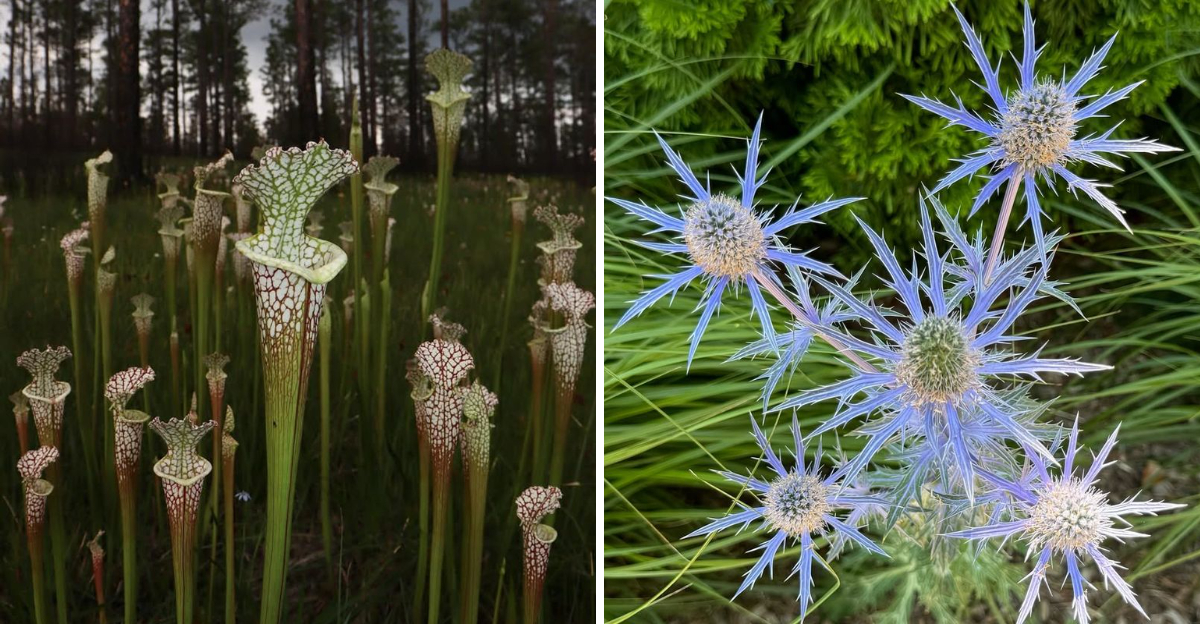
2. Pitcher Plant (Sarracenia Spp.)
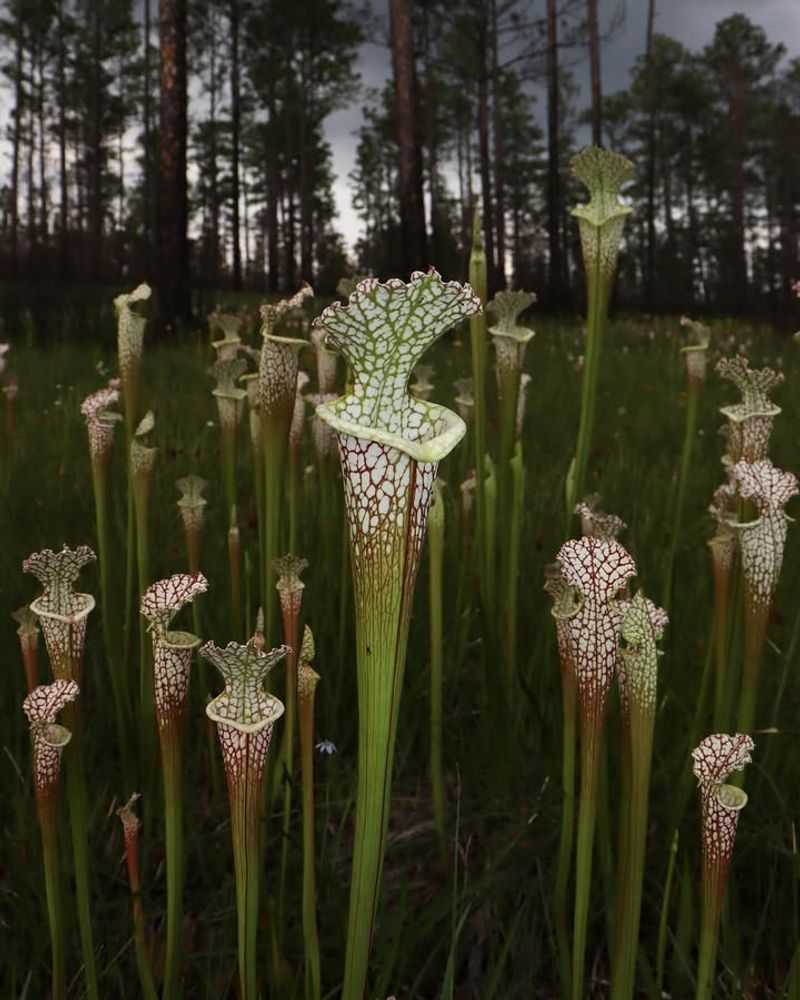
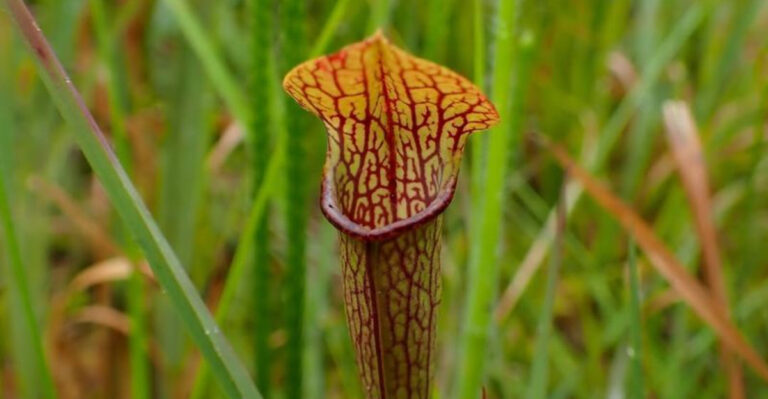
Carnivorous plants growing in your backyard sound like science fiction. Pitcher plants make this reality possible across North Carolina. These native wonders capture insects using modified leaves that form fluid-filled tubes.
Bog conditions are essential for pitcher plant success. They require acidic soil, constant moisture, and full sun exposure. Coastal plain areas naturally provide these conditions, but any gardener can recreate them.
The trapping mechanism fascinates children and adults alike. Insects attracted by nectar and color tumble into the pitcher’s slippery interior. Downward-pointing hairs prevent escape, and digestive enzymes break down the prey for nutrients.
Several species thrive in our state’s climate zones. Purple pitcher plant tolerates colder mountain regions, while yellow pitcher plant flourishes in warmer areas. Their spring flowers add unexpected beauty on tall stalks above the pitchers.
Creating a bog garden involves digging a shallow depression and lining it. Fill with a mix of peat moss and sand, keeping it perpetually moist. Rainwater or distilled water works best since tap water contains minerals these plants cannot tolerate.
These plants need no fertilizer since they obtain nutrients from insects. Winter dormancy is natural and necessary for their health.
Watching them capture prey provides endless entertainment while controlling mosquitoes and flies naturally.
3. Fiddlehead Ferns (Matteuccia Struthiopteris)
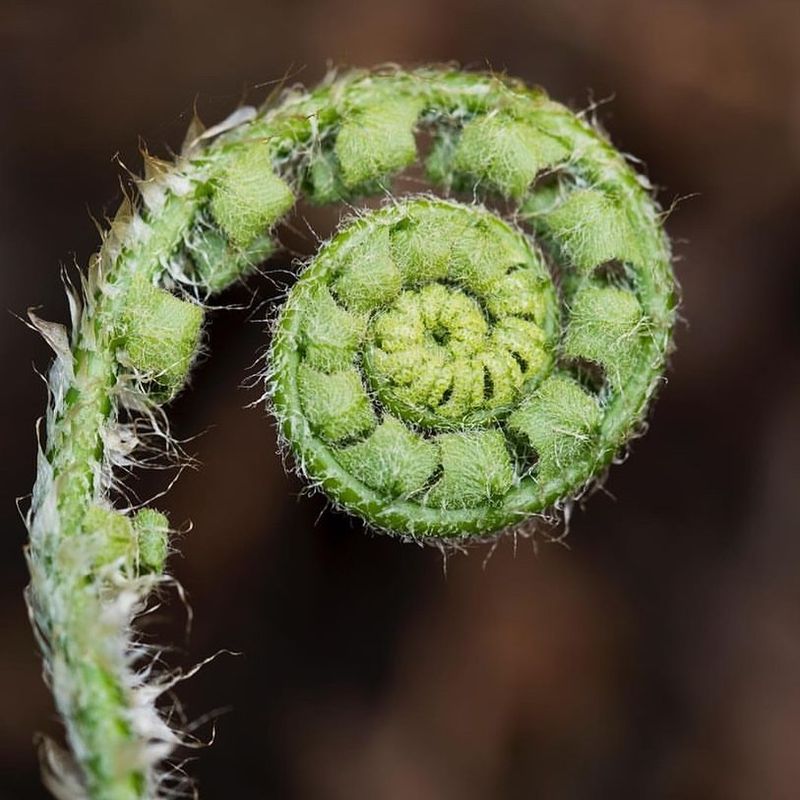
Spring brings edible treasures to shaded garden corners. Fiddlehead ferns emerge as tightly coiled spirals resembling violin scrolls. These ostrich fern shoots offer both ornamental appeal and culinary possibilities for adventurous gardeners.
Moist, rich soil in partial to full shade creates ideal growing conditions. North Carolina’s woodland environments naturally support these ferns.
They spread through underground runners, forming attractive colonies over time without becoming problematic.
Harvest timing matters greatly for both safety and taste. Pick fiddleheads when they’re still tightly coiled and under six inches tall. Only take a few from each plant to ensure continued growth and fern development.
Proper preparation is crucial before eating these spring delicacies. Boil or steam fiddleheads for at least ten minutes to eliminate natural compounds. Never consume them raw, as this can cause digestive upset.
Once mature, the ferns provide lush greenery throughout summer. Their feathery fronds create a tropical appearance in temperate gardens. They tolerate our humid summers better than many other fern species.
Companion planting with hostas, astilbe, and coral bells creates layered woodland gardens. These ferns require consistent moisture but tolerate brief dry periods once established.
Their deciduous nature means they disappear in winter, making space for spring bulbs and early perennials.
4. Passionflower (Passiflora Incarnata)
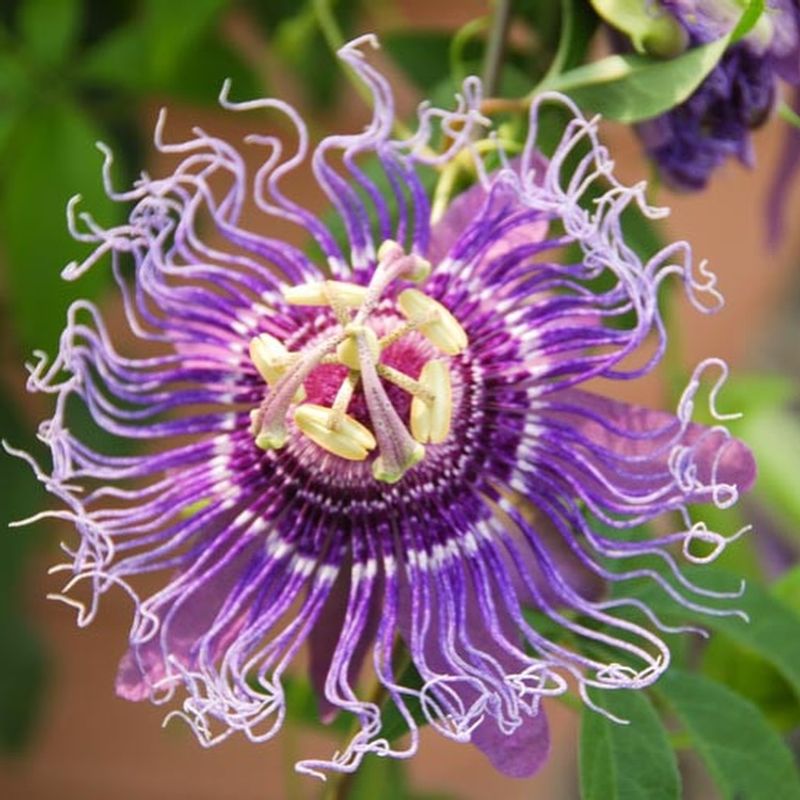
Few flowers match the architectural complexity of passionflower blooms. Their intricate structure features radiating filaments, prominent stamens, and layered petals. Seeing one for the first time leaves most people questioning whether it’s real or artificial.
This native vine thrives throughout North Carolina’s climate zones. Cold hardiness surprises gardeners who assume such exotic appearances require tropical conditions. Roots survive winter freezes, sending up vigorous growth each spring.
Monarch and fritillary butterflies depend on passionflower as a host plant. Their caterpillars feed on the foliage without harming the plant’s overall health.
Supporting pollinators while enjoying stunning blooms creates a win-win situation for eco-conscious gardeners.
The vine climbs enthusiastically using tendrils that grasp any available support. Provide a trellis, fence, or arbor for best results. Without support, it sprawls across the ground, which works in naturalized areas.
Summer brings continuous flowering from June through September. Each bloom lasts only a day, but new ones open constantly. Egg-shaped fruits follow the flowers, though they rarely ripen in our climate.
Full sun exposure produces the most abundant flowering. Average garden soil suffices, though improved drainage prevents root rot.
Once established, passionflower tolerates drought remarkably well. Prune in late winter to control size and encourage branching for more blooms.
5. Sensitive Plant (Mimosa Pudica)
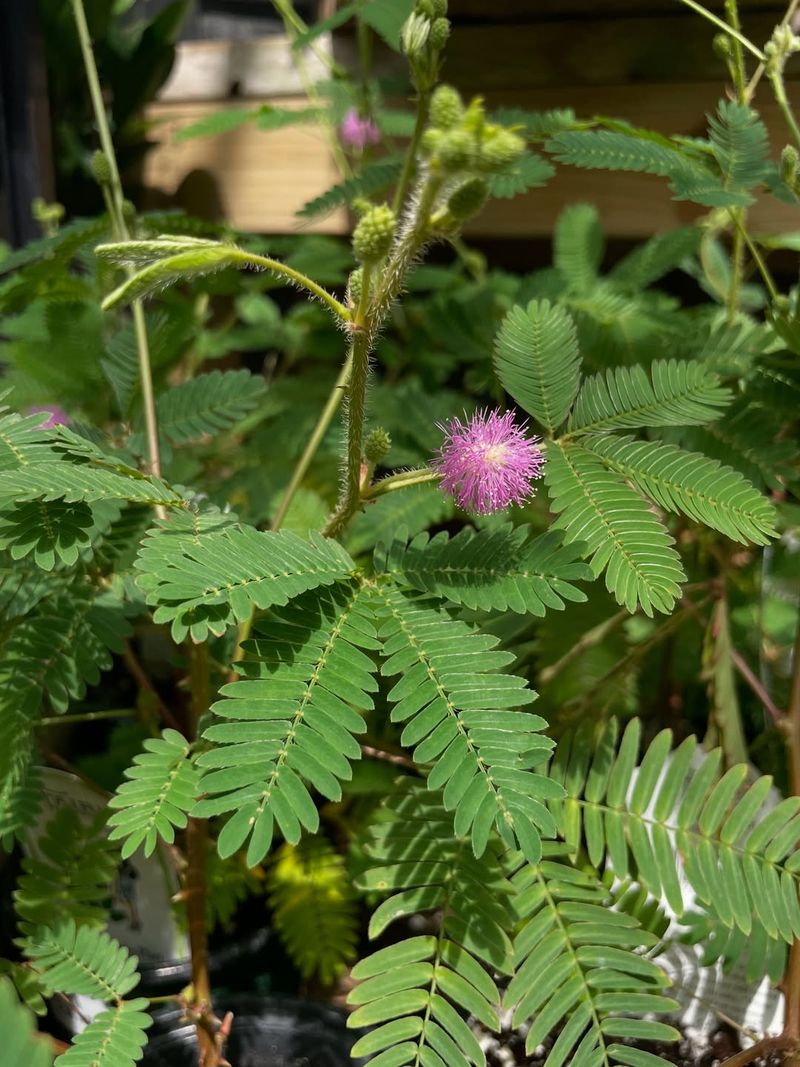
Interactive plants captivate curious minds of all ages. Sensitive plant responds to touch by folding its leaves within seconds. This dramatic reaction never gets old, making it a perfect conversation piece for patios and gardens.
Tropical origins mean this plant grows as an annual in North Carolina. Treat it like impatiens or begonias, planting after frost danger passes. Container growing works beautifully, allowing you to move it to optimal locations.
The folding mechanism serves as protection against herbivores and harsh weather. Leaves collapse when touched, shaken, or exposed to darkness. They reopen after fifteen to thirty minutes once the perceived threat passes.
Pink puffball flowers appear throughout summer, adding charm beyond the interactive foliage. These fuzzy blooms attract bees and other beneficial insects. Seed pods follow, providing opportunities to save seeds for next year’s planting.
Full sun and consistent moisture produce the healthiest growth. Well-draining potting mix prevents root problems in containers. Fertilize monthly with diluted liquid fertilizer to support continuous leaf production.
Children especially love demonstrating the plant’s sensitivity to visitors. It teaches botanical concepts about plant responses and adaptations.
Growing sensitive plant combines education with entertainment, making gardening more engaging for young learners. Start seeds indoors six weeks before your last frost date for earlier enjoyment.
6. Jerusalem Artichoke (Helianthus Tuberosus)
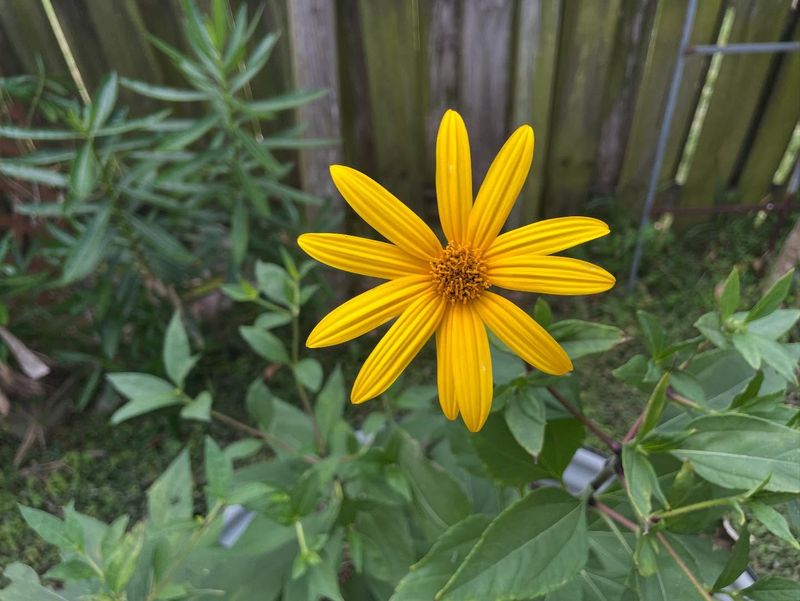
Sunflowers that produce edible underground tubers sound too good to be true. Jerusalem artichoke delivers both ornamental height and nutritious food from a single plant. These perennials return reliably each year, multiplying their harvest potential.
Towering stalks reach six to ten feet by late summer. Bright yellow flowers top the plants in fall when most gardens fade. This vertical interest creates privacy screens or dramatic backdrops for shorter plants.
The tubers taste nutty and slightly sweet, resembling water chestnuts in texture. Harvest them after frost improves their flavor by converting starches to sugars. Leave some tubers in the ground for next year’s crop.
North Carolina’s soil types accommodate Jerusalem artichoke without special amendments. They tolerate clay, sand, and everything in between. Full sun produces the largest tubers and most abundant flowers.
Planting requires caution since these plants spread enthusiastically. Dedicate a specific area where spreading won’t create problems. Alternatively, plant them in large containers to control their expansive nature.
Prepare tubers like potatoes by roasting, mashing, or adding them to soups. Their unique carbohydrate composition makes them suitable for various dietary needs. Raw slices add crunch to salads with a mild, pleasant flavor.
Minimal maintenance makes this plant ideal for busy gardeners. Water during establishment, then let nature take over. These native plants handle our summer heat and winter cold without complaint.
7. Sea Holly (Eryngium Spp.)
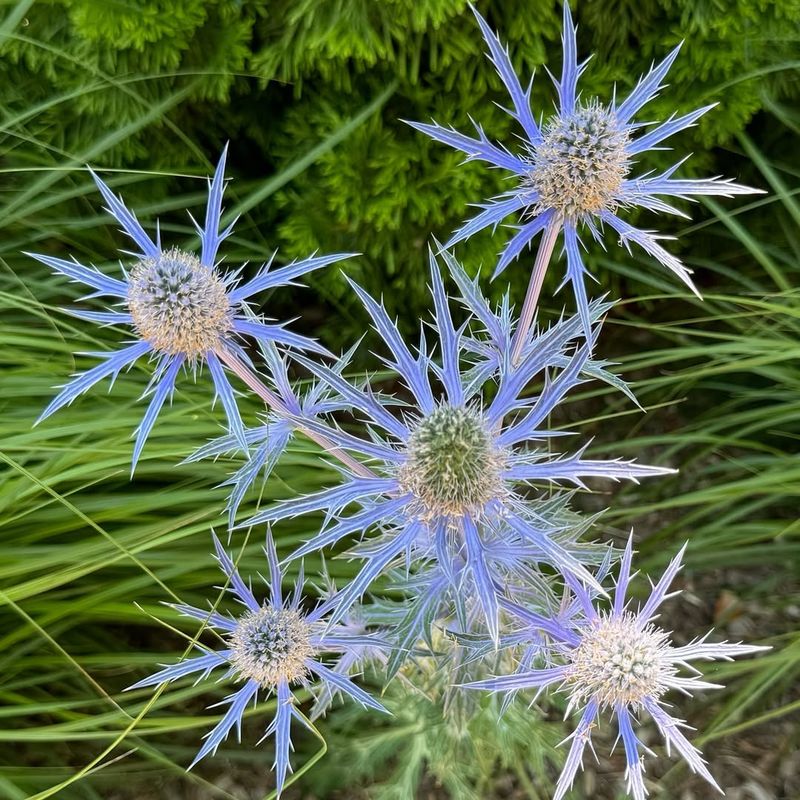
Metallic blue flowers that thrive in heat and drought seem impossible. Sea holly proves otherwise with its striking steel-blue blooms and architectural presence. This perennial challenges expectations about what tough plants can look like.
Spiky bracts surround each flower head, creating a thistle-like appearance. The entire plant, from stems to flowers, displays silvery-blue coloring. This unusual palette complements both hot-colored blooms and cool pastels in mixed borders.
Excellent drainage is the only critical requirement for sea holly success. Sandy or gravelly soil that most plants dislike suits them perfectly. North Carolina’s Piedmont and Coastal regions provide ideal conditions without soil amendments.
Summer heat that wilts other perennials leaves sea holly unfazed. Their deep taproots access moisture beyond the reach of surface-rooting plants. Once established, supplemental watering becomes unnecessary even during dry spells.
Pollinators adore sea holly flowers despite their prickly appearance. Bees and butterflies visit constantly throughout the lengthy blooming period.
Dried flower heads persist into winter, providing architectural interest and food for seed-eating birds.
Cutting gardens benefit from sea holly’s long-lasting qualities in arrangements. Fresh or dried, the flowers maintain their color and structure. Their unique texture adds dimension to bouquets that roses and daisies cannot provide.
Deer and rabbits avoid these plants due to their spiny nature. This makes sea holly valuable for gardens where wildlife browsing creates challenges. Pairing them with ornamental grasses creates low-maintenance, water-wise combinations.
8. Hellebores (Helleborus Spp.)
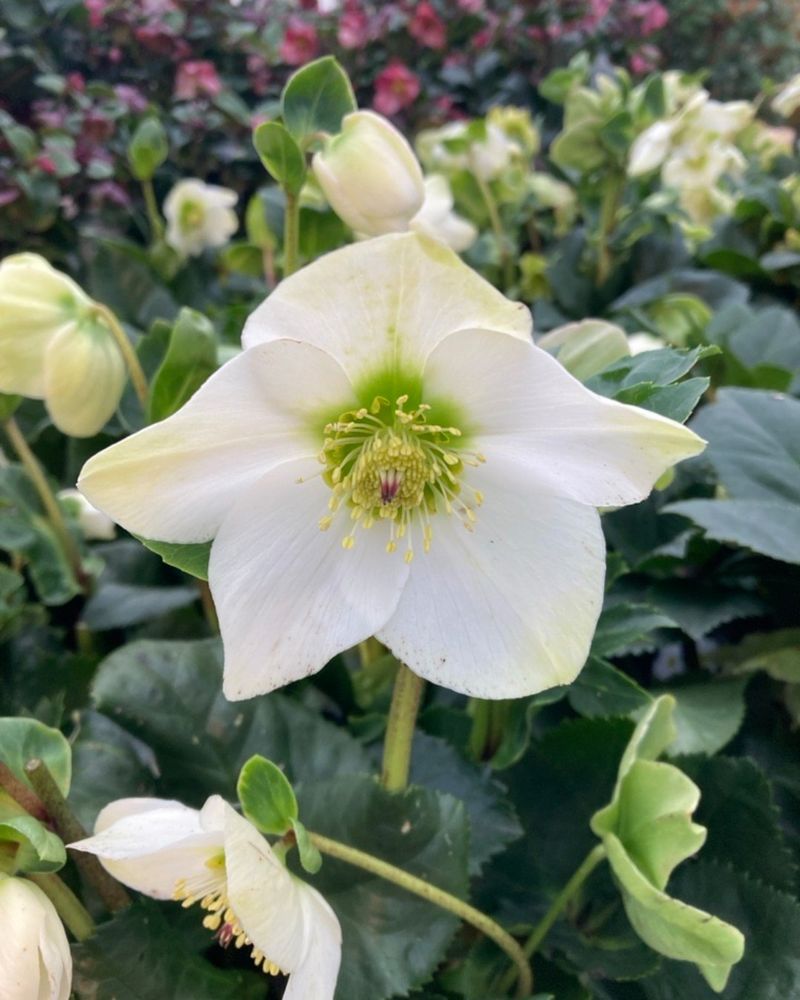
Flowers blooming in February seem like wishful thinking in most gardens. Hellebores shatter this assumption by opening their nodding blooms while snow still threatens. These shade-loving perennials bring color when gardens need it most desperately.
Leathery evergreen foliage persists through our winters, providing year-round structure. The leaves form attractive mounds that suppress weeds beneath trees and shrubs. Even when not flowering, hellebores earn their space through foliage alone.
Bloom colors range from pure white to deep purple, with spotted patterns adding intrigue. Each flower lasts for months, not days like most spring bloomers. What appears to be petals are actually sepals that persist long after pollination.
Shade tolerance makes hellebores invaluable for challenging garden spots. They flourish under deciduous trees where spring sunlight reaches them before leaves emerge. Summer shade protects them from our intense heat and humidity.
Deer find hellebores unpalatable due to toxic compounds in their tissues. This protection extends to rabbits and other browsing creatures. Plant them at woodland edges where wildlife pressure limits other options.
Established plants require virtually no maintenance beyond removing tattered old leaves. They resent transplanting once settled, so choose planting locations carefully. Self-sowing creates colonies over time, though seedlings take three years to flower.
North Carolina’s climate suits most hellebore species and hybrids perfectly. Our winters provide necessary chilling without extreme cold that damages flower buds. Spring comes early enough for extended bloom enjoyment.
9. Sweetgrass (Hierochloe Odorata)
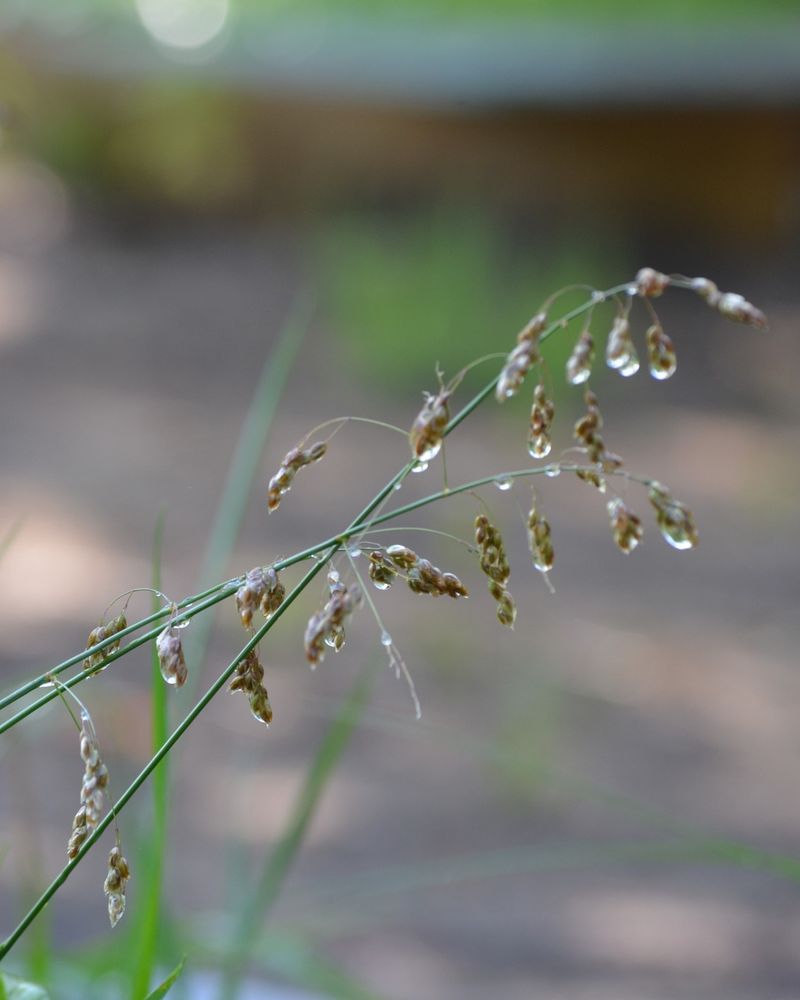
Aromatic grasses rarely receive attention in ornamental landscapes. Sweetgrass breaks this pattern with its vanilla-like fragrance and cultural significance. Native Americans have valued this plant for centuries in basket weaving and ceremonial purposes.
The scent intensifies when leaves are crushed or dried. Fresh growth smells pleasant but subtle, while dried braids release stronger fragrance. This characteristic makes sweetgrass useful beyond its visual appeal in gardens.
Moist, sunny locations suit sweetgrass best throughout North Carolina. It tolerates wet feet better than most grasses, making it ideal for rain gardens. Creek banks and pond edges provide natural settings where it flourishes without assistance.
Growth habit remains manageable compared to aggressive ornamental grasses. Clumps expand gradually through rhizomes without becoming invasive. The grass reaches two to three feet tall with graceful, arching blades.
Harvesting for crafts or fragrance requires sustainable practices. Take only a portion of leaves from each clump, allowing continued growth. Traditional braiding techniques create long-lasting decorative pieces that retain their scent for years.
Combining sweetgrass with other wetland plants creates authentic native plantings. Joe Pye weed, cardinal flower, and swamp milkweed make excellent companions. These groupings support wildlife while managing water runoff naturally.
Propagation from divisions proves more reliable than seed starting. Spring or fall division works equally well in our climate. Share divisions with friends interested in native plants or traditional crafts. Few grasses offer such practical and aesthetic value simultaneously.
10. Devil’s Walking Stick (Aralia Spinosa)
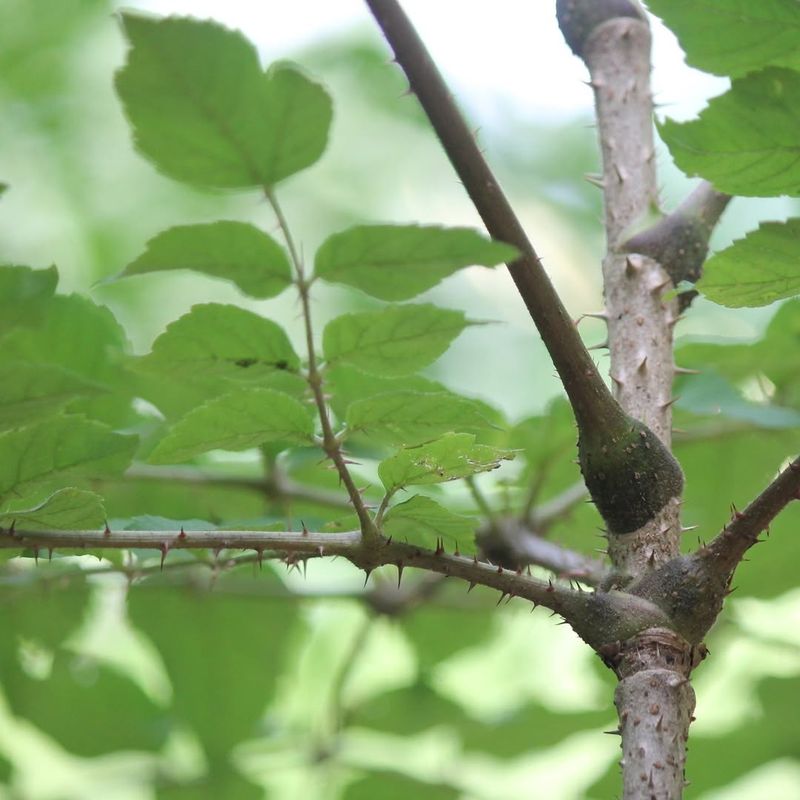
Tropical appearance combined with cold hardiness creates an unexpected combination. Devil’s walking stick looks like it belongs in a jungle yet survives North Carolina winters without protection.
This native small tree or large shrub commands attention through sheer architectural presence. Sharp spines cover the stems and leaf stalks, explaining the intimidating common name.
These thorns deter browsing animals effectively while creating a unique textural element. Handle with thick gloves during any pruning or maintenance activities.
Compound leaves reach up to four feet long, creating a palm-like effect. They emerge late in spring, making the plant appear lifeless longer than most. This late leafing prevents frost damage to tender new growth.
Summer brings enormous flower clusters that attract countless pollinators. These creamy white blooms appear in late July through August when few trees flower. The spectacle of buzzing insects covering the blooms fascinates observers.
Dark purple berries follow the flowers, providing food for migrating birds. Over fifty bird species consume these fruits during fall migration. The berries persist briefly before being stripped clean by hungry travelers.
Suckering growth habit creates thickets if left unmanaged. This characteristic works well for naturalized areas needing screening or erosion control. For specimen use, remove suckers annually to maintain a single-trunked form.
Full sun to partial shade accommodates this adaptable native. Average soil without amendments supports healthy growth.
Despite its fierce appearance, devil’s walking stick rarely causes problems and offers four-season interest in adventurous landscapes.