What A Herb Spiral Is And What To Plant In Michigan Gardens
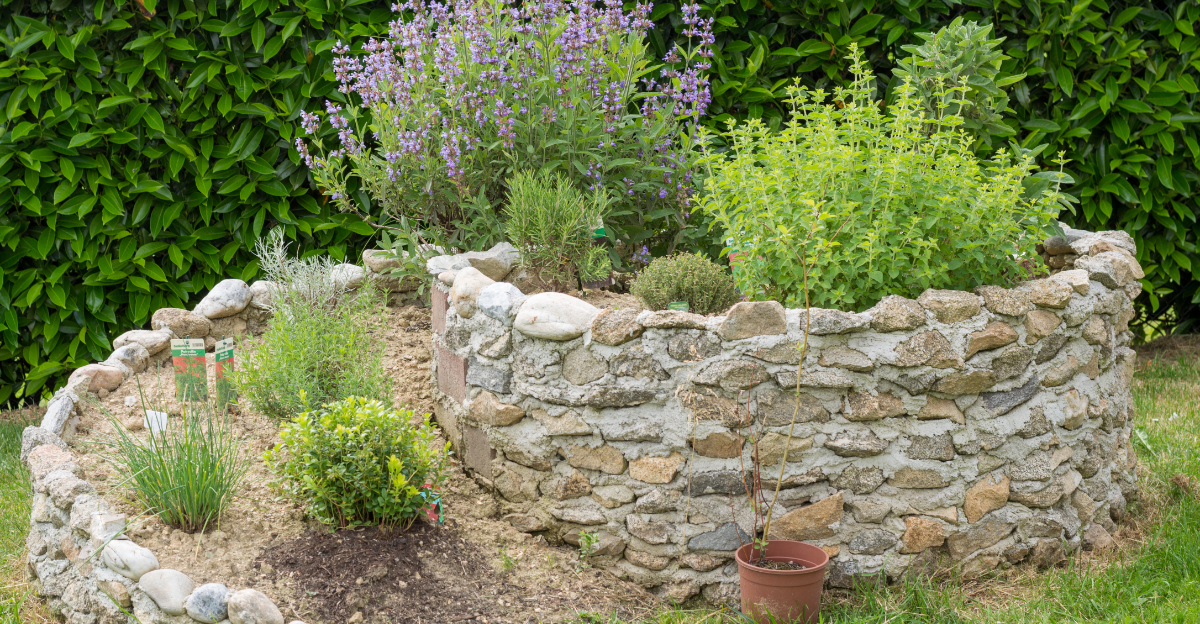
A swirl of fragrant greenery rising in a graceful spiral can transform an ordinary garden corner into something both beautiful and highly productive.
Herb spirals are inspiring gardeners in Michigan to grow fresh, flavorful herbs in a smart and space saving way right outside their doors.
This creative vertical design forms several natural growing zones within a compact footprint, allowing different herbs to thrive according to their sunlight, moisture, and soil preferences.
Even in Michigan’s changing climate, herb spirals help regulate drainage and warmth, creating ideal conditions for steady growth throughout the season.
Whether your outdoor space is small and cozy or wide and open, this elegant structure blends function with visual appeal while keeping fresh herbs within easy reach.
With thoughtful planning and simple materials, Michigan gardeners can enjoy a thriving herb spiral that adds beauty, fragrance, and a steady supply of homegrown flavor to everyday life.
What A Herb Spiral Is And Why Gardeners Love It
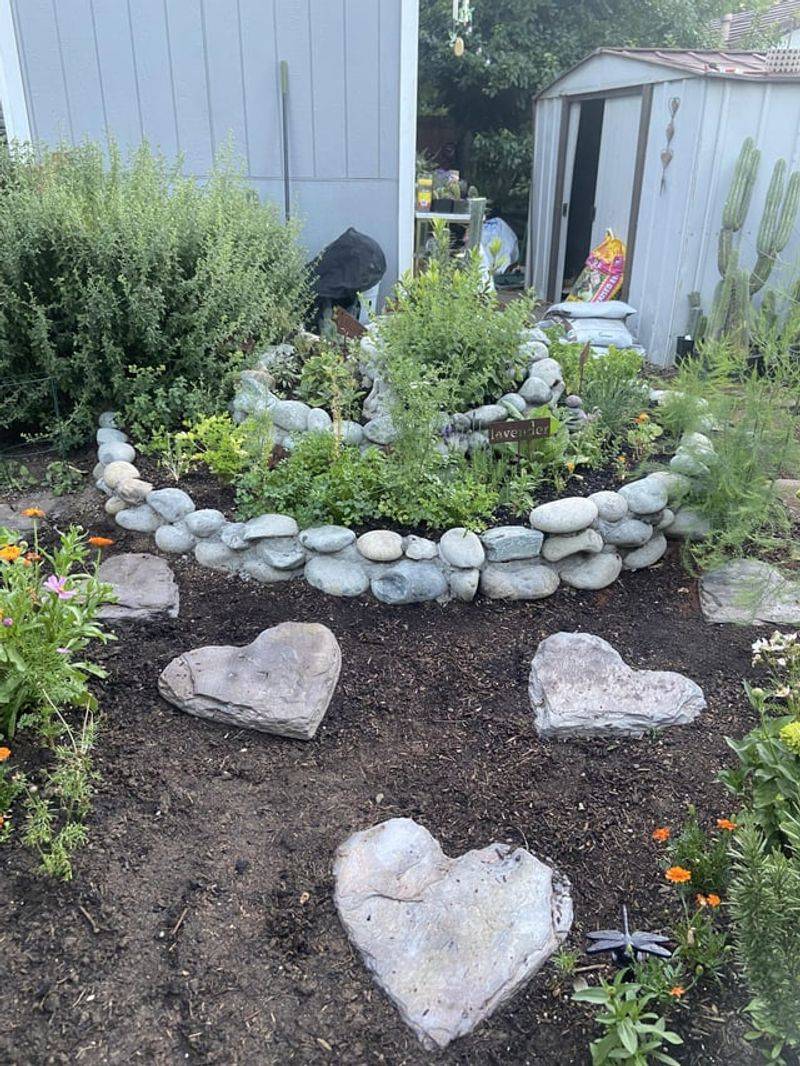
A herb spiral is a vertical garden structure built in an upward spiral shape that rises from ground level to about waist height. Gardeners construct this design using stacked stones, bricks, or similar materials to create a three-dimensional planting area.
The spiral shape naturally creates different growing environments from top to bottom. This garden feature typically measures three to six feet in diameter at its base.
The spiral winds upward in a clockwise or counterclockwise direction, creating a gentle slope. Gardeners fill the interior with quality soil, creating planting pockets along the spiral path.
People love herb spirals because they pack incredible growing potential into a compact footprint. A single spiral can accommodate a dozen or more different herbs in the same space where a flat garden bed might hold only a few plants.
The vertical design makes harvesting easier on your back and knees. The structure itself becomes a garden focal point that adds visual interest to any yard.
Many gardeners appreciate how the design mimics patterns found in nature, from snail shells to galaxy formations.
This practical garden feature combines beauty with function in a way that feels both ancient and innovative at the same time.
How A Herb Spiral Creates Natural Growing Zones
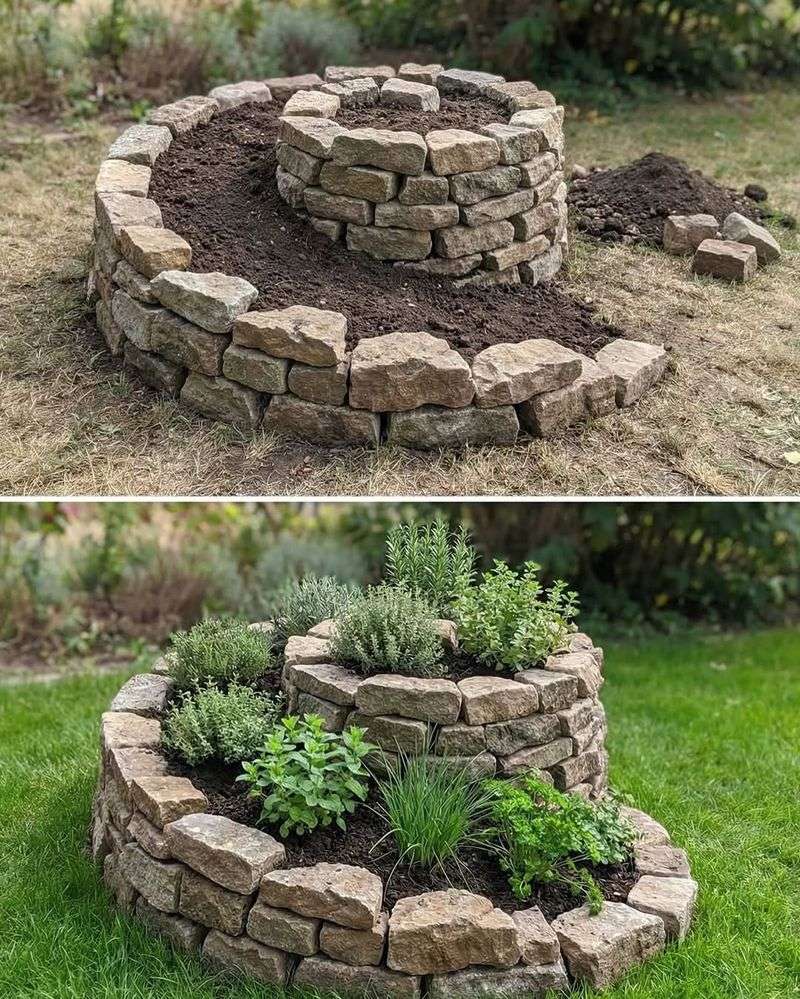
The magic of a herb spiral lies in how it naturally creates distinct microclimates along its ascending path. At the top, soil drains quickly and receives maximum sunlight throughout the day.
Water naturally flows downward, leaving the summit relatively dry even after rainfall. Moving down the spiral, conditions gradually change with each turn. The middle sections experience moderate drainage and receive good sunlight for most of the day.
Soil moisture increases as you descend because water percolates through upper layers before settling lower.
The base of the spiral retains the most moisture and may receive partial shade during certain hours. North-facing sections of the spiral typically stay cooler and damper than south-facing areas.
These variations happen naturally without any special engineering or complicated systems.
Gardeners can match plants to these zones based on their native habitats and water preferences. Mediterranean herbs thrive at the dry, sunny top, while moisture-loving herbs flourish at the bottom.
This zoning happens automatically through the simple physics of water movement and sun exposure.
The stone or brick materials used in construction also affect these microclimates. Stones absorb heat during the day and release it slowly at night, creating warmer conditions near the structure.
This thermal mass can extend the growing season slightly for herbs planted closest to the stones.
Why Herb Spirals Work Well In Michigan Gardens
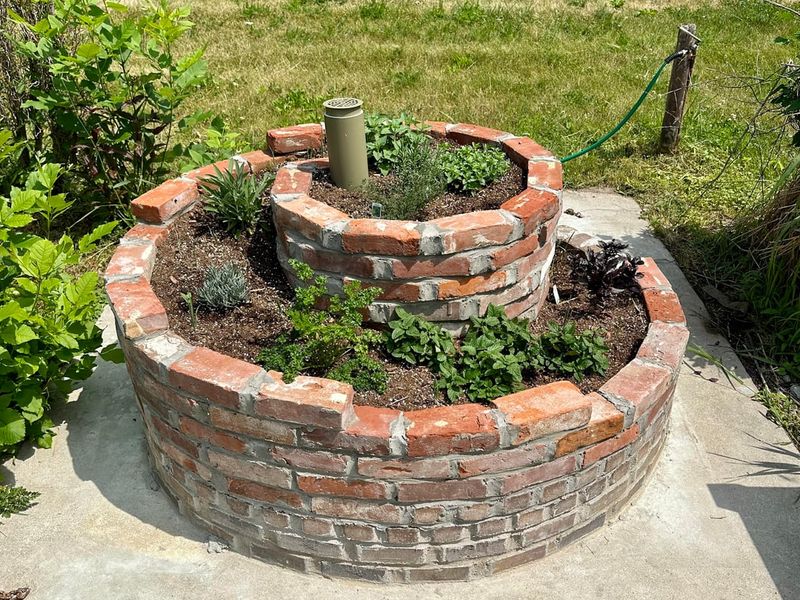
Michigan’s climate presents unique challenges for herb gardening, and herb spirals address several of these concerns effectively. The raised design improves drainage, which becomes crucial during Michigan’s wet springs when heavy rains can waterlog flat garden beds.
Herbs sitting in soggy soil often struggle, but the sloped spiral allows excess water to drain away quickly.
The vertical structure also maximizes sun exposure, an important consideration in Michigan where growing seasons run shorter than in southern states. Elevating plants helps them capture more sunlight throughout the day.
Southern-facing sections of the spiral receive particularly generous sun exposure, creating warm pockets perfect for heat-loving herbs.
Michigan gardeners face unpredictable temperature swings, especially during spring and fall. The thermal mass of stone or brick spirals helps moderate these fluctuations.
Stones warm up during sunny days and radiate heat during cooler nights, protecting tender herbs from sudden temperature drops.
Space efficiency matters in Michigan yards where homeowners often balance vegetable gardens, flower beds, and lawn areas. A herb spiral concentrates diverse plantings into a small footprint.
You can grow twelve different herbs in the space where a traditional bed might accommodate only four or five plants.
The design also helps Michigan gardeners extend their harvest season. The warmest, driest zones at the top often produce herbs earlier in spring and later into fall compared to ground-level plantings.
Where People Usually Build Herb Spirals In The Yard
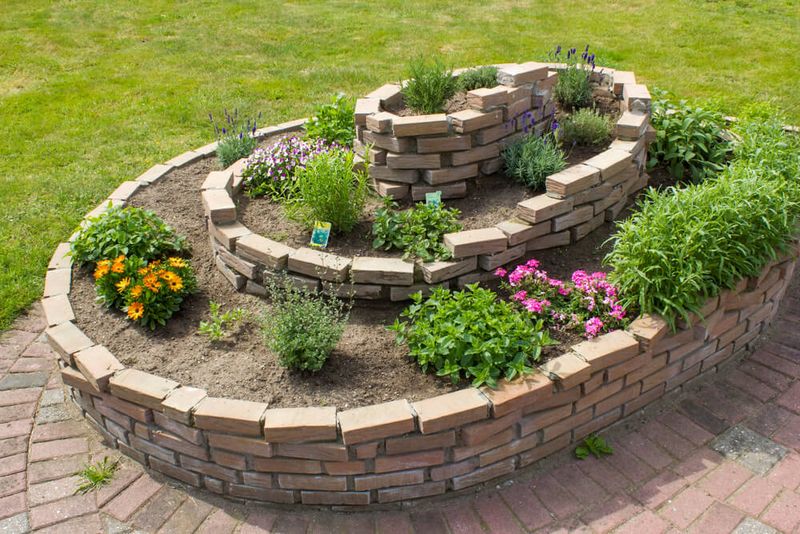
Most gardeners place their herb spirals within easy reach of the kitchen door for convenient access during meal preparation. You want to grab fresh basil or thyme without trekking across the entire yard.
A location ten to twenty feet from your main entrance works perfectly for quick harvesting trips.
Sunny spots rank as the top priority when choosing a location. Herbs generally need at least six hours of direct sunlight daily, and more sun produces more flavorful leaves.
South-facing locations receive the most consistent sunlight throughout the growing season in Michigan.
Many people incorporate herb spirals into existing garden areas near vegetable beds or flower borders. This placement makes sense because you’re already maintaining that part of the yard.
The spiral becomes part of your regular garden rounds rather than an isolated feature requiring separate attention.
Level ground makes construction easier, though gentle slopes can work with proper planning. Avoid low spots where water collects after rain, as these areas can become muddy and difficult to access.
Good drainage in the surrounding area helps prevent water from pooling around the spiral’s base.
Some gardeners position spirals near outdoor entertaining spaces like patios or decks. The structure serves as an attractive focal point while providing fresh herbs for outdoor cooking and dining.
Raised bed areas also make excellent locations since the surrounding infrastructure already supports elevated gardening.
What Materials Are Commonly Used To Build A Herb Spiral
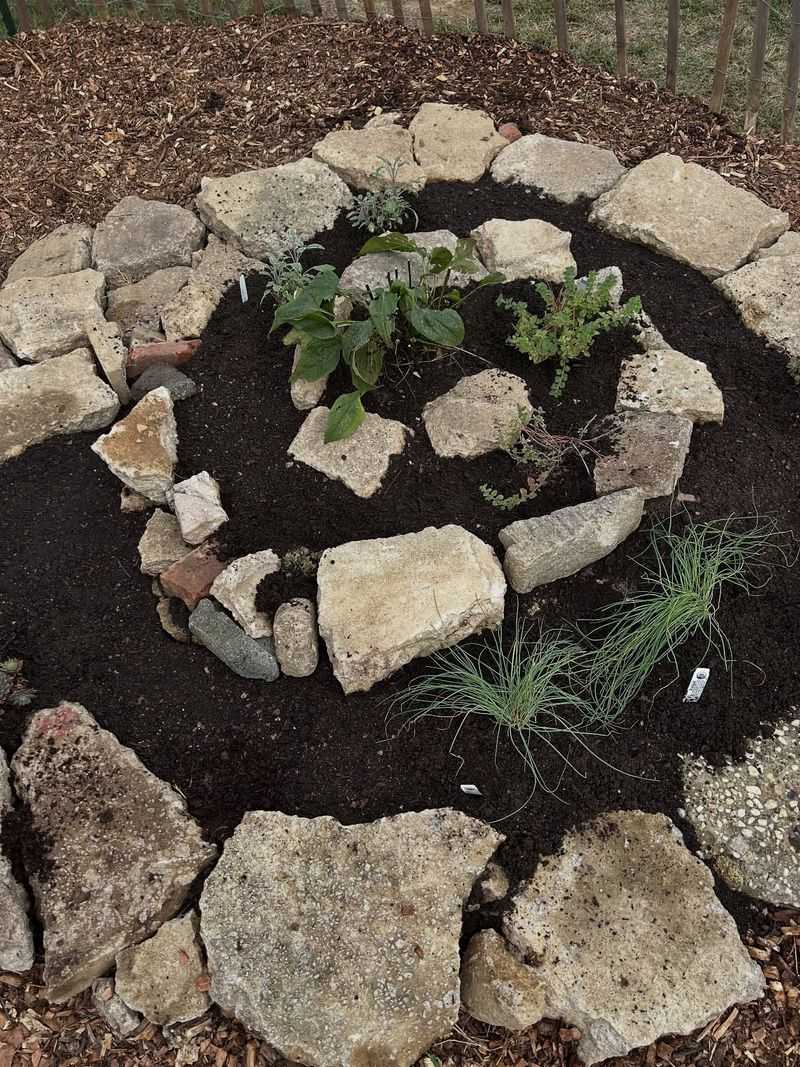
Natural stone remains the most popular choice for building herb spirals because of its durability and attractive appearance. Fieldstone, limestone, and sandstone work particularly well.
These materials stack easily and create stable walls that hold soil in place for many years without deteriorating.
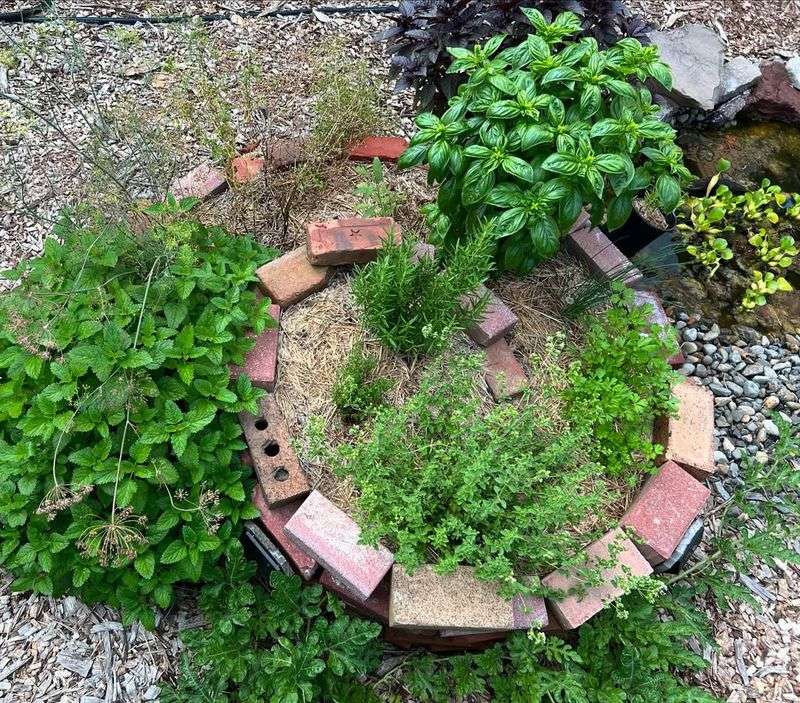
Bricks offer another excellent option, especially for gardeners who prefer a more uniform, structured look. Standard clay bricks or concrete blocks provide consistent sizing that makes construction straightforward.
Many people use reclaimed bricks from old buildings or chimneys, giving their spiral character and history.
The materials you choose need to withstand Michigan’s freeze-thaw cycles without crumbling or shifting. Stones and bricks with low porosity handle winter weather better than highly absorbent materials.
Avoid materials that might leach chemicals into the soil where you’re growing edible herbs. Gardeners typically use quality garden soil or a mixture of topsoil and compost to fill the spiral interior.
The soil should drain well but retain enough moisture to support plant growth. Adding compost improves both drainage and water retention while providing nutrients herbs need.
Some builders incorporate landscape fabric or hardware cloth at the base to prevent burrowing animals from undermining the structure. A gravel foundation layer can improve drainage in areas with heavy clay soil.
These additional materials help ensure your spiral remains stable and functional for years of productive growing.
What People Typically Grow At The Top Of A Herb Spiral
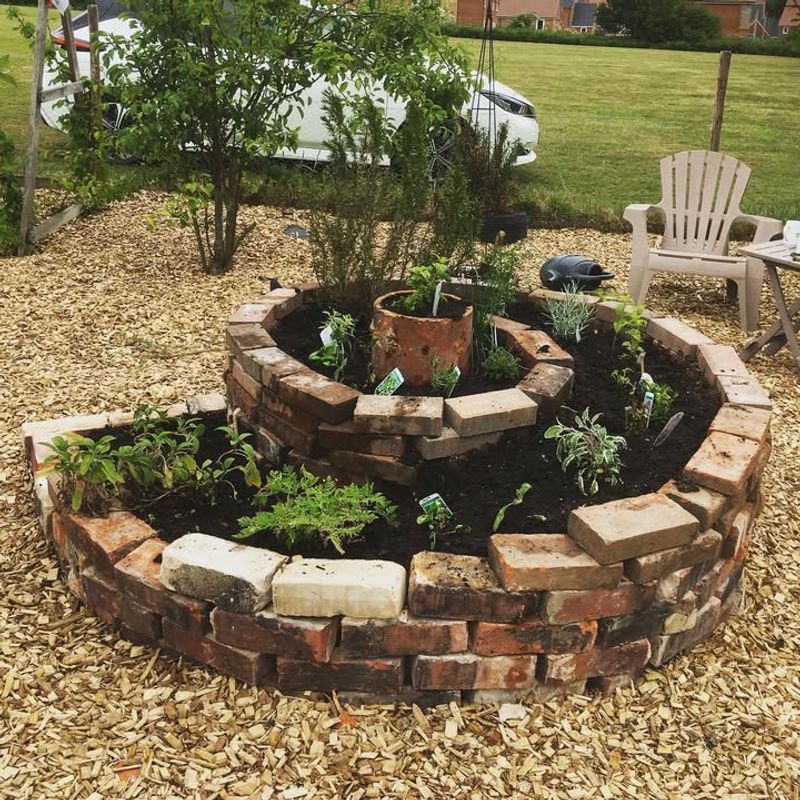
The summit of a herb spiral receives the most intense sunlight and experiences the fastest drainage, creating conditions similar to Mediterranean hillsides. Rosemary thrives in this environment, developing intense flavor and fragrant oils.
This woody perennial appreciates the excellent drainage that prevents root rot during wet periods.
Thyme varieties flourish at the top where their low-growing habit won’t shade other plants. Both common thyme and lemon thyme develop concentrated flavors when grown in dry, sunny conditions.
These hardy perennials return year after year in Michigan gardens, though some winter protection helps in the coldest zones.
Oregano loves the hot, dry conditions at the spiral’s peak. This vigorous herb spreads readily and produces abundant leaves for fresh and dried use.
Greek oregano offers particularly strong flavor when grown in well-drained soil with plenty of sun.
Sage performs beautifully in the top zones where drainage stays sharp. This perennial herb develops thick, flavorful leaves and attractive purple flowers.
Garden sage tolerates Michigan winters reasonably well when planted in spots where water drains quickly.
Lavender can occupy the sunniest, driest spots, though Michigan gardeners should choose hardy varieties. The excellent drainage at the top prevents the soggy conditions that often trouble lavender in heavier soils.
These plants need the warmest microclimate the spiral can provide to flourish through Michigan seasons.
What Herbs Grow Best In The Middle Section
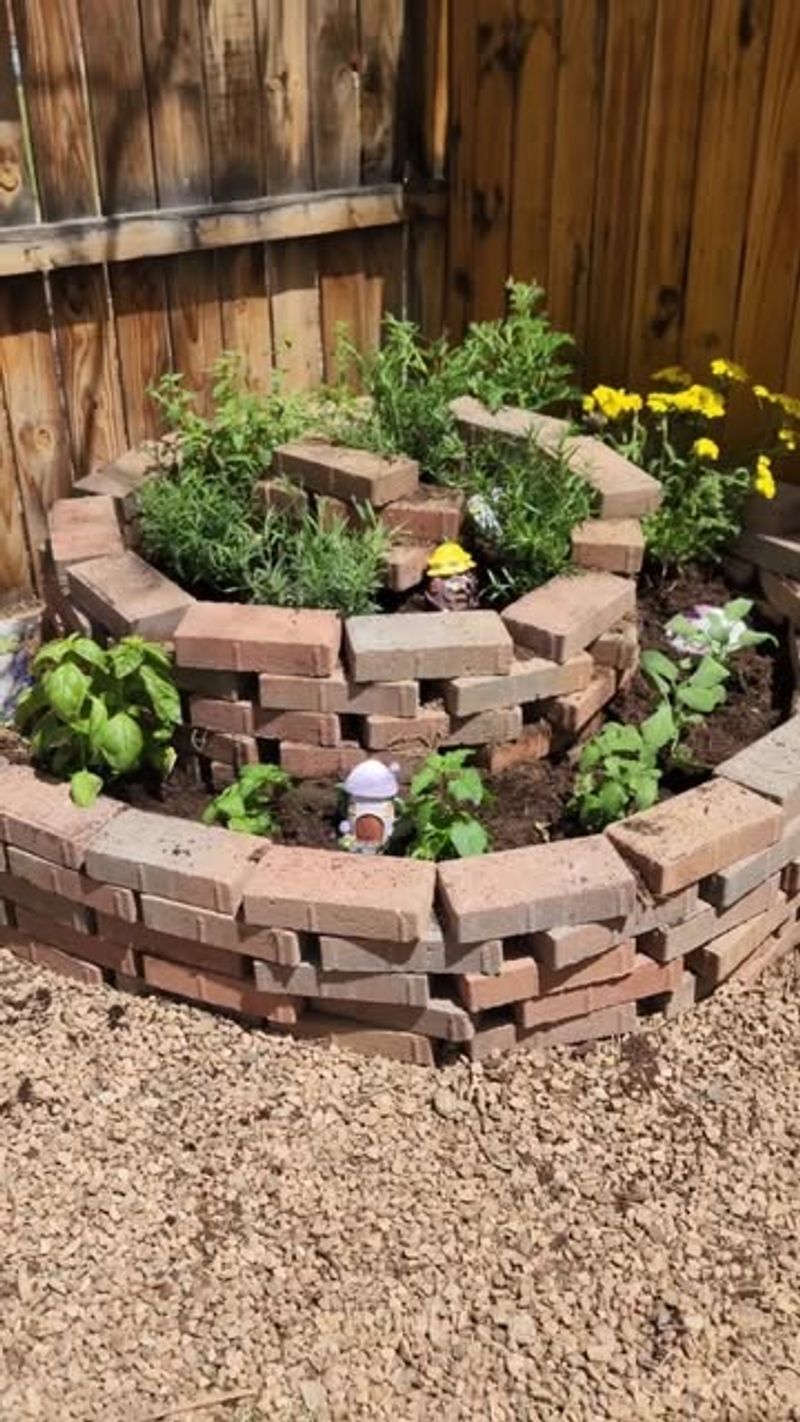
The middle zones of a herb spiral offer balanced growing conditions that suit many popular culinary herbs. Basil thrives here with moderate moisture and plenty of sunshine.
This annual herb produces abundant leaves throughout summer when given consistent water and protection from extreme drying.
Cilantro appreciates the middle section where it receives good light without excessive heat. This fast-growing annual prefers slightly cooler conditions than basil.
The moderate moisture level helps prevent premature bolting during warm weather, extending your harvest window.
Chamomile grows beautifully in the middle zones where conditions remain neither too wet nor too dry. Both German and Roman chamomile varieties produce delicate flowers perfect for tea.
These plants appreciate regular moisture but don’t tolerate waterlogged roots. Marjoram finds its happy place in the middle sections where it gets plenty of sun and moderate water.
This tender perennial (often grown as an annual in Michigan) develops sweet, mild flavor. The balanced conditions help it produce continuously throughout the growing season.
Summer savory works well in middle zones where drainage stays good but moisture remains available. This annual herb grows quickly and produces flavorful leaves for beans and other dishes.
It tolerates more water than the drought-loving Mediterranean herbs planted higher up. Dill can occupy middle sections where it receives full sun and consistent moisture. This annual herb grows tall and produces both flavorful leaves and seeds.
The moderate conditions support its rapid growth without encouraging excessive legginess.
What To Plant In The Lower Moist Area Of The Spiral
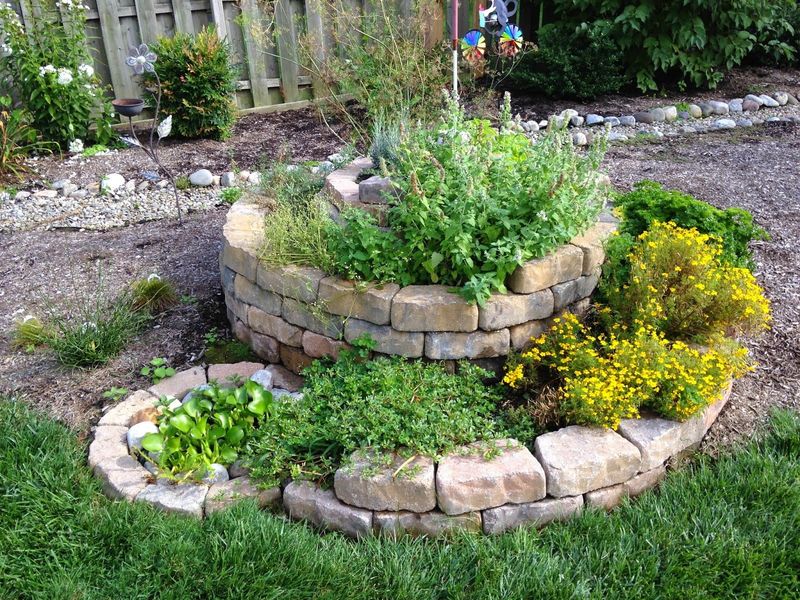
The base of a herb spiral retains more moisture than upper sections, creating ideal conditions for herbs that appreciate consistent dampness. Mint thrives in these wetter zones where its aggressive spreading habit stays manageable.
The contained space of the spiral prevents mint from taking over your entire garden. Parsley grows exceptionally well in the moist lower areas where it can develop deep roots.
Both flat-leaf and curly varieties produce abundantly when given regular water. This biennial herb provides fresh leaves from spring through fall in Michigan gardens.
Chives flourish at the spiral’s base where moisture remains available. These perennial herbs return reliably each spring and produce both flavorful leaves and pretty purple flowers.
They tolerate the damper conditions that might trouble more drought-preferring herbs. Lemon balm performs beautifully in the moist lower zones where it spreads vigorously. This perennial herb produces citrus-scented leaves perfect for tea.
Like mint, lemon balm benefits from the natural containment a spiral provides. Watercress can even grow in the very bottom if you create a small water feature or keep the area consistently moist.
This peppery herb loves wet conditions that would rot most other plants. Some gardeners place a small basin at the spiral’s base specifically for watercress.
Sorrel appreciates the moisture-retentive lower sections where its large leaves develop tangy flavor. This perennial herb tolerates partial shade that may occur at the spiral’s base, making it perfect for north-facing lower zones.
Common Herbs Michigan Gardeners Grow In Herb Spirals
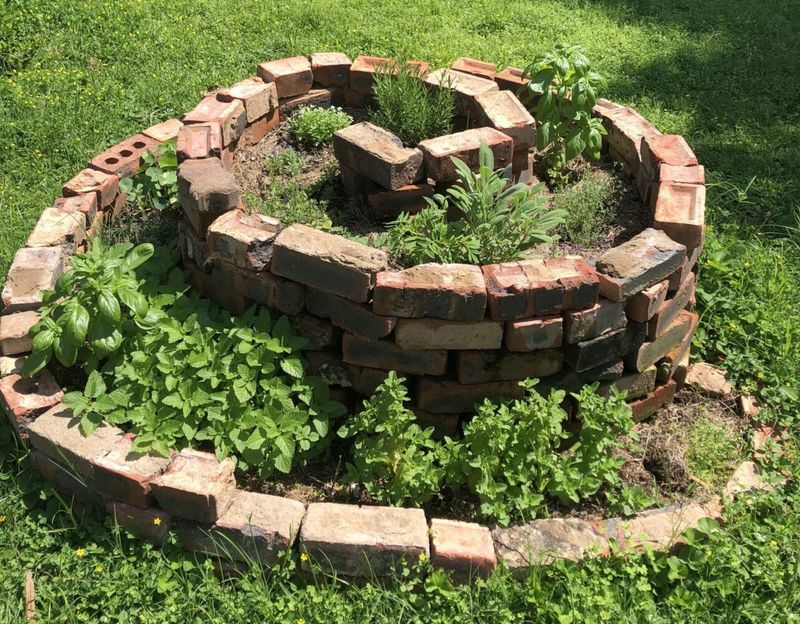
Michigan gardeners consistently choose certain reliable herbs for their spirals based on what grows well in the regional climate. Basil tops the list as a summer favorite that produces abundantly in the warm months.
Both sweet basil and specialty varieties like Thai basil thrive when planted after the last frost.
Parsley ranks as another must-have herb that Michigan gardeners plant in every spiral. This versatile herb handles cool spring weather and continues producing through fall.
Many gardeners grow both flat-leaf and curly types for different culinary uses. Chives return faithfully each spring, making them a staple in Michigan herb spirals.
These hardy perennials survive harsh winters and begin growing early in the season. Their mild onion flavor enhances countless dishes from eggs to potatoes.
Thyme varieties prove themselves winter-hardy in most Michigan locations, earning a permanent spot in herb spirals. Common thyme and lemon thyme both survive cold seasons and produce flavorful leaves year after year.
These low-growing herbs work perfectly for the upper spiral sections. Mint appears in nearly every Michigan herb spiral despite its aggressive nature.
The contained environment keeps it from spreading throughout the garden. Spearmint and peppermint both grow vigorously in the moist lower sections.
Oregano and sage round out the common selections as hardy perennials that tolerate Michigan winters. These Mediterranean herbs appreciate the excellent drainage spiral tops provide while developing intense flavors.
How Gardeners Maintain And Care For A Herb Spiral
Regular watering keeps herbs growing vigorously, though different zones require different amounts. The top sections dry out fastest and may need water every few days during hot weather.
Lower sections typically need less frequent watering since moisture naturally accumulates there.
Harvesting herbs regularly actually improves plant health and productivity. Pinching back growing tips encourages bushier growth and prevents herbs from becoming leggy.
Most herbs benefit from frequent light harvesting rather than occasional heavy cutting.
Weeding becomes easier in a herb spiral compared to traditional beds because the raised design makes spotting unwanted plants simple. Pull weeds when they’re small before they establish deep roots.
The contained space means less area to maintain than sprawling ground-level gardens.
Michigan gardeners should check their spirals after winter for any stones or bricks that may have shifted during freeze-thaw cycles. Restacking displaced materials prevents further deterioration.
Adding fresh compost each spring replenishes nutrients and improves soil structure.
Trimming perennial herbs in early spring promotes healthy new growth. Cut back woody herbs like sage and thyme to remove winter-damaged stems.
This maintenance encourages fresh shoots and maintains compact plant shapes.
Some herbs need replacement each year since they grow as annuals in Michigan’s climate. Basil, cilantro, and dill require replanting after frost.
Perennial herbs may need dividing every few years when they outgrow their spaces or become less productive.
Why Herb Spirals Are Popular In Small Space Gardens
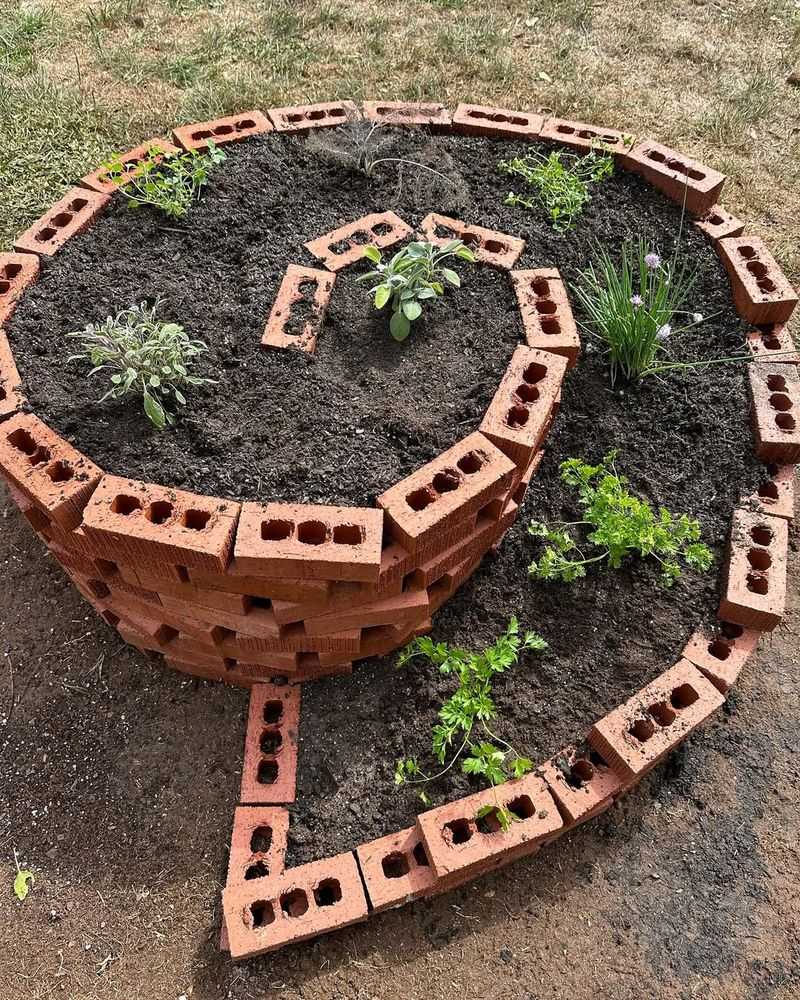
Urban and suburban gardeners with limited yard space embrace herb spirals as space-saving solutions. A spiral measuring just four feet across can accommodate fifteen or more different herbs.
Traditional flat beds would require three times that area to grow the same variety of plants.
The vertical design maximizes growing area without expanding the garden’s footprint. Stacking plants along the spiral path creates multiple levels of planting space.
This three-dimensional approach transforms a small circle of ground into a productive herb garden.
Apartment dwellers with patios or balconies can build miniature spirals in large containers. These scaled-down versions follow the same principles as full-sized spirals.
Even a two-foot diameter container spiral can grow six to eight different herbs successfully.
The compact nature makes herb spirals perfect for townhouse yards where every square foot counts. You can tuck a spiral into a corner or along a fence line without sacrificing lawn or entertaining space.
The structure itself becomes an attractive feature rather than an obstruction.
Small space gardeners appreciate how spirals bring plants closer to eye level for easier harvesting and maintenance. You don’t need to bend as far to reach herbs growing on the upper levels.
This accessibility matters especially for gardeners with mobility limitations.
The self-contained design also appeals to renters who want productive gardens without major landscape changes. A spiral can be dismantled and rebuilt at a new location if you move.
A Simple Way To Grow Fresh Herbs Close To The Kitchen
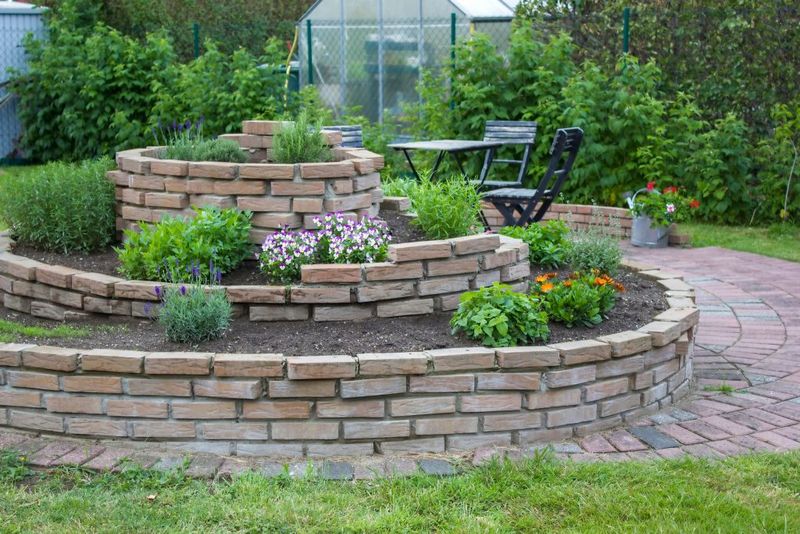
Positioning a herb spiral near your kitchen door transforms daily cooking by putting fresh ingredients within arm’s reach. You can step outside and snip basil for pasta sauce or grab parsley for garnish without planning ahead.
This convenience encourages using fresh herbs more often in everyday meals.
Morning coffee routines become more pleasant when you can step into the garden and harvest mint for tea. The short distance means you’ll actually use your herbs rather than letting them grow unused.
Fresh herbs taste dramatically better than dried versions sitting in your cupboard. Having herbs close by also helps you monitor their condition and harvest at peak flavor. You’ll notice when basil needs pinching back or when cilantro threatens to bolt.
This proximity leads to better plant care and more abundant harvests. Kitchen-adjacent spirals make it easy to involve children in gardening and cooking. Kids can help harvest herbs they’ll eat minutes later in dinner.
This connection between garden and plate teaches valuable lessons about food sources. The visual appeal of a well-maintained herb spiral enhances the view from your kitchen window.
Watching herbs grow and change throughout the season provides daily enjoyment. The structure becomes both functional and decorative.
Evening meal preparation flows smoothly when herbs grow just steps away. You can harvest exactly what you need without waste or storage concerns.
Fresh-picked herbs elevate simple dishes into memorable meals that celebrate the flavors of your Michigan garden.