What Are The Small Insects New York Gardeners Keep Spotting In The Snow
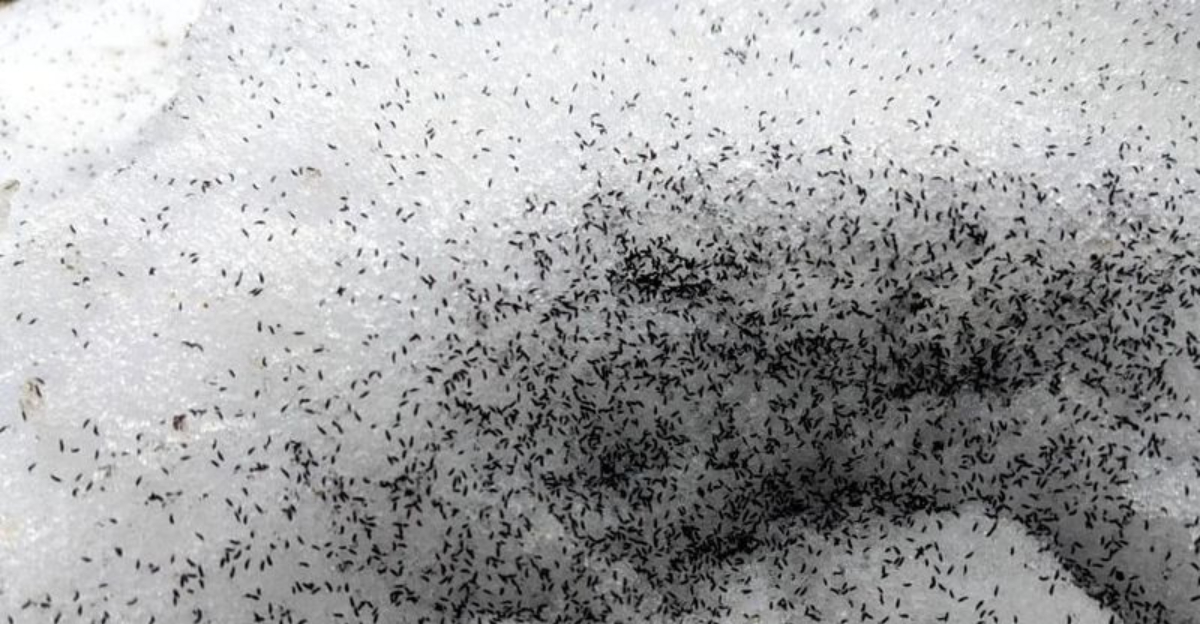
Have you ever glanced out your window on a snowy winter day in New York and noticed tiny dark specks hopping around on the white surface?
These mysterious little creatures might look like flecks of pepper scattered across the snow, but they are actually living insects called snow fleas.
Gardeners and nature lovers across New York have been spotting these fascinating bugs more and more during the cold months, and many are curious about what they are and why they appear when everything else seems to be hiding from the winter chill.
Snow fleas are not actually fleas at all, despite their name, and they do not bite people or pets. Instead, they are a type of springtail, a harmless insect that thrives in cold weather and plays an important role in breaking down organic matter in the soil.
Understanding these tiny jumpers can help you appreciate the hidden life that continues even in the depths of winter.
Whether you are a seasoned gardener in upstate New York or simply someone who enjoys observing nature, learning about snow fleas will give you a new perspective on the wildlife that shares your backyard, even when temperatures drop and snow blankets the ground.
1. Snow Fleas Are Not Actually Fleas At All
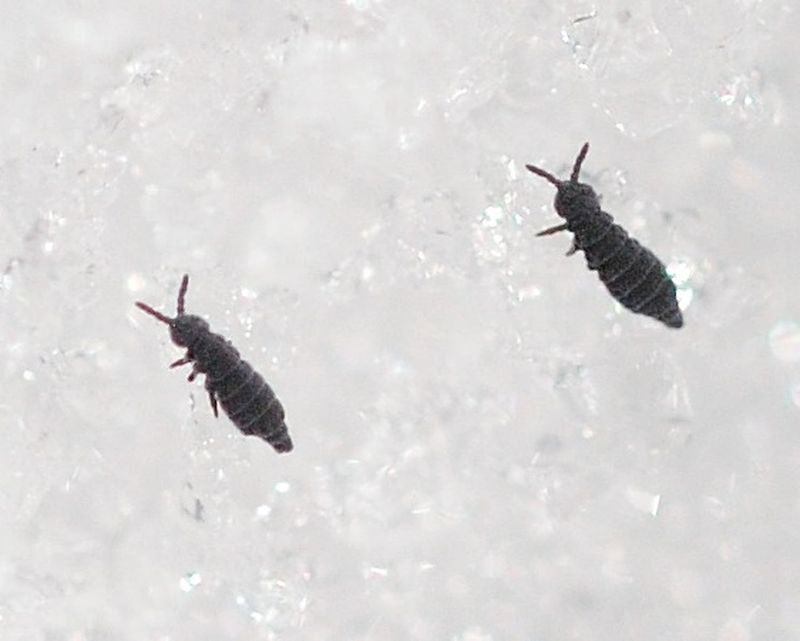
Despite their misleading name, snow fleas have nothing in common with the biting pests that bother your pets. Snow fleas belong to a group of insects called springtails, scientifically known as Collembola.
These tiny creatures measure only about one to two millimeters in length, making them barely visible to the naked eye unless they gather in large groups.
Springtails get their name from a special forked appendage called a furcula that folds under their abdomen. When threatened or when they need to move quickly, they release this spring-like structure, launching themselves into the air.
This jumping ability is what gives snow fleas their flea-like appearance, even though they are completely unrelated to true fleas.
New York gardeners who spot these insects on their snow-covered lawns or garden beds can rest easy knowing they pose no threat to humans or animals. Snow fleas do not bite, sting, or carry diseases.
They are harmless decomposers that feed on decaying plant material, fungi, algae, and bacteria found in the soil and leaf litter.
These insects have been around for millions of years and are found in nearly every environment on Earth, from tropical rainforests to arctic tundra. However, they become most noticeable during winter months when they emerge onto the snow surface.
Their dark coloration stands out dramatically against the white backdrop, making them easy to spot for curious observers.
Understanding that snow fleas are springtails rather than true fleas helps clarify why they behave so differently from the parasitic insects most people associate with the name.
Springtails are actually beneficial organisms that contribute to healthy soil ecosystems by breaking down organic matter and recycling nutrients back into the ground where plants can use them.
2. Their Dark Color Helps Them Absorb Heat From Sunlight
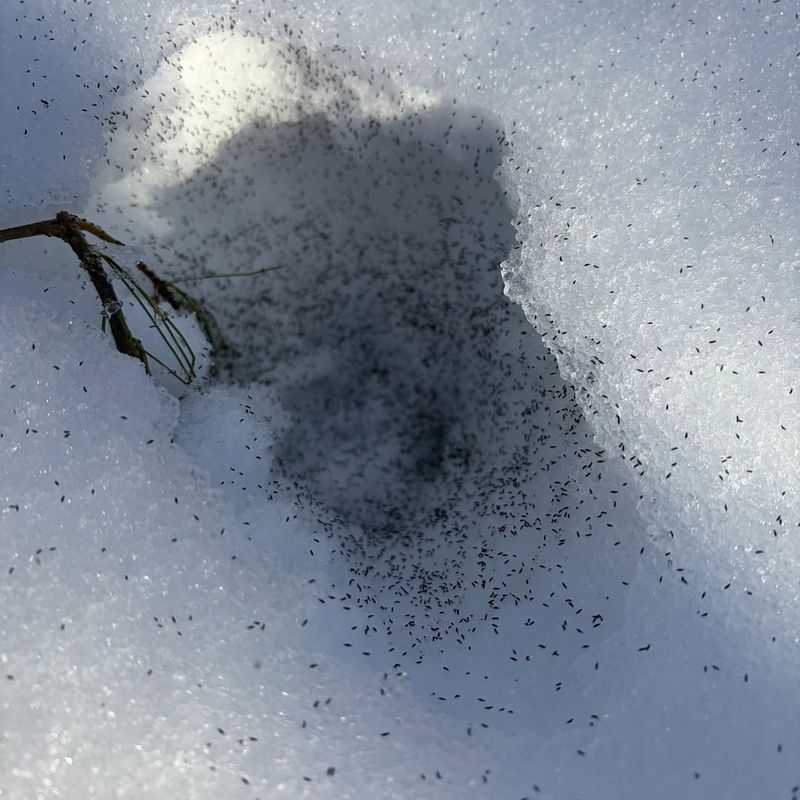
One of the most distinctive features of snow fleas is their dark coloration, typically ranging from deep blue-black to dark purple or gray.
This pigmentation is not just for show; it serves a crucial survival function that allows these tiny insects to thrive in cold winter environments where most other creatures cannot.
Dark colors absorb heat more efficiently than light colors, a principle that snow fleas use to their advantage. When sunlight hits the snow surface on a winter day, the dark bodies of snow fleas soak up the solar radiation and convert it to heat energy.
This absorbed warmth helps keep their body temperature slightly higher than the surrounding air and snow, allowing them to remain active even in frigid conditions.
Gardeners in New York who observe snow fleas on sunny winter afternoons are witnessing this heat absorption in action. The insects often gather in exposed areas where sunlight reaches the snow surface most directly.
By positioning themselves in these sunny spots, snow fleas maximize their heat absorption and maintain the energy they need for movement and feeding.
This dark coloration also makes snow fleas highly visible against white snow, which is why so many people notice them during winter walks or while tending to their gardens.
What might look like dirt or debris scattered on the snow often turns out to be thousands of these tiny insects congregating together.
The contrast between their dark bodies and the bright snow creates an eye-catching display that has puzzled many New Yorkers unfamiliar with these winter-active insects.
The combination of antifreeze proteins and heat-absorbing pigmentation makes snow fleas uniquely adapted to cold weather survival.
These adaptations work together to create an insect that not only survives winter but actually thrives during the season when most other invertebrates are completely inactive.
3. They Thrive In Cold Winter Temperatures
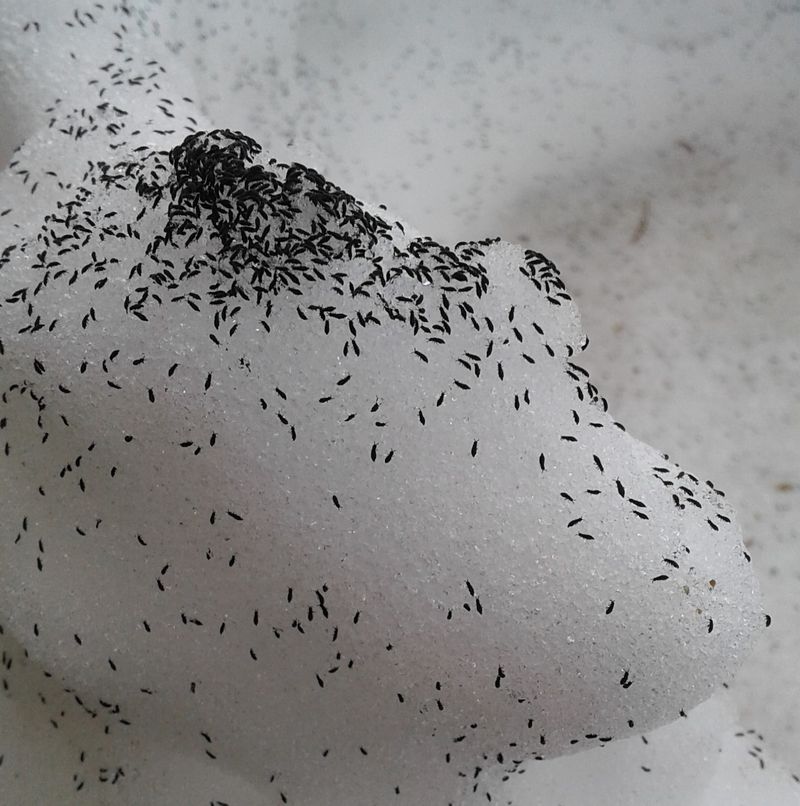
Most insects disappear when winter arrives in New York, either migrating to warmer climates or entering a dormant state to survive the cold. Snow fleas, however, are remarkable exceptions to this rule.
These tiny springtails remain active throughout the winter months and actually seem to prefer cold weather over warm conditions.
Snow fleas contain a special protein in their bodies that works like natural antifreeze. This protein prevents ice crystals from forming inside their cells, which would otherwise cause fatal damage to their tissues.
Thanks to this adaptation, snow fleas can survive and remain active even when temperatures drop well below freezing.
On sunny winter days when temperatures rise slightly above freezing, snow fleas become especially active and visible. The warmth from the sun causes them to emerge from the leaf litter, soil, and snow layers where they normally live.
They gather on the snow surface in impressive numbers, sometimes creating dark patches that look like scattered pepper or soot.
New York residents might notice snow fleas most often during late winter or early spring when temperatures fluctuate between freezing and slightly warmer conditions. These temperature swings create ideal conditions for snow flea activity.
The insects take advantage of the warmer periods to feed and move around before retreating back into the insulating layers of snow and organic matter when temperatures drop again.
The ability to remain active during winter gives snow fleas a significant advantage. While other decomposers are dormant, snow fleas continue breaking down organic matter throughout the cold months.
This ongoing activity helps maintain healthy soil conditions and prepares gardens for spring growth, making these tiny insects valuable allies for New York gardeners even during the coldest season.
4. Snow Fleas Play An Important Role In Decomposition
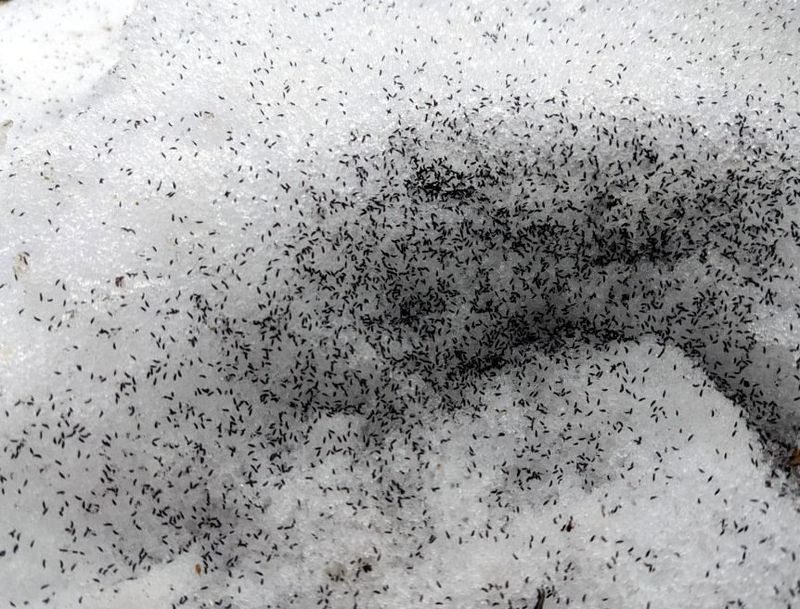
While snow fleas might seem like just another curious winter oddity, these tiny insects actually perform essential ecological work that benefits gardens and natural areas throughout New York.
Snow fleas are decomposers, meaning they feed on decaying organic material and help break it down into simpler compounds that enrich the soil.
In garden settings, snow fleas consume fallen leaves, dry plant stems, bits of wood, fungi, algae, bacteria, and other organic debris. As they feed on this material, they break it into smaller pieces and process it through their digestive systems.
The waste they produce, along with the mechanical breakdown of organic matter, helps create nutrient-rich humus that improves soil structure and fertility.
This decomposition activity continues throughout the winter months when snow fleas remain active. While other decomposing organisms like earthworms and many bacteria are dormant during cold weather, snow fleas keep working to break down organic matter.
This year-round decomposition helps prevent excessive buildup of plant material and ensures that nutrients are continuously recycled back into the soil ecosystem.
New York gardeners benefit from this decomposition work even if they never see the snow fleas themselves. The improved soil quality that results from snow flea activity creates better growing conditions for plants when spring arrives.
Gardens with healthy populations of decomposers, including snow fleas, typically have richer, more fertile soil that supports stronger plant growth and requires less fertilizer.
Beyond their practical benefits, snow fleas are part of the complex food web that supports healthy ecosystems. They serve as food for various predators including spiders, ground beetles, and small insectivorous birds.
By supporting these predator populations, snow fleas contribute to the overall biodiversity and ecological balance of New York gardens and natural areas throughout the winter season.
5. You Can Find Them In Gardens, Woods, And Parks Across New York
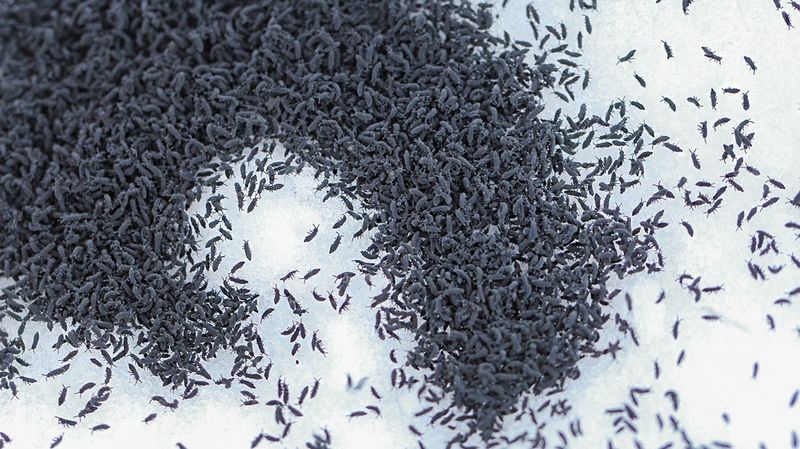
Snow fleas are incredibly widespread throughout New York State, from the urban parks of New York City to the rural forests of the Adirondacks.
These adaptable insects thrive wherever there is sufficient organic matter and moisture, making them common residents of gardens, woodlands, parks, and even agricultural areas across the region.
In garden settings, snow fleas typically live in the top layers of soil and within the leaf litter that accumulates under plants and around garden beds. During warmer months, they remain hidden in these moist, protected environments where they are rarely noticed.
Winter transforms their visibility dramatically as they emerge onto the snow surface, suddenly becoming obvious to anyone who looks closely at snow-covered ground.
Wooded areas provide ideal habitat for snow fleas because forests naturally accumulate thick layers of fallen leaves, decaying wood, and other organic debris. The moisture retained in forest soils and under snow cover creates perfect conditions for these insects year-round.
Hikers and nature enthusiasts exploring New York forests during winter often encounter large aggregations of snow fleas on the snow, particularly in areas with dense leaf litter underneath.
Urban and suburban parks throughout New York also support healthy snow flea populations. Even in heavily developed areas, parks with trees, shrubs, and garden beds provide enough organic matter to sustain these beneficial insects.
City dwellers who pay attention during winter walks through places like Central Park or Prospect Park in New York City may spot snow fleas gathered on snow-covered lawns or around the bases of trees.
The widespread distribution of snow fleas means that almost anyone in New York can observe these fascinating insects with minimal effort.
Simply looking closely at snow on a sunny winter day when temperatures hover around freezing will often reveal these tiny dark specks hopping about, providing a glimpse into the hidden world of winter-active invertebrates.
6. Spotting Snow Fleas Is A Sign Of A Healthy Garden Ecosystem
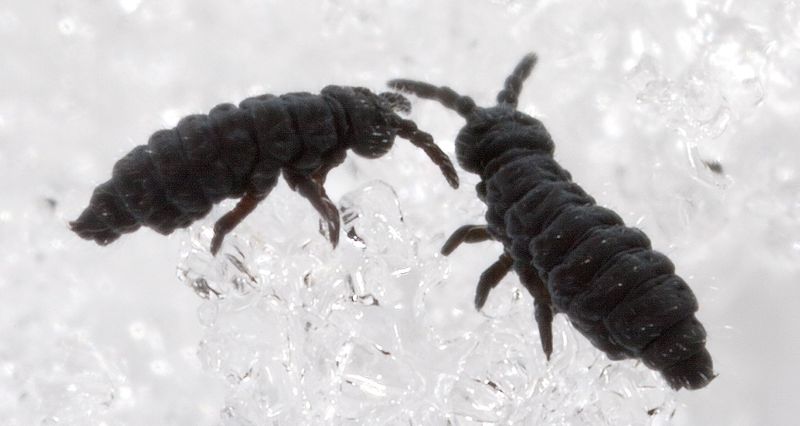
When New York gardeners discover snow fleas in their yards, their first reaction might be concern or confusion. However, finding these tiny springtails is actually a positive indicator that your garden ecosystem is functioning well.
The presence of snow fleas suggests that your soil contains adequate organic matter and supports a diverse community of beneficial organisms.
Healthy garden soil teems with life, from microscopic bacteria and fungi to larger organisms like earthworms and insects. Snow fleas are part of this underground community, and their presence indicates that the soil food web is active and balanced.
Gardens with good populations of decomposers like snow fleas typically have better soil structure, improved water retention, and enhanced nutrient availability for plants.
Gardeners who use organic mulch, compost, and natural gardening practices tend to have more abundant snow flea populations. These management practices increase the organic matter content in soil, providing the food and habitat that springtails need to thrive.
Rather than viewing snow fleas as pests, gardeners should recognize them as allies that contribute to soil health and plant vitality.
If you want to encourage beneficial insects like snow fleas in your New York garden, focus on building healthy soil through organic amendments.
Add compost regularly, use mulch around plants, leave some leaf litter in garden beds during winter, and avoid harsh chemical pesticides that can harm beneficial soil organisms. These practices create ideal conditions for snow fleas and many other helpful creatures.
Observing snow fleas on a winter day can also be an educational opportunity, especially for children. These harmless insects provide a tangible example of how life continues even in harsh winter conditions and how different organisms have adapted to survive in extreme environments.
Taking time to watch snow fleas jump and move across the snow can spark curiosity about nature and foster appreciation for the complex ecosystems that exist right in our own backyards throughout New York.