What Arizona Agave Need In Spring To Stay Healthy And Well Shaped
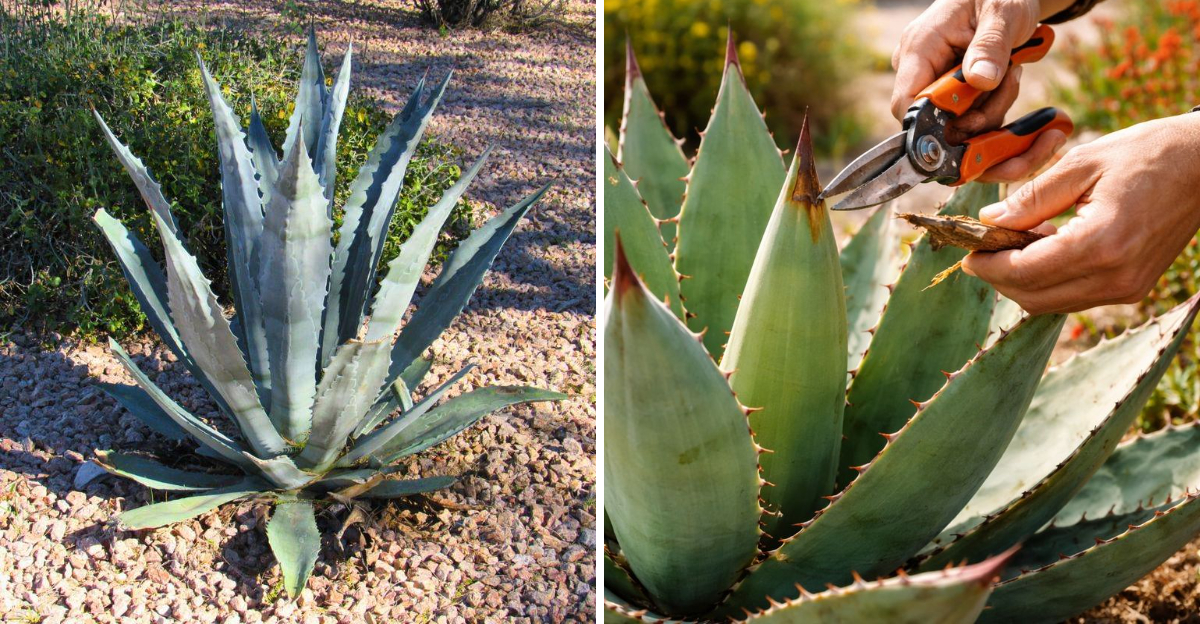
Agave is one of those plants that makes Arizona yards look put together without asking for much. It stays bold, neat, and striking for months, so it is easy to assume it will keep that look on its own.
Then spring rolls in, and small changes start showing up before most people notice them.
One plant still looks balanced and sharp, while another starts leaning, stretching, or looking a little rough around the edges. Nothing dramatic happens all at once, which is why the problem is easy to miss in the beginning.
By the time the shape starts looking off, spring has already set a lot in motion.
That is why this part of the season matters more than people think. In Arizona, a few simple things during spring can make the difference between agave that keeps its clean, sculpted look and agave that slowly starts losing it.
1. Remove Damaged Lower Leaves To Keep The Shape Clean
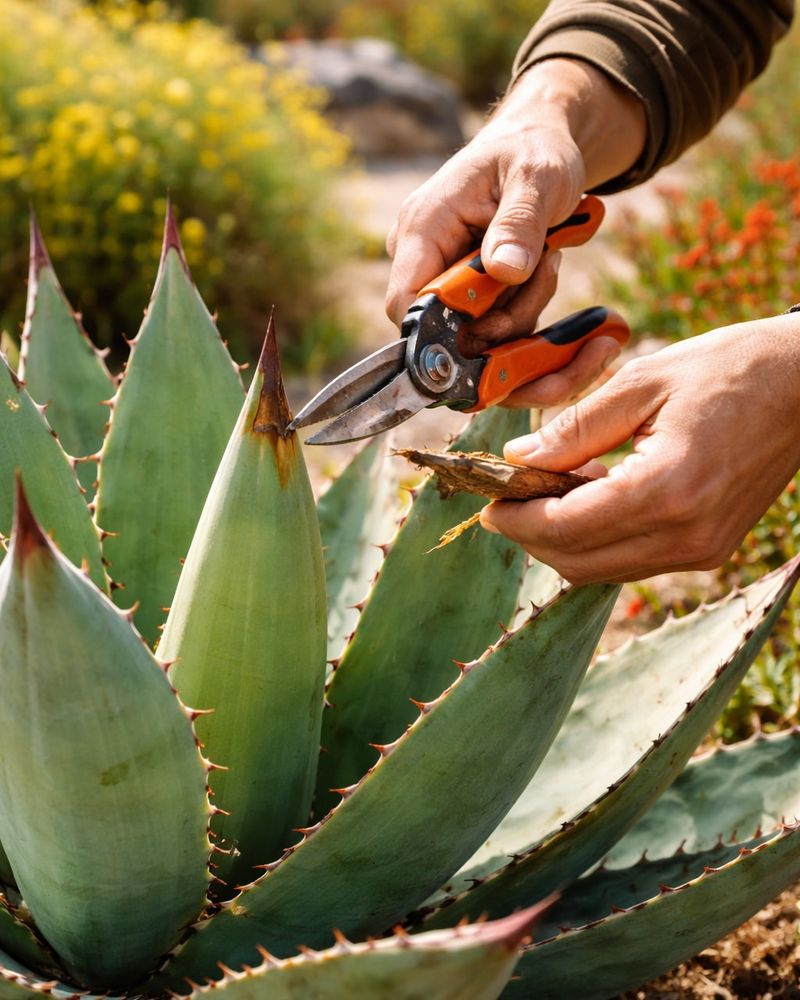
Browning lower leaves on an agave are not just an eyesore — they pull attention away from the plant’s natural geometry.
Spring is the right time to deal with them because the plant is moving into active growth and a clean base helps the whole rosette look sharp and intentional.
Grab a sturdy pair of leather gloves before you start. Agave spines are no joke, and even a quick slip can leave you with a nasty puncture.
Use clean, sharp pruning shears or a hand saw for thicker leaves, and cut close to the trunk without slicing into it.
Work slowly and step back every few cuts to check the shape. Agave rosettes follow a natural spiral pattern, so removing leaves unevenly can throw off the silhouette.
Pull off only the ones that are fully brown or papery — anything still partially green is still doing something useful for the plant.
After trimming, leave the cut ends exposed to dry air for a day or two before watering the area. Arizona’s dry spring air does a good job of sealing those cuts quickly.
Keeping the rosette clean and symmetrical is one of the easiest ways to make your landscape look well-maintained without a lot of effort.
2. Check For Soft Rot At The Base Before Growth Speeds Up
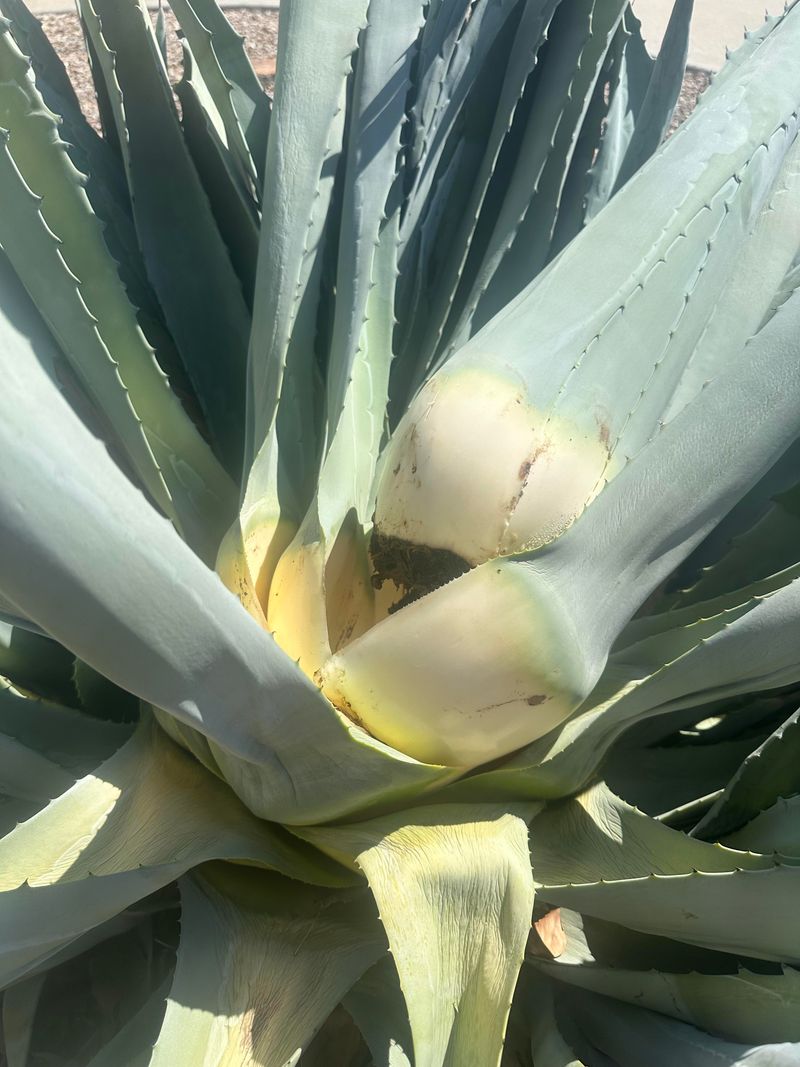
Soft rot is sneaky. By the time it becomes obvious, the damage is already deep inside the plant, and catching it early in spring — before the growth surge — gives you the best shot at saving a plant that still has a chance.
Press lightly around the base of the agave near the soil line. Healthy tissue feels firm and solid.
Soft or spongy spots, especially ones that release a faint unpleasant smell, are a clear warning sign. Discoloration at the crown or base that looks water-soaked rather than dry is another thing to look for.
Soft rot in Arizona agave is almost always linked to excess moisture sitting around the root zone. Winter rains, compacted soil, or poor drainage are the usual culprits.
Spring is when the problem reveals itself because warming temperatures accelerate the breakdown of compromised tissue.
If you catch a small affected area early, you can sometimes cut it out with a sterilized knife, let the wound dry completely, and treat it with a copper-based fungicide. But if the rot has reached the core, removal is the only real option to protect nearby plants.
After dealing with any rot issues, take a hard look at where water pools in your yard after rain. Adjusting the grade slightly or adding decomposed granite around the base can redirect water away from the crown.
Prevention beats treatment every time when it comes to rot in desert succulents.
3. Clear Debris Around The Plant To Prevent Moisture Buildup
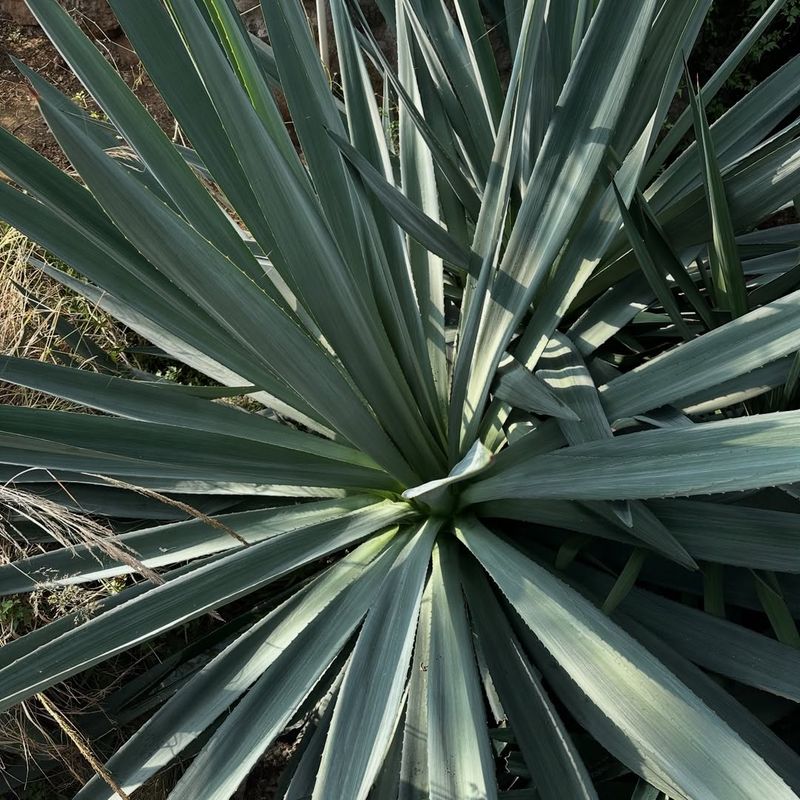
Leaf litter, dried grass clippings, and blown-in debris pile up around agave bases during winter without most people noticing.
Come spring, that accumulated material starts holding moisture against the plant and creating exactly the kind of damp microenvironment that agave cannot tolerate.
Clearing that debris is a simple task, but timing matters. Do it before the Arizona spring temperatures climb and insects become more active.
A clean perimeter around your agave discourages pests from nesting and removes the organic material that can fuel fungal growth at ground level.
Use a gloved hand or a small rake to pull material away from the base. Work outward rather than inward so you are not accidentally dragging debris into the crown.
Agave crowns trap material easily, and anything wet sitting in the center of the rosette is a problem waiting to happen.
Once the area is cleared, take a look at what kind of ground cover surrounds the plant. Organic mulch like wood chips might look tidy, but it holds water and breaks down into material that agave roots do not appreciate.
Decomposed granite or small river rock is a much better fit for Arizona landscapes because it drains instantly and does not decompose.
Keeping a clean, dry zone around your agave is one of those small habits that pays off over years. Plants that sit in clean, well-drained surroundings consistently outperform those in neglected spots — and they look significantly better doing it.
4. Make Sure Soil Drains Quickly After Occasional Spring Watering
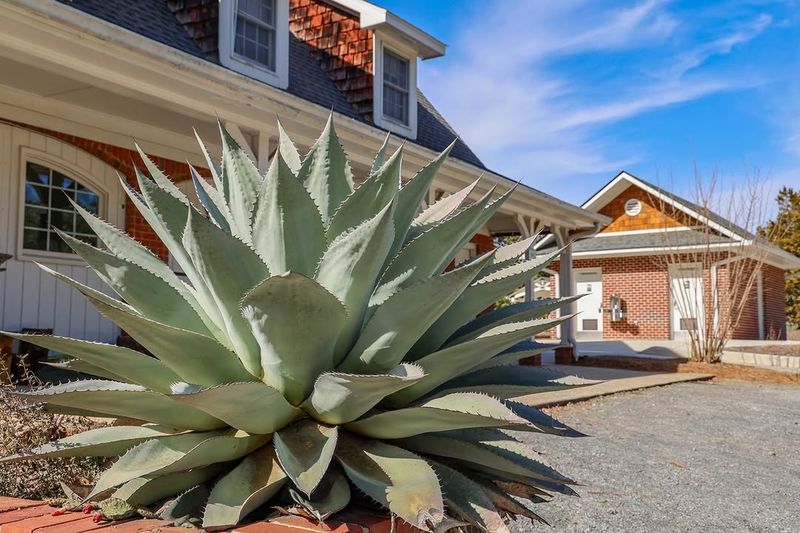
Agave roots sitting in wet soil for more than a day or two are in trouble. Arizona’s native soil varies widely — some areas have fast-draining sandy loam, while others have heavy caliche layers that hold water like a bathtub.
Knowing what you are dealing with is the first step.
A quick drainage test takes about five minutes. Dig a hole roughly a foot deep near your agave, fill it with water, and watch how fast it disappears.
If the water drains within an hour, you are in good shape. If it is still sitting there two hours later, that soil needs amendment before you water again in spring.
Working coarse pumice or perlite into the top layer of soil around your agave improves drainage without disturbing the root system too aggressively. Another solid option is planting or transplanting agave onto a slight mound or raised berm, which lets gravity pull water away from the root zone naturally.
Spring in Arizona can bring surprise rain events that drop more water than expected. After any significant rainfall, walk out and check how the ground around your agave looks within a few hours.
Standing water near the base is a red flag that needs addressing before the summer monsoon season arrives.
Good drainage is honestly the single biggest factor in keeping Arizona agave healthy long-term. Everything else — watering frequency, fertilizer, pruning — matters much less if the roots are sitting in poorly draining ground.
Get this right first and the rest of the care becomes straightforward.
5. Watch For Signs Of Agave Snout Weevil Damage Early
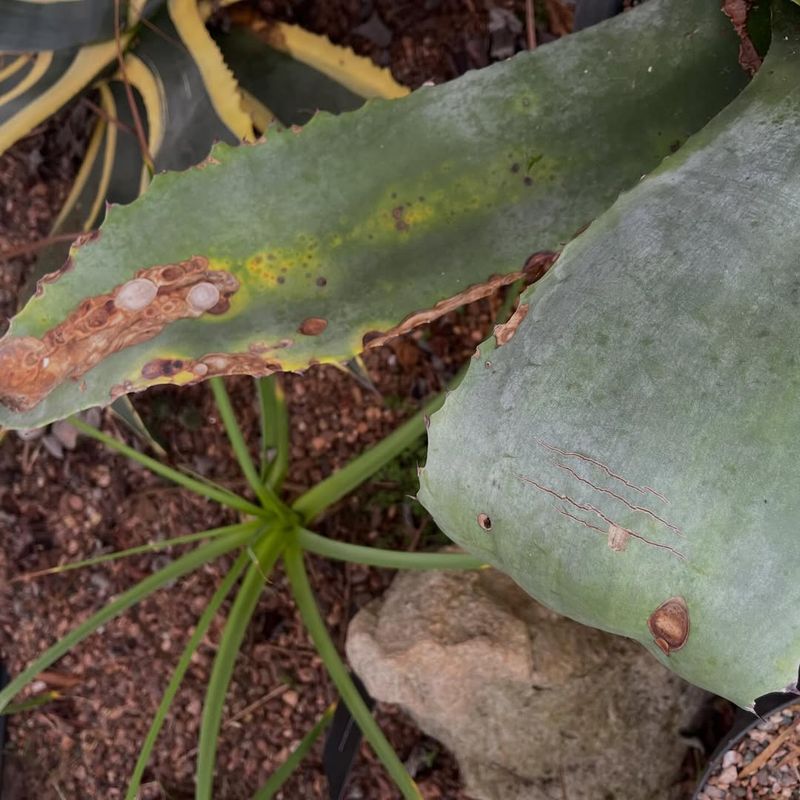
Agave snout weevils are one of the most serious threats to agave plants across Arizona, and spring is exactly when these insects become active and start looking for plants to target. Catching the signs early is the difference between losing one plant and losing several.
Adult weevils are small, black, and hard to spot against dark soil. What you are more likely to notice first is a central leaf that looks slightly off — wilting or leaning when the rest of the plant looks fine.
That subtle change often means a weevil has already laid eggs at the base and larvae are feeding inside.
Check the crown closely. Pull back any loose outer leaves and look for small entry holes, dark staining, or soft tissue near the center.
A strong, unpleasant odor coming from the base is also a warning sign that something is wrong inside the plant.
Removing an infested plant quickly is critical. Larvae spread through the soil, and leaving a compromised plant in the ground gives them time to move to neighboring agave.
Bag the removed plant material and dispose of it away from your yard — do not compost it.
Preventive soil drenches with an appropriate systemic insecticide applied around the base in early spring can reduce weevil pressure. Talk to a local Arizona nursery about products labeled for agave snout weevil — they will know what is available and effective in your specific area.
Early action matters far more than any reactive treatment.
6. Avoid Overwatering As Temperatures Begin To Rise
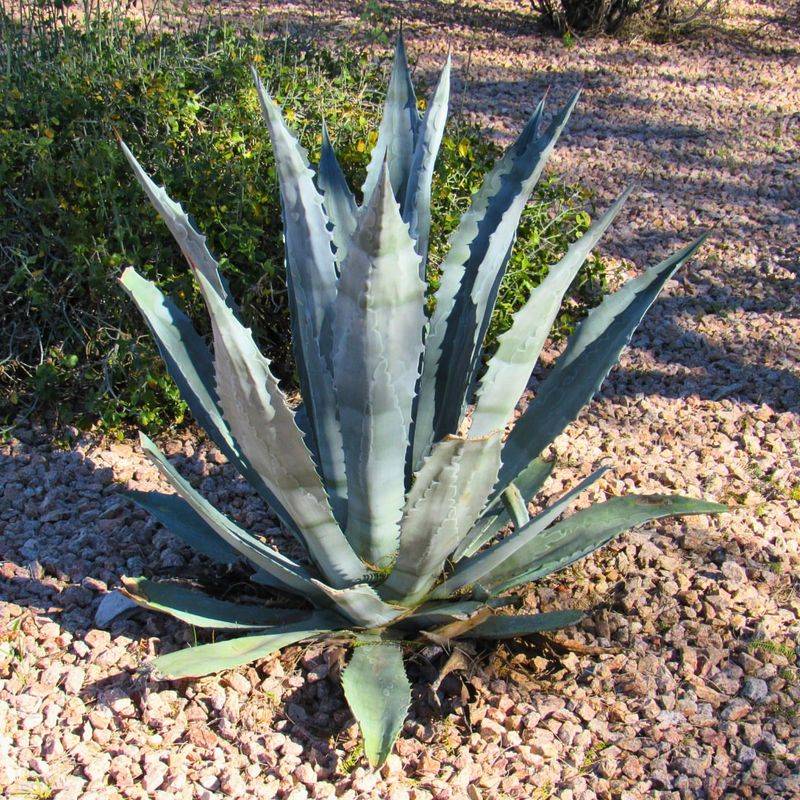
Warm spring days in Arizona can trick even experienced gardeners into watering more than necessary. Agave stores water in its thick leaves, and by the time spring arrives, those reserves are generally still adequate from whatever moisture the plant absorbed over winter.
A good rule of thumb for Arizona: if it rained in the past two to three weeks and temperatures are still mild, skip the watering entirely. Agave does not need frequent intervention during spring.
Deep, infrequent watering — roughly once every three to four weeks — is more than enough as temperatures start climbing in March and April.
Overwatering shows up in subtle ways before it becomes obvious. Leaves may develop a slightly soft or dull appearance rather than their usual firm, waxy look.
The base of the plant might feel less solid when pressed. None of these signs scream emergency, but they are worth paying attention to.
One helpful habit is checking soil moisture about four to six inches below the surface before deciding to water. Stick a long screwdriver or thin probe into the soil near the drip line of the plant.
If it comes out with any cool, damp soil clinging to it, hold off on watering for another week.
Arizona gardeners who treat agave like a thirsty landscape shrub almost always regret it. Erring on the side of less water is almost always the right call with these plants, especially as spring temperatures build toward the intense heat that comes later in the season.
7. Give Enough Space For Airflow Around The Plant
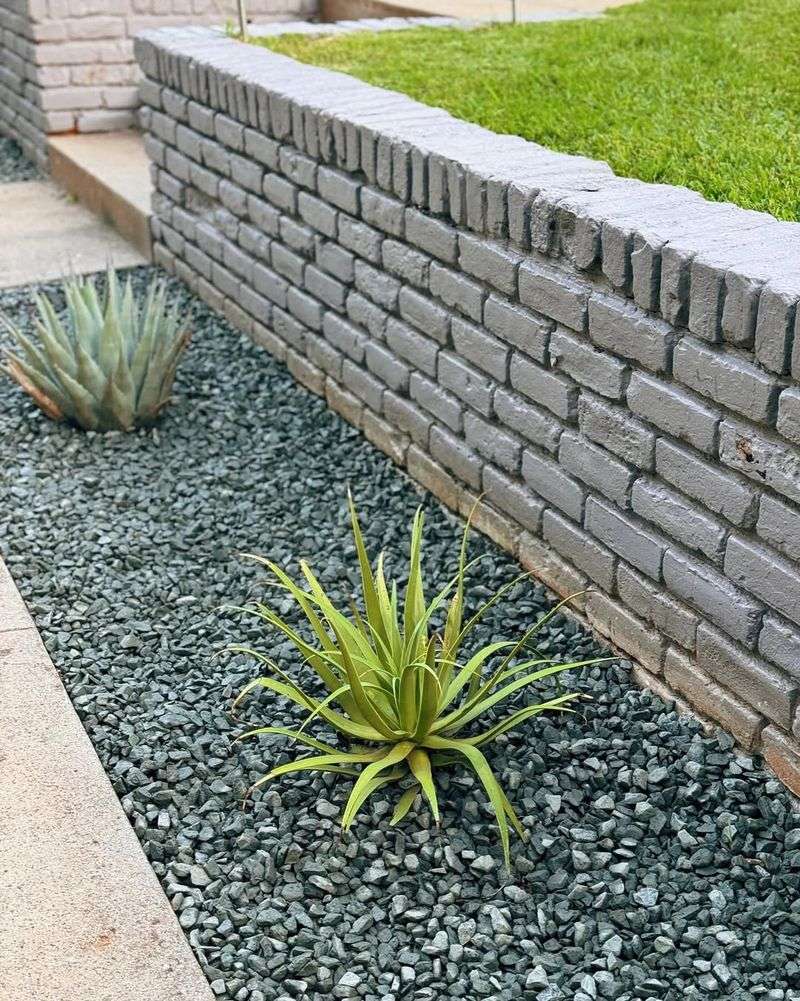
Crowded plants are stressed plants — and stressed agave in Arizona’s spring heat are more vulnerable to fungal issues, pest pressure, and poor shape development. Airflow might not seem like a priority, but it plays a real role in how well agave performs through the warmer months ahead.
If you have agave planted near other shrubs, boulders, or structures, step back and look at how air moves through that area. Tight corners and dense plantings create stagnant zones where humidity builds up after rain or irrigation.
Agave sitting in those spots tend to develop problems faster than plants in open, breezy spots.
Pruning back encroaching shrubs or pulling out volunteer plants that have sprouted too close to the agave base gives the plant room to breathe. Pups — the small offsets that agave sends up around its base — can also crowd the parent plant if left unchecked.
Removing pups in spring is easy and keeps the main plant looking clean and structured.
Spacing also affects how evenly sunlight reaches the leaves. Agave that are partially shaded by nearby plants on one side tend to grow unevenly, leaning toward light and losing their symmetrical rosette shape over time.
In Arizona, full sun exposure from all angles produces the most attractive, well-balanced plants.
When planning new agave installations or rearranging an existing landscape, leave more space than you think you need. Mature agave can spread significantly wider than their nursery tag suggests, and giving them room from the start prevents a lot of crowding problems down the road.