What Arizona Red Yucca Need In Spring For More Flower Spikes
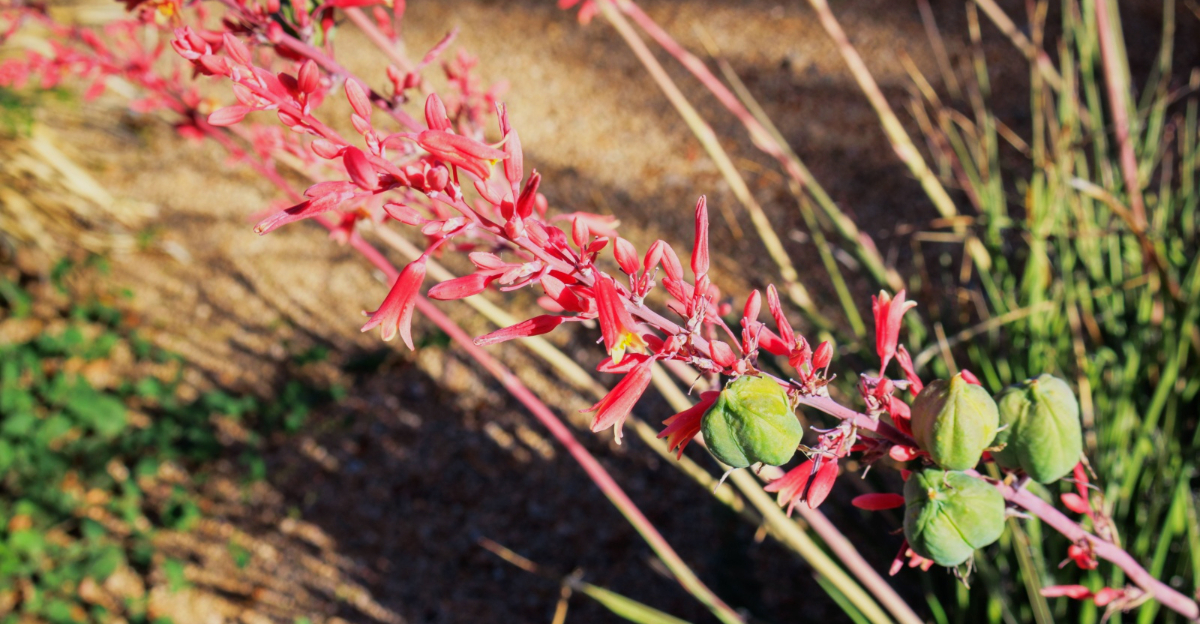
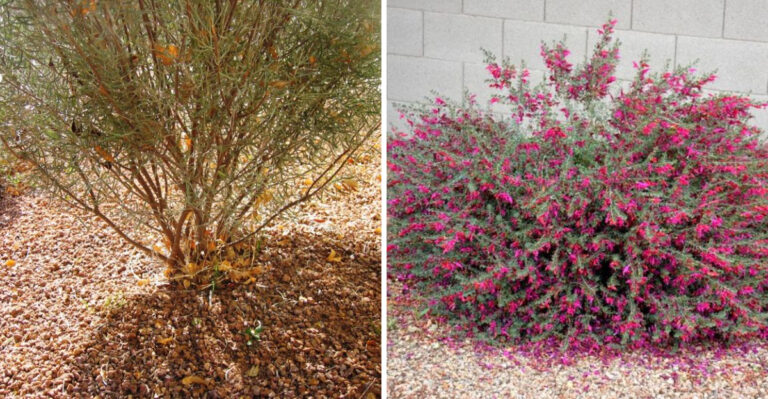
Spring arrives fast in Arizona, and red yucca quickly shifts from quiet winter growth to gearing up for its signature flower spikes.
As days grow longer and temperatures rise, this desert favorite begins putting energy into new leaves and bloom stalks.
A little attention early in the season can make a noticeable difference in how many of those coral-pink spikes show up later.
Many Arizona gardeners find that small, well-timed adjustments in spring lead to a fuller, more vibrant display that carries into summer.
Knowing what to do now helps set the stage for stronger growth and more eye-catching blooms in the months ahead.
1. Give It Full Sun For Stronger Flower Stalks
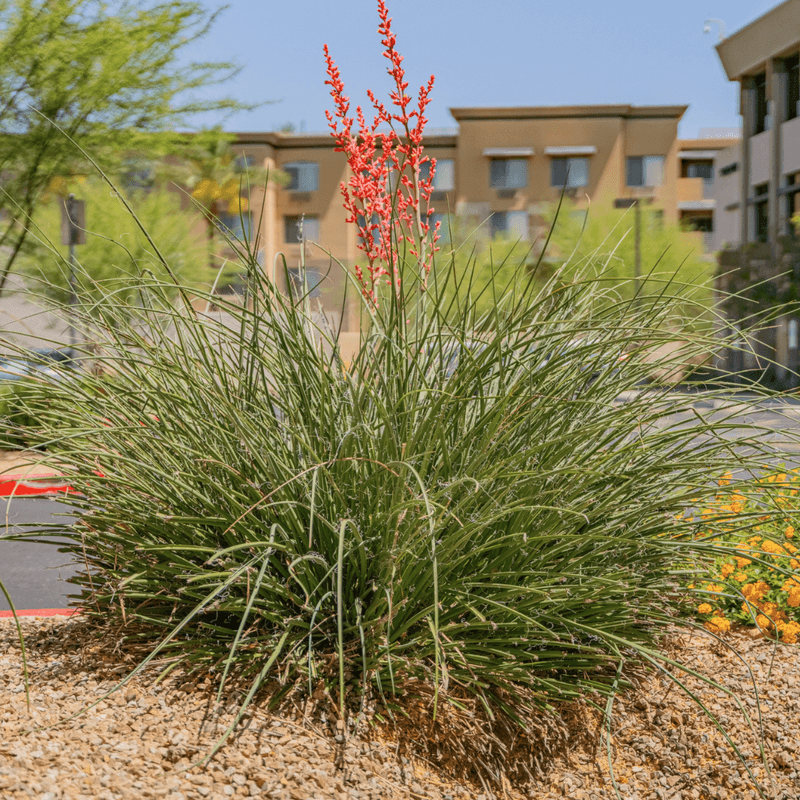
Arizona spring sunshine is intense, and red yucca absolutely thrives under it. Plants that receive full sun exposure for at least six to eight hours each day tend to produce noticeably taller and more numerous flower stalks than those growing in partial shade.
If your plant sits near a wall, a tree canopy, or a structure that limits its sun exposure, spring is a good time to evaluate whether that location is working against you.
In low desert areas like Phoenix and the Tucson basin, full sun is easy to achieve for most of the year. At higher elevations like Prescott, spring sun can feel milder, but the hours of direct light still matter.
Positioning red yucca in an open, south-facing or west-facing spot generally encourages the strongest growth response as days warm up.
Sunlight drives the energy production that fuels flowering. When the plant stores enough energy through photosynthesis during the cooler months, spring warmth triggers that stored energy into bloom production.
Moving a struggling plant to a sunnier spot may take a full season to show results, but the payoff in flower spike production is often well worth the effort for Arizona gardeners.
2. Check Soil Drainage Before Spring Growth Starts
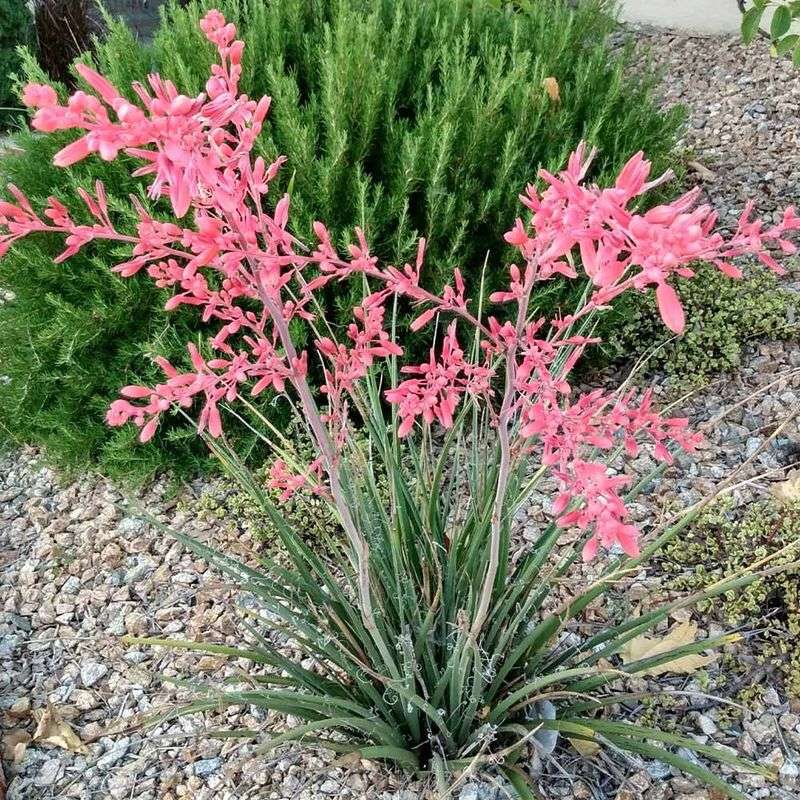
One of the most overlooked spring tasks in Arizona desert gardening is checking whether the soil around established plants is still draining properly.
Over time, soil can compact, organic debris can accumulate, and even gravel mulch can shift in ways that slow water movement away from the root zone.
Red yucca is highly sensitive to standing moisture around its crown and roots, and poor drainage in spring can limit flowering considerably.
Sandy or rocky soils found across much of Arizona are naturally well-suited to this plant.
However, gardeners who have added compost, amended their beds heavily, or planted in clay-heavy soils may find that spring rains and early irrigation leave water sitting longer than it should.
A simple drainage test – pouring water near the base and watching how quickly it moves through – can reveal problems before they affect the plant.
If drainage seems slow, working in coarse sand, decomposed granite, or small gravel around the root area can help improve conditions without disturbing the plant too much.
Raised planting beds are another option that many Arizona gardeners use successfully.
Getting drainage right before the growing season kicks in gives red yucca the dry-feet conditions it genuinely prefers for healthy spring flowering.
3. Clear Away Old Leaves To Make Room For New Growth
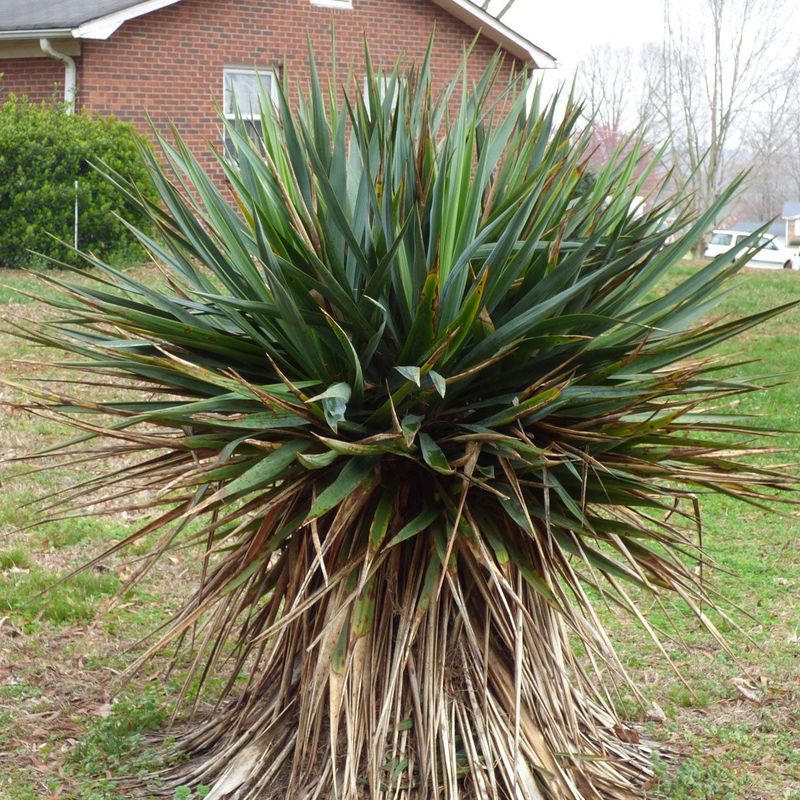
Walking through an Arizona garden in late winter or early spring, you will often notice that red yucca plants hold onto their older, dried leaves long after they have served their purpose.
Those brown, papery leaves do not fall away cleanly the way some other plants shed their foliage.
Left in place, they can crowd the base of the plant and make it harder for new growth and fresh flower stalks to push upward freely.
Removing spent leaves by hand or with clean pruning shears is a straightforward spring task that takes only a few minutes. The goal is to clear away damaged or non-viable material without cutting into healthy green leaves.
Wearing thick gloves is a practical move since the leaf edges can be rough and the tips are pointed. Working carefully from the outer edges inward reduces the chance of accidentally damaging emerging growth.
Beyond the visual improvement, clearing old leaves also reduces hiding spots for insects and small pests that sometimes shelter in dense plant bases.
In Arizona’s dry climate, debris buildup is less of a moisture concern than in humid regions, but it can still create conditions where scale insects or other pests go unnoticed.
A clean base heading into spring gives the plant a fresher start and lets new flower stalks develop without obstruction.
4. Water Deeply But Infrequently As Temperatures Rise
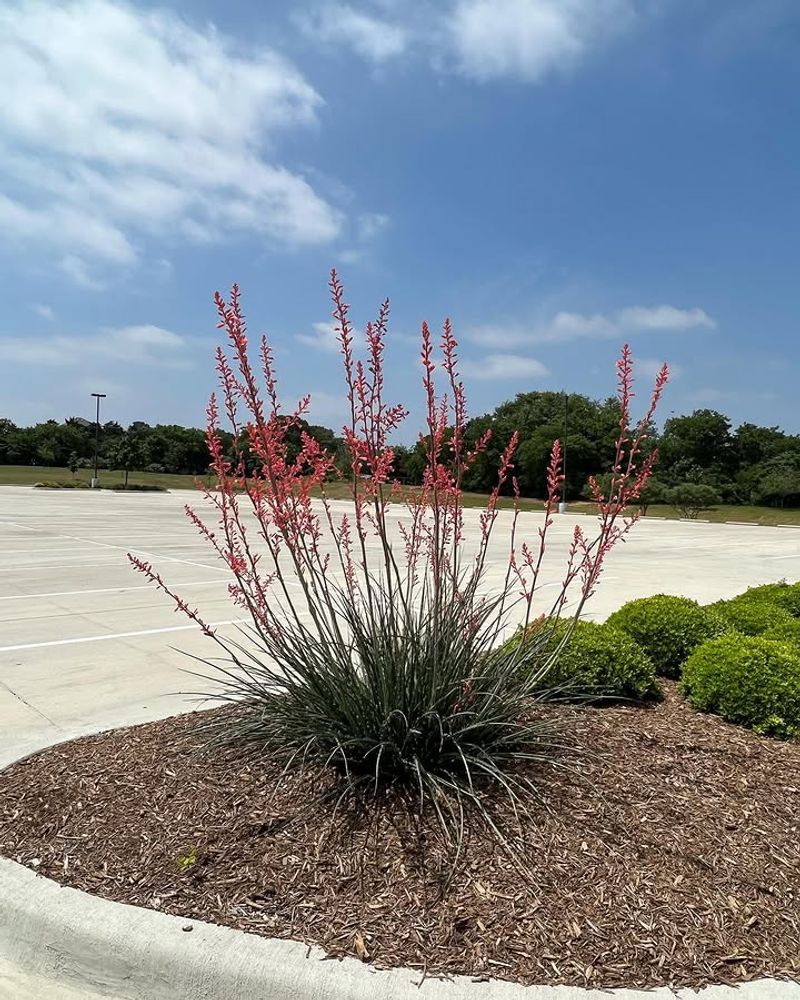
As Arizona temperatures begin climbing through March and into April, the instinct for many gardeners is to start watering more frequently. With red yucca, that instinct can actually work against flowering.
This plant is built for dry conditions, and its root system responds better to deep, infrequent watering than to frequent shallow moisture that never fully dries out between sessions.
Deep watering encourages roots to grow downward in search of moisture, which strengthens the plant overall and supports the energy demands of producing tall flower spikes.
A good rule of thumb during spring in Arizona is to water established plants once every two to three weeks, adjusting based on rainfall and how quickly the soil dries.
In Phoenix and other low desert areas where spring heats up quickly, watering intervals may shorten slightly compared to cooler spots like Prescott.
Young plants that were installed the previous fall or winter may need slightly more frequent watering as they continue establishing their root systems. However, even newer plants benefit from letting the soil dry between sessions rather than staying consistently moist.
Using a drip system set at the base of the plant is a practical approach that many Arizona desert gardeners rely on for efficient, targeted moisture delivery without wetting the crown excessively.
5. Hold Back On Fertilizer To Avoid Weak Growth
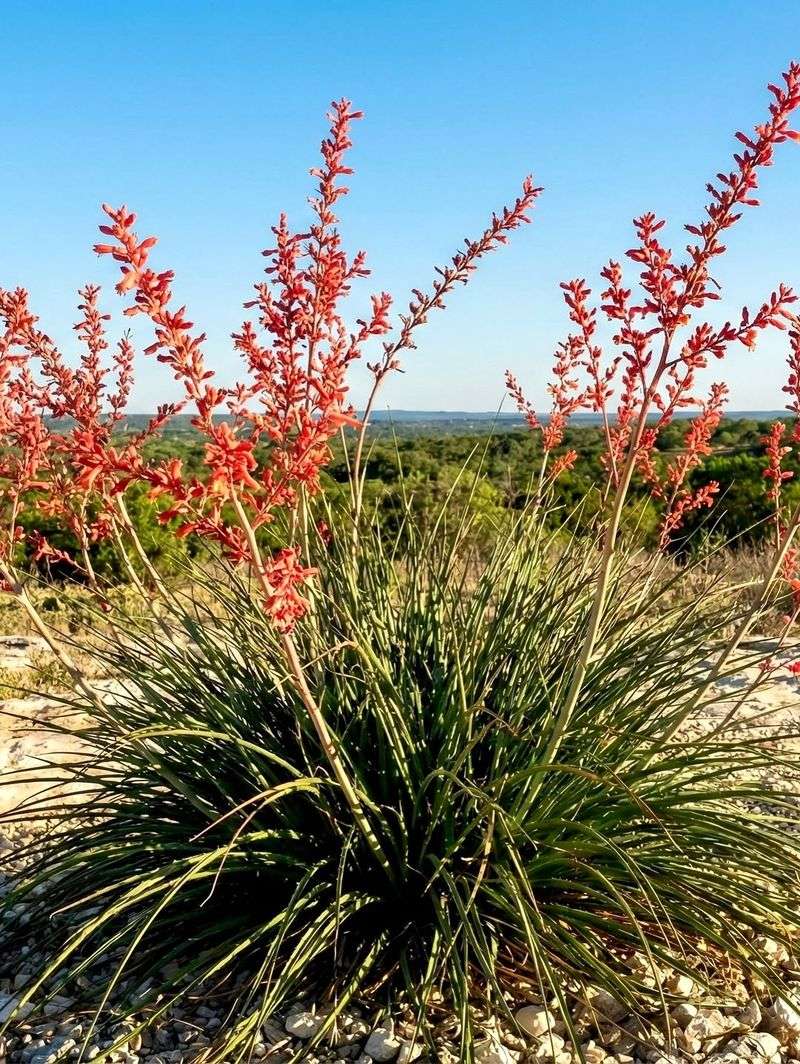
Fertilizing desert plants in spring feels like a generous impulse, but with red yucca, less is genuinely more. Heavy fertilization, particularly with high-nitrogen products, tends to push rapid leafy growth at the expense of flowering.
The plant directs its energy toward producing foliage rather than building the flower stalks that make it such a standout in Arizona landscapes.
Red yucca evolved in lean, nutrient-poor soils across the southwestern United States, and it is well-adapted to those conditions.
Gardeners who skip fertilizer entirely often report just as many flower spikes, if not more, compared to those who feed aggressively.
If you feel the plant genuinely needs a boost, a very light application of a low-nitrogen, phosphorus-leaning fertilizer in early spring is a more measured approach.
Compost can also be used sparingly as a top dressing, but even this should be applied in thin layers to avoid overstimulating the plant.
Arizona soils in many regions already contain minerals that support red yucca’s basic nutritional needs.
Before adding anything to the soil, it is worth considering whether the plant is actually showing signs of nutrient deficiency, such as unusually pale leaves or very slow growth, rather than fertilizing out of habit or seasonal routine.
6. Watch For Cold Damage From Winter Nights
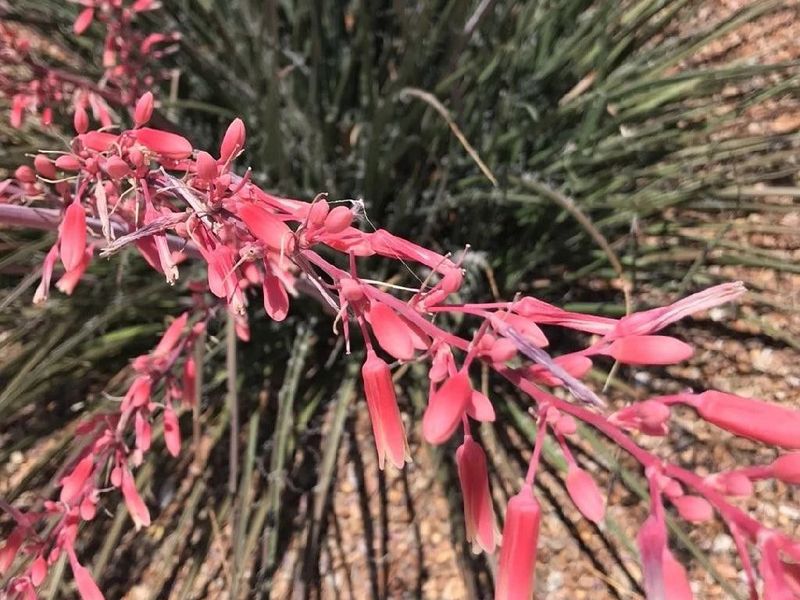
Even though Arizona is known for warm weather, late-season cold snaps can catch gardeners off guard, especially at higher elevations.
In areas like Prescott, Flagstaff, and parts of the White Mountains, red yucca may carry some frost damage from winter nights well into spring.
Those damaged leaf tips and outer leaves can look alarming, but the plant is generally tougher than it appears and can recover once warmer temperatures settle in.
In the low desert areas of Phoenix and Tucson, frost damage is less common but still possible during January and February cold spells.
Checking the plant carefully in early spring for blackened or mushy tissue near the crown is worthwhile, since crown damage is more serious than leaf tip browning.
If the center of the plant looks firm and green, recovery is likely on track even if the outer leaves look rough.
Removing frost-damaged leaves carefully after the risk of further cold nights has passed helps the plant redirect its energy toward new spring growth and flower spike development.
Cutting away damaged material too early, before the last cold nights have passed in your part of Arizona, risks exposing tender new growth to additional cold stress.
Patience through late winter pays off when you see healthy new spikes pushing up in mid-spring.
7. Remove Spent Flower Stalks To Encourage New Spikes
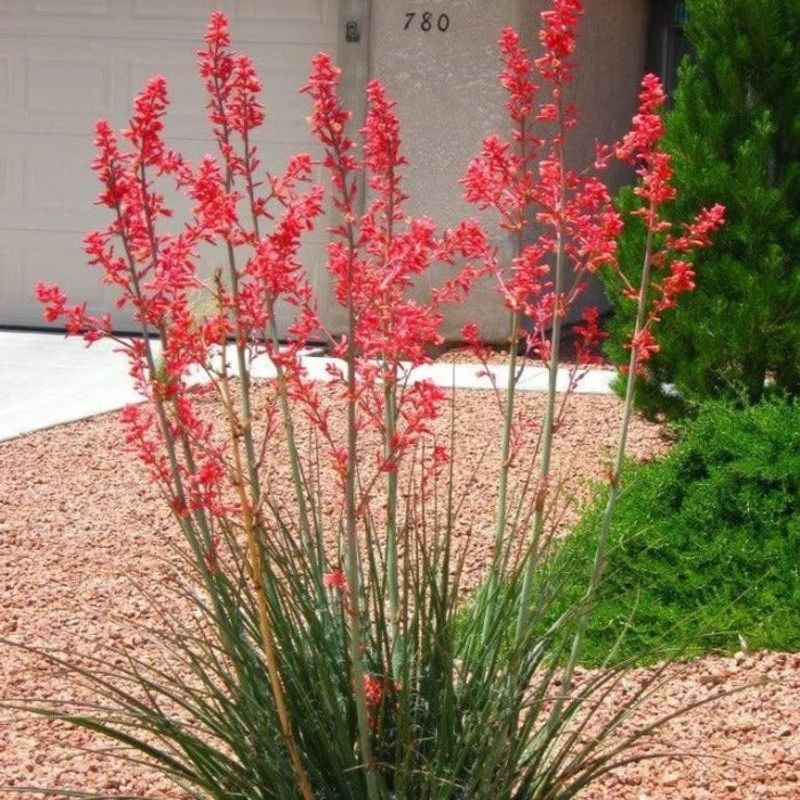
After a strong blooming season, red yucca often holds onto its old flower stalks long after the blooms have faded and the seed pods have formed.
Those dried stalks can remain standing for months, and while some gardeners appreciate the structural interest they add to the landscape, leaving them in place for too long may slow the plant’s shift toward producing new spikes.
Removing spent stalks in late winter or early spring gives the plant a clearer signal to redirect its energy.
Cutting the stalk as close to the base as possible without damaging surrounding leaves is the most effective approach. Clean, sharp pruning shears or loppers make the job easier and reduce the chance of tearing the surrounding tissue.
In Arizona gardens where the plant may have produced multiple stalks the previous season, removing all of the old ones at once is a reasonable spring task.
If you want to collect seeds for propagation or simply enjoy the natural look of the dried stalks through winter, waiting until early spring to remove them still works well.
The key is getting them cleared before the plant begins actively pushing new growth and flower spikes.
Timely removal is one of the most straightforward ways Arizona gardeners can encourage a repeat performance from their red yucca each season.
8. Keep The Base Free Of Debris And Buildup
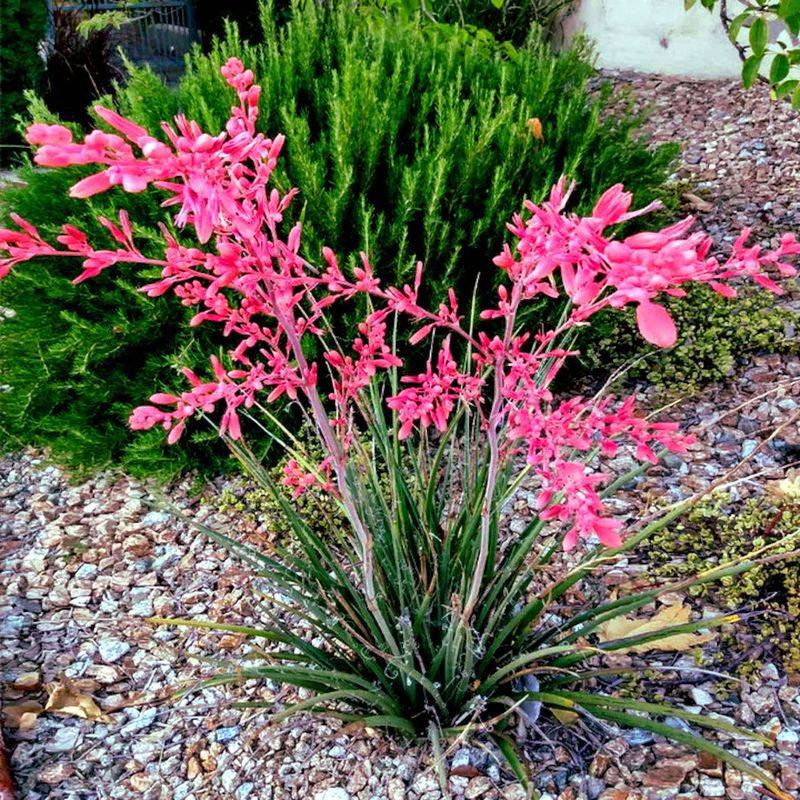
Spring winds across Arizona can deposit quite a bit of material around garden plants, including leaves from nearby trees, dust, and organic debris that settles in the crevices of low-growing desert plants.
For red yucca, keeping the base reasonably clear of this buildup helps maintain the dry, open conditions the plant prefers around its crown.
Excessive organic material sitting against the base can hold moisture longer than the plant appreciates.
A quick cleanup each spring does not need to be elaborate. Simply clearing away fallen leaves, twigs, and any accumulated debris from around the base is enough to maintain good airflow and reduce the chance of moisture-related issues.
In Arizona’s dry climate, this is less of a pressing concern than it would be in humid regions, but it still contributes to the plant’s overall health heading into the growing season.
Inorganic mulches like decomposed granite or crushed gravel work well around red yucca because they allow water to pass through quickly while still moderating soil temperature.
If you use this type of mulch in your Arizona landscape, refreshing the layer around the plant in spring is a simple step that keeps the area looking tidy and functioning well.
Maintaining a clean base sets the plant up for unobstructed spring growth and stronger flowering throughout the season.
9. Give Young Plants A Little Extra Attention In Spring
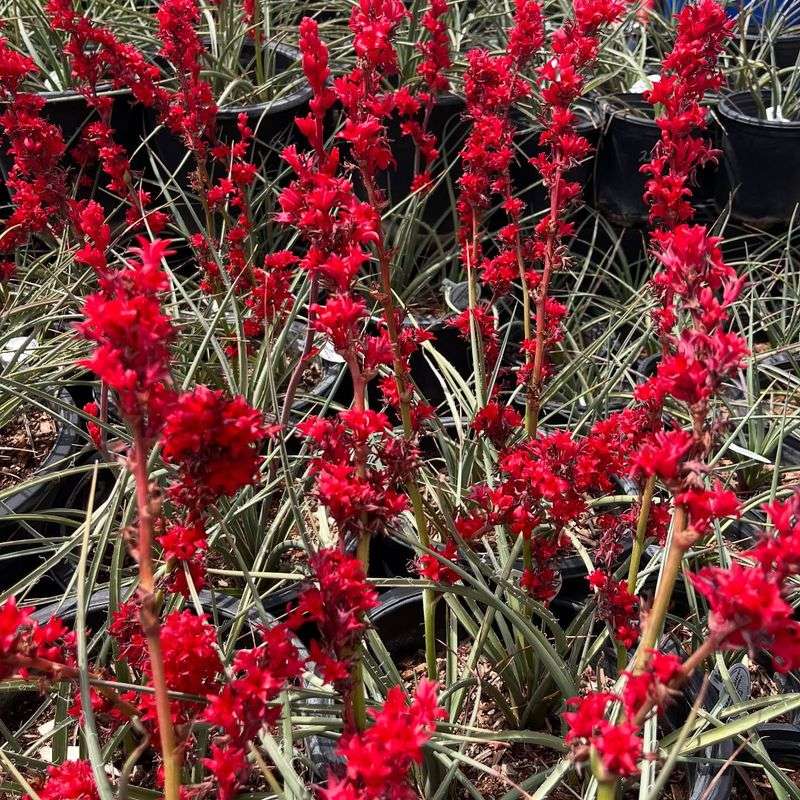
Plants installed in the past year or two need a bit more support during their first few Arizona springs than established specimens do.
Root systems are still spreading and anchoring, which means the plant has less capacity to handle extreme drought or heat stress during this vulnerable period.
Giving young red yucca a little extra care in spring can make a significant difference in how quickly it matures into a reliable blooming plant.
Watering slightly more frequently than you would for an established plant is reasonable during this phase, but the approach should still lean toward deep, infrequent sessions rather than daily shallow moisture.
Checking that the drip emitter or watering point is positioned close to the root zone, rather than too far out or too close to the crown, helps water reach where it is most needed.
Young plants in Arizona may not produce flower spikes during their first or even second spring, and that is a normal part of their development. Focusing on supporting healthy leaf growth and root establishment during these early seasons pays dividends later.
Once the plant reaches a mature size, typically after two to three years in the ground depending on your location in Arizona, it tends to reward patient gardeners with increasingly impressive flower spike displays each spring.
10. Leave Established Plants Alone More Than You Think
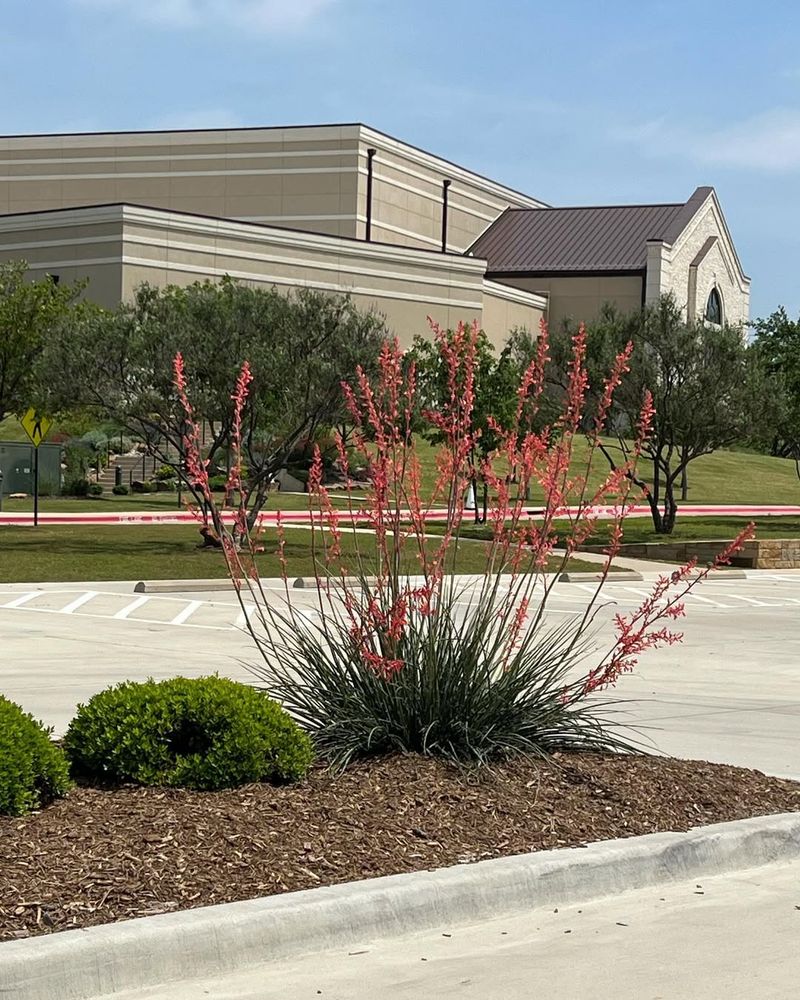
There is a tendency among enthusiastic gardeners to keep tinkering, adjusting, and improving, but with a well-established red yucca in an Arizona landscape, restraint is often the most productive approach.
Plants that have been in the ground for several years have developed deep root systems, adapted to local soil conditions, and settled into a natural rhythm of growth and flowering.
Disrupting that rhythm with excessive pruning, fertilizing, or soil amendments can sometimes do more harm than good.
Established red yucca plants across Arizona regularly produce multiple flower spikes each season with little to no intervention beyond the occasional removal of spent stalks and older leaves.
The plant’s natural adaptability to Arizona’s heat, dry air, and lean soils means it has already figured out how to thrive in those conditions without much help from the gardener.
Stepping back and observing rather than constantly managing is a skill that experienced desert gardeners develop over time.
If your plant is producing healthy green leaves, maintaining its shape, and sending up flower spikes each spring, that is a sign the current conditions are working.
Making small, targeted adjustments only when you notice a genuine problem, rather than intervening on a set schedule, tends to produce the best long-term results for red yucca in Arizona landscapes.