What Bigleaf Hydrangeas Need In April In North Carolina For Better Blooms
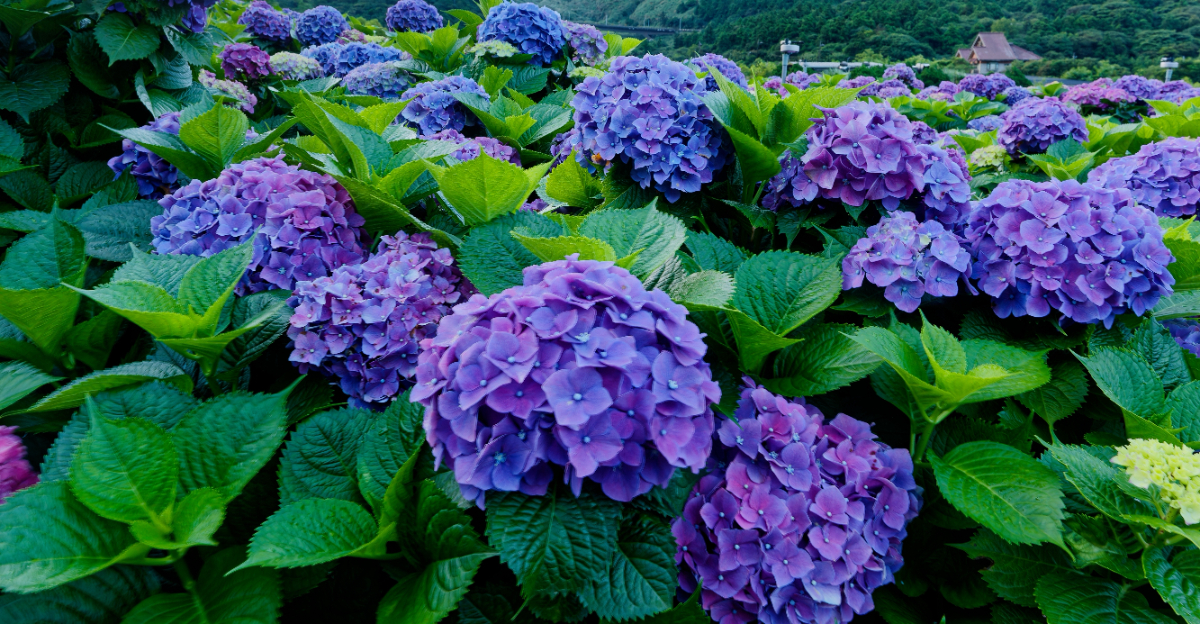
April can make or break bloom season for bigleaf hydrangeas in North Carolina. By this point, the shrubs are waking up, buds are forming, and the wrong move can mean far fewer flowers later on.
That is what makes spring care so important. Bigleaf hydrangeas do not just need water and sunshine.
They need the right kind of help at the right time if they are going to put on a strong show. Too much pruning, dry soil, or late cold damage can all get in the way before blooming even starts.
In North Carolina, where spring weather can shift fast, these shrubs need steady care to stay on track. A few smart steps in April can help protect buds, support healthy growth, and set the stage for fuller color when the season moves ahead.
Better blooms often begin with what gardeners do right now.
1. Protect Developing Buds From Late Frost
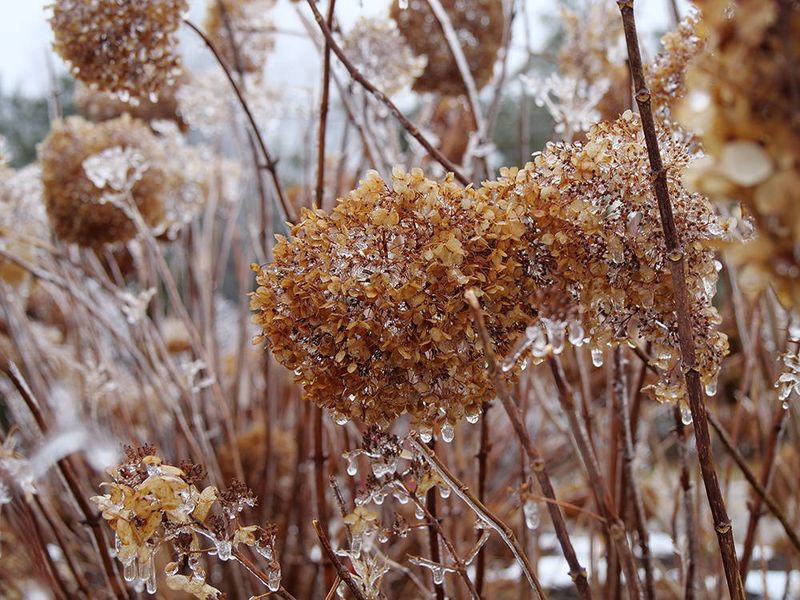
Most people do not realize just how vulnerable bigleaf hydrangeas are in April. Hydrangea macrophylla blooms on old wood, meaning the flower buds formed last summer and fall are already sitting on the stems right now, swollen and ready to grow.
One late cold snap in North Carolina can wipe out those buds before they ever get a chance to open.
North Carolina springs are famously unpredictable. Temperatures can feel warm and settled one week, then suddenly dip toward freezing the next.
Even a brief overnight frost can cause real damage to partially leafed-out stems and swelling buds, leaving you with a plant full of lush green leaves but almost no flowers come summer.
The fix is simple and worth the small effort. When your local forecast calls for temperatures near 32 degrees Fahrenheit, cover your hydrangeas with frost cloth, old bed sheets, or burlap the evening before.
Make sure the covering reaches the ground to trap warmth from the soil underneath. Remove the covering the next morning once temperatures rise above freezing.
Doing this even once or twice during April in North Carolina can save an entire season of blooms and keep those precious buds safe until warmer weather settles in for good.
2. Maintain Even Soil Moisture
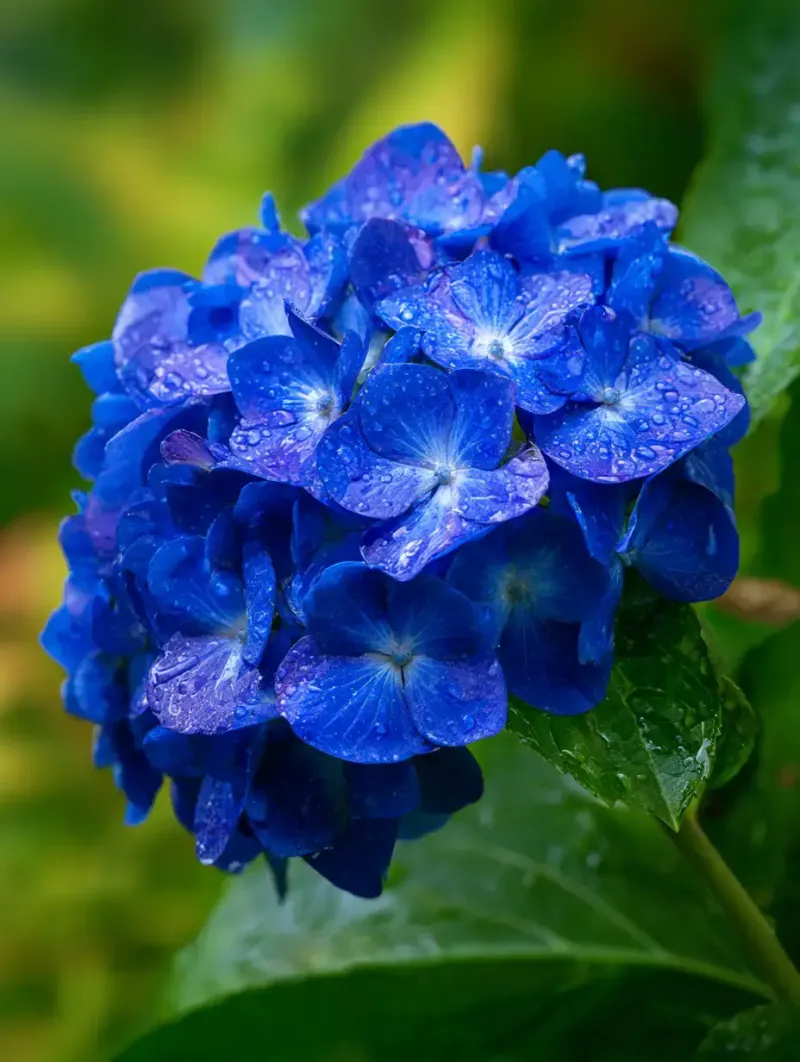
Water might be the single most important thing your bigleaf hydrangeas need in April. These plants are actively pushing out new leaves, extending stems, and developing those precious flower buds all at the same time, and all of that growth demands a steady, reliable supply of moisture in the soil.
North Carolina spring weather does not always cooperate. Some weeks bring plenty of rain, while others turn surprisingly dry and warm.
Hydrangeas sitting in soil that swings between soggy and bone-dry will struggle to develop properly. Stressed plants often produce smaller blooms or skip flowering altogether, which is exactly what you want to avoid.
The goal is to keep the soil evenly moist but never waterlogged. Push your finger about two inches into the soil near the base of the plant.
If it feels dry at that depth, it is time to water thoroughly and slowly so the moisture reaches the roots. Deep watering once or twice a week usually works well in April across North Carolina, though you should always adjust based on recent rainfall.
Watering in the morning is ideal because it gives foliage time to dry out before nightfall, which helps prevent fungal issues. Consistent moisture now builds strong, healthy stems that can support big, beautiful blooms all season long.
3. Apply A Light, Balanced Fertilizer
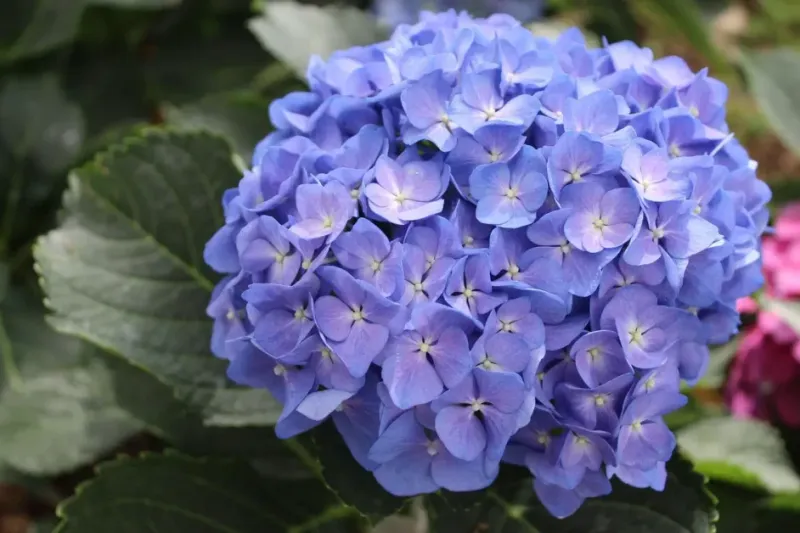
Feeding your bigleaf hydrangeas in April is one of the smartest things you can do for summer blooms. Early to mid-April is the sweet spot for fertilizing in North Carolina, right when plants are actively growing and ready to put all those nutrients to good use.
A balanced, slow-release fertilizer with equal parts nitrogen, phosphorus, and potassium works beautifully for hydrangeas at this stage. A common ratio like 10-10-10 gives the plant a steady supply of nutrients without overwhelming it.
Phosphorus in particular supports strong root development and helps the plant set more flower buds, which means more blooms for you later in the season.
One thing to watch closely is the nitrogen level. Too much nitrogen pushes the plant to produce lots of lush, leafy growth at the expense of flowers.
You want vigorous, healthy stems, but you also want those stems to be covered in blooms. Stick to a light application following the package directions, and avoid the temptation to add extra thinking more is better.
Sprinkle the granules evenly around the drip line of the plant and water them in well afterward. Fertilizing just once in April and once more in early summer is usually enough to keep bigleaf hydrangeas across North Carolina looking their absolute best all season long.
4. Add Organic Matter To Improve Soil
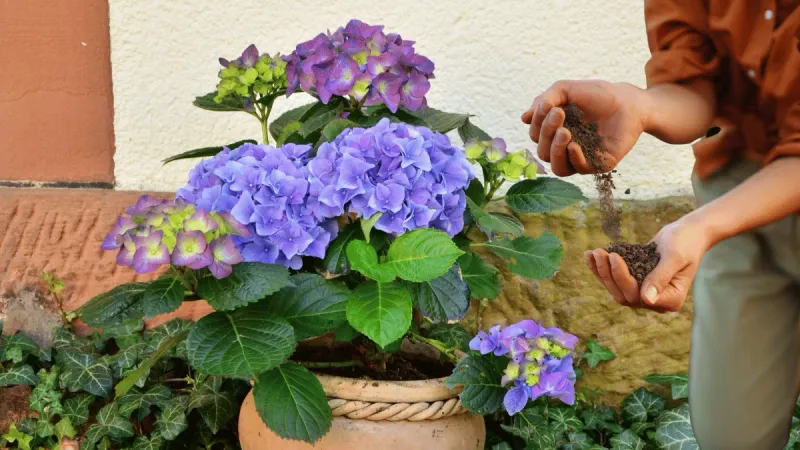
Healthy soil is the foundation of every thriving hydrangea, and April is a perfect time to give yours a real boost.
Bigleaf hydrangeas in North Carolina grow in all kinds of soil conditions, from heavy clay in the Piedmont region to sandy coastal soils in the east, and most of those soils benefit enormously from added organic matter.
Compost and leaf mold are two of the best options you can use. Working a few inches of finished compost into the top layer of soil around your hydrangea improves structure in a way that benefits both drainage and moisture retention at the same time.
Clay soils become less compacted and drain more freely, while sandy soils gain the ability to hold water and nutrients close to the roots where the plant needs them most.
You do not need to dig deeply or disturb the root system to make this work. Simply spread two to three inches of compost over the soil surface around the plant, then gently work it into the top inch or two with a hand cultivator.
Organic matter also feeds beneficial soil microbes that break down nutrients and make them available to your hydrangea over time.
Gardeners across North Carolina who add compost every spring consistently notice stronger, fuller plants with more vibrant blooms compared to those grown in unamended soil.
5. Mulch To Stabilize Soil Conditions
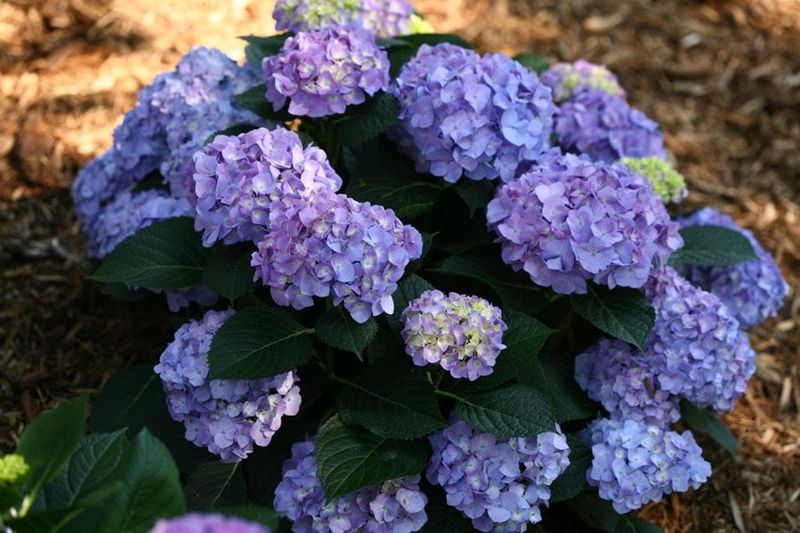
Mulching your bigleaf hydrangeas in April is one of those simple tasks that pays off in a big way. A two to three inch layer of organic mulch spread around the base of the plant acts like a protective blanket for the soil underneath, and it does several important jobs all at once.
First, mulch helps regulate soil temperature. April in North Carolina can bring warm sunny afternoons followed by surprisingly cool nights.
Mulch buffers those swings, keeping the root zone more stable and reducing stress on the plant. Second, it slows down water evaporation from the soil surface, which means you spend less time watering and the roots stay consistently moist between rain events.
Mulch also suppresses weeds that would otherwise compete with your hydrangea for water and nutrients. Pine bark, shredded hardwood, or shredded leaves all work well and look attractive in a garden bed.
Avoid piling mulch directly against the main stems of the plant, as that can trap moisture and encourage rot. Keep a small gap of a few inches around the base.
Refreshing your mulch layer every spring is a habit that experienced North Carolina gardeners swear by, and once you see the difference it makes in how well your hydrangeas perform through the heat of summer, you will understand exactly why they do it every year.
6. Avoid Pruning In April
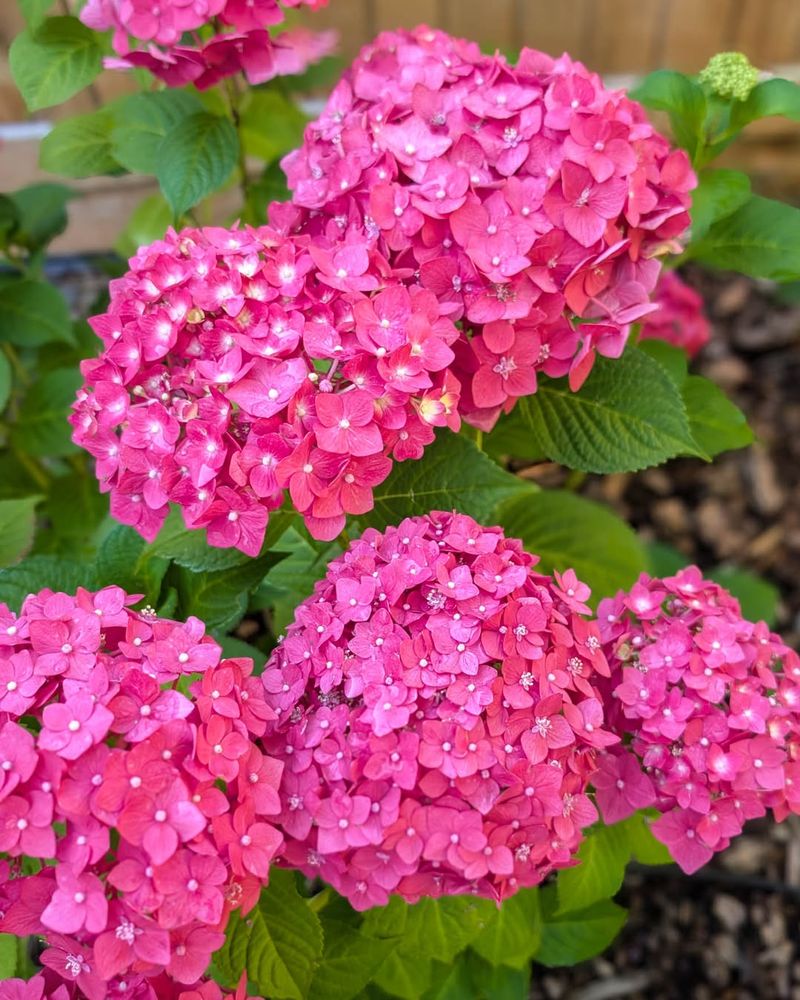
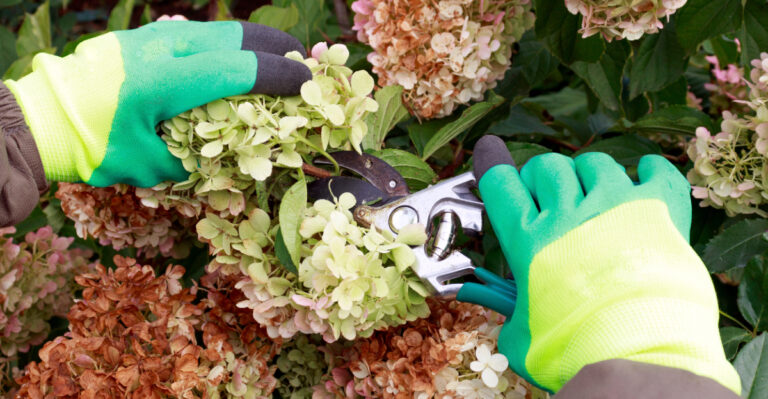
Pruning bigleaf hydrangeas in April is one of the most common mistakes gardeners make across North Carolina, and it is a heartbreaking one because the results do not show up until summer when the plant produces almost no flowers.
Understanding why this happens makes it much easier to resist the urge to cut.
Bigleaf hydrangeas bloom on old wood. Those flower buds you are hoping to see open into big, colorful blooms in June and July formed on the stems back in late summer and fall of last year.
By the time April arrives, those buds are already swelling and beginning to push out growth. Every stem you remove in April takes several of those precious buds with it, and there is no getting them back for this season.
The right time to prune bigleaf hydrangeas is right after they finish flowering in summer, typically in July or early August in North Carolina.
At that point you can remove spent flower heads and any stems that look crowded or crossed, and the plant will have time to form new buds before fall.
If you notice any stems that look completely hollow or clearly did not survive winter, those can be removed carefully in early spring without much concern.
Otherwise, put the pruning shears away in April and trust that your patience will be rewarded with an impressive display of blooms later this summer.
7. Adjust Soil pH For Desired Bloom Color
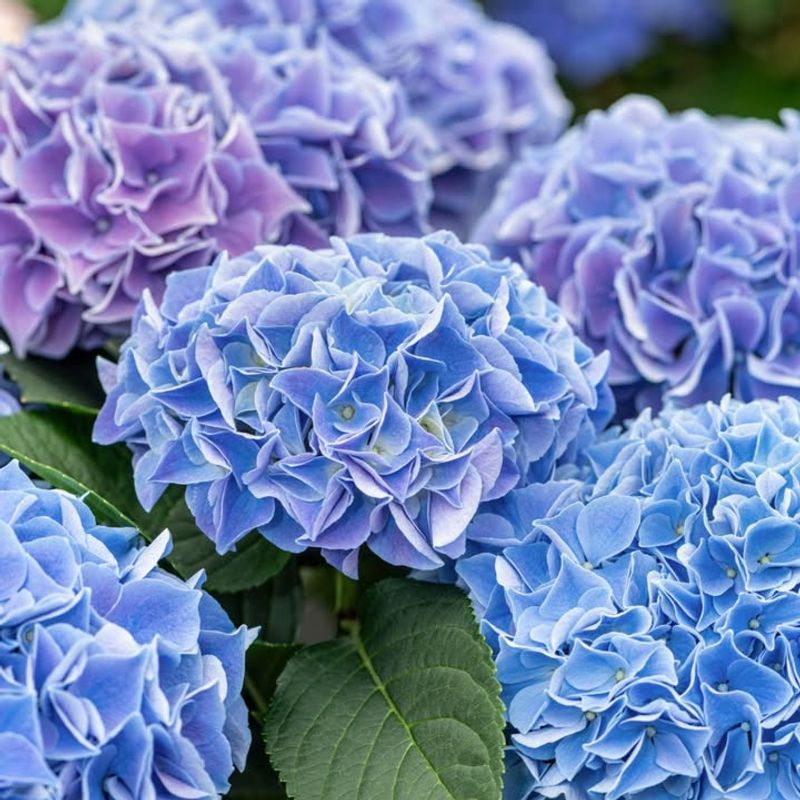
One of the most fascinating things about bigleaf hydrangeas is that you can actually influence what color their flowers turn out to be, and April is a great time to start making that happen.
The secret lies entirely in your soil pH, which controls how the plant absorbs aluminum from the ground around it.
Acidic soil with a pH between 5.0 and 5.5 allows aluminum to be easily absorbed by the plant, which produces those stunning blue blooms that bigleaf hydrangeas are famous for.
Much of North Carolina already has naturally acidic soil, so many gardeners here find their hydrangeas lean toward blue without any adjustments at all.
If your soil pH sits closer to 6.0 or above, the flowers tend to shift toward pink and rosy tones instead.
Testing your soil before making any changes is always the smartest move. Simple soil test kits are available at garden centers across North Carolina, or you can send a sample to your local cooperative extension office for a more detailed analysis.
To push toward blue, apply aluminum sulfate or garden sulfur carefully according to package directions. To encourage pink blooms, add garden lime to raise the pH.
Make changes gradually because shifting pH too quickly can stress the plant. April is ideal for starting this process since the plant is actively growing and will respond to adjustments before the blooms begin to form fully.