What California Fire-Safe Landscaping Rules Mean For Homeowners This Year
California steps into another dry year, and fire-safe landscaping rules now sit front and center like a sheriff with a stern warning.
Homeowners across the state feel the pressure as new standards draw a bold line between safety and risk.
One spark in the wrong place turns a quiet hillside into a runaway blaze, so every yard must pull its weight.
Clear zones, smarter plant choices, and tighter maintenance now shape the landscape, and each change carries real consequence.
The message hits with the force of a Santa Ana wind: a well-planned yard no longer counts as a luxury—it stands as a frontline defense.
Communities now rally around these requirements, since each property plays a role in the region’s overall safety net.
A single gap in preparation invites danger, yet consistent effort across a neighborhood builds resilience that no wildfire can easily topple.
Homeowners now view their outdoor spaces as protective buffers, not mere decoration, and that shift marks a major step toward a safer year ahead.
Understanding California’s Updated Defensible Space Requirements
California requires defensible space up to 100 feet around homes located in State Responsibility Areas (SRA) and Very High Fire Hazard Severity Zones (VHFHSZ).
The first 30 feet, known as Zone 1, must be kept “lean, clean, and green,” with vegetation maintained so it does not allow fire to spread easily.
Zone 2, stretching from 30 to 100 feet, focuses on reducing fuel by spacing plants and removing damagedmaterial.
Homeowners must keep roofs and gutters free of leaves and debris, and remove tree branches that overhang structures.
Local fire agencies may conduct inspections, and non-compliance can lead to fines, though these vary by county.
Some insurance companies may request proof of defensible-space work for coverage, but this is not universal.
Proper defensible-space maintenance significantly improves a home’s chances of surviving a wildfire, especially when combined with home-hardening measures.
The New “Zone 0” Rule: What You Must Remove Within 5 Feet Of Your Home
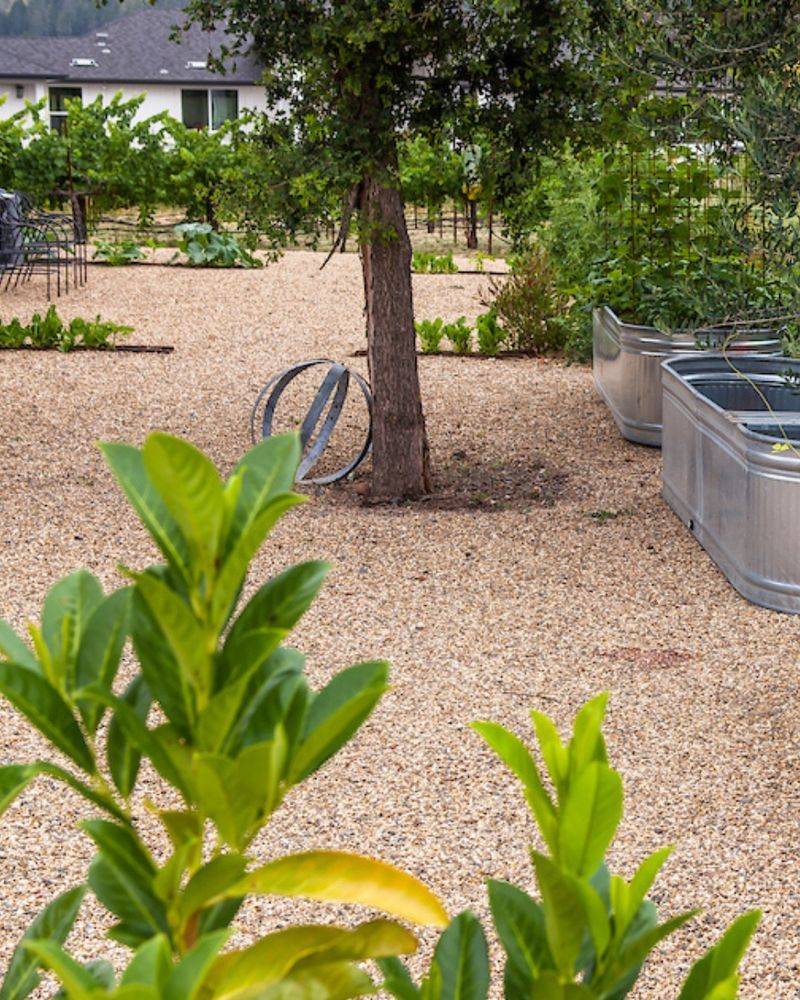
California is in the process of adopting a formal Zone 0 requirement, which would prohibit combustible materials within the first 0–5 feet of a home in high-risk fire zones.
Although full statewide enforcement is still being phased in, many fire agencies already recommend treating this area as a non-combustible zone.
This typically means minimizing plants directly against the home, avoiding wood mulch, and keeping items like firewood and combustible outdoor décor out of this zone.
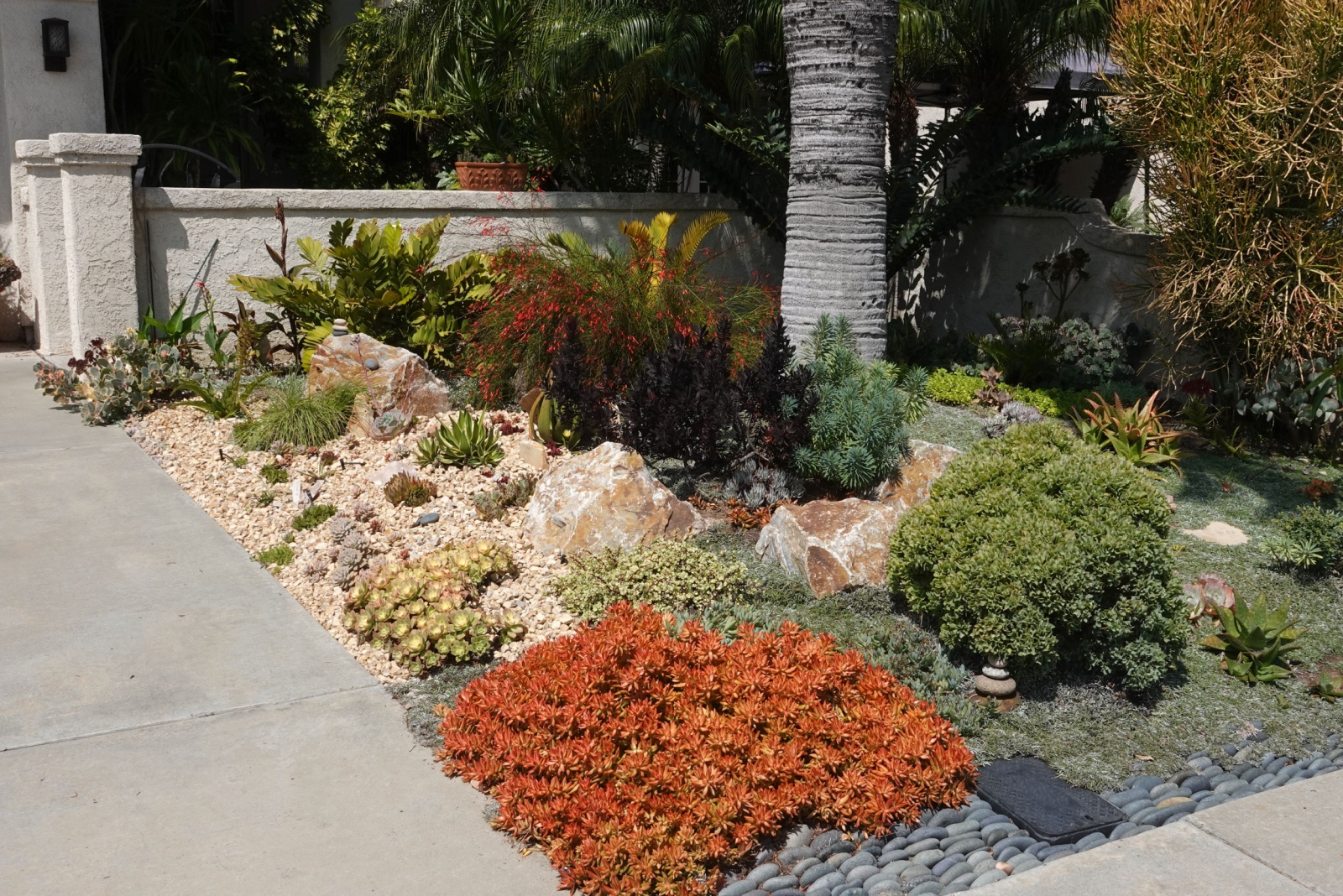
Non-combustible materials such as gravel, stone, or concrete are encouraged.
Some items — like propane tanks or storage sheds — must follow clearance rules but are not automatically banned statewide; requirements vary by county.
Installing ember-resistant vent covers remains a recommended best practice across California.
Enforcement timelines and penalties differ locally, so homeowners should verify current rules with their fire department.
Approved Plants vs. High-Risk Vegetation: What’s Allowed In 2026
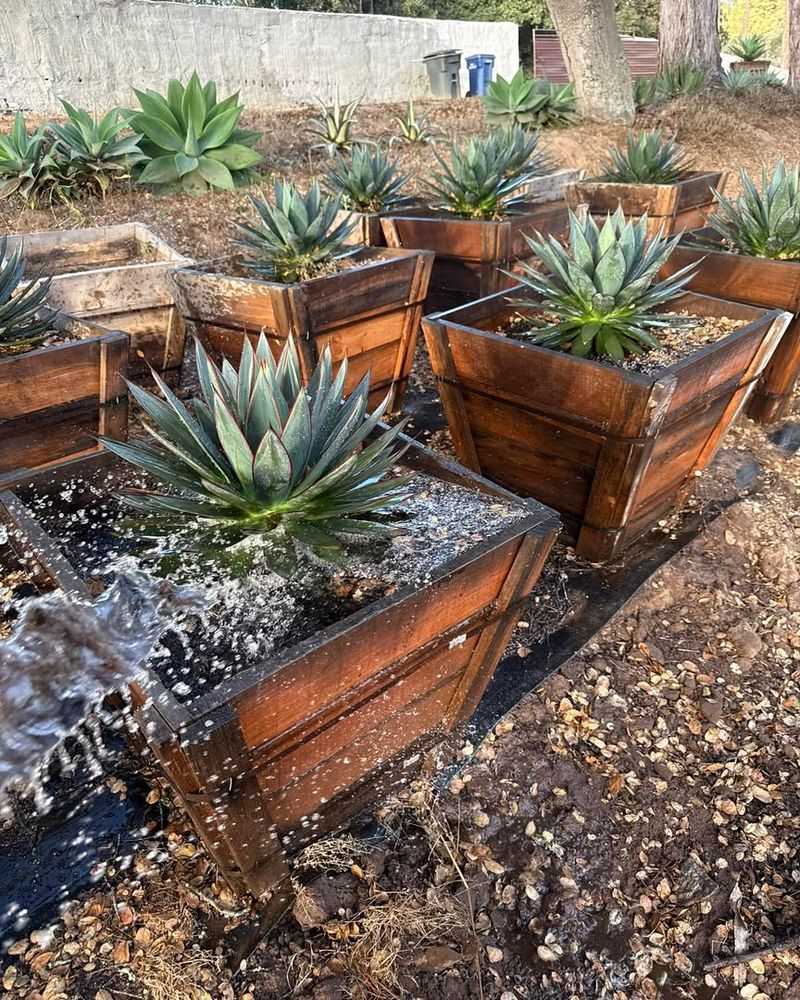
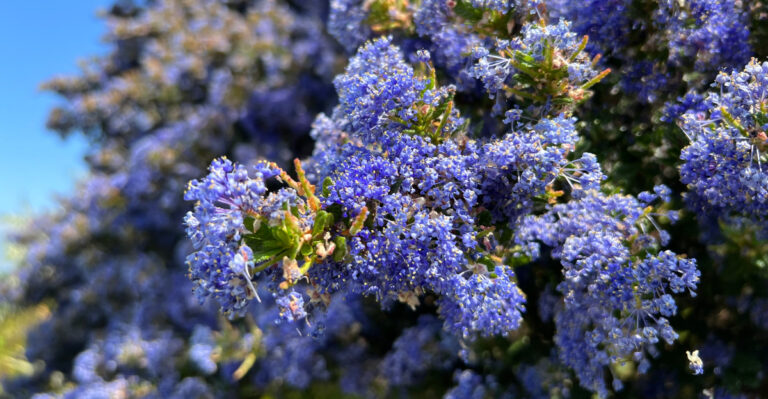
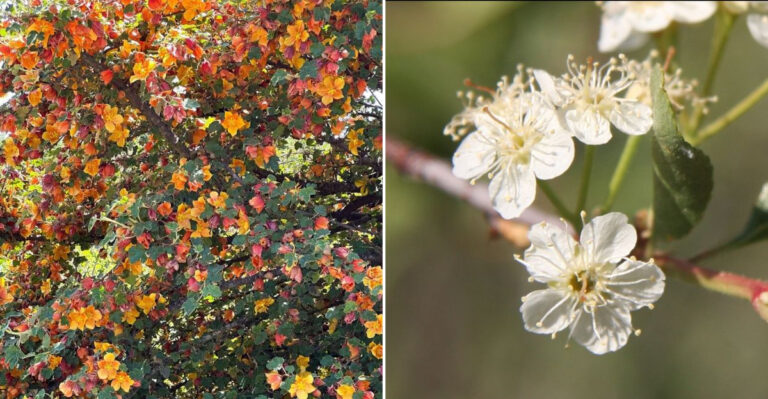
California promotes the use of fire-resistant and low-flammability plants, particularly succulents and certain native shrubs that retain moisture and ignite less easily.
Plants such as toyon, California fuchsia, and coyote brush are often recommended, depending on region.
Highly flammable plants — including juniper, eucalyptus, pampas grass, and some bamboo varieties — are discouraged because they contain oils or accumulate dry material that ignites easily.
Palm trees can pose a hazard when damaged fronds accumulate, but removal is not universally required; maintenance is key.
Proper plant spacing remains essential to slow fire spread.
Plant lists vary by county and microclimate, so homeowners should rely on local fire-safe councils or UC Cooperative Extension resources for region-appropriate guidance.
How To Maintain Trees, Shrubs, And Groundcover Under The New Guidelines
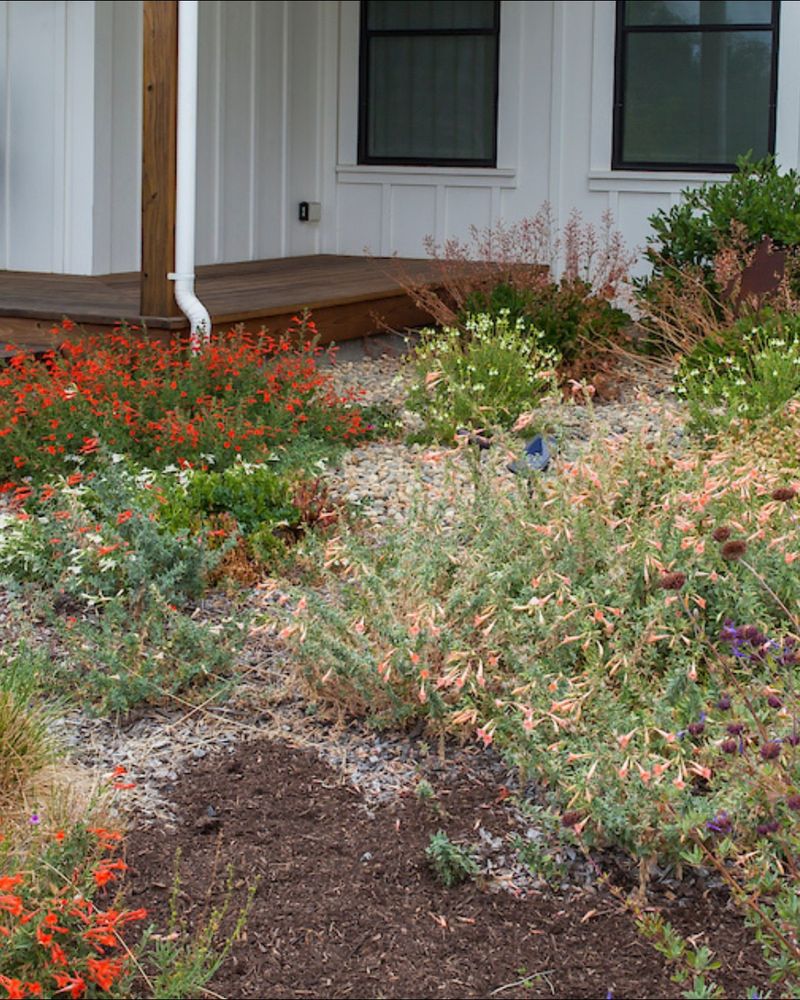
Maintenance is central to California’s defensible-space rules.
Trees must be pruned to remove damaged branches and maintain vertical separation between ground vegetation and tree canopies.
Clearance requirements (such as limbing trees up 6–10 feet) can vary depending on vegetation type and local ordinances.
Shrubs should be kept healthy and well-spaced to reduce fuel buildup, rather than touching structures or other plants.
Grass should be maintained at a low height, but specific height requirements vary by county.
Removing accumulated leaves, needles, and debris is mandatory in defensible-space zones.
Irrigation can help maintain plant moisture, but homeowners must also follow drought-stage watering restrictions when applicable.
Many landscaping companies offer fire-safe services, but professional certification is not required unless mandated locally.
Safer Alternatives To Wood Mulch, Fencing, And Outdoor Decor
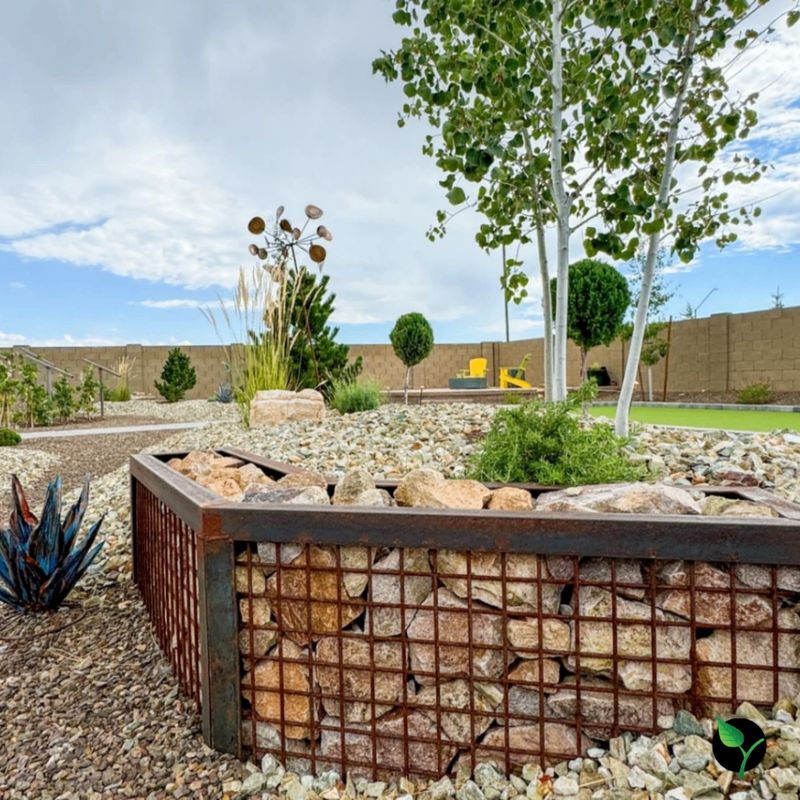
To reduce ignition risk, many California fire agencies recommend replacing wood mulch near structures with non-combustible options such as gravel, decomposed granite, or stone.
Wood mulch is not banned statewide but is discouraged within the 0–5-foot zone.
In high-risk areas, metal or masonry fencing performs better than wood because wood can ignite from wind-blown embers.
Vinyl fencing is allowed but may deform under high heat.
Decking materials vary in fire performance; homeowners should look for products tested under California’s Wildland-Urban Interface (WUI) building standards.
Outdoor furniture made from metal or other non-combustible materials is generally recommended, especially on decks or porches.
Decorative elements made from stone, ceramic, or metal are safer alternatives to wooden accents.
How Fire-Safe Landscaping Affects Homeowners In High-Risk Zones
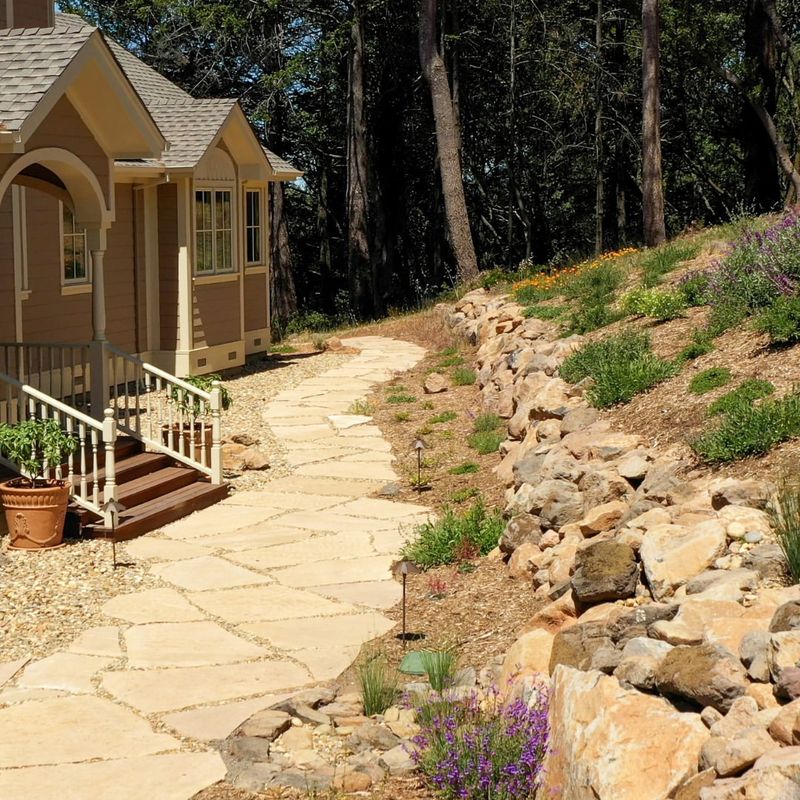
Homeowners in Very High Fire Hazard Severity Zones face stricter enforcement and more frequent inspections.
Insurance carriers increasingly evaluate defensible-space compliance and home-hardening features during policy review, but requirements vary by company.
Properties demonstrating thorough fire-safe landscaping may be more attractive to buyers, while non-compliant properties may face higher insurance costs or additional remediation needs.
Fire-safe landscaping also improves safety during evacuations by reducing the likelihood of rapid fire spread near homes.
Some communities organize neighborhood-wide programs or receive state and federal funding for vegetation-management projects.
Grants and incentives are available in certain counties, though eligibility and funding periods differ.
What Inspections And Compliance Checks Look Like This Year
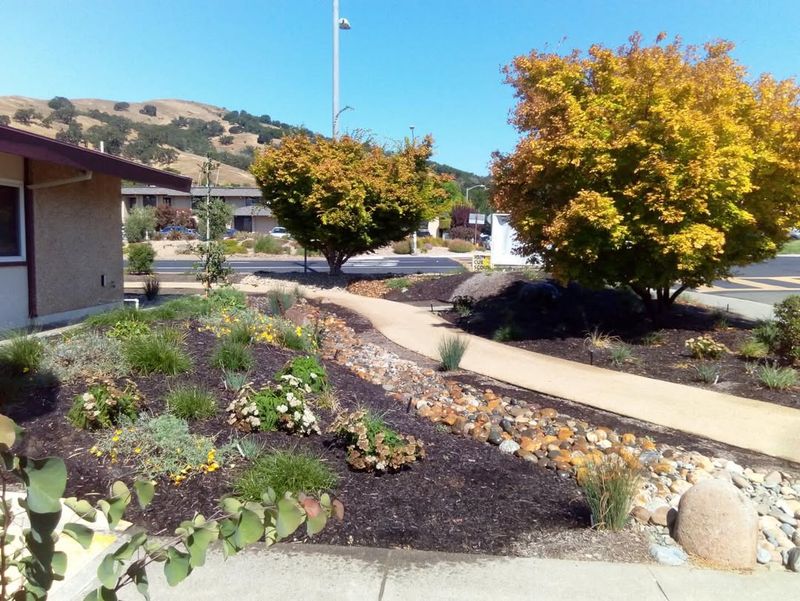
Fire-safe inspections typically occur during the spring and summer.
Inspectors evaluate vegetation spacing, removal of damaged material, roof and gutter cleanliness, and any combustible items located close to structures.
Initial notices generally allow time for homeowners to fix issues before fines are issued, though timelines differ by jurisdiction.
Drone use for preliminary surveying occurs in some counties but is not statewide practice.
Complaint-based inspections may occur if neighbors report visible hazards, though reporting processes vary.
Maintaining documentation of work performed can help homeowners demonstrate compliance.
Penalties for violations differ by county and may escalate if hazards are not corrected.
Backyard Upgrades That Improve Fire Safety And Boost Home Hardening
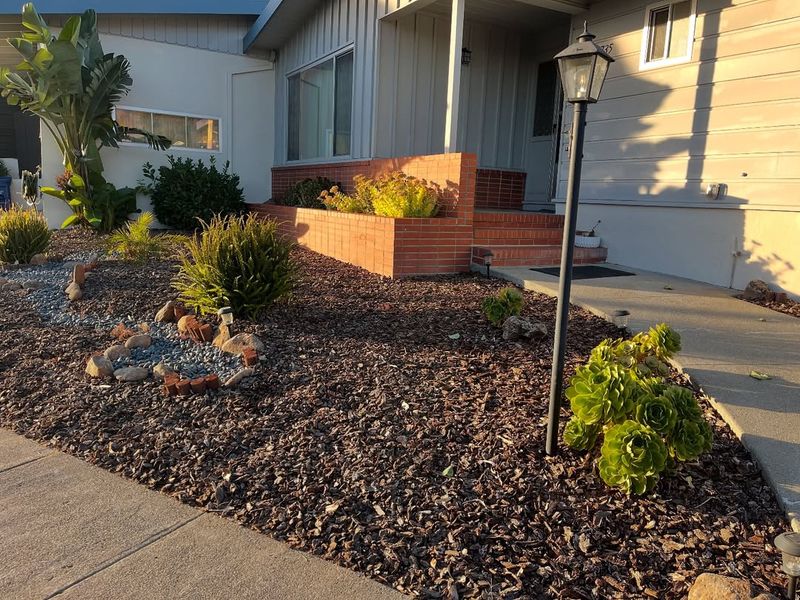
Strategic backyard improvements can simultaneously meet fire-safe requirements while enhancing your property’s functionality and value.
Replacing wooden decks with concrete, stone, or properly rated composite materials eliminates a major ignition source while creating durable outdoor living spaces.
These materials withstand weather better and require less maintenance than traditional wood.
Installing ember-resistant vent screens on all exterior openings prevents wind-blown embers from entering attics, crawl spaces, and walls.
This simple upgrade costs relatively little but provides significant protection.
Upgrading to Class A fire-rated roofing materials during replacement cycles ensures your roof can withstand ember attacks.
Metal roofing offers the highest fire resistance while lasting 50 years or more.
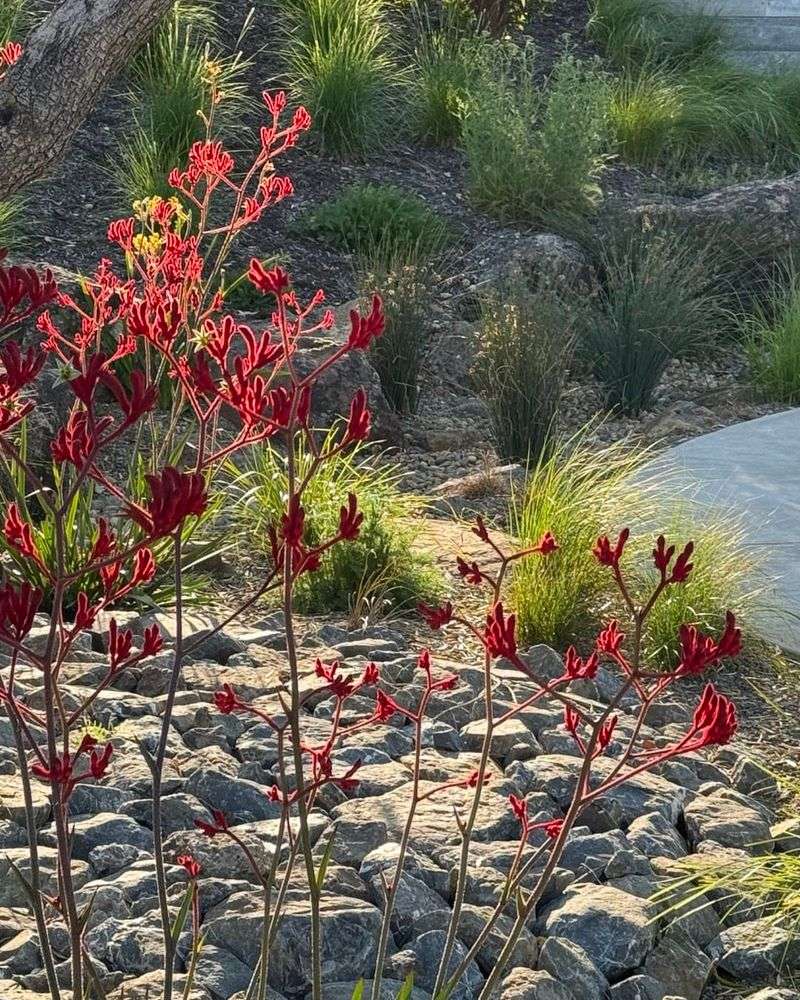
Creating gravel or stone pathways instead of wood chip trails adds functional access while meeting non-combustible material requirements.
These hardscape features also reduce water needs compared to lawns.
Installing exterior irrigation systems with separate zones allows targeted watering that maintains plant moisture without waste.
Drip systems work especially well for fire-resistant plants that need less water.
Adding outdoor storage sheds constructed from metal or masonry provides secure storage outside Zone 0 boundaries.
Proper placement protects both stored items and your home from fire spread.