What California Gardeners Need To Do Before Spring Heat Hits
California springs can be sneaky. One week the weather feels mild and cozy, and the next the heat hits full force, making your garden feel like it just got thrown into a sauna.
Plants that looked happy yesterday can start drooping, struggling, or begging for extra water before you even notice.
That’s why smart gardeners take action before the heat arrives. A few simple steps now can save you a lot of headaches later.
Think soil prep, mulching, pruning, and giving young plants a little extra TLC so they’re ready to handle the rising temperatures.
Waiting until the first hot days shows up usually means scrambling to keep everything alive, and nobody wants a frantic, wilted garden in June.
Get ahead of the heat, and your plants will thank you with stronger growth, better blooms, and a garden that actually enjoys California’s warm spring days.
1. Check And Repair Irrigation Systems
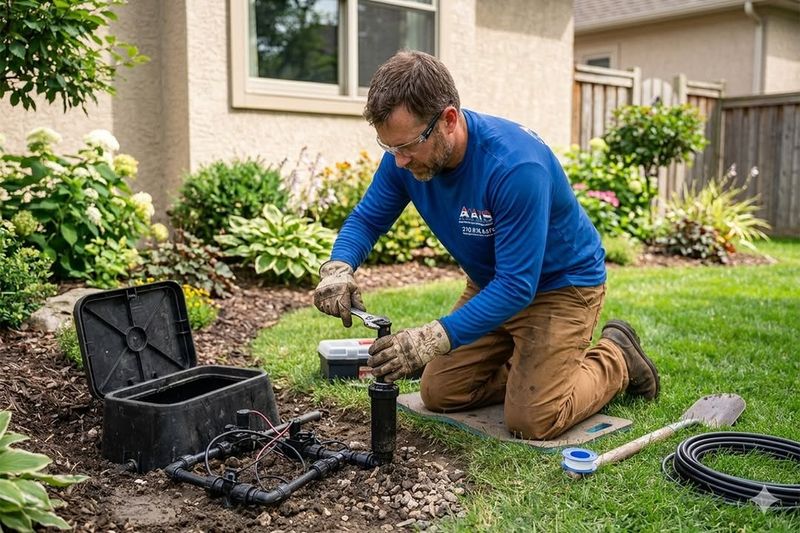
Water is everything in a California garden, especially once the spring heat rolls in. Before temperatures start climbing, take a good look at your entire irrigation setup.
Walk through your yard and check every drip line, sprinkler head, and hose connection for leaks, clogs, or cracks.
Even small leaks waste a surprising amount of water over time. A cracked drip emitter can leave one plant bone dry while another gets flooded.
Fixing these issues now saves water and protects your plants when they need moisture most.
California gardeners know how quickly a dry spell can turn into a full drought situation. Making sure your system runs efficiently is one of the smartest moves you can make before warm weather settles in.
Test each zone individually and watch how the water flows.
Adjust sprinkler heads so water lands on soil, not sidewalks or driveways. If you have a timer, update the schedule to reflect longer watering needs as temperatures rise.
Deep, slow watering encourages roots to grow further into the soil, which makes plants naturally more resistant to heat stress.
Consider upgrading to a smart irrigation controller if you haven’t already. These devices adjust watering schedules based on local weather data, which is perfect for California’s unpredictable spring weather.
A well-maintained irrigation system is the foundation of a garden that handles heat with ease.
2. Add Mulch To Protect Soil
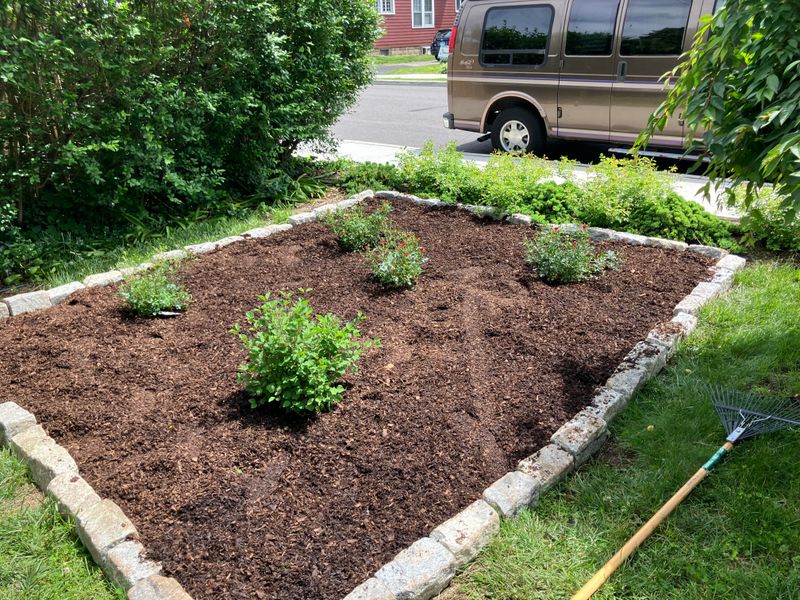
Few garden tasks are as simple and as powerful as adding a good layer of mulch. Spreading mulch around your plants before spring heat arrives is one of the best things California gardeners can do to protect their soil.
It acts like a blanket, keeping moisture locked in and soil temperature stable.
Aim for a layer about two to three inches deep around your plants and garden beds. Organic options like wood chips, straw, or shredded leaves work especially well because they break down over time and add nutrients back into the soil.
Hot California summers can dry out bare soil in just a couple of days. Mulch dramatically slows that process, meaning you water less often and your plants stay hydrated longer between watering sessions.
That’s a real win during a heat wave.
Keep mulch a few inches away from plant stems and tree trunks. Piling it up against stems can trap moisture and lead to rot, which is the opposite of what you want.
A small gap around the base of each plant lets air circulate naturally.
Mulch also does a great job of blocking weed growth, which means less time pulling weeds during the busy growing season. In California’s warm climate, weeds can spread quickly once spring arrives.
Adding mulch now tackles two problems at once and keeps your garden looking tidy and well-managed all season long.
3. Plant Heat-Tolerant Crops Early
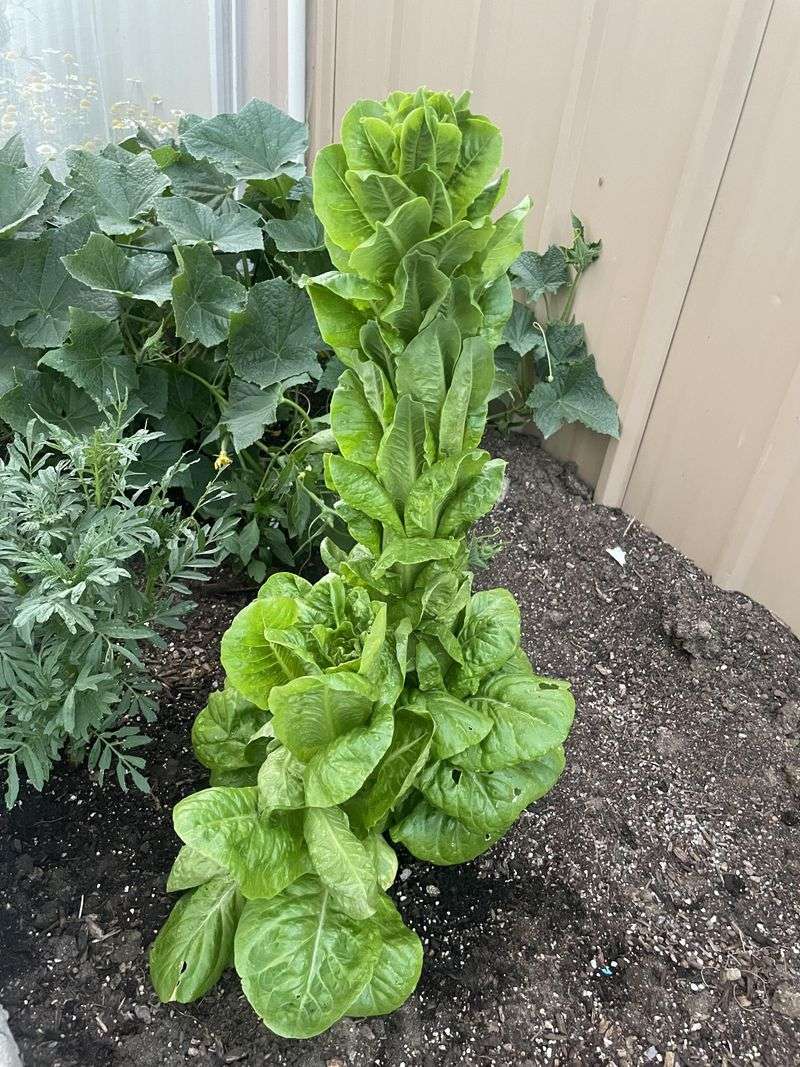
Getting heat-tolerant crops in the ground before the temperatures spike gives them a real head start. Plants that go in while the weather is still mild have time to establish strong root systems before the real heat arrives.
That makes them far more capable of handling California’s intense summer sun.
Good options for California gardens include tomatoes, peppers, eggplant, sweet potatoes, and summer squash. These crops actually love warm conditions, but they still need time to settle in before being hit with extreme heat right after transplanting.
Start seeds indoors a few weeks before your last frost date if you haven’t already. Seedlings that get a head start indoors are usually stronger and more resilient once they move outside.
Harden them off gradually by setting them outside for a few hours each day before planting them permanently.
Native California plants and drought-tolerant herbs like basil, rosemary, and thyme are also smart additions to any spring garden. They thrive in the heat and require far less water once established, making them perfect for California’s climate challenges.
Spacing matters too. Give each plant enough room for good airflow, which helps prevent disease and keeps plants cooler on hot days.
Crowded plants tend to struggle more in heat. Planning your layout thoughtfully now sets your entire garden up for a strong, productive growing season from spring all the way through fall.
4. Amend Soil With Compost
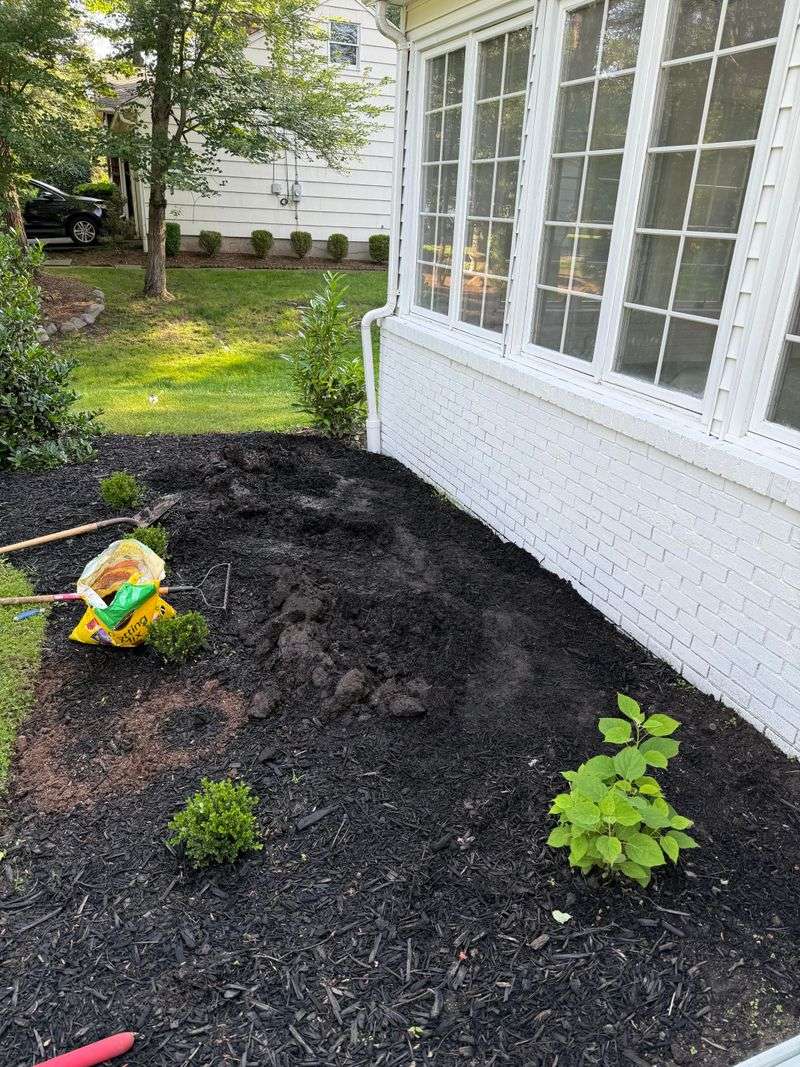
Healthy soil is the secret behind a garden that handles heat well. Before spring temperatures rise across California, work compost into your garden beds to give your plants the best possible foundation.
Compost improves soil structure, helping it hold onto moisture while still draining well enough to prevent waterlogged roots.
Sandy soils, which are common in many parts of California, drain too quickly and struggle to hold nutrients. Adding compost helps bind those loose particles together, creating a richer growing environment.
Clay-heavy soils benefit too, since compost loosens the texture and improves drainage.
You don’t need fancy materials to make great compost. Kitchen scraps like fruit peels, coffee grounds, and vegetable trimmings, combined with dry yard waste like leaves and straw, break down into nutrient-rich material over time.
If making your own isn’t an option, bagged compost from a garden center works just as well.
Work compost about six to eight inches deep into your beds using a garden fork or tiller. This gets the nutrients down where roots can actually reach them.
A surface application alone won’t do as much good.
Well-amended soil also helps beneficial microbes thrive underground. These tiny organisms support plant health in ways that fertilizers alone simply can’t replicate.
In California’s demanding growing conditions, giving your soil a compost boost before the heat arrives means your plants go into summer strong, nourished, and better equipped to handle whatever the season throws at them.
5. Prune Winter-Damaged Plants
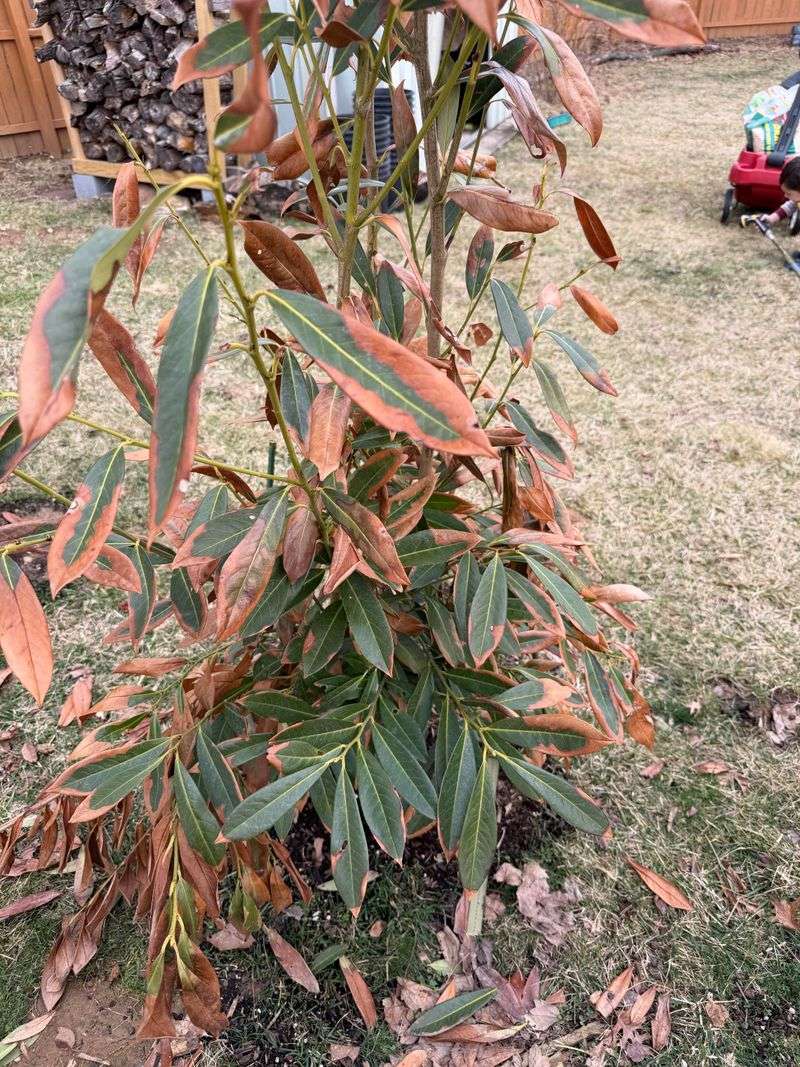
Winter in California may be mild compared to other states, but it still leaves its mark on garden plants. Cold snaps, frost, and heavy rain can leave behind damaged stems, broken branches, and woody growth that no longer serves the plant.
Pruning all of that away before spring heat arrives gives plants a fresh, clean start.
Start by looking for branches that appear discolored, mushy, or clearly no longer growing. Snap a small stem gently.
If it bends without breaking, it’s likely still alive. If it snaps cleanly and looks dry inside, it’s time to remove it.
Use clean, sharp pruning shears to make smooth cuts just above a healthy bud or branch junction. Ragged cuts invite pests and disease, so keeping your tools sharp really does matter.
Wipe blades with rubbing alcohol between plants to avoid spreading anything unwanted from one shrub to another.
Spring-flowering shrubs like roses, bougainvillea, and salvia respond beautifully to a good pruning session before the growing season kicks into gear. Removing old growth encourages fresh new shoots and often leads to a more vibrant bloom display later in the season.
California gardeners who prune in early spring also improve airflow through their plants, which is especially helpful as temperatures climb. Good airflow reduces fungal issues and keeps plants healthier overall.
Taking an afternoon to prune now saves a lot of trouble and keeps your garden looking its very best through the warm months ahead.
6. Remove Spring Weeds Early
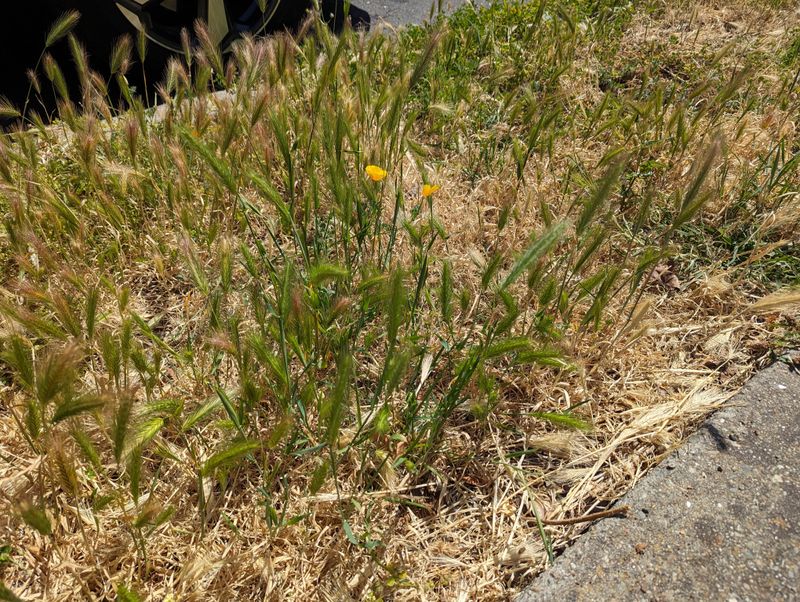
Weeds are sneaky. They pop up fast in spring when California’s soil warms up, and if you let them go even a couple of weeks, they spread seeds everywhere and the problem doubles.
Getting out there early to pull weeds before they flower is one of the most effective things you can do for your garden.
Young weeds pull out much more easily than established ones. A quick pass through the garden with a hand weeder or hoe when weeds are small saves hours of hard work later.
The roots haven’t had time to anchor deeply, so removal is fast and satisfying.
Common California spring weeds include chickweed, oxalis, and hairy bittercress. These low-growing plants spread quickly and compete with your garden plants for water and nutrients.
In the dry California climate, that competition matters a lot once summer heat kicks in.
After pulling weeds, add a fresh layer of mulch to the cleared areas right away. Bare soil is an open invitation for more weed seeds to germinate.
Covering it up quickly closes that window and keeps your hard work from being undone within days.
Try to weed after a light rain or after watering, when the soil is soft. Dry, hard soil makes it much harder to get the full root out, and leaving roots behind often means the weed grows right back.
A consistent weeding routine in early spring keeps your California garden cleaner and healthier all season long without turning it into a full-time job.
7. Prepare Shade For Sensitive Plants
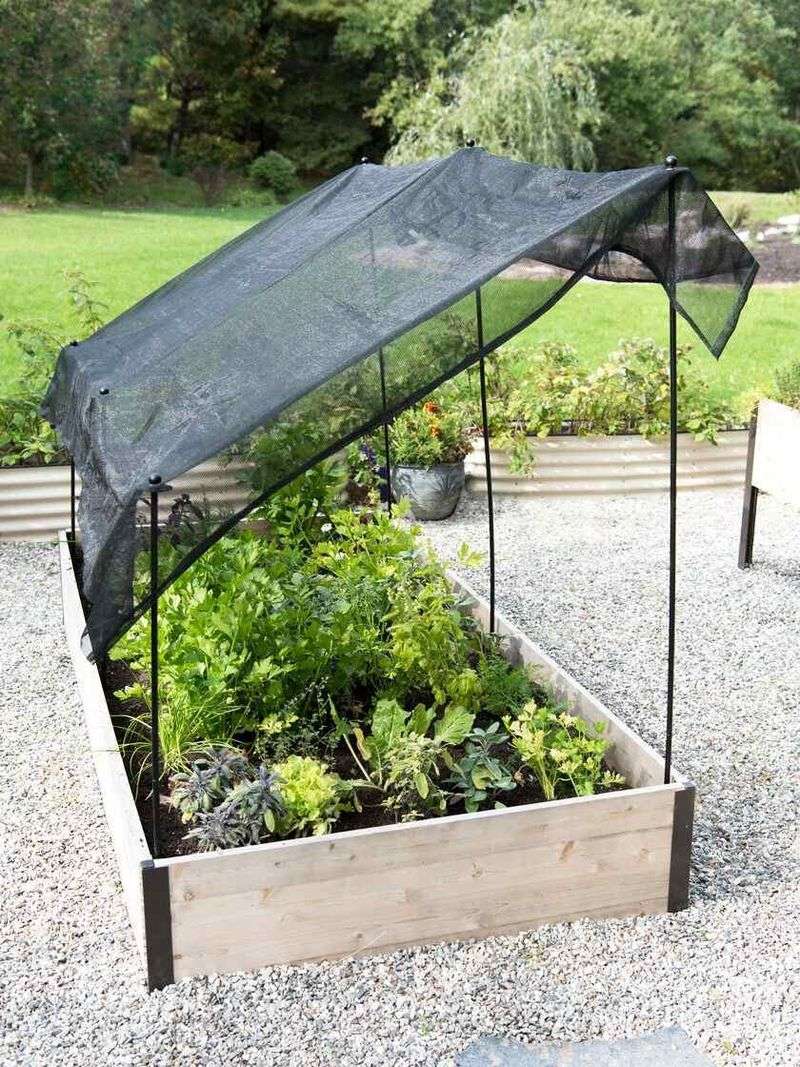
Not every plant in a California garden loves full blazing sun. Leafy greens like lettuce, spinach, and kale can bolt and turn bitter almost overnight when temperatures spike.
Getting shade structures in place before the heat arrives gives sensitive plants a real fighting chance through the warm season.
Shade cloth is the go-to solution for most California gardeners. It comes in different percentages, usually ranging from 30 to 50 percent shade coverage.
A 30 to 40 percent cloth is usually plenty for vegetables, filtering the harshest rays while still letting in enough light for healthy growth.
Setting up a simple frame using PVC pipe, wooden stakes, or metal conduit gives you a sturdy structure to drape the cloth over. Make sure it’s anchored well enough to handle the occasional strong spring breeze that rolls through many parts of California.
Container plants are especially vulnerable because pots heat up quickly in the sun. Moving them to a spot that gets afternoon shade is an easy fix.
East-facing spots often work well, giving plants morning light and protection from the intense afternoon heat.
Shade also helps slow water evaporation from the soil, which means you water less frequently. That’s a meaningful benefit in California where water conservation is always a priority.
Planning your shade setup now, before the heat is already bearing down, means your sensitive plants stay comfortable, productive, and happy well into the long California summer season ahead.