What California Gardeners Should Fertilize Right Now For Vibrant Gardens And Healthy Plants
Spring sunlight in California drifts a little warmer each day, and for gardeners, that first stretch of sun feels like a signal to get outside. You’ve walked past your flower beds and noticed the shoots poking through the soil, quietly promising color and life.
It’s a familiar mix of excitement and curiosity about what’s needed to help plants reach their peak.
At this moment, the right fertilizer can transform buds into blooms, encouraging growth that looks as vibrant as it feels rewarding. Some flowers respond immediately, while others benefit over several weeks, creating layers of color throughout the season.
Knowing when to act can make all the difference between a garden that dazzles and one that just gets by. The next few steps you take could set the stage for a show-stopping floral display that will turn heads all spring long.
1. Roses Bursting With Color
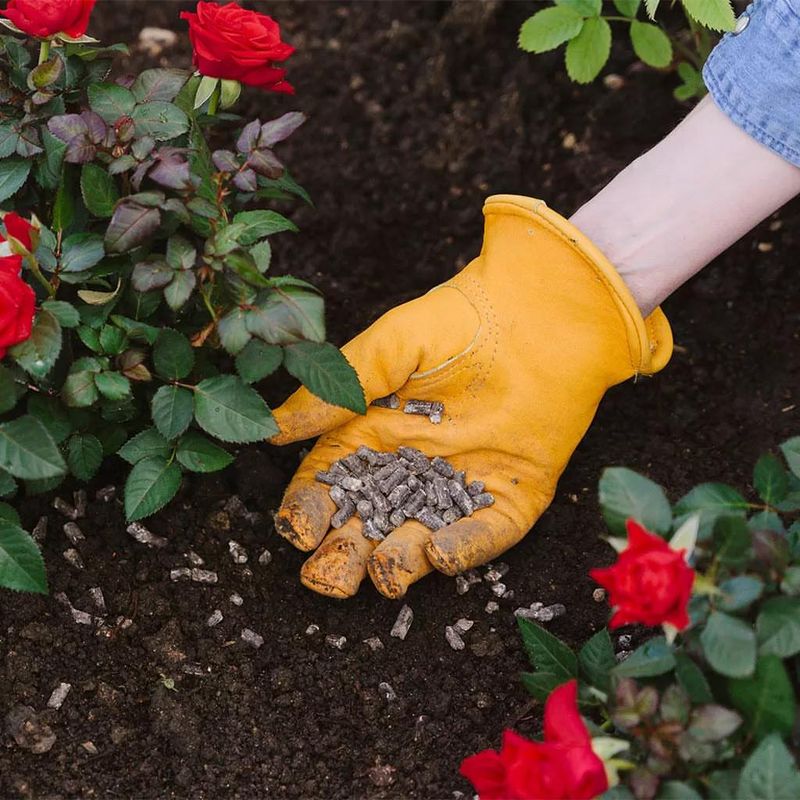
Few things get a California gardener more excited than watching rose canes flush red with new growth in early March. That flush of color is your signal to start feeding, and the right fertilizer now sets the tone for the entire blooming season ahead.
Roses are heavy feeders, meaning they need a steady supply of nutrients to produce the big, fragrant blooms everyone loves.
A balanced fertilizer like a 10-10-10 formula works really well at this time of year. You can also find fertilizers made specifically for roses that include extra iron and micronutrients, which help keep the leaves a rich, deep green.
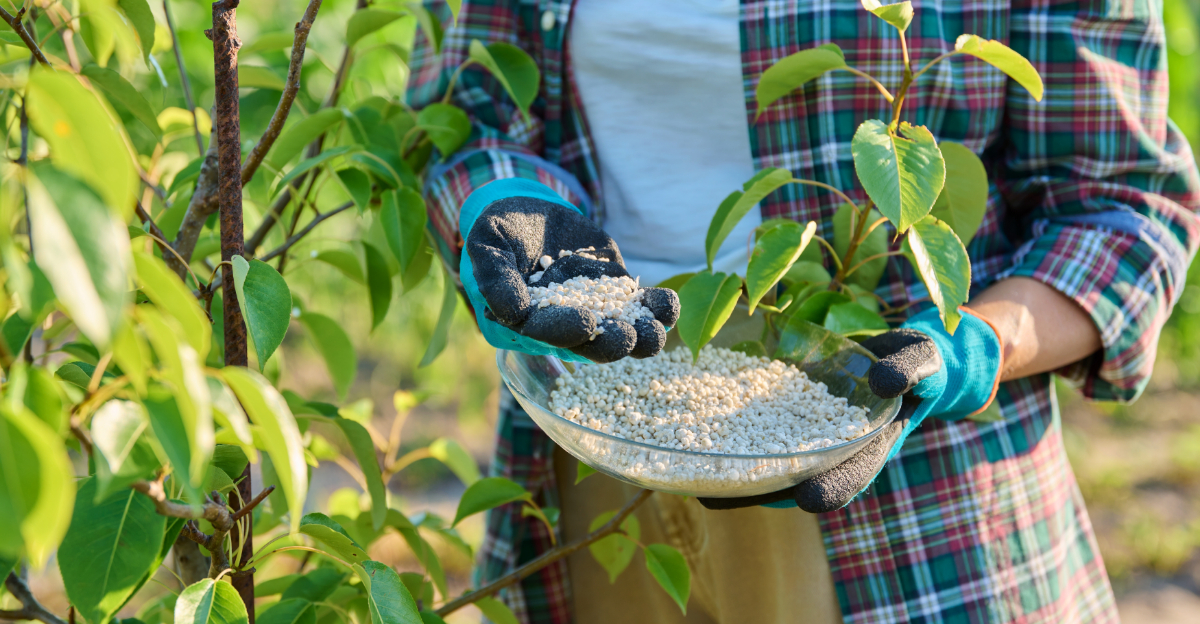
Sprinkle the granules around the base of each plant, starting a few inches away from the main cane, and water deeply right after applying.
In California, roses may start blooming earlier than in many other states, so feeding at this stage can help support early growth, though results vary by variety and local conditions. If you prefer an organic approach, alfalfa pellets and fish emulsion are both popular choices among California rose growers.
Apply fertilizer every four to six weeks during the growing season to support healthy growth and promote blooms, though flowering may vary. Deadheading spent flowers alongside feeding can help encourage repeat blooming, though results depend on variety and conditions.
2. Established Citrus Trees Thriving Strong
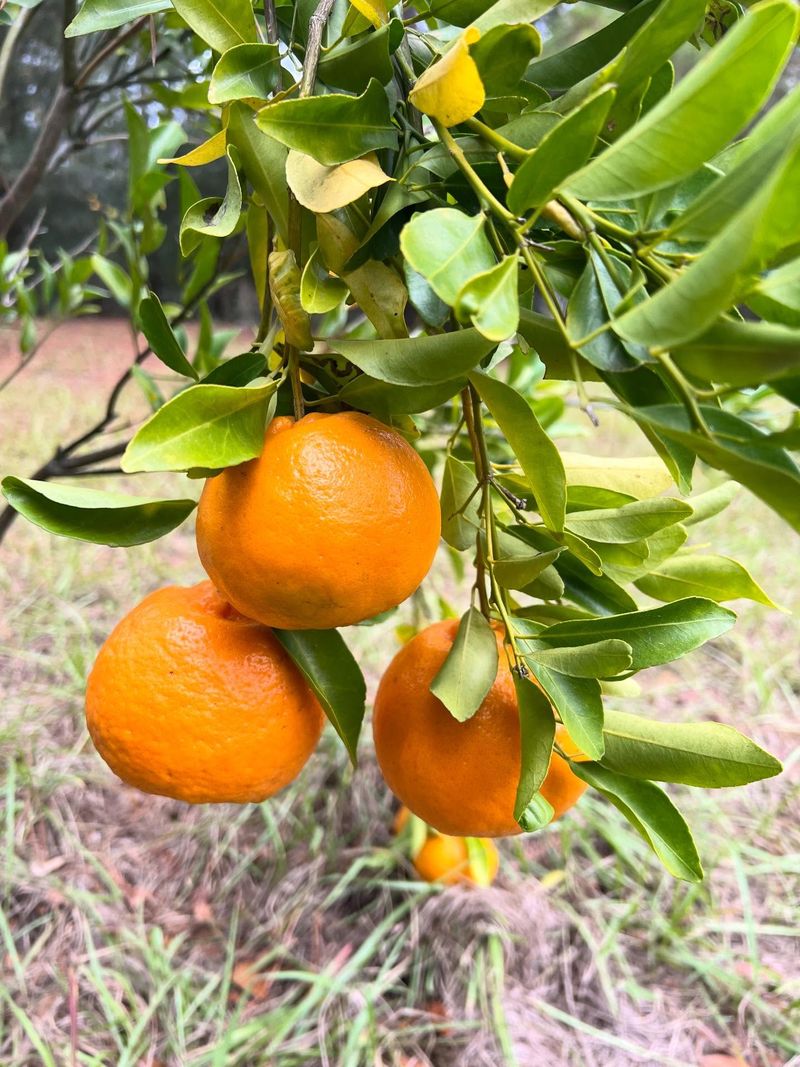
Walk past a citrus tree in bloom on a warm California morning and you will understand immediately why these trees are so beloved. That sweet, floral fragrance is a reminder that your tree is working hard, and right now it needs fuel to keep going.
March is when citrus trees are actively blooming and beginning to set fruit, making it one of the most important feeding windows of the year.
Reach for a fertilizer made specifically for citrus, one that is rich in nitrogen and packed with micronutrients like zinc, manganese, and iron. These nutrients keep leaves green, support flower development, and help young fruits form properly.
Apply the fertilizer under the canopy of the tree, starting a few inches out from the trunk and spreading all the way to the drip line, which is the outer edge of the branches above.
Watering deeply after fertilizing helps push those nutrients down into the root zone where the tree can actually use them. For most established citrus trees in California, three applications per year work well, with the first one happening right around now.
Avoid piling fertilizer directly against the trunk, as this can cause damage over time. Younger trees need a bit less fertilizer than mature ones, so always check the label for guidance based on tree size and age.
3. Spring-Flowering Perennials Lighting Up Gardens
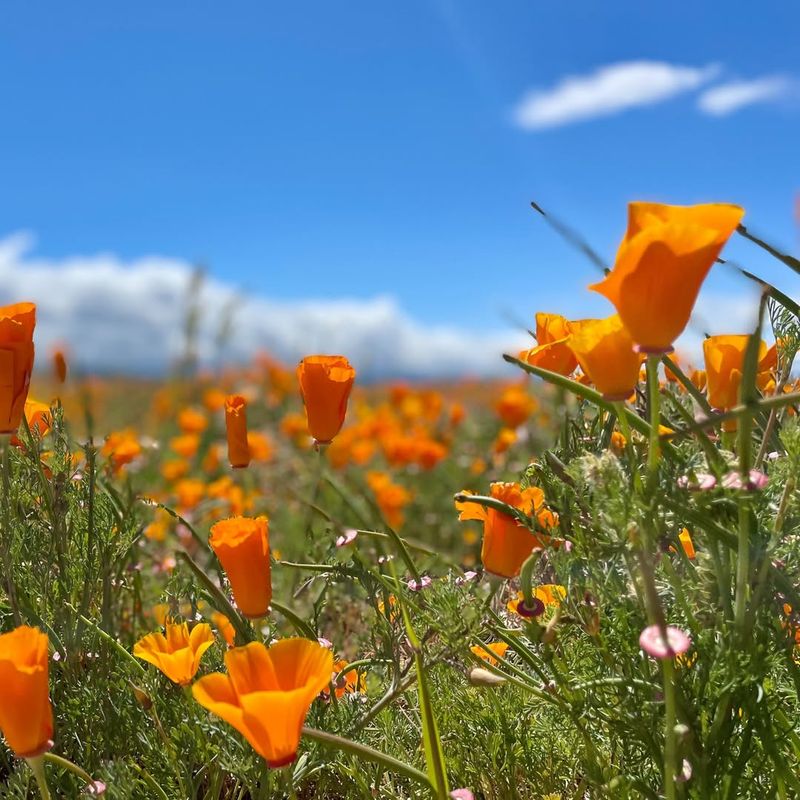
In many California gardens, the backbone is provided by perennials, which return year after year with minimal fuss. Plants like daylilies, peonies, coneflowers, and salvias are all waking up from their winter rest right now, and a light feeding at this stage can dramatically boost how many blooms they produce.
Think of fertilizer as an early-season energy boost that helps each plant hit the ground running.
A balanced, slow-release granular fertilizer works best for most spring-flowering perennials. Slow-release formulas feed gradually over several weeks, which means you do not have to worry about burning tender new roots or overdoing it.
Scatter the granules evenly around the base of each plant, working them lightly into the top inch of soil, and follow up with a good watering session.
One thing California gardeners appreciate about perennials is how adaptable they are to the state’s varied microclimates, from the cool, foggy coast to the warm inland valleys. That said, plants growing in sandy or fast-draining soils may need a second light application in four to six weeks.
Adding a layer of compost around the base of your perennials at the same time as fertilizing is a smart double move, since compost improves soil structure and slowly releases additional nutrients throughout the season. Healthy soil supports strong plants, which can help produce more colorful blooms, though outcomes vary with species and conditions.
4. Annual Flowers Adding Instant Cheer
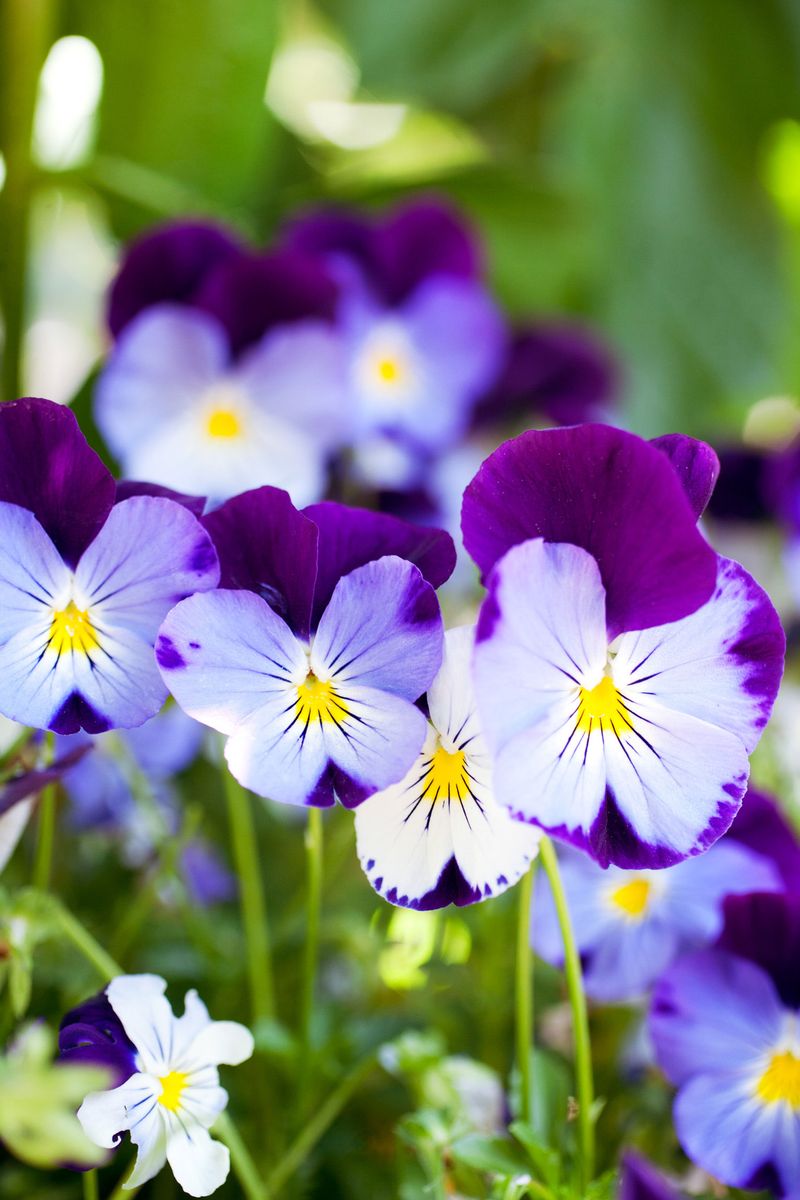
Annual flowers live fast and bloom hard, which means they burn through nutrients quickly and need regular feeding to keep the show going. Pansies, violas, primroses, snapdragons, and sweet alyssum are all popular cool-season annuals thriving in California gardens right now, and they are hungry for a good meal.
Regular feeding supports vibrant color, though bloom performance depends on light, water, and care.
A water-soluble fertilizer with a higher middle number, the phosphorus number, is a great choice for annuals because phosphorus directly supports flower production. Mix it according to the label directions and apply it to the soil around your plants every one to two weeks.
Liquid fertilizers work quickly, which is perfect for annuals that have a shorter growing window and need fast results.
California gardeners growing annuals in containers need to be especially consistent about feeding because nutrients wash out of pots much faster than they do from garden beds. If your pansies or violas start looking a little pale or stop producing new flowers, that is usually a sign they are hungry and need a feeding right away.
Mixing a slow-release granular fertilizer into your potting mix at planting time, then supplementing with liquid feed every couple of weeks, is a winning combination. Keeping up with feeding now can help support a long-lasting display, though flowering duration may vary.
5. Berry Plants Packing Sweet Flavor
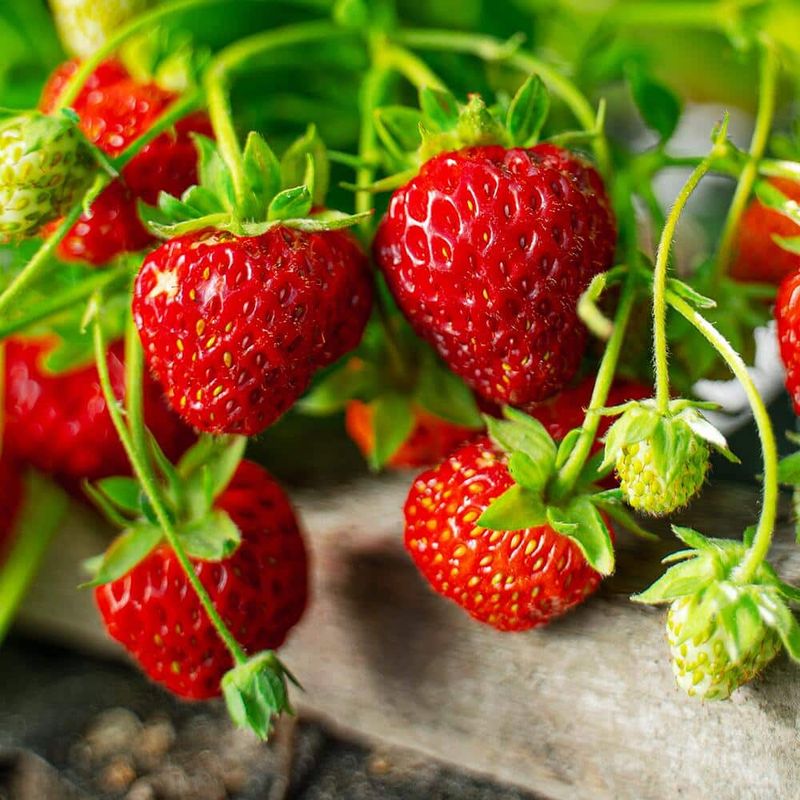
Strawberries, blueberries, raspberries, and blackberries are all gearing up for their big season right now, and California’s mild climate gives berry growers a head start that gardeners in colder states can only dream about. Feeding your berry plants at the start of their active growth phase helps build strong root systems, encourages flowering, and ultimately leads to bigger, juicier fruit.
Timing fertilizer applications carefully can help support flower and fruit development, though results depend on local conditions.
For strawberries, a balanced fertilizer applied now encourages both leafy growth and flower production. Blueberries are a bit different because they prefer acidic soil, so using a fertilizer formulated for acid-loving plants, like an azalea or rhododendron blend, gives them exactly what they need.
Raspberries and blackberries respond well to a nitrogen-rich fertilizer applied as new canes begin to emerge in early spring.
Did you know that California produces more strawberries than any other state in the country? That means California gardeners have a long tradition of growing berries successfully, and smart fertilizing is a big part of that success story.
Always water berry plants thoroughly before and after applying fertilizer to avoid root stress. Avoid over-fertilizing with nitrogen late in the season, as too much nitrogen pushes leafy growth at the expense of fruit.
Maintaining a consistent feeding schedule from early spring through early summer can support a strong harvest, though results vary by plant and conditions.
6. Cool-Season Lawns Staying Lush And Green
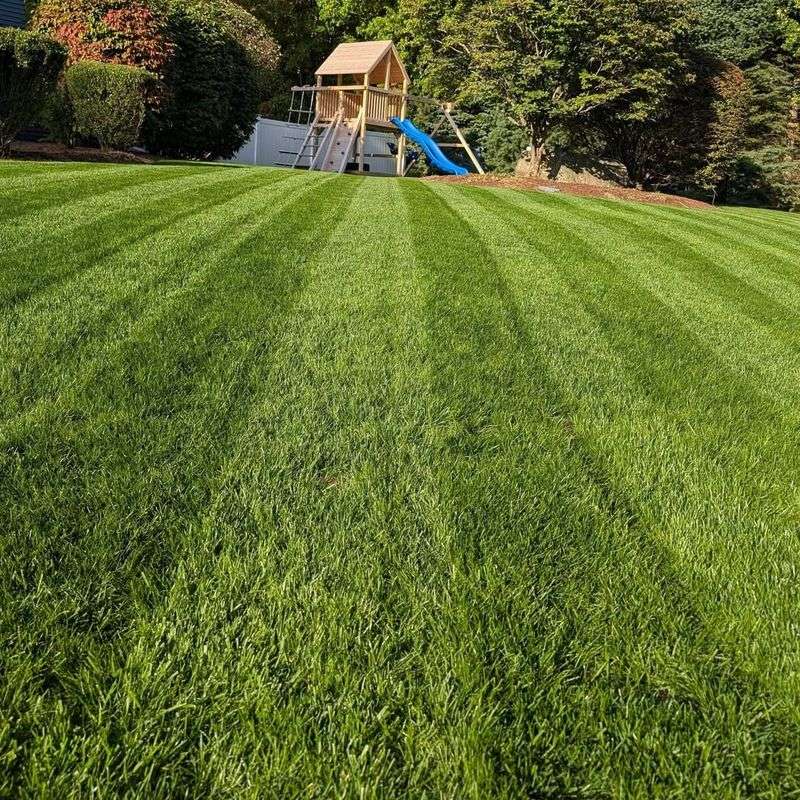
A thick, green lawn is the pride of many California neighborhoods, and right now is the perfect moment to give cool-season grasses the boost they need. Grasses like tall fescue, Kentucky bluegrass, and ryegrass are actively growing as temperatures climb in March, making them ready and able to absorb fertilizer efficiently.
Feeding at this stage encourages dense, healthy turf that crowds out weeds naturally.
Slow-release granular fertilizers are the top recommendation for lawns because they feed gradually over six to eight weeks, reducing the risk of burning and cutting down on how often you need to apply. Look for a fertilizer with a higher nitrogen number on the bag, since nitrogen is what makes grass green and encourages leafy growth.
Apply with a broadcast or drop spreader for even coverage, and always water your lawn after fertilizing to activate the granules.
Well-fertilized lawns often develop deeper roots, which can help improve water use efficiency, though results depend on grass type, soil, and climate. That said, avoid the temptation to over-fertilize, since excess nutrients can run off into storm drains and harm local waterways.
Following the label directions precisely protects both your lawn and the environment. If your lawn has bare or thin patches, consider overseeding at the same time as fertilizing for a fuller, more uniform look heading into the warm months ahead.
7. Spring Fruit Trees Promising Juicy Harvests
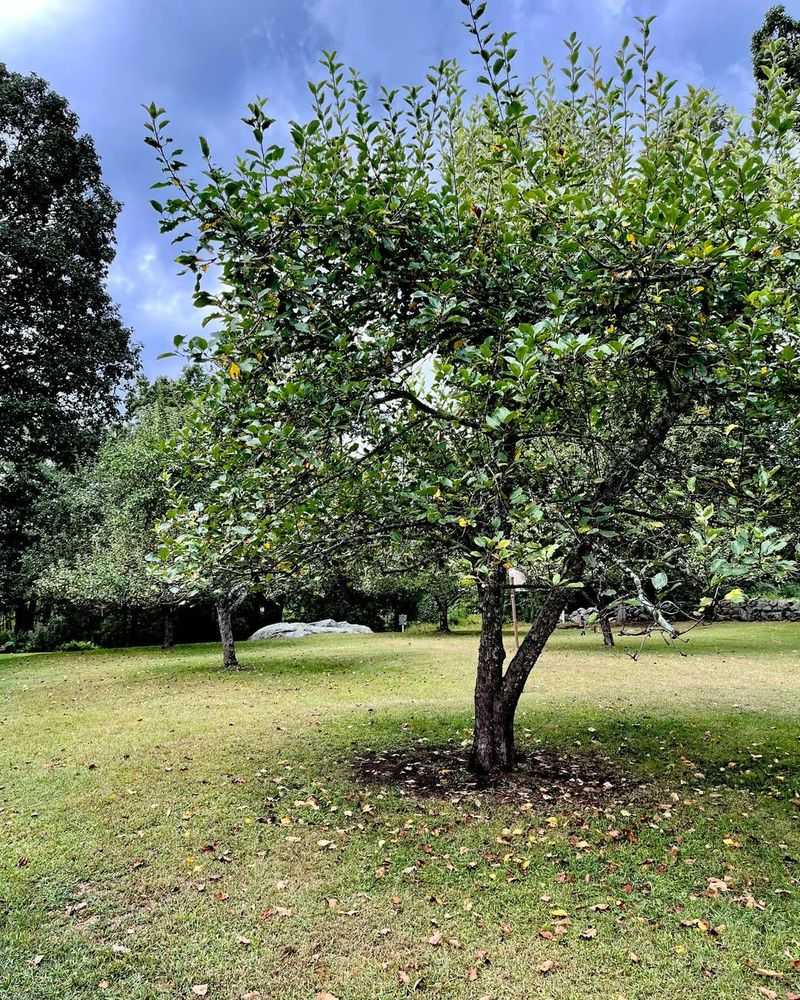
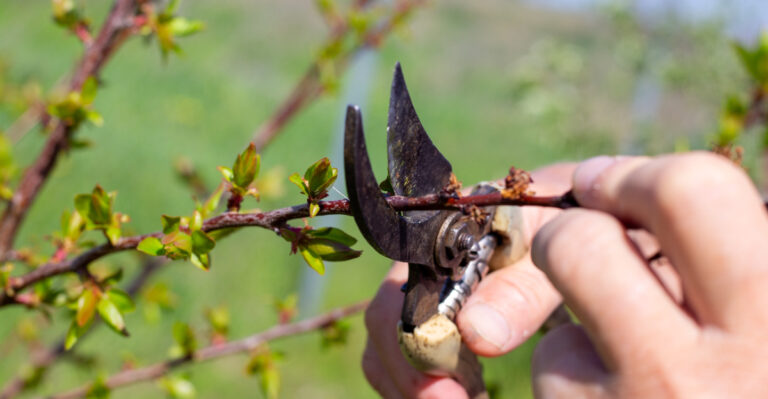
Some of the most rewarding trees to grow in California – apples, peaches, plums, and nectarines – benefit greatly from the critical March window that supports their development. Bud break, the moment when flower buds swell and open, signals that the tree is actively growing and ready to take up nutrients.
Fertilizing right after bud break helps the tree channel energy into both fruit set and strong new shoot growth.
A balanced granular fertilizer or one slightly higher in nitrogen works well for most fruit trees at this stage. Spread it evenly under the canopy, starting about a foot out from the trunk and extending to the drip line, then water deeply to move nutrients down toward the roots.
Avoid piling fertilizer directly against the bark, which can cause unnecessary stress to the tree.
California’s diverse growing regions mean that the exact timing of bud break varies depending on where you live. Gardeners in warmer inland areas like the Central Valley may see bud break a week or two earlier than those on the cooler coast.
Paying attention to what your specific trees are doing, rather than going strictly by the calendar, is always the smartest approach. Young fruit trees need less fertilizer than mature ones, so scale your application accordingly.
Consistent feeding from early spring through midsummer can support tree growth and fruit production, though results vary with tree variety, soil, and care.
8. Container-Grown Edibles Delivering Fresh Flavors
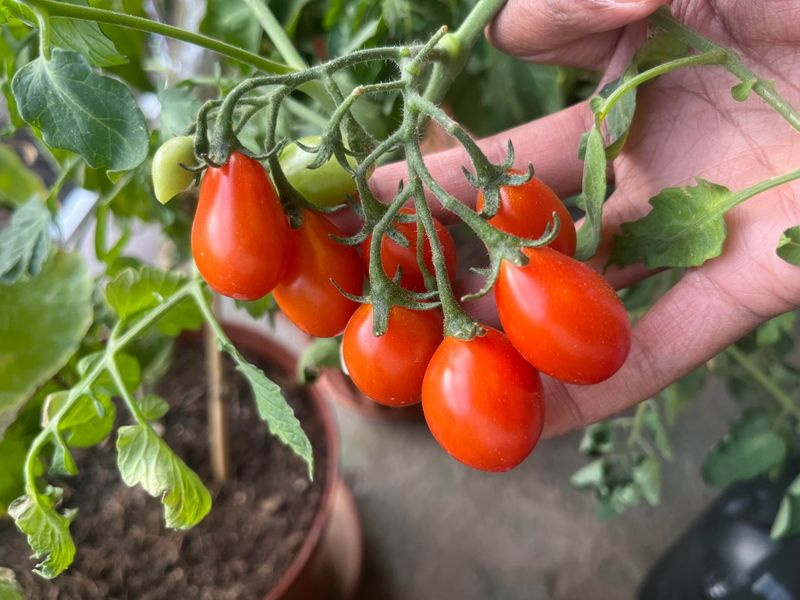
Container gardening is hugely popular across California, from small apartment balconies in San Francisco to spacious patios in San Diego. Growing edibles like tomatoes, peppers, basil, lettuce, and spinach in pots is a fantastic way to garden when yard space is limited, but containers come with one big challenge: nutrients run out fast.
Every time you water, a small amount of fertilizer washes right through the drainage holes at the bottom of the pot.
That is why container-grown edibles need more frequent feeding than the same plants growing in the ground. A balanced liquid fertilizer applied every one to two weeks is a reliable routine that keeps plants well-nourished without overwhelming them.
For leafy greens like lettuce and spinach, a fertilizer with a slightly higher nitrogen content encourages lush, tender leaves perfect for fresh salads.
Tomatoes and peppers, on the other hand, benefit from a fertilizer higher in phosphorus and potassium once they start flowering, since those nutrients support fruit development rather than just leafy growth. Slow-release granules mixed into the potting soil at the start of the season give you a helpful baseline, but liquid feeding on top of that keeps things dialed in as the season progresses.
Always check that your containers have good drainage before fertilizing, since waterlogged soil prevents roots from absorbing nutrients properly. Attending to feeding now helps support healthy growth in container gardens, which can contribute to a productive harvest, though results depend on plant type and care.