What California Homeowners Need To Know To Keep Cyclamen Happy In December
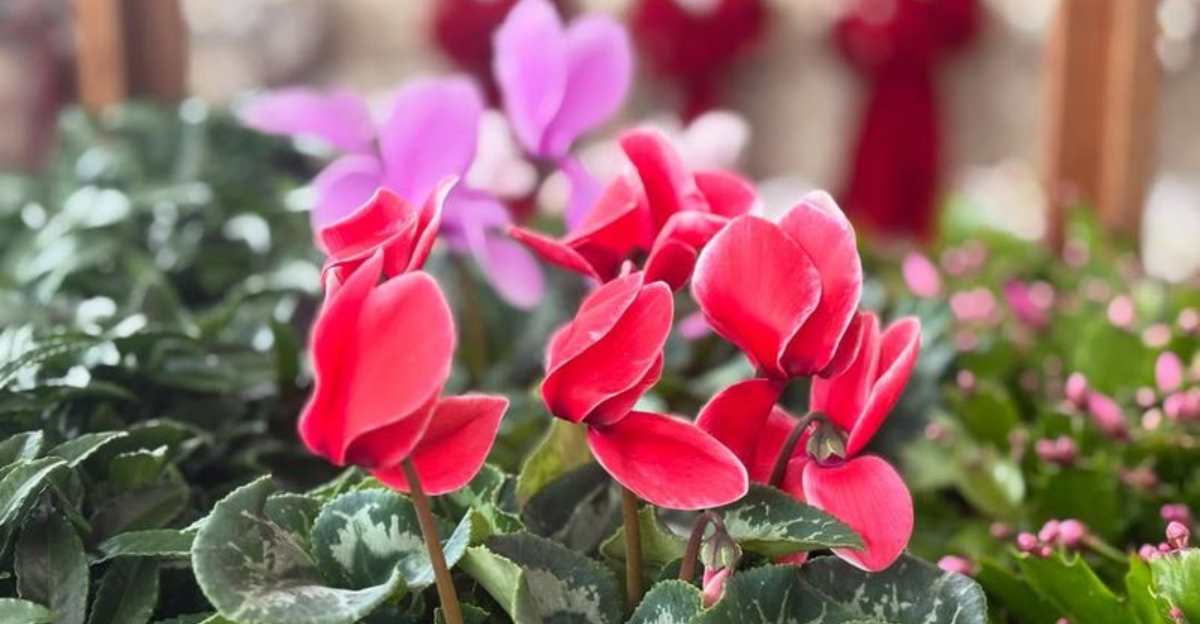
December in California brings cooler days and longer nights, and cyclamen often steal the show with their bright blooms and heart-shaped leaves.
These cheerful plants thrive when the rest of the garden slows down, yet they can turn finicky if conditions slip out of balance.
Too much heat, harsh sun, or soggy soil can quickly dull their charm.
Many homeowners notice leaves drooping or flowers fading and wonder what went wrong.
Cyclamen send clear signals, and learning to read them makes all the difference.
A spot with gentle light, cool air, and steady moisture keeps these plants comfortable and blooming strong.
Small tweaks in care can stretch their beauty through the holiday season and beyond.
When treated right, cyclamen reward that attention with color that brightens rooms and lifts spirits during darker days.
December does not have to be a guessing game.With the right approach, cyclamen stay happy, healthy, and full of life at a time when color matters most.
1. Temperature Sweet Spots Make All The Difference
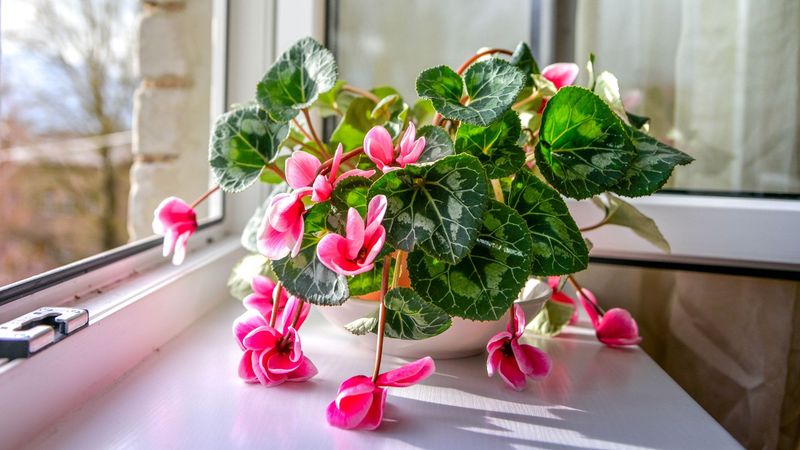
Cool nights and mild days create the perfect environment for cyclamen to show off their gorgeous blooms.
These Mediterranean natives prefer temperatures between 50 and 65 degrees Fahrenheit, which happens to match many California winter conditions beautifully.
Placing your plant near a window that gets bright but indirect light during the day works wonderfully, especially if nighttime temperatures drop naturally.
Many California homeowners make the mistake of keeping their homes too warm for cyclamen comfort.
Central heating can stress these plants quickly, causing their leaves to yellow and flowers to fade faster than expected.
Consider moving your cyclamen to a cooler room at night, like an enclosed porch or unheated bedroom, where temperatures naturally dip.
Coastal California residents have a natural advantage since ocean breezes keep temperatures moderate throughout December.
Inland homeowners might need to be more creative with placement, perhaps choosing north-facing windows or rooms that stay naturally cooler.
Avoid placing cyclamen near heating vents, fireplaces, or appliances that generate warmth.
Watch your plant closely for temperature stress signals.
Drooping leaves and shortened bloom times often indicate the environment is too warm.
Adjusting the location by just a few feet can sometimes make a significant difference in your cyclamen’s happiness and longevity throughout the holiday season.
2. Watering Requires A Gentle Touch And Timing
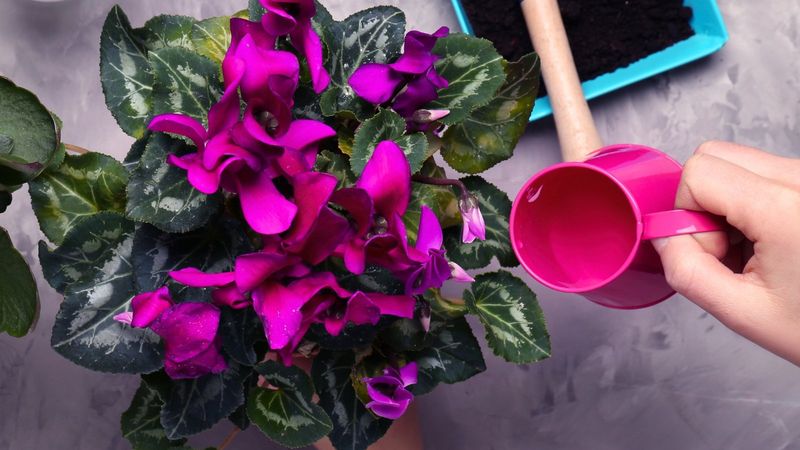
Cyclamen roots sit in a special tuber that stores moisture, making these plants surprisingly sensitive to overwatering.
California homeowners often water too frequently, thinking they’re helping their plants thrive.
Actually, cyclamen prefer their soil to dry out slightly between waterings, which prevents root rot and keeps the tuber healthy.
The best watering method involves checking the soil with your finger first.
Push down about an inch into the potting mix, and if it feels dry, your cyclamen is ready for a drink.
Pour water around the edges of the pot rather than directly onto the tuber or crown, which can cause problems.
Another excellent technique is bottom watering, where you place the pot in a shallow dish of water for 15 to 20 minutes.
December in California typically brings some rainfall, but indoor plants obviously don’t benefit from outdoor precipitation.
Your home’s humidity levels matter too, especially if you’re running heaters that dry out the air.
Lower humidity means soil dries faster, so you might need to water more frequently than expected.
Always use room-temperature water rather than cold tap water straight from the faucet.
Cold water can shock the roots and stress the plant unnecessarily.
Empty any standing water from saucers beneath pots within an hour of watering to prevent soggy conditions that cyclamen absolutely dislike.
3. Light Levels Need Careful Balancing For Best Blooms
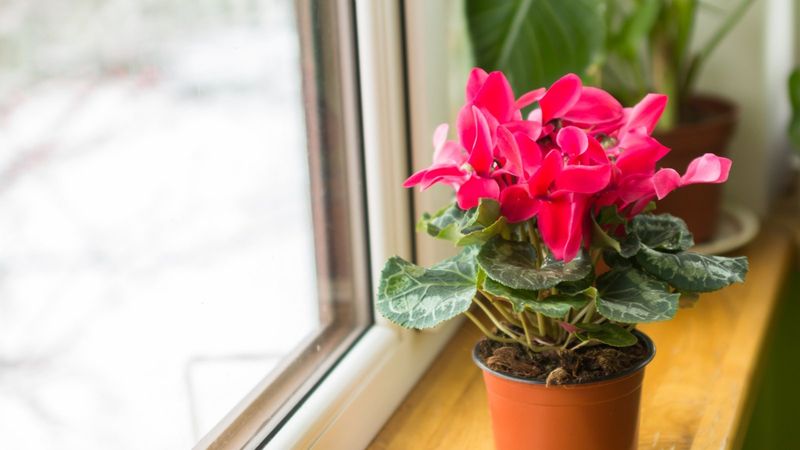
Bright light fuels cyclamen blooming, but direct California sunshine can scorch their delicate petals and leaves surprisingly fast.
Finding that perfect balance between enough light and too much intensity becomes crucial during December when the sun sits lower in the sky.
East-facing windows offer gentle morning light without the harsh afternoon rays that can damage plants.
California’s winter sun still packs considerable strength compared to other regions, especially in Southern California where December days remain quite bright.
North-facing windows provide consistent, indirect light throughout the day, which cyclamen appreciate greatly.
If you only have south or west-facing windows available, consider using sheer curtains to filter the intensity during peak sunshine hours.
Shorter December days mean less overall light exposure, which can actually benefit cyclamen since they naturally rest during extreme conditions.
However, too little light causes stems to stretch and become leggy while flower production slows down noticeably.
Rotating your plant a quarter turn every few days ensures all sides receive equal light exposure and grow evenly.
Indoor lighting can supplement natural light if your California home doesn’t receive adequate brightness.
Regular LED bulbs work fine for supplemental lighting, but keep them at least 12 inches away from the foliage.
Watch for signs like pale leaves or sparse blooming, which indicate your cyclamen needs a brighter location to truly thrive.
4. Humidity Matters More Than Most People Realize
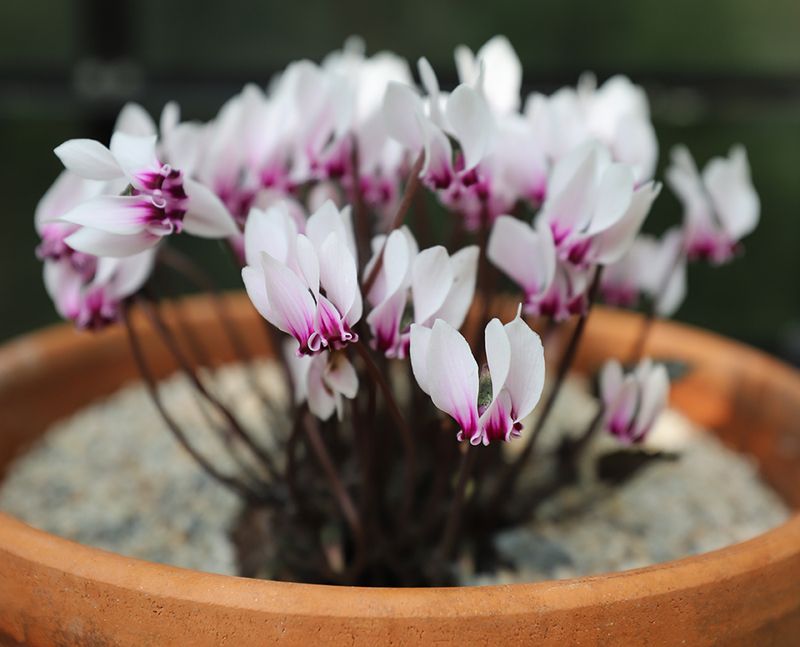
December air in California varies dramatically depending on your exact location within the state.
Coastal areas naturally maintain higher humidity levels thanks to ocean moisture, while inland valleys and desert regions become quite dry during winter months.
Cyclamen originate from Mediterranean climates with moderate humidity, so they appreciate moisture in the air around them.
Creating a humidity-friendly environment doesn’t require expensive equipment or complicated setups.
Grouping several houseplants together naturally increases local humidity as they all release moisture through their leaves.
Placing your cyclamen pot on a tray filled with pebbles and water works wonderfully too, as long as the pot bottom sits above the waterline rather than soaking in it.
Heaters running throughout California homes during December strip moisture from indoor air rapidly.
You might notice your own skin feeling drier, which means your cyclamen is experiencing similar discomfort.
Misting the air around your plant occasionally helps, but avoid spraying water directly onto flowers or leaves, which can cause spotting and encourage fungal problems.
Bathrooms and kitchens naturally maintain higher humidity from daily activities like showering and cooking.
If these rooms have appropriate lighting and temperatures, they can make excellent homes for cyclamen during winter.
Monitor humidity levels if you’re curious, aiming for somewhere between 40 and 60 percent for optimal plant happiness throughout the season.
5. Fertilizing Schedule Changes During Winter Months
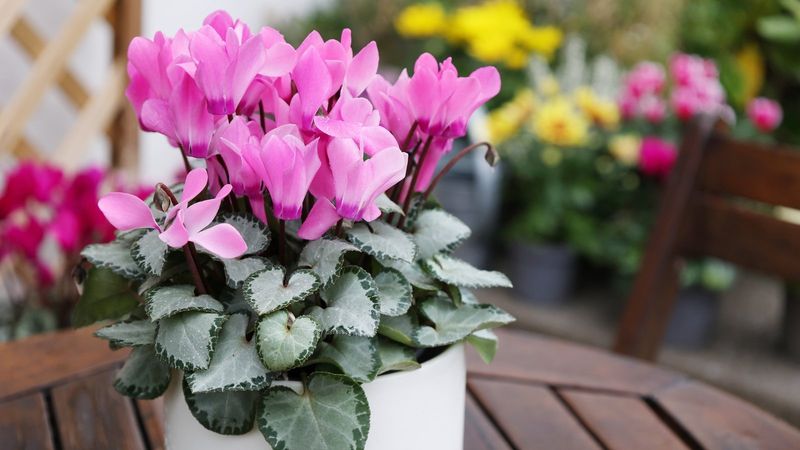
Active blooming requires energy, and cyclamen produce their spectacular flowers throughout December when properly nourished.
Many California homeowners forget that flowering plants need regular feeding to maintain their show-stopping displays.
A balanced, water-soluble fertilizer diluted to half strength works perfectly for cyclamen during their active growing and blooming season.
Feed your cyclamen every two to three weeks while buds continue forming and flowers keep opening.
December typically falls right in the middle of cyclamen’s peak performance period, so maintaining a consistent fertilizing schedule supports continuous blooming.
Mix the fertilizer according to package directions, then cut that amount in half to avoid overwhelming the plant with too many nutrients at once.
California’s mild winter climate means cyclamen don’t enter the same deep dormancy that plants in colder regions experience.
Your plant will likely continue producing new growth and flowers throughout December and into early spring.
This extended blooming period makes regular fertilizing even more important for maintaining plant health and vigor.
Watch for signs of nutrient deficiency like pale leaves or fewer flowers forming.
These symptoms suggest your cyclamen needs more frequent feeding or slightly stronger fertilizer concentration.
Conversely, brown leaf tips or stunted growth can indicate over-fertilizing, so always err on the side of less rather than more.
Flush the soil with plain water occasionally to prevent salt buildup from accumulated fertilizers.
6. Grooming Keeps Plants Looking Fresh And Encourages New Growth
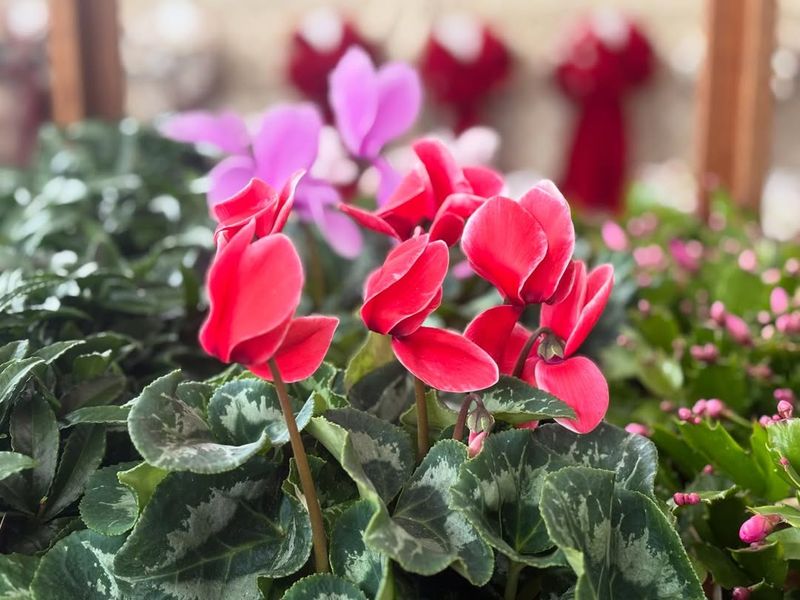
Spent flowers and yellowing leaves detract from cyclamen’s beauty while also draining energy from the plant unnecessarily.
Regular grooming sessions every few days keep your plant looking its absolute best throughout December.
Rather than cutting faded flowers with scissors, gently grasp the stem near the base and give it a quick, firm tug to remove the entire stem cleanly from the tuber.
This pulling method prevents leaving behind stem stubs that can rot and potentially harm the tuber.
California’s moderate winter temperatures mean cyclamen continue producing new buds constantly, so removing spent blooms redirects the plant’s energy toward fresh flowers instead.
You’ll notice increased blooming when you maintain a consistent grooming routine throughout the month.
Yellow or brown leaves should also be removed using the same gentle pulling technique.
These leaves often indicate natural aging rather than problems with your care routine.
Removing them improves air circulation around the base of the plant, which helps prevent fungal issues in California’s sometimes humid coastal air.
Check the center of your cyclamen regularly for new buds forming.
These tiny shoots emerge from the tuber and eventually develop into beautiful flowers.
Keeping the plant tidy ensures these new buds receive adequate light and air to develop properly.
A well-groomed cyclamen can continue blooming for several months, bringing color to your California home throughout the entire winter season.
7. Pest Problems Can Sneak Up During Indoor Winter Living
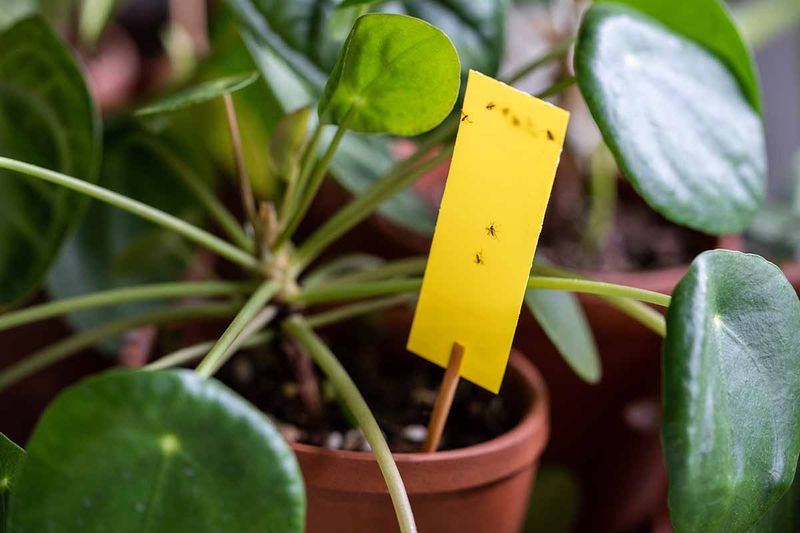
Bringing plants indoors for winter protection creates perfect conditions for certain pests to establish themselves quietly.
Cyclamen occasionally attract spider mites, aphids, and fungus gnats, especially when air circulation remains poor or humidity levels swing dramatically.
California homeowners should inspect their plants weekly, looking carefully at leaf undersides and around new growth where pests typically hide.
Spider mites appear as tiny specks and create fine webbing between leaves and stems.
These pests thrive in dry conditions, which makes them particularly problematic in heated California homes during December.
Increasing humidity around your cyclamen helps discourage spider mite activity naturally.
If you spot an infestation early, wiping leaves gently with a damp cloth often removes most mites before they multiply.
Aphids cluster on tender new growth and flower buds, sucking plant juices and leaving behind sticky residue.
These soft-bodied insects come in various colors including green, black, and even pink.
A strong spray of water knocks aphids off cyclamen effectively, though you’ll need to be gentle to avoid damaging delicate flowers and foliage.
Fungus gnats hover around the soil surface and indicate overly moist potting mix.
These small flying insects don’t harm cyclamen directly but their larvae feed on organic matter in the soil.
Allowing the top inch of soil to dry completely between waterings eliminates fungus gnat breeding conditions naturally, solving the problem without chemicals.
8. Outdoor Placement Works In Some California Microclimates

California’s diverse climate zones offer unique opportunities for cyclamen care that homeowners in other states can’t enjoy.
Certain regions, particularly along the coast and in mild inland valleys, maintain December temperatures that fall perfectly within cyclamen’s comfort range.
If nighttime temperatures in your area stay above 40 degrees and daytime highs remain below 70, your cyclamen might actually prefer living outdoors.
Covered patios and porches provide ideal outdoor spots where cyclamen receive bright, filtered light without direct exposure to rain.
December storms in California can be intense, and cyclamen don’t appreciate getting soaked repeatedly.
Protection from overhead watering while still enjoying fresh air and natural temperature fluctuations creates optimal growing conditions that indoor environments struggle to replicate.
Northern California residents often find their cyclamen thrive outdoors throughout winter since temperatures rarely drop to freezing levels.
Southern California homeowners need to be more selective, choosing the coolest spots in their yards and monitoring temperature forecasts carefully.
Even brief exposure to frost can damage cyclamen foliage and flowers significantly.
Moving plants between indoor and outdoor locations requires gradual adjustment periods.
Sudden changes in temperature, light, and humidity can shock cyclamen and cause bud drop or leaf yellowing.
If you decide to transition your plant outdoors for December, do so over several days by gradually increasing outdoor exposure time.
This gentle approach helps your cyclamen adapt without stress, ensuring continuous blooming throughout the holiday season.