What California Law Actually Says About Burning Leaves In Your Backyard
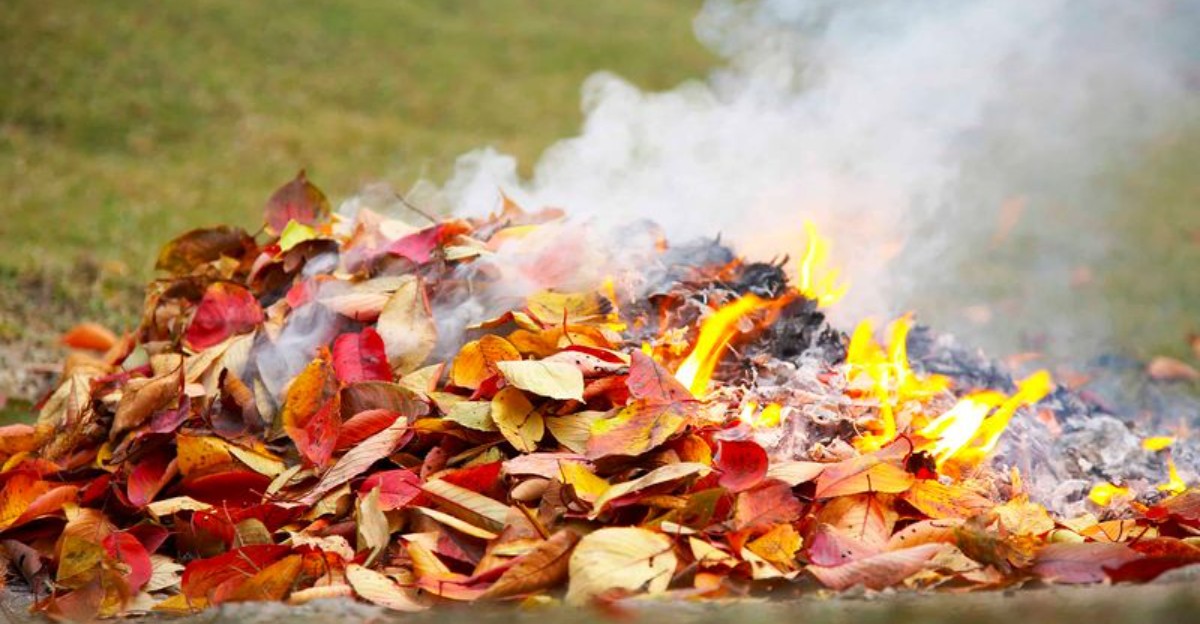
Fall cleanup in California often leaves behind a familiar sight: towering piles of crunchy leaves and a tempting shortcut that seems to solve everything in one evening.
That shortcut sits in surprisingly murky legal territory.
The answer can shift depending on location, the day of the week, the season, and the direction the wind blows. Rules that apply in one county may not apply a few miles away.
Plenty of homeowners assume tradition makes it acceptable, while others assume it’s banned everywhere. The truth sits somewhere in between.
Knowing how the rules fit together helps avoid fines, smoky neighborhood disputes, and far worse outcomes during fire season. It also opens the door to smarter options that skip the smoke entirely.
Open Burning Of Yard Waste Is Generally Prohibited
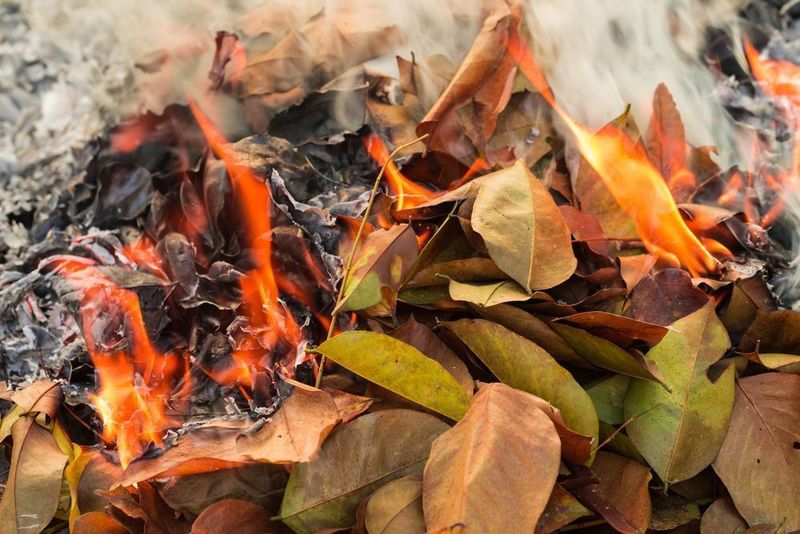
Smoke drifting over a fence once counted as a normal fall smell. Today in California, it can bring a visit from an inspector and a fine, since state law took a firm stance on backyard fires decades ago.
California Health and Safety Code Section 41800 sets the starting point. It generally prohibits using open outdoor fires to dispose of combustible or flammable waste.
Leaves, grass clippings, and branches all count as waste once they’re raked up for disposal. A pile of leaves burned in the backyard counts as open burning.
The default answer, then, is no. Open burning stays prohibited unless the law carves out a specific exception.
Those exceptions do exist. Related sections of the code, beginning around Section 41801, list situations where burning may be allowed.
Examples include certain agricultural burns, fire training, and some residential burning where local rules permit it. Each exception carries conditions.
The law works much like a locked gate. Section 41800 serves as the lock, while the exceptions act as keys that only certain people in certain places can use.
Most homeowners in cities and suburbs simply don’t hold a key. That reality surprises plenty of people.
The strict approach has good reasons behind it. Leaf smoke carries fine particles that irritate lungs, especially for people with asthma.
Wildfire risk matters, too, since one stray ember in a dry California yard can turn a chore into a disaster within minutes.
Some Areas Allow It With A Permit
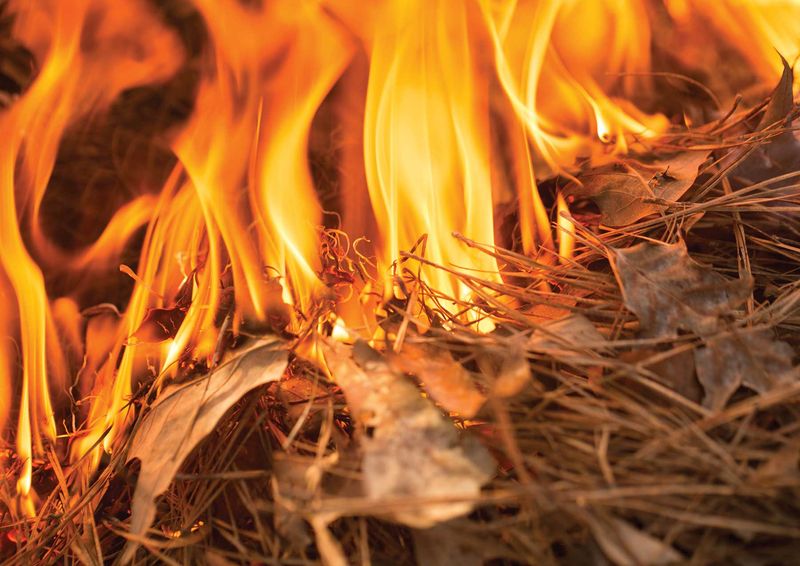
Out past the last streetlight, the rules can look a little different. In many rural parts of California, homeowners can legally burn dry yard vegetation, though paperwork comes first.
Residential burning of yard trimmings is allowed in some areas, usually only with a valid burn permit. That permit serves as proof that the rules were checked and accepted.
Without it, the same fire can be illegal. The permit makes all the difference.
Allowed material usually stays limited to natural vegetation grown on the property. Leaves, pine needles, branches, and brush typically qualify.
Material generally must be dry, since wet piles smolder and send up thick smoke. Some districts also require cut vegetation to dry for a set period first.
Permits come with conditions. Common rules cover pile size, the amount of bare ground surrounding it, allowed burning hours, and keeping water and a shovel nearby.
Your California Garden Changes Every Week. Your Plan Should Too.
Gardening in California changes quickly throughout the season. Every Friday you’ll receive a simple weekly plan showing exactly what to plant, prune, fertilize, harvest, and protect so you never miss the right timing.
A responsible person typically must stay with the fire until it’s fully out. Leaving a pile unattended can bring serious trouble.
The specific numbers vary from place to place. One district may limit pile size differently than its neighbor, and hours can shift, too.
The details on each individual permit matter far more than numbers shared online or by friends in another county.
Rural living doesn’t automatically mean burning is allowed. Some rural zones still restrict it, so confirmation with local officials before striking a match makes the smartest move.
Permits Come From Your Local Air District
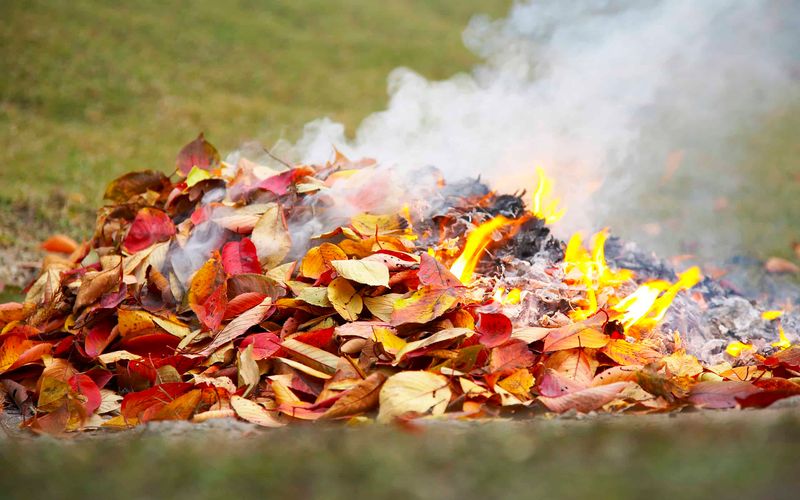
California divides into 35 local air districts, and each one acts like a referee for its own patch of sky. The district decides whether residential burning is allowed in a given area and sets the rules to follow.
Some districts cover a single county. Others stretch across several counties, like the San Joaquin Valley and Bay Area districts.
Finding the right district is easy. The California Air Resources Board offers a district lookup map online.
District websites and offices provide the details. Many post burn rules, permit forms, and fees right on the homepage.
Some issue permits directly, while others work through local fire departments or CAL FIRE stations.
Statewide rules still sit underneath every district. The Air Resources Board adopted an Outdoor Residential Waste Burning Airborne Toxic Control Measure, which limits what homeowners can burn.
Districts must meet or exceed those standards, so local rules can be tougher but not weaker. That layered system keeps a baseline of protection everywhere.
Keeping the district name, phone number, and burn day hotline on a sticky note inside the garage, near the rake, makes a handy habit. The information stays ready whenever leaf season arrives.
A few direct questions during a call clear up confusion quickly. Whether burning is allowed at a specific address, whether a permit is needed, and what size limits and hours apply all deserve answers straight from the source.
That approach beats guessing every time.
Burning Is Allowed Only On Permissive Burn Days
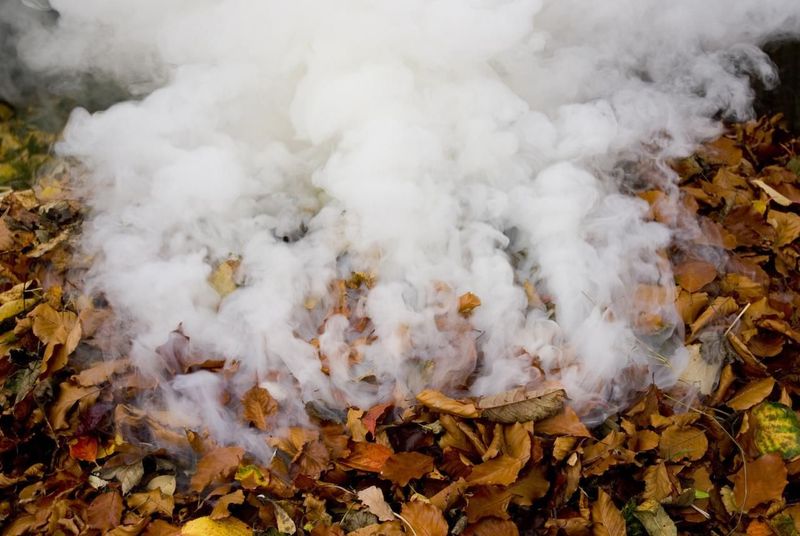
A permit in hand doesn’t mean burning on any sunny Saturday. California adds a daily green-light or red-light system, and officials call the good days permissive burn days.
Each morning, air districts review weather and air quality forecasts. When the air will mix well and carry smoke away, they may declare a permissive burn day.
Stagnant air, inversions, and smoggy conditions usually signal a no-burn day. Those conditions trap smoke close to the ground.
Burning on a no-burn day can break the rules even with a permit. Fines can add up quickly, and repeat offenders may lose permit privileges altogether.
Checking the status takes little effort. Most districts run a recorded phone hotline that updates daily.
Many also post the status online, and some send email or text alerts. Signing up makes the process even easier.
A daily check fits nicely into a morning routine on potential burn days. Status can change, so a second look right before lighting anything makes sense.
Wind can also pick up in the afternoon, one reason many districts limit burning to certain hours. Calm mornings often offer the safest window.
A foggy winter morning shows why these rules matter. Smoke from a single pile can settle into a valley neighborhood like a gray blanket, and complaints often roll in within an hour.
Following burn day rules keeps the air cleaner and keeps neighbors on friendly terms.
CAL FIRE Can Suspend Burning During Fire Season
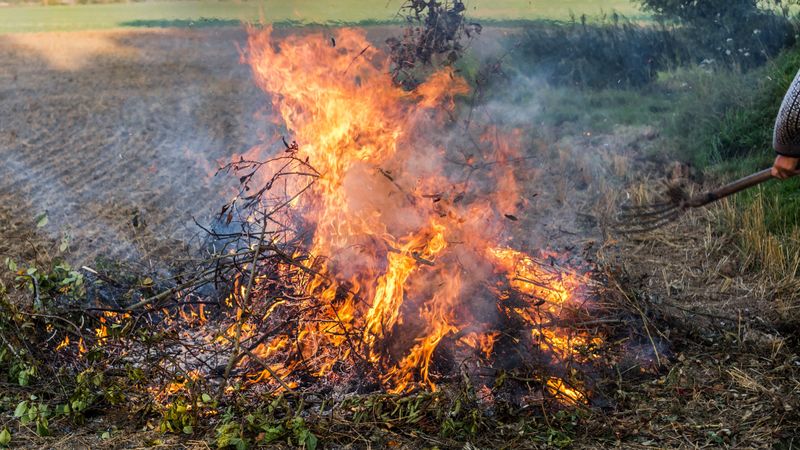
Golden hills look lovely in July, though firefighters see them as kindling. Every year, as California dries out, CAL FIRE steps in to halt most outdoor burning, with timing based on local conditions.
CAL FIRE announces burn permit suspensions unit by unit, often starting in late spring or early summer. Once a suspension reaches an area, residential landscape burning is generally off-limits.
A permit issued earlier in the year doesn’t override it. The suspension takes priority.
Suspensions usually lift in fall or winter after enough rain arrives. Each unit decides based on its own weather, so one county may reopen weeks before another.
Location matters, too. Much of rural California falls inside State Responsibility Areas, where CAL FIRE handles wildland fire protection.
In many of those areas, CAL FIRE requires its own residential burn permit during certain times. That permit adds to any air district rules rather than replacing them.
CAL FIRE’s online viewer shows whether a property sits in a State Responsibility Area. Suspension news appears on its website and social media, and local stations answer questions by phone.
A breezy September afternoon in the Sierra foothills shows the stakes clearly. A single gust can lift an ember over a fence and send engines rolling.
People who start fires through negligence can be billed for firefighting costs.
Dry hills call for patience. Fall rains eventually return, bringing safer conditions and, in many areas, a fresh window for permitted burning.
Burn Barrels And Trash Burning Are Banned
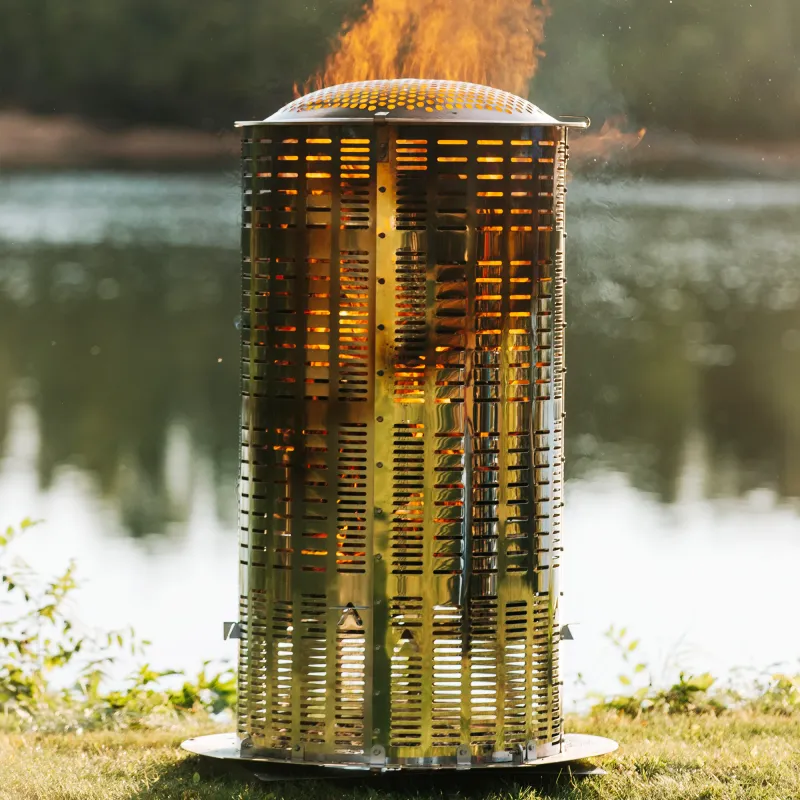
An old, rusty burn barrel may hold a place in family stories. In California, though, it belongs in the scrap pile rather than the backyard, since the statewide toxic control measure ended its use.
Burn barrels and similar containers are prohibited for residential waste burning. They burn at low temperatures, creating plenty of smoke and harmful pollution.
Ash left behind can also contain unpleasant residues that soak into soil. Household trash is off the table, too.
Burning garbage, paper, cardboard, plastic, rubber, and similar materials is banned. Junk mail and pizza boxes might seem harmless, yet inks, coatings, and glues release chemicals when burned.
Treated or painted wood creates another serious problem. Old fence boards, deck planks, and pallets often contain chemicals that turn toxic in smoke.
Even on a legal burn day, with a permit, that material can’t go in the fire. The rules make no exception.
Plastic proves especially troublesome. Burning it can release dioxins, pollutants linked to serious health problems that can settle on gardens, pets, and nearby homes.
Each material has a better destination. Paper and cardboard belong in recycling, while regular trash goes to the curbside bin or a local transfer station.
Treated wood and other tricky items can usually head to a landfill or special waste facility.
An old burn barrel can find new life as a rain barrel planter, since upcycling beats getting fired up over a fine.
Many Urban Districts Ban Backyard Burning Outright
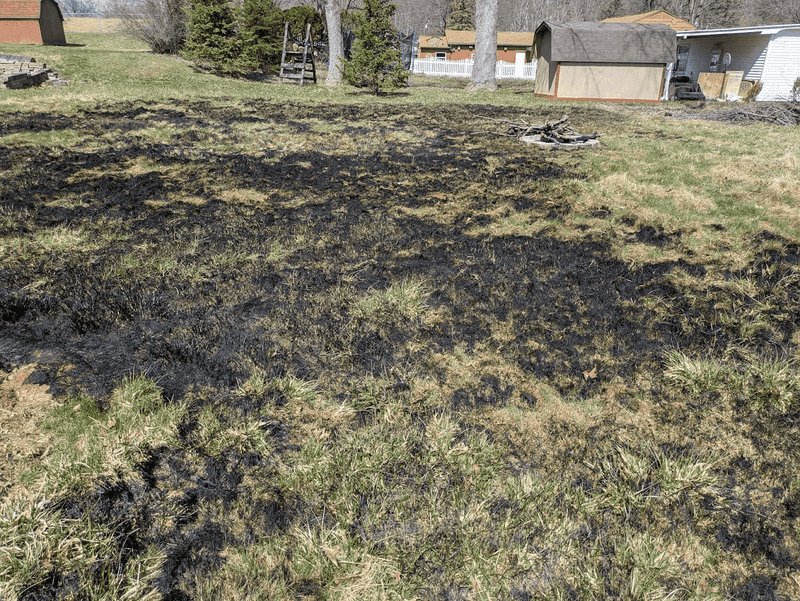
Across much of urban California, backyard leaf burning simply isn’t an option. No permit can change that, no matter how tidy the pile.
The Bay Area Air Quality Management District offers a clear example. Its Regulation 5 covers open burning and doesn’t allow residential burning of yard waste.
Homeowners across its nine-county region need other ways to handle leaves. Green waste carts and composting fill that role nicely.
Other crowded regions take a similar path. The South Coast district, which covers much of greater Los Angeles, strictly limits open burning as well.
Dense housing, heavy traffic, and frequent smog make every bit of extra smoke a real concern. The logic is easy to follow.
Houses sit close together, so smoke drifts straight into bedroom windows. Millions of people share the same air, and many already face poor air quality days.
Penalties for ignoring these bans can include notices of violation and fines. Neighbors often report smoke, and districts take complaints seriously.
Cities within districts that allow some burning may still have local bans. City ordinances and fire codes can be stricter than district rules, and a town fire department might prohibit burning within city limits entirely.
Air district, city, and fire agency rules all apply to a yard at once, so each layer deserves a check.
This article offers general information rather than legal advice, and local agencies always have the final word on what’s allowed at each address.