What California Law Says About Clearing A Neighbors Vines Growing Over Your Fence

California yards often share more than sunlight and property lines, and vines creeping over a fence can spark tension faster than a heatwave in August.
One neighbor sees a charming cascade of greenery, while the other sees an uninvited guest taking over sacred space.
The question of trimming those wandering tendrils lands squarely in the realm of state law, and the rules surprise plenty of homeowners.
California draws a clear line in the sand, outlining what a homeowner may cut, what must remain untouched, and how to avoid turning a small nuisance into a full-blown feud.
Before emotions climb the fence right along with the vines, a quick dive into the legal playbook offers clarity, confidence, and peace of mind for anyone caught in this leafy tug-of-war.
Property Line Rights Give You Control Over Your Side

California law recognizes that property owners have full control over what happens on their side of the boundary line.
When vines from a neighbor’s yard cross over your fence and enter your property, they become subject to your authority.
You have the legal right to trim, cut, or remove any portion of those vines that hang over into your space.
The key principle here is that the property line acts as an invisible wall extending upward and downward.
Anything crossing that line technically enters your domain.
Courts have consistently upheld this right, viewing it as a fundamental aspect of property ownership.
However, you must be careful to only trim what’s on your side.
Reaching over the fence to cut vines on your neighbor’s property could be considered trespassing or property damage.
Even if the vines originate from their yard, you cannot go onto their land without permission to address the problem at its source.
Documenting the encroachment with photos can be helpful if disputes arise later.
Keeping a record shows exactly where the vines crossed and what actions you took.
This evidence protects you if your neighbor claims you damaged their plants improperly.
Trimming Must Stay Within Your Boundary
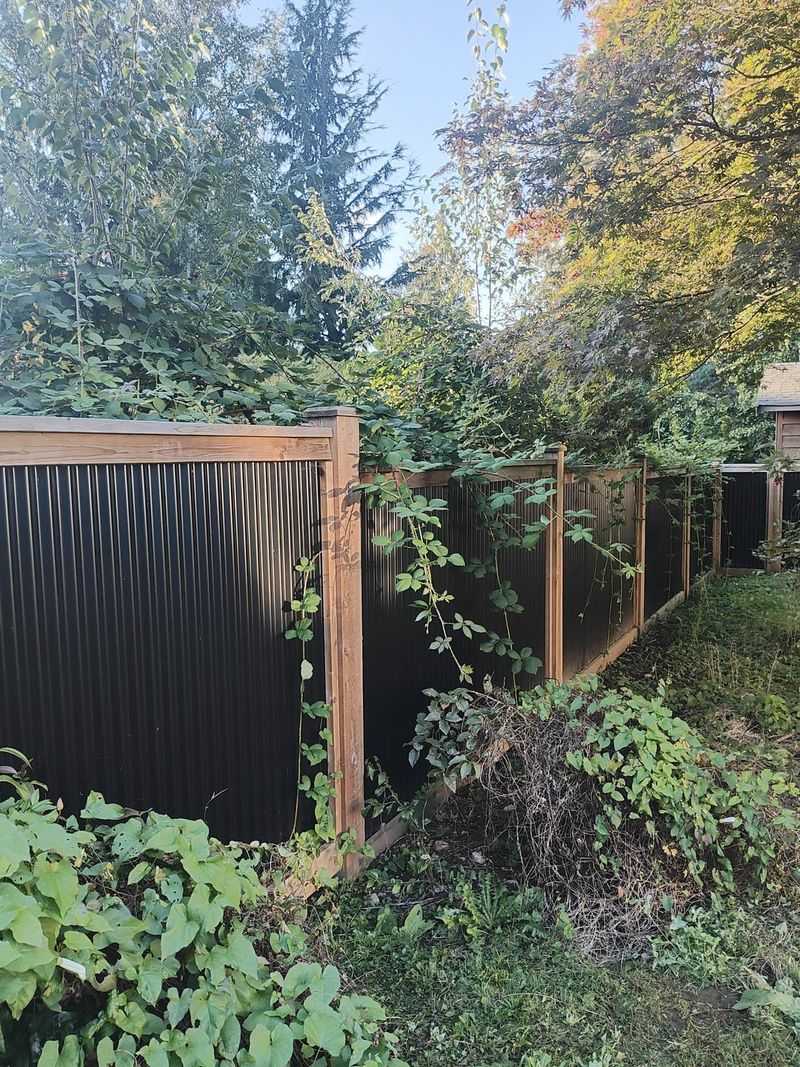
California’s laws are very clear about where you can and cannot trim encroaching vegetation.
Your cutting activities must remain strictly within your property boundaries.
Crossing over to the neighbor’s side, even with good intentions, violates their property rights and could lead to legal consequences.
Imagine the property line as a vertical plane that goes straight up from the ground.
Anything that passes through that plane onto your side can be trimmed back to that exact line.
Using the right tools makes this easier—long-handled pruners or pole saws let you reach higher vines without leaning over the fence.
Some homeowners make the mistake of pulling vines back over to the neighbor’s side before cutting them.
While this seems logical, it can still be considered interference with someone else’s property.
The safest approach is to cut directly at the boundary and let the severed portions fall where they may on your side.
If you’re unsure exactly where your property line sits, consider hiring a surveyor.
A professional survey removes all doubt and provides legal documentation of boundaries.
This small investment can prevent bigger problems and ensure you stay within your rights when trimming.
Notification To Neighbors Isn’t Legally Required

Many people wonder whether they need to tell their neighbor before trimming encroaching vines.
Under California law, you’re not legally obligated to provide advance notice when removing vegetation that crosses onto your property.
Your right to maintain your own land doesn’t depend on getting permission first.
That said, giving your neighbor a heads-up is often the smarter choice for practical reasons.
A friendly conversation can prevent misunderstandings and preserve your relationship with the people next door.
Most neighbors appreciate knowing what you plan to do, even if you don’t technically need their approval.
Communication also gives your neighbor a chance to handle the problem themselves.
They might prefer to trim the vines from their side, which could result in a cleaner job and healthier plants.
Offering this option shows goodwill and may lead to better long-term cooperation.
If your neighbor becomes upset or threatening when you mention trimming, document those conversations.
Keep notes about dates, what was said, and any witnesses present.
Should the situation escalate, this documentation proves you acted reasonably and tried to communicate.
Remember that while notice isn’t required by law, being a good neighbor often means going beyond minimum legal obligations.
Responsibility For Trimmed Material Disposal

Once you’ve trimmed those encroaching vines, you might wonder who’s responsible for cleaning up the mess.
California law generally places the burden of disposal on whoever did the cutting.
Since you exercised your right to trim vegetation on your property, the resulting plant material becomes your responsibility to handle.
You cannot simply throw the cut vines back over the fence onto your neighbor’s property.
Doing so could be considered littering or creating a nuisance, which might give your neighbor grounds to complain or even take legal action.
The proper approach is to dispose of the material through your own yard waste collection or composting.
Most California cities offer green waste pickup as part of regular trash service.
You can place the trimmed vines in your yard waste bin for collection on designated days.
If you have large amounts of material, consider renting a green waste dumpster or taking loads to a local composting facility.
Some neighborhoods have community composting programs that welcome plant material.
These programs turn yard waste into valuable compost that benefits local gardens.
Participating in such programs helps the environment while solving your disposal problem.
Keep receipts if you pay for special disposal services, as this documentation might be useful if disputes arise about who should cover costs.
Damage To The Source Plant Brings Potential Liability

While you have the right to trim encroaching vines, California law also protects your neighbor’s property from unnecessary harm.
If your trimming actions cause significant damage to the source plant beyond what’s reasonably necessary, you could face liability.
Courts look at whether your actions were reasonable given the circumstances.
Reasonable trimming means cutting only what intrudes onto your property and using proper techniques that minimize harm.
Using sharp, clean tools and making cuts at appropriate locations helps the plant heal properly.
Hacking away carelessly or using dull equipment that crushes stems can cause unnecessary damage.
Problems arise when trimming effectively destroys the entire plant, even if you only cut on your side.
For example, if vines depend on growth that extends over your fence for survival, cutting them back might harm the whole plant.
In such cases, your neighbor might argue you acted unreasonably, especially if less harmful alternatives existed.
Documenting your trimming methods with photos protects you from unfounded claims.
Show that you used appropriate tools, made clean cuts, and only removed what crossed the boundary.
If your neighbor later claims excessive damage, this evidence demonstrates you acted responsibly and within your rights.
Consulting with a professional landscaper before major trimming can also help ensure proper technique.
Roots Receive Different Treatment Than Overhead Growth
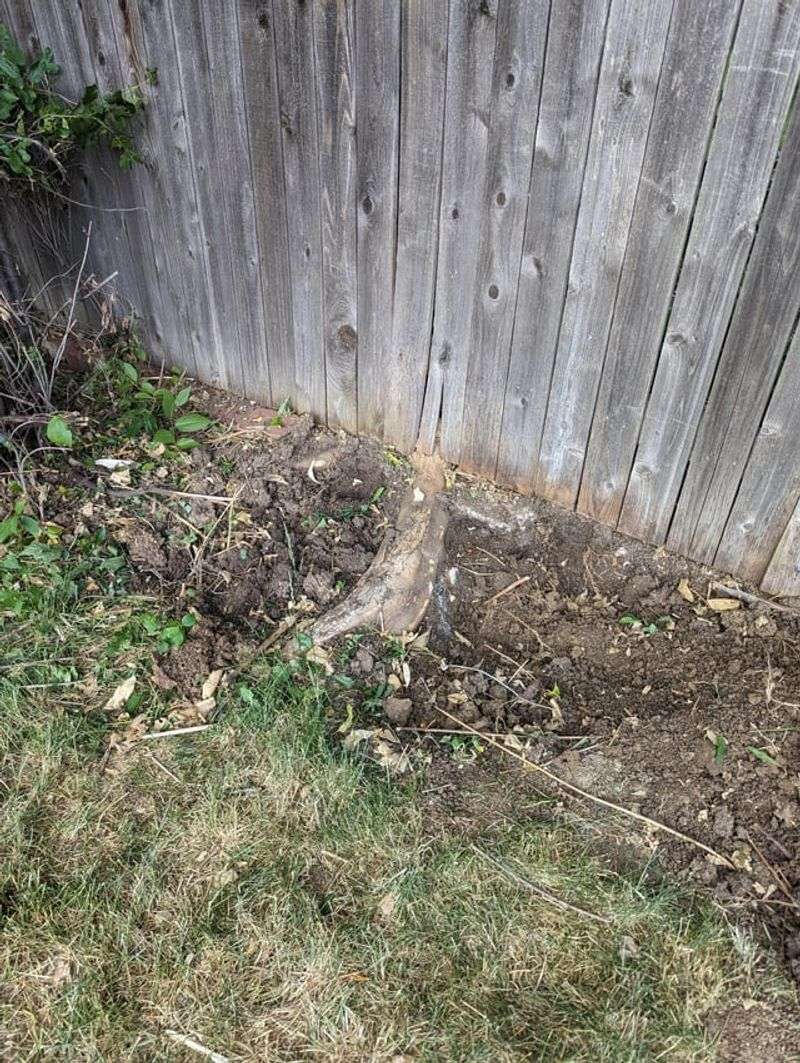
Vines don’t just grow over fences—their roots can also spread underground into neighboring properties.
California law treats roots differently than branches or vines that grow above ground.
The rules become more complicated when dealing with what you cannot see beneath the soil.
Generally, you have the right to cut roots that encroach onto your property, just as you can trim overhead growth.
However, cutting roots carries greater risk of harming or destroying the entire plant.
Because roots provide essential nutrients and stability, severing them can have serious consequences that extend beyond simple trimming.
Courts have ruled that property owners must exercise more caution with roots than with branches.
If cutting roots causes the neighbor’s plant to suffer severe damage or fall over, you might be held liable.
The key question is whether a reasonable person would have foreseen that cutting those specific roots would cause such harm.
Before cutting any substantial roots, consider consulting an arborist or landscaping professional.
They can assess whether root removal will seriously impact the plant’s health and suggest safer alternatives.
Getting expert advice protects you legally while helping you make informed decisions about managing encroaching roots.
Document the root problem with photos showing where they enter your property and any damage they’re causing to your land.
Nuisance Claims May Apply To Excessive Encroachment

When vine encroachment becomes severe, California’s nuisance laws might come into play.
A legal nuisance occurs when someone’s use of their property substantially interferes with another person’s ability to use and enjoy their own land.
Vines that create ongoing problems beyond simple annoyance might qualify as a nuisance.
Examples of nuisance-level encroachment include vines that block sunlight to your garden, attract pests, damage your structures, or create fire hazards.
The encroachment must be substantial and ongoing, not just a minor inconvenience.
Courts consider factors like severity, duration, and whether the neighbor has taken reasonable steps to control their plants.
If you believe the vine situation constitutes a nuisance, document everything thoroughly.
Take dated photos showing the extent of encroachment over time.
Keep records of any damage to your property, including repair costs and diminished use of your yard space.
Before pursuing legal action, send your neighbor a written notice describing the problem and requesting remedy.
Many disputes can be resolved at this stage without involving courts.
The letter creates a paper trail showing you attempted reasonable resolution.
If informal efforts fail, you might file a nuisance claim in small claims or civil court.
Successful claims can result in court orders requiring your neighbor to control their vines and potentially compensation for damages you’ve suffered.
Local Ordinances May Impose Additional Requirements

Beyond state law, many California cities and counties have their own rules about vegetation management and property maintenance.
These local ordinances can add requirements or restrictions that go beyond what state law provides.
Checking your local rules helps ensure you’re following all applicable regulations when dealing with encroaching vines.
Some municipalities require property owners to maintain vegetation so it doesn’t encroach on neighboring properties or public spaces.
Your neighbor might be violating local codes if their vines consistently grow over boundaries.
Reporting code violations to your city’s code enforcement department can prompt official action without direct confrontation.
Other local rules might restrict when and how you can trim vegetation, especially during fire season.
California communities in high fire risk areas often have strict regulations about maintaining defensible space.
These rules might actually support your right to trim encroaching plants that create fire hazards.
Historic districts or neighborhoods with homeowner associations may have additional guidelines about fence and vegetation maintenance.
HOA rules can be quite specific about what plants are allowed and how boundaries should be maintained.
Review your HOA covenants if applicable to your property.
Contact your city’s planning or code enforcement department to learn about local ordinances affecting your situation.
Many municipalities provide this information online or through phone consultations at no cost.