What Can You Do If Your Neighbor’s Bushes Are Crossing Your Property Line in Virginia?
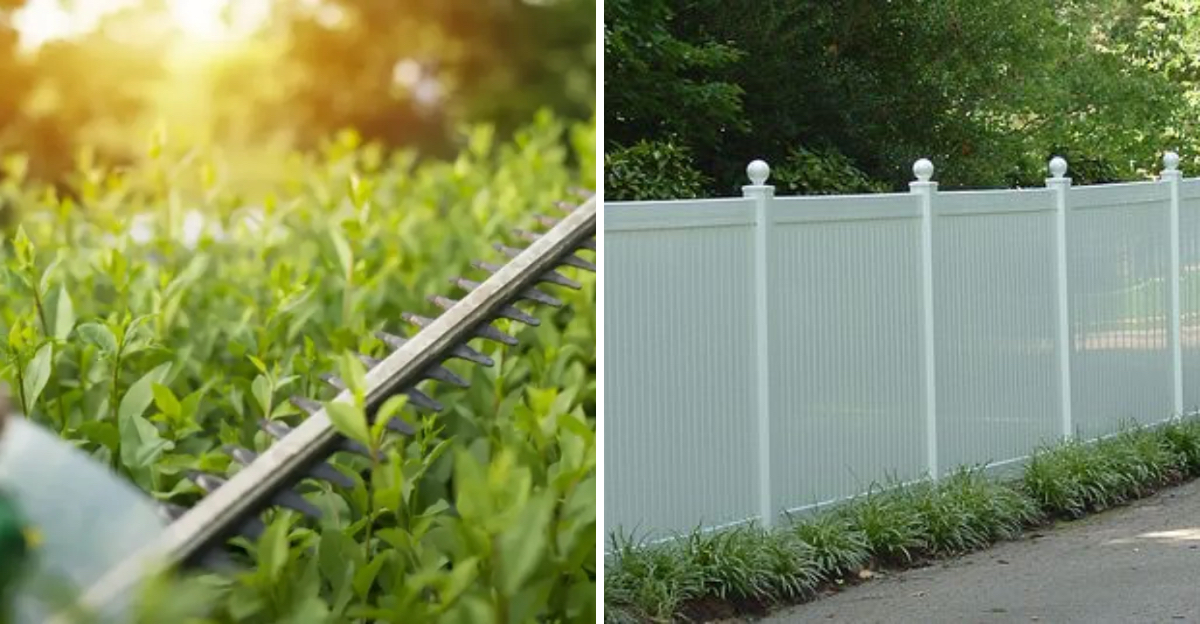
When your neighbor’s branches start spilling into your Virginia yard, frustration can quickly follow. Property boundaries matter.
Overgrown vegetation crossing those lines raises questions about who’s responsible and what actions you can legally take.
Understanding Virginia’s specific laws about encroaching plants helps you handle the situation properly. It also helps you maintain good relationships with those living next door.
These practical steps and legal options are for all Virginia homeowners facing this common backyard dilemma.
Understand Virginia’s Property Line Laws First
Virginia follows what legal experts call the “Massachusetts Rule” when it comes to encroaching vegetation, which gives property owners specific rights. Your neighbor’s bushes crossing onto your land don’t automatically become your responsibility.
The law recognizes that plants grow naturally and doesn’t force neighbors into constant legal battles over every wayward branch.
Here’s where it gets interesting: you have the right to trim branches and roots that cross your property line, but only up to the boundary itself. You can’t march onto your neighbor’s yard with pruning shears, even if their bushes are the problem.
This self-help remedy is yours to use without asking permission first, which surprises many homeowners who assume they need consent.
However, there’s an important catch that Virginia courts take seriously. If your neighbor’s vegetation causes actual damage to your property, like roots cracking your foundation or branches damaging your roof, you might have grounds for a lawsuit.
The key word is “damage,” not just annoyance. Simply disliking the appearance of overhanging branches won’t win you a court case in the Commonwealth.
Document The Encroachment Properly
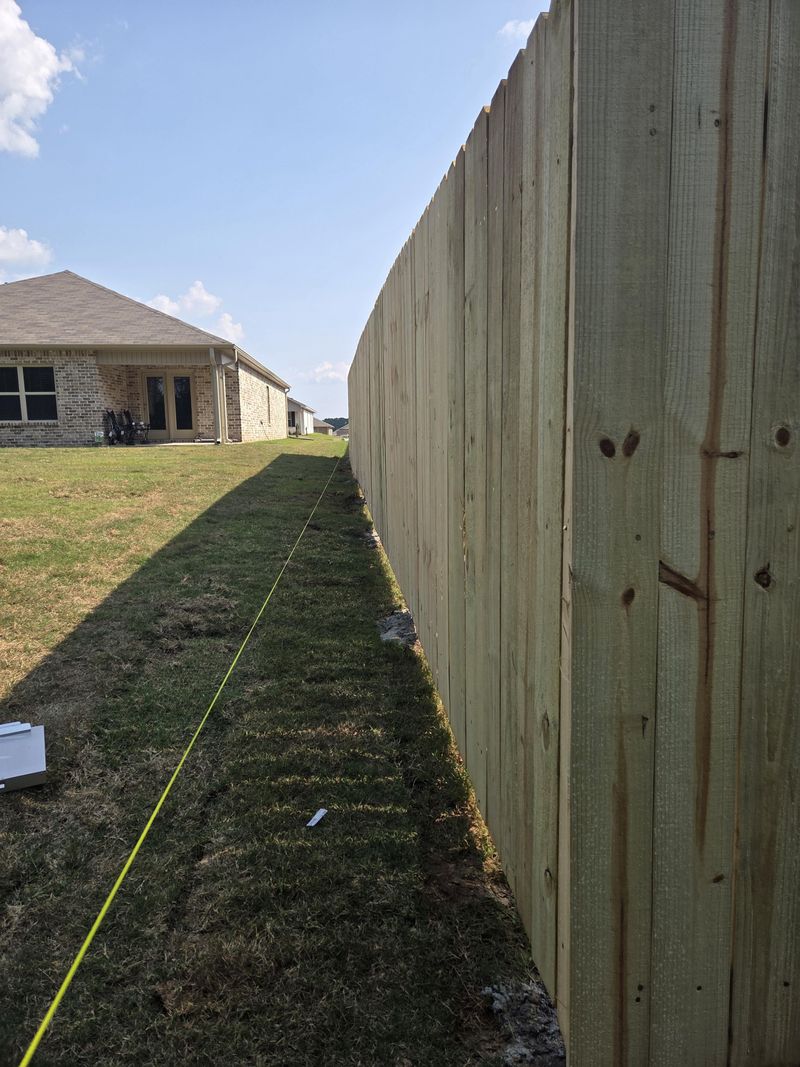
Before taking any action, smart homeowners create a paper trail that could prove invaluable later. Grab your smartphone and photograph the encroaching bushes from multiple angles, making sure to capture where they cross your property line.
Include shots that show any damage they’re causing, whether that’s blocking your view, touching your house, or interfering with your own landscaping.
Written records matter just as much as visual evidence in Virginia. Start a simple log noting dates when you first noticed the problem and how it’s progressed over time.
If branches have grown significantly or caused new issues, document each change with timestamps. This timeline becomes crucial if you eventually need to prove the situation has worsened despite your attempts to resolve it.
Consider getting a professional survey if property lines aren’t crystal clear. Virginia surveyors can mark exact boundaries, which removes any ambiguity about where your property ends and your neighbor’s begins.
Yes, surveys cost money, typically several hundred dollars, but they provide definitive proof that stands up in court. That iron pin in the ground speaks louder than assumptions about where the line falls.
Talk To Your Neighbor First
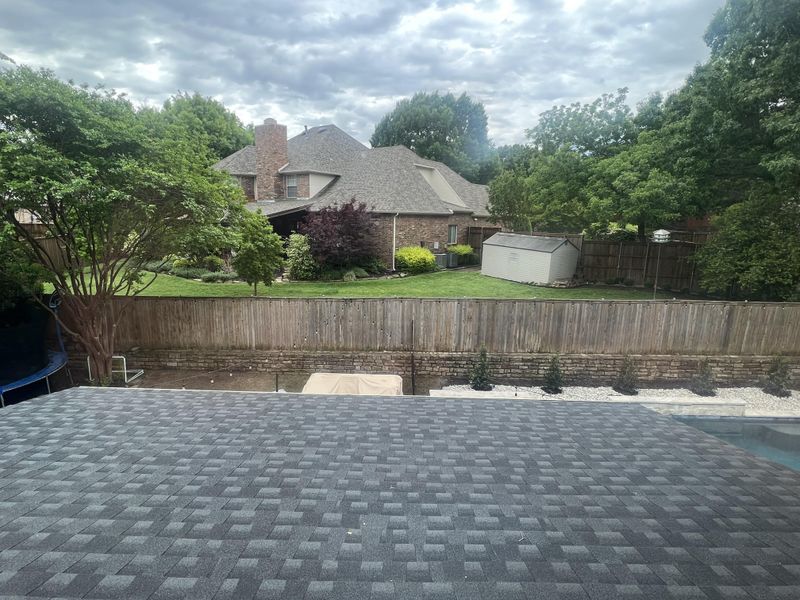
Most property disputes in Virginia get resolved with a simple conversation over the fence, saving everyone time, money, and stress. Your neighbor might not even realize their bushes have become a problem for you.
Approach them on a calm day when you’re not frustrated, and keep the tone friendly rather than accusatory. Starting with “I wanted to chat about the bushes along our property line” works better than leading with legal threats.
Bring those photos you took as visual aids, not weapons. Showing rather than just telling helps neighbors understand the situation from your perspective.
Many people genuinely want to be good neighbors and will offer to trim the bushes themselves once they see the issue. This cooperative approach preserves the relationship and often leads to faster results than any legal process could achieve.
Suggest solutions during this conversation rather than just presenting problems. Maybe you could offer to split the cost of professional trimming, or perhaps you could handle the trimming yourself if they give permission.
Some neighbors appreciate having the work done for them, especially if they’re elderly or physically unable to maintain large bushes. Finding common ground transforms a potential conflict into a collaborative project that benefits both properties.
Send A Formal Written Notice

When friendly conversations don’t produce results, it can escalate to written communication that creates an official record. Draft a polite but clear letter explaining the encroachment issue, referencing your property line.
Keep the language professional and factual rather than emotional. You’re building a legal record, not venting frustration.
Mail this letter via certified mail with return receipt requested, which proves your neighbor received it.
Your letter should include specific requests with reasonable timeframes. Ask them to trim the bushes within 30 days, which gives adequate time without dragging the situation out indefinitely.
Mention that you’re willing to discuss solutions and remain open to compromise. This demonstrates your good faith effort to resolve things amicably, which Virginia courts appreciate if the case ever reaches that point.
Keep copies of everything you send and any responses you receive. This correspondence becomes part of your documentation package showing you attempted reasonable resolution before taking stronger action.
Some homeowners also mention in their letter that they’re prepared to exercise their legal right to trim encroaching vegetation themselves if necessary. This gentle reminder of your rights sometimes motivates neighbors to handle the problem on their end.
Exercise Your Right To Trim

Virginia law grants you the right to trim any branches that cross onto your property, up to the exact boundary line. You don’t need your neighbor’s permission to exercise this right, though informing them beforehand remains the courteous approach.
Make absolutely certain you know where that property line sits before cutting anything, trimming vegetation on your neighbor’s side could make you liable for damages.
Use proper tools and techniques when trimming to avoid harming the plant unnecessarily. Clean, sharp cuts heal better than ragged tears, and cutting at proper angles helps the plant recover.
While you’re legally allowed to trim, you’re not allowed to intentionally damage the bush or tree. Virginia courts can hold you responsible if your trimming methods were reckless or designed to harm the plant rather than simply remove the encroachment.
What about the trimmings you remove? After trimming, most homeowners simply dispose of the branches as yard waste.
If you’re removing substantial amounts, offering to haul them away shows goodwill. Some homeowners leave the trimmings neatly on the neighbor’s side of the property line, though this can seem passive-aggressive.
Consider the relationship you want to maintain when deciding how to handle disposal.
When To Involve Mediation Services
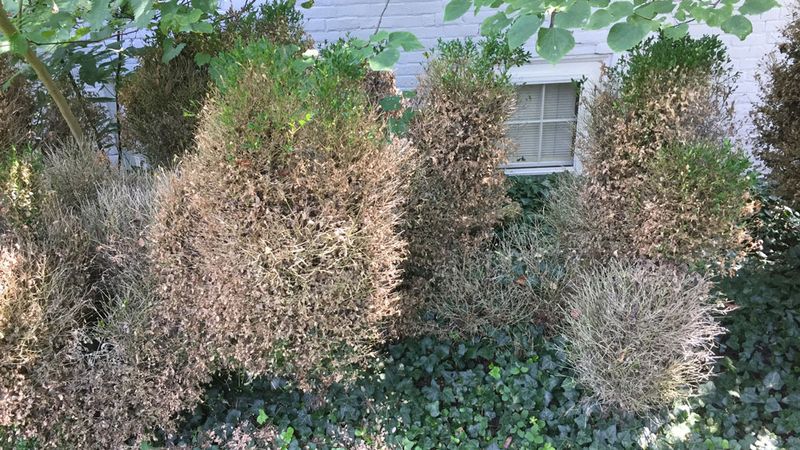
Sometimes neighbors dig in their heels and refuse to cooperate, but the situation isn’t quite bad enough to justify expensive litigation. Community mediation services offer a middle ground that many Virginia residents don’t know exists.
These programs bring in trained neutral mediators who help neighbors find mutually acceptable solutions without court involvement. Most Virginia localities have community mediation centers that charge minimal fees or operate on sliding scales based on income.
Mediation works particularly well for property line disputes because it addresses both the legal issue and the relationship damage. A good mediator helps both parties feel heard and guides them toward creative solutions that courts might not order.
Maybe your neighbor agrees to replace the problematic bushes with shorter plants, or perhaps you both agree to share maintenance responsibilities. These personalized agreements often satisfy everyone better than rigid legal rulings.
The process typically involves each party explaining their perspective, followed by joint problem-solving sessions. Everything discussed in mediation stays confidential, which encourages honest communication without fear of statements being used in court later.
If you reach an agreement, the mediator helps you put it in writing. While mediated agreements aren’t automatically enforceable like court orders, they can be if both parties agree to make them legally binding.
File A Lawsuit For Property Damage
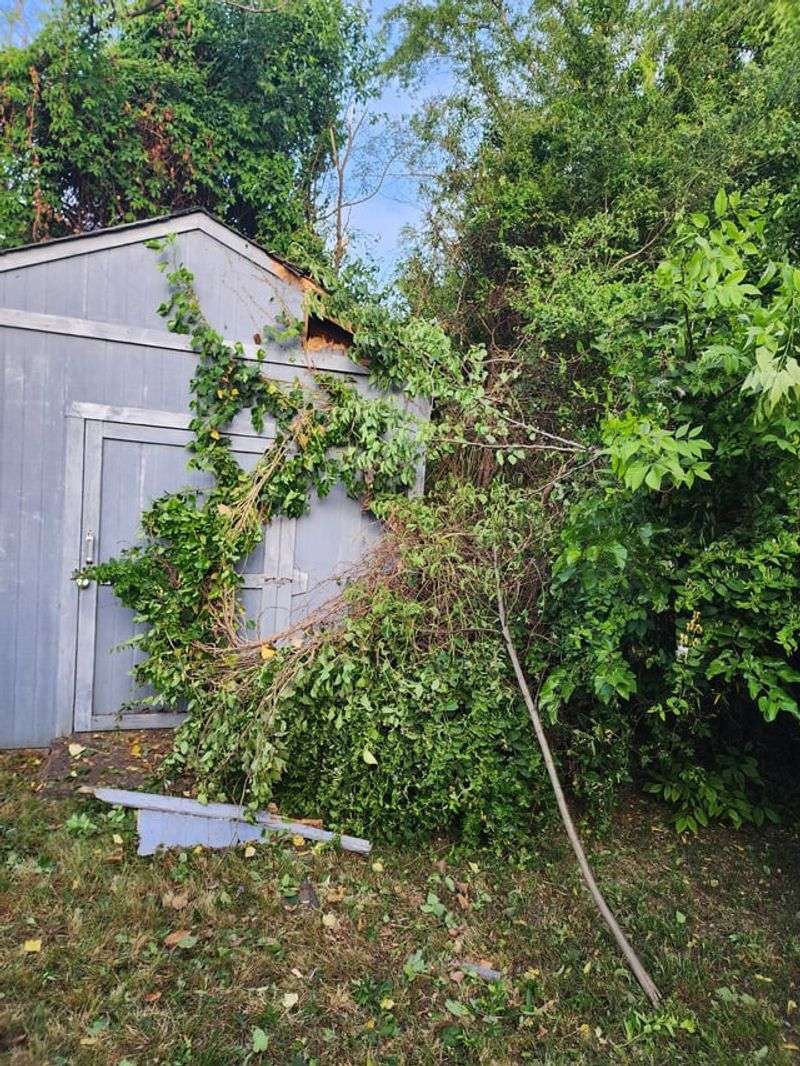
Legal action becomes necessary when a neighbor’s vegetation causes actual property damage and all other resolution attempts have failed. Virginia courts recognize lawsuits for damages caused by encroaching roots or branches, but you’ll need solid evidence.
Those photos and documentation you’ve been keeping suddenly become crucial exhibits. Cracks in your foundation with expert testimony linking them to root invasion, or roof damage from heavy branches, give you legitimate grounds to sue.
Cases involving higher damages or requests for injunctions requiring your neighbor to remove vegetation need filing in general district or circuit court.
Consult with a Virginia real estate attorney before proceeding, as they can evaluate whether your case has merit and what outcomes you can reasonably expect.
Understand that lawsuits damage neighbor relationships, often permanently. Even if you win, you’ll still live next door to someone who resents you.
Courts can award you money for repairs and potentially order the neighbor to remove problematic vegetation, but they can’t force people to be friendly. Weigh whether the financial and emotional costs of litigation justify the potential benefits.
Sometimes accepting minor annoyances preserves peace that’s worth more than winning a legal battle.
Prevent Future Boundary Disputes
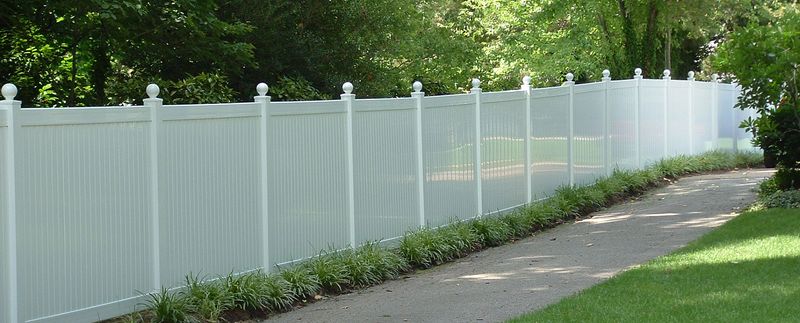
Once you’ve resolved the current bush situation, smart homeowners take steps to prevent future encroachment problems. Consider installing a fence right on the property line, which creates a physical barrier and visual reminder of boundaries.
Virginia law allows property line fences, though you should check local ordinances about height restrictions and setback requirements. Offering to split fence costs with your neighbor turns a defensive measure into a cooperative improvement project.
Choose appropriate plantings for your own yard that won’t create similar problems later. Research mature sizes of trees and shrubs before planting them near property lines.
That cute little bush from the nursery might grow into a fifteen-foot monster in five years. Virginia’s climate supports many beautiful plants that stay compact, giving you landscaping options that won’t annoy your neighbors or violate your own advice.
Maintain open communication with neighbors about property line vegetation going forward. A quick “Hey, I noticed my tree is getting close to your yard, want me to trim it?” prevents small issues from becoming major disputes.
Regular maintenance keeps plants in check before they become problems.
Encouraging neighbors to voice concerns early builds trust and cooperation. This way, property line issues get resolved quickly and amicably, just how community living should work.