What Causes Frost Damage To Palm Trees In Louisiana (And How To Fix It)
Aren’t palm trees all about a tropical vibe? However, when winter cold snaps roll through the state, these beautiful trees face serious threats from freezing temperatures.
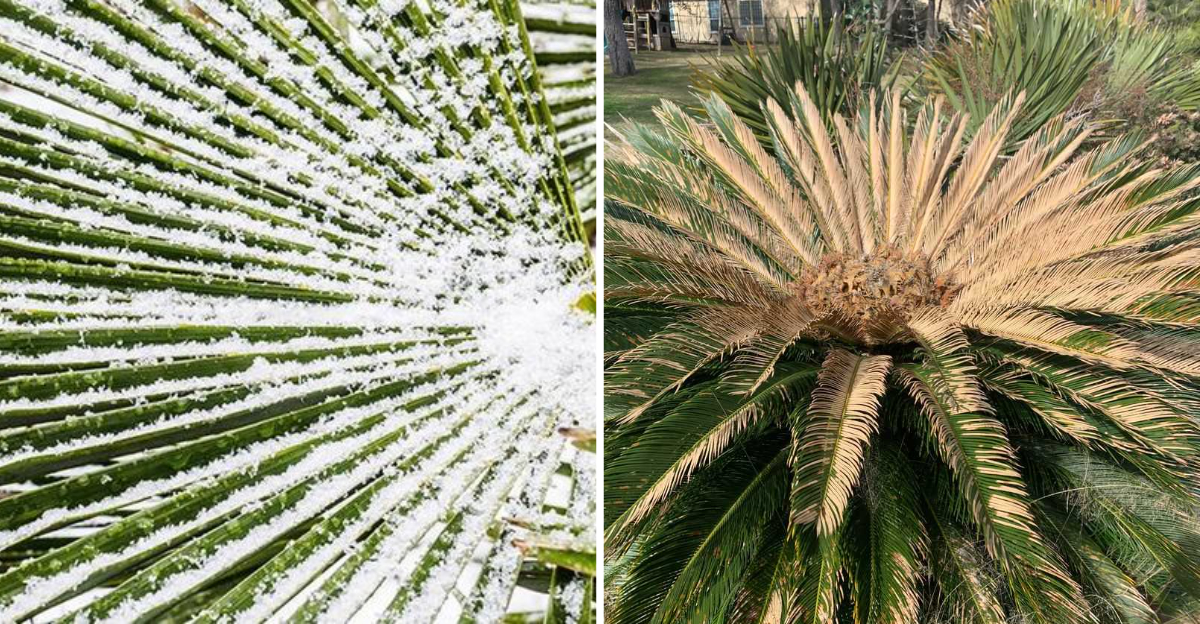
Frost damage can turn healthy fronds brown, weaken trunks, and even compromise the entire tree. Understanding this will help you have a thriving tropical oasis instead of a yard full of struggling plants.
Learning about frost protection is essential for every Louisiana palm owner.
Sudden Temperature Drops After Warm Spells
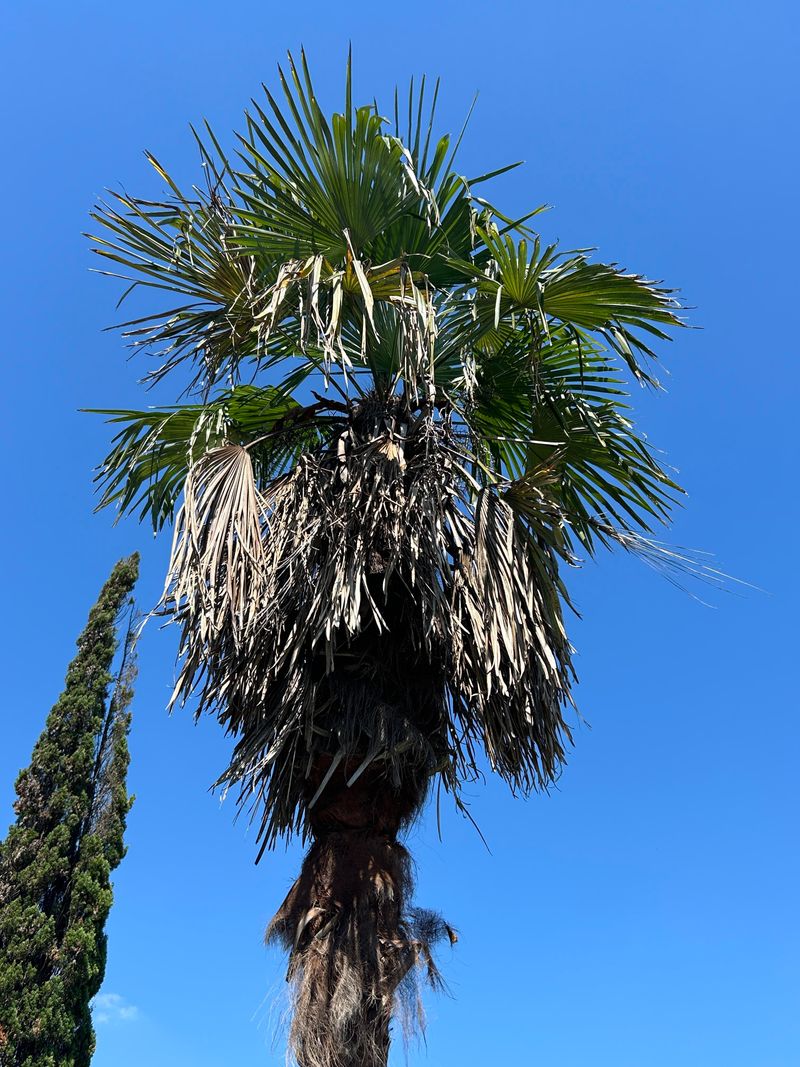
Louisiana’s weather patterns create dangerous conditions for palms when warm periods give way to Arctic air masses. Palms respond to mild temperatures by increasing sap flow and metabolic activity, waking up from their dormant state.
When a cold front crashes through without warning, these active trees get caught completely unprepared for the temperature plunge. A 40-degree temperature swing within 24 hours isn’t uncommon during Louisiana winters.
Such dramatic changes shock palm trees, causing widespread tissue damage even at temperatures that might otherwise be tolerable. New growth and fronds are especially at risk.
The stress from rapid cooling affects different palm species differently. Hardier varieties like Sabal palms handle quick drops better than tropical species such as coconut palms.
However, all palms suffer when temperatures plummet without a gradual acclimation period. Monitoring weather forecasts becomes critical for palm owners, especially during December through February when cold fronts move through most frequently.
Knowing a cold front is coming gives you the chance to cover fronds, wrap trunks, or move potted palms indoors. These small steps can make a huge difference between survival and serious damage.
Taking protective measures not only saves your palms, but also gives you a peace of mind.
With a little bit of preparation and attention, Louisiana’s unpredictable winters can be navigated without losing the vibrant beauty of your palm trees.
Wind Chill Effects On Exposed Palm Fronds
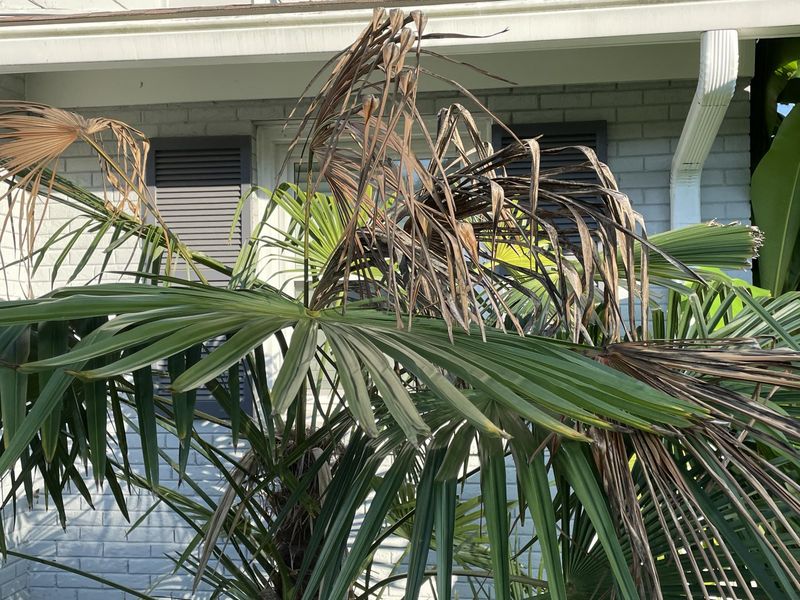
Cold winds strip palms of their natural warmth, speeding frost damage. This protective layer normally acts as insulation, but strong wind strips it away, exposing delicate plant tissues directly to freezing temperatures.
The wind chill effect makes the air feel significantly colder to the palm’s cells, accelerating both moisture loss and ice formation within tissues.
Palms growing in open, exposed locations without natural or artificial wind protection are far more vulnerable than those shielded by buildings, fences, or dense vegetation.
Coastal areas of Louisiana and other Gulf states face an added challenge, as winter storms often bring cold, moist winds that penetrate deeply into the fronds.
This combination of freezing temperatures and drying winds creates a dual threat: fronds can brown rapidly, and the growing points at the crown of the palm may suffer irreversible damage.
The first visible signs typically appear at the frond tips and edges, where thin tissue loses heat fastest. Damage then gradually moves inward toward the trunk as cold winds persist.
Young, tender fronds emerging from the crown are especially at risk. Homeowners can mitigate these effects by erecting temporary windbreaks using burlap screens, fencing, or strategically planting palms near structures.
Such measures can significantly reduce wind chill exposure and help preserve the health of palms during harsh winter conditions.
Ice Crystal Formation Inside Palm Tissue
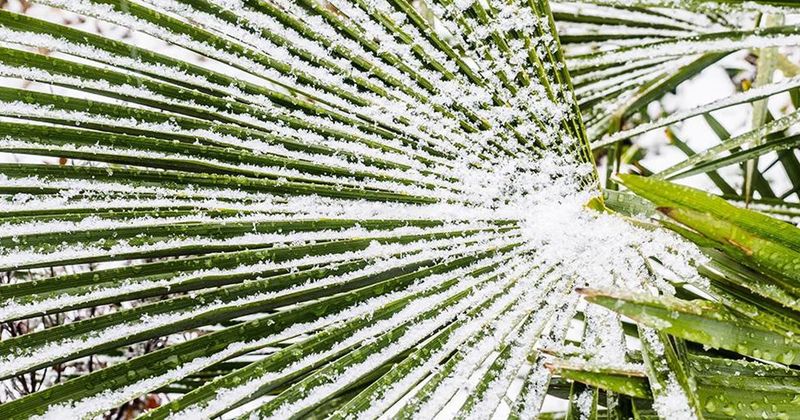
When temperatures drop below freezing in Louisiana, the water molecules inside palm tree cells begin to crystallize into ice. These ice crystals are sharp and jagged, puncturing cell walls and membranes from the inside out.
Because palm trees are naturally adapted to tropical and subtropical climates, they lack the antifreeze compounds leaving them particularly vulnerable to frost damage. Even a short period of sub-freezing temperatures can trigger this destructive process.
The damage begins almost immediately once the temperature falls below 32 degrees Fahrenheit. As the cells rupture, tissue breakdown starts.
Visible signs like browning or drooping may not appear until several days later.
Once ice crystals form inside the cells, the damage is permanent in those areas. The palm’s vascular system is compromised, disrupting water and nutrient transport to affected tissues, which can lead to dieback or death of entire fronds.
Young palms, newly planted specimens, and less established root systems are susceptible, as they lack the resilience and stored energy reserves to recover from severe frost. Preventing ice crystal formation is the most effective strategy.
Techniques such as wrapping the trunk, using frost blankets, applying heat sources, and ensuring adequate irrigation before cold snaps can help minimize the risk. We know about Louisiana’s unpredictable winters.
We also know that proactive frost protection is essential.
Moisture On Fronds Freezing Overnight
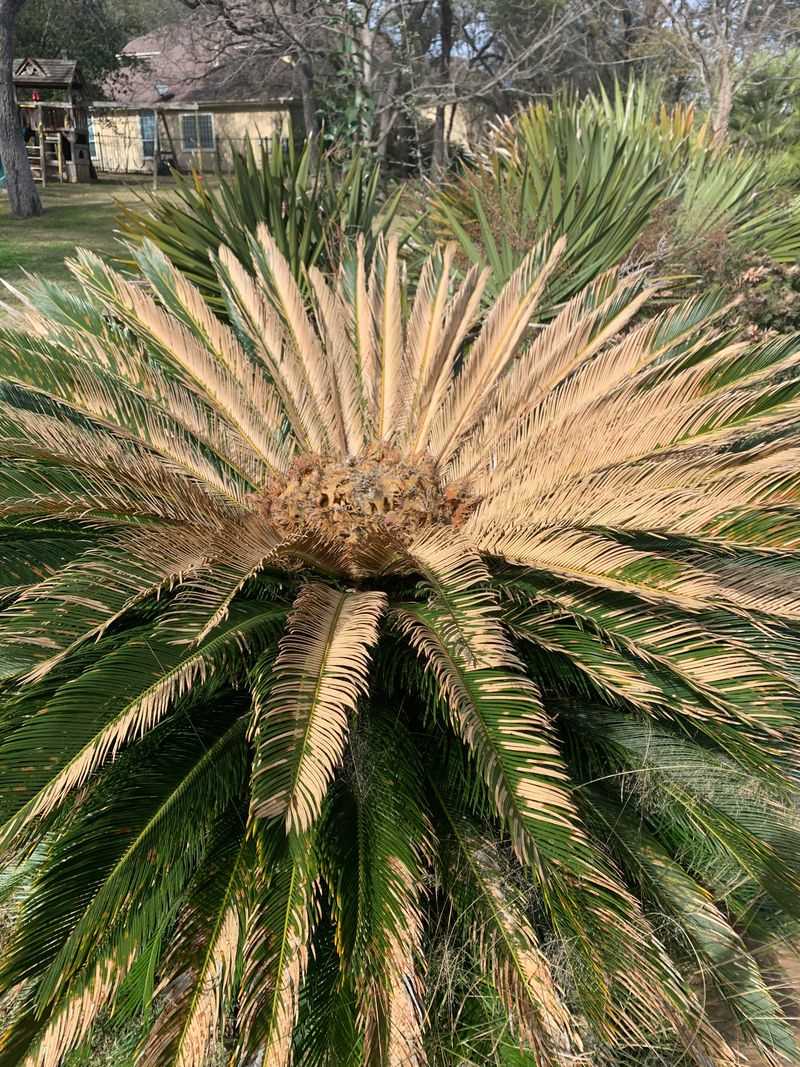
Dew, rain, or irrigation water sitting on palm fronds becomes a liability when temperatures drop.
As this surface moisture freezes, it forms an ice coating that keeps fronds at or below freezing temperatures longer than they would otherwise remain cold.
The ice acts like a thermal mass, slowly releasing cold as it melts and actually prolonging exposure to damaging temperatures.
The frozen moisture doesn’t just sit on the surface either. It creates localized cold spots that conduct freezing temperatures deeper into leaf tissue, causing cellular damage that spreads beyond the initial contact area.
Timing your irrigation schedule becomes crucial during Louisiana’s winter months. Watering early in the morning allows fronds to dry before evening temperatures drop.
Avoiding overhead watering altogether during cold snaps prevents moisture accumulation on sensitive crown areas. If rain occurs before a predicted freeze, gently shaking fronds to remove excess water can help minimize ice formation.
Palm species with more upright fronds naturally shed water better than those with drooping leaves, making them somewhat more resistant to this type of frost damage throughout the variable Louisiana climate.
Root Zone Temperature Stress
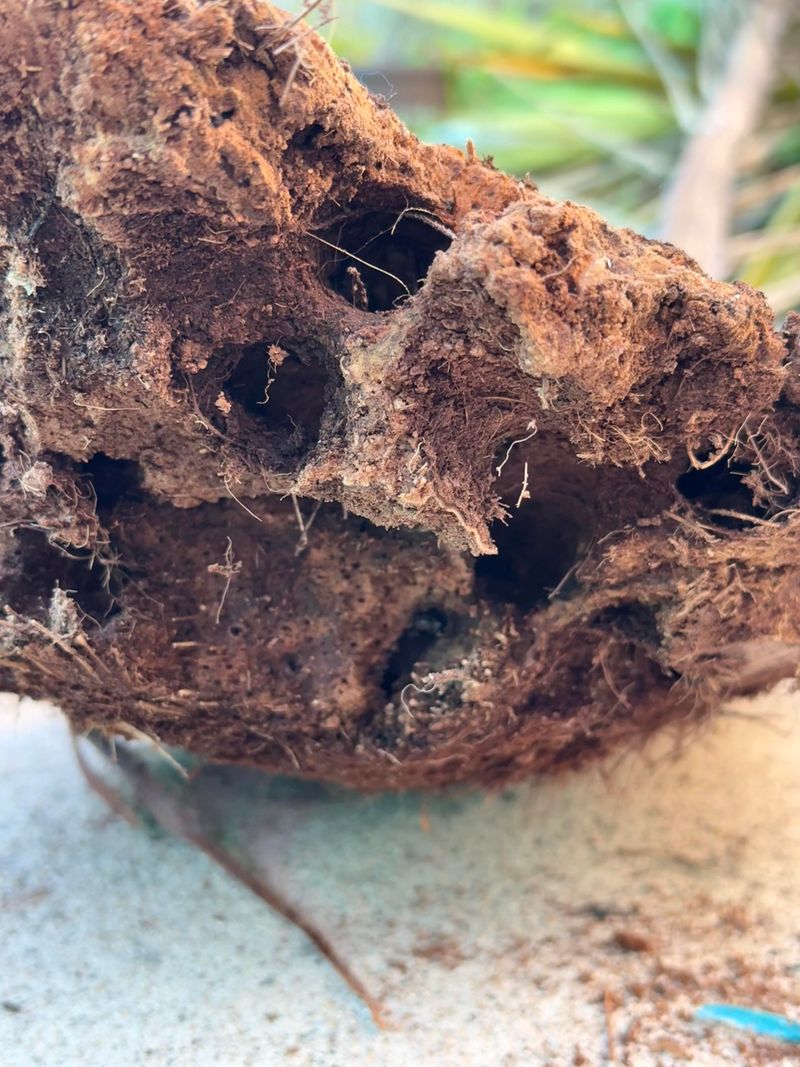
While most attention focuses on visible frond damage, the hidden danger of frozen root zones threatens palm survival even more seriously. Palm roots function optimally in soil temperatures above 65 degrees Fahrenheit and begin shutting down below 50 degrees.
When soil temperatures approach freezing, roots stop absorbing water entirely, leading to dehydration stress that mimics drought damage even when adequate moisture exists.
Soil composition throughout Louisiana affects how quickly root zones freeze. Sandy soils conduct cold faster than the heavier clay soils found inland.
Mulched root zones insulate better and maintain more stable temperatures than bare soil. However, excessive mulch piled against trunks can trap moisture and create fungal problems.
Frozen roots cannot support frond health, creating a cascading failure even if fronds themselves escape direct frost damage. Recovery takes longer because root regeneration happens slowly, especially in cold soil.
Container palms face even greater root zone risks because pots provide minimal insulation. Protecting root zones with proper mulching, moving to sheltered locations, and avoiding frozen ground during planting seasons all help maintain root health.
Healthy root systems recover faster and support new growth once Louisiana’s warm spring weather returns to areas from Shreveport to Lafayette.
Protecting Palms With Proper Wrapping Techniques
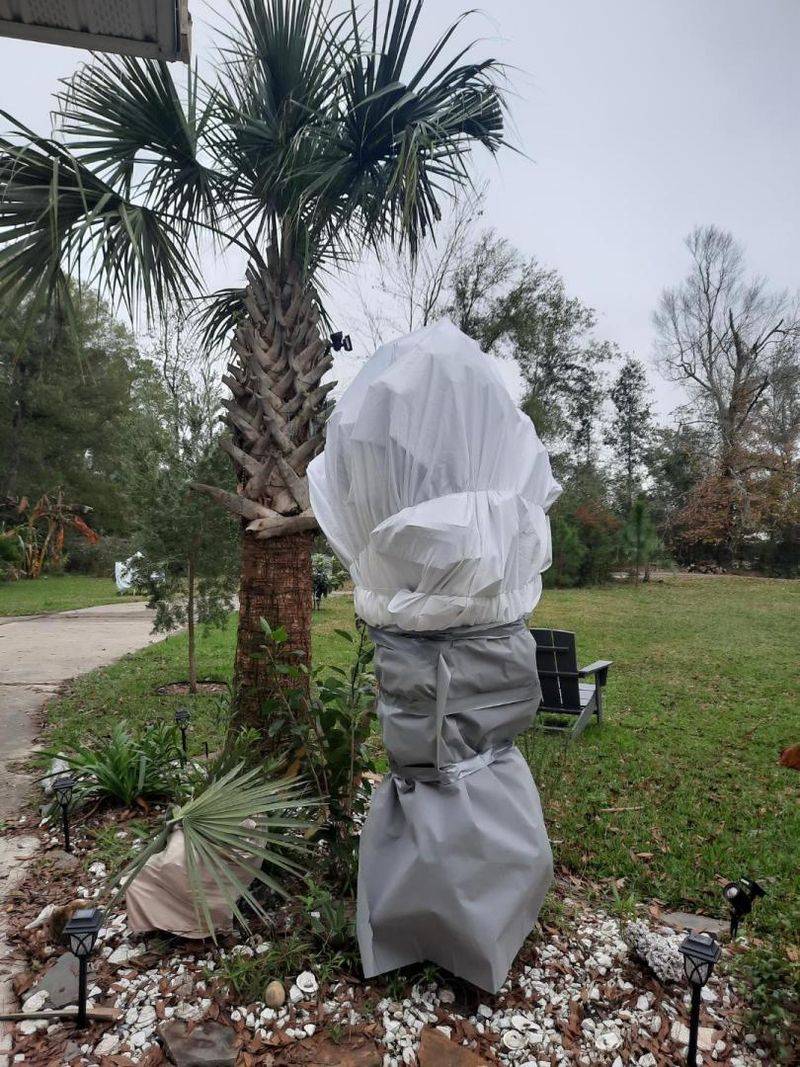
Wrapping vulnerable palms before freezing weather arrives provides crucial protection against frost damage. The technique involves covering the crown and upper trunk with insulating materials that trap warmth while allowing some air circulation.
Burlap remains the traditional choice because it breathes while providing insulation, though frost blankets and specialized plant covers work excellently too.
Start wrapping from the bottom of the crown where fronds emerge, working upward to cover the growing point completely. Secure materials with twine or soft ties, avoiding wire that can cut into bark.
Adding strings of outdoor Christmas lights under the wrapping creates supplemental heat that can make the difference between survival and damage. Use old-fashioned incandescent bulbs rather than LED lights because incandescents generate more heat.
Never let lights contact fronds directly, and always check electrical connections for safety. Remove wrappings once temperatures rise above freezing during the day to prevent moisture buildup and fungal growth.
Proper wrapping techniques, applied at the right time, have saved countless Louisiana palms from otherwise devastating frost events throughout the state’s coldest winters.
Recovery And Restoration After Frost Damage
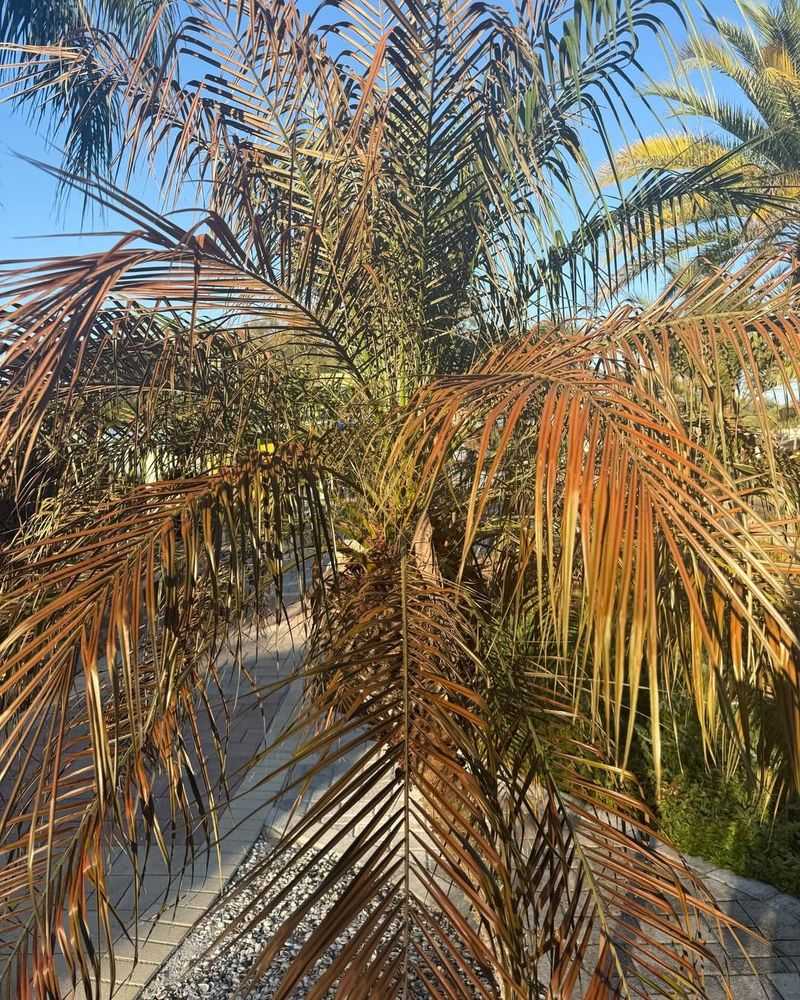
Patience becomes your greatest asset when helping frost-damaged palms recover. Resist the urge to immediately prune brown fronds because damaged leaves actually provide some protection for the crown while new growth emerges.
Wait until new fronds begin pushing out from the center before removing damaged material, typically six to eight weeks after the frost event.
Assessment starts at the growing point located in the palm’s crown. Gently tug the center spear frond.
If it pulls out easily, the palm suffered severe damage and may not survive. Firm resistance indicates the growing point remains viable.
Once new growth appears, begin a fertilization program using palm-specific fertilizer with micronutrients. Damaged palms need extra manganese, magnesium, and potassium to support recovery.
Maintain consistent moisture without overwatering, as damaged root systems can’t process excess water efficiently. Prune brown fronds cleanly at their base using sterilized tools.
Apply fungicide to cut surfaces in Louisiana’s humid climate to prevent opportunistic infections. Full recovery may take an entire growing season, but properly cared for palms often bounce back beautifully once warm weather returns permanently.