What Central Oregon Gardeners Can Actually Plant In Late April
Late April can feel a little unfair in Central Oregon. One sunny afternoon makes the garden look ready for everything, then a cold night reminds you who is really in charge.
That is why this part of spring trips up so many gardeners. The calendar says go, but the weather still likes to play games.
Plant too boldly, and tender starts can struggle before they ever get going. Play it smart, though, and late April can be the perfect time to get a strong, productive garden started.
The key is choosing crops and plants that can handle cool soil, chilly nights, and the stop-and-start rhythm that comes with high desert spring weather. Central Oregon is not the place for guessing or copying what works in milder parts of the state.
It rewards timing, patience, and good picks. Get those right now, and the whole season starts to feel a lot more promising.
1. Peas
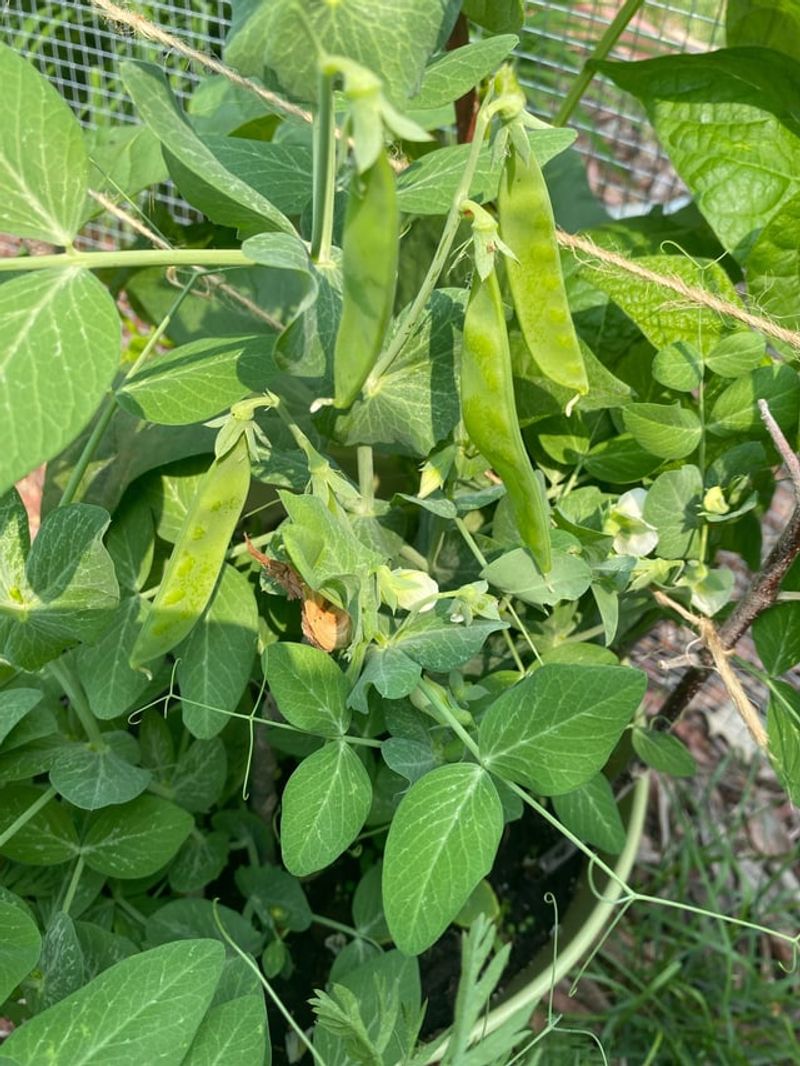
Few vegetables are as satisfying to grow as peas, and Central Oregon’s cool late April temperatures are practically made for them. Peas love the cold.
They can handle light frosts without much trouble, which makes them one of the first seeds you can confidently push into the ground each spring. Plant them directly in the soil about one inch deep and two inches apart in a sunny spot.
Peas grow fast and climb, so give them something to grab onto. A simple trellis made of sticks or wire works perfectly.
In Central Oregon, where the growing window can feel short, peas are a smart choice because they produce quickly. You can expect to start harvesting in early summer if you plant in late April.
Keep the soil moist but not soggy. Peas do not like sitting in wet conditions for too long.
Water them regularly and watch them climb toward the sun. Sugar snap peas are a crowd favorite because you can eat the whole pod.
Shelling peas are great for soups and stews. Either way, you will have a fresh, homegrown harvest to enjoy before the real summer heat arrives in Central Oregon.
2. Radishes
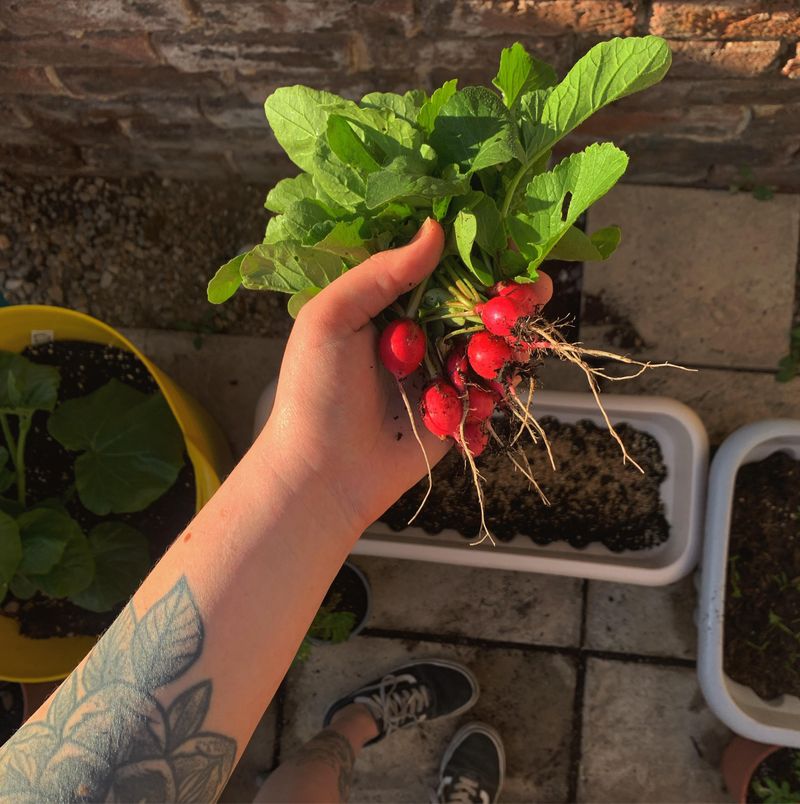
Radishes might be the most rewarding vegetable you can grow in Central Oregon in late April. Why?
Because they are ready to harvest in as little as three to four weeks after planting. That kind of speed is rare in the gardening world, and it makes radishes perfect for beginners and experienced growers alike.
Drop seeds about half an inch deep and one inch apart, and let the cool soil do its thing.
They thrive in temperatures between 45 and 65 degrees Fahrenheit, which is exactly what Central Oregon delivers in late April. Radishes do not need a lot of fuss.
Thin them out once they sprout so each plant has room to develop a nice round root. Crowded radishes tend to grow long and spindly instead of round and crisp.
Water them evenly and keep the soil loose. Compacted soil can cause misshapen roots, so a quick loosening with a hand fork helps a lot.
Your Oregon Garden Changes Every Week. Your Plan Should Too.
Gardening in Oregon changes quickly throughout the season. Every Friday you’ll receive a simple weekly plan showing exactly what to plant, prune, fertilize, harvest, and protect so you never miss the right timing.
Try planting a new row every week or two for a continuous harvest all spring. French Breakfast, Cherry Belle, and Easter Egg are all excellent varieties for Central Oregon gardens.
Fresh radishes are crisp, peppery, and absolutely worth the effort.
3. Lettuce
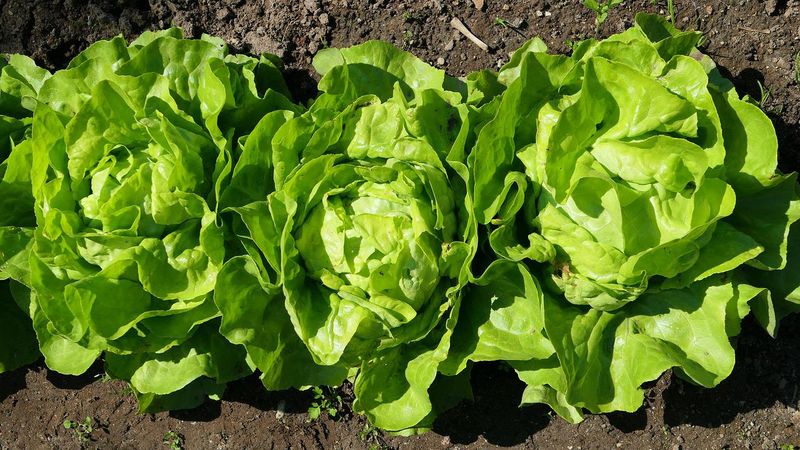
Lettuce is one of those vegetables that practically begs to be grown in Central Oregon’s cool spring climate. It does not like heat, and late April temperatures here are just right for getting it established.
Scatter seeds lightly across the surface of the soil, then cover with a thin layer of compost or fine soil. Lettuce seeds need light to germinate, so do not bury them too deep.
One of the smartest moves you can make is succession planting. Sow a small row of lettuce every two to three weeks, and you will have fresh salad greens all spring and into early summer.
Butterhead, romaine, and loose-leaf varieties all perform well in Central Oregon gardens. Loose-leaf types are especially nice because you can harvest outer leaves while the plant keeps growing.
Keep the soil consistently moist. Lettuce has shallow roots and dries out quickly.
Mulching around the plants helps hold moisture in and keeps the soil temperature steady during those unpredictable Central Oregon spring nights. If a late frost is in the forecast, toss a light row cover over your lettuce bed.
It takes about five minutes and can save your entire crop. Fresh homegrown salad is worth the extra care.
4. Spinach
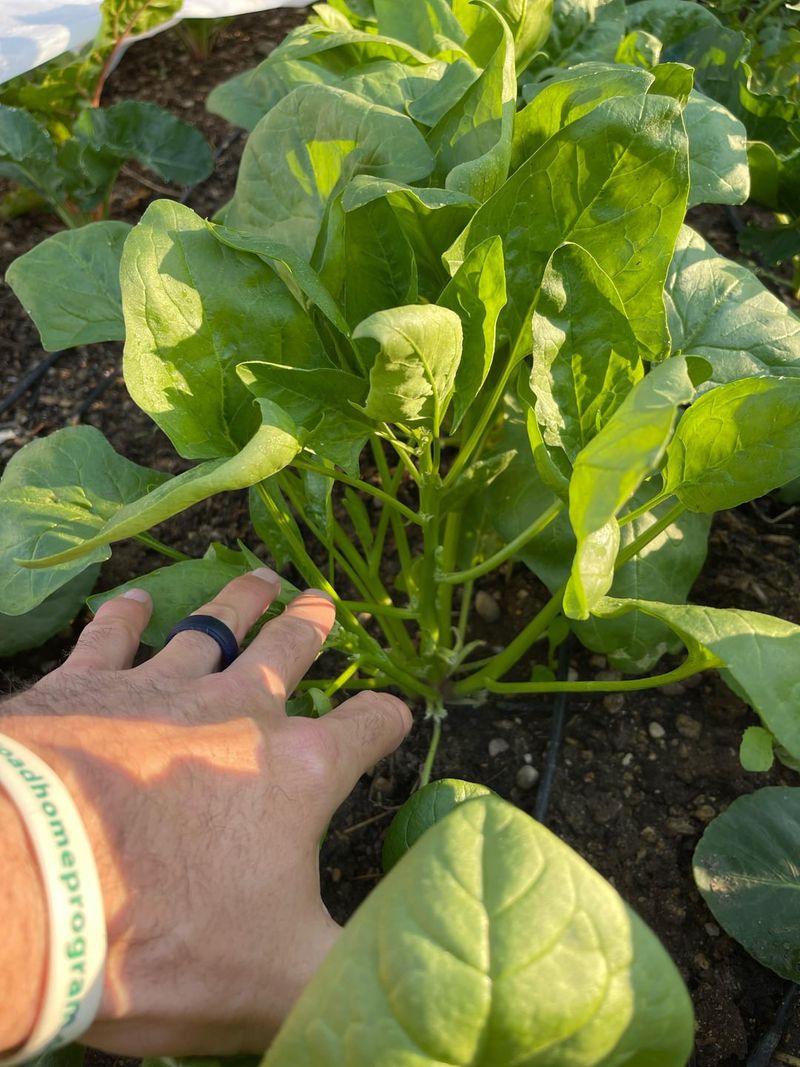
Spinach is tough, fast-growing, and incredibly useful in the kitchen. It also happens to be one of the best vegetables to plant in Central Oregon during late April.
Spinach actually germinates better in cool soil, so the region’s chilly spring conditions give it a head start. Sow seeds about half an inch deep and three inches apart in rows about a foot wide.
You can start harvesting spinach leaves in as little as six weeks. Pick the outer leaves first and leave the center of the plant intact.
It will keep producing new leaves for weeks. This cut-and-come-again method stretches your harvest and gives you more greens for less work.
Savoy varieties have crinkled leaves and a rich flavor, while flat-leaf types are easier to wash and cook with.
Spinach bolts, meaning it sends up a flower stalk, when temperatures rise too high. In Central Oregon, you have a nice long window before that happens.
Plant early in late April, and you should get a solid harvest before summer heat sets in. If you want to extend the season, plant spinach in a spot that gets some afternoon shade.
Regular watering and well-drained soil will keep your spinach plants healthy and productive all spring long.
5. Turnips
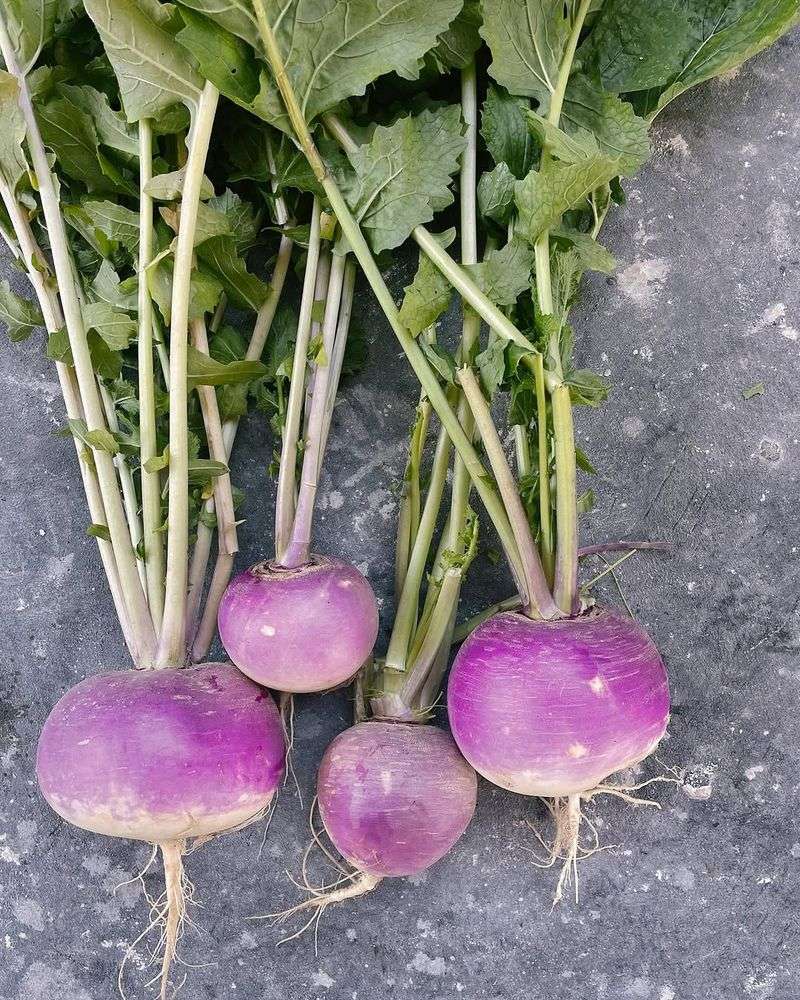
Turnips get overlooked way too often, and that is a shame. They are fast, reliable, and offer two harvests in one plant.
The roots are sweet and tender when pulled young, and the leafy tops are nutritious and delicious sauteed with a little garlic and olive oil. Central Oregon’s cool late April weather is perfect for getting turnips into the ground and growing strong.
Sow turnip seeds directly into the garden about half an inch deep and one inch apart. Once they sprout and reach a few inches tall, thin them to about four to six inches apart.
This gives the roots plenty of room to swell up nicely. Hakurei is a popular salad turnip variety that is mild and sweet enough to eat raw.
Purple Top White Globe is a classic choice for cooking.
Turnips grow quickly. Baby turnips can be ready in about 35 days, while full-size roots take around 60 days.
That timeline fits well within Central Oregon’s spring window. Water them consistently and keep weeds out of the bed since turnips do not compete well with weeds when they are young.
A little attention early on pays off big when harvest time comes. Do not sleep on turnips this season.
6. Beets
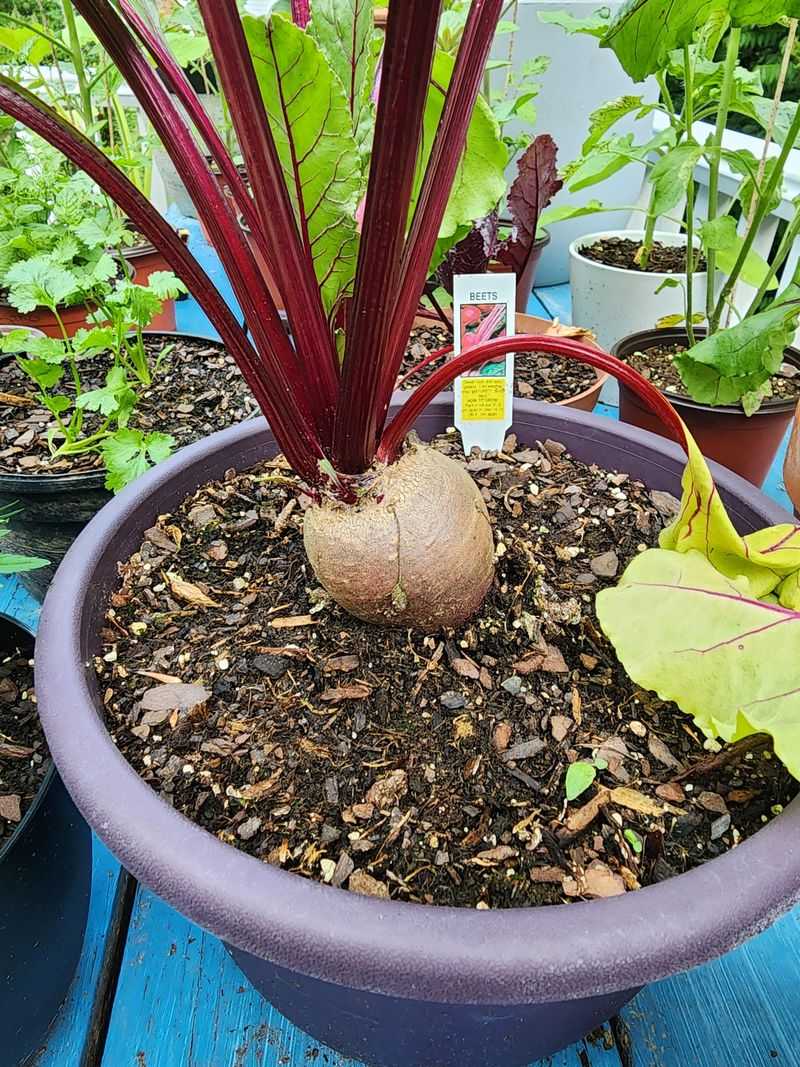
Beets are one of those vegetables that feel almost magical to grow. You plant a small, wrinkled seed and pull out a beautiful, jewel-colored root weeks later.
Late April in Central Oregon is a great time to get beets started. They prefer cool soil and can handle a light frost, making them well-suited for the region’s unpredictable spring weather.
One thing many gardeners do not realize is that each beet seed is actually a cluster of seeds. That means you will need to thin your seedlings once they sprout.
Leave the strongest plant every three to four inches. It feels a little wasteful, but proper spacing is what allows beets to develop full, round roots.
The thinned seedlings are edible, so toss them in a salad.
Beet greens are just as nutritious as the roots. Harvest a few outer leaves as the plants grow without pulling the whole plant.
Detroit Dark Red is a reliable classic, and Chioggia beets have a beautiful striped interior that looks stunning on the plate. Golden beets are milder and sweet.
Beets need consistent moisture to grow evenly. Uneven watering can cause the roots to crack.
Plant them in loose, well-amended soil for the best results in your Central Oregon garden.
7. Carrots
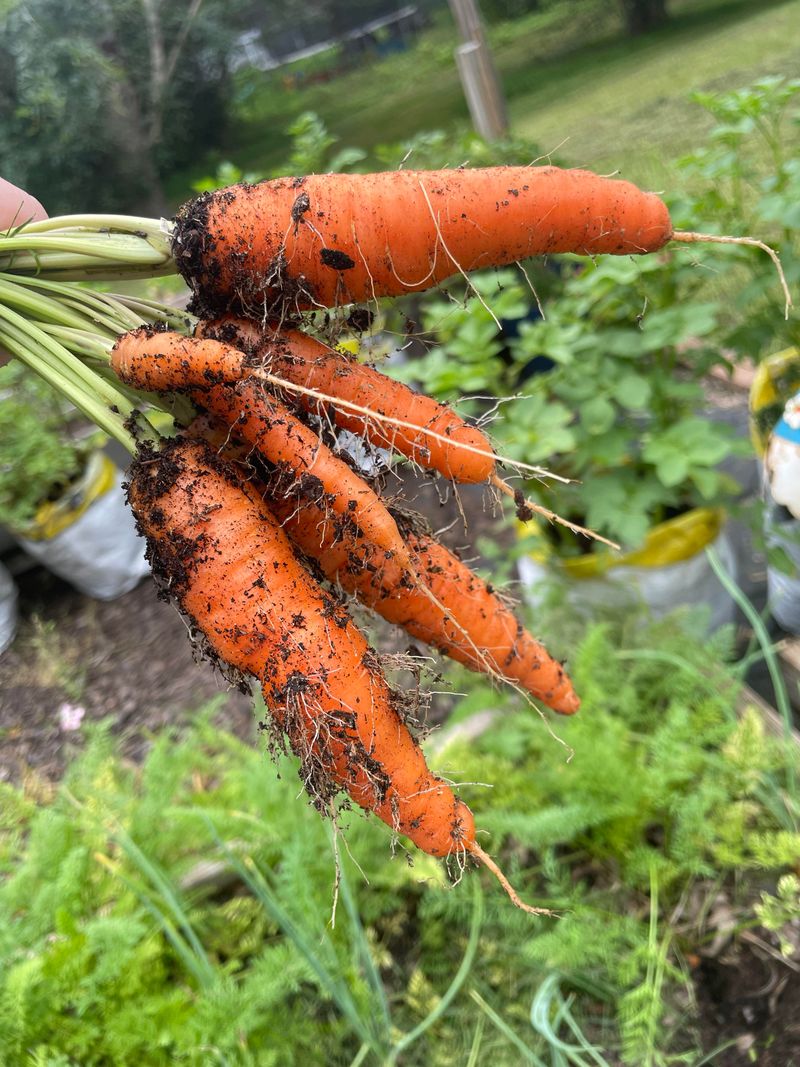
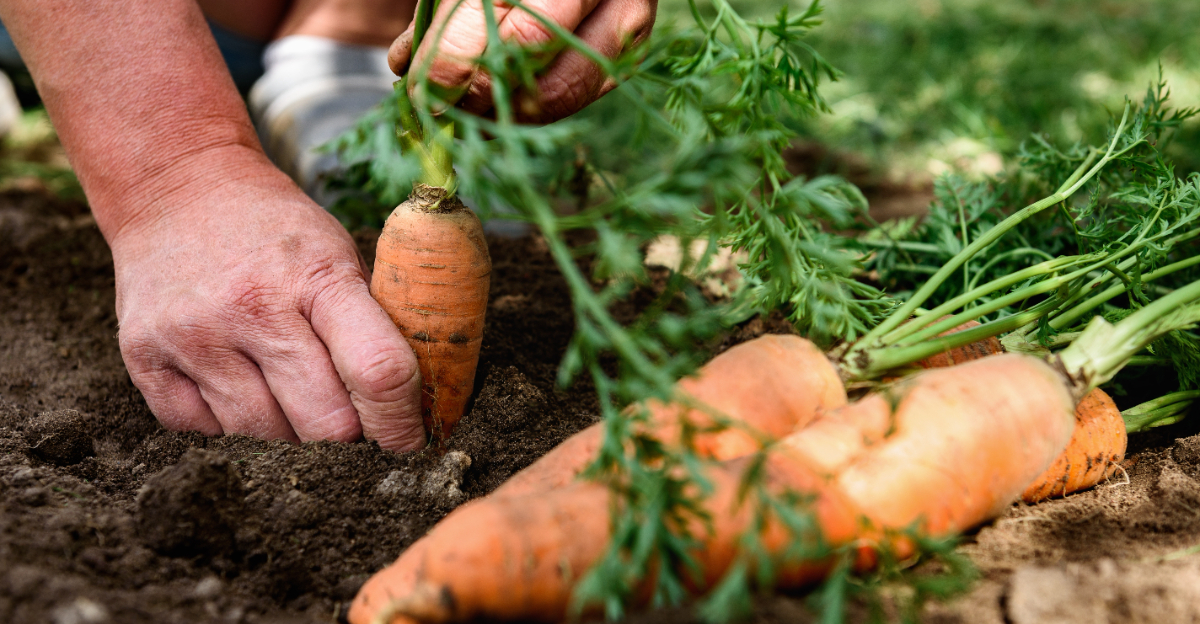
Carrots take a little patience, but the payoff is absolutely worth it. Planting them in late April in Central Oregon gives them the cool soil temperatures they need to germinate and get established.
Carrot seeds are tiny and slow to sprout. They can take up to two weeks to show up, so do not panic if nothing seems to be happening right away.
Loose, deep, rock-free soil is the key to straight, well-formed carrots. If your soil is heavy or rocky, consider growing carrots in a raised bed filled with loose amended soil.
Nantes and Chantenay varieties are shorter and do better in heavier soils. Sow seeds thinly, about a quarter inch deep, and thin seedlings to two to three inches apart once they reach a few inches tall.
Carrots are slow to mature, usually taking 70 to 80 days. But once they are ready, they are incredibly sweet, especially after a light frost.
Keep the soil evenly moist during germination, as dry conditions cause seeds to fail. A thin layer of mulch over the seed bed helps hold moisture in during Central Oregon’s dry spring days.
Mark your rows clearly so you do not accidentally step on them while waiting for sprouts to appear.
8. Broccoli
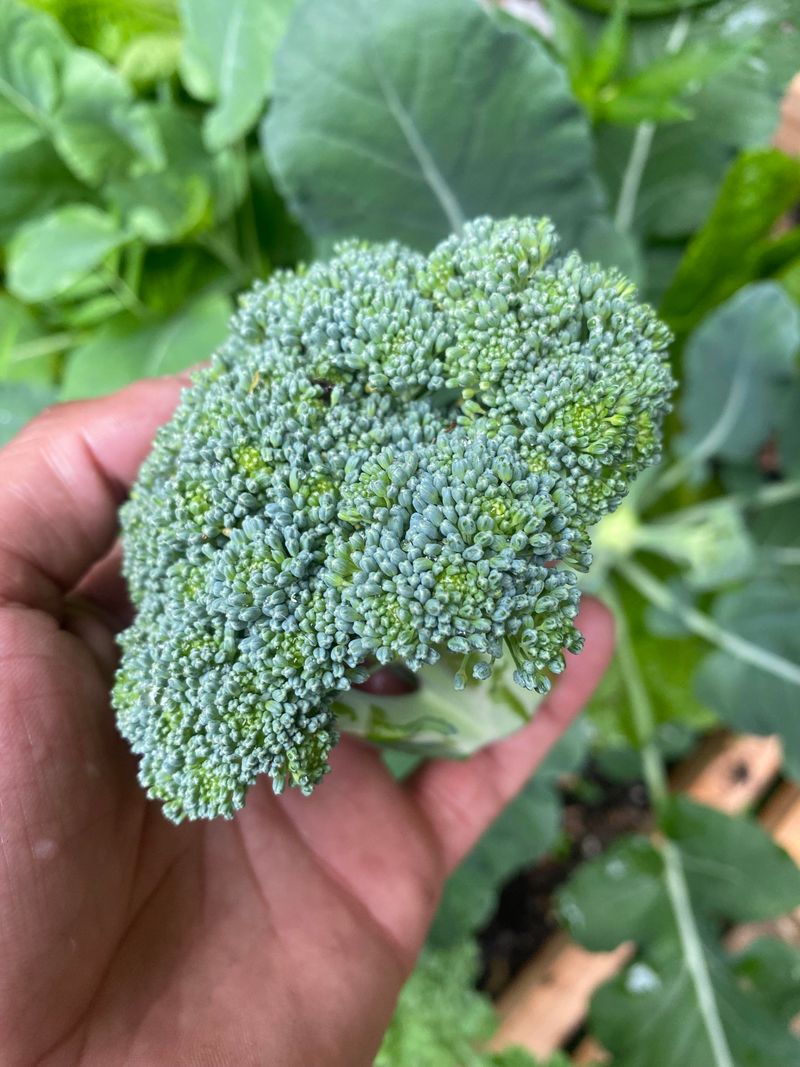
Broccoli is a powerhouse vegetable that actually thrives when temperatures are cool. That makes late April in Central Oregon an excellent time to get it in the ground.
You can start broccoli from seed indoors a few weeks earlier and transplant the seedlings out in late April, or look for starter plants at your local nursery. Either way works well in this region.
Space broccoli plants about 18 inches apart. They need room to spread out and form those big, dense heads.
Choose a sunny spot in your garden since broccoli needs at least six hours of direct sunlight each day. Amendments like compost and a balanced fertilizer worked into the soil before planting give broccoli the nutrients it needs to grow strong and healthy through the cool spring months.
One of the best things about broccoli is that after you harvest the main head, the plant keeps producing smaller side shoots for weeks. That extends your harvest well into early summer in Central Oregon.
Keep an eye out for cabbage worms, which are small green caterpillars that munch on broccoli leaves. Row covers can keep them off while the plants are young.
Water consistently and your broccoli will reward you with a generous, nutritious harvest that the whole family can enjoy.
9. Onions
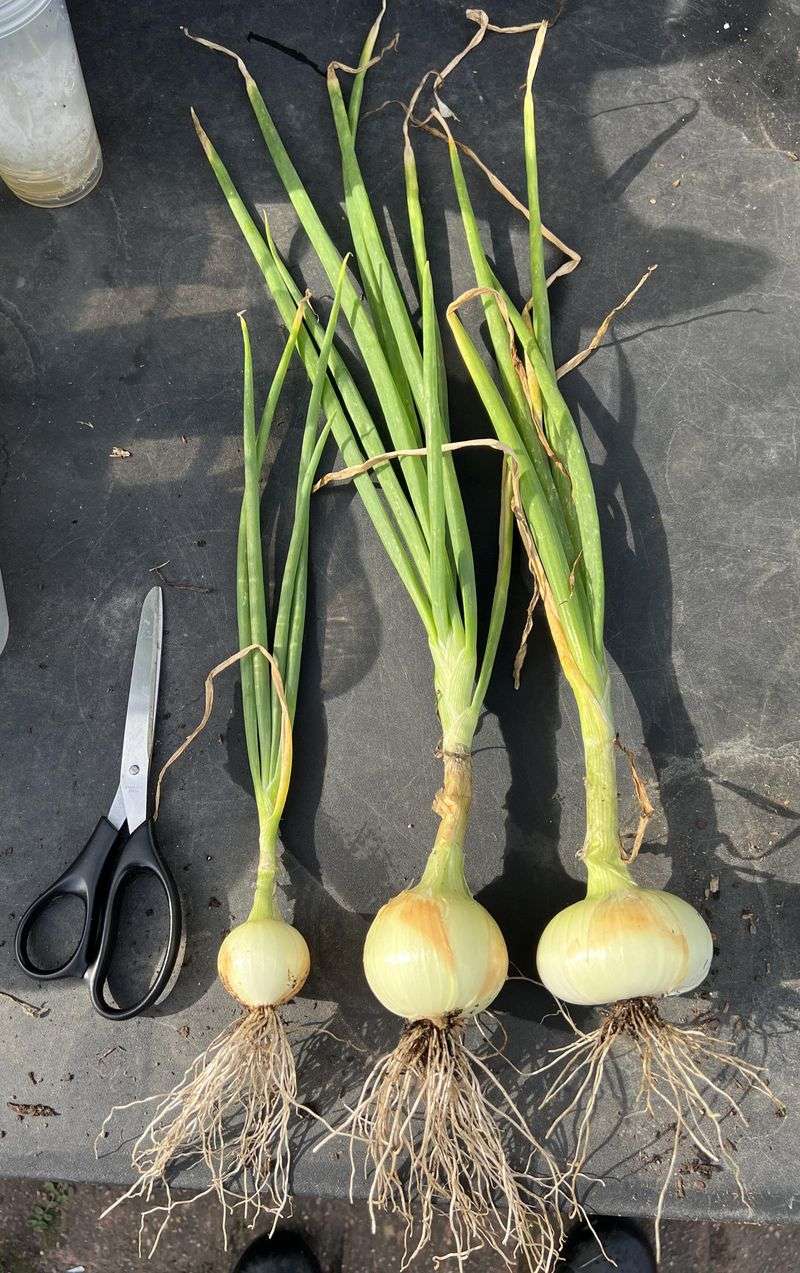
Planting onions in late April is one of the smartest moves a Central Oregon gardener can make. Onions need a long growing season, and getting them in the ground early gives them the full stretch of time they need to develop big, flavorful bulbs by late summer.
You can plant onions from seeds, sets, or transplants. Sets, which are small dry bulbs, are the easiest and fastest option for most home gardeners.
Push onion sets about one inch into the soil, pointy end up, and space them four to six inches apart. They are not fussy about soil as long as it drains well and has been amended with compost.
Onions are heavy feeders, so a nitrogen-rich fertilizer applied a few weeks after planting helps them grow big and strong. Keep the bed weeded since onions have shallow roots and do not compete well with weeds.
Short-day and intermediate-day onion varieties work best in Central Oregon’s latitude and light conditions. Walla Walla Sweet is a Pacific Northwest favorite known for its mild, sweet flavor.
Yellow storage onions are great if you want bulbs that last through the fall and winter. Watch for the tops to fall over naturally.
That is your signal that the onions are ready to be pulled and cured for long-term storage.