What Colorado Law Says About Crops That Grow On Shared Fences
Crops creeping along a shared fence can stir up more curiosity—and conflict—than a surprise hailstorm on the Front Range.
One season the fence stands bare, the next it carries tomatoes, beans, cucumbers, or hops stretching across boards as if the property line doesn’t exist.
Neighbors admire the growth, scratch their heads, and sometimes argue over who owns what once edible produce starts ripening within arm’s reach.
Colorado’s blend of rural tradition and suburban expansion adds a twist to the issue.
Long-standing customs meet modern expectations, and opinions often race ahead of the law.
A plant rooted on one side but leaning onto another creates a gray zone that sparks debates at kitchen tables and backyard barbecues alike.
Folks want simple answers, yet the rules unfold with more nuance than most expect.
Ownership Of Crops Depends On Root Location
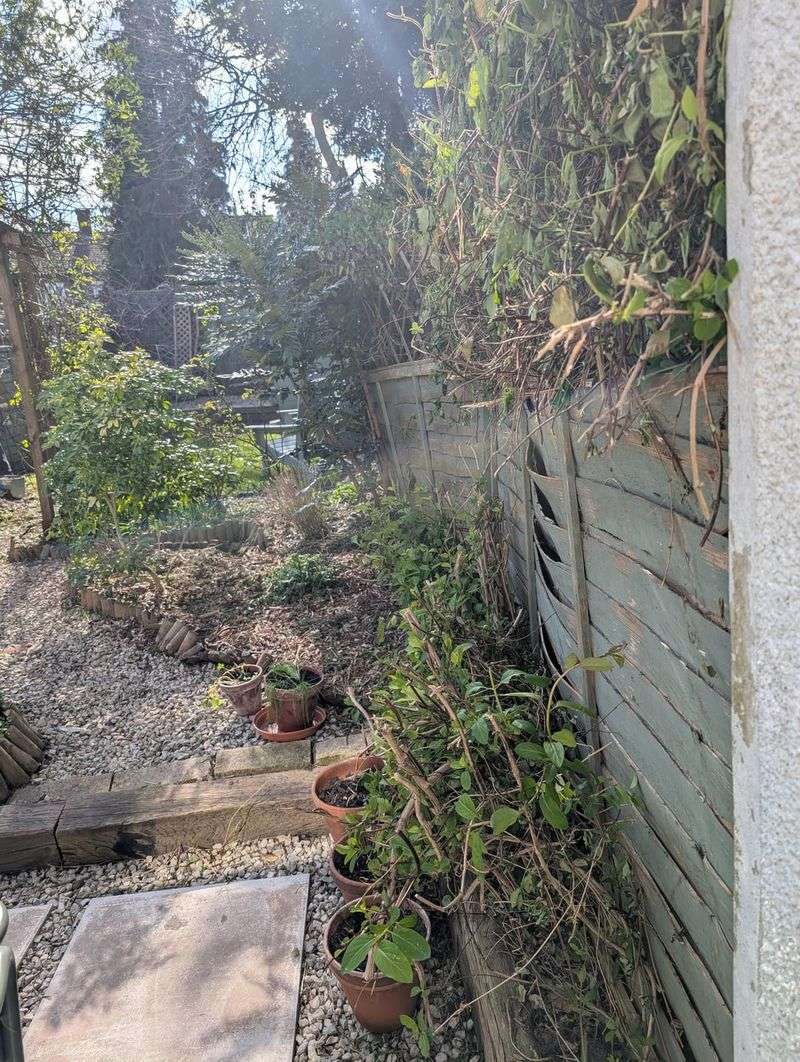
Colorado law determines crop ownership based on where the plant’s roots are anchored in the ground.
If your tomato plant has roots entirely on your side of the property line, you own all the tomatoes it produces, even if branches hang over into your neighbor’s yard.
This principle applies to all types of crops, from vegetables to fruit trees.
The root location rule makes sense because plants draw nutrients and water from the soil where their roots sit.
Courts consider the original planting location the most important factor when determining ownership.
Your neighbor cannot legally harvest produce from plants rooted on your property, regardless of where the fruit hangs.
Documentation matters when disputes arise about where plants were originally placed.
Taking photos of your garden layout and keeping planting records can help prove ownership if questions come up later.
Some homeowners mark their planting areas with stakes or markers near the fence line for clarity.
This rule protects property owners who invest time, money, and effort into cultivating crops.
You maintain full rights to harvest and use produce from plants rooted on your land.
Understanding this basic principle helps prevent most fence-line crop disputes before they start.
Overhanging Branches Don’t Transfer Ownership Rights
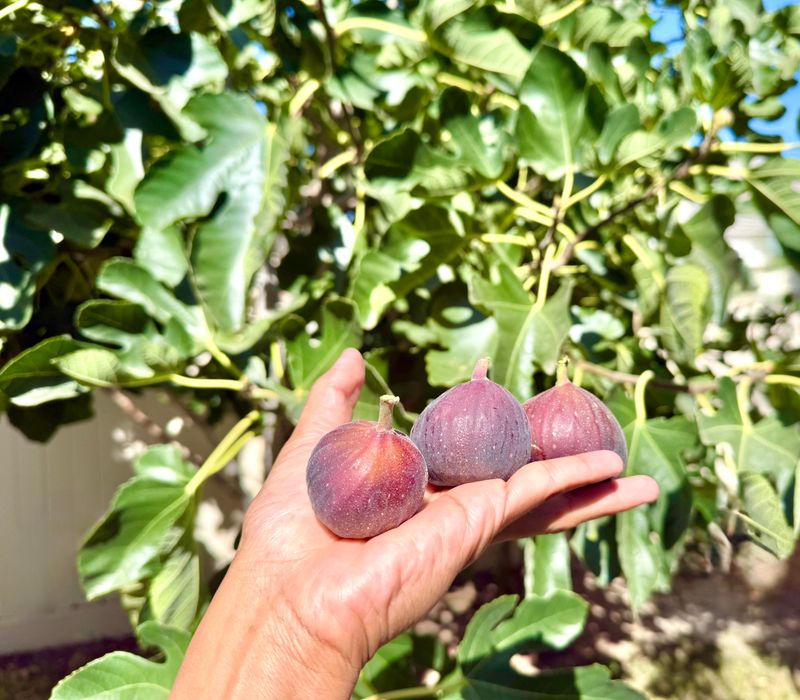
Many people mistakenly believe that if branches hang over their property, they own the fruit on those branches.
Colorado law clearly states that overhanging branches do not change who owns the crops.
The plant’s root location remains the deciding factor for ownership.
Your neighbor’s apple tree might drop fruit into your yard, but those apples still legally belong to your neighbor.
You cannot harvest fruit from branches that cross the property line without permission.
This rule applies even when the fruit naturally falls onto your side of the fence.
However, you do have the right to trim branches that extend over your property line.
Colorado allows property owners to cut back overhanging vegetation to the boundary line.
You must offer the trimmed branches and any fruit on them back to your neighbor, as they still own that produce.
Communication with neighbors about overhanging plants usually prevents legal problems.
Many neighbors reach informal agreements about sharing produce or trimming schedules.
Getting these agreements in writing, even casually through email, creates helpful records.
Respecting ownership rights maintains peaceful neighborhood relationships.
Always ask permission before taking produce from plants you didn’t grow, even when it seems conveniently within reach.
Shared Fence Maintenance Responsibilities Apply To Crops Too
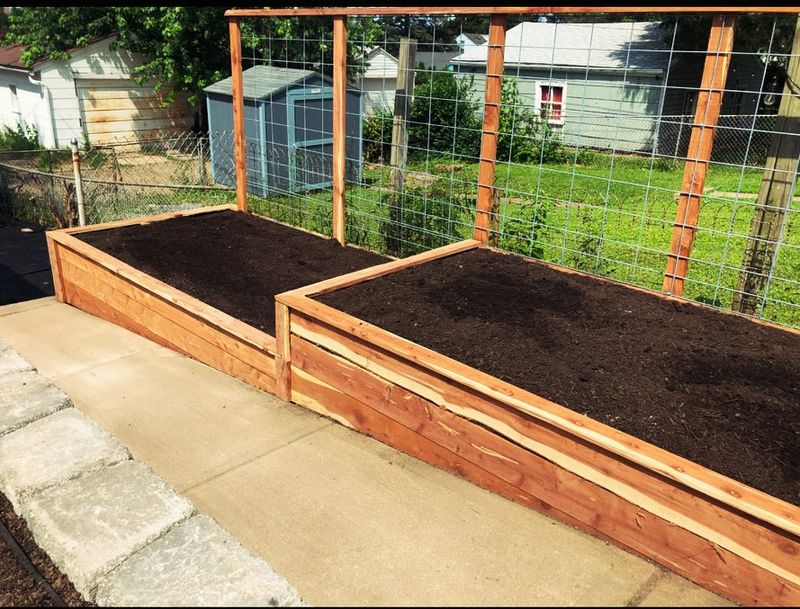
When two property owners share a boundary fence, Colorado law typically requires both parties to maintain it equally.
This responsibility extends to managing crops that affect the fence’s condition.
Heavy vines or climbing plants can damage fence structures over time.
If your grapevines cause the shared fence to sag or break, you may be responsible for repair costs.
The law expects property owners to prevent their plants from damaging shared structures.
Regular inspection and maintenance of crops growing on fences helps avoid these problems.
Both neighbors should agree before anyone plants crops that will use the shared fence for support.
Getting consent in advance prevents disputes about damage or unwanted vegetation.
Some fences aren’t strong enough to support heavy crops like pumpkins or large squash.
Documentation of the fence’s condition before planting crops provides protection for both parties.
Photos showing the fence’s state help determine if crops caused later damage.
This evidence becomes valuable if disagreements arise about repair responsibilities.
Cooperative maintenance creates better outcomes for everyone involved.
Neighbors who communicate about fence conditions and crop impacts typically avoid legal conflicts.
Splitting maintenance costs fairly keeps relationships positive and properties well-maintained.
Adverse Possession Doesn’t Apply To Annual Crops
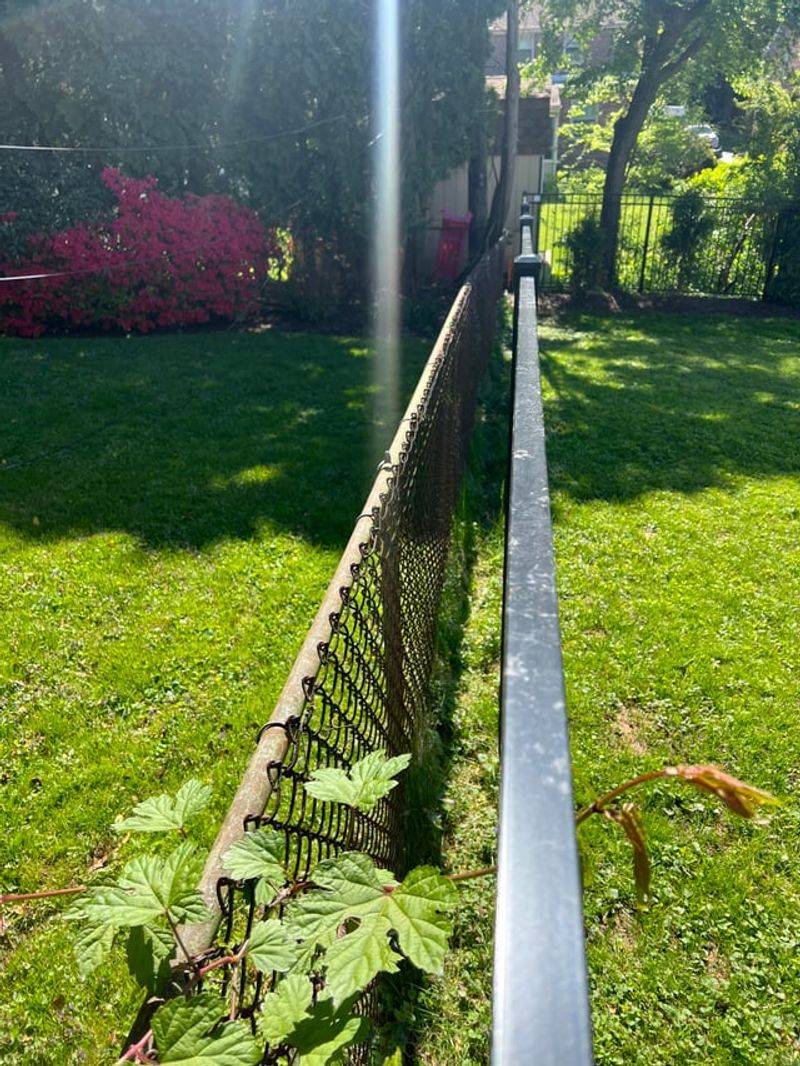
Adverse possession allows someone to gain legal ownership of property through continuous, open use over many years.
In Colorado, this typically requires 18 years of uninterrupted possession.
However, annual crops like vegetables don’t qualify for adverse possession claims.
Planting tomatoes or beans along a shared fence every summer doesn’t give you ownership rights to your neighbor’s land.
The temporary nature of annual crops prevents them from establishing the continuous possession required by law.
Each growing season represents a separate, short-term use.
Perennial crops like fruit trees or berry bushes create more complex situations.
If a fruit tree grows on the property line for 18 years without objection, ownership questions can arise.
Courts examine whether the tree’s location was openly visible and continuously maintained.
Property surveys become important when crops have grown along fence lines for many years.
Professional surveyors can determine the exact property boundary and where plants are actually rooted.
This information resolves disputes about which side of the line crops truly occupy.
Protecting your property rights requires attention to long-term plantings near boundaries.
If your neighbor plants perennial crops that encroach on your land, addressing the situation promptly prevents future ownership claims.
Written objections or agreements create clear records of property rights.
Water Rights And Irrigation Near Shared Fences

© Denco Fence Company
Colorado follows the prior appropriation doctrine for water rights, which affects how you can irrigate crops near shared fences.
You cannot allow irrigation water to flood your neighbor’s property or damage their land.
Careful watering practices near property boundaries protect everyone’s rights.
Drip irrigation systems work well for crops along fence lines because they deliver water precisely where needed.
These systems minimize runoff and prevent water from crossing into neighboring properties.
Sprinkler systems require careful adjustment to avoid spraying beyond your boundary.
Excess water that damages a neighbor’s property can make you liable for repairs.
If your irrigation causes soil erosion, foundation problems, or crop damage on the adjacent property, you may face legal responsibility.
Monitoring your watering systems regularly helps prevent these issues.
Drainage becomes important when growing crops near shared fences.
Natural water flow patterns should not be significantly altered by your gardening activities.
Creating barriers that redirect water onto a neighbor’s land violates Colorado water law.
Neighbors can work together to create mutually beneficial irrigation plans for fence-line gardens.
Shared water sources or coordinated watering schedules sometimes make sense for adjacent properties.
Written agreements about water use protect both parties and clarify expectations for crop irrigation near boundaries.
Pesticide And Herbicide Application Near Property Lines
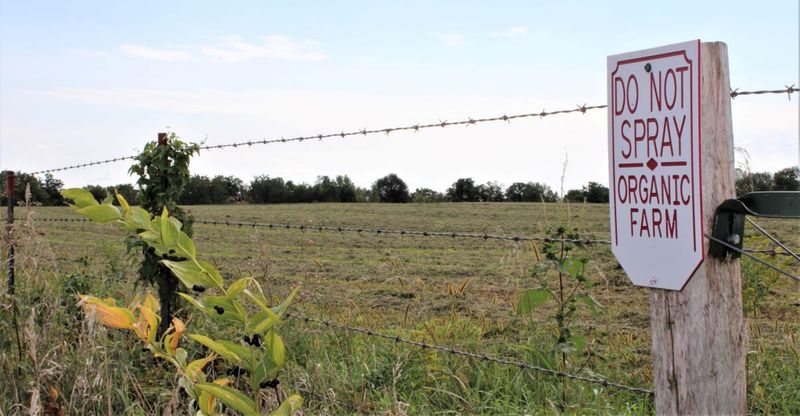
Colorado law strictly regulates pesticide and herbicide use, especially near property boundaries where chemicals can drift onto neighboring land.
You must take precautions to prevent chemicals from affecting your neighbor’s crops or property.
Drift onto adjacent properties can create legal liability.
Organic farmers or gardeners have special protections under Colorado law.
If your pesticide application contaminates an organic garden next door, you could face significant financial responsibility.
Organic certification can be lost due to chemical contamination, causing substantial economic harm.
Wind conditions matter greatly when applying any chemicals near fence lines.
Spraying on calm days reduces drift risk significantly.
Using targeted application methods like spot treatments instead of broadcast spraying protects neighboring properties.
Notification requirements may apply when using certain agricultural chemicals.
Informing neighbors before pesticide application allows them to take protective measures for their crops, pets, or children.
This courtesy often prevents conflicts and demonstrates responsible property management.
Alternative pest management strategies work well for crops near shared fences.
Hand-picking pests, using physical barriers, or choosing resistant plant varieties reduce the need for chemical applications.
These methods protect your relationship with neighbors while still maintaining healthy crops along boundary lines.
Dispute Resolution Options For Crop Conflicts
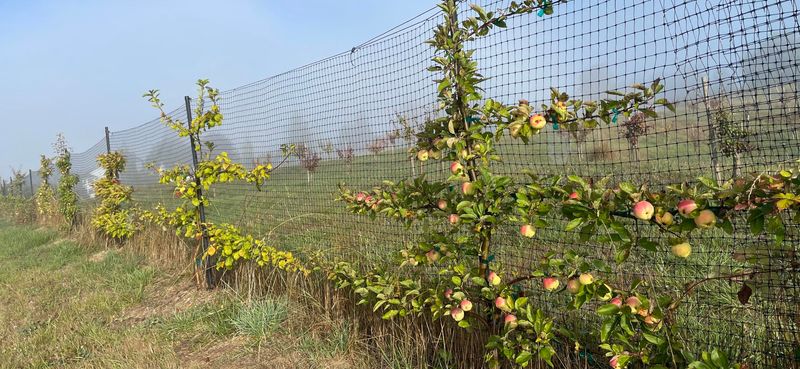
When disagreements arise about crops on shared fences, Colorado offers several resolution methods before going to court.
Mediation provides a cost-effective way to settle disputes with help from a neutral third party.
Many counties offer community mediation services specifically for neighbor conflicts.
Small claims court handles property disputes involving amounts up to $7,500 in Colorado.
This option works well for conflicts about crop damage, fence repairs, or harvest rights.
The process is simpler and less expensive than traditional lawsuits.
Homeowners associations sometimes have their own dispute resolution procedures for members.
HOA rules may include specific guidelines about fence-line plantings and crop management.
Checking your HOA covenant before planting prevents violations that could lead to fines or forced removal.
Direct communication remains the best first step for resolving most crop-related conflicts.
Approaching your neighbor calmly with specific concerns often leads to quick, friendly solutions.
Written agreements following these conversations create clear expectations for the future.
Legal consultation helps when informal resolution fails or when significant money is involved.
Property attorneys familiar with Colorado agricultural law can explain your rights and options.
Sometimes a lawyer’s letter clarifying legal positions encourages reasonable settlement without litigation.
Prevention through clear communication and respect for property rights avoids most disputes entirely.
Documentation And Agreements About Fence-Line Crops
Written agreements between neighbors about crops on shared fences prevent most legal problems before they start.
Simple documents outlining who can plant what, maintenance responsibilities, and harvest rights create clarity.
These agreements don’t need to be formal legal contracts to be helpful.
Photos documenting your garden layout, planting dates, and fence conditions provide valuable evidence if disputes arise.
Date-stamped images show the progression of crop growth and the state of shared structures.
Digital photos with automatic location and time data offer especially strong documentation.
Property surveys establish the exact boundary line and help determine where crops are actually located.
Professional surveys cost money but provide definitive answers about property lines.
Sharing survey costs with your neighbor makes this option more affordable for everyone.
Keeping receipts for plants, seeds, fence materials, and maintenance work demonstrates your investment in fence-line crops.
This financial documentation supports ownership claims and helps calculate damages if conflicts occur.
Organized records make legal processes smoother if they become necessary.
Email exchanges with neighbors about crops, fences, and property boundaries create informal but useful records.
Communications show good faith efforts to cooperate and establish timelines for agreements or disputes.
Saving these messages in a dedicated folder keeps important information accessible when needed.