What Connecticut Gardeners Should Know About Burning Yard Waste Near A Property Line
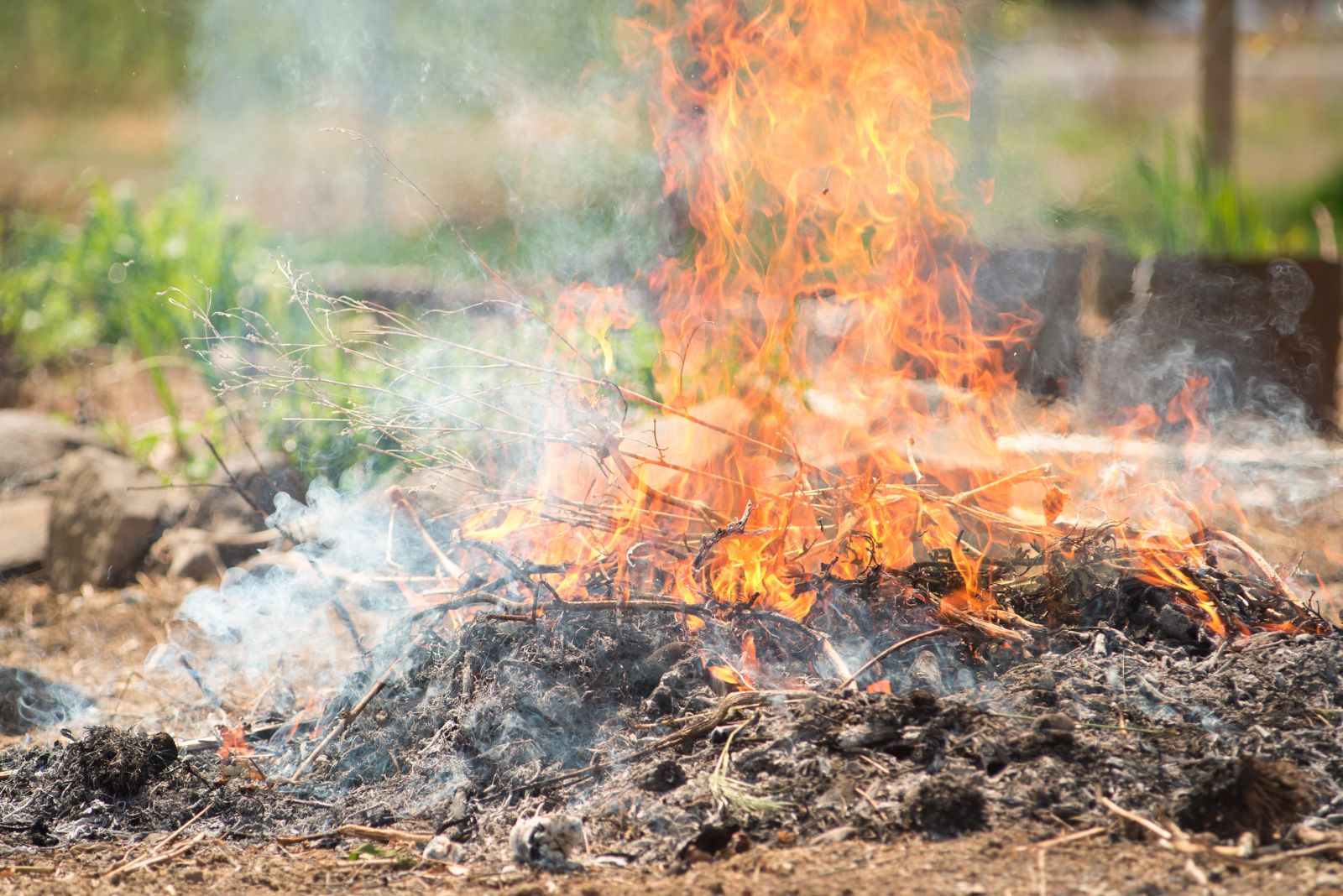
Burning yard waste may feel like the fastest way to clear leaves and branches in a Connecticut garden, but the moment that match touches the pile, the stakes rise.
What once seemed like a simple chore can quickly turn into a tangle of rules, risks, and neighborly concerns.
Flames don’t respect fences, and smoke has a mind of its own, drifting across property lines and inviting problems no gardener wants.
Over time, I’ve seen how a well-meaning burn can spark tension or trigger penalties when local guidelines aren’t followed.
Connecticut treats open burning with care for good reason, and each town adds its own layer of rules.
Knowing what materials are allowed, how far from a boundary you must stand, and which days burning is permitted can turn a risky guess into a safe routine.
Gardeners who stay ahead of the rules protect their yards, their neighbors, and the sense of community that makes shared spaces thrive.
1. Connecticut State Law Regulates Open Burning Strictly
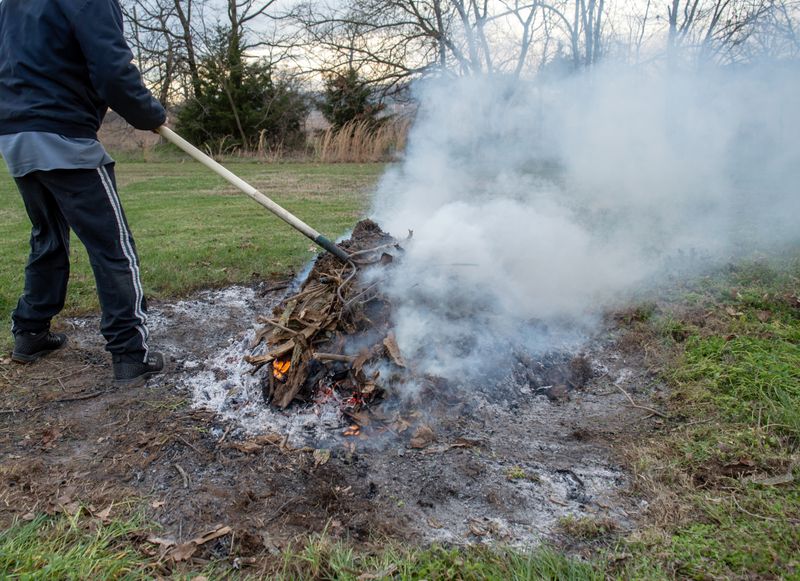
State regulations in Connecticut make it clear that open burning is not a free-for-all activity.
The Department of Energy and Environmental Protection (DEEP) sets the rules, and local municipalities can make them even stricter.
Most residential burning requires specific conditions to be met, and violating these laws can result in hefty fines ranging from hundreds to thousands of dollars.
Connecticut law generally prohibits burning household trash, construction debris, and treated wood products.
Only natural vegetation like leaves, brush, and untreated wood from your property may be burned in most areas.
Even then, you must follow local ordinances that might ban burning altogether during certain times of year or in specific zones.
Before you light anything on fire, contact your local fire marshal or town hall to learn the exact rules for your community.
Some Connecticut towns require permits for any open burning, while others ban it completely in residential areas.
Ignorance of the law won’t protect you from penalties.
When burning near a property line, you face additional scrutiny because smoke and sparks can easily drift onto neighboring land.
Authorities take complaints seriously, especially when burning affects others.
Your neighbors have the right to enjoy their property without smoke infiltration.
Respecting these regulations shows you care about community safety and environmental protection.
Connecticut gardeners who follow the rules avoid legal trouble and maintain good relationships with their neighbors.
Always verify current regulations before planning any burn, as laws can change based on drought conditions or air quality concerns.
2. Distance Requirements From Property Lines Matter Significantly
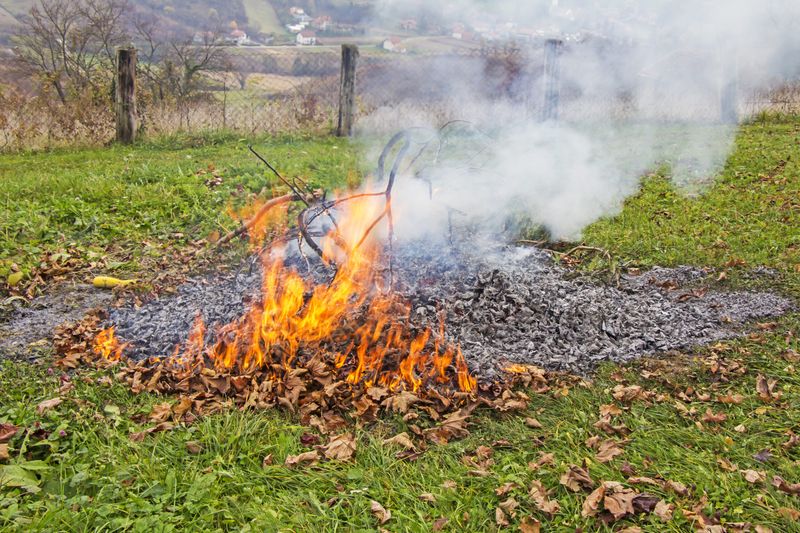
How far you must stay from property boundaries when burning varies throughout Connecticut, but most municipalities require at least 50 feet from any property line.
Some towns demand even greater distances, especially in densely populated areas where homes sit close together.
These setback requirements exist to prevent fires from spreading and to minimize smoke impact on neighbors.
Measuring the distance accurately is your responsibility as the property owner.
You cannot simply estimate or guess where 50 feet ends.
Use a measuring tape or hire a surveyor if you are uncertain about your exact property boundaries, because mistakes can be costly.
Beyond the legal distance requirements, consider practical safety factors.
Wind can carry embers much farther than you might expect, potentially igniting dry grass, leaves, or structures on adjacent properties.
Even if you meet the minimum legal distance, burning on a windy day near a property line creates unnecessary risks.
Your neighbors might have concerns even when you follow all distance rules perfectly.
Smoke drifts across property lines regardless of where the fire sits, and some people have respiratory conditions that make smoke exposure particularly problematic.
Being technically legal does not always make burning the neighborly choice.
Connecticut gardeners should view distance requirements as minimums, not targets.
Whenever possible, burn in the center of your property, far from all boundaries.
This approach reduces risks, minimizes complaints, and demonstrates respect for the people living around you.
Smart placement of burn piles protects everyone and keeps your gardening activities on good terms with the community.
3. Weather Conditions Can Make Or Break Safe Burning
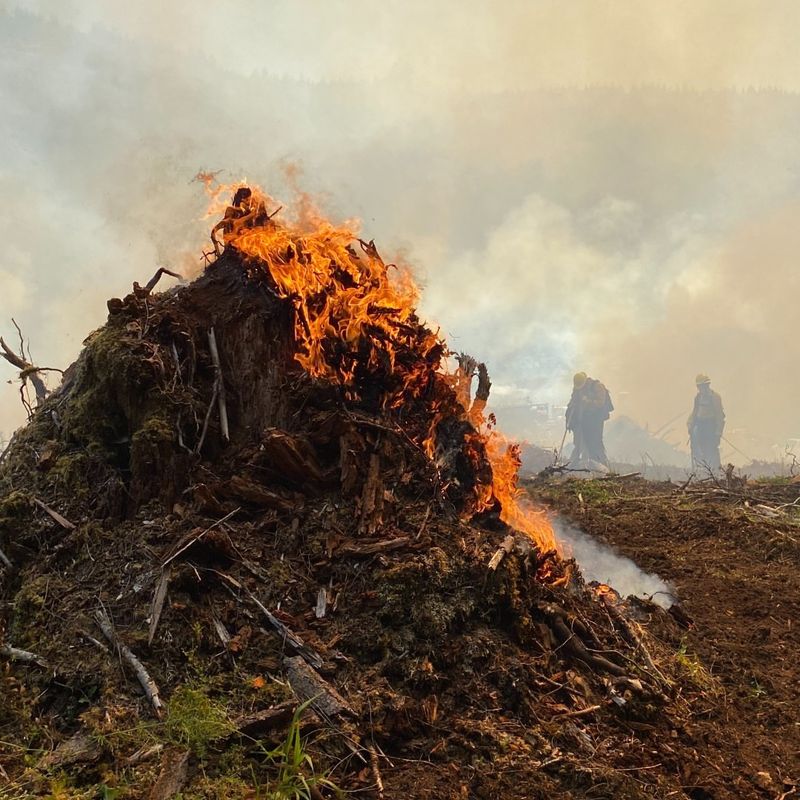
Checking the weather forecast should be the first thing you do before burning anything in your Connecticut garden.
Wind speed, humidity levels, and recent rainfall all determine whether burning is safe or downright dangerous.
High winds can scatter embers across property lines and into dry vegetation, starting fires you never intended.
Connecticut experiences varied weather patterns throughout the year, and conditions can change rapidly.
Spring and fall often bring dry periods when fire danger increases significantly.
During these times, many towns issue burning bans that override regular permits, so staying informed about current conditions is essential.
Ideal burning conditions include calm winds under 10 miles per hour, high humidity above 50 percent, and recent rain that has moistened surrounding vegetation.
Early morning or late evening typically offers the calmest conditions.
Never burn when winds are gusty or changing direction frequently, as controlling smoke and embers becomes nearly impossible.
Temperature inversions, common in Connecticut valleys, can trap smoke close to the ground instead of allowing it to rise and disperse.
This creates serious air quality problems for neighbors and violates nuisance laws even when your fire is technically legal.
If smoke is hanging low and thick, extinguish your fire immediately.
Responsible gardeners in Connecticut monitor weather conditions continuously while burning, not just at the start.
Conditions that seem perfect at 8 AM might deteriorate by noon.
Keep a weather app handy and be prepared to extinguish your fire quickly if winds pick up or conditions change for the worse.
4. Smoke Nuisance Laws Protect Your Neighbors’ Rights
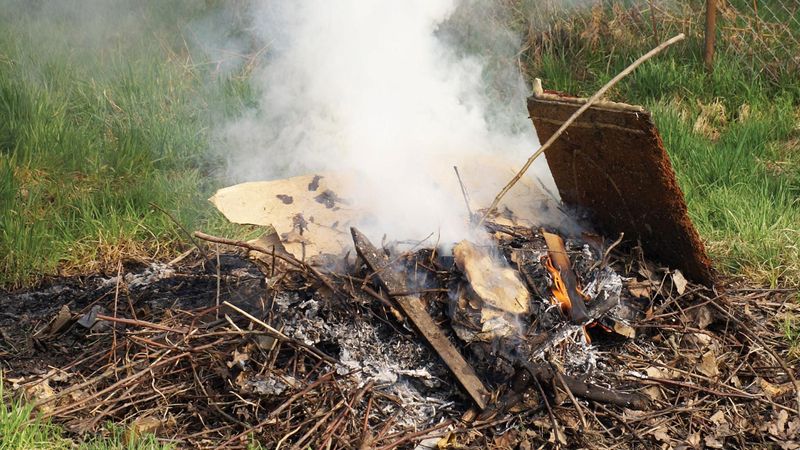
Even when burning is legal and you follow all distance requirements, you can still violate nuisance laws if your smoke bothers neighbors.
Connecticut law recognizes that people have the right to enjoy their property without excessive smoke infiltration.
Courts have sided with complainants in cases where smoke made it impossible to use yards, open windows, or hang laundry outside.
What counts as a nuisance depends on several factors, including frequency, duration, and intensity of smoke.
Burning occasionally on ideal weather days rarely causes problems, but repeated burning that consistently sends smoke into neighboring yards creates legal liability.
Your neighbors do not have to tolerate constant smoke just because you have a legal burn permit.
People with asthma, allergies, or other respiratory conditions face real health risks from smoke exposure.
In Connecticut, this concern has grown as more people work from home and spend increased time in their yards.
What might have been tolerable years ago now affects daily life more significantly.
Communication goes a long way toward preventing nuisance complaints.
Informing neighbors before you burn gives them time to close windows or plan indoor activities.
Most people appreciate the courtesy and will be more understanding when they know burning is temporary and infrequent.
Connecticut gardeners should remember that being a good neighbor sometimes means choosing alternatives to burning.
Composting, chipping, or municipal yard waste collection might take more effort, but these methods eliminate smoke issues entirely.
When you do burn, keep fires small, tend them constantly, and extinguish them completely as soon as possible to minimize impact on surrounding properties.
5. Fire Safety Equipment Must Be Ready Before Ignition

Never start a fire without proper suppression equipment immediately available.
Connecticut fire departments respond to numerous escaped yard waste fires every year, many of which started because homeowners were unprepared to control their burns.
A garden hose connected to a water source and ready to use is the absolute minimum requirement.
Beyond a hose, keep additional tools nearby including rakes, shovels, and buckets of water or sand.
These tools let you quickly smother flames or separate burning material if your fire starts spreading.
A fire extinguisher rated for outdoor use provides extra insurance, especially when burning near structures or property lines.
Your hose must reach the burn area with enough pressure to effectively spray water.
Test it before lighting anything.
Many Connecticut homes have well water systems that might not provide strong pressure, making additional water storage in barrels or tanks a smart backup plan.
Someone must attend the fire constantly from ignition until complete extinguishment.
Walking away, even briefly, is when most problems occur.
Embers can reignite fires hours later, especially in dry, windy conditions.
Plan to stay with your fire the entire time it burns.
After burning, drown the ashes thoroughly with water, stir them, and water them again.
Feel the area with your hand to ensure no hot spots remain.
This process takes time but prevents fires from restarting after you think everything is safe.
Connecticut gardeners who rush this final step risk fires that escape hours later, potentially crossing property lines while they sleep or are away from home.
6. Alternative Disposal Methods Often Work Better Than Burning

Many Connecticut municipalities now offer yard waste collection programs that eliminate burning needs entirely.
These services turn your leaves, branches, and grass clippings into valuable compost that enriches soil throughout the community.
Participation is often free or costs less than you might expect, making it an economical choice.
Composting on your own property transforms yard waste into nutrient-rich soil amendment for your gardens.
This method produces no smoke, requires no permits, and improves your soil quality naturally.
Connecticut’s climate supports excellent composting conditions, and numerous resources exist to help beginners learn proper techniques.
Chipping or shredding branches creates mulch that protects plant roots, conserves moisture, and suppresses weeds.
You can rent a chipper for a day or hire services that come to your property.
The resulting wood chips work beautifully in garden paths and around trees and shrubs.
Leaving certain yard waste in place benefits wildlife and soil health.
Fallen leaves provide habitat for beneficial insects and slowly decompose to enrich the earth.
Brush piles in back corners of your property offer shelter for birds and small animals while breaking down naturally over time.
When you consider the time, effort, and risks involved in burning near property lines, alternatives often make more sense.
Connecticut gardeners who embrace these methods avoid legal complications, eliminate neighbor conflicts, and contribute to environmental sustainability.
Your yard waste contains valuable organic matter that benefits gardens far more than ash ever could.
Modern disposal methods align better with ecological principles while respecting community standards and maintaining peaceful relationships with people living nearby.
7. Liability Issues Can Arise From Escaped Fires
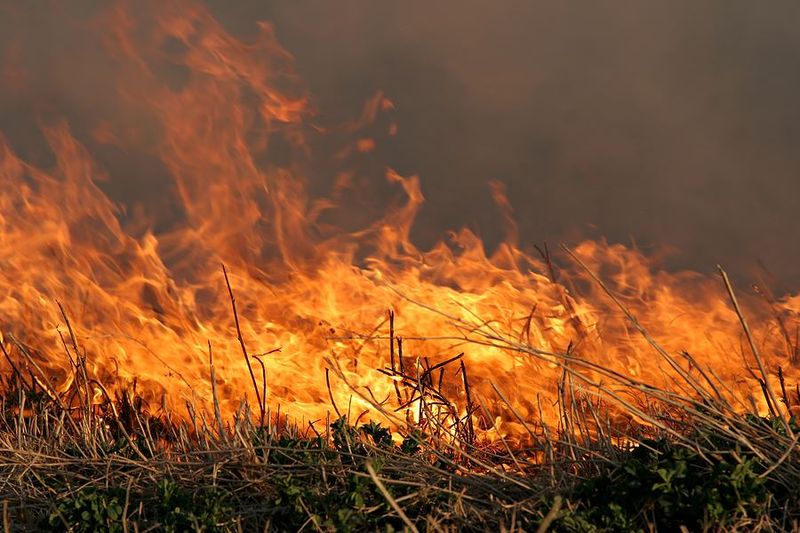
Property owners bear full legal responsibility when fires escape their control and damage neighboring land or structures.
Connecticut courts consistently hold that starting a fire creates a duty to prevent it from spreading.
If your yard waste fire crosses a property line and causes damage, you will likely face both civil liability and potential criminal charges.
Homeowners insurance might cover fire damage you cause to others, but policies often exclude damage from intentional acts or gross negligence.
Burning during banned periods, without permits, or in unsafe conditions could void your coverage.
Review your policy carefully and discuss coverage with your agent before burning anything.
The financial consequences of an escaped fire can be devastating.
Beyond property damage, you might face lawsuits for medical expenses if someone is injured, lost wages if people cannot work, and even temporary housing costs if homes become uninhabitable.
These expenses quickly reach tens or hundreds of thousands of dollars.
Criminal penalties in Connecticut for negligent burning include fines and potential jail time, especially if someone is harmed.
Fire marshals investigate escaped fires thoroughly, and prosecutors take these cases seriously.
A moment of carelessness can result in a criminal record that affects employment and housing opportunities.
Smart Connecticut gardeners recognize that the risks of burning near property lines far outweigh any convenience it offers.
The potential for catastrophic liability should make anyone think twice before lighting yard waste on fire.
When safer alternatives exist and regulations are strict, burning becomes a gamble with your financial security and legal standing.
Protecting yourself, your neighbors, and your assets means choosing disposal methods that eliminate fire risks altogether.