What Delaware Homeowners Should Know About Neighbors Who Attract Wildlife With Their Garden
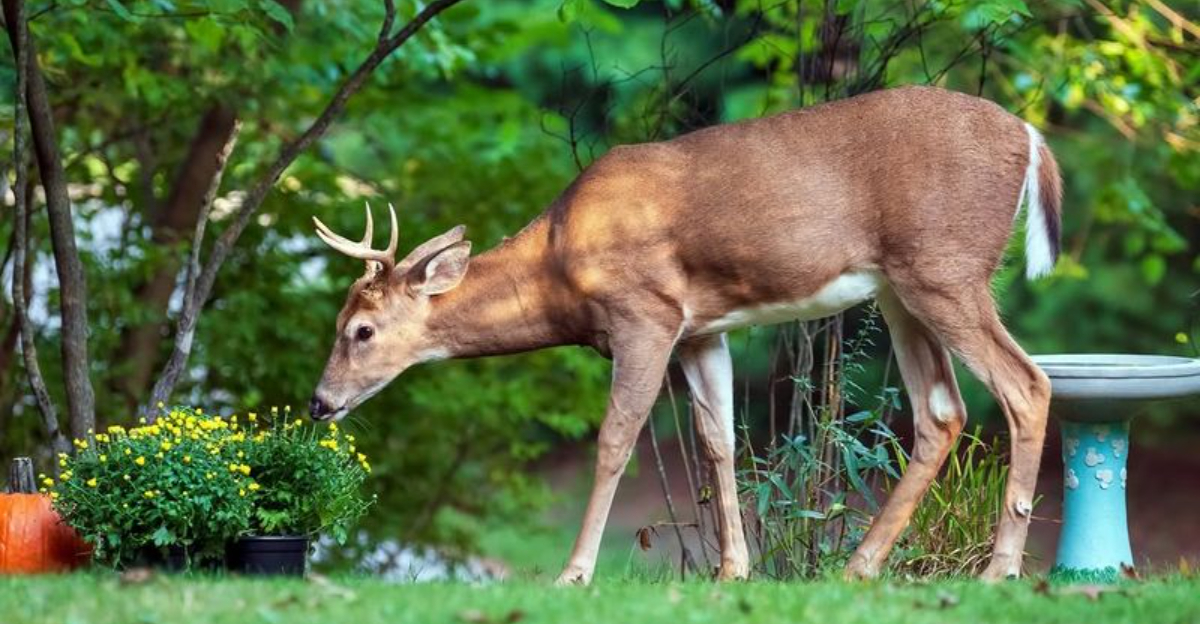
If you’ve ever looked out your window and wondered why a herd of deer is lounging in your yard like they pay rent, or why raccoons seem to know your trash pickup schedule better than you do, the answer might be growing next door.
In Delaware, where wildlife is part of everyday life, a neighbor’s picturesque garden can quickly turn into an irresistible invitation for critters of all kinds—and their visits don’t always stop at the property line.
While some neighbors love the idea of attracting birds, butterflies, and the occasional fox, others end up dealing with trampled flower beds, chewed fences, and unexpected nighttime visitors.
It’s a quirky, surprising problem that can lead to real frustration—and even legal questions—if not handled thoughtfully.
Before you march over with concerns or call the HOA, here’s what every Delaware homeowner should know when a garden becomes a neighborhood hotspot for wildlife.
Property Lines Don’t Stop Wildlife Movement
Animals don’t understand where one yard ends and another begins.
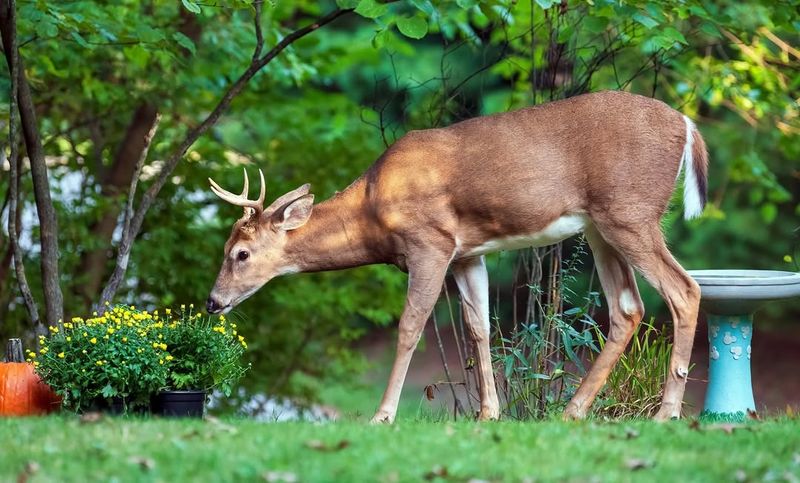
When your neighbor plants flowers, fruits, or vegetables that attract wildlife, those creatures will naturally wander onto nearby properties looking for more food and shelter.
Deer, rabbits, raccoons, and other animals follow scent trails and visual cues across entire neighborhoods.
Your carefully maintained lawn or garden might become a pathway or secondary feeding spot for animals drawn initially to your neighbor’s wildlife-friendly space.
Fences can slow some animals down, but many species easily jump over, dig under, or squeeze through common residential barriers.
Birds that visit feeders next door will also explore your trees and bushes.
Even small creatures like chipmunks and squirrels establish territories that span multiple properties.
Planning your own landscaping with this reality in mind helps prevent frustration later.
Consider installing motion-activated lights or using deer-resistant plants if you want to discourage visits.
Communication with your neighbor about wildlife patterns can benefit both households and create better solutions together.
Delaware Law Protects Most Garden Choices
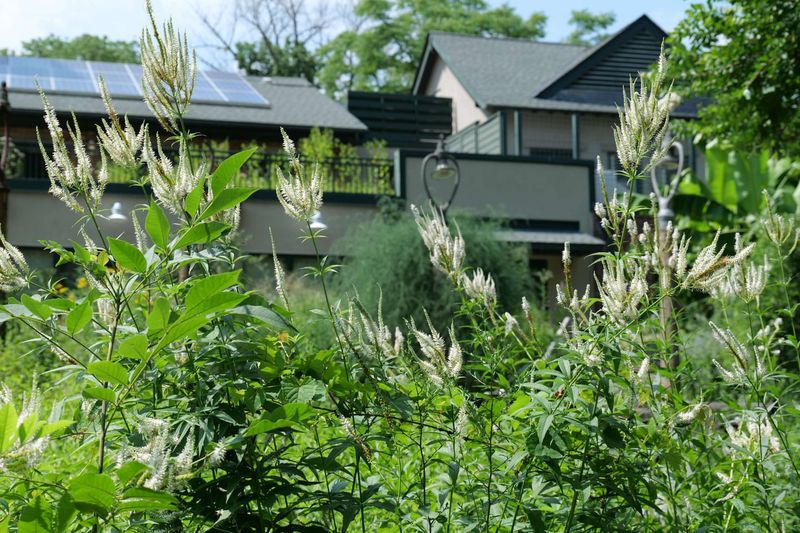
Your neighbor has considerable legal freedom to landscape their property as they choose, including planting gardens that attract wildlife.
Delaware state laws and most local ordinances don’t restrict homeowners from growing native plants or installing bird feeders and water features.
Unless specific HOA rules exist in your community, people can generally create wildlife habitats without asking permission from neighbors.
Some townships have regulations about maintaining yards and preventing public nuisances, but these rarely apply to well-maintained wildlife gardens.
Problems arise only when situations create genuine health hazards or property damage.
Homeowners associations sometimes have stricter landscaping guidelines, so checking your community’s governing documents can clarify what’s allowed.
Even then, many HOAs are becoming more accepting of native plant gardens because they support local ecosystems.
If wildlife from a neighbor’s garden causes significant damage to your property, you might have legal recourse, but simply attracting animals isn’t typically grounds for complaint.
Understanding these legal boundaries helps set realistic expectations.
Approaching situations with knowledge and respect makes neighborhood discussions more productive than confrontational demands.
Bird Feeders Create Unexpected Challenges
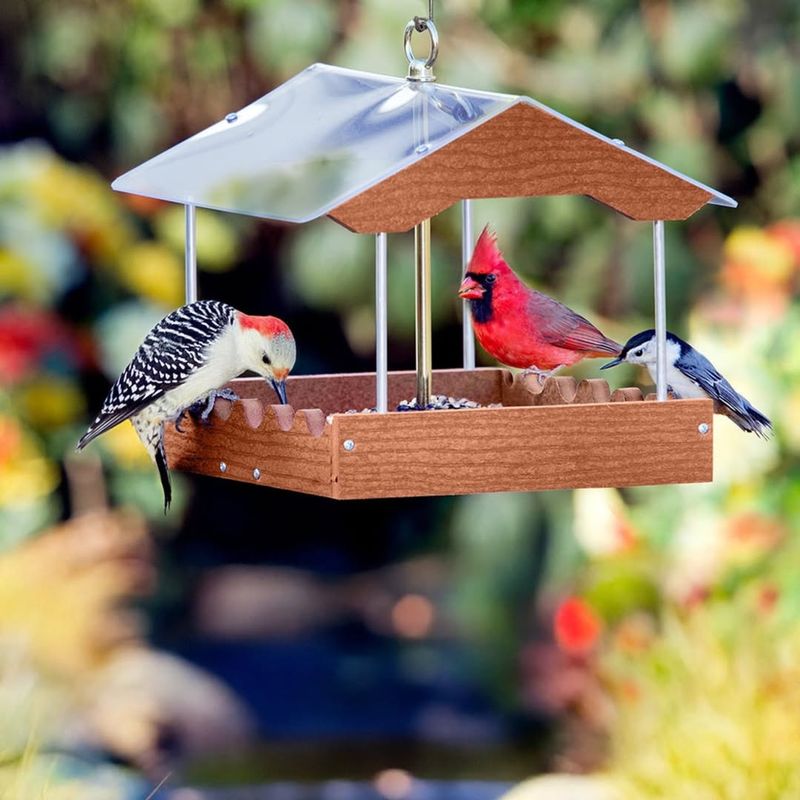
Bird feeders seem harmless, but they can bring complications that extend beyond property lines.
Spilled seeds attract not just birds but also squirrels, mice, rats, and larger animals like raccoons and bears.
Delaware’s black bear population has been growing, and bird feeders are a common attractant that brings them into residential areas.
Once bears discover a reliable food source, they often return repeatedly and expand their search to nearby properties.
Rodents attracted to seed spillage can eventually find their way into homes, garages, and sheds throughout the neighborhood.
Bird droppings accumulate under heavily used feeders, creating unsightly messes and potential health concerns.
Some bird species become aggressive during breeding season, especially around concentrated food sources.
Neighbors might notice increased bird activity and noise in their own yards.
Window strikes often increase when bird populations concentrate in small areas.
The Delaware Division of Fish and Wildlife recommends removing feeders seasonally, especially during bear-active months from April through November.
Discussing feeder management with your neighbor can help minimize problems while still supporting bird populations responsibly.
Native Plants Support Local Ecosystems
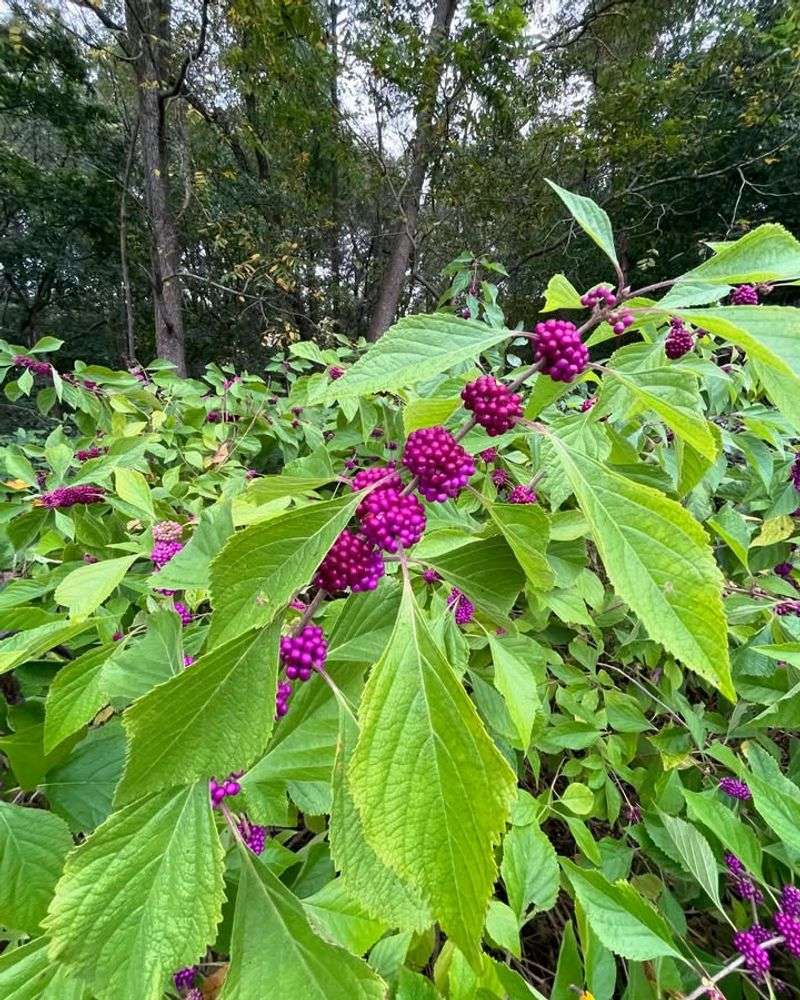
Gardens featuring Delaware native plants actually benefit the entire neighborhood ecosystem in important ways.
Native species evolved alongside local wildlife, providing food and shelter that non-native ornamentals can’t match.
These plants require less water, fewer pesticides, and minimal fertilizer compared to traditional lawns and exotic landscaping.
Butterflies, native bees, and other pollinators depend on native plants for survival, and their presence improves fruit and vegetable production in nearby gardens.
Healthy pollinator populations benefit everyone growing tomatoes, squash, berries, or flowering plants.
Native plants also have deeper root systems that prevent erosion and filter stormwater more effectively than grass.
Delaware faces increasing challenges with stormwater runoff, so gardens that absorb water help the whole community.
Birds that nest in native shrubs and trees eat enormous quantities of mosquitoes and other pest insects.
Rather than viewing a neighbor’s native plant garden as a problem, recognizing its ecological value provides perspective.
Many Delaware communities are actually encouraging native landscaping through educational programs and incentives.
Supporting these efforts creates healthier neighborhoods for people and wildlife alike.
Deer Damage Can Multiply Across Properties
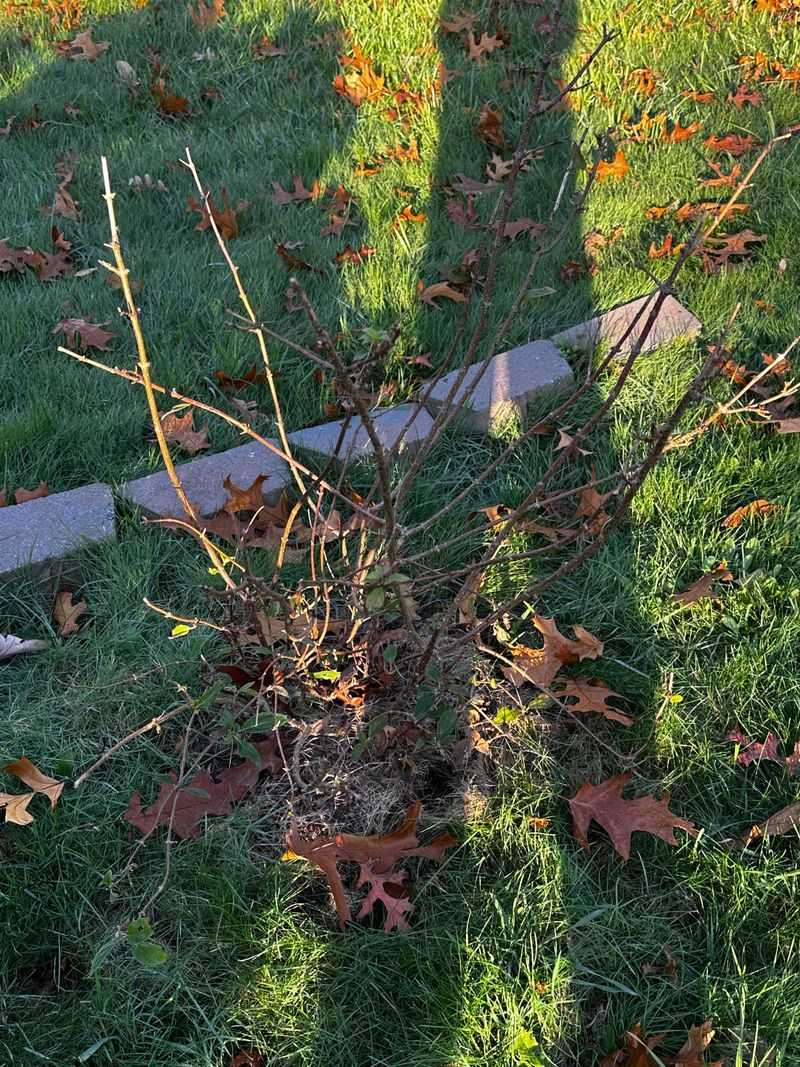
Once deer establish a feeding pattern in your neighbor’s garden, they’ll likely sample everything else nearby.
White-tailed deer are abundant throughout Delaware and constantly search for tender plants, flowers, and vegetables.
A garden designed to attract wildlife becomes a deer magnet, and these animals quickly learn neighborhood layouts.
They typically feed during dawn and dusk, moving through yards in small family groups.
Deer can devastate hostas, roses, vegetable gardens, and young trees in a single night.
Male deer also damage trees and shrubs by rubbing their antlers during fall mating season.
Your neighbor might accept deer damage as part of their wildlife-friendly approach, but you probably don’t want your expensive landscaping destroyed.
Installing deer fencing around your property requires significant investment, typically seven to eight feet high to be effective.
Repellent sprays work temporarily but need frequent reapplication and lose effectiveness during rain.
Motion-activated sprinklers startle deer but might also annoy neighbors or waste water.
Planting deer-resistant species in your own yard provides the best long-term solution.
Sharing information about deer-resistant plants might help your neighbor make choices that reduce overall deer attraction.
Rodent Populations Can Explode Quickly
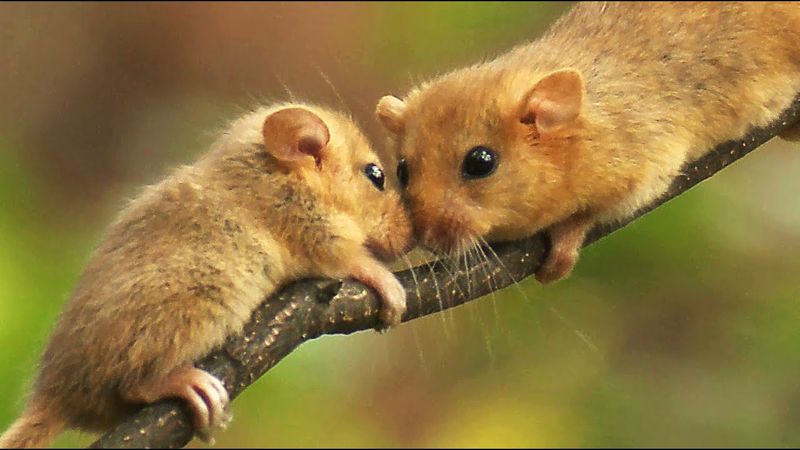
Wildlife gardens that provide abundant food and shelter can lead to rapid rodent population growth affecting multiple properties.
Mice and rats reproduce incredibly fast, with a single pair potentially producing dozens of offspring in one season.
Gardens with dense plantings, brush piles, compost bins, and fallen fruits create perfect rodent habitat.
These animals don’t stay confined to one property but establish networks of burrows and pathways throughout neighborhoods.
Rodents carry diseases including hantavirus, leptospirosis, and salmonella that pose health risks to humans and pets.
They also attract predators like snakes, hawks, and owls, which some people find unsettling.
Once rodents discover reliable food sources, they’ll investigate nearby homes for additional shelter and nesting sites.
Garages, sheds, attics, and crawl spaces become targets for rodents seeking protected areas.
Electrical wiring, insulation, and stored items suffer damage from rodent chewing and nesting behaviors.
Prevention requires eliminating food sources, sealing entry points, and maintaining clean yards.
If your neighbor’s garden contributes to rodent problems, documenting the issue with photos and dates helps if you need to involve local authorities.
Most townships have ordinances against creating conditions that harbor rodents or pests.
Water Features Attract Mosquitoes And Amphibians
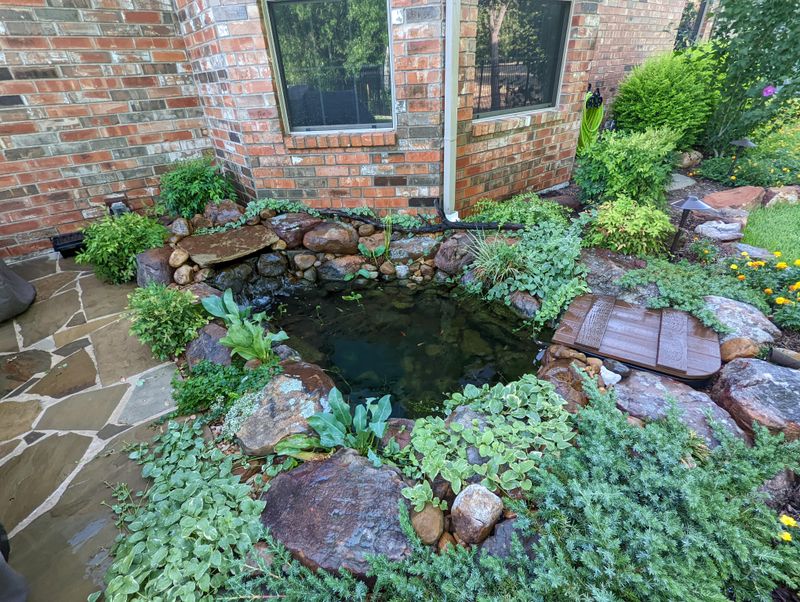
Ponds, birdbaths, and other water features in wildlife gardens can become mosquito breeding grounds that affect surrounding properties.
Female mosquitoes lay eggs in standing water, and larvae develop into biting adults within just a week during warm weather.
Delaware’s humid summers already create mosquito challenges, and additional standing water makes the problem worse.
Mosquitoes don’t respect property boundaries and will seek blood meals from anyone nearby.
Some species carry diseases like West Nile virus and Eastern Equine Encephalitis, which occasionally appear in Delaware.
Well-maintained water features with circulating pumps or frequent water changes reduce mosquito breeding, but stagnant areas remain problematic.
Ponds also attract frogs, toads, and salamanders, which many people enjoy but others find disturbing.
Frog calls during spring breeding season can be surprisingly loud, especially from species like spring peepers.
Amphibians wander between water sources, potentially showing up in unexpected places like window wells or garages.
Snakes often follow amphibian populations, seeking easy prey around ponds and wet areas.
If mosquitoes become excessive, local health departments can investigate breeding sources and require property owners to address problems.
Friendly conversations about water feature maintenance can prevent issues before they require official intervention.
Seasonal Wildlife Behavior Changes Impact Everyone
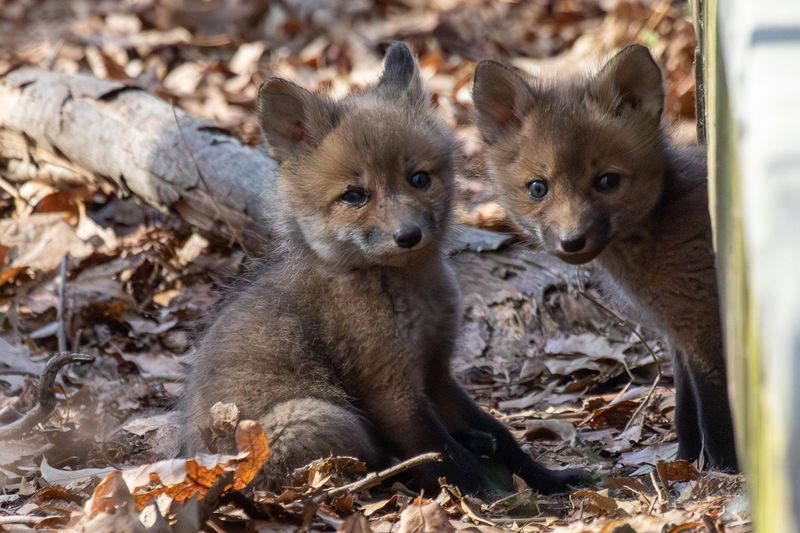
Wildlife activity patterns shift dramatically throughout the year, creating different challenges each season.
Spring brings nesting birds that become territorial and aggressive, especially species like robins, mockingbirds, and Canada geese.
Mothers with young offspring often appear in yards, from deer with fawns to raccoons with kits.
Summer means peak activity as animals feed heavily to support growth and prepare for winter.
Gardens with fruits, berries, and vegetables experience the most wildlife pressure during late summer harvest time.
Fall triggers migration patterns and food-hoarding behaviors in many species.
Squirrels become particularly active and bold, and bears enter hyperphagia, eating constantly to build fat reserves.
Winter concentrates wildlife around remaining food sources, making bird feeders and unharvested garden plants even more attractive.
Deer browse intensively on woody plants when other food becomes scarce.
Understanding these patterns helps you anticipate when wildlife pressure might increase in your own yard.
Your neighbor’s wildlife garden amplifies these natural cycles by providing concentrated resources.
Adjusting your own property management seasonally, like protecting vulnerable plants during peak feeding times, helps minimize damage.
Sharing observations about wildlife patterns builds neighborhood awareness and cooperation.
Insurance And Liability Considerations Matter
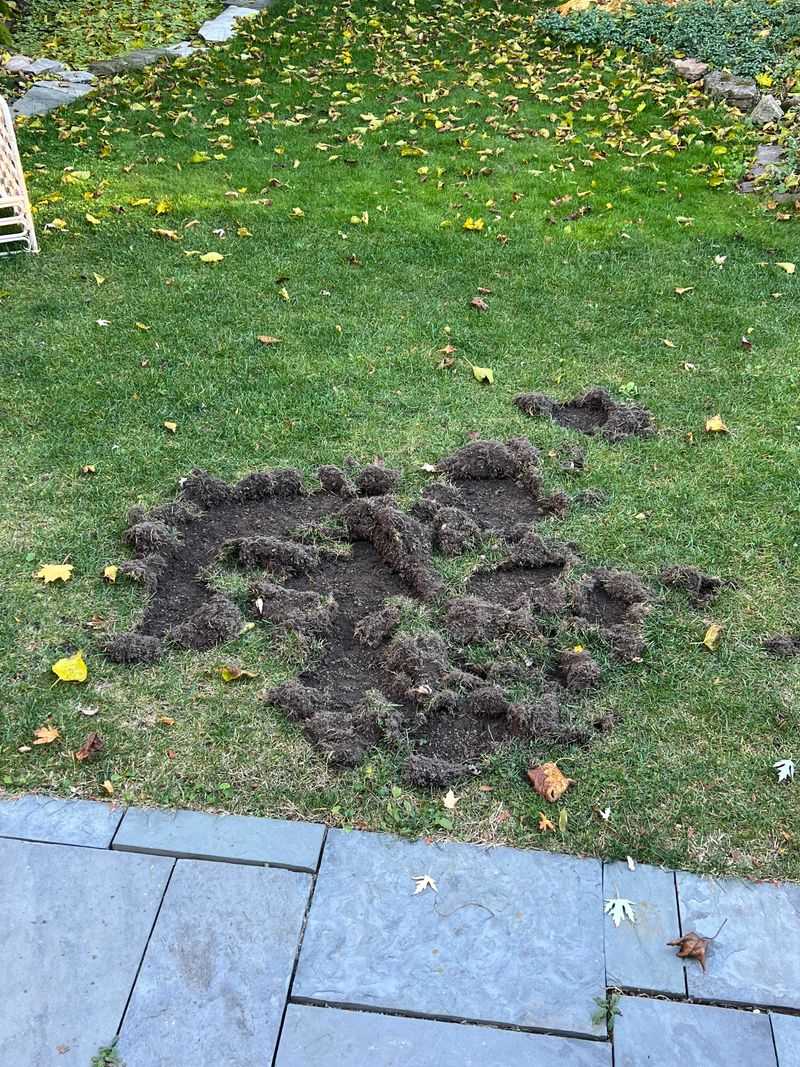
Wildlife attracted to a neighbor’s property can create insurance and liability questions that homeowners should understand.
Standard homeowner insurance policies typically don’t cover damage caused by birds, rodents, or other wildlife.
If deer eat your garden or raccoons damage your roof, you’ll likely pay for repairs yourself.
Proving that a neighbor’s actions directly caused wildlife damage is extremely difficult legally.
Courts generally don’t hold property owners liable for attracting wildlife unless they’re deliberately creating dangerous conditions.
However, if someone is feeding wildlife in ways that violate local ordinances and this causes documented damage, you might have grounds for a claim.
Documenting problems thoroughly with photos, videos, and written records becomes important if disputes escalate.
Some insurance companies offer optional wildlife damage coverage, though it typically comes with high deductibles.
If wildlife causes injuries to people or pets, liability questions become more serious.
A neighbor who knowingly attracts dangerous animals like bears could potentially face liability if someone gets hurt.
Consulting with your insurance agent about coverage options and limitations helps you prepare financially.
Understanding these issues before problems arise allows for more informed conversations with neighbors about responsible wildlife management.
Communication Prevents Neighborhood Conflicts
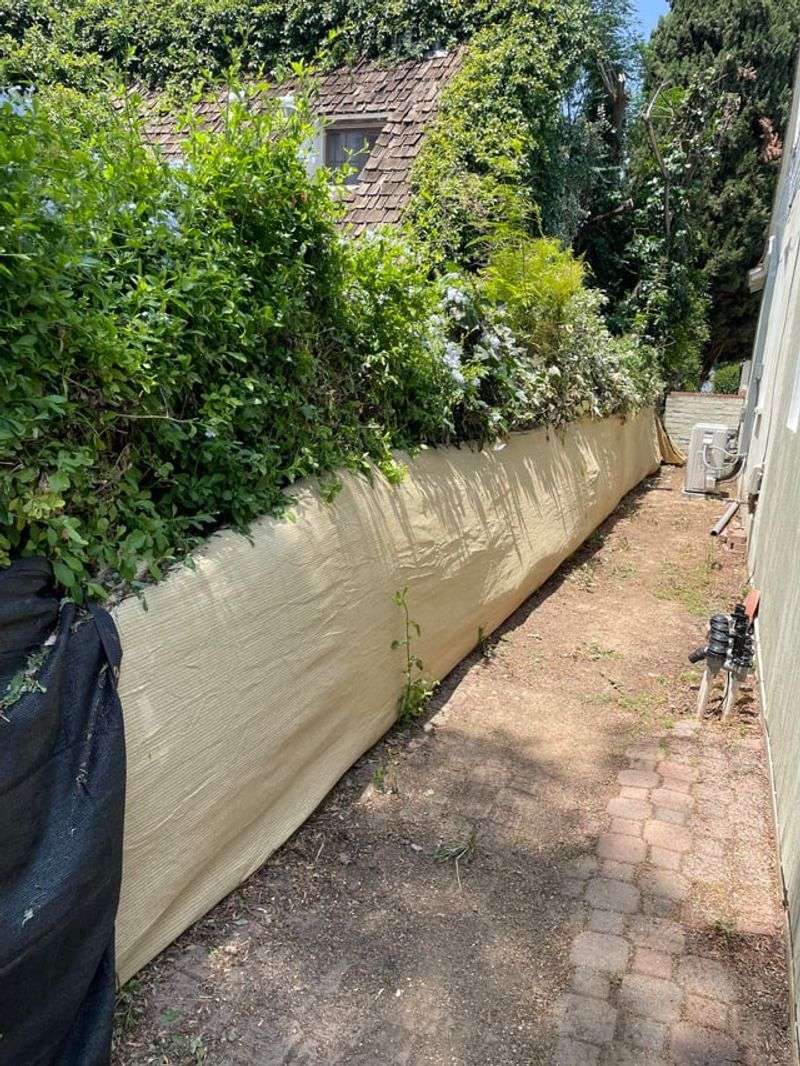
Approaching your neighbor with curiosity rather than complaints creates better outcomes for everyone involved.
Many people create wildlife gardens with good intentions, unaware that their choices might affect others.
Starting conversations by asking about their garden plans shows respect and opens dialogue.
You might learn that they’re already taking precautions or would be willing to adjust certain practices.
Sharing your own concerns honestly but kindly helps neighbors understand your perspective without becoming defensive.
Offering to share costs for solutions like better fencing or deer-resistant plants shows willingness to cooperate.
Sometimes neighbors don’t realize wildlife from their property is causing problems elsewhere until someone mentions it.
Bringing solutions rather than just complaints makes conversations more productive.
Research Delaware-specific wildlife management strategies together and explore options that work for both properties.
Local extension offices and wildlife agencies offer free advice and resources for managing wildlife conflicts.
Building positive relationships with neighbors creates long-term benefits beyond just wildlife issues.
Communities where people communicate openly and work together handle challenges more effectively.
Remember that today’s wildlife concern might be tomorrow’s shared solution if both parties approach the situation with goodwill and flexibility.