What Experienced California Gardeners Do Before Heat Waves Arrive
If you have lived through a California heat wave, you know how quickly a healthy garden can start to look stressed. One stretch of intense sun and rising temperatures can undo weeks of steady growth, especially if plants are not prepared ahead of time.
Experienced gardeners tend to watch the forecast closely and make a few quiet adjustments before the heat settles in. It is not about doing more work, but about doing the right things at the right moment.
Simple changes in watering, shading, and timing can help plants handle those hot days much better. Many of these steps take only a short time but can have a lasting effect once temperatures climb.
Getting ahead of a heat wave can keep your garden looking steady and reduce the chances of plants struggling through the toughest part of the season.
1. Deep Water Plants To Build Strong Root Systems
Roots are everything when it comes to surviving intense California heat. Plants with deep, well-established root systems can reach moisture that sits far below the soil surface, giving them a major advantage when the top layer of ground dries out completely.
Experienced gardeners know that shallow, frequent watering actually does more harm than good because it trains roots to stay near the surface where they are most vulnerable.
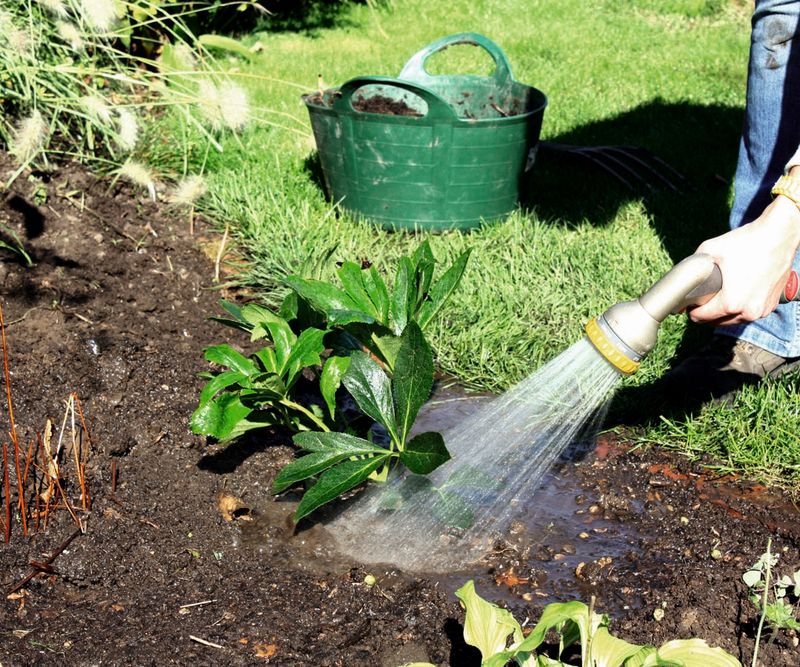
The smarter move is to water deeply and less often. When you give your garden a long, slow drink, water soaks several inches down into the soil, and roots naturally follow that moisture deeper.
A good rule of thumb is to water until the soil is moist at least six to eight inches below the surface. You can check this easily by pushing a wooden dowel or your finger into the ground after watering.
Soaker hoses and drip irrigation systems are popular tools among California gardeners because they deliver water slowly and directly to the root zone. This method also reduces evaporation, which is a big deal in hot, dry regions like Southern California and the Central Valley.
Start this deep watering routine at least a week before a predicted heat wave so roots have time to grow downward and anchor themselves. Giving your plants this kind of head start means they will be far better equipped to handle scorching temperatures without showing signs of serious stress.
2. Add Mulch To Lock In Soil Moisture
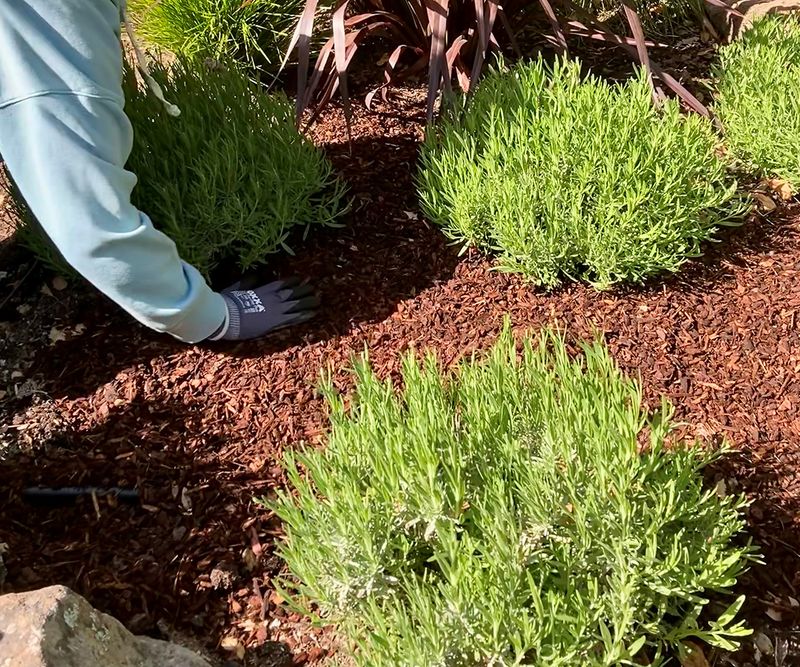
Walk through any well-maintained garden in California during summer and you will almost certainly notice a thick, even layer of mulch spread across the soil. That is not just for looks.
Mulch is one of the most effective tools a gardener has for protecting soil moisture, and seasoned growers treat it like a non-negotiable step before any heat wave arrives.
Organic mulches like wood chips, straw, shredded leaves, or bark work by creating a physical barrier between the hot sun and the soil surface. Without that layer, the sun can bake moisture right out of the ground in just a few hours on a triple-digit day.
A two to three inch layer of mulch can reduce soil temperature by as much as 10 degrees Fahrenheit, which makes a massive difference for plant roots trying to stay cool.
Beyond holding in moisture, mulch also helps prevent weeds from sprouting up and competing with your plants for water. As organic mulch breaks down over time, it adds nutrients back into the soil, improving its structure and water-holding capacity.
Gardeners in hot inland areas of California, like the Sacramento Valley and the Inland Empire, rely heavily on mulching because their summers are especially intense. Apply your mulch at least two or three days before a heat event, making sure to keep it a few inches away from plant stems to prevent rot.
Your soil will stay cooler, your plants will need less water, and your garden will thank you for it.
3. Check Irrigation Systems For Efficiency
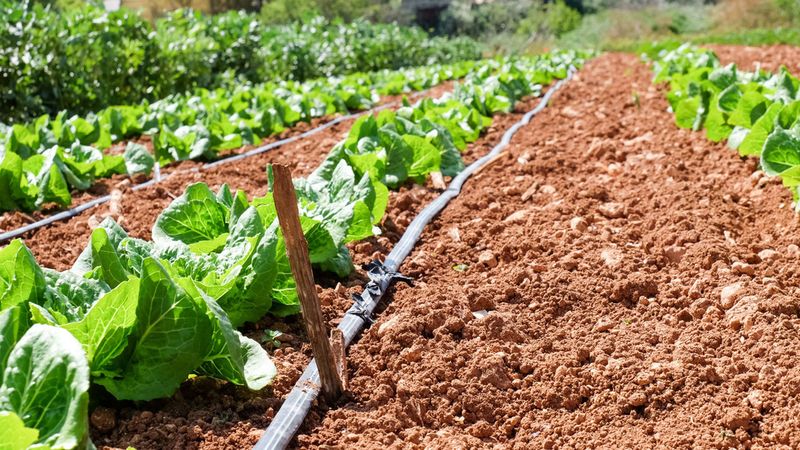
Picture this: a heat wave rolls through your neighborhood, temperatures hit 105 degrees, and you head outside only to discover that one of your drip emitters has been clogged for who knows how long. That is a nightmare scenario that experienced California gardeners work hard to avoid.
Checking your irrigation system before extreme heat arrives is one of the most practical things you can do to protect your garden investment.
Start by running your system through a full cycle and walking the entire garden while it operates. Look for emitters that are not dripping, spray heads that are clogged or misaligned, and any sections of hose that appear kinked or cracked.
Even a small blockage can mean one plant gets no water at all while everything around it gets plenty. Catching these issues early gives you time to replace parts before the heat hits and before stores sell out of supplies.
It is also a smart idea to check your system timer and make sure it is set to water during the cooler parts of the day, ideally early morning before the sun gets strong. Watering in the heat of the afternoon leads to rapid evaporation and can even cause leaf scorch on some plants.
Many gardeners in California’s Central Coast and San Diego regions have invested in smart irrigation controllers that automatically adjust watering schedules based on local weather data. Taking an hour or two to audit your irrigation system before a heat wave can mean the difference between a thriving garden and one that struggles to recover.
4. Provide Temporary Shade For Sensitive Plants
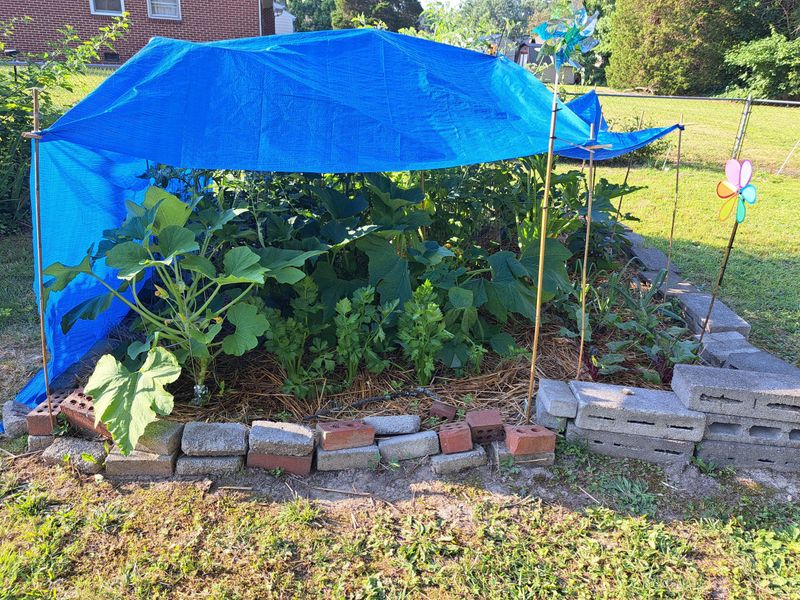
Some plants just were not built for blazing California sun. Lettuce, spinach, cilantro, and many flowering plants can go from lush and productive to wilted and scorched in a matter of hours when temperatures climb past 90 degrees.
Experienced gardeners do not simply hope for the best when a heat wave is on the way. They take action by setting up temporary shade structures before conditions get dangerous.
Shade cloth is one of the most popular and affordable solutions available to California gardeners. It comes in different densities, typically rated by the percentage of sunlight it blocks.
A 30 to 50 percent shade cloth works well for most vegetables and flowers, cutting down on intense afternoon sun while still allowing enough light for photosynthesis. You can drape it over simple PVC pipe hoops, wooden stakes, or even a basic metal frame to create a shaded canopy over your most vulnerable plants.
Old bed sheets, burlap fabric, and even bamboo roll-up shades can also work in a pinch if you do not have shade cloth on hand. The key is to set up your shading before the hottest part of the day arrives and to make sure there is still some airflow underneath so heat does not get trapped.
Gardeners in sun-heavy regions like the Coachella Valley and the Sacramento area often keep shade cloth stored and ready every summer because they know the heat can arrive without much warning. A little preparation goes a very long way.
5. Harvest Early To Reduce Plant Stress
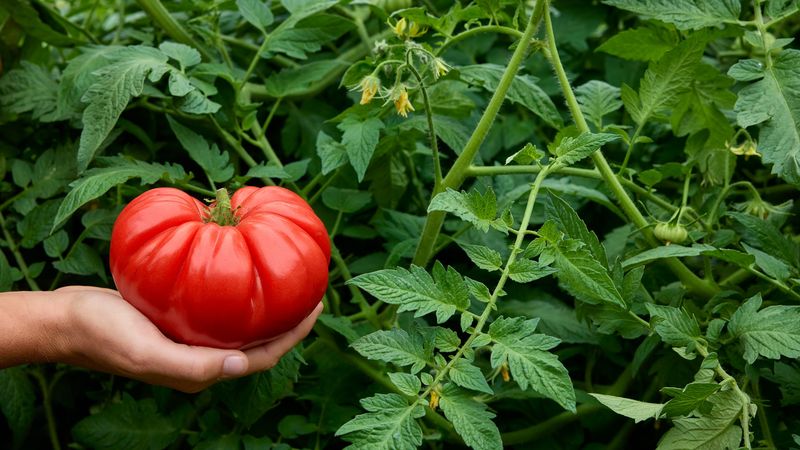
There is something deeply satisfying about picking vegetables right before a heat wave rolls through. But harvesting early is not just about enjoying fresh food sooner than planned.
For experienced California gardeners, it is actually a strategic move that helps protect the overall health of the plant during periods of extreme heat.
When a plant has fruit or vegetables that are nearly ripe, it is using a significant amount of energy to continue developing those crops. That energy demand puts extra stress on the plant at a time when it is already working hard just to stay hydrated and cool.
By harvesting anything that is close to ripe before the heat wave arrives, you are essentially lightening the plant’s workload and allowing it to focus its resources on basic survival functions like maintaining moisture and keeping its leaves healthy.
Tomatoes, peppers, squash, cucumbers, and beans are all good candidates for early harvesting. Tomatoes, in particular, will continue to ripen off the vine when left at room temperature, so pulling them slightly early is no problem at all.
Many California gardeners in the Bay Area and Los Angeles also trim off any flowers or very young fruit that will not have a chance to fully develop before the heat peaks. This might feel counterintuitive, but it gives the plant a much better shot at bouncing back quickly once temperatures cool down again.
Think of it as giving your garden a little breathing room when it needs it most.
6. Delay Fertilizing Before Extreme Heat
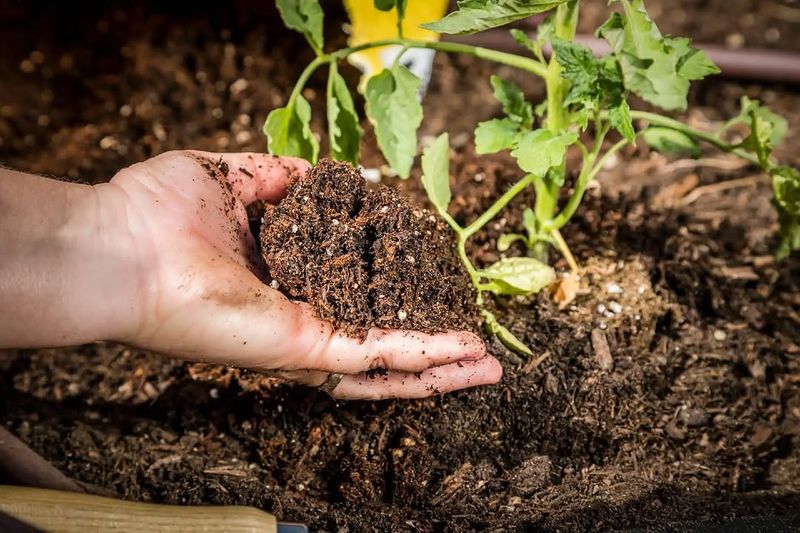
Fertilizer does wonderful things for gardens during the right conditions, but timing matters more than most people realize. Applying fertilizer right before a heat wave is one of the most common mistakes that newer gardeners make, and it can seriously backfire.
Experienced California growers know to hold off on feeding their plants until temperatures return to a more manageable range.
Here is why that matters: fertilizers, especially those high in nitrogen, push plants to produce new growth rapidly. That fresh, tender growth requires a lot of water and is highly sensitive to heat.
When a heat wave hits right after fertilizing, those new leaves and shoots can end up scorched and damaged because the plant simply cannot move water fast enough to support them in extreme temperatures. The result is a plant that looks worse than it would have if you had just left it alone.
Beyond the new growth issue, some fertilizers can actually increase the salt concentration in the soil, which draws moisture away from plant roots through a process called osmosis. This is especially problematic in already dry California soils.
It is generally a good idea to avoid fertilizing right before an expected heat event and focus instead on keeping your soil moist and well-mulched. Once the heat breaks and overnight temperatures drop back down, you can resume your regular feeding schedule.
Your plants will absorb nutrients far more effectively when they are not under heat-related stress. Patience at this stage pays off with a healthier, more resilient garden overall.
7. Group Containers To Reduce Drying
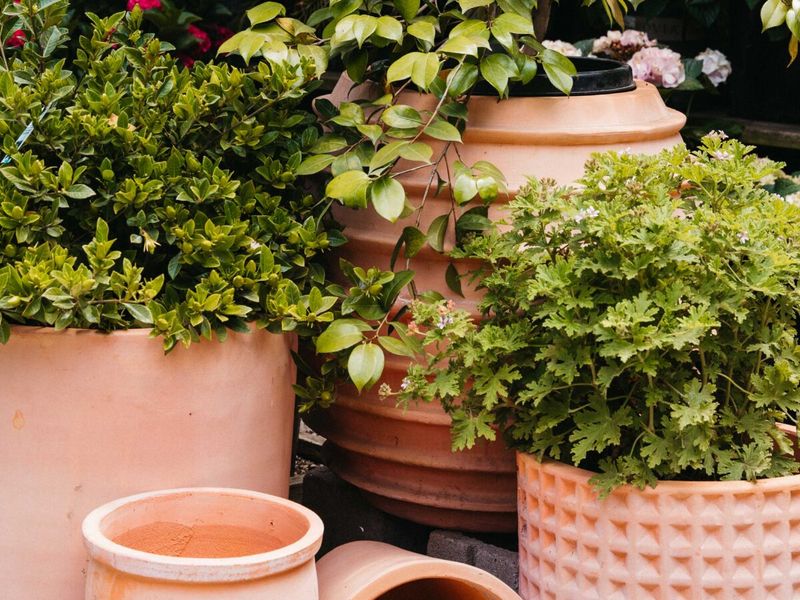
Container gardening is hugely popular across California, from tiny San Francisco apartment balconies to spacious Pasadena backyards. But pots and containers come with a serious weakness during heat waves: they dry out incredibly fast.
Unlike plants growing in the ground, container plants have a limited amount of soil to hold moisture, and that soil can go from damp to bone dry in just a few hours on a scorching afternoon.
One clever trick that experienced California gardeners use is grouping containers close together before a heat wave arrives. When pots are clustered, they shade each other’s sides, which significantly slows down the rate at which the soil heats up and loses moisture.
The plants also create a small microclimate around themselves, with slightly higher humidity levels compared to pots sitting in isolation across a wide, sun-baked patio.
Larger containers tend to hold moisture longer than small ones, so if you have the option to repot any particularly heat-sensitive plants into bigger containers before summer, that is worth considering. Placing a saucer under each pot can also help by holding a small reservoir of water that the soil can slowly absorb.
Dark-colored pots absorb more heat than light-colored or glazed ones, so repositioning darker containers into shadier spots before a heat event is a smart move. Even moving your container garden to a shaded porch or under a pergola for the duration of a heat wave can make a dramatic difference in how well your plants hold up.
8. Watch For Early Signs Of Heat Stress
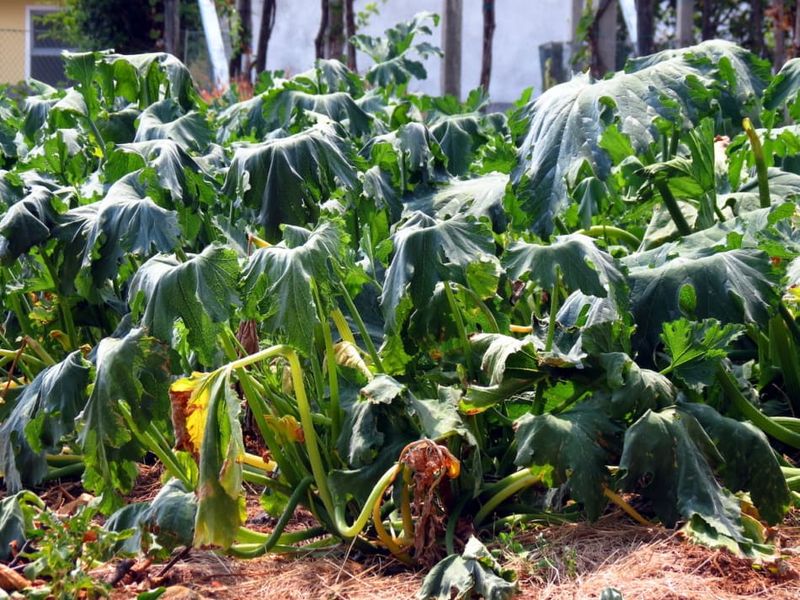
Knowing what to look for is half the battle when it comes to protecting a California garden from extreme heat. Plants cannot speak up when they are struggling, but they absolutely do send signals.
The trick is learning to read those signals early, before minor stress turns into something much harder to fix. Experienced gardeners make a habit of walking through their gardens every morning and evening during summer, keeping a close eye on how their plants look and feel.
Wilting is usually the first sign most people notice, but it can be misleading. Some plants wilt slightly during the hottest part of the afternoon and then perk right back up once the sun drops and evening temperatures cool.
That kind of temporary wilting is normal and not a major cause for concern. What you really want to watch for is wilting that does not recover overnight, curling or cupping leaves, leaf edges that turn brown and crispy, or flowers and buds dropping off before they have a chance to open.
Yellowing leaves can also signal that a plant is shedding foliage to conserve water, which is a survival response during intense heat. If you spot any of these warning signs, act quickly by giving the plant a deep drink of water, adding extra mulch around its base, and providing some temporary shade if possible.
Gardeners in hot inland communities throughout California, such as Fresno and Riverside, often keep a garden journal to track which plants show stress first so they can prioritize those areas in future heat wave preparations.