What Georgia Azaleas Need In March For Bright Spring Blooms
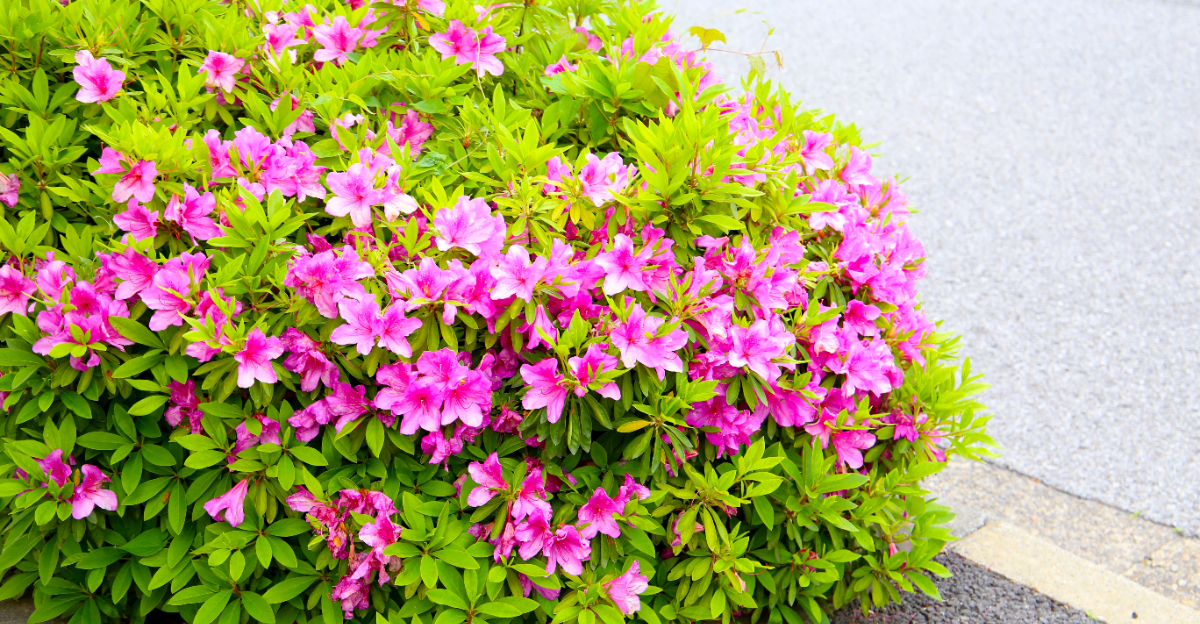
Azaleas don’t just put on a show in Georgia by chance. What happens in March quietly sets the stage for those full, colorful blooms everyone looks forward to.
As buds begin to swell and the weather shifts, these shrubs respond quickly to even small changes in care. A little attention now can mean the difference between a scattered display and branches covered in color.
It’s not about doing more, it’s about doing the right things at the right time. March is when azaleas start waking up, and how they’re handled during this stretch directly shapes how they perform in the weeks ahead.
From soil conditions to light pruning decisions, each step plays a role in how strong and vibrant those blooms turn out.
Getting this timing right helps azaleas settle in and move into spring with steady, reliable growth.
1. Deep Watering Helps Buds Open Strong And Full
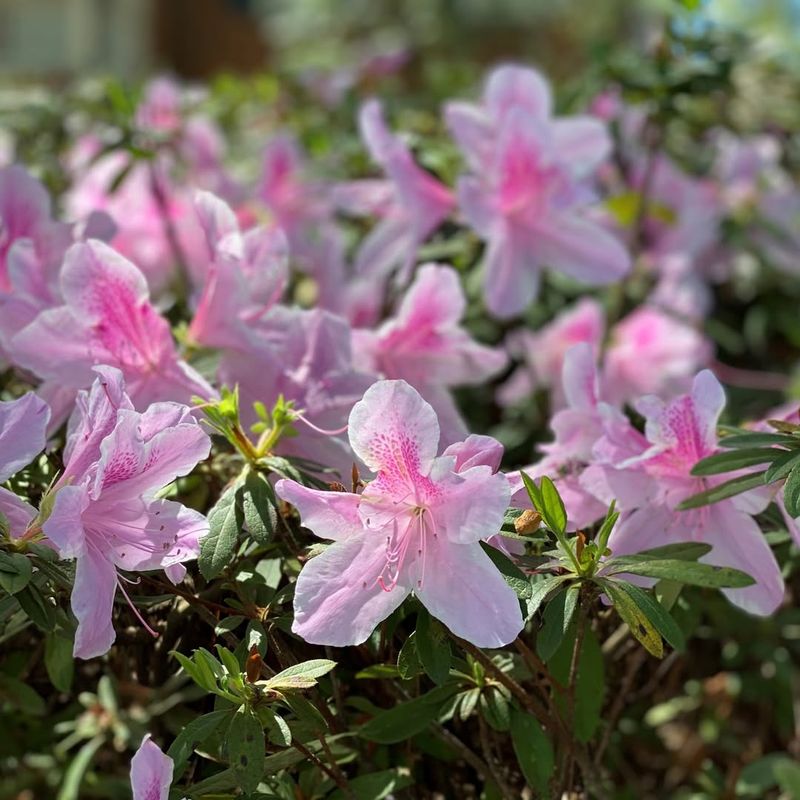
Dry soil in March is one of the fastest ways to end up with weak, half-open blooms. Azaleas are pushing a lot of energy into those buds right now, and without enough moisture at the roots, the whole process slows down.
Watering deeply once or twice a week does far more good than light daily sprinkles that barely reach the root zone.
Aim for about three-quarters to one inch of water per week. If Georgia gets decent rain, you might be fine, but March weather can be unpredictable.
A simple rain gauge near your beds takes all the guesswork out of it.
When you water, go slow and steady. A soaker hose laid around the base of each plant works really well because it puts moisture right where the roots can use it.
Overhead sprinklers can wet the foliage, which sometimes leads to fungal issues, especially when nights are still cool.
Sandy soil in parts of Georgia drains fast, so those areas need more frequent watering than clay-heavy spots. Check the soil a few inches down before watering.
If it feels dry at that depth, it is time to water again. If it still feels damp, hold off another day or two.
Strong, consistent moisture in March builds the kind of root health that supports full, open blooms. Buds that get steady water from the start tend to open more evenly and hold their color longer into the season.
2. Mulch Keeps Roots Cool And Moist As Temps Rise
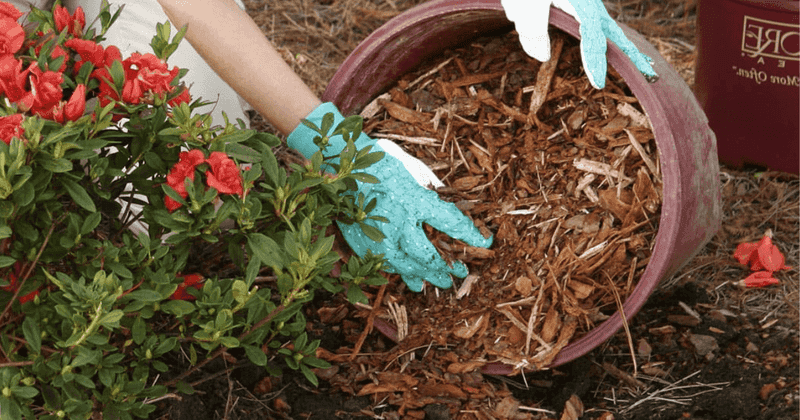
Putting down a fresh layer of mulch in March might be the single easiest thing you can do for your azaleas.
Georgia temperatures start climbing fast once spring kicks in, and soil that heats up too quickly stresses the roots right when the plant needs steady conditions to push those buds open.
Pine needles are a top choice around here. They break down slowly, they look tidy, and they naturally lower soil pH as they decompose, which azaleas love.
Pine bark chips work well too. Either one applied two to three inches thick will hold moisture, keep roots cooler, and cut down on how often you need to water.
Keep the mulch pulled back an inch or two from the main stem. Piling it right against the bark can trap moisture and invite rot or pest problems.
A small gap around the base is all it takes to avoid that issue.
If you mulched last fall, now is a good time to check the depth. Mulch breaks down over winter and may be thinner than you think.
Raking it up a bit to loosen it and adding a fresh inch on top is usually enough to get back to the right depth.
Across Georgia, where spring temperatures can swing dramatically from week to week, that layer of mulch acts like a buffer. Roots stay more stable, moisture stays longer in the soil, and the plant can focus its energy on producing the blooms you are waiting for.
3. Acidic Soil Keeps Leaves Green And Bloom Ready
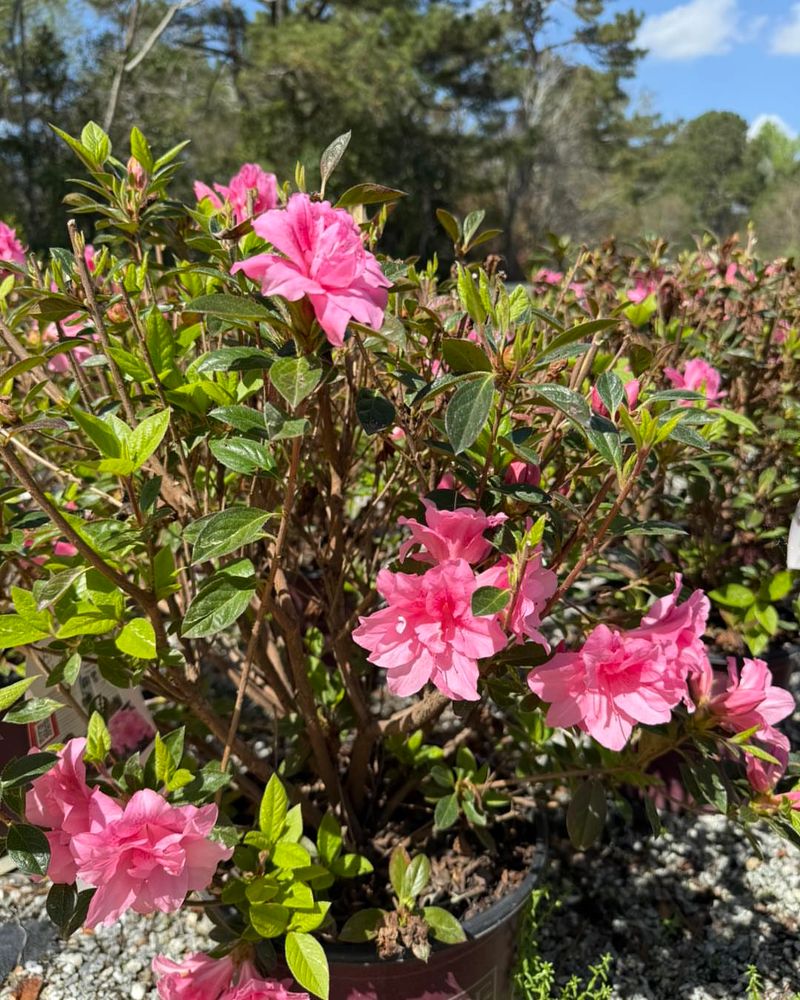
Yellowing leaves on an azalea are almost always a soil problem.
Azaleas need acidic soil, somewhere between a pH of 4.5 and 6.0, and when that range drifts higher, the plant loses its ability to pull iron and other nutrients out of the ground even if those nutrients are present.
March is a smart time to test your soil if you have not done it recently. Cheap test kits from any garden center work fine for a basic reading.
If your pH is creeping above 6.0, you have a few options. Sulfur worked into the soil is a reliable fix, but it takes several weeks to kick in.
Acidifying fertilizers can help maintain the right range over time.
Georgia soils vary a lot by region. Red clay soils in the Piedmont tend to be more acidic naturally, while areas with heavier limestone influence can run higher.
Knowing what you are working with saves a lot of guessing.
Adding pine bark mulch or pine needle mulch, as mentioned earlier, also helps nudge pH in the right direction over time. It is not a quick fix, but it adds up season after season.
Healthy, deep green foliage in March is a sign that the plant is absorbing nutrients well and has plenty of stored energy ready to fuel the bloom.
Pale or yellowish leaves heading into bloom season usually mean the plant is running low on resources, and the flowers will show it.
Getting soil right early pays off in color later.
4. Late Frost Protection Saves Nearly Open Buds
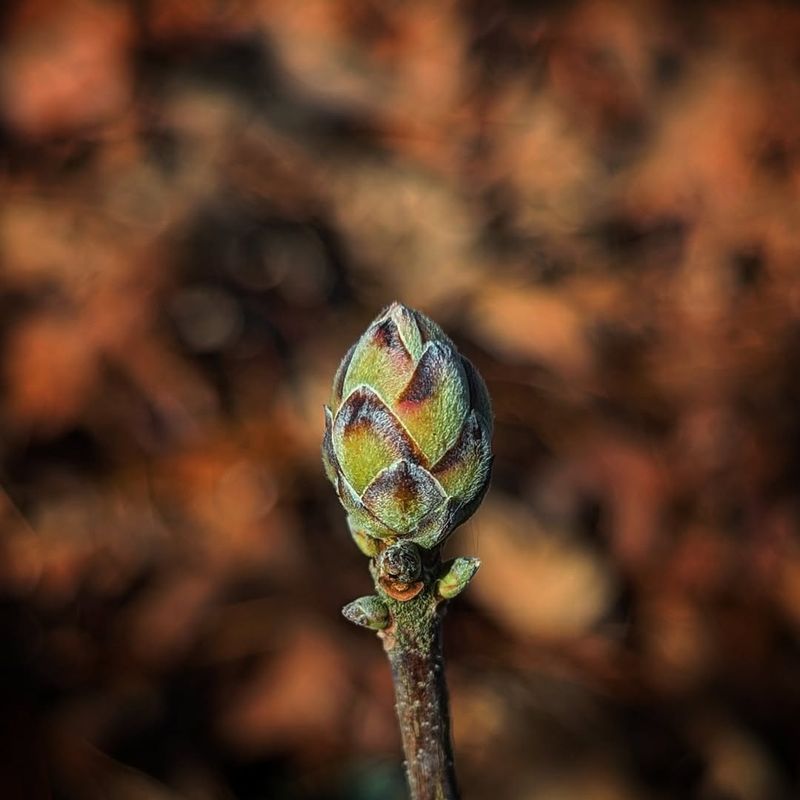
Nothing is more frustrating than watching your azalea buds get wiped out by a late frost. Georgia springs can fool you.
A string of warm days in March gets everything moving, buds swell up and start to crack open, and then a cold snap rolls through overnight and damages everything that was just about to bloom.
Buds that are partially open are far more vulnerable than tight, closed ones. Once a bud starts to show color, it has lost most of its cold hardiness.
Even a dip to 28 or 29 degrees Fahrenheit for a few hours can turn those soft petals brown and mushy by morning.
Keep an eye on the forecast throughout March. When overnight temps are expected to drop below freezing and your buds are already cracking open, cover the plants with a lightweight frost cloth or even an old bed sheet.
Drape it over the shrub and let it hang down to the ground to trap ground heat underneath.
Remove the cover as soon as the temperature rises the next morning. Leaving it on during daylight hours on a sunny day can actually cook the foliage under there.
A quick cover at night and off in the morning is the routine.
In North Georgia especially, late frost events in March are not unusual. Even in the Atlanta suburbs and middle Georgia, a surprise cold night can show up well into the month.
Staying alert during the last few weeks of March protects all the work your plant put into building those buds since fall.
5. Skipping Pruning Now Protects Every Bloom
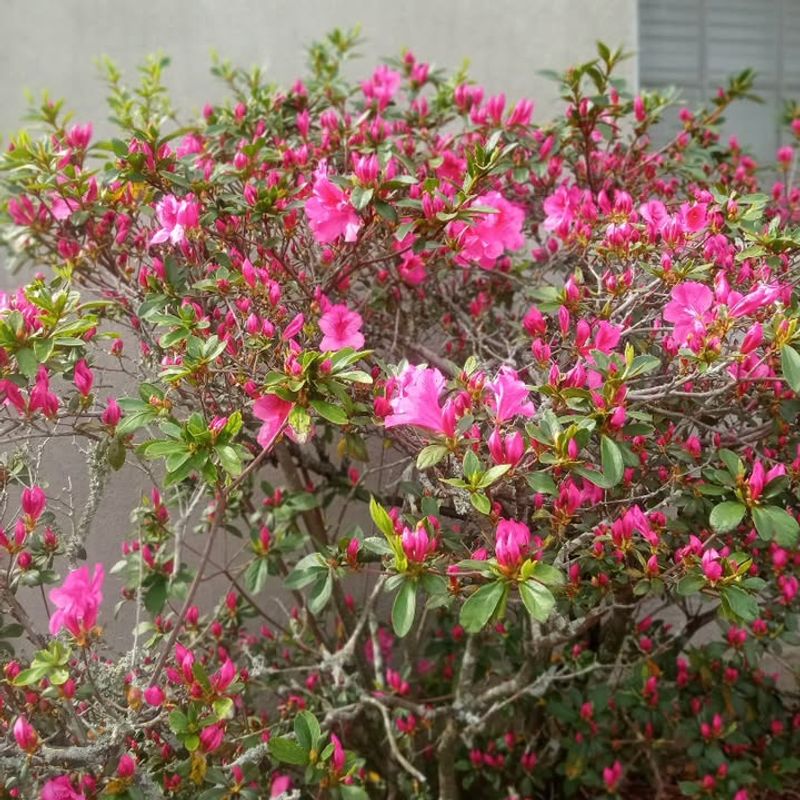
Put the pruning shears down and walk away. Seriously, March is the worst possible time to trim azaleas, and it is a mistake that costs gardeners an entire season of flowers.
Azaleas set their flower buds in late summer and fall, so by the time March rolls around, every one of those buds is fully formed and just waiting on warm weather to open.
Cutting branches now means cutting off buds. Every stem you remove takes its blooms with it, no exceptions.
You will not get replacement blooms on those cuts this spring. The plant simply will not have time to produce new flower buds before the bloom window closes.
Resist the urge to clean up stray branches or shape the shrub before it blooms. It might look a little unruly right now, but in a few weeks it will be covered in flowers and you will be glad you waited.
The right time to prune azaleas in Georgia is within about four to six weeks after they finish blooming, usually in late April or May depending on your location.
Pruning right after bloom gives the plant the whole summer to grow new stems and set fresh buds for next year. Timing it correctly means you get to shape the plant and still enjoy a full bloom display the following spring.
If a branch is clearly broken or damaged, go ahead and remove it. But healthy, intact branches with buds on them deserve to be left alone until after the show is over.
6. Light Feeding Supports Healthy Spring Growth
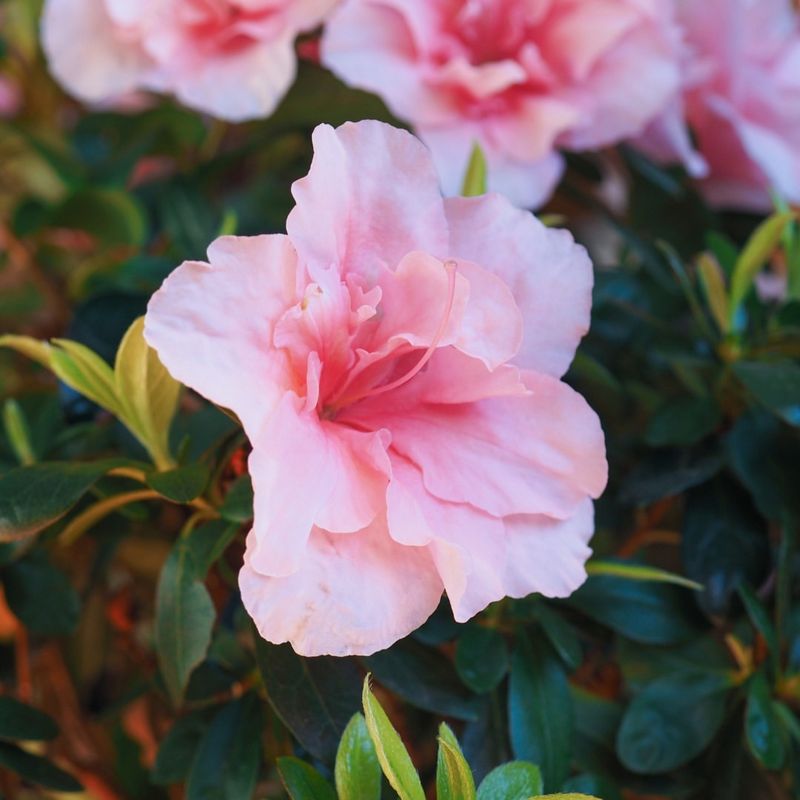
Azaleas in Georgia do not need a heavy hand with fertilizer, especially heading into bloom season. A light application of an acid-forming fertilizer in early March, right when you start to see new growth hints, gives the plant a gentle push without overwhelming it right before it blooms.
Look for fertilizers specifically labeled for azaleas or acid-loving plants. Products with a formulation like 12-4-8 or similar work well.
Scatter the granules evenly from the base of the plant out to the drip line, which is roughly where the outermost branches reach. Water thoroughly afterward so the nutrients can start moving down into the root zone.
Avoid going heavy on nitrogen right now. Too much nitrogen before bloom pushes the plant into producing lots of leafy growth instead of focusing energy on opening those buds.
A light, balanced feeding is the goal, not a big aggressive dose.
Skip feeding altogether if your azaleas already look healthy and green and have been on a regular feeding schedule. More fertilizer is not always better, and azaleas are surprisingly sensitive to over-feeding.
Burned root tips from excess fertilizer will actually reduce blooming rather than improve it.
After the blooms fade in late April or May, a second light feeding helps the plant recover and start building next year’s buds. But for now, in March, keep it minimal and targeted.
Healthy soil and consistent moisture do more for bloom quality than fertilizer alone ever could. Georgia gardeners who feed lightly and water consistently tend to get the best results year after year.
7. Steady Moisture Keeps Blooms From Fading Early
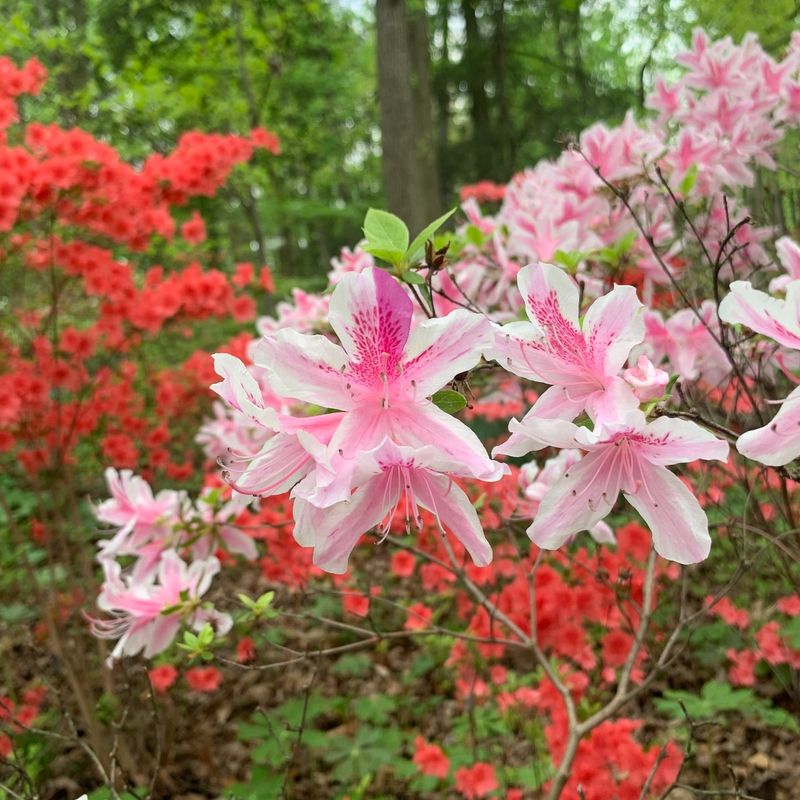
Getting azaleas to bloom is one thing. Keeping those blooms looking good for as long as possible is another challenge entirely.
Consistent moisture during the bloom period is one of the biggest factors in how long those flowers hold their color and stay on the plant.
When the soil dries out while azaleas are actively blooming, the flowers fade faster, edges turn brown, and petals drop earlier than they should.
Georgia can get some warm, dry stretches in late March and April that pull moisture out of the soil quickly, especially in sandier areas or raised beds.
Check soil moisture every two to three days during bloom. Stick your finger two inches into the soil near the root zone.
If it feels dry, water slowly and deeply right away. If it still has some moisture, give it another day.
Staying consistent matters more than watering on a fixed schedule that ignores what the soil is actually doing.
Morning is the best time to water during bloom season. Watering in the evening can leave moisture sitting on petals and foliage overnight, which encourages fungal spots on the flowers.
A quick morning soak at the base of the plant keeps things tidy and healthy.
Across Georgia, spring weather shifts fast. A rainy week can be followed by a dry, windy stretch that pulls moisture out of the soil in a hurry.
Paying attention to conditions rather than just following a calendar keeps your azaleas hydrated through the whole bloom window, giving you the longest, most colorful display possible.