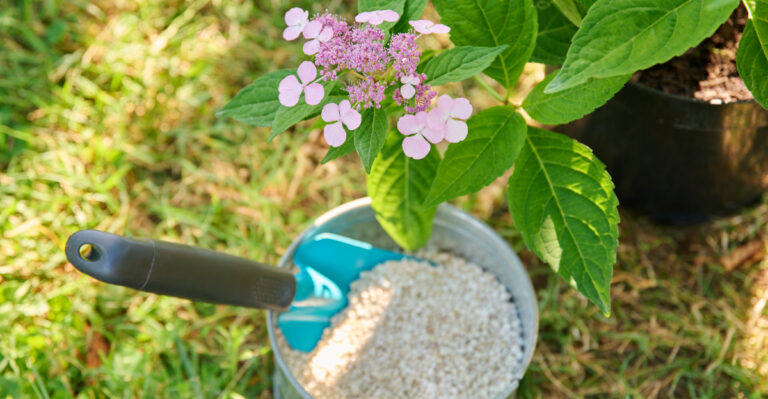
What Georgia Peonies Need In March For Strong Spring Blooms
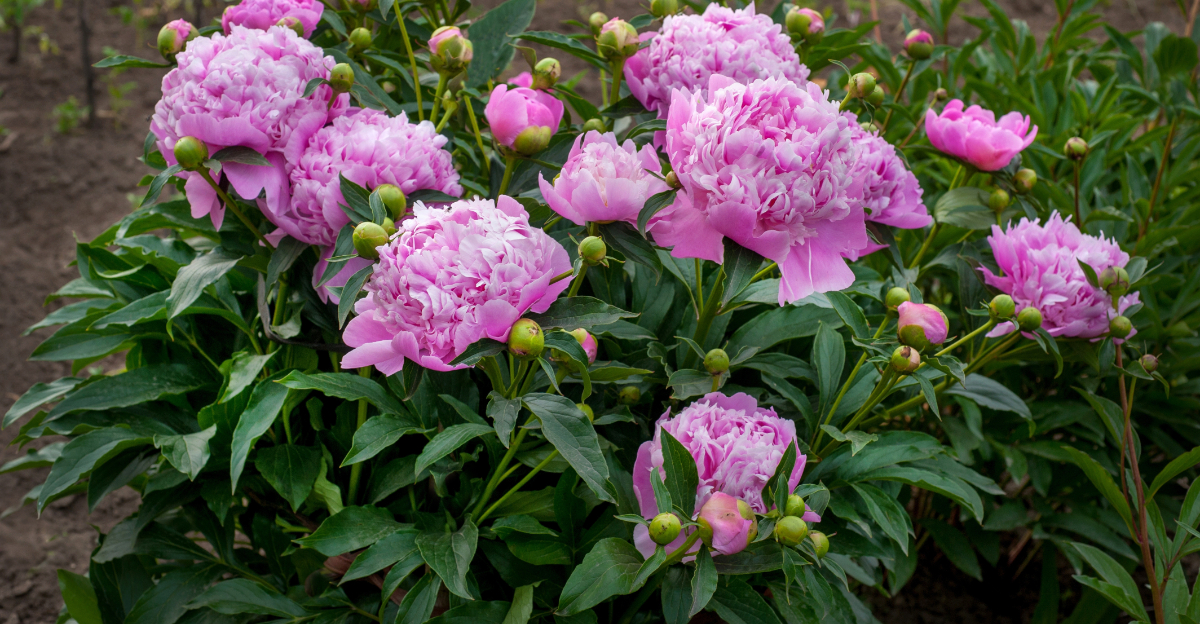
Peonies in Georgia can look quiet in March, but this is when they start building everything needed for those full spring blooms. New growth begins to push through, and the plant shifts its energy toward forming strong buds, even if it does not look dramatic yet.
It is easy to assume they will handle this stage on their own, especially since peonies return each year without much fuss. But March conditions in Georgia can change quickly, and that early growth responds to what it gets during this short window.
Small adjustments now can shape how those blooms turn out later. The tricky part is that nothing looks wrong at first.
The plant still grows, still develops, and still looks healthy. But what happens in March often decides whether those blooms feel strong and full or slightly underwhelming once the season reaches its peak.
1. Full Sun Supports Strong Bud Development
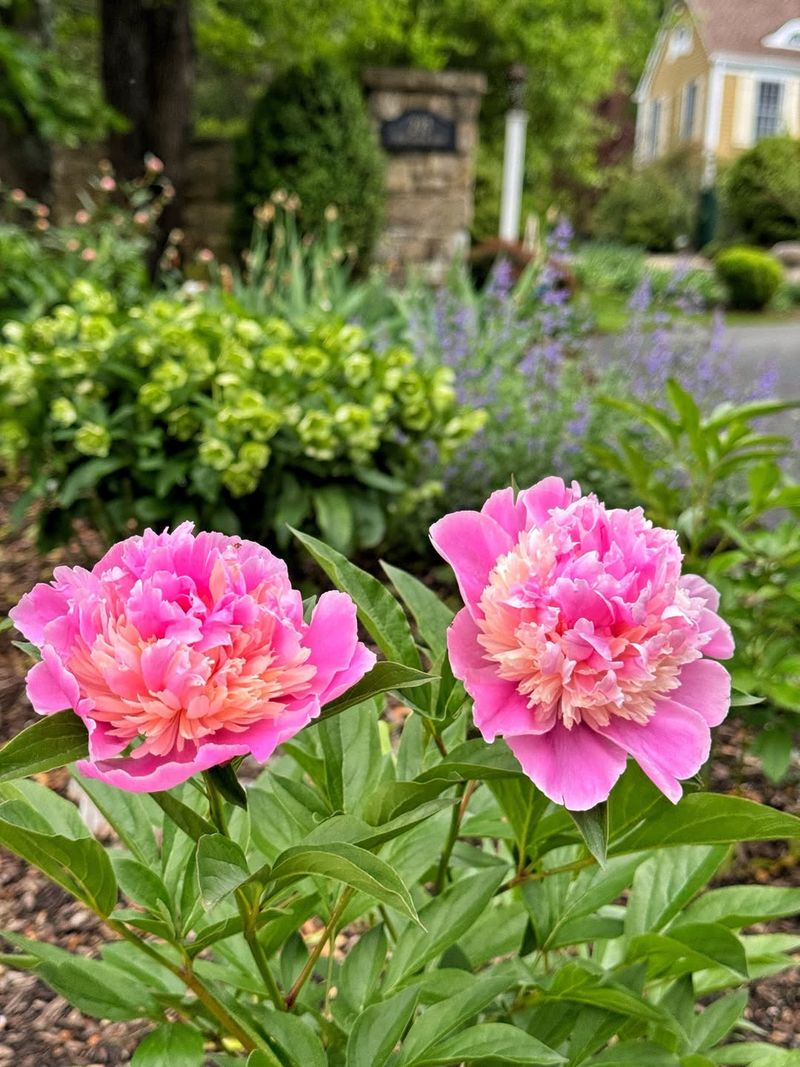
Peonies are sun-hungry plants, and Georgia gardeners know that shade is not their friend. Without enough direct sunlight, buds stay tight, stems grow weak, and blooms either come in small or skip the season entirely.
Six hours of full sun each day is the baseline, and eight hours is even better.
In Georgia, March sun is already getting strong and consistent. If your peony bed sits under a tree that leafs out early, now is the time to think about whether that spot is actually working for you.
Afternoon shade from a fence or shrub can also quietly rob your plants of the energy they need to build fat, healthy buds.
Walk around your yard at different times of day and watch how the light moves across your peony bed. You might be surprised to find that a spot you thought was sunny only gets four or five good hours.
Repositioning a plant is not always easy, but catching a light problem early beats wondering why your blooms are disappointing year after year.
South-facing beds tend to work well in Georgia because they catch sun from morning through afternoon. Avoid planting near large shrubs or structures that cast long shadows.
Strong bud development starts with strong, reliable light, and no amount of fertilizer or extra watering makes up for a spot that simply does not get enough sun each day.
2. Consistent Moisture Helps Early Growth
Right when those first red shoots push up from the ground, your peonies are doing a lot of work underground. Roots are stretching, energy is moving, and any dry spell at this stage can slow things down more than most people realize.
Georgia March weather can be unpredictable, swinging from rainy weeks to dry stretches within the same month.
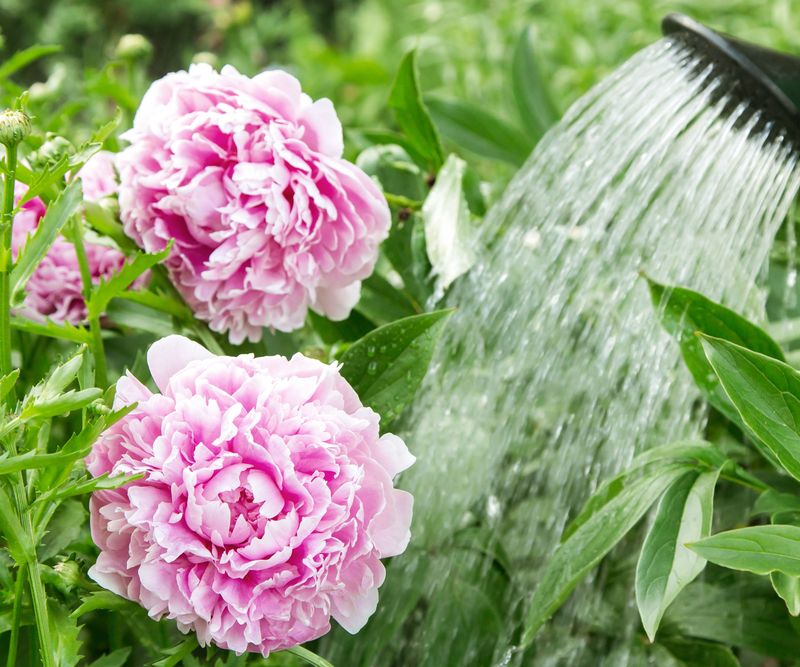
Peonies prefer about an inch of water per week during active growth. If rainfall is not keeping up, a slow, deep watering once or twice a week does more good than a quick daily sprinkle.
Shallow watering encourages roots to stay near the surface, which makes plants more vulnerable when dry or hot weather arrives later in spring.
Avoid soaking the crown of the plant, which is the area right at soil level where the stems emerge. Water directed at the crown can invite fungal problems, especially during the cooler, damp nights that Georgia still sees in March.
Water at the base and let it soak down toward the roots instead.
Check your soil by pressing a finger about two inches into the ground near the plant. If it feels dry at that depth, water thoroughly.
If it feels moist, wait another day or two. Peonies do not want to sit in soggy ground, but they also struggle when the soil gets bone dry during their early growth push.
Staying consistent now pays off in stronger stems and fuller buds as the weeks go on.
3. Well Drained Soil Prevents Root Issues
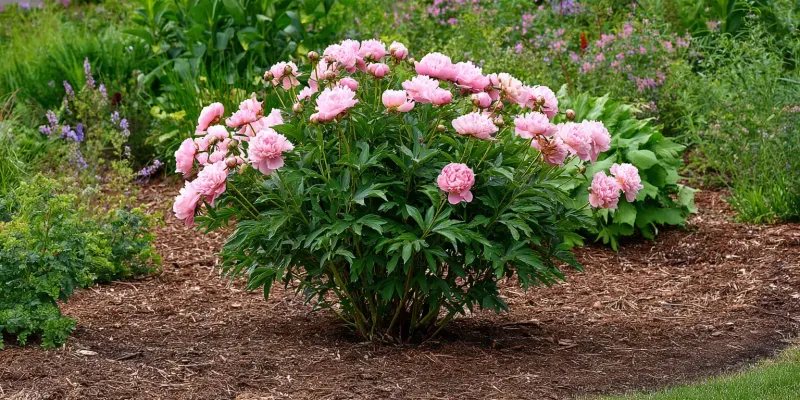
Standing water around peony roots is a serious problem, and Georgia’s clay-heavy soils make drainage something you have to actively manage. When roots sit in wet ground for too long, they become stressed and vulnerable to rot.
A plant struggling with root problems rarely puts energy into producing strong blooms.
If your peony bed tends to stay wet after a rain, March is a good time to work on fixing that before the growing season gets going. Adding compost to heavy clay soil improves both drainage and structure without requiring a complete overhaul of your bed.
Work it in gently around the edges of established plants without disturbing the crown or the shallow feeder roots.
Raised beds are worth considering if poor drainage is a recurring issue in your yard. Even raising the soil level by six to eight inches can make a noticeable difference in how quickly water moves through the root zone.
Georgia gardeners who have moved their peonies to raised areas often report better overall plant health and more reliable blooming.
Soil pH also matters here. Peonies prefer a range between 6.5 and 7.0.
Healthy roots mean the plant can actually use the water and nutrients it receives, rather than just struggling to survive in poor conditions.
4. A Light Feeding Boosts Bloom Strength
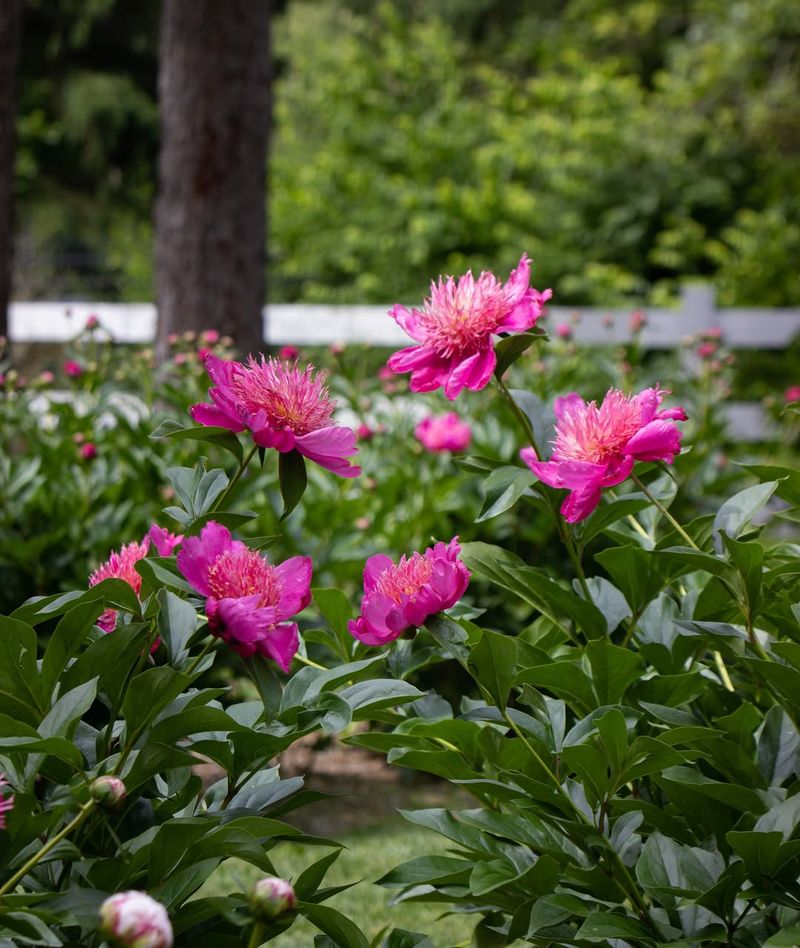
Fertilizing peonies is one of those things where more is definitely not better. A heavy application of nitrogen-rich fertilizer pushes leafy green growth at the expense of flowers, which is the opposite of what you want heading into bloom season.
Georgia gardeners sometimes over-fertilize with good intentions and end up with lush foliage and very few blooms.
Wait until you see new shoots clearly emerging before feeding, which in Georgia typically happens in late February or early March depending on the year. A balanced slow-release fertilizer with roughly equal parts nitrogen, phosphorus, and potassium works well at this stage.
Apply it around the drip line of the plant rather than right at the crown, and water it in gently afterward.
Bone meal is another option that experienced peony growers in the South often reach for. It is high in phosphorus, which directly supports root development and flower production.
Worked lightly into the top inch of soil around the plant, it releases slowly and does not shock the roots the way some fast-release products can.
Skip the fertilizer entirely after the plant begins to set buds. Feeding too late in the season can actually interfere with bloom development and leave plants more susceptible to certain fungal issues.
One thoughtful application in early March, timed right with the plant’s growth stage, is usually all a healthy peony needs to set up a strong bloom season in Georgia’s fast-moving spring climate.
5. Mulch Helps Keep Soil Conditions Steady
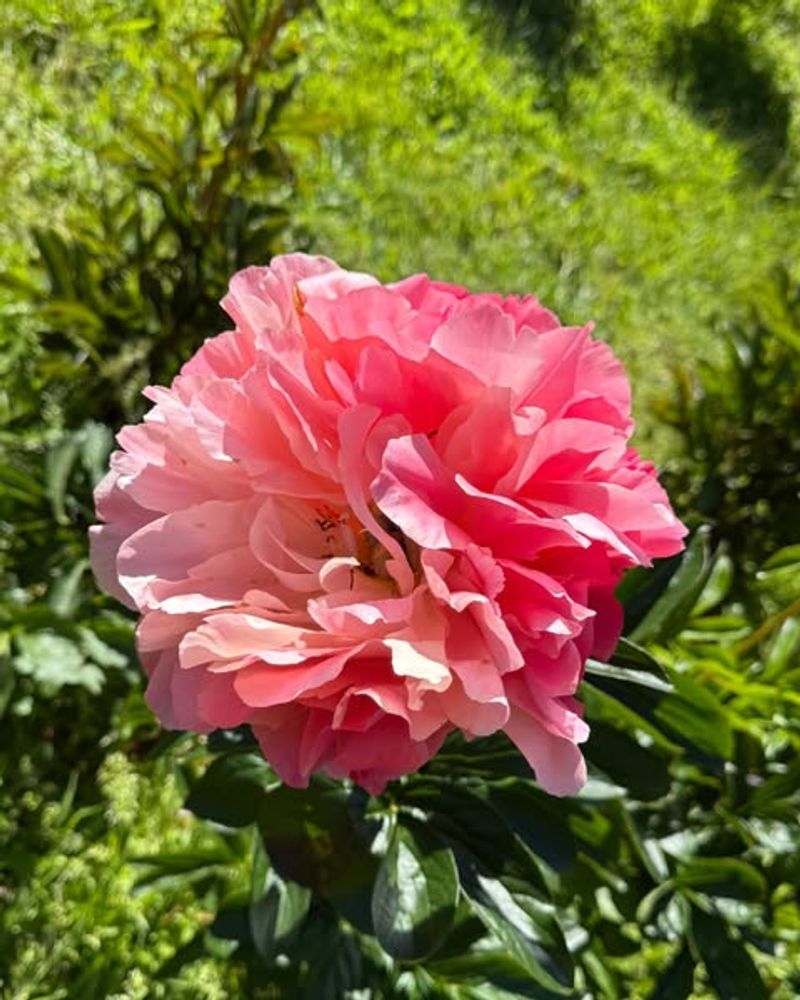
Georgia springs are known for temperature swings that can catch gardeners off guard. A warm week in early March can be followed by a cold snap that dips into the low thirties at night.
Mulch acts as a buffer between those temperature extremes and your peony roots, helping the soil stay more consistent even when the air above it is unpredictable.
Pine straw is a popular mulching choice across Georgia, and it works well around peonies because it is lightweight, breathable, and breaks down slowly. Spread a two to three inch layer around the base of the plant, keeping it pulled back a few inches from the crown.
Piling mulch directly against the crown traps moisture and can lead to fungal problems right where the plant is most vulnerable.
Mulch also suppresses weeds that compete with peonies for water and nutrients during the growing season. Weeds around peony plants can reduce airflow and create the kind of damp, crowded conditions that fungal spores love.
Keeping the bed tidy with a good mulch layer reduces that risk without requiring constant hand weeding throughout the season.
Organic mulches like pine straw or shredded bark break down over time and gradually improve soil texture. As they decompose, they add organic matter that helps with both moisture retention and drainage, which sounds like a contradiction but actually describes healthy soil structure.
Refreshing your mulch layer in March sets the whole bed up to perform better from spring through the heat of a Georgia summer.
6. Good Airflow Reduces Disease Risk
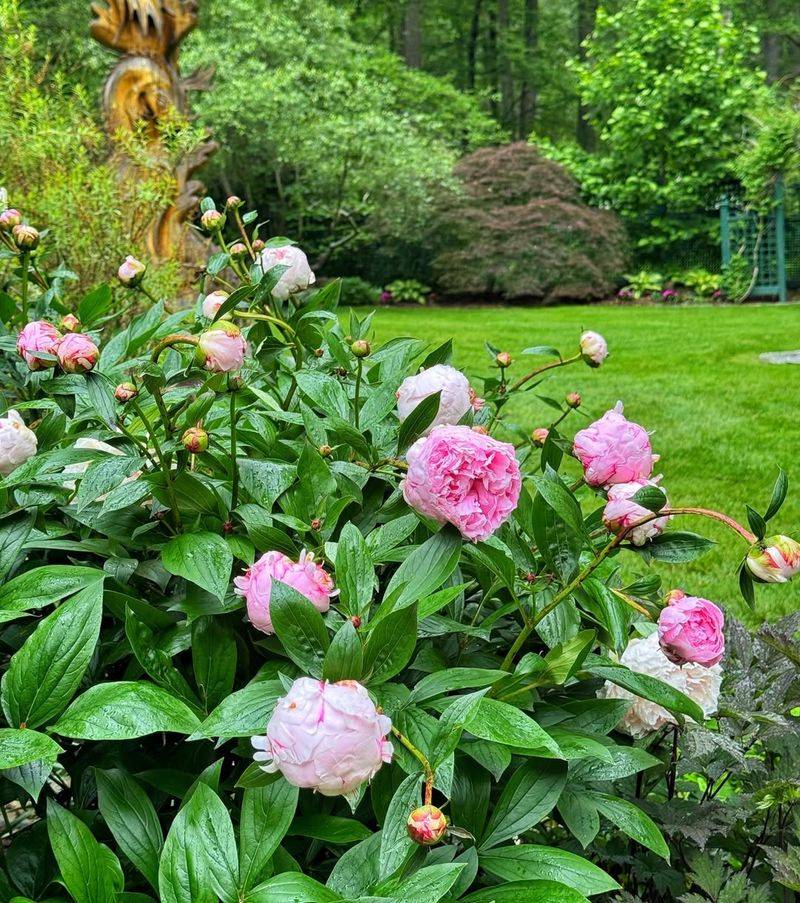
Botrytis blight is the main fungal problem peony growers run into, and Georgia’s warm, humid springs create exactly the kind of conditions it thrives in. Crowded plants with poor airflow are far more likely to develop this issue than plants with space to breathe.
Black spots on stems and a grayish fuzz on buds are the early signs to watch for as March progresses.
Spacing matters a lot. Peonies planted too close together trap humidity between their stems, especially after rain or irrigation.
If your existing plants have grown together over the years, consider whether any of them need to be thinned or relocated. Giving each plant at least three feet of clear space on all sides makes a noticeable difference in overall plant health.
Old stems left over from last season can harbor fungal spores and create cluttered growth that blocks light and air from reaching the center of the plant. Cut them close to the ground and dispose of them away from the garden bed rather than composting them.
Avoid overhead watering when possible, especially in the evening. Water left sitting on leaves and stems overnight in Georgia’s cool March air is an open invitation for fungal growth.
Ground-level watering directed at the root zone keeps foliage drier and reduces the chances of botrytis taking hold before the season even gets started. Clean beds and open spacing are your simplest tools for keeping disease away.
7. Support Keeps Heavy Blooms Upright
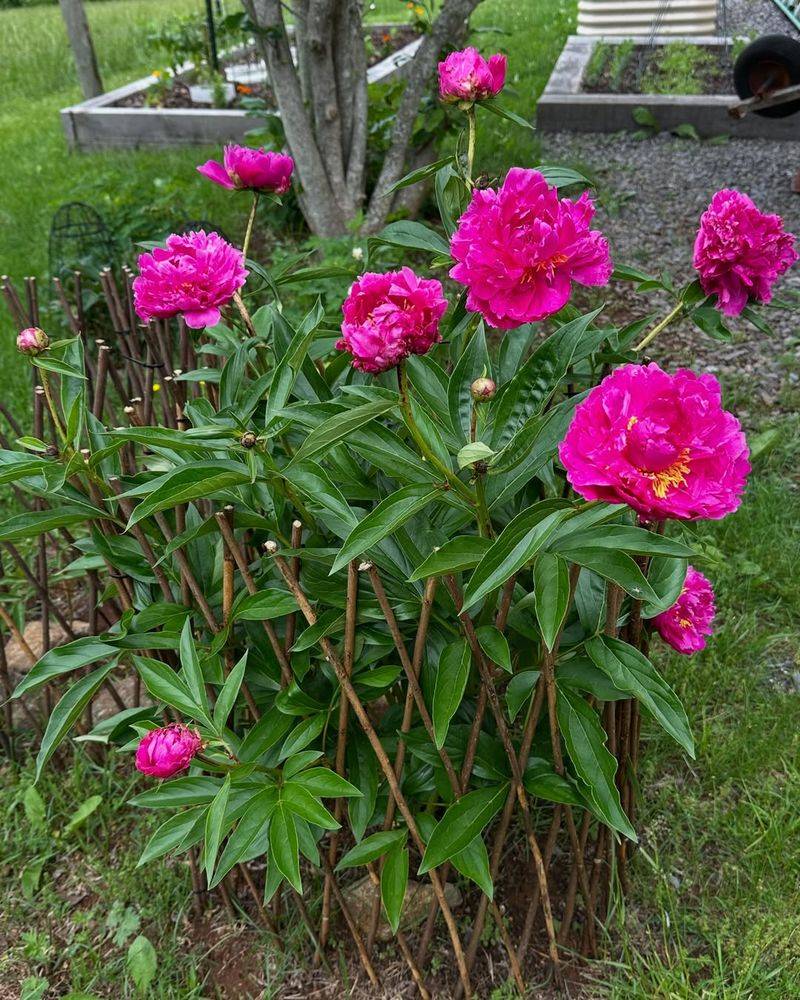
Peony blooms are gorgeous, but they are also heavy. A fully open flower after a spring rain can weigh enough to bend a stem flat to the ground, and once that happens, the bloom is pretty much done.
Installing support structures in March, while the stems are still short, is the smartest way to handle this problem before it starts.
Wire hoop supports designed specifically for peonies are widely available and work well because the stems grow up through the ring naturally. By the time the plant is tall enough to bloom, the support is already in place and barely visible.
Trying to stake a plant that has already flopped over rarely works as cleanly, and you risk snapping stems in the process.
Bamboo stakes and soft garden twine are another option that Georgia gardeners have used for years. Place three or four stakes evenly around the plant and tie a loose loop of twine around the outside of the stems as they grow.
The goal is to guide the plant, not to cinch it tight. Stems need a little room to flex in the wind without snapping.
Check your supports after any heavy rain or strong wind event in late March or April. Georgia spring storms can come through fast and hard, and a support that was fine last week might need adjusting after a rough night.
A few minutes checking your stakes and ties throughout the season protects months of careful growing from being undone in a single stormy afternoon.