What Happens If You Remove A Neighbor’s Overgrown Hedge In Pennsylvania
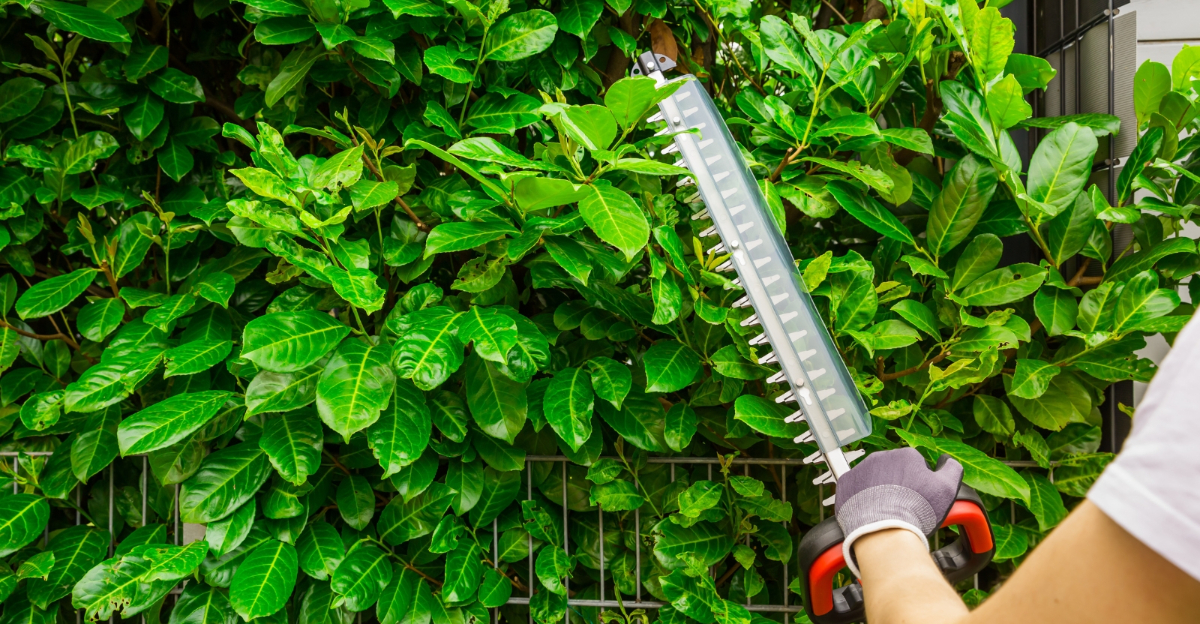
An overgrown hedge creeping into your space can feel harmless at first, until it starts blocking light, space, or patience.
That situation comes up more often than people admit, especially in Pennsylvania neighborhoods where properties sit close together.
What begins as a quiet annoyance can quickly turn into a question about boundaries, rights, and what you’re actually allowed to do.
Many homeowners assume the answer is simple, but these situations are rarely as straightforward as they seem.
Small decisions made out of frustration can carry consequences that don’t show up immediately.
The confusion usually comes from not knowing where personal property ends and shared responsibility begins.
In Pennsylvania, the rules around neighbor disputes aren’t always obvious, and assumptions can easily lead people in the wrong direction. That’s where things tend to escalate faster than expected.
Before taking action, it helps to understand what removing a neighbor’s hedge can really trigger.
1. Property Ownership Determines Whether A Hedge Can Be Removed In Pennsylvania
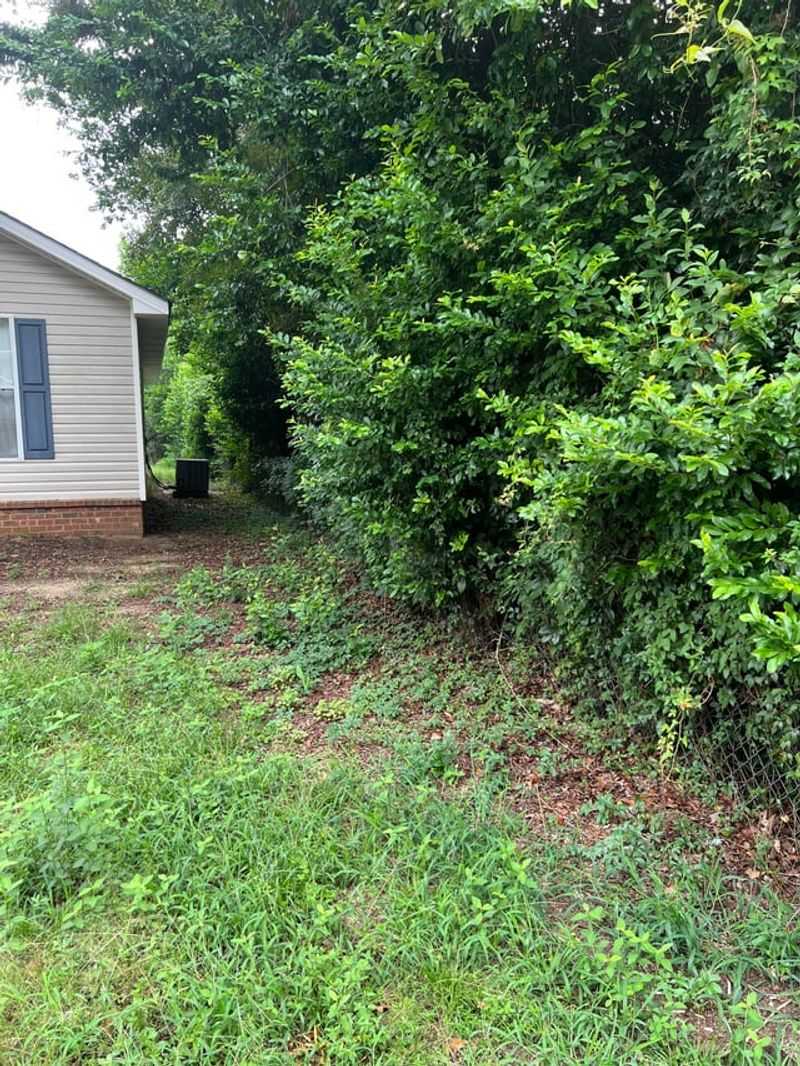
Understanding who owns the land beneath a hedge is the first step before making any decisions about removal. In Pennsylvania, property boundaries define what you can and cannot touch, and hedges planted entirely on someone else’s land belong to them alone.
Surveys, deed descriptions, and property markers help clarify these lines, though many homeowners never check until a dispute arises.
Legal ownership gives the property holder full rights to decide what happens to plants, trees, and shrubs on their side of the line. Even if branches hang over into your yard, the roots and main trunk location matter most.
Pennsylvania courts generally treat unauthorized removal of vegetation rooted on another person’s property as trespass and property damage.
Mistakes about boundary locations happen frequently, especially in older neighborhoods where fences and hedges have stood for decades. Assuming a hedge sits on your property without verification can lead to costly legal consequences.
Hiring a licensed surveyor provides clarity and prevents misunderstandings that might escalate into court battles.
Respect for property rights forms the foundation of Pennsylvania law, and hedges receive the same protection as buildings or other structures. Neighbors cannot simply remove plants because they find them unsightly or overgrown.
The person who owns the land decides the fate of everything growing on it, and violating this principle invites legal action that can include damages, fines, and court-ordered restoration.
2. What Pennsylvania Law Allows When A Neighbor’s Hedge Crosses Your Property Line
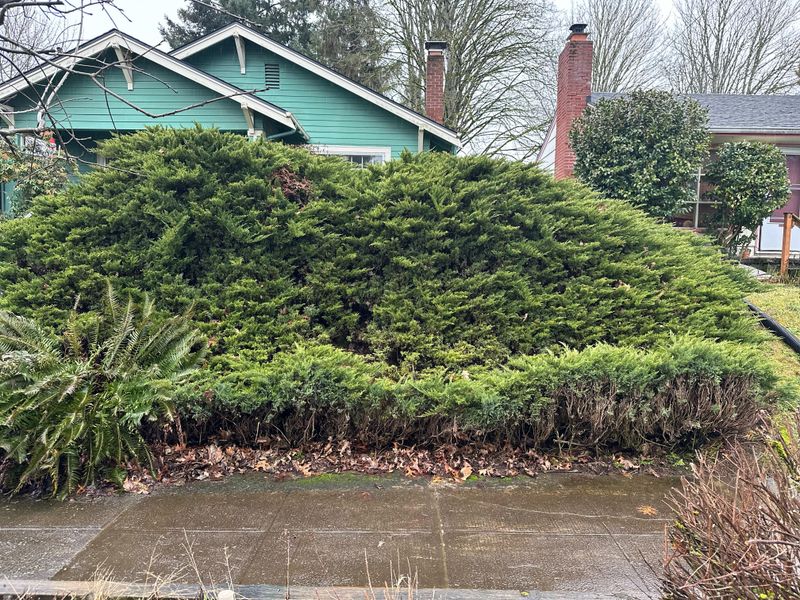
Branches and roots that extend across property lines create a unique situation under Pennsylvania law. Homeowners have the right to trim back any portion of a hedge that encroaches onto their property, but only up to the boundary line.
This right comes with important limitations that protect the health and value of the plant itself.
Cutting must be done carefully to avoid harming the entire hedge, as excessive trimming can be considered negligent or malicious. Pennsylvania courts recognize that plants are living property with value, and causing them to decline or perish through careless pruning may still result in liability.
Consulting an arborist before making cuts ensures you stay within legal boundaries while maintaining the hedge’s health.
Roots present a trickier challenge since they grow underground and can damage foundations, pipes, or driveways. Pennsylvania law generally allows removal of roots on your side of the property line, but you must take care not to destabilize the entire plant.
If your actions cause the hedge to collapse or suffer significant harm, you could face claims for the cost of replacement or repair.
Documentation matters when exercising your trimming rights in Pennsylvania. Taking photos before and after, keeping records of the work, and even notifying your neighbor in writing can protect you if questions arise later.
Acting reasonably and responsibly keeps you on the right side of the law while addressing legitimate concerns about encroachment.
3. Why A Hedge Located Entirely On Another Property Cannot Be Removed
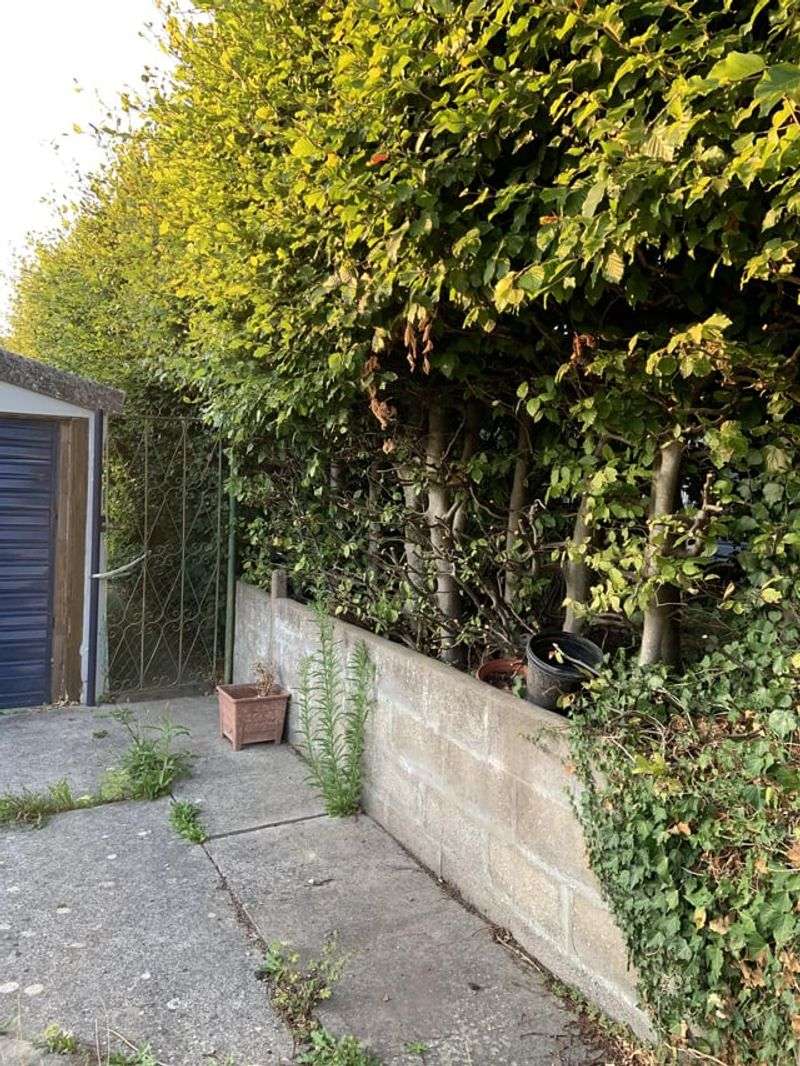
Plants rooted completely on a neighbor’s land remain their exclusive property under Pennsylvania law, no matter how much they bother you. Height, width, and appearance do not grant you any legal authority to remove or alter vegetation that belongs to someone else.
Pennsylvania protects property owners from interference, and hedges fall squarely within this protection.
Many people assume that if a hedge blocks their view, creates shade, or simply looks messy, they have some right to take action. This assumption is incorrect and can lead to serious legal trouble.
The only person who can authorize removal is the property owner, and acting without permission constitutes trespass and destruction of property.
These damages can include the cost of mature replacement plants, professional installation, and even compensation for loss of privacy or aesthetic value. Judges take property rights seriously, and unauthorized removal often results in rulings that favor the original owner.
Frustration with an overgrown hedge does not justify taking matters into your own hands in Pennsylvania. Proper channels include polite conversation, mediation services, or in extreme cases, legal action through the courts.
Respecting the boundaries of ownership prevents conflicts and keeps you from facing lawsuits, fines, or orders to restore what you removed at your own expense.
4. How Pennsylvania Treats Damage To Hedges As Property Loss
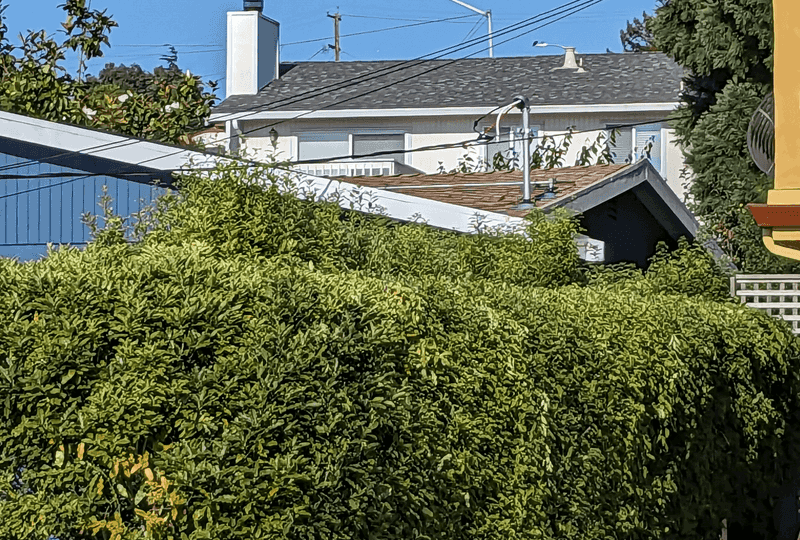
Courts in Pennsylvania recognize hedges as valuable property that can be damaged or destroyed, much like a fence or shed. When someone removes or harms a hedge without permission, the owner can seek compensation for the loss.
This compensation often includes the fair market value of the plants, which for mature hedges can reach thousands of dollars.
Calculating damages involves considering the age, size, species, and condition of the hedge before removal. Expert testimony from landscapers or arborists often helps establish the cost of replacing the hedge with plants of comparable size and maturity.
Pennsylvania law allows recovery not just for the plants themselves, but also for the labor required to install and establish new ones.
Loss of privacy or use may be considered when determining replacement value, depending on circumstances.
Hedges often serve important functions beyond decoration, such as screening unsightly views, reducing noise, or providing wildlife habitat. Pennsylvania courts acknowledge these benefits and may increase compensation when removal causes significant harm to the owner’s use and enjoyment of their property.
Intentional removal typically results in higher penalties than accidental damage in Pennsylvania. If a court finds that you knowingly violated property rights, higher damages may apply in cases involving intentional conduct.
The best way to avoid these consequences is simple: never remove or significantly alter a hedge that does not belong to you without clear, written permission from the owner.
5. What Changes If A Hedge Is Planted Directly On The Property Line
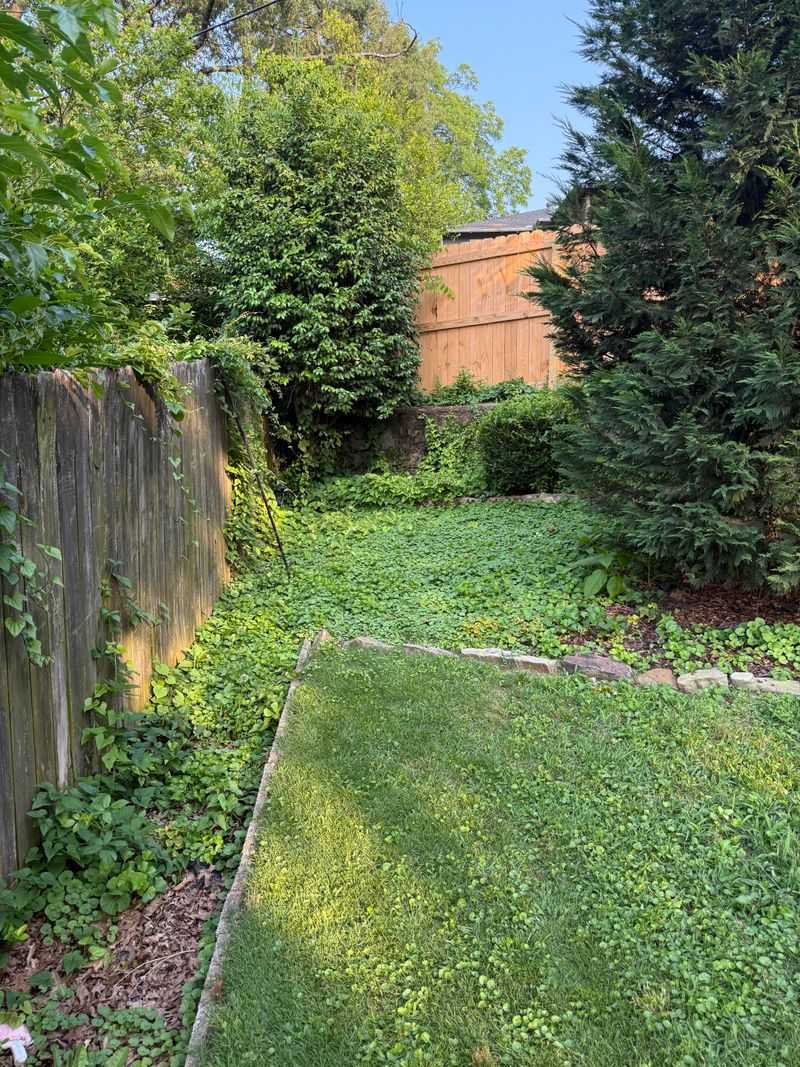
When a hedge appears to sit on or near the property line, ownership is not automatic and may depend on planting location, intent, and long-term maintenance.
Determining whether a hedge truly sits on the line rather than just one side requires accurate surveying. Pennsylvania property owners sometimes disagree about where the boundary actually runs, making professional surveys essential before taking action.
Disputes over who should pay for upkeep can be resolved through negotiation, mediation, or small claims court if necessary.
Communication and written agreements prevent these situations from escalating into expensive legal battles that benefit no one.
Disagreements over upkeep do not automatically create legal obligations for either neighbor in Pennsylvania.
Responsibility is typically evaluated based on who planted the hedge, where it is rooted, and how it has been maintained over time.
Without clear evidence or agreement, neither neighbor is guaranteed reimbursement for work performed.
Because outcomes depend heavily on specific facts, assumptions about shared responsibility often lead to unnecessary disputes.
Clarifying expectations in writing before any work begins helps prevent misunderstandings and protects both parties if disagreements arise later.
In situations where disagreements persist, consulting a local attorney can help clarify options without immediately escalating the conflict.
Taking time to confirm boundaries and responsibilities before acting often prevents minor hedge issues from turning into costly legal disputes.
6. When Trimming A Neighbor’s Hedge Is Allowed Without Permission
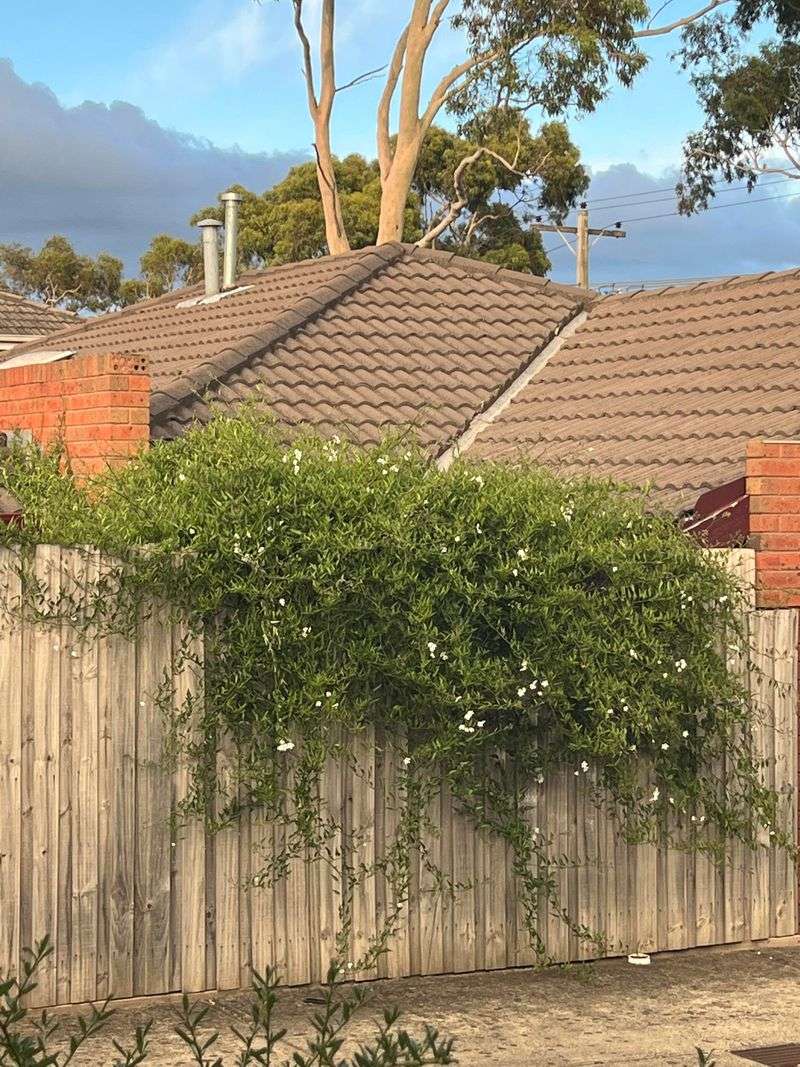
Pennsylvania law grants limited rights to trim a neighbor’s hedge without asking first, but only under specific circumstances. Branches that cross onto your property can be cut back to the boundary line, provided you do not harm the overall health of the plant.
This right exists to protect your ability to use and enjoy your own land without interference.
Exercising this trimming right requires care and common sense in Pennsylvania. Aggressive cutting that damages the hedge’s structure or causes it to decline can still result in liability for property damage.
Professional arborists can advise on proper techniques that remove the encroachment while preserving the plant’s vitality and appearance.
Roots extending under your property present a similar situation, with Pennsylvania law allowing removal on your side of the line. However, cutting major roots that support the entire hedge can cause it to topple or perish, creating liability.
Consulting experts before digging helps ensure you address the problem without causing greater harm.
Even when you have the legal right to trim in Pennsylvania, good neighbor relations often benefit from a courtesy conversation beforehand. Explaining your plans and giving the neighbor a chance to do the work themselves can prevent misunderstandings and maintain friendly relations.
Documenting your actions with photos and written notices protects you if disputes arise later, showing you acted reasonably and within your rights under Pennsylvania law.
7. Why Written Permission Is Recommended Before Any Hedge Removal
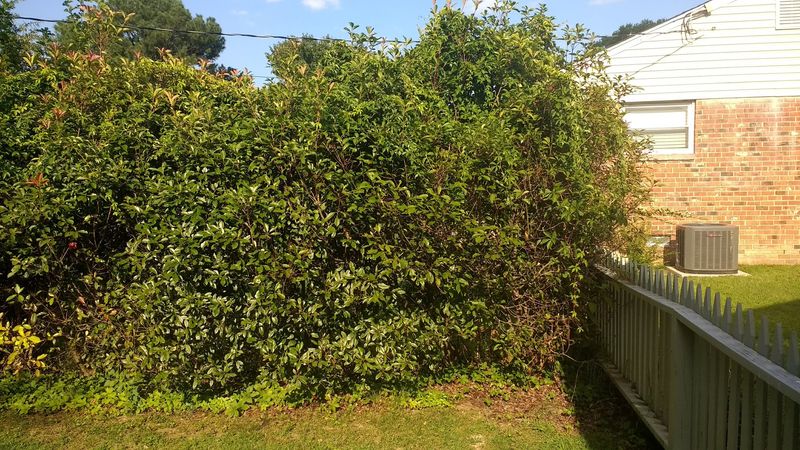
Obtaining written consent from your neighbor before removing any part of their hedge provides crucial legal protection in Pennsylvania. Verbal agreements can be forgotten, misremembered, or denied later, leaving you vulnerable to claims of property damage.
A simple written note or email creates a clear record that both parties agreed to the removal.
Pennsylvania courts favor documented agreements when disputes arise, and written permission can be the difference between winning and losing a lawsuit. The document should specify exactly what work will be done, who will do it, and whether any costs will be shared.
Including photos or diagrams helps prevent confusion about which plants or portions are covered by the agreement.
Even when you believe you have the right to trim encroaching branches in Pennsylvania, getting permission demonstrates good faith and respect for your neighbor’s property. This approach reduces the risk of conflict and shows you acted reasonably if questions arise later.
Courts appreciate evidence that parties tried to cooperate before resorting to legal action.
Notarizing the written permission adds an extra layer of protection in Pennsylvania, though it is not always necessary for simple trimming agreements. For major removal or work on boundary hedges, having a lawyer review the document ensures it covers all important details.
Investing time in proper documentation upfront saves money and stress compared to fighting a lawsuit over property damage allegations later.
8. How Hedge Disputes Are Typically Handled Under Pennsylvania Law
Conflicts over hedges in Pennsylvania often begin with informal conversations between neighbors that either resolve the issue or escalate into legal action. Many disputes can be settled through compromise, such as agreeing on a trimming schedule or sharing the cost of professional maintenance.
When talking fails, mediation services offer a structured way to reach agreement without going to court.
Pennsylvania courts handle hedge disputes as property damage or trespass cases when removal occurs without permission. The property owner files a lawsuit seeking compensation for the value of the hedge, cost of replacement, and sometimes additional damages.
Evidence such as photos, surveys, receipts, and expert testimony helps establish the facts and determine appropriate compensation.
Small claims court provides a faster, less expensive option for hedge disputes involving lower dollar amounts in Pennsylvania. This venue allows property owners to represent themselves without hiring attorneys, though the monetary limits may not cover the full value of mature hedges.
For more significant cases, civil court with legal representation becomes necessary.
Preventive measures work better than litigation for hedge disputes in Pennsylvania. Clear communication, written agreements, and respect for property boundaries stop most conflicts before they start.
When problems do arise, seeking legal advice early helps you understand your rights and options, whether you are the one affected by an overgrown hedge or accused of improper removal.