What Happens If You Start Vegetable Seeds Indoors Too Early In Oregon And How To Fix It
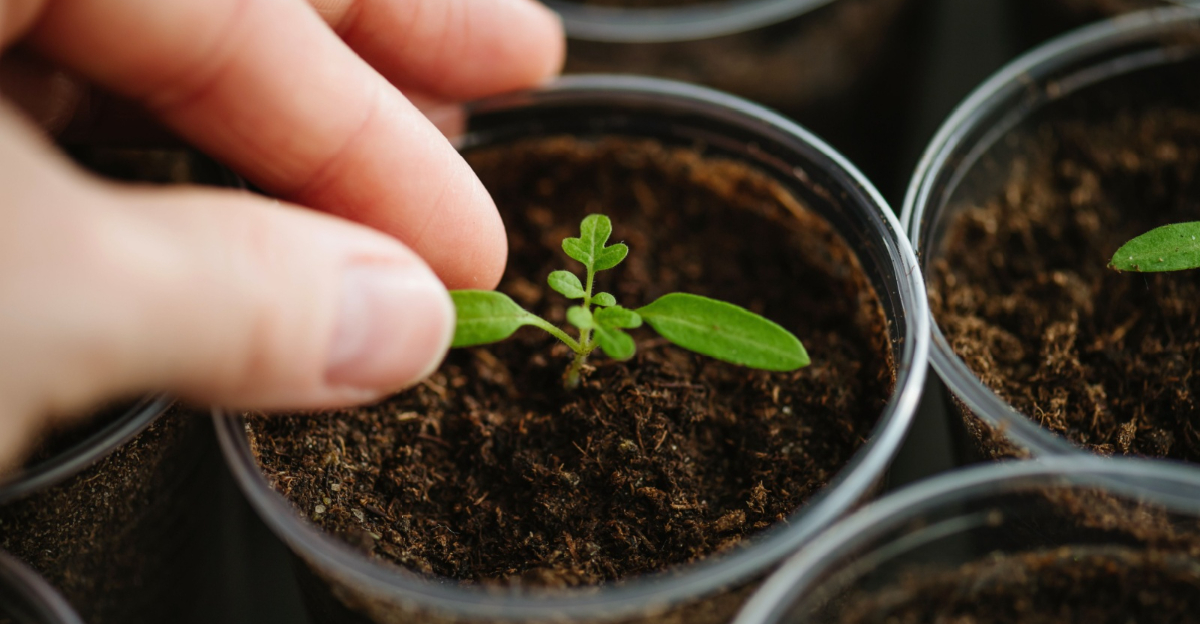
Starting vegetable seeds indoors can feel like getting a jump on spring, but in Oregon, starting too early can quietly create problems. Seedlings may stretch toward weak light, roots can become tangled in crowded containers, and fragile stems may struggle when moved outside.
Even with careful attention, these early missteps can slow growth, reduce vigor, and make plants more challenging to manage once the garden is ready. The good news is these issues are not permanent.
With proper strategies, gardeners can rescue leggy seedlings, improve root systems, and support stronger growth. Adjusting timing, providing adequate light, and following Oregon-specific care practices can help seedlings thrive.
By understanding the common pitfalls of starting seeds too soon, Oregon gardeners can turn early indoor mistakes into healthy, resilient plants ready to flourish when the outdoor growing season begins.
1. Leggy Seedlings Stretching Toward Light – Give Them Extra Brightness
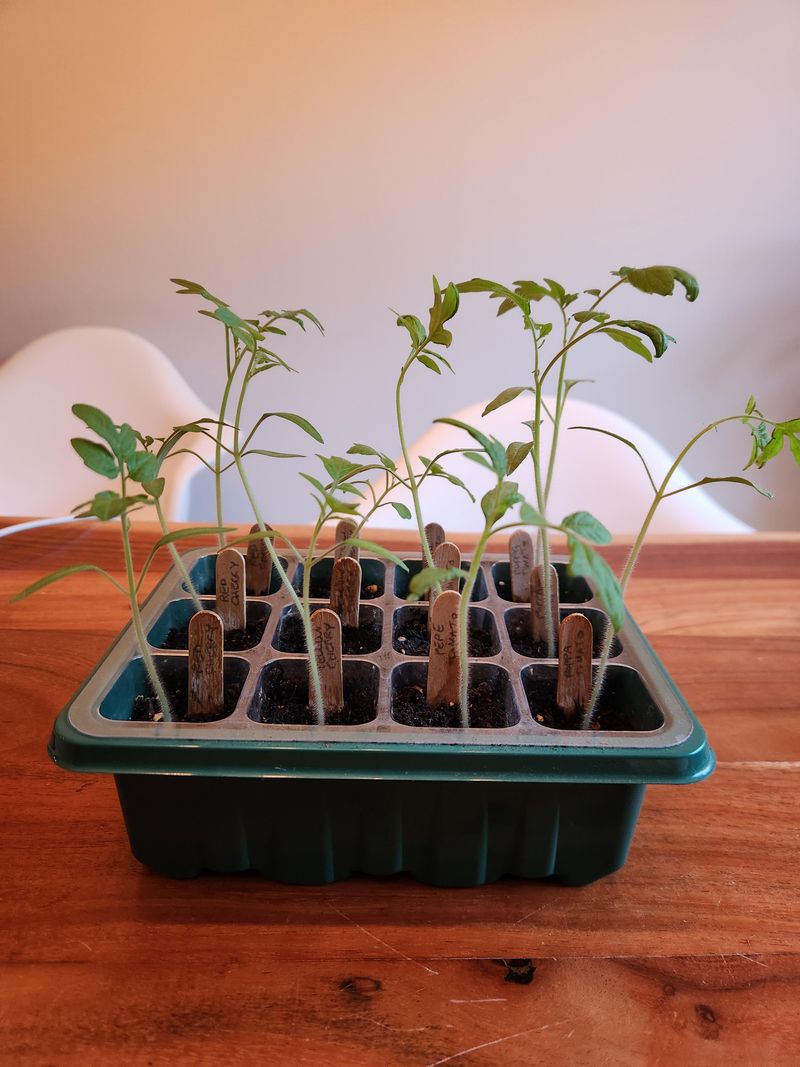
In Oregon, short, cloudy winter days make it easy for seedlings to stretch toward any available light. Leggy seedlings have thin, weak stems as they put energy into upward growth instead of building strong leaves and roots.
These plants often flop over and struggle to recover once transplanted outdoors. Overly tall seedlings are more prone to bending, breaking, or collapsing, and they can take longer to adapt to full sunlight once moved outside.
The fix is straightforward but requires consistent attention. Position a full-spectrum LED grow light two to four inches above seedlings and run it for 14–16 hours daily to mimic longer spring days.
Adjust the height as plants grow taller to maintain compact, strong stems. A small oscillating fan gently moving air around seedlings also strengthens stems naturally, mimicking the outdoor breeze.
If legginess is already present, burying part of the stem deeper during transplanting encourages additional root growth. With careful adjustment of light, airflow, and stem support, even spindly seedlings can recover and thrive in Oregon’s variable spring climate.
2. Roots Are Crowded – Pot Up Carefully To Encourage Growth
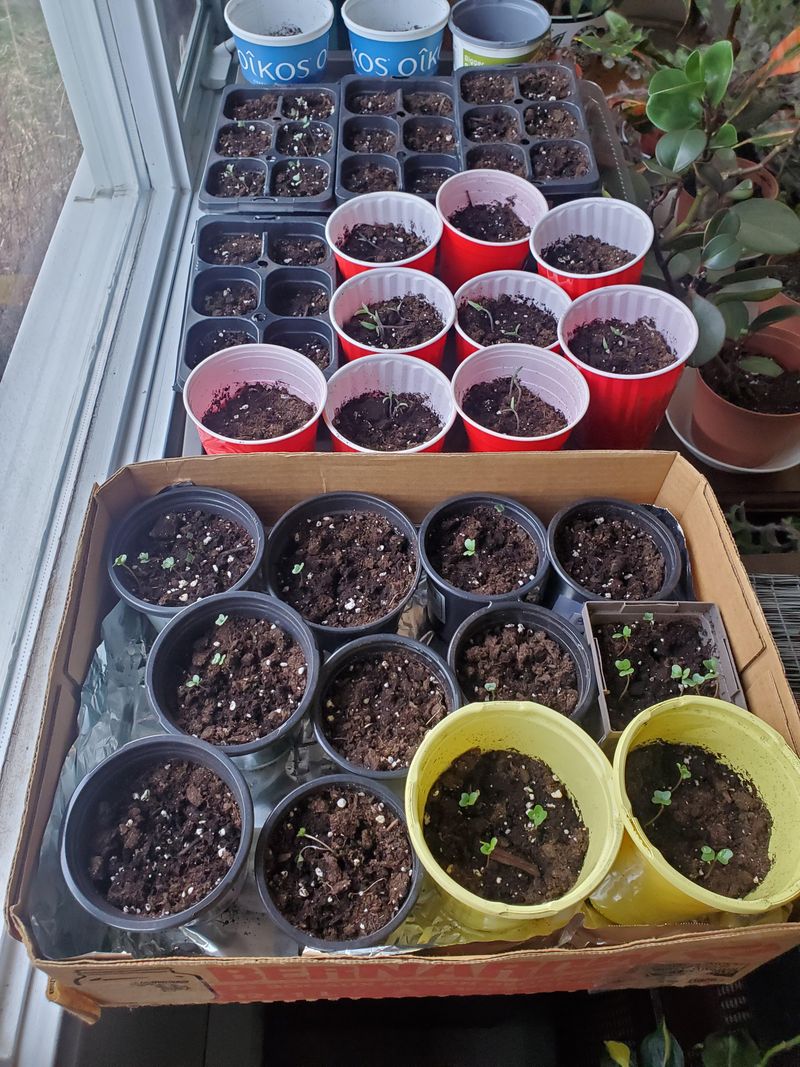
Indoor seedlings that spend too many weeks in small containers often become rootbound. Roots can wrap tightly around the inside of pots or poke through drainage holes, signaling a lack of space.
Crowded roots limit water and nutrient uptake, slowing growth and causing leaves to appear pale or stunted. Plants in this condition may take longer to establish after being transplanted outdoors, and they are more vulnerable to stress from temperature swings or uneven watering.
The solution is to pot up seedlings to a slightly larger container. Choose a pot about two inches wider in diameter, add fresh sterile potting mix, and gently loosen the outer roots before replanting.
Avoid tearing roots aggressively; the goal is to redirect growth outward rather than disrupt development. Doing this gradually – rather than jumping to a much larger pot – helps the plant adjust without shock.
Proper potting gives roots room to expand, which is especially important in Oregon, where spring soil conditions vary from wet coastal valleys to drier inland areas. Healthy root systems support vigorous top growth, ensuring seedlings thrive once they are moved to the garden.
3. Temperature Swings Stress Young Plants – Keep Indoor Warmth Steady
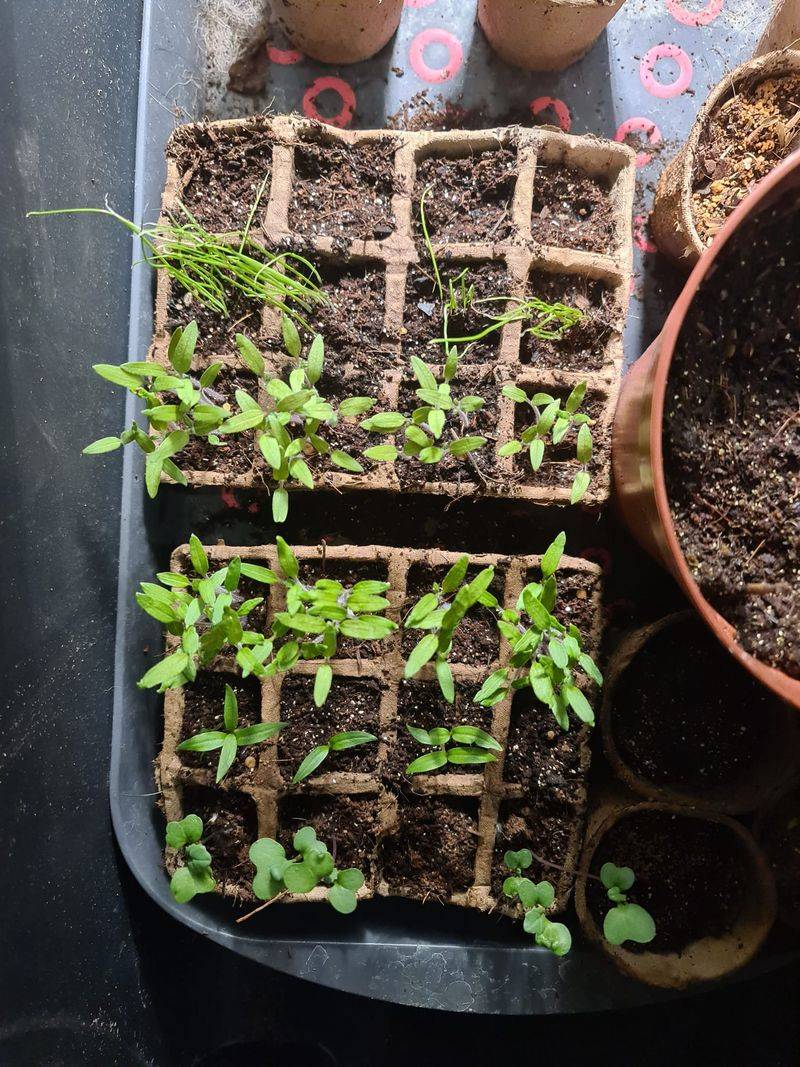
Seedlings are sensitive to fluctuating temperatures. In Oregon homes, late winter nights can dip near freezing, while afternoon sun through windows may overheat trays.
Cold drafts slow root development, causing leaves to curl or discolor, while sudden heat spikes dry seedlings too quickly. Repeated temperature swings force seedlings to spend energy coping with stress instead of developing strong stems and leaves, leaving them weaker and slower-growing.
Maintaining steady temperatures between 65 and 75 degrees Fahrenheit for most vegetables is ideal. Heat mats under seed trays help stabilize root-zone warmth, while thermometers allow careful monitoring.
Seedlings should be placed away from drafty windows or heating vents. Even small measures like placing a folded towel between the tray and an old window sill can buffer cold drafts.
By maintaining consistent indoor warmth, Oregon gardeners can prevent stress, support steady growth, and keep seedlings healthy until they are ready for transplanting outdoors.
4. Plants Are Outgrowing Containers – Move Them To Cooler Spots To Slow Growth
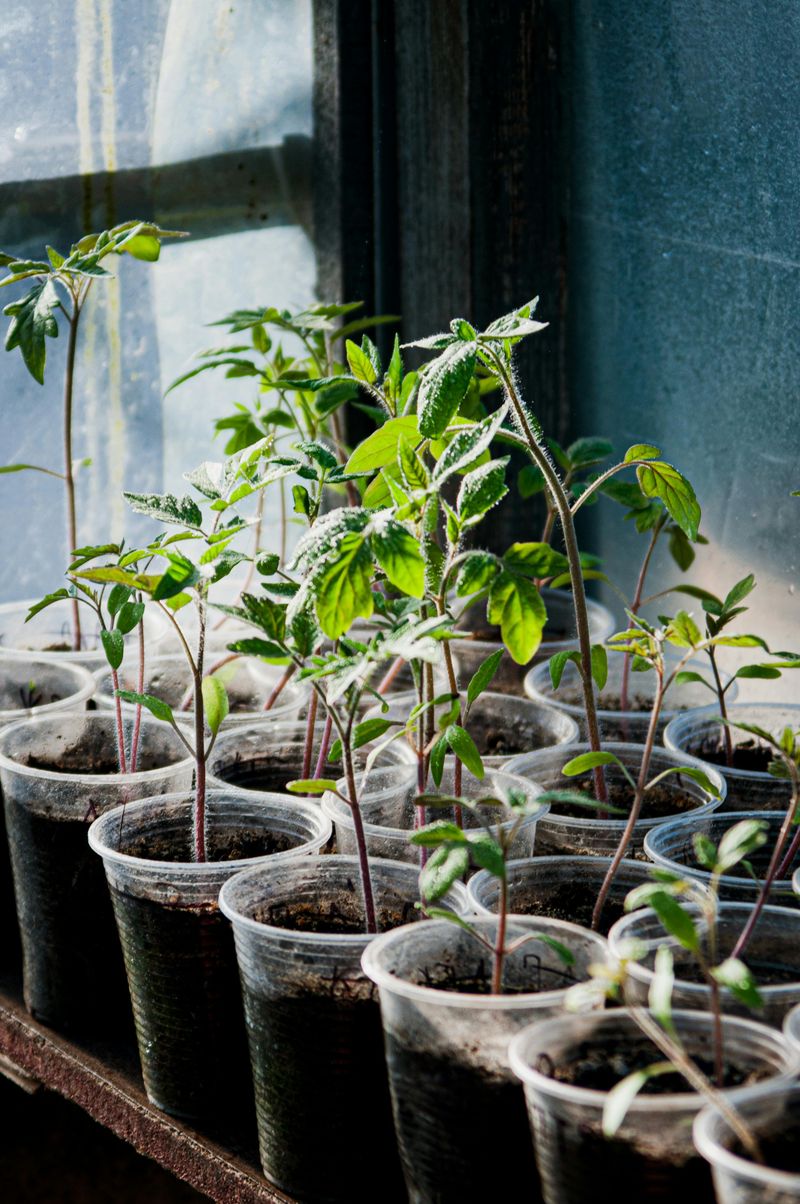
Some seedlings grow faster than expected indoors, particularly if started too early in Oregon. Overgrown plants become soft and lush, making them vulnerable to wind, cold, and sun once transplanted outdoors.
Rapid indoor growth can also cause early flowering in some vegetables, further complicating transplant success.
One effective solution is to move seedlings to cooler areas of the home, such as an unheated garage, basement, or enclosed porch, where temperatures stay around 50–60 degrees Fahrenheit. Cooler temperatures naturally slow growth without harming plants.
Reducing watering slightly also helps, as cooler soil retains moisture longer. This technique buys time until outdoor conditions, including last frost dates, are safe for transplanting.
In Oregon, where winter conditions can vary widely between coastal, valley, and eastern regions, using cooler spaces can prevent seedlings from becoming overly tall or fragile before they reach the garden.
5. Dense Roots Need Attention – Loosen Them During Transplant
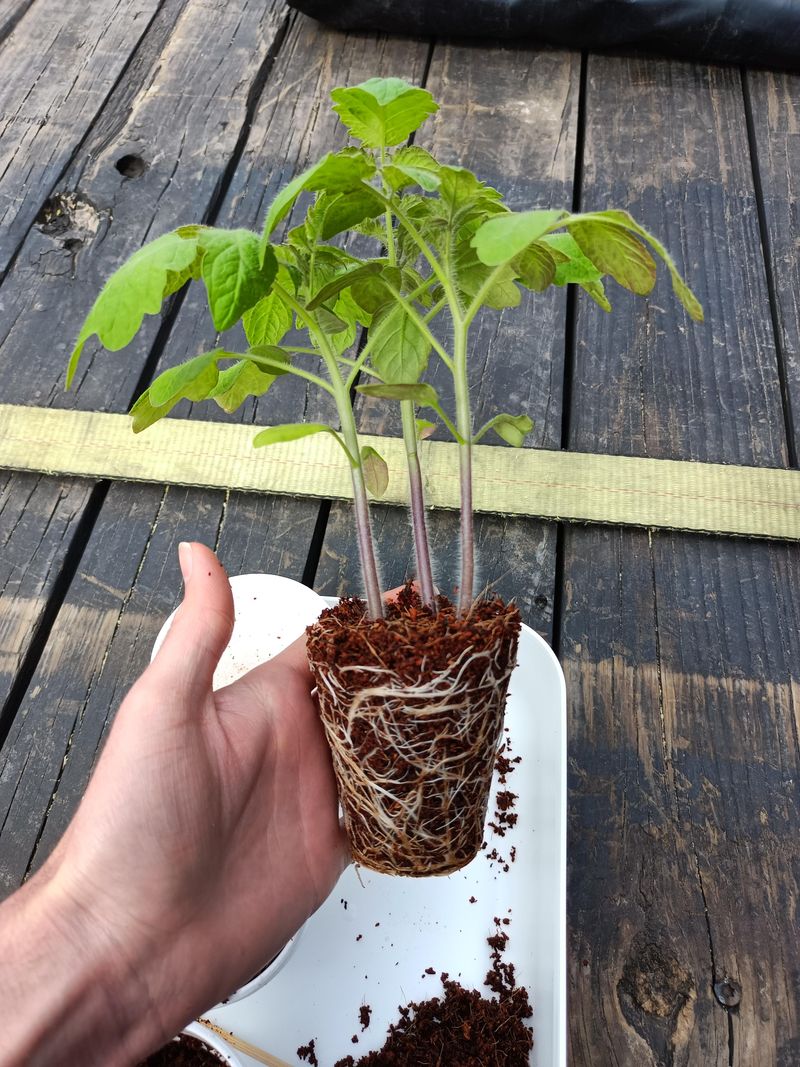
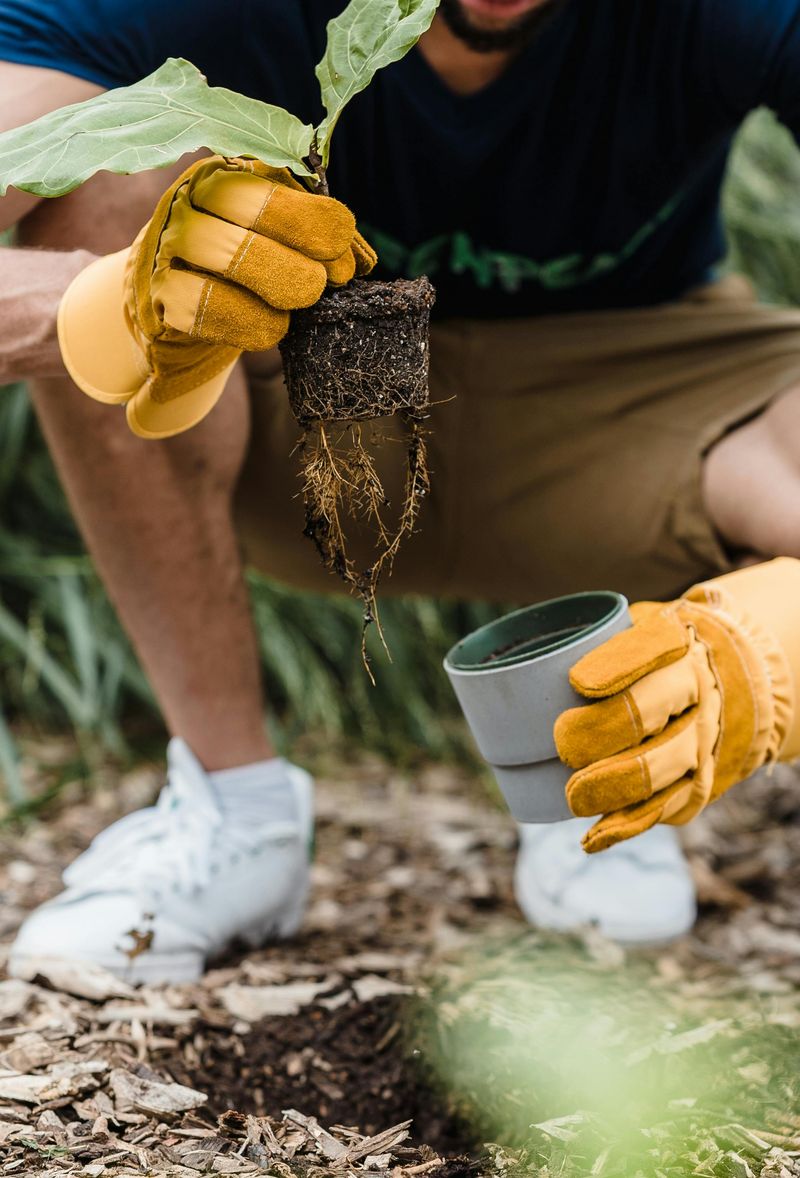
Seedlings confined to small pots for extended periods often develop dense, circling roots. Without intervention, these roots may continue spiraling after transplanting, limiting nutrient and water uptake.
Plants with dense roots may take longer to establish outdoors and are more sensitive to drought or stress.
Before planting, carefully examine the root ball. Gently tease apart the outer roots with your fingers or a pencil, encouraging them to grow outward.
For very dense root balls, a few shallow vertical cuts along the sides can stimulate new root growth. Place the seedling in prepared soil, backfill, and water thoroughly to eliminate air pockets.
Proper root management helps seedlings establish quickly in Oregon gardens, where spring soil conditions can be wet in the Willamette Valley and drier in inland regions. Healthy root systems improve plant vigor and resilience, supporting strong above-ground growth throughout the season.
6. Yellowing Leaves Signal Hunger – Start Gentle Fertilization
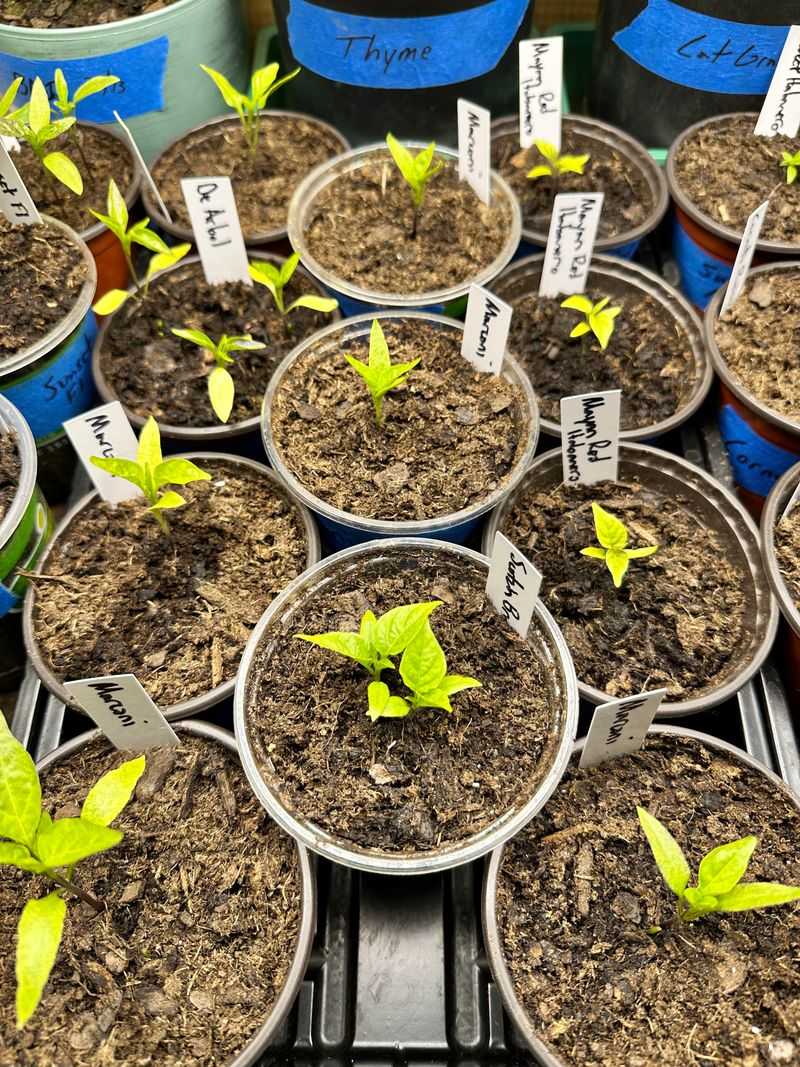
Extended indoor growth can deplete nutrients in seed-starting mixes, leading to yellowing leaves. Lower leaves often turn pale first as the plant moves nutrients to support new growth.
This is especially common in seedlings started too early, which spend weeks indoors before transplanting.
A gentle, diluted liquid fertilizer applied once a week can restore steady growth. Balanced fertilizers around a 5–5–5 ratio or fish emulsion and seaweed-based options are effective and safe for seedlings.
Start feeding two to three weeks after germination and adjust based on plant response. Light, consistent fertilization supports sturdy stems and vibrant leaves.
Oregon gardeners often supplement indoor seedlings with these mild fertilizers to maintain health during longer-than-usual indoor periods caused by early starts.
7. Seedlings Shock Easily – Harden Them Off Gradually Before Moving Outside
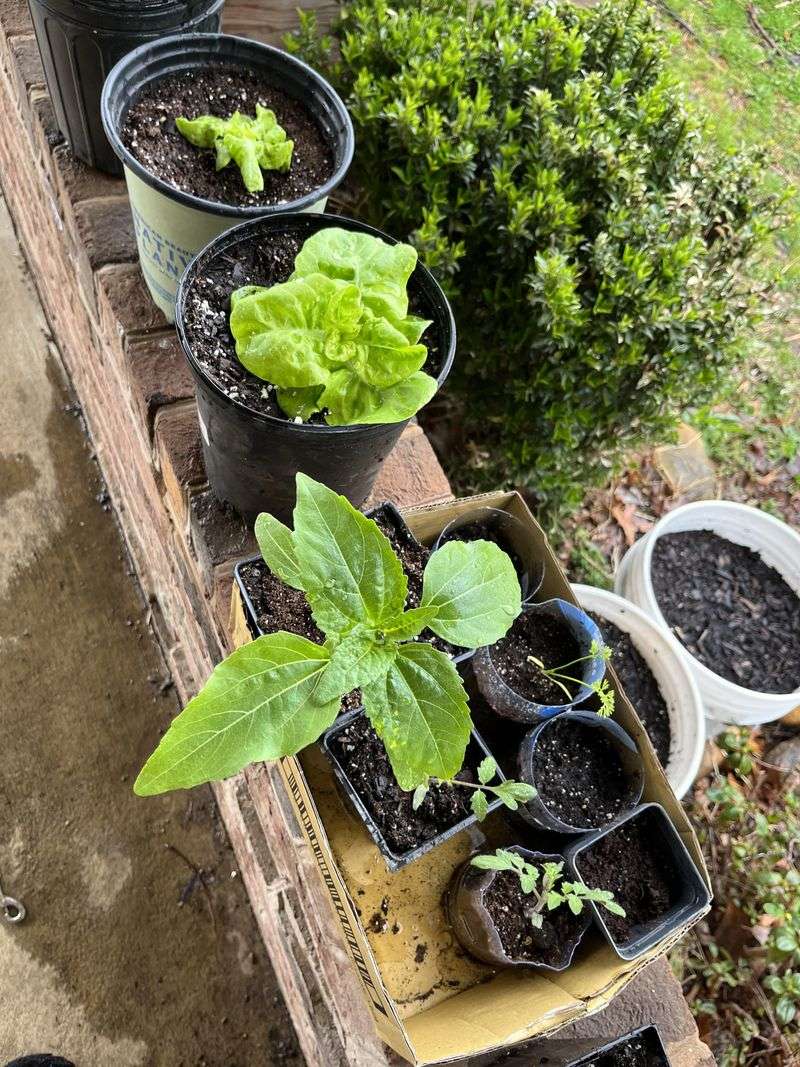
Seedlings raised indoors are used to stable temperatures, filtered light, and no wind. Sudden exposure to sun, wind, and temperature changes can cause transplant shock, slowing growth and damaging leaves.
This stress can make young plants more susceptible to pests and reduce overall vigor during their first critical weeks in the garden.
Harden off seedlings over 1–2 weeks. Begin with 1–2 hours outdoors in a sheltered, partially shaded area, gradually increasing exposure each day.
Protect seedlings from frost, wind, or intense sun. You can also lightly mist plants during their first outdoor exposure to prevent dehydration and help them adjust more comfortably.
By the end of the period, plants should tolerate full days and nights outside. Gradual acclimation reduces stress, ensuring seedlings can thrive in Oregon’s unpredictable spring weather once transplanted, and it gives gardeners a much higher success rate for strong, productive growth throughout the season.
8. Cold Soil Holds Plants Back – Wait Until Soil Warms Up
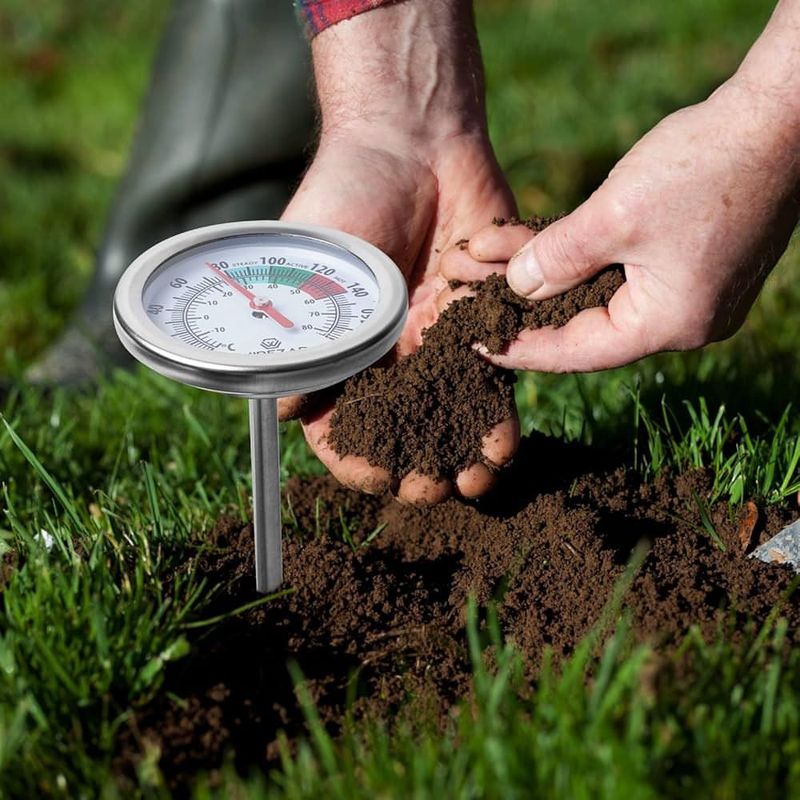
Even when the air feels warm, Oregon soil can remain cold well into spring. Warm-season vegetables like tomatoes, peppers, and squash need soil temperatures around 60 degrees Fahrenheit to grow actively.
Planting too early slows root function, delays nutrient uptake, and increases vulnerability to moisture-related issues, which can stunt growth or make seedlings more prone to disease.
Use a soil thermometer to monitor temperature at a 2–3 inch depth for several mornings to get an accurate sense of when the soil is consistently warm enough. Covering beds with black plastic or row cover fabric can help accelerate soil warming and protect against late frosts.
You can also lightly mound soil around seedlings when transplanting to improve drainage and reduce the risk of cold stress in low spots. Waiting for soil to reach the appropriate temperature ensures seedlings establish quickly, develop strong root systems, and take full advantage of Oregon’s variable spring growing season.
9. Mold And Pests Are Spreading – Improve Airflow And Space Containers
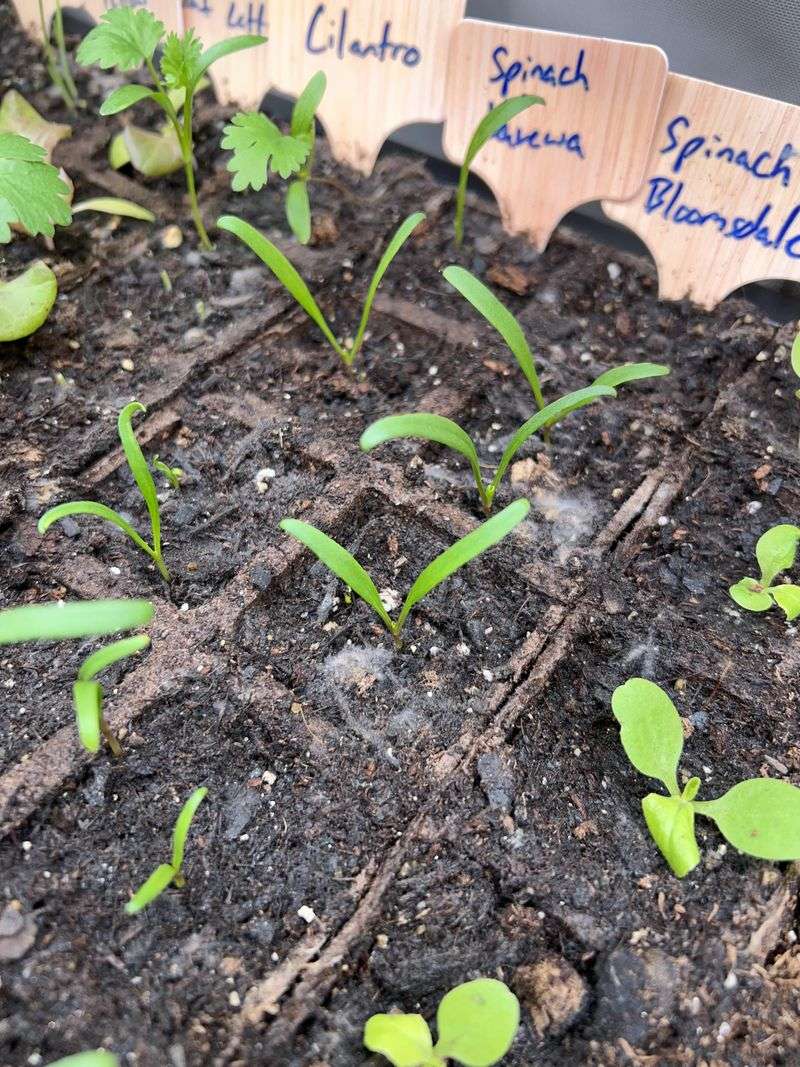
Crowded seedlings in a warm, humid indoor environment are highly susceptible to mold, damping-off, and fungus gnats. Extended indoor periods increase the risk of these issues, especially in Oregon homes where late-winter light is low and indoor heat can create stagnant, moist conditions.
Fungus gnats lay eggs in the soil, and their larvae feed on delicate roots, while mold can quickly spread across multiple trays, weakening seedlings and slowing growth.
Improving airflow is one of the simplest and most effective solutions. Space trays farther apart to allow air to circulate between plants, and use a low-speed oscillating fan to gently move air over leaves and soil surfaces.
Allow the top inch of soil to dry between waterings to reduce conditions that favor mold or pests. Yellow sticky traps catch adult gnats and help monitor populations.
For surface mold, a light dusting of cinnamon acts as a natural deterrent. These preventive steps help seedlings remain healthy and vigorous until they are ready for outdoor transplanting in Oregon’s varied spring conditions, ensuring a stronger start once they hit the garden.
10. Timing Is Off – Plan Future Seed Starting To Match Oregon Frost Dates
Getting the timing right is critical for a successful Oregon garden. Last frost dates vary widely depending on region – the Willamette Valley typically sees frost end between late March and mid-April, coastal areas are milder, and mountain communities may not be frost-free until late May.
Starting seeds indoors too early can lead to leggy plants, overcrowded containers, and stressed seedlings, creating a cascade of problems for the growing season.
To avoid these issues, work backward from your region’s average last frost date using seed packet recommendations. Tomatoes usually need six to eight weeks of indoor growth, peppers eight to ten weeks, and fast-growing crops like lettuce or radishes require fewer weeks.
Maintaining a planting calendar and starting seeds in multiple batches allows for staggered harvests and provides backup plants if early seedlings struggle. Tools such as OSU Extension frost-date lookups or the Old Farmer’s Almanac provide accurate, zip code-specific guidance.
By matching indoor seed-starting schedules to regional frost patterns, Oregon gardeners can ensure seedlings are strong, well-timed, and ready to thrive outdoors without unnecessary stress or wasted effort.