What Happens If You Start Vegetable Seeds Indoors Too Early In Pennsylvania (Plus How To Fix It)
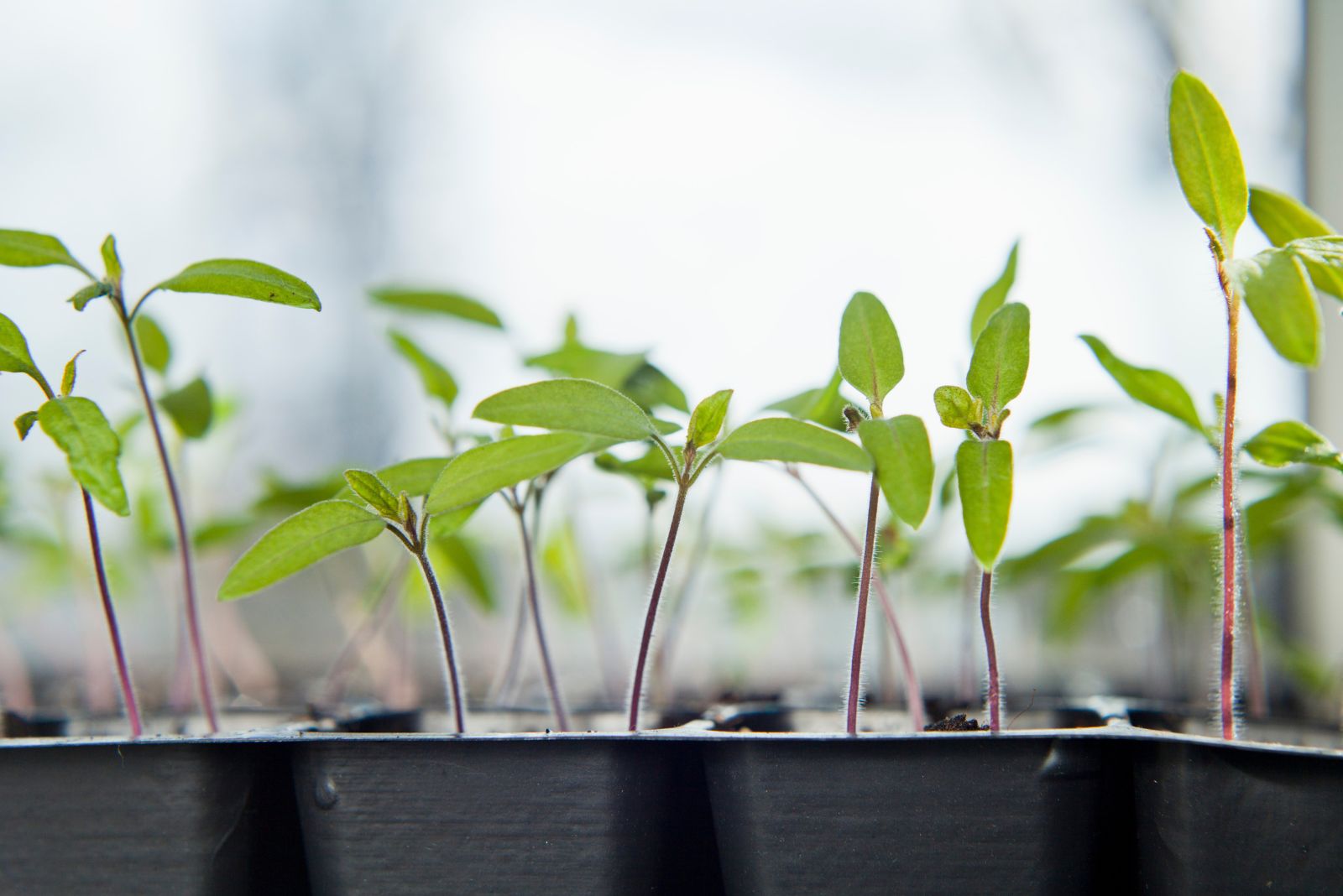
Starting vegetable seeds indoors feels like the perfect way to get a head start on spring, especially when Pennsylvania is still stuck in chilly, gray weather. Watching tiny sprouts appear can be exciting, but planting too early often leads to more trouble than success.
Seedlings started ahead of schedule may grow tall and weak, struggle with limited light, or become root bound before outdoor conditions are ready. As weeks pass, keeping them healthy indoors can turn into a balancing act of light, temperature, and space.
The good news is that even if you jumped the gun, your seedlings are not doomed. With a few smart adjustments, you can strengthen leggy plants, slow growth, and help them transition outdoors at the right time.
Understanding what happens when seeds start too soon can save your garden from setbacks and still lead to a productive, satisfying vegetable harvest once Pennsylvania’s growing season finally gets underway.
1. The Risks Of Early Indoor Seed Starting
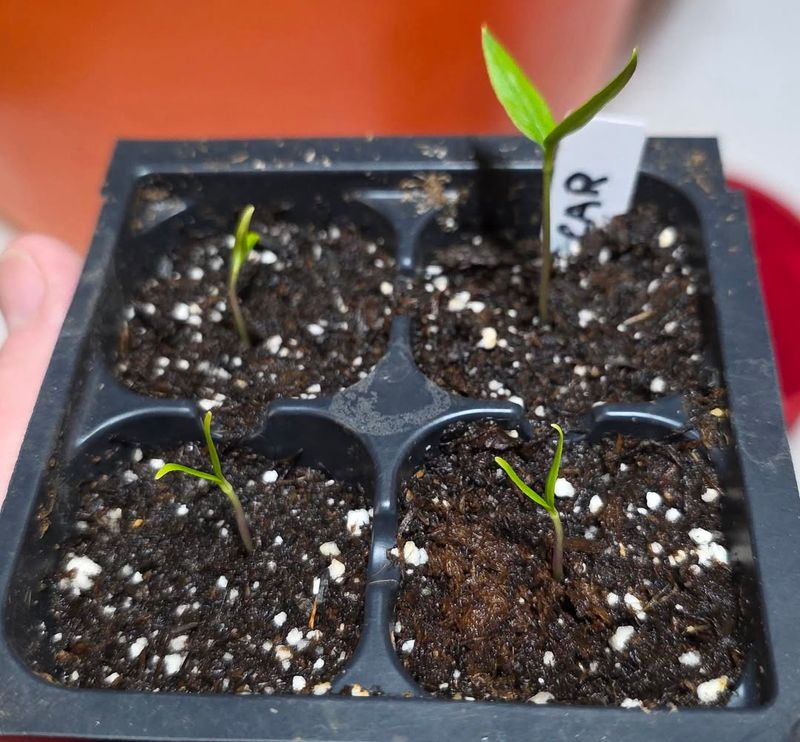
Timing makes or breaks indoor seed starting for Pennsylvania vegetable gardens. Starting too early seems harmless, but it creates a cascade of problems that weaken plants before they ever reach the garden bed.
Seeds sprouted weeks ahead of schedule become root-bound, leggy, and susceptible to disease while waiting for safe transplant weather.
Pennsylvania’s last frost dates range from late April in southeastern regions to mid-May in northern counties. When gardeners misjudge these dates or get overly enthusiastic in February, seedlings outgrow their containers and exhaust soil nutrients.
Root systems circle around pot edges searching for space, creating stunted plants that never fully recover even after transplanting.
Overcrowded seedlings compete for light, water, and nutrients in their trays. This competition weakens all the plants rather than producing a few strong ones.
Weak stems develop when plants stretch desperately toward insufficient light sources, creating tall but fragile seedlings that topple over or break easily.
Disease pressure increases dramatically when seedlings sit indoors too long. Damp soil conditions combined with poor air circulation create perfect environments for damping-off disease and fungal problems.
These issues spread quickly through crowded seed trays, potentially wiping out entire batches of seedlings.
Early starters also face temperature stress when moving outdoors. Plants grown too long indoors become accustomed to stable conditions and shock easily when exposed to Pennsylvania’s variable spring temperatures.
This transition stress delays growth, reduces yields, and sometimes causes plants to bolt prematurely or fail to produce fruit altogether, wasting all that early effort and anticipation.
2. Symptoms Of Starting Seeds Too Early
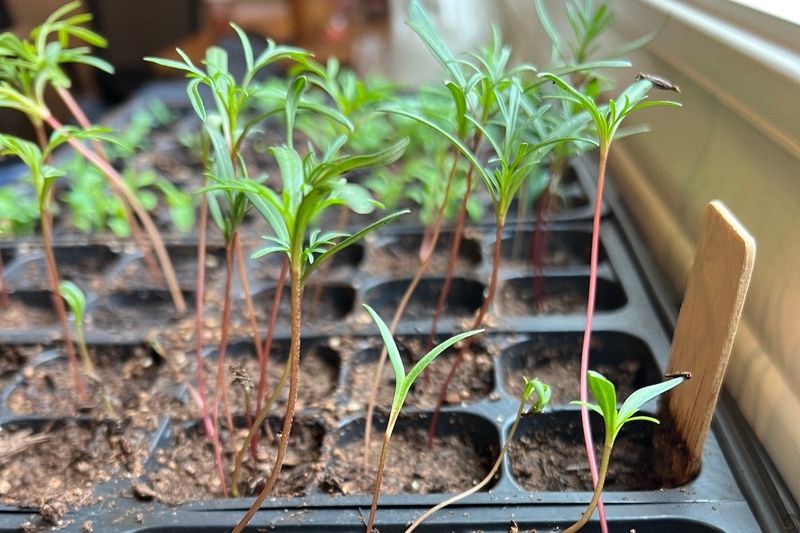
Recognizing the warning signs helps Pennsylvania gardeners catch problems before they become unfixable. Leggy seedlings represent the most obvious symptom, with abnormally tall stems and widely spaced leaves reaching desperately toward light sources.
These stretched plants look more like bean sprouts than robust vegetable seedlings, with stems too thin to support their own weight.
Pale or yellowing leaves signal nutrient deficiency when seedlings exhaust the limited resources in seed-starting mix. Young plants started in February or early March deplete their soil long before Pennsylvania weather permits outdoor transplanting.
The leaves lose their deep green color and growth slows to a crawl despite regular watering.
Weak, floppy stems that can’t stand upright indicate insufficient light and overcrowding. These seedlings bend over at soil level or collapse completely when you remove humidity domes.
Even gentle air movement from fans causes them to fall over, showing they lack the structural strength needed for outdoor survival.
Root-bound conditions develop when plants sit too long in small containers. Roots circle the pot bottom and sides, forming dense mats that struggle to spread outward after transplanting.
When you remove seedlings from containers, you’ll see more roots than soil, and the root ball holds its container shape.
Delayed flowering and fruiting occur even after transplanting because stressed seedlings need recovery time. Tomatoes, peppers, and eggplants started too early in Pennsylvania often produce their first flowers and fruits weeks later than properly timed seedlings.
Some plants experience such severe setbacks that they never reach their full productive potential during the growing season.
3. Why Early Starting Mistakes Happen In Pennsylvania
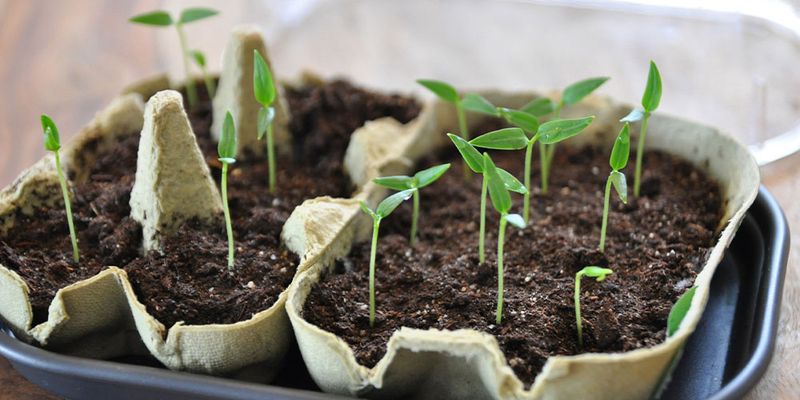
Pennsylvania gardeners make early starting mistakes for several understandable reasons. Winter cabin fever drives many to start planting when seed catalogs arrive in January, even though outdoor conditions won’t cooperate for months.
The excitement of planning gardens and handling seeds becomes irresistible during cold, gray February days when spring feels impossibly far away.
Misjudging frost dates causes most timing errors across the state. Pennsylvania spans multiple hardiness zones, with last frost dates varying by three or four weeks depending on location.
Gardeners in warmer southeastern counties sometimes follow advice meant for northern regions, or vice versa, leading to significantly mistimed seed starting.
Seed packet instructions create confusion because they provide general guidelines rather than Pennsylvania-specific timing. Another common issue is underestimating how quickly seedlings grow indoors, especially under warm conditions and steady watering.
What starts as tiny sprouts can outgrow containers long before transplant season arrives. Limited indoor light also plays a role, since many homes cannot provide the strong, consistent brightness young plants need to stay compact and healthy.
Without enough light, seedlings stretch and weaken, making them harder to manage until planting time.
4. How To Correct Leggy Or Weak Seedlings
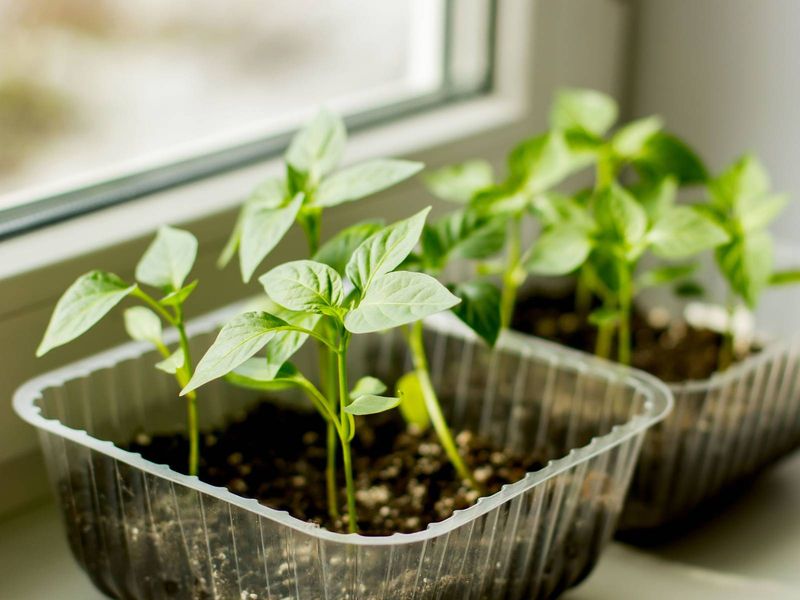
Rescuing leggy seedlings requires immediate action but remains entirely possible for Pennsylvania gardeners. Adding supplemental lighting represents the most critical fix, positioning grow lights or fluorescent tubes just two to three inches above seedling tops.
Proper lighting strengthens stems and encourages compact, bushy growth instead of continued stretching toward inadequate light sources.
Transplanting leggy seedlings into deeper containers buries weak stems and encourages additional root development. Tomatoes especially benefit from this technique because they form roots along buried stem sections.
Carefully move seedlings to larger pots, burying stems up to their lowest leaves, which provides stability and strengthens overall plant structure.
Increasing air circulation with small fans simulates outdoor breezes that naturally strengthen stems. Gentle air movement forces seedlings to develop thicker, sturdier stems capable of supporting themselves outdoors.
Run fans on low settings for several hours daily, creating just enough movement to make leaves flutter slightly without causing damage.
Hardening off becomes absolutely essential for early-started seedlings before Pennsylvania’s unpredictable spring weather.
Gradually expose plants to outdoor conditions over ten to fourteen days, starting with just one or two hours in shade and slowly increasing time and sun exposure.
This process toughens cell walls, darkens foliage, and prepares plants for temperature fluctuations.
Reducing watering frequency slightly and lowering indoor temperatures helps slow excessive growth while seedlings wait for transplant weather. Cooler conditions around 60-65 degrees produce stockier plants than warmer temperatures.
Cut back on fertilizer to prevent additional leggy growth, focusing instead on maintaining existing seedlings until Pennsylvania gardens are truly ready for planting.
5. Adjusting Planting Schedule For Success
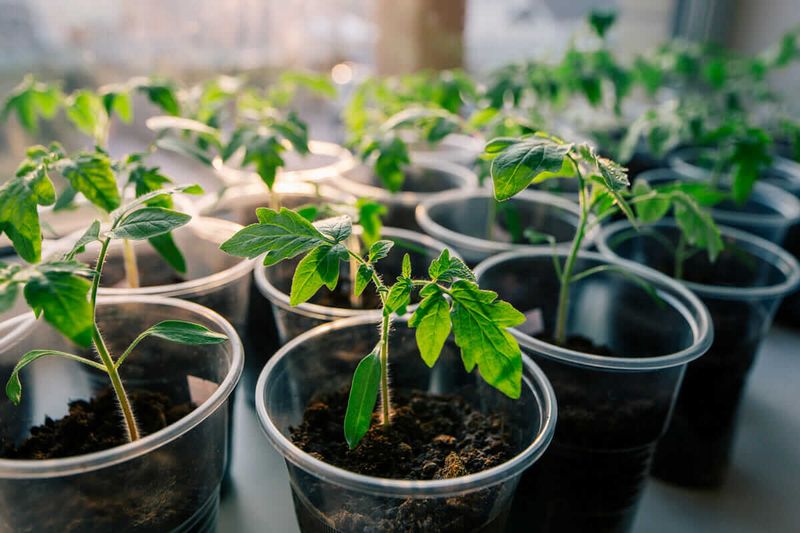
Getting timing right prevents problems before they start for Pennsylvania vegetable gardens. Count backward from your local last frost date to determine perfect seed-starting times for each crop.
Tomatoes need six to eight weeks indoors before transplanting, while peppers require eight to ten weeks, and these calculations must account for Pennsylvania’s regional frost date variations.
Southeastern Pennsylvania counties around Philadelphia typically see last frosts around April 15, while central regions near Harrisburg face risks until late April. Northern counties and higher elevations shouldn’t transplant tender crops until mid-May.
These three-to-four-week differences dramatically affect when seeds should start indoors for each Pennsylvania location.
Seed packets provide valuable guidance when used correctly for Pennsylvania conditions. Look for days-to-maturity information and indoor starting recommendations, then adjust based on your specific frost date rather than generic spring timing.
Cool-season crops like broccoli, cabbage, and lettuce start four to six weeks before last frost, while warm-season crops need later starts.
Creating a customized calendar prevents confusion and ensures proper timing year after year. Mark your Pennsylvania county’s average last frost date, then work backward for each vegetable variety you plan to grow.
Include notes about actual conditions each spring since weather patterns shift, helping you refine timing for future seasons.
Staggered planting extends harvests and provides backup if early batches fail. Start small batches of seeds at two-week intervals rather than sowing everything at once.
This approach gives Pennsylvania gardeners flexibility when spring arrives late or arrives surprisingly early, ensuring some seedlings hit perfect transplant size regardless of weather variations that make gardening in this state both challenging and rewarding.
6. Preventive Tips For Future Seed Starting
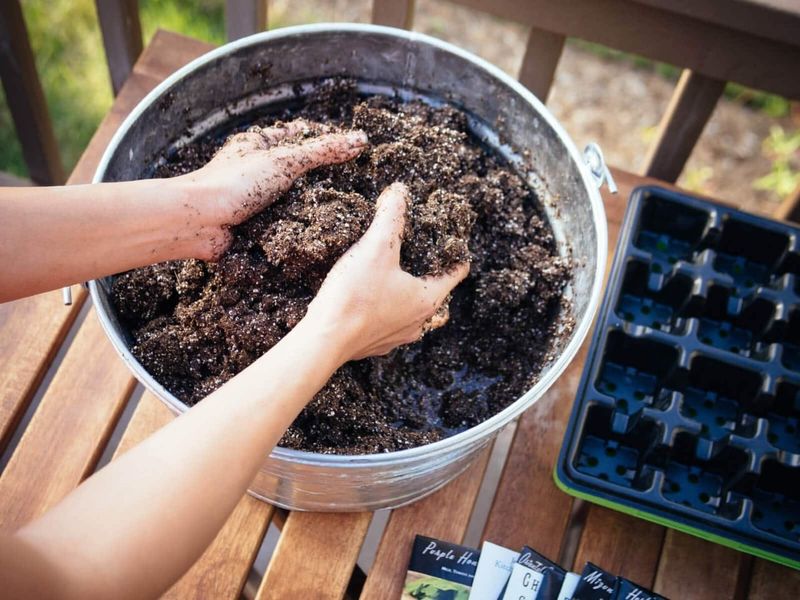
Setting up proper systems prevents early-starting mistakes in future Pennsylvania growing seasons. Invest in quality grow lights specifically designed for seed starting rather than relying on window light alone.
LED or fluorescent shop lights positioned on adjustable chains maintain optimal distance as seedlings grow, providing consistent light that prevents stretching regardless of Pennsylvania’s cloudy late-winter weather.
Track frost dates and actual planting conditions in a garden journal year after year. Pennsylvania weather varies significantly from season to season, and your personal records become more valuable than general recommendations.
Note when you actually transplanted each crop, how seedlings performed, and whether timing worked well or needed adjustment.
Choose appropriate containers that match seedling timelines and growth habits. Smaller cells work fine for crops started just four weeks before transplanting, while tomatoes and peppers need larger pots if growing indoors for eight or ten weeks.
Proper container sizing prevents root-bound conditions and reduces transplanting steps that stress young plants.
Use quality seed-starting mix rather than garden soil or heavy potting soil. Lightweight, sterile mixes provide perfect drainage and aeration while reducing disease pressure on vulnerable seedlings.
These specialized mixes also contain enough nutrients for initial growth without encouraging excessive leafy development that creates weak, leggy plants.
Maintain detailed planting calendars that account for Pennsylvania’s variable conditions across different regions. Create reminders for each crop’s ideal starting date based on your county’s frost patterns.
Include backup dates for staggered plantings and notes about light requirements, transplant timing, and hardening-off schedules.
This organized approach transforms seed starting from guesswork into a reliable system that produces strong, healthy transplants perfectly timed for Pennsylvania gardens every single spring.