What Happens To Banana Plants After A North Carolina Freeze (And What To Do)
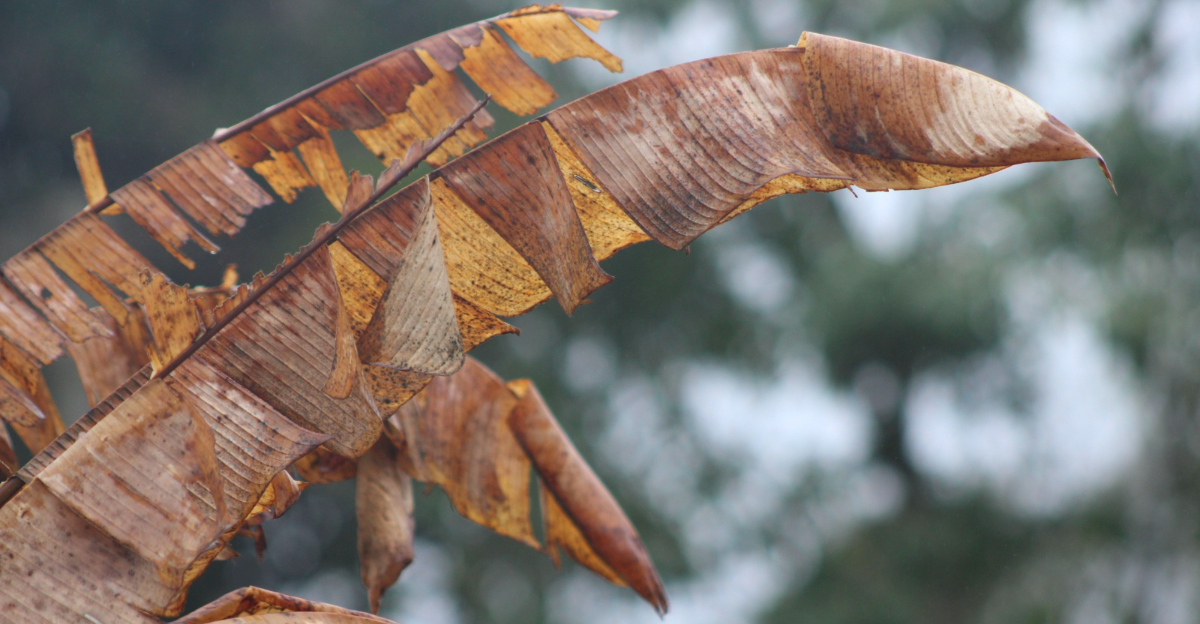
North Carolina gardeners often treat banana plants like a seasonal gamble. You plant those massive, architectural leaves for a summer vibe, then watch in horror as the first frost turns them brown and wilted.
Most people assume the dream ends there, digging up the stump or leaving it to rot, unaware that these tropical giants hide a remarkable resilience.
From the salty coast to the windswept Blue Ridge Mountains, your garden holds the potential for a spectacular comeback.
Survival hinges on one key realization: the real life of the plant is underground. Shield the rhizome from a deep freeze and it can push out vigorous new shoots once the soil warms.
Success comes from strategy, not climate. Stop treating bananas like fragile annuals and start preparing them for a triumphant return.
1. Where Banana Plants Can Thrive In North Carolina
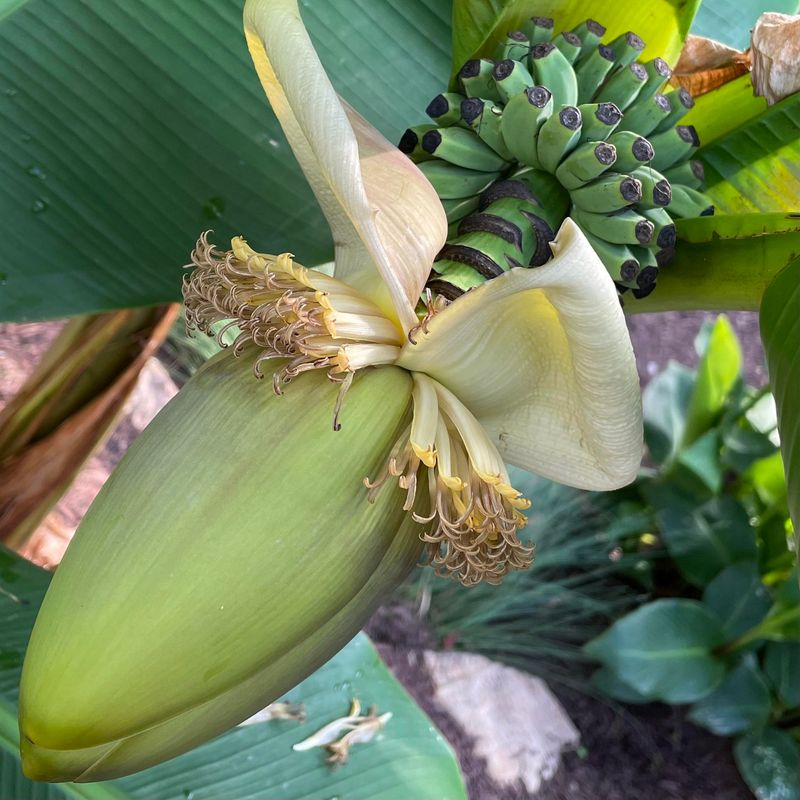
Coastal areas such as Wilmington and the Outer Banks offer some of the most forgiving conditions for growing bananas in North Carolina.
These locations fall in USDA Hardiness Zones 8a and 8b, where winter temperatures rarely dip below 20 degrees Fahrenheit, reducing the risk of serious freeze damage.
Gardeners here often grow Musa basjoo or Cavendish varieties with minimal winter protection. Moving inland toward the Piedmont, zones 7a and 7b present greater challenges, as temperatures can occasionally reach the low teens.
Bananas can survive in these areas with careful placement near south-facing walls, sheltered microclimates, and heavy mulching to protect the rhizome.
In the cooler mountain regions, zones 6a and 6b, winter temperatures can drop into single digits, making in-ground cultivation risky.
Gardeners in these areas rely on cold-hardy varieties, raised beds, or container planting to bring tropical style to their landscapes.
Understanding your specific hardiness zone and local microclimates is the first step to giving banana plants the best chance to survive and thrive.
Proper location, winter preparation, and protection methods allow gardeners across the state to enjoy the bold presence of banana plants even in climates that occasionally test their limits.
2. Understanding What A Freeze Does To Bananas
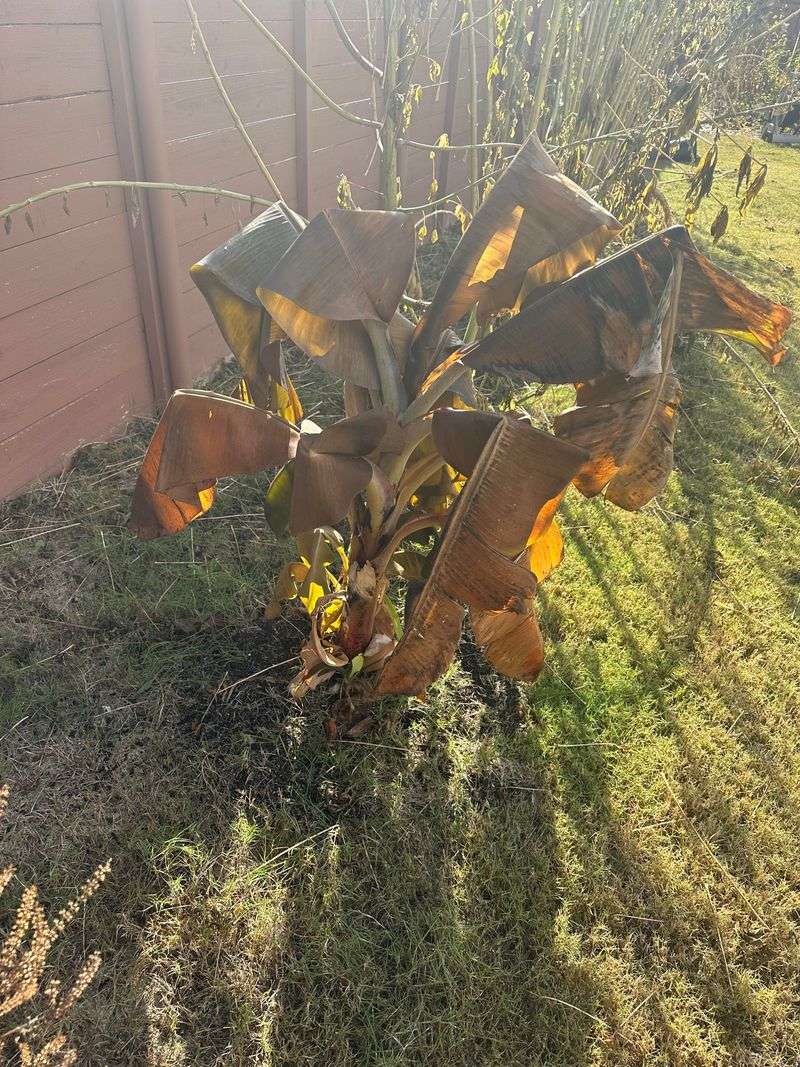
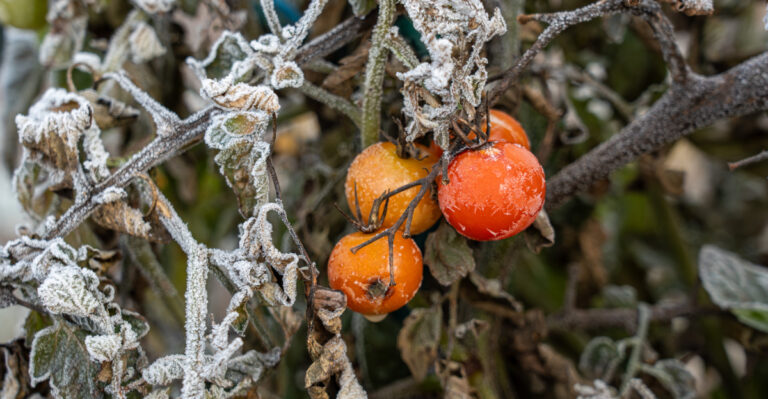
Banana plants evolved in warm, frost-free environments, which makes them highly sensitive to ice crystal formation. When temperatures drop below 32 degrees Fahrenheit, water inside the cells freezes, causing the cell walls to rupture.
This is why damage often looks sudden and dramatic, with leaves turning black or translucent overnight. The pseudostem, formed by tightly wrapped leaf bases, is particularly vulnerable due to its high moisture content.
Once frozen, the tissue softens, collapses, and may appear completely destroyed. The outer layers often take the brunt of the damage, sometimes acting as a temporary shield for the inner core.
Meanwhile, the rhizome, the underground base from which new growth emerges, is usually the key to recovery. Even when the above-ground portions appear lifeless, the rhizome can remain healthy and produce new shoots weeks after a freeze.
Gardeners are often surprised to see fresh growth emerge long after the cold event, offering hope that the plant can fully recover.
Recognizing the difference between above-ground damage and root survival is essential for planning pruning and care strategies.
A careful assessment ensures that only damaged tissue is removed, giving the rhizome the best chance to regenerate strong, healthy growth in the following season.
3. Spotting Freeze Damage On Leaves And Stems
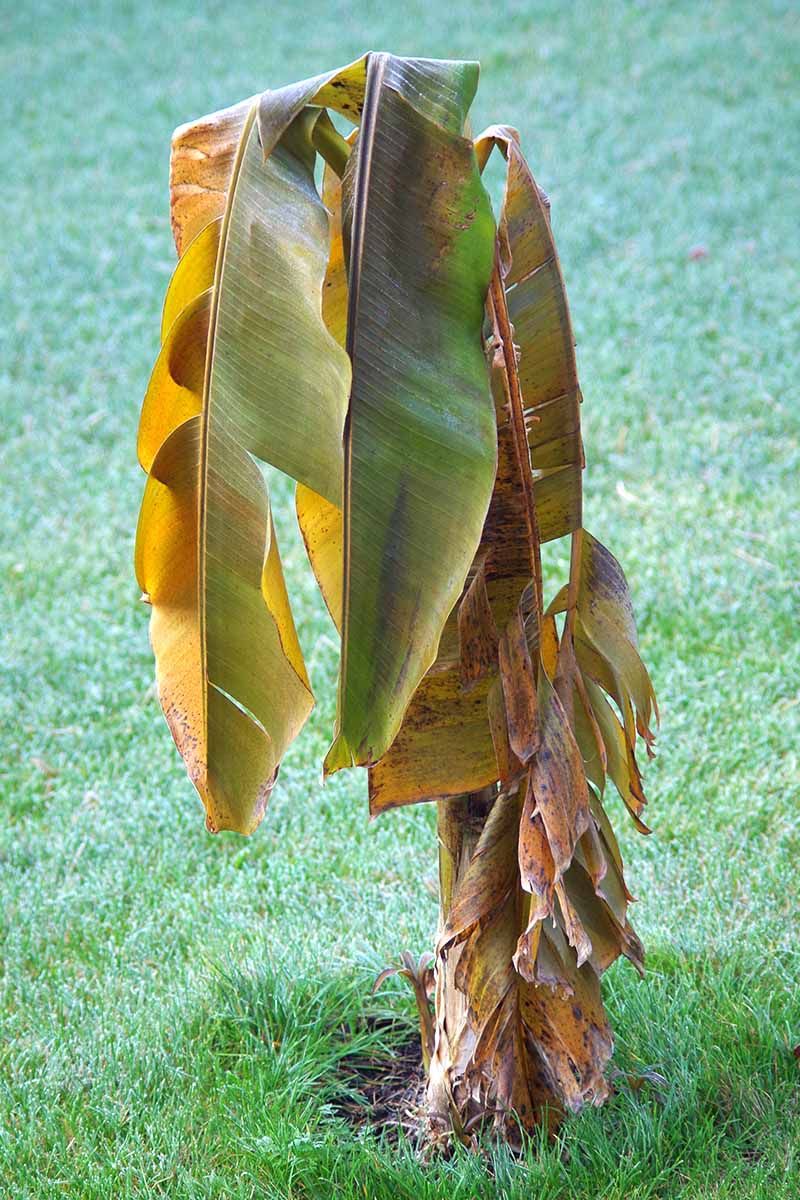
After a cold snap, the most obvious signs of freeze damage appear on the banana leaves. Healthy green leaves can turn yellow, brown, or almost black within a day or two, and the tissue may look water-soaked before drying out and becoming crisp.
The pseudostem provides additional clues about the severity of the freeze. Gently pressing the outer layers helps gauge whether the inner core remains firm.
Soft, mushy outer layers often indicate that the damage has not yet reached the growing point. A fully collapsing stem suggests deeper damage, but the rhizome may still be viable beneath the soil.
Patience is critical in assessing banana plant health. Gardeners should wait several weeks before making final judgments about whether the plant is truly dead.
New leaves emerging from the center of the pseudostem or shoots from the soil near the base confirm that life remains. Careful observation and restraint prevent premature pruning or removal of tissue that could still support regrowth.
Understanding these visual cues helps North Carolina gardeners decide when and how to intervene, ensuring the best chance for the plant to recover successfully after a freeze.
4. Pruning And Trimming After Cold Weather
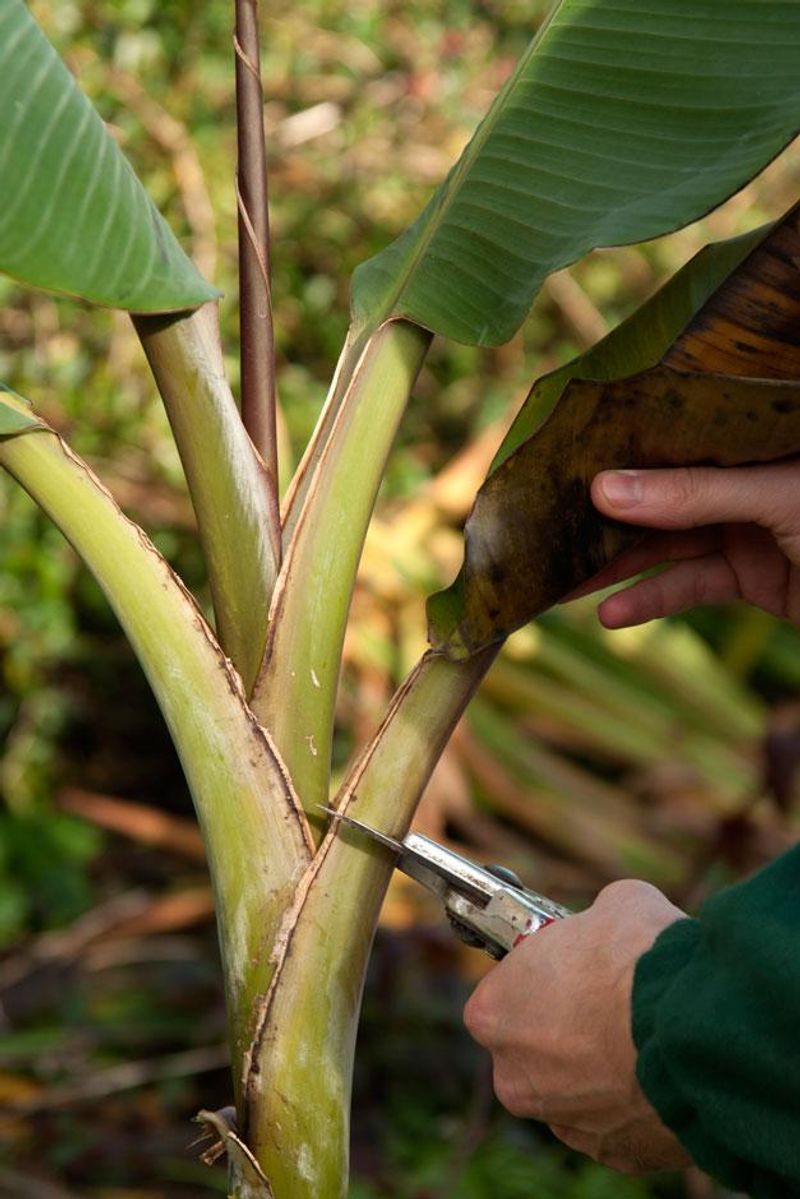
Timing is critical when pruning banana plants after a freeze. Cutting too early, before the risk of frost has passed, can expose new tissue to additional damage.
Most gardeners wait until nighttime temperatures consistently stay above freezing before starting any trimming. Begin by removing damaged outer leaves, cutting them cleanly at the base.
If the pseudostem is completely soft or mushy, cut it down to a few inches above the soil line to allow new shoots to emerge. When the inner core remains firm, leaving more of the stem intact helps protect the growing point.
Sterilizing pruning tools before and after use reduces the risk of fungal or bacterial infections. Avoid fertilizing immediately after pruning; allow the plant to stabilize and demonstrate new growth first, typically by mid to late spring.
Careful, patient pruning ensures the plant recovers efficiently and avoids unnecessary stress.
By following these steps, gardeners can maintain healthy banana plants that are ready to resume vigorous growth once temperatures rise and the growing season progresses.
Proper pruning supports long-term resilience and maximizes the plant’s chances of surviving subsequent winters in North Carolina.
5. Protecting Banana Plants Before Frost Arrives
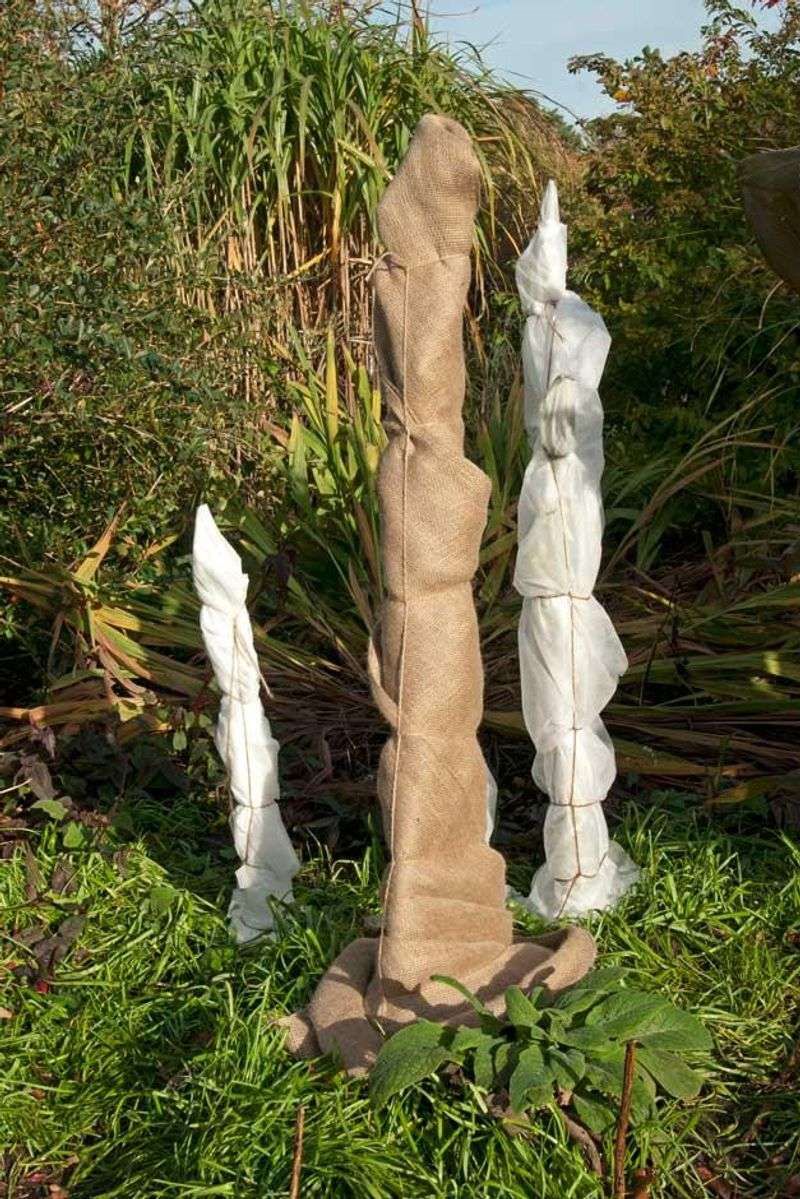
Preparation is the best defense against freeze damage in banana plants. North Carolina winters can be unpredictable, so monitoring long-term weather forecasts starting in late October is essential.
When temperatures are expected to drop below 28 degrees Fahrenheit for several hours, gardeners should take protective measures.
Mulching around the base with 6 to 12 inches of straw, shredded leaves, or wood chips insulates the rhizome, preserving the plant’s energy for spring regrowth.
The pseudostem can be wrapped loosely with burlap or frost cloth to retain warmth and reduce tissue damage. Some gardeners build simple wooden or wire frames filled with leaves or straw for additional insulation.
Watering the plant thoroughly before a freeze provides an extra thermal buffer, as moist soil holds heat better than dry soil. Preparing in advance ensures the rhizome survives and supports recovery after freezing events.
These proactive steps, when applied consistently, can make a significant difference in how banana plants weather North Carolina winters.
Combining thoughtful placement, mulching, and wrapping techniques allows gardeners to maintain tropical style while minimizing the risk of freeze damage.
6. Caring For Roots And Rhizomes After Freezing
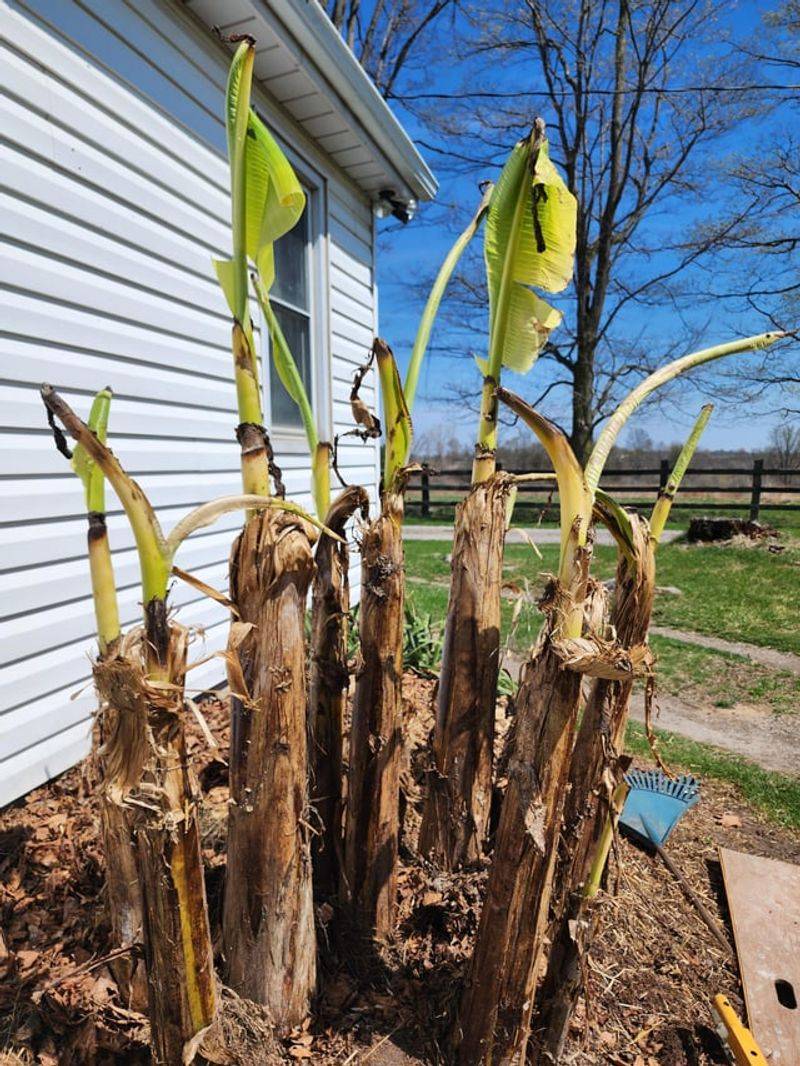
The rhizome is the most critical part of a banana plant when assessing freeze survival. Even if above-ground foliage is completely damaged, healthy rhizomes often remain intact.
After the ground has thawed and temperatures stabilize, gently dig around the base to inspect the rhizome. Look for firm, creamy-white or yellowish tissue.
Any sections that appear mushy or rotted should be removed carefully with a clean, sharp knife. Maintaining favorable soil conditions is essential during recovery.
Avoid overwatering, as cold-stressed roots are prone to rot in soggy soil. Once new shoots emerge, applying a balanced, slow-release fertilizer in mid-spring can support vigorous growth.
Gardeners in cooler regions may notice slower rhizome recovery, with shoots appearing weeks later than in coastal zones. Observing patience and maintaining appropriate soil and moisture conditions ensures that the rhizome can support healthy regrowth.
With careful monitoring and proper care, banana plants can rebound even after severe freezes, eventually producing strong, healthy stems and foliage for the upcoming growing season.
7. Encouraging New Banana Growth After Cold
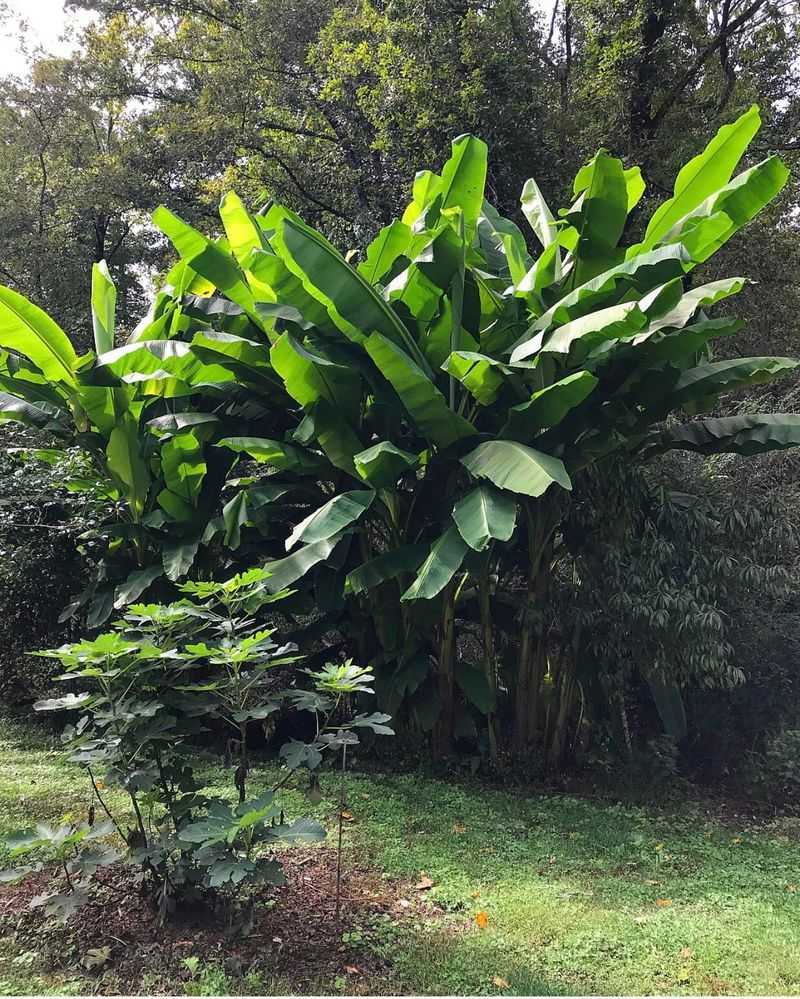
Spring brings the exciting moment of new banana shoots emerging after a harsh winter. These tightly rolled green spears indicate that the rhizome has survived and the plant is ready to grow.
Sunlight is essential during this phase, as banana plants require six to eight hours of direct sunlight daily to develop vigorous leaves and stems. Selecting a planting spot with southern or western exposure maximizes warmth and light.
Once shoots reach several inches in height, applying a balanced fertilizer with slightly higher nitrogen encourages leafy growth. Consistent watering is important, as active growth periods demand more moisture.
Adding a fresh layer of mulch around the base helps retain soil moisture, moderate temperatures, and reduce competition from weeds.
Over the course of spring and early summer, banana plants that survived a freeze can quickly regain height and bulk, preparing for the next cold season.
Monitoring growth and maintaining ideal soil and water conditions ensures that plants recover fully, producing lush, tropical foliage for North Carolina yards.
Regular attention at this stage helps gardeners maximize the plant’s resilience and beauty for the season ahead.
8. Growing Bananas In Containers In Colder Zones
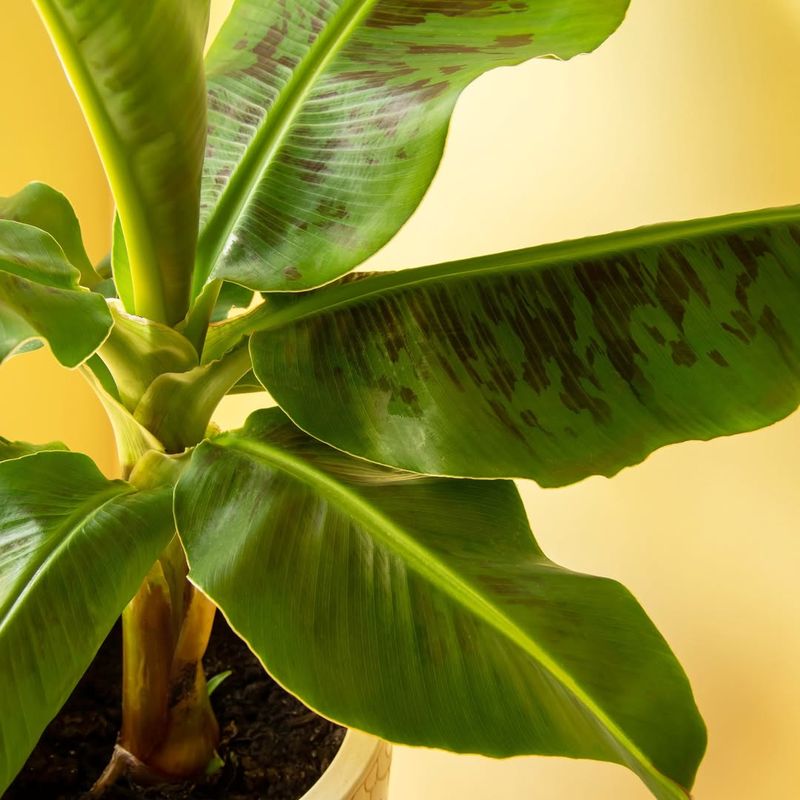
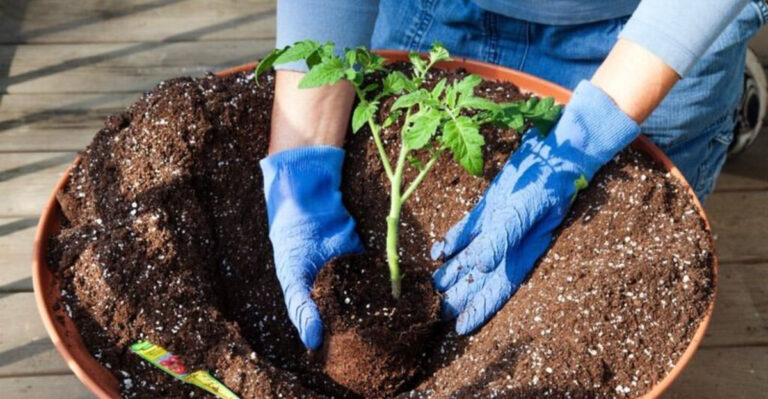
Container cultivation makes banana gardening possible in cooler areas of North Carolina where in-ground growing is risky. Large pots, typically 15 to 25 gallons, allow root systems room to expand and support vigorous growth.
Well-draining potting mix with perlite or coarse sand prevents waterlogged roots, which are particularly vulnerable to rot in cold weather.
Containers can be moved indoors or to protected spaces like heated garages, sunrooms, or basements during frosty nights to keep temperatures above 50 degrees Fahrenheit.
Dwarf varieties such as Dwarf Cavendish or Truly Tiny thrive in containers, offering tropical appeal without the full commitment of in-ground planting.
During the indoor period, reduce watering significantly and avoid fertilizing until the plant returns outside in spring.
Container-grown bananas also allow gardeners to experiment with microclimate placement and protect individual plants more easily than in-ground specimens.
With careful planning, container gardening ensures tropical beauty, flexibility, and successful overwintering for banana plants across all North Carolina zones, even in the coldest mountain areas.
Proper container management combines convenience and protection for resilient growth in both spring and summer.