What Happens When You Plant Too Early In Your North Carolina Garden
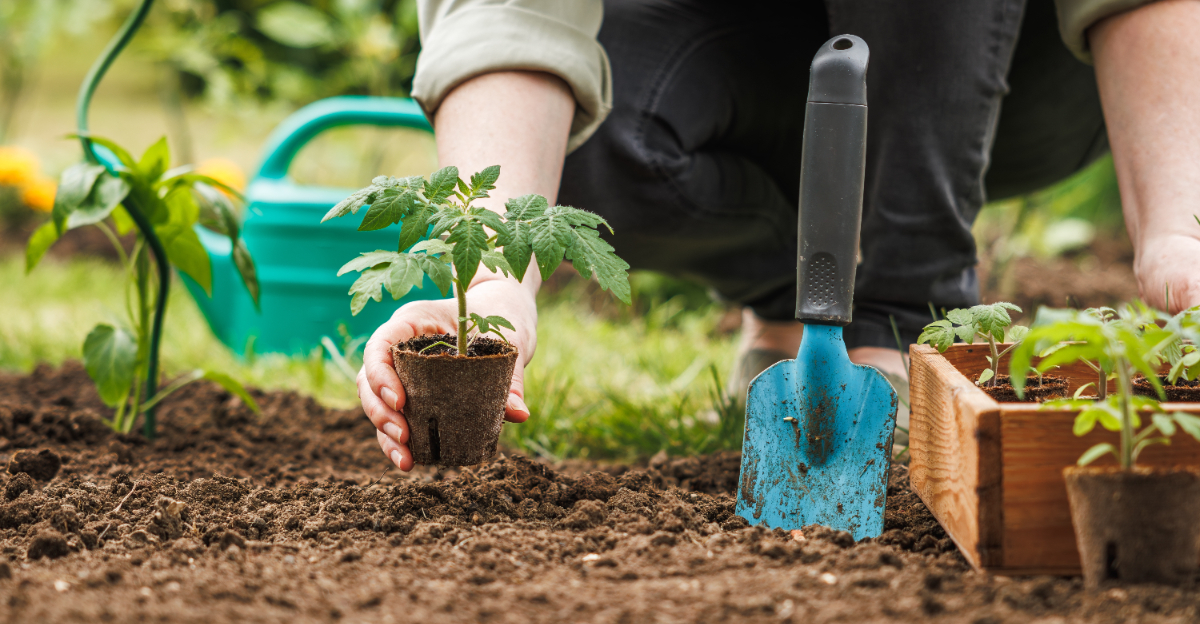
A warm afternoon can tempt any gardener to start planting, yet rushing the season often brings more trouble than reward.
In North Carolina, early planting may seem like a smart way to get ahead, but cold soil, unpredictable late frosts, and shifting spring weather can quietly undermine your efforts.
Seeds placed in chilly ground struggle to germinate, young plants grow slowly, and tender growth becomes vulnerable when temperatures dip again. Many gardeners learn the hard way that timing matters just as much as enthusiasm.
Understanding how soil temperature, regional frost patterns, and seasonal weather affect early planting helps you avoid common setbacks.
Across North Carolina, those who wait for the right conditions often see stronger roots, healthier growth, and more productive harvests.
By learning what truly happens when you plant too soon, you can make smarter decisions and give your garden the best possible start for a thriving, successful growing season.
Cold Soil Slows Or Prevents Seed Germination
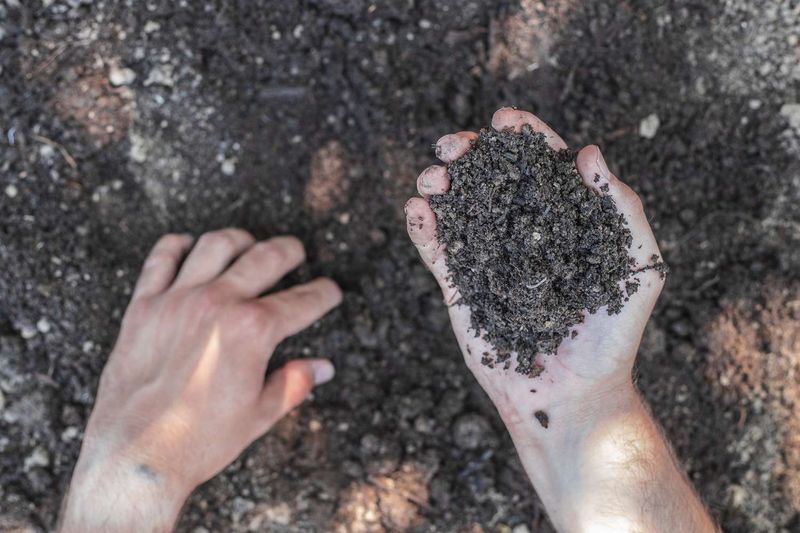
Most gardeners focus on the air temperature outside, but what the soil feels like underground tells the real story. Seeds do not simply sprout because they are planted.
They need warmth to activate the biological processes that trigger germination, and without it, they just sit there waiting or worse, they begin to rot before they ever get a chance to grow.
Many common garden crops have specific soil temperature requirements that are non-negotiable. Tomatoes, for example, need soil temperatures of at least 60 degrees Fahrenheit to germinate reliably.
Peppers prefer even warmer conditions, ideally between 70 and 80 degrees. When North Carolina soil in late winter or very early spring hovers in the 40s, those seeds simply will not respond the way you hope.
A simple and affordable soil thermometer can completely change how you plan your garden. Taking a reading at two to four inches deep gives you a clear picture of what your seeds will actually experience.
Waiting just a few extra weeks for the soil to warm up can mean the difference between a thriving crop and a bare patch of ground. Patience here truly pays off with faster, stronger germination and healthier plants overall.
Frost Can Damage Or Ruin Tender Seedlings
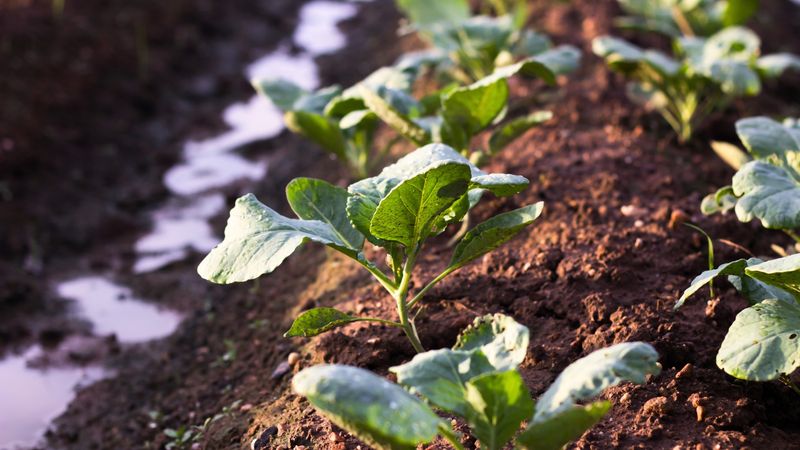
North Carolina gardeners in the Piedmont and mountain regions know that spring weather can be surprisingly unpredictable. A warm week in March can easily be followed by a hard frost that catches everyone off guard.
Warm season seedlings that have been planted outdoors have almost no defense against freezing temperatures, and the results can be heartbreaking.
When frost settles on tender plant tissue, the water inside the cells freezes and expands. This ruptures the cell walls and causes that familiar wilted, blackened, mushy appearance you might have seen on a tomato plant caught in a late freeze.
Even a brief overnight frost can set back weeks of careful growing and force you to start completely from scratch.
North Carolina’s average last frost dates vary widely by region. The Coastal Plain sees its last frost as early as mid-March, while the mountains may not be frost-free until mid-May.
Checking your county’s specific last frost date through NC State Extension resources is one of the smartest moves any gardener can make.
Covering plants with frost cloth on cold nights can help, but the safest approach is simply waiting until frost risk has genuinely passed before putting warm season transplants in the ground. Your seedlings will reward that patience quickly.
Seeds May Rot In Cold Wet Spring Soil
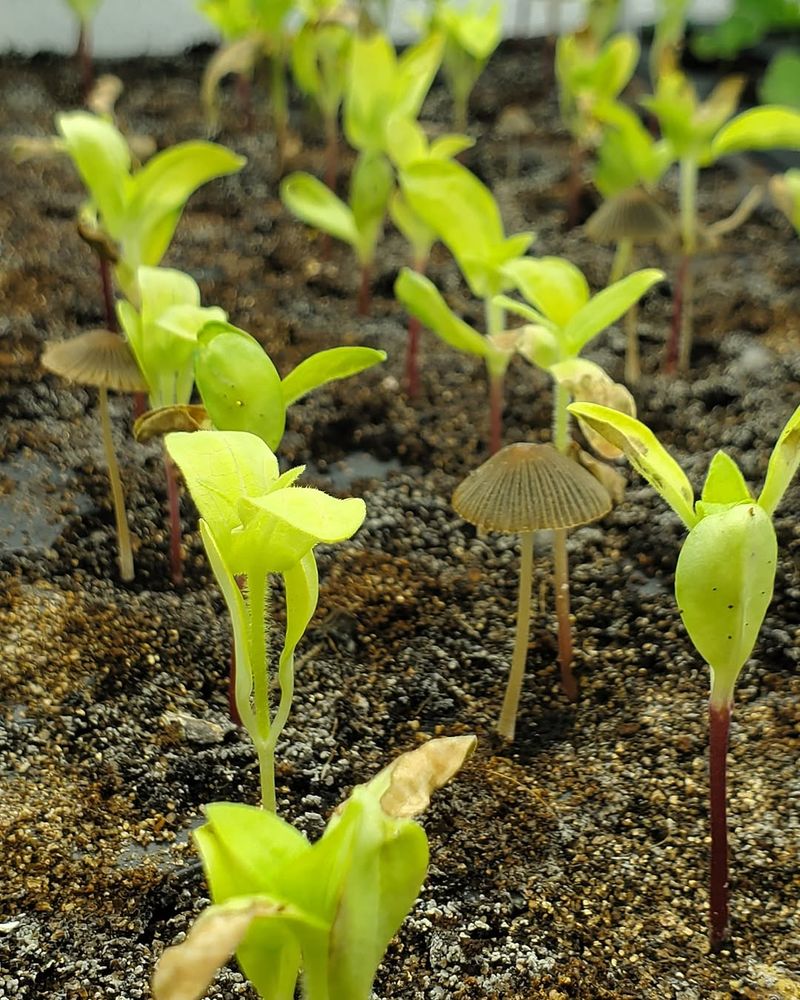
Soggy, cold soil is one of the most discouraging environments a seed can land in. When soil temperatures are low and drainage is poor, seeds absorb moisture but cannot generate enough metabolic heat to push through germination.
Instead of sprouting, they become a target for soil-dwelling fungi and bacteria that thrive in exactly those cool, wet conditions.
Seed rot is more common than most beginning gardeners realize, and it is frustrating because there is nothing visible to show what went wrong. You plant, you wait, and nothing comes up.
Digging around reveals mushy, discolored seeds that never had a chance. This happens frequently with beans, corn, squash, and cucumbers when gardeners try to rush the season in North Carolina’s early spring.
Good soil drainage and warm temperatures work together to protect seeds during germination. Raised beds warm up faster than in-ground plots and offer better drainage, making them a smart choice for early season planting.
Adding compost improves soil structure and helps regulate moisture levels more effectively. Still, even the best-prepared bed cannot fully compensate for soil that simply has not warmed enough yet.
Waiting for consistent soil temperatures above 60 degrees Fahrenheit before direct sowing warm season crops dramatically reduces the chances of seed rot and gives every seed a real fighting chance to sprout and thrive.
Early Growth May Become Weak And Stunted
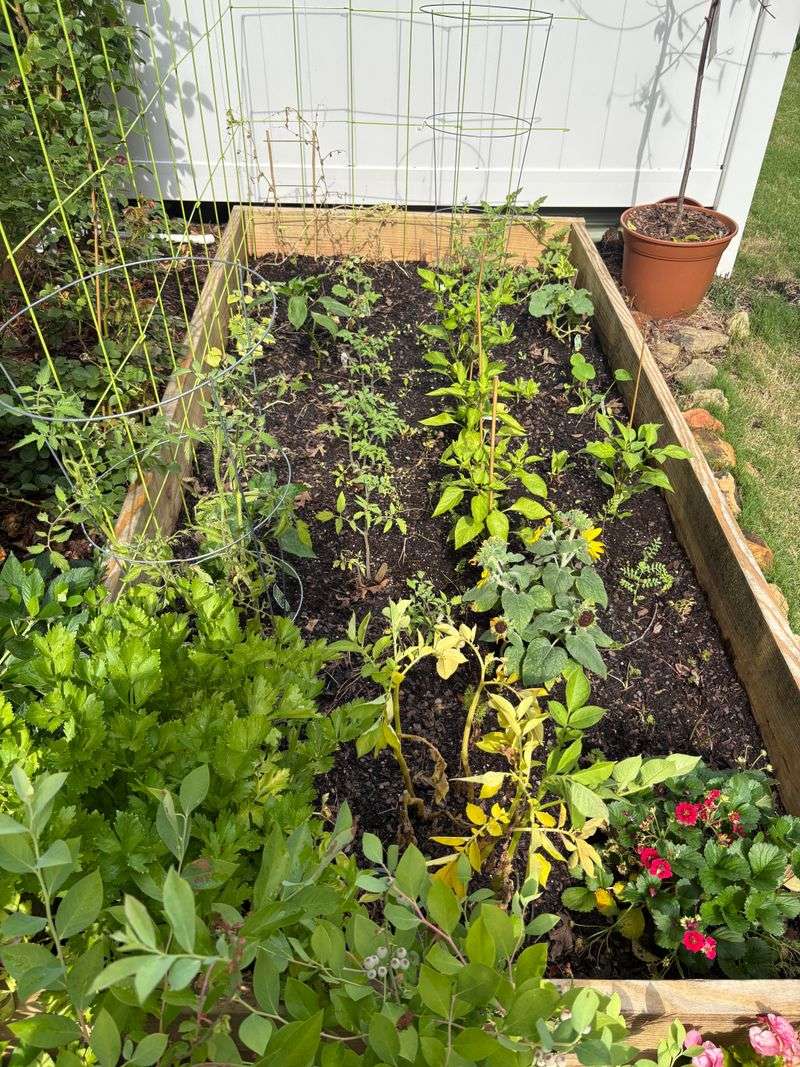
There is something almost sad about a plant that is technically alive but clearly struggling. When warm season vegetables are planted before soil and air temperatures are truly ready, they do not thrive.
They simply survive, and barely at that. The result is often a pale, spindly seedling that looks stressed from its very first days in the ground.
Cold soil interferes with a plant’s ability to absorb nutrients, even when those nutrients are present.
Phosphorus uptake, for instance, becomes significantly limited in cold soils, leading to that telltale purplish discoloration on leaves that many gardeners misread as a disease problem.
The plant is not sick in a traditional sense. It is simply too cold to function efficiently, and no amount of fertilizer will fix that until the soil warms up.
Stunted plants often never fully recover, even after temperatures improve. A tomato plant that spent its first three weeks shivering in cold soil may lag behind a plant that was started two weeks later under proper conditions.
That late-planted seedling can actually overtake the early one within just a few weeks of warm weather. Strong root development, vigorous leaf growth, and efficient nutrient uptake all depend on temperature.
Giving your plants warm soil from the very start is not just helpful, it is genuinely one of the most important decisions you will make all season.
Warm Season Crops Cannot Tolerate Chilled Soil
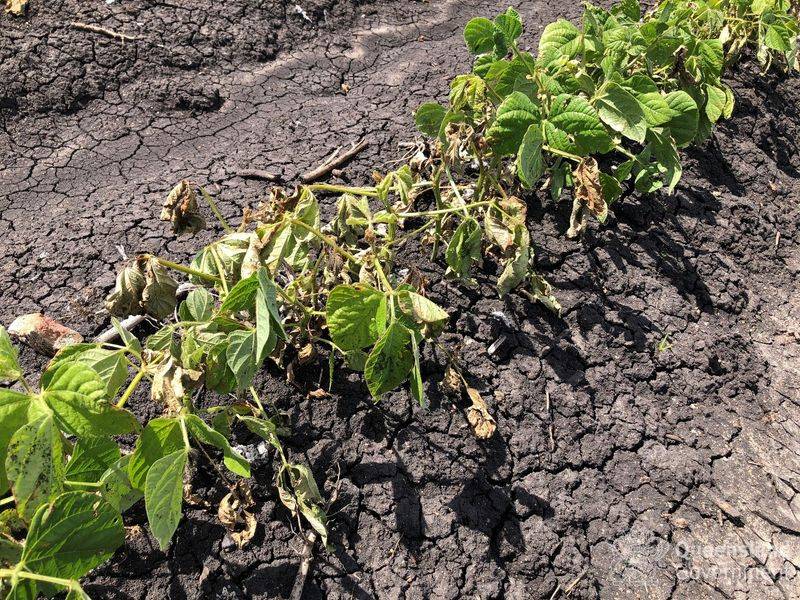
Not all vegetables play by the same rules. Cool season crops like lettuce, spinach, and broccoli actually prefer cooler soil and can handle light frosts with ease.
Warm season crops are a completely different story. Tomatoes, peppers, cucumbers, squash, and beans are tropical in origin, meaning they evolved in warm environments and their biology simply does not cooperate with cold soil.
Chilled soil causes a kind of physiological slowdown in warm season crops. Root growth stalls, water uptake decreases, and the plant’s ability to photosynthesize efficiently drops significantly.
Tomatoes planted in soil below 55 degrees Fahrenheit may show leaf curl, yellowing, and almost zero growth for weeks. Pepper plants are even more sensitive and can remain completely dormant in cold conditions, looking alive but making no progress whatsoever.
Beans are particularly vulnerable to cold soil because their seeds are large and full of moisture, making them prime targets for rot when planted too early.
Corn also struggles significantly in cold soil and benefits from waiting until soil temperatures reach at least 50 degrees, with 60 degrees being ideal for strong germination.
Understanding that each crop has a specific soil temperature sweet spot helps North Carolina gardeners make smarter decisions.
Matching the crop to the conditions, rather than forcing the conditions to fit the calendar, leads to noticeably better results every single growing season.
Plants May Become More Vulnerable To Disease
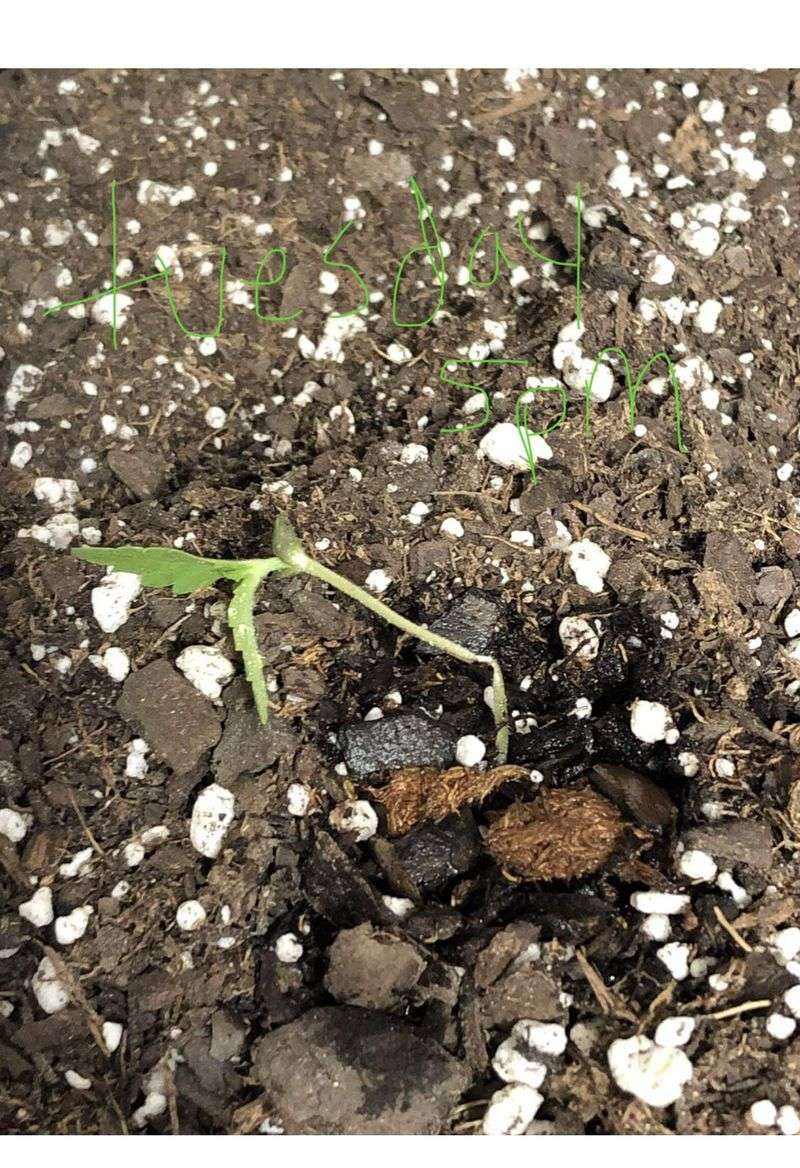
Stress and sickness go hand in hand in the plant world, just like they do for people. When a plant is forced to grow in conditions it is not equipped to handle, its natural defenses weaken.
Cold, wet conditions create exactly the kind of stressed environment where fungal and bacterial diseases gain the upper hand quickly and spread before gardeners even notice a problem.
Damping off is one of the most common diseases that strikes early-planted seedlings. Caused by soil-dwelling fungi like Pythium and Rhizoctonia, it causes young seedlings to collapse at the soil line as if they have been pinched off.
It spreads fast in cold, poorly draining soil and can wipe out an entire row of seedlings overnight. Sadly, once damping off takes hold, there is very little that can be done to reverse it.
Fungal leaf spots, root rots, and bacterial blights also become much more likely when plants spend extended time in cold, damp conditions with limited airflow and slow growth.
A healthy plant growing in warm soil develops faster and builds stronger cell walls that are naturally more resistant to disease pressure.
Practicing crop rotation, improving soil drainage, and waiting for genuinely warm conditions before planting gives your garden its best natural defense.
Healthy soil temperatures are truly one of the most overlooked disease prevention tools available to home gardeners today.
Replanting May Be Required After Cold Damage
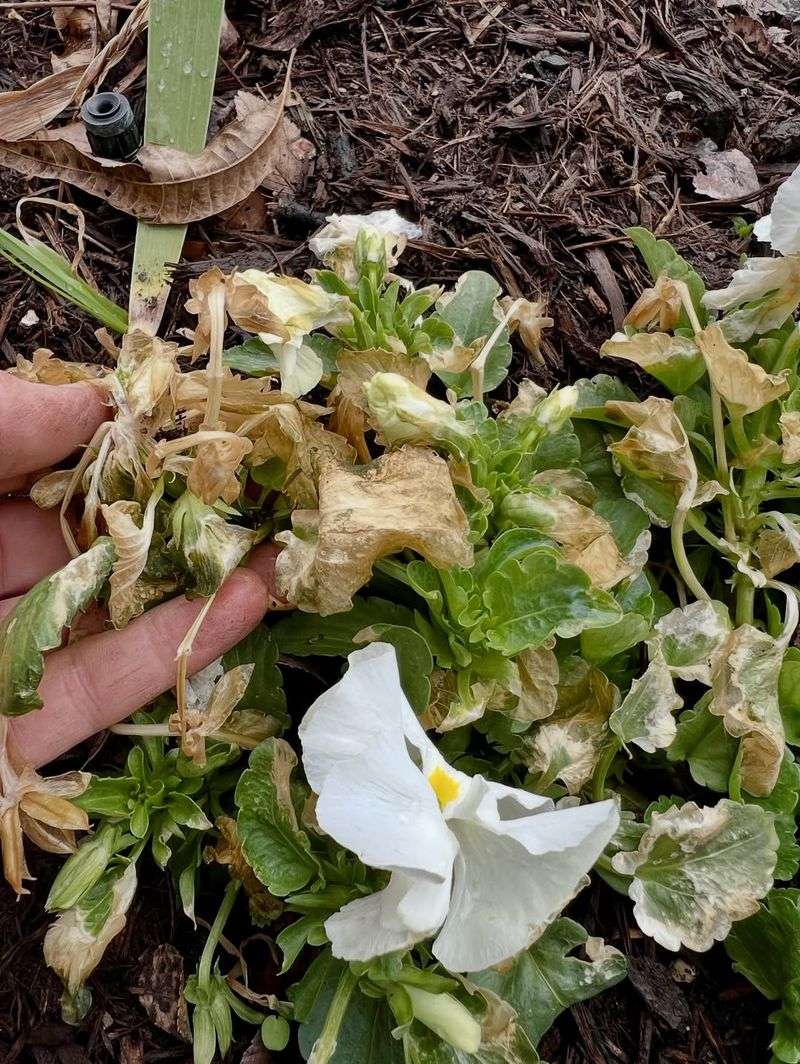
Few things in gardening sting quite like pulling out plants you worked hard to grow and starting all over again. When early planting goes wrong due to frost, cold soil, or seed rot, replanting is often unavoidable.
That means more seeds, more time, more effort, and in some cases, more money spent on replacement transplants from the garden center.
The time cost is what surprises many gardeners the most. If you planted tomatoes three weeks too early and lost them to a late frost, you are now three weeks behind where you would have been if you had simply waited.
Purchasing replacement transplants from a nursery can help recover some of that lost time, but those plants still need time to establish and adjust to outdoor conditions. The season does not pause while you regroup.
Replanting also means your soil has already been disturbed and possibly depleted of some nutrients from the failed first round. Adding fresh compost before replanting helps restore soil health and gives the new plants a better foundation.
Most importantly, replanting after cold damage is a strong reminder that patience is genuinely a gardening skill, not just a personality trait.
North Carolina gardeners who wait for the right window consistently spend less time replanting and more time enjoying the harvest. A short wait at the beginning saves a lot of frustration later in the season.
Regional Timing Matters Across North Carolina
North Carolina is a surprisingly diverse state when it comes to climate, and that diversity has a massive impact on when it is safe to plant.
The state stretches from the warm, humid Coastal Plain in the east all the way to the cool, elevated Appalachian Mountains in the west.
These regions can experience last frost dates that differ by as much as six weeks, which means what works in Wilmington can seriously backfire in Asheville.
The Coastal Plain typically sees its last frost by mid-March, allowing gardeners there to begin warm season planting relatively early. The Piedmont region, which includes cities like Raleigh and Charlotte, usually experiences its last frost around mid-April.
Mountain communities, however, often face frost risk well into May, and some higher elevations can see cold nights even in early June during unusual weather years.
NC State University Cooperative Extension publishes detailed planting calendars broken down by region, and they are an incredibly useful free resource for gardeners across the state.
Knowing your specific county’s average last frost date takes the guesswork out of spring planting decisions.
Local weather history, elevation, and even your yard’s specific microclimate all play a role in determining the right timing for your garden.
Treating North Carolina as one uniform climate zone is a mistake that many first-time gardeners make, and it is one of the most avoidable planting errors of all.
Soil Temperature Matters More Than Calendar Date
Circling a date on the calendar feels satisfying, but the calendar does not know what your soil is doing.
Soil temperature is the single most reliable indicator of whether conditions are right for planting warm season vegetables, and it varies significantly from year to year, bed to bed, and even morning to afternoon.
A warm March can fool gardeners into thinking spring has fully arrived, while the soil underneath still reads in the low 50s.
Using an inexpensive soil thermometer is one of the most practical upgrades any North Carolina gardener can make. Push it four inches into the soil in the morning, when temperatures are most representative of what roots will experience throughout the day.
For tomatoes, aim for at least 60 degrees Fahrenheit. For peppers, 65 degrees or warmer is ideal.
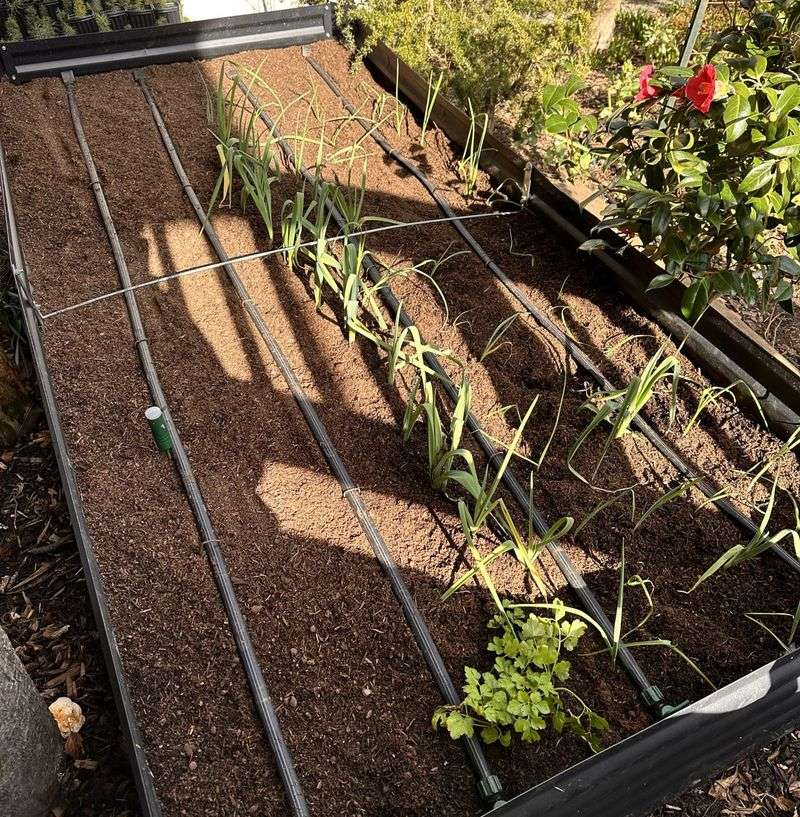
Beans and cucumbers prefer soil at 60 degrees or above before direct seeding. Soil in raised beds warms faster than traditional in-ground plots because they are elevated and have better air circulation around them.
Dark-colored mulch or black plastic sheeting can also help absorb heat and raise soil temperature in the weeks before planting.
Checking soil temperature consistently over several days rather than just once gives you a more accurate picture of conditions. When the numbers stay consistently in the right range, that is your real green light to plant, not the date printed on a seed packet.
Waiting Often Produces Stronger Healthier Plants
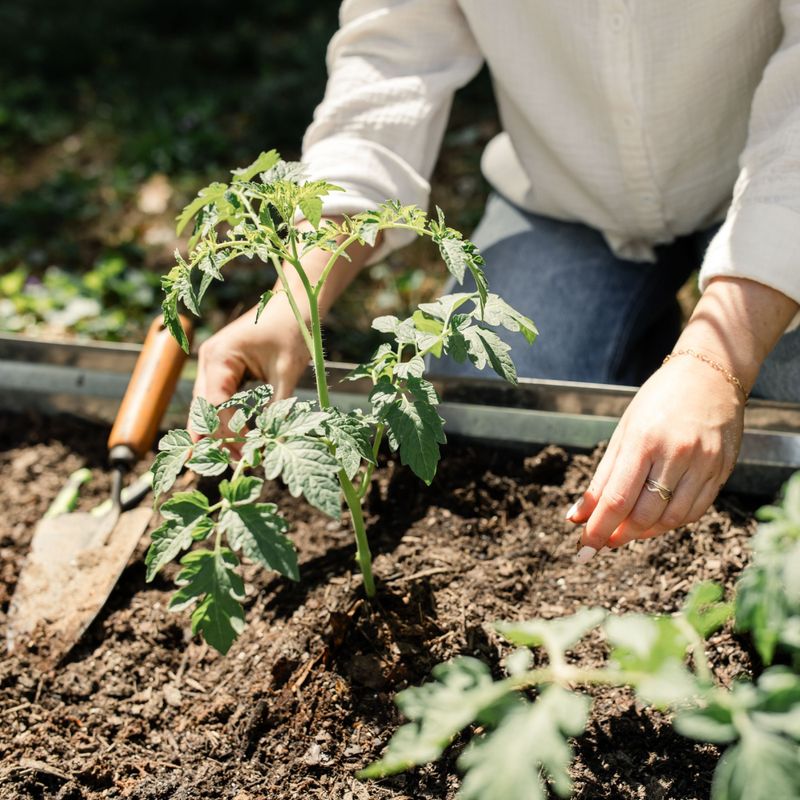
Here is a gardening truth that surprises almost everyone who hears it for the first time: a plant started two weeks later in warm soil will often outgrow and outperform one that was planted weeks earlier in cold conditions.
It sounds counterintuitive, but warm soil triggers explosive root growth, efficient nutrient absorption, and vigorous above-ground development all at once, creating a momentum that cold-started plants simply cannot match.
Research from university extension programs consistently shows that warm season vegetables planted at the correct soil temperature establish faster, produce earlier, and yield more fruit than those planted prematurely.
Tomatoes, for example, can recover quickly from a delayed planting and catch up to cold-started plants within just two to three weeks once the soil is properly warm.
The wait is genuinely worth it in terms of total harvest volume and plant health throughout the season.
Beyond yield, properly timed plants are also more resistant to pests and environmental stress. A strong root system built in warm soil supports everything the plant does above ground, from flowering to fruiting to fighting off insects.
North Carolina gardeners who trust the soil thermometer over the calendar tend to have more productive, more enjoyable seasons overall. Gardening is not a race against your neighbors.
It is a partnership with the natural world, and the garden always rewards those who work with the seasons rather than against them.