What Happens When You Start Vegetable Seeds Too Early In North Carolina And How To Fix It
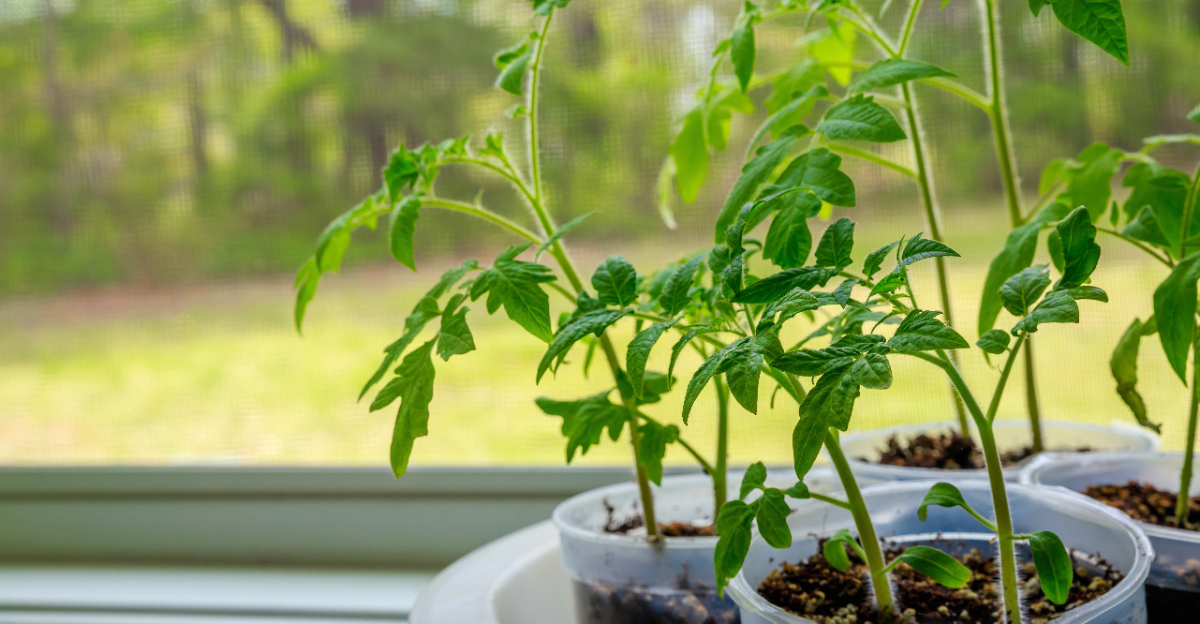
Getting a jump on the gardening season feels like a winning move, but in North Carolina, starting vegetables too early can quietly backfire.
Seeds that sprout indoors weeks before the last frost often outgrow their space, stretch toward weak light, and become fragile long before it is safe to plant outside.
Instead of gaining an advantage, you may end up with stressed seedlings that struggle to adapt, slow down after transplanting, and produce less than expected.
Many gardeners do this every year without realizing how much timing affects plant strength and future harvests. The good news is these early season mistakes are easy to avoid once you know what to watch for.
By understanding why early starts cause problems and how to correct them, you can grow sturdier, healthier plants that hit the ground running when garden season truly begins.
Seedlings Become Leggy And Weak, Increase Light Immediately
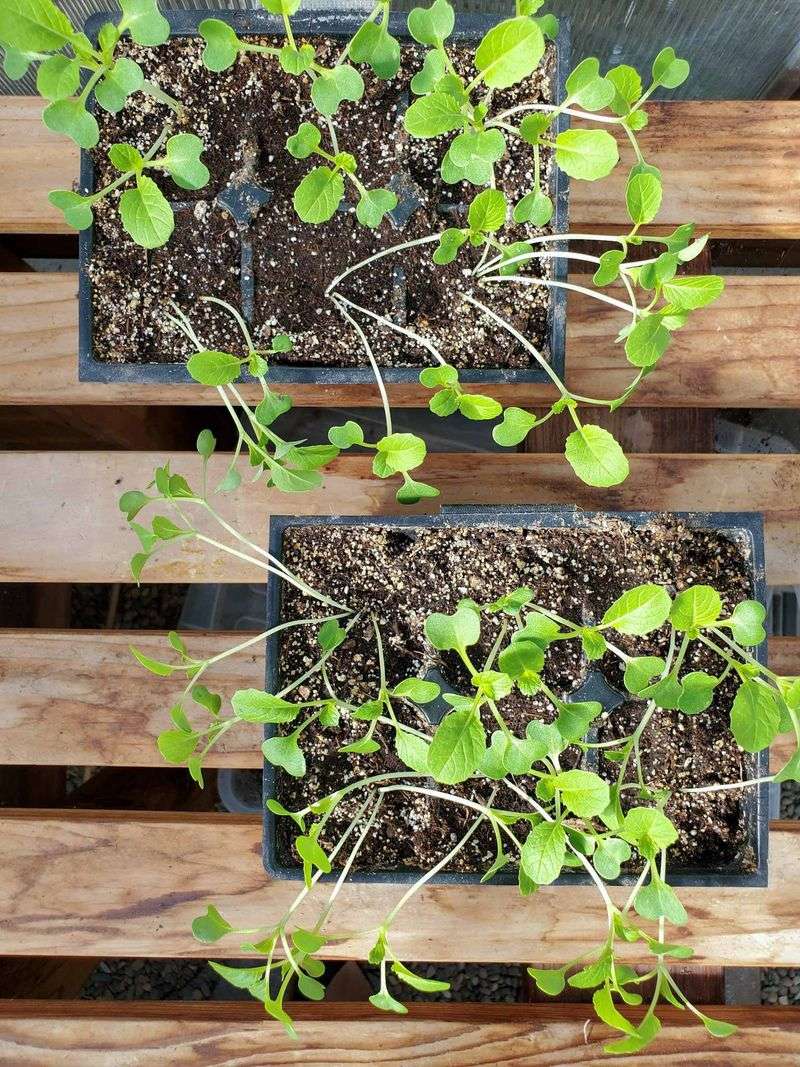
Your seedlings stretch upward like they’re reaching for something they can’t quite touch. This happens because indoor light, even near a bright window, rarely matches the intensity of natural sunlight.
Plants respond by growing taller faster, trying to get closer to any light source they can find.
The stems become thin and fragile instead of sturdy and strong. These weak seedlings struggle to support themselves and often bend or break when moved. Once transplanted outside, they face a tough adjustment period and may never fully recover their vigor.
Position grow lights just two to four inches above your seedlings and keep them on for fourteen to sixteen hours daily.
This mimics the strong spring sunshine plants expect and encourages compact, robust growth. Adjust the light height as plants grow taller, maintaining that close distance throughout their indoor development.
If your seedlings already look stretched and spindly, you can sometimes save them by burying part of the stem when transplanting.
Tomatoes and peppers respond especially well to this technique. The buried stem portion will develop additional roots, creating a stronger foundation for the plant’s future growth and improving its chances of producing well later in the season.
Plants Outgrow Containers Too Soon, Pot Up Carefully
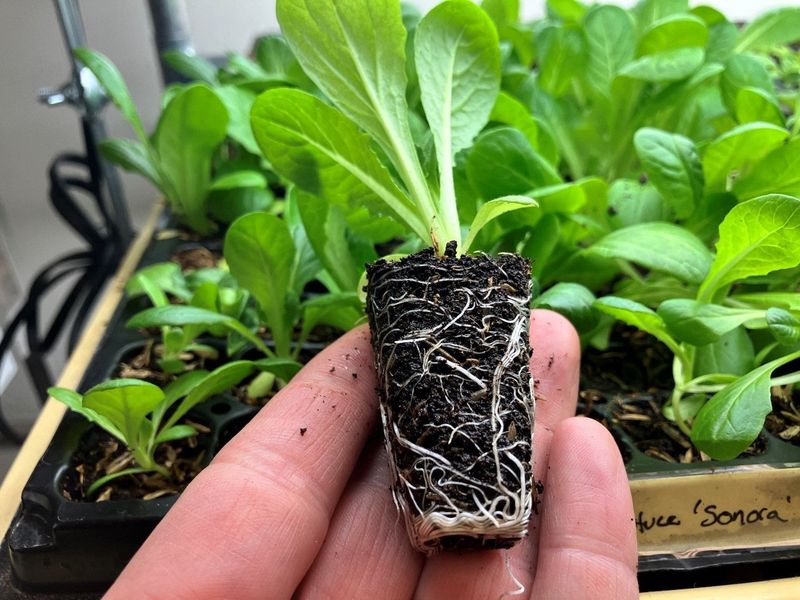
Roots circle around the bottom of your containers like they’re trapped in a maze with no exit. When seedlings spend too many weeks indoors, their root systems quickly fill every available space.
This crowding restricts growth and stresses the plant, even if the foliage above still looks healthy and green.
Watch for roots poking through drainage holes or spiraling visibly around the soil surface. These signs tell you it’s time to move up to a larger home. Waiting too long creates plants that struggle to establish themselves properly once moved to the garden.
Choose containers one to two sizes larger than the current pot. Gently remove the seedling and examine the root ball closely. If roots have formed a dense mat, carefully tease apart the outer layer with your fingers to encourage outward growth in the new container.
Fill the new pot with fresh potting mix and settle the plant at the same depth it grew before.
Water thoroughly to eliminate air pockets around the roots. This transplanting process gives your seedlings the room they need to continue developing strong root systems.
Healthy roots support vigorous top growth and better fruit production once plants finally reach your outdoor beds in late spring.
Seedlings Experience Temperature Stress, Maintain Stable Indoor Warmth
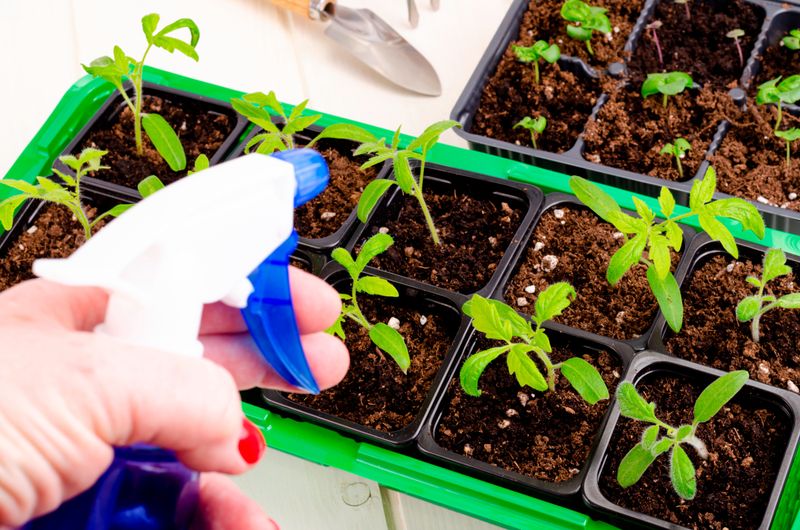
Temperature swings confuse your young plants and slow their development dramatically. Seedlings placed near drafty windows or in unheated rooms face nighttime chills that stunt growth.
During the day, temperatures might soar if they sit too close to heat vents or in direct afternoon sun through glass.
Most vegetable seedlings prefer consistent warmth between sixty-five and seventy-five degrees.
Fluctuations outside this range stress plants and make them more vulnerable to problems. Some seedlings respond by growing slowly, while others develop purple-tinged leaves or simply stop growing altogether.
Keep your seedlings in the most temperature-stable room of your house. Basements often work well if you add supplemental lighting and heating.
Spare bedrooms or offices also provide consistent conditions that support steady growth throughout the extended indoor period.
Heat mats placed under seed trays help maintain optimal soil temperature, especially important during germination and early growth stages.
A simple thermometer near your seedlings lets you monitor conditions accurately. If temperatures drop too low at night, consider moving plants away from exterior walls or adding a small space heater with a thermostat.
These adjustments create the stable environment seedlings need to develop properly while waiting for North Carolina’s unpredictable spring weather to finally settle into consistently warm patterns suitable for transplanting outdoors.
Plants Become Too Large Before Frost Ends, Slow Growth With Cooler Temperatures
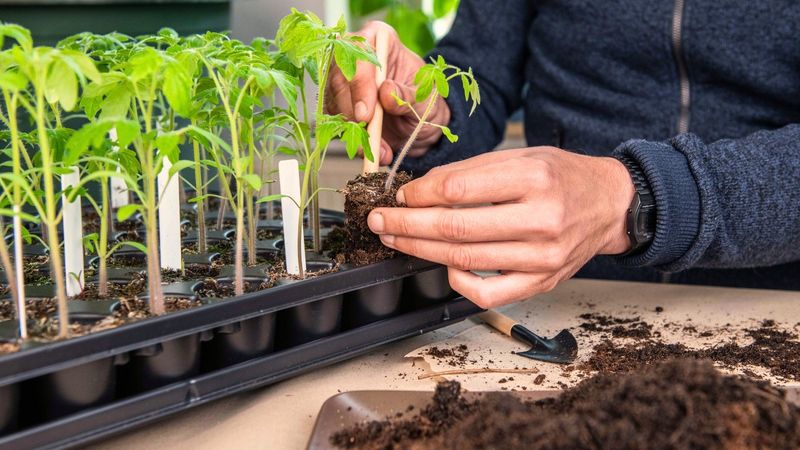
Your tomato plants already tower over their containers, but frost still threatens your garden beds at night. This common problem happens when seeds start too early and plants mature faster than expected.
Large seedlings become difficult to manage indoors and may even begin flowering before transplant time arrives.
Moving plants to a slightly cooler location helps regulate their growth rate naturally. A temperature drop of just five to ten degrees makes a noticeable difference.
Plants continue developing but at a more manageable pace that better matches your outdoor planting schedule.
An unheated garage with windows, an enclosed porch, or a cooler spare room works perfectly for this purpose. Monitor nighttime temperatures to ensure they don’t drop below fifty degrees, which could harm warm-season crops.
This cooler environment keeps plants healthy without pushing them into rapid growth mode.
Reduce watering frequency slightly as growth slows, but never let soil dry out completely. Plants in cooler conditions use less water and need less frequent attention. This technique essentially puts your seedlings on pause without causing harm or setbacks.
When outdoor conditions finally become suitable for transplanting, your plants will be the right size and perfectly ready to move into the garden rather than overgrown and stressed from spending too many weeks cramped in containers indoors.
Root Systems Become Dense, Loosen Roots During Transplant
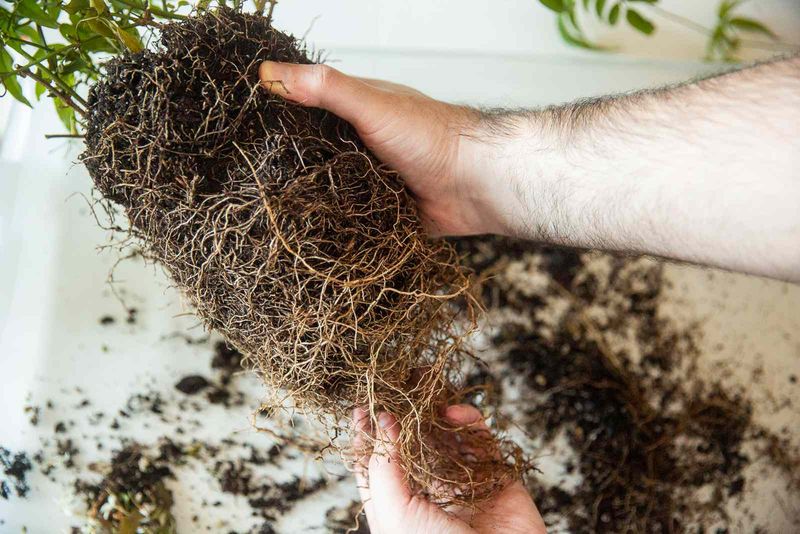
Roots wind around themselves in tight circles, creating a tangled mass that looks almost like a bird’s nest. This happens when plants spend extra weeks in containers, and roots have nowhere else to grow.
Left alone, these circling roots continue their pattern even after transplanting, never spreading outward into garden soil properly.
Before planting, examine the root ball carefully by removing the seedling from its container. If you see roots spiraling densely around the outside, they need your help to break this growth pattern.
Otherwise, the plant may struggle for months or never reach its full productive potential. Use your fingers to gently tease apart the outer layer of roots, working from bottom to top.
Don’t worry about breaking a few small roots during this process. The benefit of redirecting root growth far outweighs any minor damage.
For severely root-bound plants, you can make three or four shallow vertical cuts through the root ball with a clean knife.
This technique encourages roots to grow outward into surrounding soil rather than continuing their circular pattern. Plants establish faster and access water and nutrients more efficiently.
Within weeks of transplanting, treated seedlings develop extensive new root systems that support vigorous top growth and excellent fruit production throughout the growing season in your North Carolina garden.
Plants Become Nutrient Deficient, Begin Light Fertilization
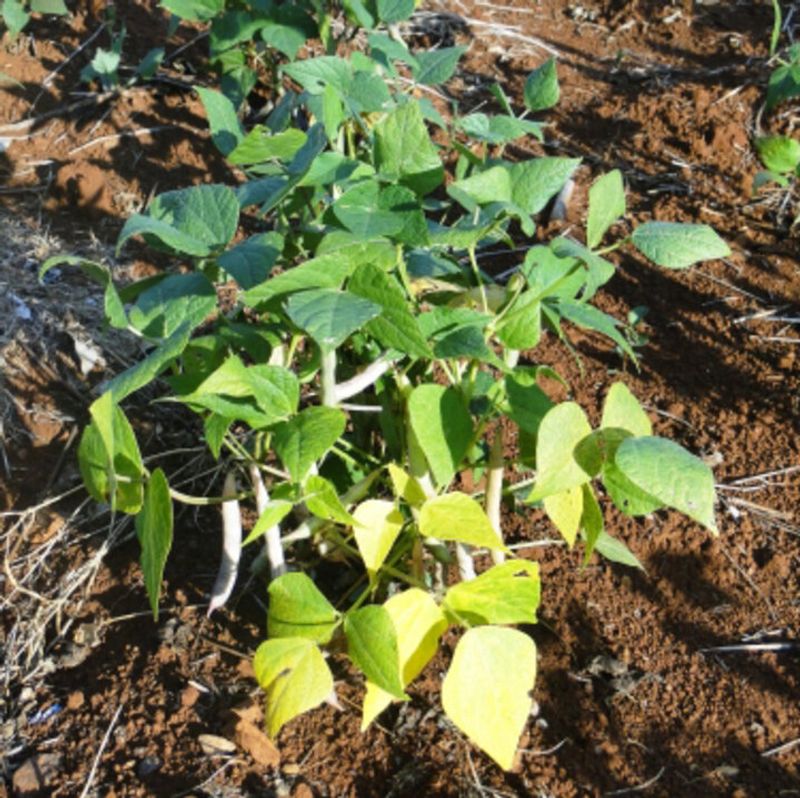
Pale yellow leaves appear on your once-vibrant seedlings, starting from the bottom and working upward.
Seed-starting mix contains limited nutrients designed to support plants for only a few weeks. Extended indoor growing periods exhaust these nutrients, leaving seedlings hungry and showing visible signs of deficiency.
Lower leaves turn yellow first because plants move nutrients from older growth to support new development.
Growth slows noticeably, and stems may become thin despite adequate light. These symptoms tell you it’s time to provide supplemental nutrition to keep plants healthy until transplant day arrives.
Choose a balanced, water-soluble fertilizer and dilute it to one-quarter or one-half the strength recommended on the package. Too much fertilizer causes more problems than too little, especially for young plants.
Apply this weak solution every seven to ten days when you water, providing gentle, consistent nutrition.
Fish emulsion or seaweed-based fertilizers work wonderfully for seedlings and provide trace minerals along with major nutrients.
Start fertilizing once seedlings develop their first true leaves, which look different from the initial seed leaves. Continue this feeding schedule throughout the indoor growing period.
Well-fed seedlings develop deep green foliage and sturdy stems that transition smoothly to outdoor conditions when the time finally comes to move them into your garden beds.
Transplant Shock Risk Increases, Harden Off Gradually
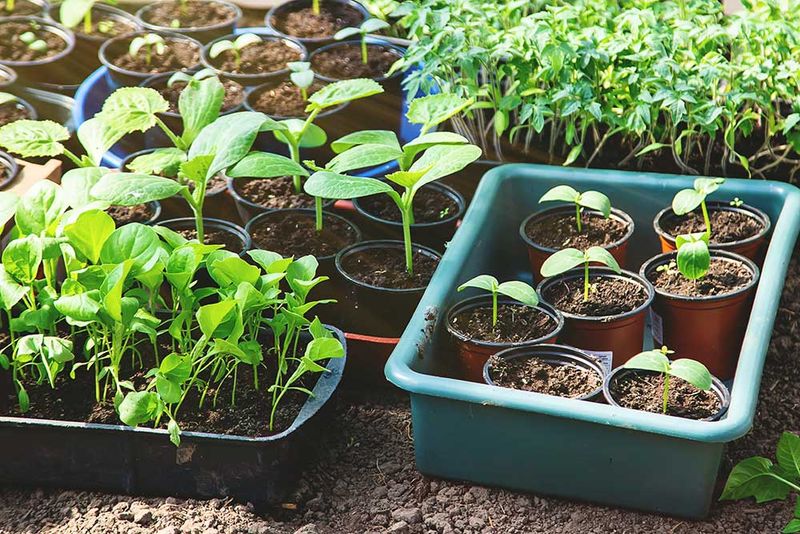
Pampered indoor seedlings face a rude awakening when suddenly thrust into outdoor conditions.
Wind, direct sunlight, and temperature fluctuations can overwhelm plants accustomed to the stable indoor environment. Leaves may wilt, turn brown at the edges, or even drop off entirely from the shock.
Hardening off gradually acclimates seedlings to outdoor life over seven to ten days. Start by placing plants outside in a protected, shady spot for just one or two hours. Bring them back indoors before conditions become too harsh.
This gentle introduction helps plants adjust without suffering damage. Increase outdoor time by an hour or two each day while gradually exposing plants to more direct sunlight.
Watch weather forecasts and avoid hardening off during extreme conditions like high winds or unseasonably cold temperatures. If frost threatens, keep plants indoors that night and continue the process the following day.
By the end of the hardening-off period, plants should spend full days and nights outdoors in their containers.
This final step ensures they’re truly ready for permanent transplanting. Properly hardened seedlings establish quickly in garden beds, show minimal transplant stress, and begin growing vigorously within days.
Skipping or rushing this process often results in setbacks that delay harvest and reduce overall plant productivity throughout the North Carolina growing season.
Cold Soil Delays Plant Establishment, Wait For Proper Soil Temperature
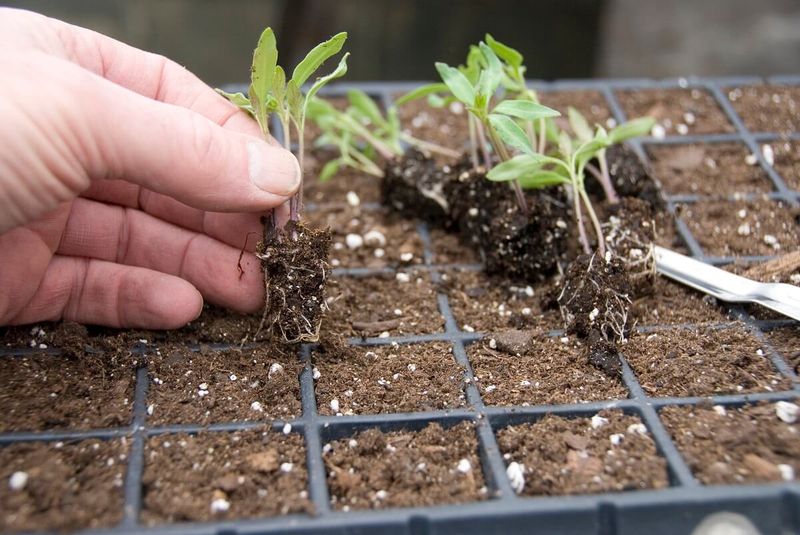
Eager gardeners sometimes rush to transplant as soon as air temperatures warm, but soil tells a different story.
Cold ground stays chilly long after the air feels comfortable, and roots simply won’t grow in soil below their preferred temperature range. Plants sit dormant, vulnerable to pests and problems while waiting for the earth to warm.
Different vegetables have different soil temperature requirements for optimal root growth.
Tomatoes, peppers, and other warm-season crops need soil at least sixty degrees, preferably warmer. Cool-season crops tolerate lower temperatures but still establish better in soil above fifty degrees.
A simple soil thermometer tells you exactly when conditions are right for transplanting. Insert it three to four inches deep in the morning and check the reading.
Take measurements for several days to ensure temperatures remain consistently warm enough, not just during one unusually mild afternoon.
If soil temperatures lag behind schedule, consider using black plastic mulch or row covers to speed warming in your planting beds.
These materials absorb solar heat and raise soil temperature by several degrees. Waiting for proper soil warmth might feel frustrating after weeks of caring for seedlings indoors, but patience pays off.
Plants transplanted into warm soil establish quickly, develop extensive root systems, and begin active growth immediately rather than languishing in cold ground for additional weeks.
Pest And Mold Risk Increases Indoors, Improve Airflow
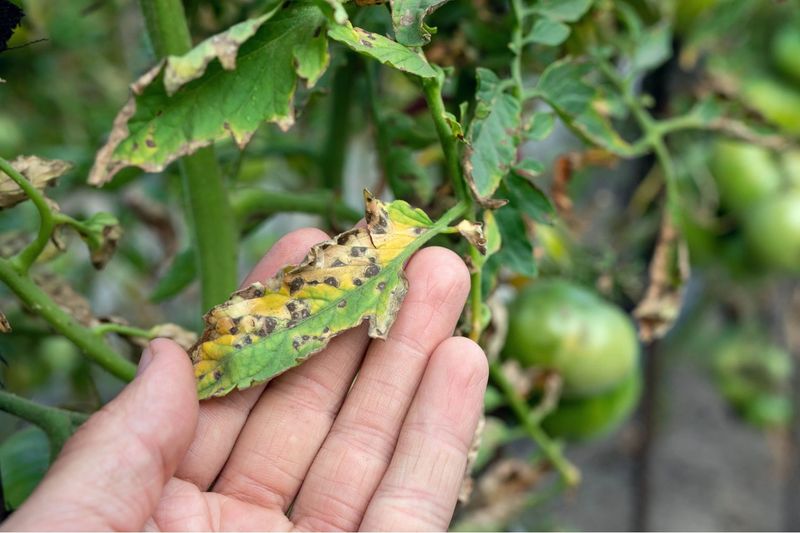
Fuzzy white mold appears on soil surfaces, or tiny insects suddenly swarm around your seedlings. Extended indoor growing periods create conditions that favor these problems.
Stagnant air, consistent moisture, and crowded plants provide the perfect environment for fungal growth and pest infestations to develop and spread rapidly.
Fungus gnats, aphids, and damping-off fungus commonly plague seedlings kept indoors too long. These issues rarely occur when plants spend just a few weeks inside before transplanting.
The longer seedlings remain in containers, the greater the risk becomes for encountering these frustrating problems.
Set up a small oscillating fan to move air gently across your seedlings throughout the day. This simple addition dramatically reduces fungal problems and strengthens stems by mimicking natural outdoor breezes.
Position the fan so it creates gentle movement without blasting plants directly with strong wind.
Space containers farther apart to allow air circulation between plants and avoid overcrowding on your growing shelves.
Water seedlings in the morning so foliage dries before evening, reducing conditions that favor fungal development. Remove any affected leaves or plants immediately to prevent problems from spreading to healthy seedlings.
Good airflow combined with proper watering practices keeps your indoor seedlings healthy and vigorous throughout their extended wait for suitable outdoor transplanting conditions in North Carolina’s variable spring weather.
Growth Timing Becomes Misaligned, Adjust Future Seed-Starting Schedule
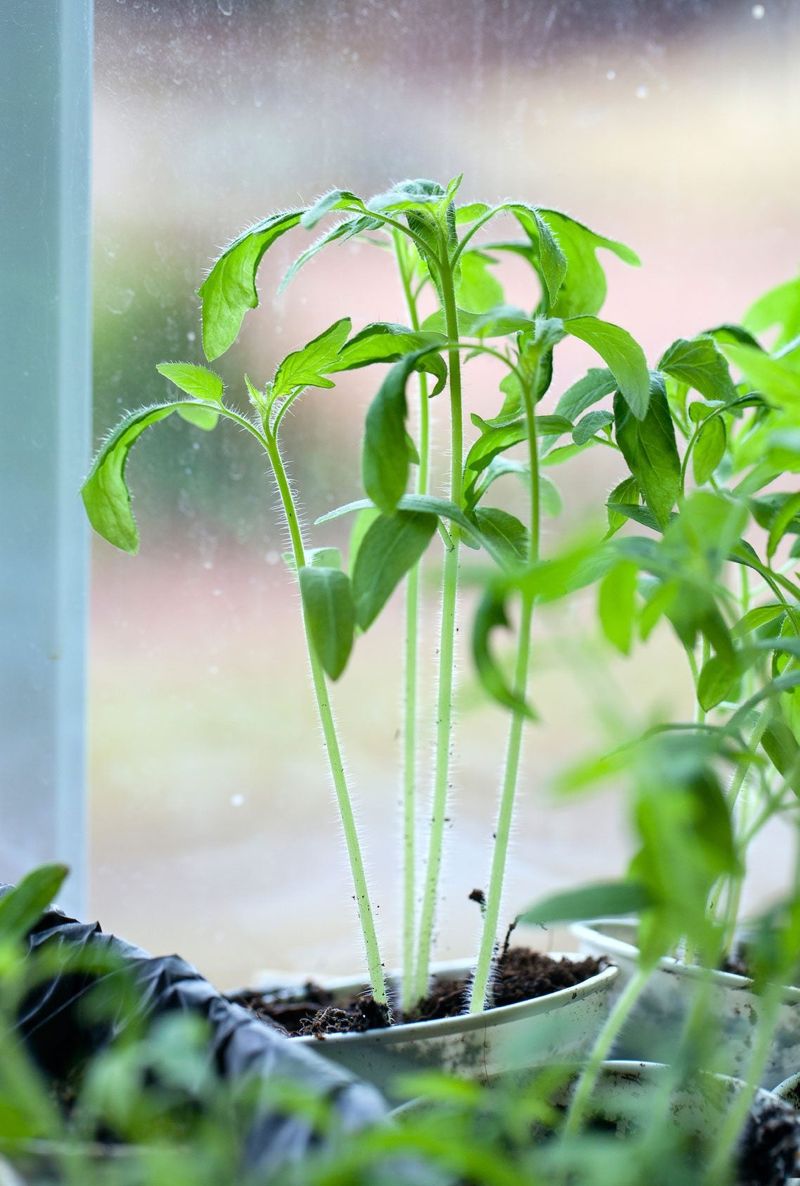
Learning from this season’s timing challenges helps you succeed next year. North Carolina’s last frost date varies by region, ranging from mid-March in coastal areas to late April in the mountains.
Starting seeds too early throws off the entire growing schedule and creates unnecessary complications you can easily avoid.
Most vegetable seeds need six to eight weeks of indoor growth before transplanting. Count backward from your area’s average last frost date to determine the ideal seed-starting time.
Tomatoes, peppers, and eggplants need eight weeks, while cucumbers and squash need only three to four weeks indoors.
Create a personalized planting calendar based on your specific location within North Carolina.
Note the actual last frost date each spring to refine your timing over several seasons. Local extension offices provide excellent resources and region-specific recommendations for vegetable gardening timing throughout the state.
Some gardeners start seeds in multiple batches, planting a few every two weeks rather than all at once.
This approach provides backup plants if early seedlings develop problems and extends your harvest period later in the season. Keep notes about what worked well and what didn’t each year.
These records become invaluable for planning future gardens and avoiding the stress of managing overgrown seedlings that started their journey weeks too early for North Carolina’s actual planting conditions.