What Heavy Snow In Pennsylvania Does To Shrubs And How To Prevent Breakage?
Winter in Pennsylvania can be magical, with fresh snow covering yards and gardens in sparkling white. But heavy snow also puts stress on shrubs, weighing down branches and sometimes causing serious breakage.
Even hardy shrubs can suffer when ice or snow accumulates, leading to split stems, damaged foliage, and long recovery times.
The weight of snow presses on branches, especially those that grow outward or have dense foliage. Repeated snowfalls or sudden heavy storms increase the risk of permanent damage, leaving shrubs weak or misshapen.
Some species are more vulnerable than others, but almost any garden can benefit from simple preventative steps.
Protecting your shrubs before and during snow events helps maintain their structure and health. Techniques like gently brushing off snow, supporting branches, or trimming weak growth can reduce breakage.
With careful preparation, Pennsylvania gardeners can enjoy the winter beauty without sacrificing the long-term vitality of their shrubs.
1. Why Heavy Snow Is A Serious Risk For Shrubs?
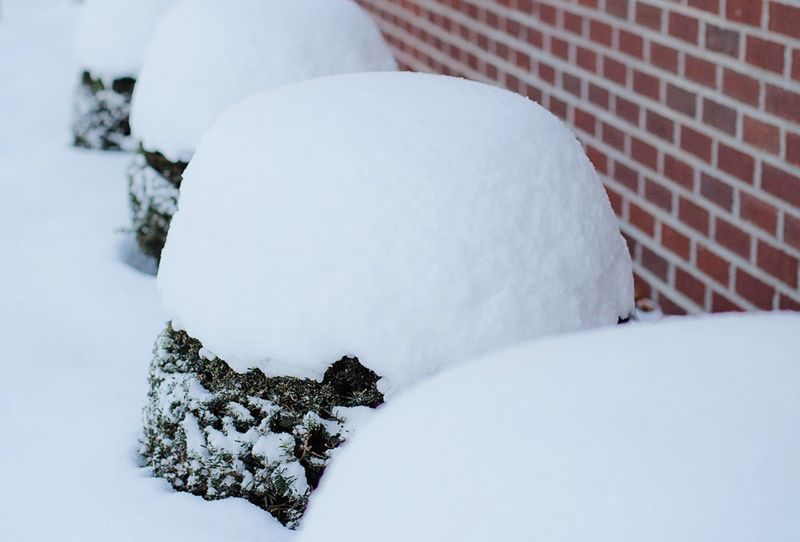
Not all snow is created equal. Wet, dense snow is far heavier than the light, fluffy powder that drifts down on cold, dry days.
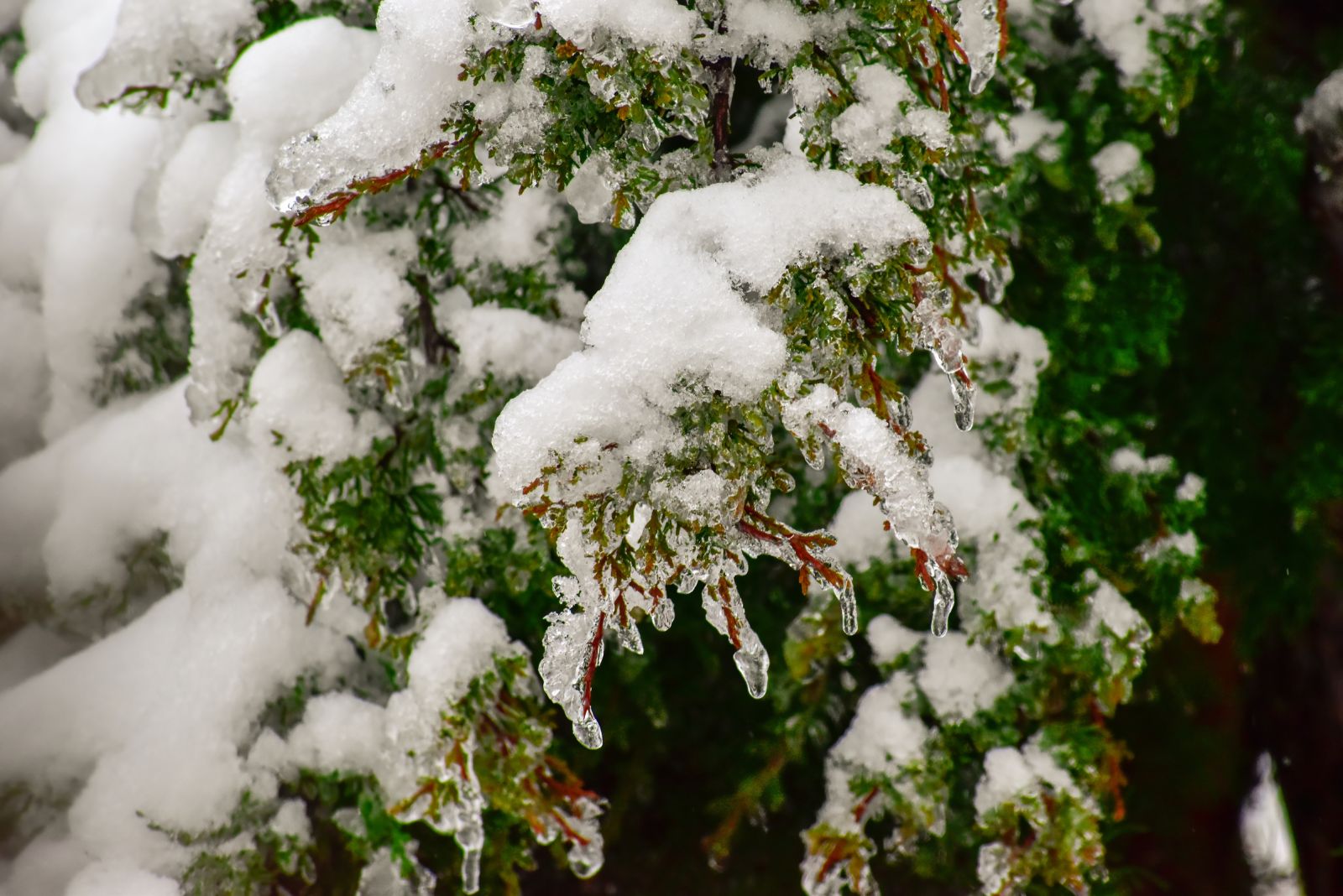
In Pennsylvania, winter storms often bring that sticky, soaking snow that clings to every branch and leaf. A single cubic foot of wet snow can weigh up to 20 pounds, and that adds up fast on a full shrub.
When snow starts to pile up, the weight builds slowly on branches and stems. At first, branches just bend a little.
But as more snow falls overnight, that bending turns into serious stress on the plant. Many homeowners in Pennsylvania do not realize the damage is happening until the storm is over.
Shrubs with lots of stems and thick evergreen foliage are especially at risk. The dense leaves and branches act like a shelf, catching and holding snow instead of letting it slide off.
Boxwoods, rhododendrons, and hollies are common examples you will see struggling in Pennsylvania yards every winter.
Most snow damage happens overnight when temperatures drop and the snow freezes solid on the branches. Once frozen, the weight becomes even harder for the plant to handle.
A shrub that looked fine at bedtime can look completely crushed by morning. Understanding this risk is the first step toward protecting your plants before the next big storm rolls through Pennsylvania.
2. Common Types Of Snow Damage
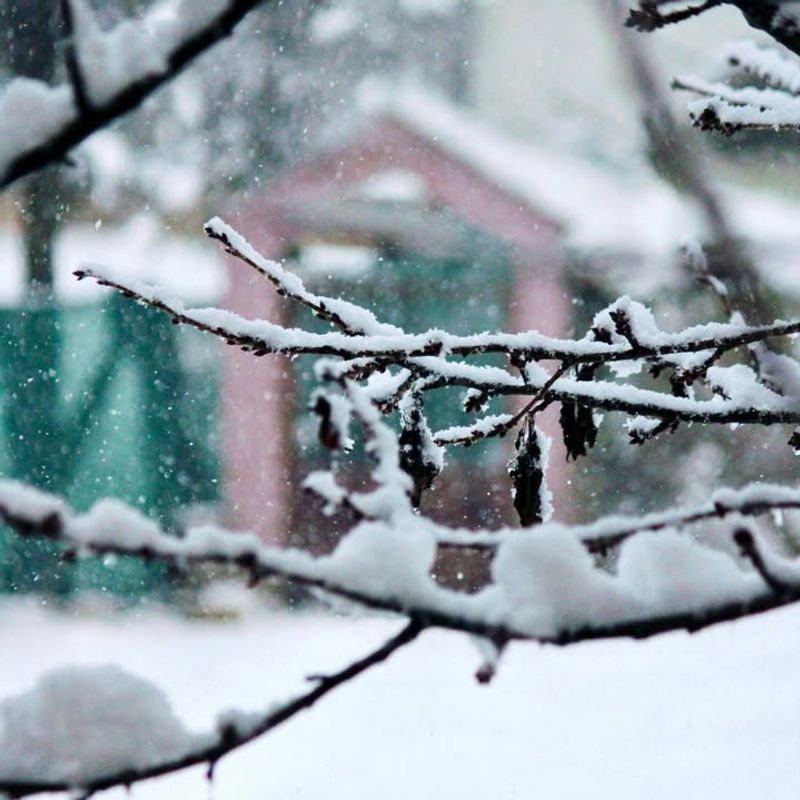
Snow damage does not always look the same. Sometimes it is obvious, like a whole shrub flattened to the ground.
Other times the damage is sneaky and shows up weeks after the storm. Knowing what to look for helps you act fast and give your shrubs the best chance to bounce back.
Bent or permanently misshapen branches are one of the most common problems Pennsylvania gardeners deal with after a heavy snowfall.
Branches that bend too far under the weight of snow may never fully spring back to their original shape. The plant ends up looking lopsided or droopy for the rest of the season.
Split stems and cracked shrub centers are more serious. When the weight of snow forces branches apart, the center of the shrub can crack open.
This kind of damage weakens the entire plant and makes it much easier for pests and diseases to move in. A cracked stem is an open door for trouble.
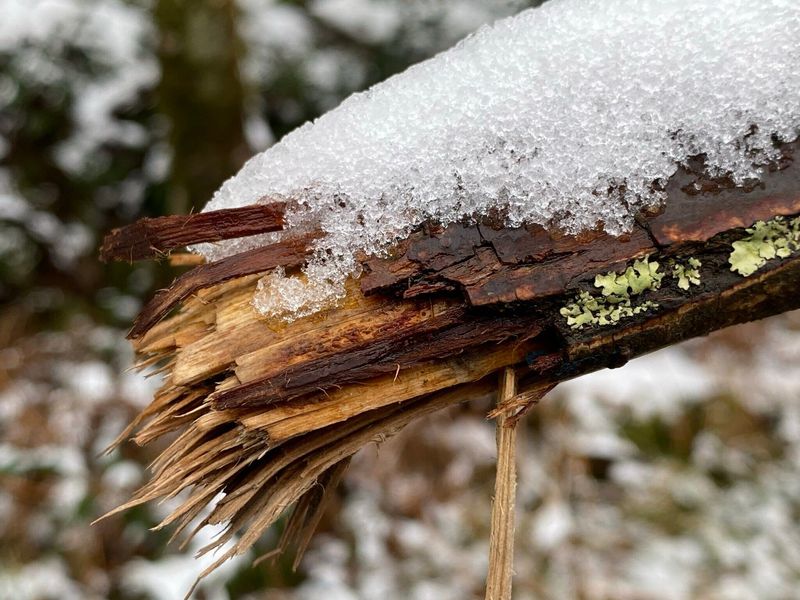
Broken limbs are another issue. When a branch snaps under heavy snow, it leaves behind a rough, jagged wound on the plant.
That wound can allow rot and fungal infections to spread if it is not cleaned up properly. Finally, whole shrubs can collapse entirely under extreme snow weight.
In Pennsylvania, this is most common with large, untrimmed evergreen shrubs that have not been maintained or supported heading into winter.
3. Shrubs Most Likely To Break In Pennsylvania
Some shrubs handle Pennsylvania winters like pros. Others are practically begging for trouble when the snow starts falling.
Knowing which plants in your yard are most at risk helps you focus your protection efforts where they matter most.
Broadleaf evergreens are at the top of the vulnerability list. Boxwood, rhododendron, and holly are extremely popular in Pennsylvania landscaping, but their thick, year-round foliage makes them prime targets for snow accumulation.
Because they keep their leaves all winter, snow has plenty of surface area to pile onto instead of falling through bare branches.
Upright, multi-stem shrubs are also highly vulnerable. Plants that grow with several tall stems close together act almost like a funnel, catching snow and forcing the stems outward.
Over time, this can permanently splay the shrub open, ruining its shape and structure.
Newly planted or weak-rooted shrubs face an extra challenge. A plant that was put in the ground within the last year or two has not yet developed a strong root system.
Heavy snow can actually tip these shrubs or shift their roots, causing long-term instability.
Dense shrubs that have not been trimmed in a while are also at high risk. When a shrub grows thick and bushy without regular pruning, it traps snow easily.
Pennsylvania homeowners who skip fall trimming often pay the price when January storms arrive. A little maintenance before winter goes a long way toward keeping these plants upright and healthy.
4. Warning Signs During And After Snowfall
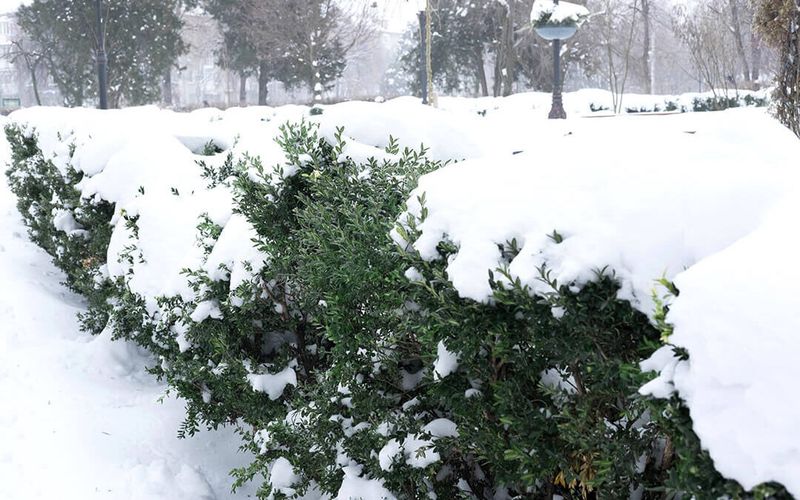
Catching snow damage early can make a real difference in how well your shrubs recover. During a snowstorm and in the hours right after, there are clear warning signs that tell you a shrub is under serious stress.
Paying attention to these signals could save a plant that would otherwise be lost.
The most obvious sign is branches bending close to the ground. When you see a branch that is normally upright now nearly touching the soil, that is a red flag.
The branch is carrying more weight than it can handle, and if the snow is not removed soon, a break is likely coming.
Snow packed tightly inside the center of a shrub is another warning. When the core of the plant fills up with heavy, wet snow, the stems get pushed outward from the inside.
This internal pressure is one of the leading causes of split shrub centers in Pennsylvania yards.
Listen during freezing weather. A cracking or popping sound coming from your shrubs is a sign that stems are splitting under pressure. It sounds a bit like stepping on a twig, but louder. If you hear that sound, act quickly.
After the storm passes, walk around your yard and check each shrub carefully. Look for leaning or uneven structure.
A shrub that used to stand straight but now tilts to one side may have shifted roots or broken internal stems. Early inspection in Pennsylvania winters can mean the difference between a quick fix and a plant that struggles all spring.
5. What You Can Still Do Now To Protect Shrubs?
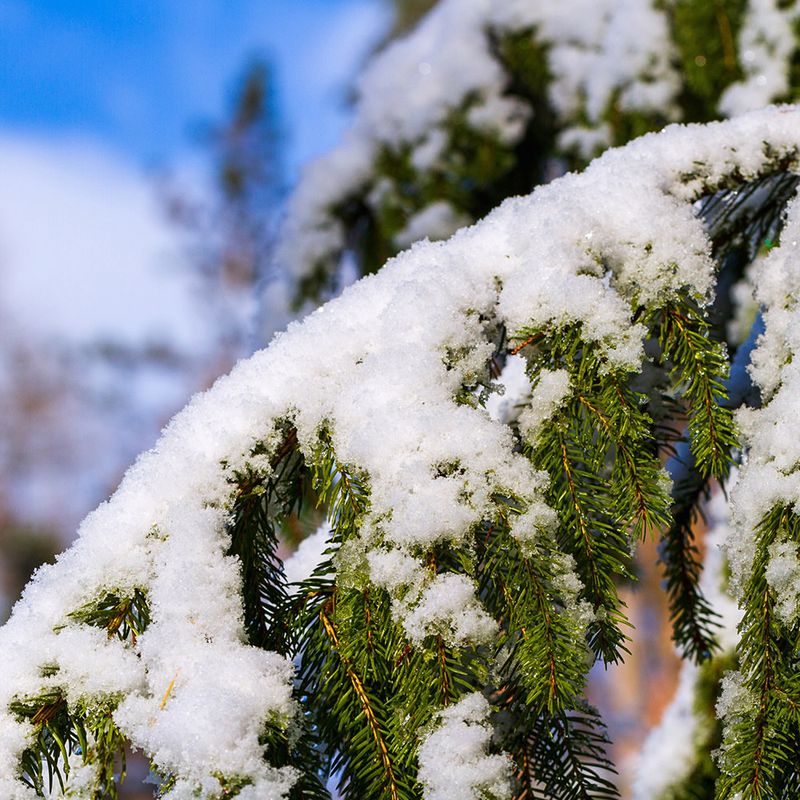
You do not have to wait for spring to start protecting your shrubs. Even in the middle of Pennsylvania winter, there are practical steps you can take right now to reduce the risk of breakage and support plants that are already showing signs of stress.
Gently removing heavy, wet snow from your shrubs is one of the most effective things you can do. Use a broom and sweep upward from underneath the branches rather than pushing down.
Brushing upward lifts the snow off without adding extra force to already-stressed branches. Never shake or hit branches to remove snow, especially if temperatures are below freezing.
Loosely tying vulnerable shrubs with soft twine is another great option. Wrap the twine around the outside of the shrub in a gentle spiral from the base upward.
This holds the branches together and prevents them from being pushed outward by snow weight. Use soft, flexible twine rather than wire, which can cut into the plant.
Keep shoveled snow away from shrub bases. When clearing your driveway or walkways in Pennsylvania, avoid piling snow directly onto or against your shrubs. That extra weight can crush low branches and compact the soil around the roots.
Monitor your shrubs after every snowfall. A quick walk around the yard after each storm takes only a few minutes but gives you the chance to spot bending or packing before it becomes a serious problem.
Staying proactive is the best protection strategy any Pennsylvania homeowner has during the long winter months.
6. What To Do During Heavy Snowfall?
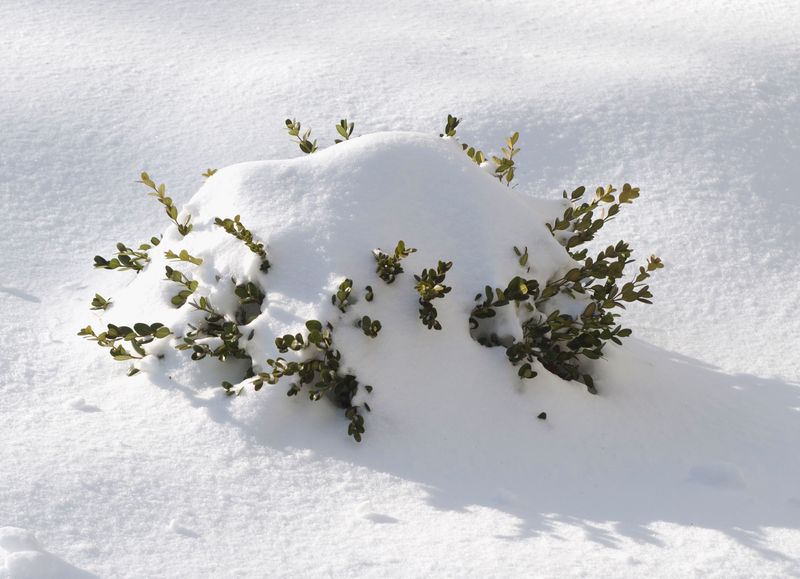
Acting during a snowstorm, not just after it, can dramatically reduce the damage your shrubs suffer.
Most people wait until the snow stops falling before they head outside, but by then the damage may already be done. A little effort during the storm itself goes a long way.
Remove heavy snow early, before it has a chance to freeze solid on the branches. Wet snow that falls during warmer parts of a storm is much easier to brush off than snow that has been sitting for hours in freezing temperatures.
Check your shrubs every couple of hours during a long storm if you can. Always brush snow gently upward with a soft broom. Never push down on snow-covered branches.
Downward pressure adds to the weight the branch is already carrying and dramatically increases the chance of a snap. The upward motion lifts the snow free without stressing the plant further.
Do not pile snow onto your shrubs when clearing paths and driveways. This sounds obvious, but it is a very common mistake in Pennsylvania neighborhoods.
People shoveling their walkways often toss snow right onto the nearest shrub without thinking. Even a small pile of shoveled snow can add significant weight to an already-struggling plant.
Avoid walking on frozen root zones around your shrubs during the storm. Compacting frozen soil can damage roots and reduce the plant’s ability to absorb water and nutrients when spring arrives.
Stay on cleared paths and keep foot traffic away from shrub beds throughout the Pennsylvania winter season.
7. How To Help Shrubs Recover After Snow Damage?
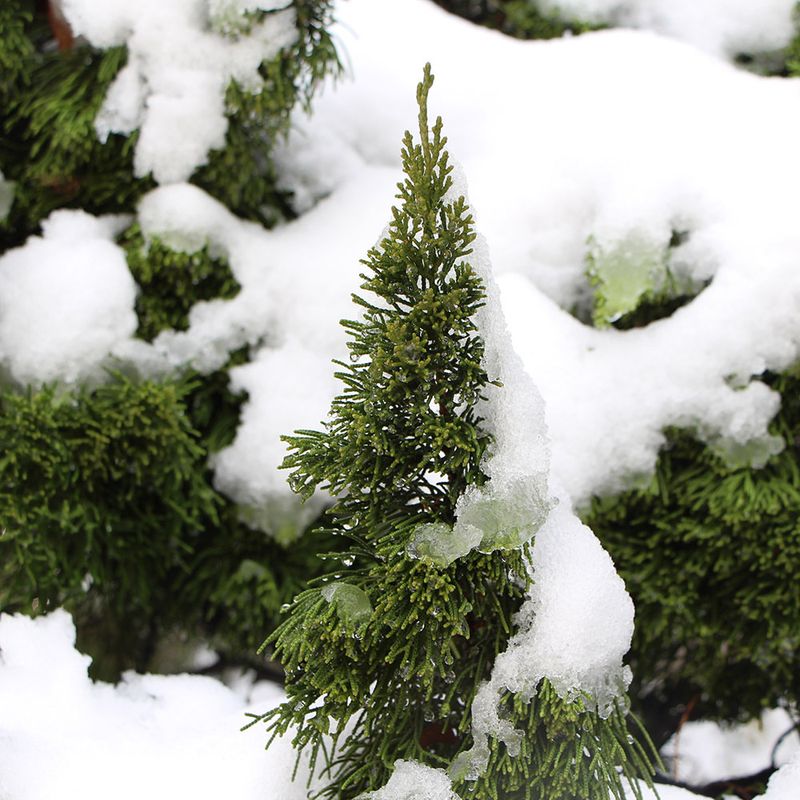
Even after a rough Pennsylvania winter, most shrubs are tougher than they look. With the right care once the snow melts, many damaged plants can bounce back beautifully by late spring. Recovery starts with knowing what steps to take and when to take them.
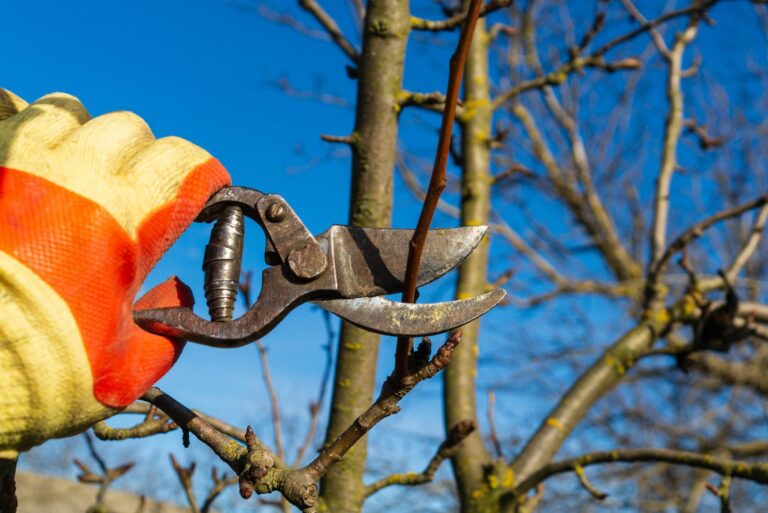
Pruning broken branches is the first priority. Wait until late winter or early spring when the worst cold has passed, then use clean, sharp pruning shears to cut broken branches back to a healthy point.
Clean cuts heal faster than ragged ones and reduce the risk of disease entering the wound. Do not wait too long, as damaged wood can begin to rot quickly.
If a stem is bent but not fully broken, you may be able to support it back into position. Use a soft plant tie or padded stake to gently guide the stem upright.
Hold it in place through the spring and check regularly to see if it is regaining strength. Many stems that look ruined in February are standing tall by May.
Watch damaged areas closely for signs of disease or rot in the weeks after the storm. Discolored bark, soft spots, or unusual smells near a wound are signs that something is wrong. Catching a fungal infection early makes it much easier to treat.
Most shrubs in Pennsylvania recover naturally with time and a little patience. Regular watering in early spring, a light application of balanced fertilizer, and some fresh mulch around the base can all help a stressed plant regain its strength and fill back in beautifully.